
REVIEW · KATHMANDU HIKING TOURS
Pokhara: 5-Day Annapurna Base Camp (ABC) Trek
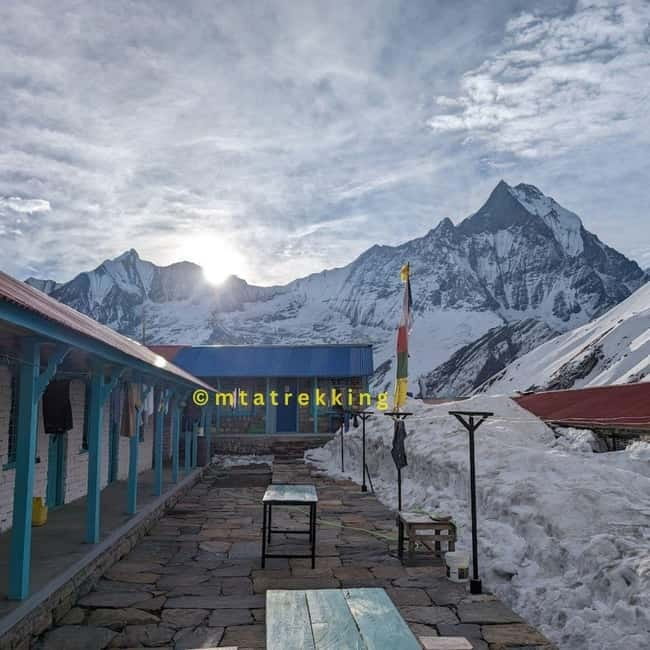
The mountains get serious fast. This five-day trek takes you from Pokhara to Annapurna Base Camp at 4,130 meters, with terraced fields, forest paths, Gurung villages, hot springs, and huge Himalayan views along the way. I like the compact route and the private-group format, which gives you more room to adjust your pace.
I also like the care built into the guiding service. Guides including Santosh, Prabit, and Ramit have been praised for clear communication, steady pacing, cultural explanations, and help with practical details. The main caution is simple: five days is a demanding schedule, and the jump to base camp comes quickly. You need a reasonable level of fitness and must take altitude symptoms seriously.
Key points to know before booking
- Annapurna Base Camp reaches 4,130 meters, so altitude is a real concern even on a short trek.
- The route combines mountain scenery with Gurung culture, including villages, tea houses, and the Jhinu hot springs.
- Private guiding is a major strength, with the pace adjusted to suit the group.
- The $136 price covers important basics, including tea house lodging, permits, transport, and a registered guide.
- Meals need careful checking, since the included package depends on choosing the full-board option.
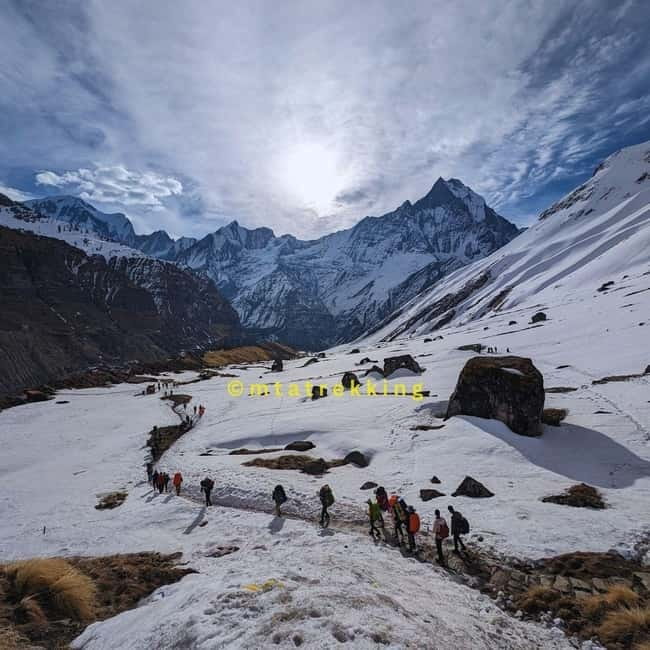
- The route is most demanding on the ascent, especially between Deurali and Annapurna Base Camp.
What this five-day ABC trek is really like
This is not a gentle sightseeing walk from Pokhara. It is a short, focused Himalayan trek with long walking days, uneven trails, steep climbs, and a rapid rise in altitude.
You begin in Lakeside Pokhara, ride by private jeep or SUV toward Siwai, and then continue on foot. The drive takes about three hours. That road transfer saves time, but it also means your first trekking day still asks for roughly five to six hours of walking.
The route is appealing because it changes often. You move from lower-elevation villages and cultivated terraces into thick forest, then into colder, more open mountain terrain. By the time you reach base camp, the scenery has shifted completely.
The trek also offers more than mountain photographs. You pass through places connected with Gurung life and stay in tea houses, where the simple lodging is part of the experience. Do not expect resort comfort. Expect a bed, basic facilities, mountain meals if you choose the full-board option, and a warm place to recover after the day’s walk.
More Annapurna Treks in Kathmandu:
- Annapurna Circuit Trek with Tilicho Lake
★ 5.0 · 368 reviews - Annapurna base camp trek 5 Days
★ 5.0 · 252 reviews - 14-Day Private Annapurna Base Camp Trek
★ 5.0 · 180 reviews
Day 1: Pokhara to Lower Sinuwa through Jhinu
The day starts with hotel or airport pickup in Pokhara. Pickup is available from hotels and locations in the Lakeside area, as well as Pokhara International Airport.
The private drive to Siwai takes about three hours. From there, you walk toward Lower Sinuwa, at around 2,300 meters. The stated walking time is roughly five to six hours, depending on the pace and stops.
Jhinu is the special stop on this first day. It is known for its natural hot springs, which become useful later in the trek and give the route a pleasant cultural and physical highlight. You may pass through village areas, terraced farmland, and forested paths before the final approach to Lower Sinuwa.
I like this opening because it gets you away from the city quickly and places you in the countryside on day one. The drawback is that the combination of a three-hour drive and a long walk can feel heavy if you have just arrived in Nepal or slept poorly.
Lower Sinuwa sits high enough to give you an early taste of mountain conditions, but the serious altitude comes later. Take this first day slowly. It is better to arrive tired but comfortable than to treat the opening miles like a race.
Day 2: Lower Sinuwa to Deurali at 3,200 meters
Day two is one of the main climbing days. You walk from Lower Sinuwa to Deurali, reaching about 3,200 meters after approximately six hours on the trail.
The scenery changes as you gain height. Forest paths and mountain views replace the lower terraces, and the air becomes cooler. The route can feel more remote, though this is also where the physical work becomes obvious.
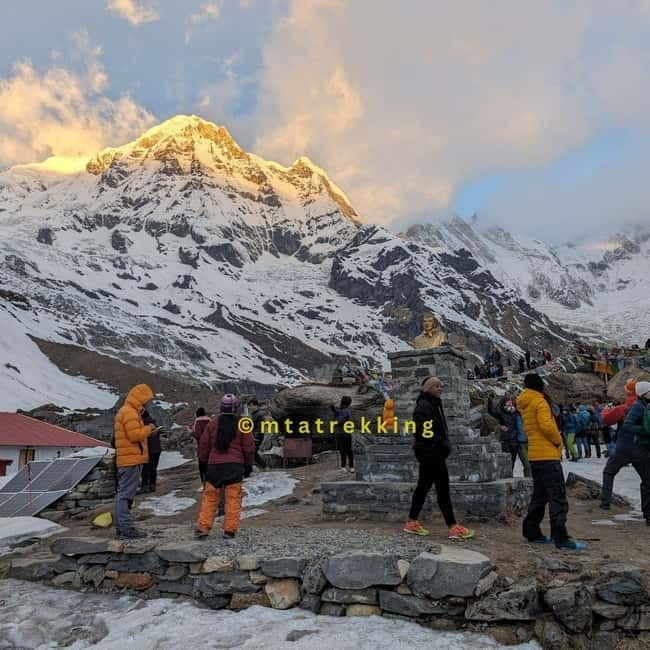
Deurali is a useful overnight stop because it breaks up the climb to base camp. You have time to eat, rest, and watch the light change over the surrounding peaks. The itinerary also mentions sunset and sunrise viewing, so early starts and short evening walks around the tea house area may become part of the day.
This is where a good guide matters. Prabit was praised for preparing a group carefully and paying attention to equipment and pacing. The guide’s job is not just to point at mountains. It is to watch how you are coping, explain the route, and prevent you from pushing too hard.
At 3,200 meters, keep an eye on your body. Headache, unusual tiredness, nausea, dizziness, or trouble sleeping can be warning signs. The information for this trek notes that altitude sickness is possible, even though it is described as uncommon. Tell your guide promptly if you feel unwell.
Day 3: Deurali to Machhapuchhre Base Camp and ABC
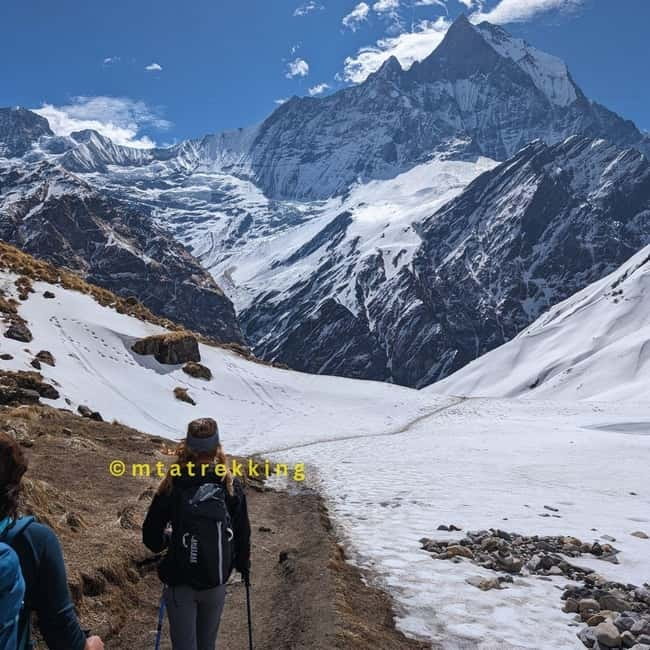
This is the big day. From Deurali, you walk toward Machhapuchhre Base Camp before continuing to Annapurna Base Camp at 4,130 meters.
The listed walking time is around four to six hours, depending on the schedule and stops. The route moves into the high mountain zone, with fewer trees and wider views of the surrounding peaks.
Machhapuchhre Base Camp is an important pause. Machhapuchhre, also called Fishtail, is one of Nepal’s most recognizable mountains, and the stop gives you a chance to enjoy views of its distinctive summit before the final push.
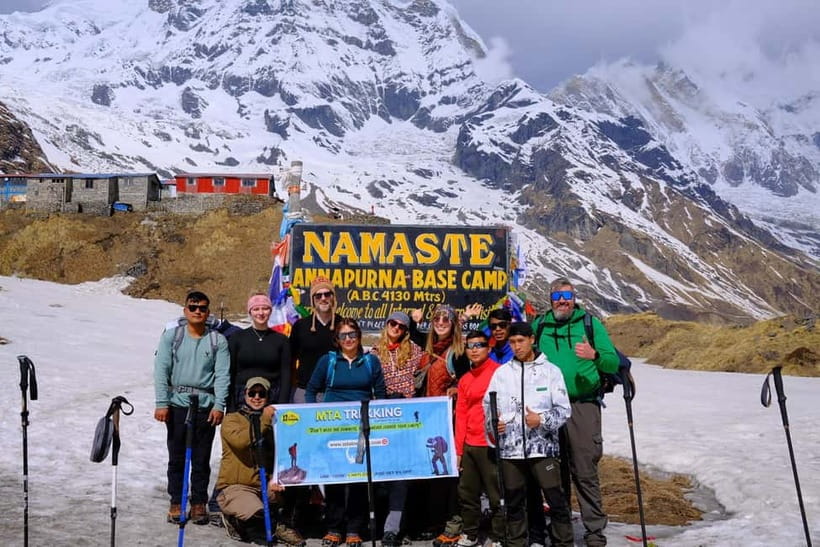
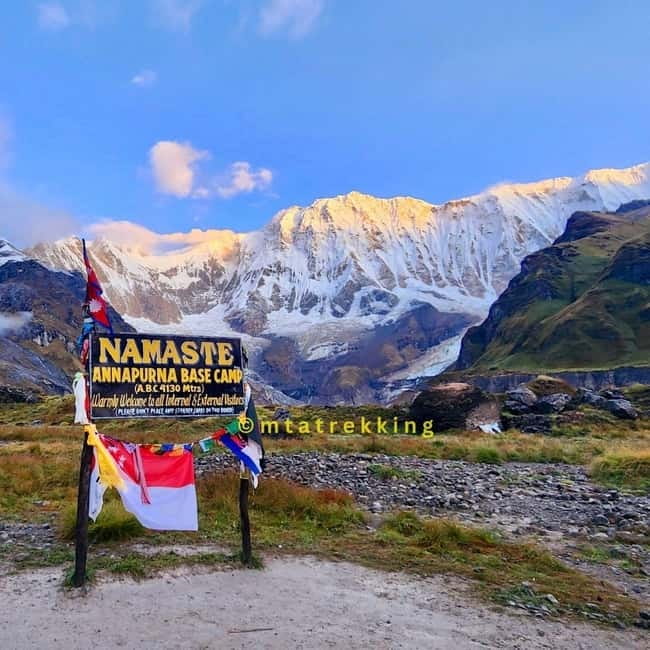
Then you continue to Annapurna Base Camp. Reaching the camp is the emotional high point of the trip, but do not expect the day to feel easy. At 4,130 meters, every uphill section demands more effort, and cold, wind, and thin air can make a short distance feel long.
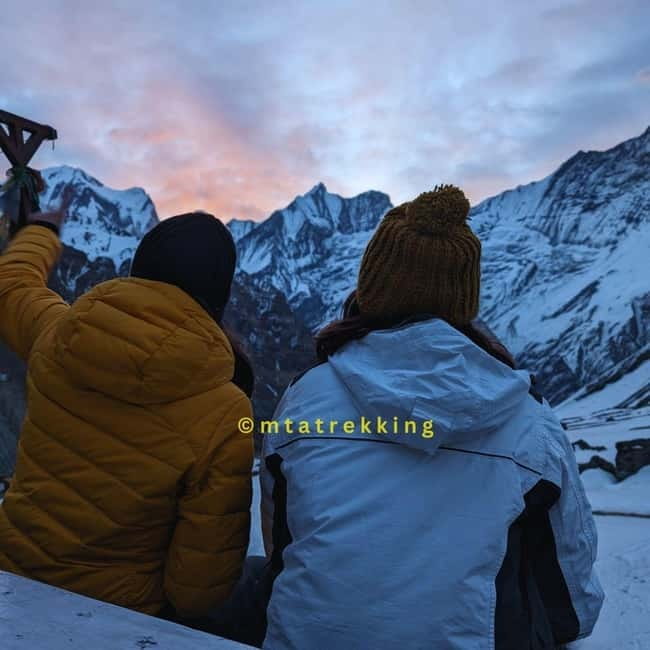
The reward is the setting. Annapurna Base Camp places you among the peaks of the Annapurna Massif, giving you a close view of the high mountain walls around the sanctuary. If the weather is clear, sunrise and sunset are especially valuable. One guest described the sunrise facing Annapurna South as unforgettable, which tells you why many people accept the hard climb.
Plan to keep your expectations flexible. Mountain weather can change, and clouds may hide the views. The destination is impressive, but the experience depends on conditions, your health, and the pace of the group.
More Five-Day Trips around Kathmandu:
- 5 Days Hiking, Tour, Meditation and Yoga Retreat in Kathmandu, Nepal
★ 5.0 · 10 reviews - Machu Picchu: 5-Day Salkantay Trek with Panoramic Train
★ 5.0 · 79 reviews - Ausangate Trek 5 Days
★ 5.0 · 74 reviews - Kathmandu/Pokhara: 5-Day Annapurna Base Camp (ABC) Trek
★ 4.9 · 72 reviews
Day 4: Annapurna Base Camp to Bamboo
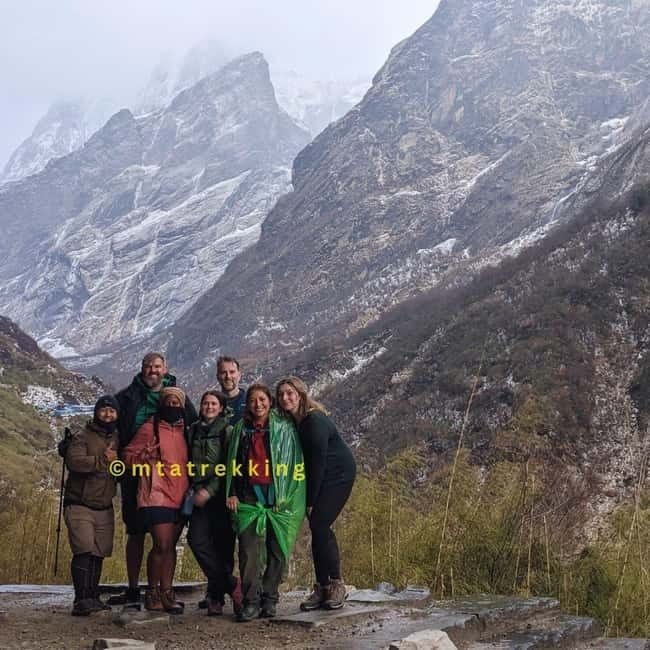
Day four starts with time at Annapurna Base Camp, then turns downhill toward Bamboo at about 2,400 meters.
This descent is a relief for your lungs, but it can be demanding on tired knees. The trail remains uneven, and long downhill sections can punish anyone who skipped training. Trekking poles are a sensible item to bring, although they are not specifically listed among the included equipment.
The return to Bamboo also gives you a different view of the route. You may notice details that passed quickly on the ascent, including changes in vegetation, trail texture, and village life.
Bamboo is a practical overnight stop. After the high point of the trek, you can rest at a lower elevation and recover before the final walk out. The listed schedule includes sunrise and sunset opportunities, but your priority should be sleep, food, and water.
Tea house accommodation keeps costs down, though facilities are basic. Hot showers, Wi-Fi, drinks, mineral water, laundry, and other personal expenses are not included. Bring cash because mountain services may cost extra, and the package specifically advises carrying money.
Day 5: Bamboo to Jhinu, then back to Pokhara
The final trekking day leads from Bamboo toward Jhinu Danda. The stated walking time is about six hours, followed by a drive of roughly three hours back to Pokhara.
Jhinu’s hot springs are optional, but they make sense after several days on the trail. If your schedule and energy allow, soaking there can be a pleasant way to finish the walking portion. You should not assume the hot spring stop will feel leisurely, though. The day still includes a substantial hike and a road transfer.
The drive returns you to Lakeside Pokhara, where the contrast can be striking. After several nights in tea houses and mountain villages, restaurants, showers, and city comforts will feel well earned.
The final day is long because it combines walking and driving. If you have a late onward flight or a fixed appointment, leave plenty of extra time. The information provided confirms arrival back at Lakeside, but it does not give a guaranteed arrival hour.
What the $136 price covers
At $136 per person, this trek offers strong value if you want the main logistics arranged in advance. The package includes tea house accommodation, pickup and drop-off in Lakeside or at Pokhara International Airport, private transport between Pokhara and Siwai, conservation and government permits, TIMS, taxes, a registered trekking guide, and a first-aid kit.
It also includes luggage storage in Pokhara during the trek. That is useful because you can leave larger bags behind and walk with only what you need in the mountains.
The most important price detail is the meal arrangement. Meals are included only when you choose the full-board option, so check the exact booking selection before paying. The advertised price should not be treated as an all-inclusive mountain budget until you confirm what food package you have selected.
A porter costs an extra $20 per day. That can be worthwhile if you want to reduce the weight on your back, especially on the climb toward base camp. Rescue and insurance are not included, so you should arrange suitable trekking insurance before setting off.
You should also budget for hot showers, Wi-Fi, drinks, bottled or mineral water, laundry, and other personal costs. Carry cash, as requested in the preparation notes.
Guides, pacing, and private-group value
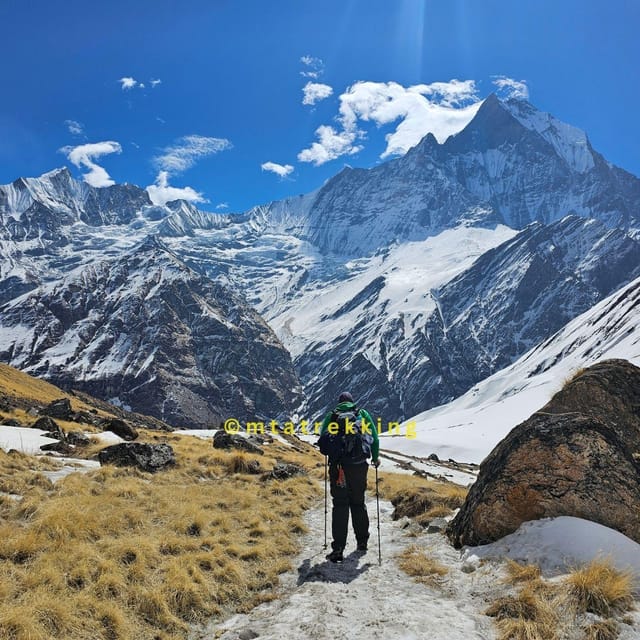
The strongest part of this trek is the guide service. Santosh was praised for being kind and easy to understand. Nathalie’s guide was also described as friendly and helpful, with explanations about the mountains and local culture.
Ramit received particular praise for managing walking times and rest periods well. That is exactly what you want on a short ABC schedule. The difference between an enjoyable trek and a miserable one often comes down to pacing.
A private group can make the trip more comfortable because the guide can adjust the speed and rest stops. One participant from Japan received help with preparation before departure and had the itinerary adjusted to avoid overexertion. That kind of attention is useful, but it does not remove the need for fitness.
The group format is listed as private, and the live guide language is English. If you need another language, confirm availability before booking.
Fitness, weather, and what to pack
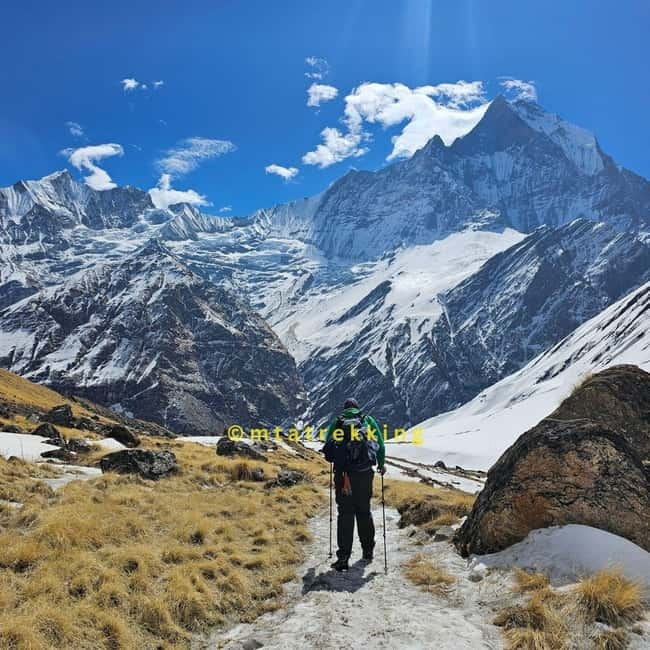
You should be able to walk for five to six hours on consecutive days, including uphill and downhill sections. The highest point is 4,130 meters, and the five-day schedule leaves limited time for recovery or altitude adjustment.
Bring comfortable hiking shoes, comfortable clothing, a change of clothes, cash, and your passport or a copy of your passport. The packing list is short, so you should think beyond its basics and prepare for cold mountain conditions, rain, and changing temperatures.
Monsoon conditions from June through August can bring heavy rain and unstable weather. Leeches may appear on the lower trails during this period. Long trousers tucked into gaiters and insect repellent can help.
The itinerary is not suitable for pregnant people, wheelchair users, people with mobility impairments, people with visual impairments, people experiencing altitude sickness, or people over 70. Those limits are strict for practical reasons, especially given the steep terrain and high elevation.
Who should book this trek?
I would recommend it to you if you want a short route to Annapurna Base Camp and prefer having transport, permits, tea houses, and a guide organized together. It suits people who enjoy active days and do not need luxury lodging.
It is also a good fit if you value cultural contact. The Gurung villages and tea house stays give the trip more character than a simple mountain transfer. The hot springs at Jhinu add another welcome change of pace.
I would be cautious if you have little hiking experience, dislike steep trails, or expect five days to feel relaxed. The five-star ratings reflect very strong satisfaction with the organization and guiding, but the physical demand remains real. The Australian participant specifically found fitness tested during the five-day route.
Free cancellation up to 24 hours before departure and reserve-now, pay-later booking add flexibility. Still, you should sort out insurance, meals, porter needs, and personal spending before you commit.
Should you book the Pokhara ABC trek?
Book it if you want an efficient, guided route to one of Nepal’s most famous mountain viewpoints and you are ready for long walking days. The price is attractive because it covers the major permits, transport, lodging, and guide services, while the private format allows some control over pace.
Choose a longer or less demanding trek instead if you need more acclimatization time or prefer shorter days. For a fit person with limited time in Pokhara, this five-day ABC trek offers a lot: Gurung villages, forest trails, Machhapuchhre views, Annapurna Base Camp, and a soak at Jhinu. Just treat the altitude and the schedule with respect.
FAQ
How high is Annapurna Base Camp on this trek?
Annapurna Base Camp reaches 4,130 meters, or about 13,550 feet. Altitude sickness is possible, so you should report symptoms to your guide.
How long does the trek take?
The experience lasts five days and four nights. Walking days range from about four to six hours, with driving between Pokhara and Siwai at the start and back to Pokhara at the end.
Is transport from Pokhara included?
Yes. Private transport from Pokhara to Siwai and back is included. Pickup and drop-off are available from hotels and locations in Lakeside Pokhara, as well as Pokhara International Airport.
Are meals included?
Meals are included when you choose the full-board option. Check the specific package before booking because the listed price does not automatically clarify which meal option you have selected.
Is a porter included?
No. Porter service costs an additional $20 per day. Personal expenses such as hot showers, Wi-Fi, drinks, mineral water, and laundry are also extra.
What should I bring?
Bring comfortable hiking shoes, comfortable clothes, a change of clothes, cash, and your passport or an accepted copy. You should also prepare suitable clothing and gear for rain and cold mountain conditions, especially during the June to August monsoon period.
Just added around Kathmandu
- Annapurna Base Camp Trek 12 Days★ 5.0 · 18 reviews
- Annapurna Base Camp Trek 10 Days★ 5.0 · 35 reviews
- Annapurna Base Camp Trek – 11 Days★ 5.0 · 30 reviews
- Annapurna Base Camp Trekking★ 5.0 · 38 reviews
- Adventurous Annapurna Base Camp Trekking★ 5.0 · 7 reviews
- Annapurna Base Camp Trek★ 5.0 · 80 reviews
- Annapurna Base Camp Private Short Trek★ 5.0 · 8 reviews
- Annapurna Base Camp Short trek★ 5.0 · 13 reviews
Kathmandu Hiking Tours, compared.
Nagarkot Sunrise View and Day Hiking from Kathmandu
Read our review →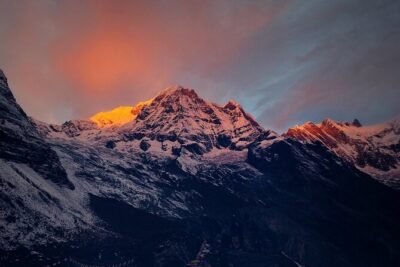
Browse the lists this tour appears in