
REVIEW · CUSCO HIKING TOURS
Machu Picchu: 5-Day Salkantay Trek with Panoramic Train
Machu Picchu is only part of the story. This five-day Salkantay journey earns its finale with Humantay Lake, the high Salkantay Pass, cloud forest trails, and a first view of the citadel from Llactapata. I especially like the thoughtful campsites and the excellent food, including a traditional Pachamanca feast. The main drawback is the altitude and demanding walking, particularly during the first two days.
You start before dawn, climb as high as 4,630 meters, and cover long downhill stretches before reaching the warmer forests near Machu Picchu. Guides such as Cesar, Roger, José, and Elias have been praised for encouragement and careful pacing, but you still need decent fitness and a real appetite for mountain walking.
Key points at a glance
- Humantay Lake reaches 4,200 meters: The turquoise water is reached by a steep, roughly three-hour hike from the trailhead.
- Salkantay Pass is the physical high point: At 4,630 meters, this is the trek’s toughest climb and highest view.
- Llactapata gives you an unusual Machu Picchu view: You camp with the citadel visible across the valley before visiting it the next morning.
- The food is a major strength: Experienced chefs prepare breakfasts, lunches, dinners, snacks, and a Pachamanca barbecue with local coffee.
- The accommodation changes with the terrain: You get a glamping tent in the high country, Andean huts in the forest, camping near Llactapata, and a three-star hotel in Aguas Calientes.
- The $655 price covers a lot: Transport, permits, guides, meals, lodging, porters for camping gear, safety equipment, buses, and a panoramic train are included.
Why this Salkantay route feels different
The Salkantay Trek is not simply a long road to Machu Picchu. It moves through several distinct zones in five days, beginning among snow and thin air, then dropping through warmer valleys, coffee plantations, waterfalls, and jungle vegetation.
That change is the great reward. You begin by looking at glacial peaks and finish beside the Urubamba River, with orchids and birdlife near Mandor Botanical Gardens. The route offers more variety than a walk that stays at one altitude.
I also like the way this tour mixes effort with local culture. You do not just pass through Lucmabamba. You stop for coffee and take part in a Pachamanca cooking experience, where food is prepared in the traditional Andean style. These moments give the trek a human shape, rather than turning it into a five-day fitness test.
The group is limited to 16 people, which matters on a route with different walking speeds. Guides have allowed slower walkers to take breaks or faster walkers to move ahead without pressure. That flexibility can make a long day feel far less stressful.
More Machu Picchu and Inca Trail Treks in Cusco:
- Salkantay Trek Challenge – 3 Days / 2 Nights
★ 5.0 · 101 reviews - Choquequirao Trek 4 days and 3 nights
★ 5.0 · 81 reviews - 5-Day: Salkantay Trek to Machupicchu and Humantay Lake
★ 5.0 · 42 reviews
Day 1: Humantay Lake and a night at 4,150 meters
The day begins with pickup around 4:30 a.m. from a hotel or Airbnb near Cusco’s historic center. After about three hours on the road, you reach Mollepata for breakfast and meet the trekking crew.
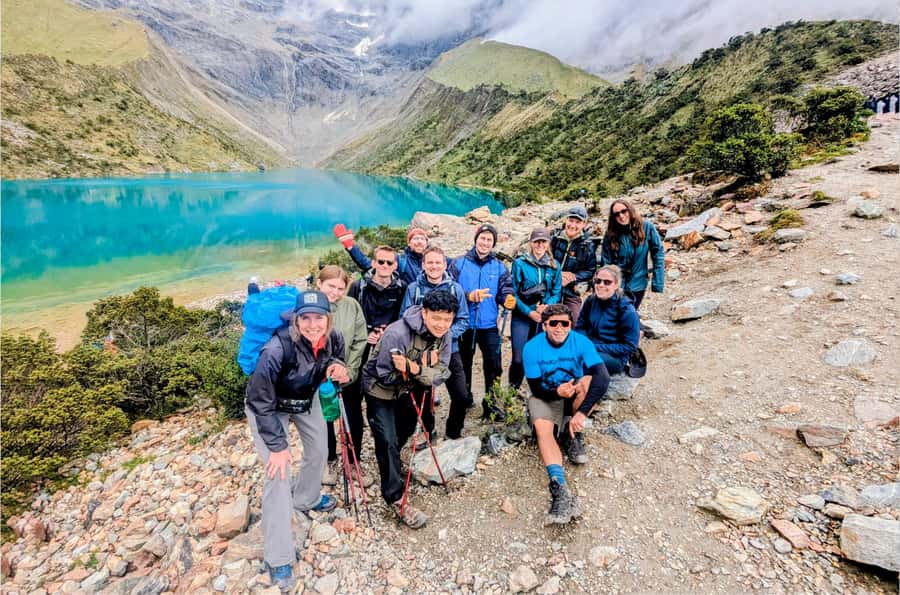
From the trailhead, the climb to Humantay Lake takes about three hours. The lake sits at 4,200 meters, so the distance is only part of the challenge. You are gaining altitude quickly, and the thin air can cause headaches, nausea, or unusual tiredness.
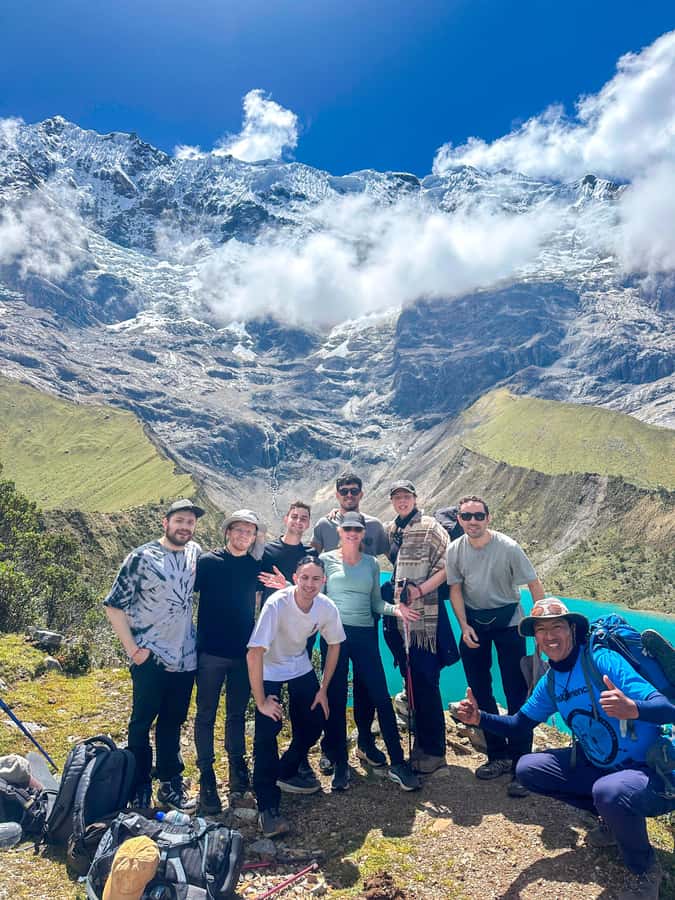
The lake itself is the day’s visual prize. Its turquoise water sits below high mountain slopes, and the cold, open setting makes it feel far removed from Cusco. Take your time with photographs, but do not treat this first climb as a warm-up. It is a serious start.
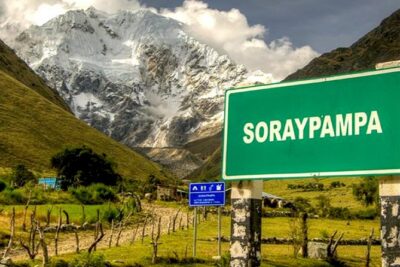
After visiting the lake, you descend to Soraypampa for lunch. The route then continues with a gentler two-hour climb to the Salkantay glamp campsite at 4,150 meters.
The word glamping should not make you expect a hotel room. You sleep in a large, comfortable tent with a sleeping pad and pillow provided. There is warm dinner, hot drinks, and the chance to look up at a remarkably clear night sky.
This is also the night when altitude can catch up with you. One practical lesson is to arrive in Peru with some time to adjust before starting, although the supplied tour details do not specify an acclimatization schedule. Bring personal medication, and speak with a medical professional before considering altitude medicine such as acetazolamide. It is not a substitute for caution.
Day 2: The 4,630-meter Salkantay Pass
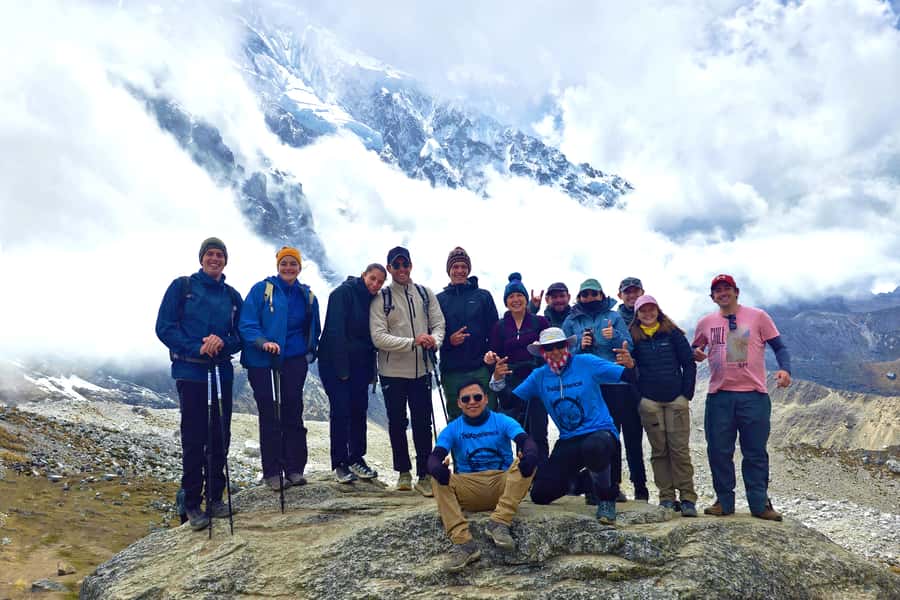
Fresh coffee or coca tea starts the morning. Then comes the climb to Salkantay Pass, the highest point of the trek at 4,630 meters.
This is the day that demands the most from your legs and lungs. The pace should be steady, not heroic. Guides have been praised for stopping often, checking hydration, adjusting to different abilities, and offering encouragement when the climb becomes slow work.
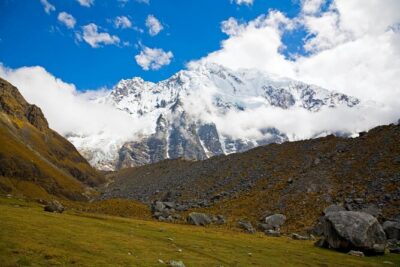
At the pass, you get broad views of the surrounding mountains and a nearby glacial lake. This is one of the most memorable points on the route, but the altitude can make even a short pause feel strenuous.
After the pass, the trail descends for a long stretch. Lunch at Wayracmachay breaks up the day before the route continues downward through changing vegetation. The air gradually becomes warmer as the high country gives way to cloud forest.
By evening, you reach Collpapampa at 2,770 meters and sleep in comfortable Andean huts. This change in altitude is welcome. You have a warmer night ahead, but the descent can be hard on knees and thighs. Trekking poles are not included, though they can be rented and may be useful on this day.
Day 3: Coffee, Pachamanca, and the first view of Machu Picchu
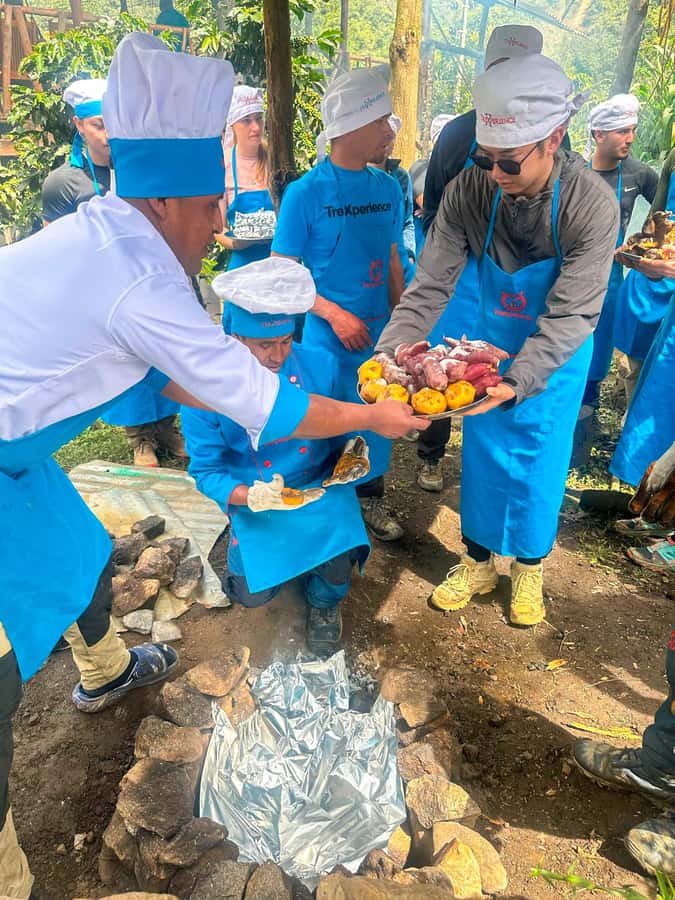
Day three is less about altitude and more about local life. The trail passes wooden bridges, waterfalls, plantations, and small communities before reaching Lucmabamba at about 2,000 meters.
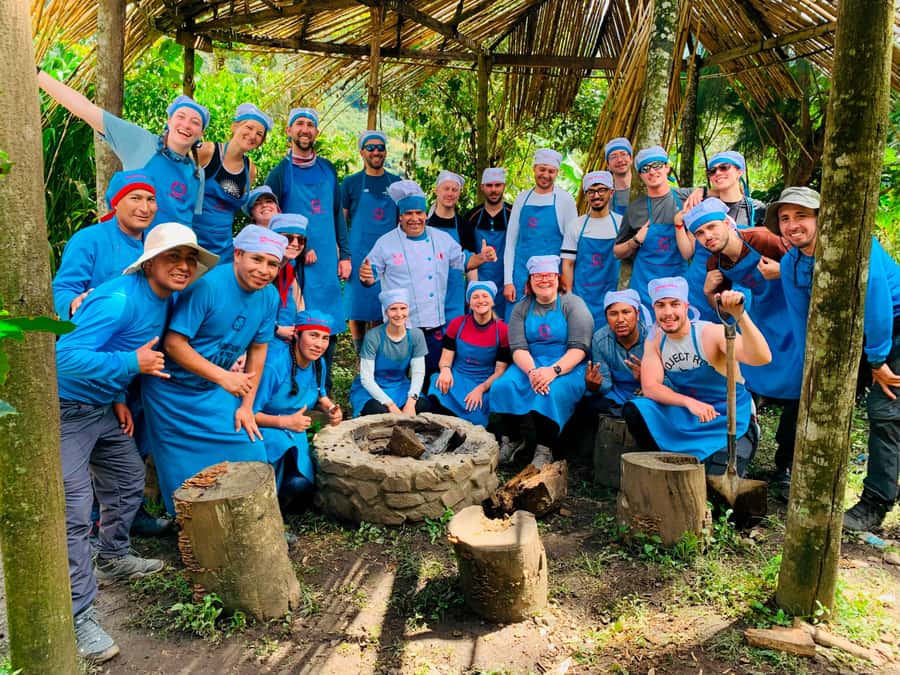
Here you enjoy a Pachamanca barbecue and coffee experience. Pachamanca is a traditional Andean way of cooking food with heated stones, and the meal gives you a direct connection to the region’s food culture. The coffee stop is just as worthwhile: local farms provide the setting for tasting freshly brewed coffee.
The route then follows an Inca Trail section for around three hours to Llactapata, at 2,750 meters. The climb may feel demanding after the previous day, but the reward is unusual. From the campsite, you get your first clear view of Machu Picchu across the valley.
Camping near Llactapata is one of the best design choices on this route. You are not seeing Machu Picchu for the first time from the usual bus approach. Instead, the citadel appears in the distance after several days of walking, and you wake with it in view from your tent.
The food deserves special credit throughout the trek. Meals are freshly prepared, and several people have singled out the cooks for producing a surprising range of dishes in remote camps. Vegetarian choices are available, but you should state dietary needs when booking.
More Train Rides around Cusco:
- Cusco: 4-Day Lares Trek to Machu Picchu with Panoramic Train
★ 4.9 · 20 reviews - Cusco: 4-Day Salkantay Trek to Machu Picchu, Panoramic Train
★ 4.3 · 17 reviews - Saint Kitts Train Trek
★ 4.0 · 60 reviews
Day 4: From Llactapata to Aguas Calientes
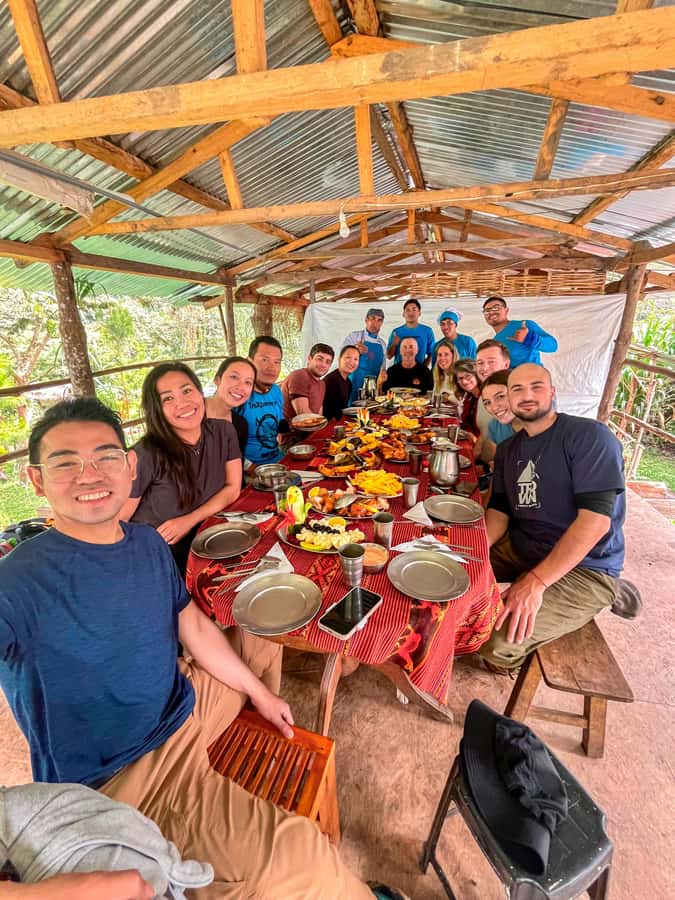
The morning begins with coffee and a view of Machu Picchu. You then descend for about two hours to the hydroelectric station, where you have a final brunch with the trekking team.
From there, the route follows the railway and the Urubamba River for roughly three hours to Aguas Calientes. This section is far less demanding than the high mountain days, though it is still a substantial walk after several days on the trail.
A stop at Mandor Botanical Gardens adds another layer to the day. The gardens are known for birdlife and orchids, giving you a chance to slow down and look closely at the plants around the river valley.
In Aguas Calientes, you check into a three-star hotel. This is a useful comfort break before Machu Picchu. You can explore town, relax at the hot springs, and eat dinner at a local restaurant before the early start the next morning.
Do not expect Aguas Calientes to feel quiet or remote. It is the main access town for Machu Picchu and has a very different mood from the camps. That contrast is part of the route, but it can feel like a sharp shift after the peaceful mountain nights.
Day 5: Machu Picchu and the panoramic train
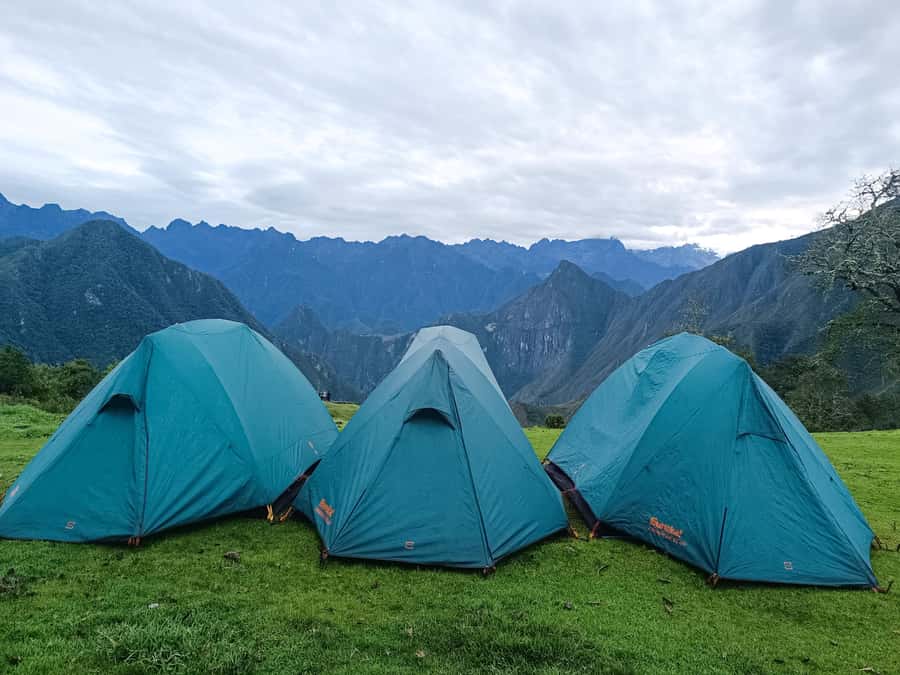
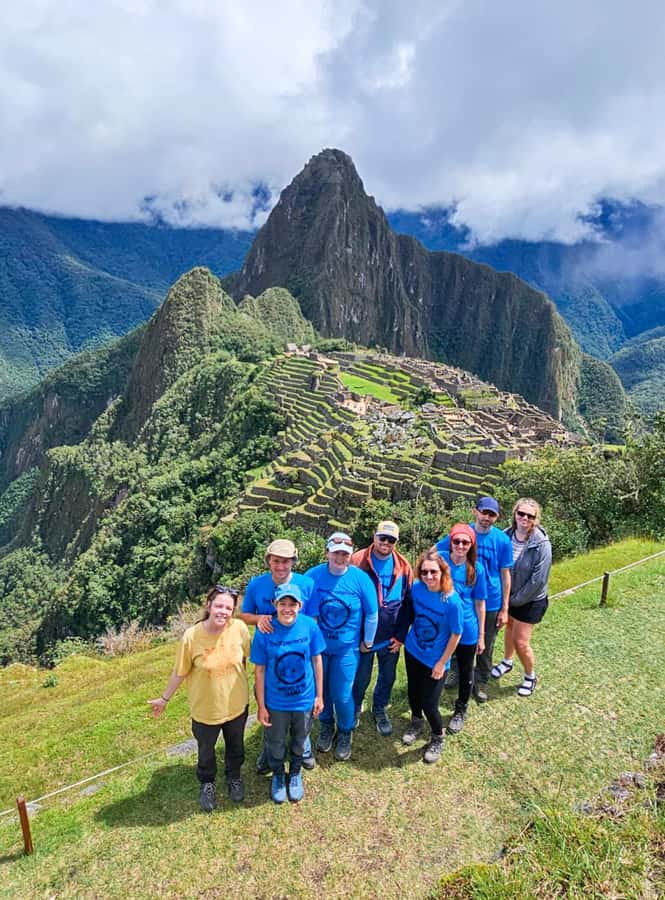
The final morning starts early. After breakfast, you take one of the first buses up to Machu Picchu, with the goal of seeing the citadel in the morning light.
A guided tour lasts about two to three hours. That time is valuable because a guide can explain the layout, purpose, and key structures rather than leaving you to wander without context. After the guided visit, you may have time to explore on your own, depending on your entry circuit and schedule.
Huayna Picchu and Machu Picchu Mountain are separate options and require advance booking. Neither mountain pass is included, so do not assume you can decide at the gate. If one of these climbs matters to you, arrange it before the trek.
After Machu Picchu, you return to Aguas Calientes for lunch and board the panoramic Vistadome or 360-degree train to Ollantaytambo. Large windows make the ride a pleasant final look at the river valley, and it saves you from retracing the entire route on foot.
A private van takes you from Ollantaytambo back to Cusco, arriving around 7:30 p.m. This is a long final day. Plan a quiet evening rather than a late dinner or an early flight the next morning.
What the $655 price really includes
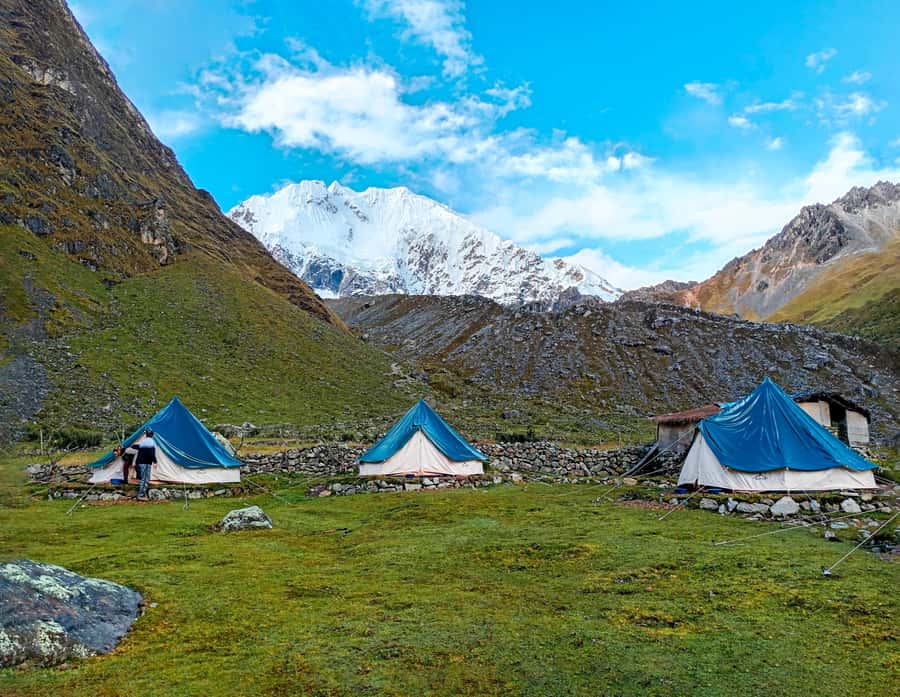
At $655 per person, this is a strong package for a five-day trek. The price includes the Salkantay and Machu Picchu entrance tickets, professional guiding, hotel pickup and return transport, buses to Machu Picchu, and the panoramic return train.
It also covers:
- Two nights of camping
- One night of glamping
- One night in a three-star hotel
- Four breakfasts, three lunches, and three dinners
- Daily snacks and drinking water
- Chefs and support staff
- A duffle bag with a limit of 7 kilograms
- Muleteers to carry camping gear
- Sleeping pad, pillow, rain poncho, and hand towels
- First-aid supplies, an oxygen tank, and a satellite phone
That list matters because small trek expenses can add up quickly. You still need to pay for or rent a sleeping bag, inflatable mattress, and trekking poles if you want them. Huayna Picchu and Machu Picchu Mountain also cost extra and require advance reservations.
The package is especially good value if you prefer not to organize separate permits, trains, buses, hotels, meals, and porters. It is less attractive if you want complete independence or dislike fixed early starts.
How hard is the walking?
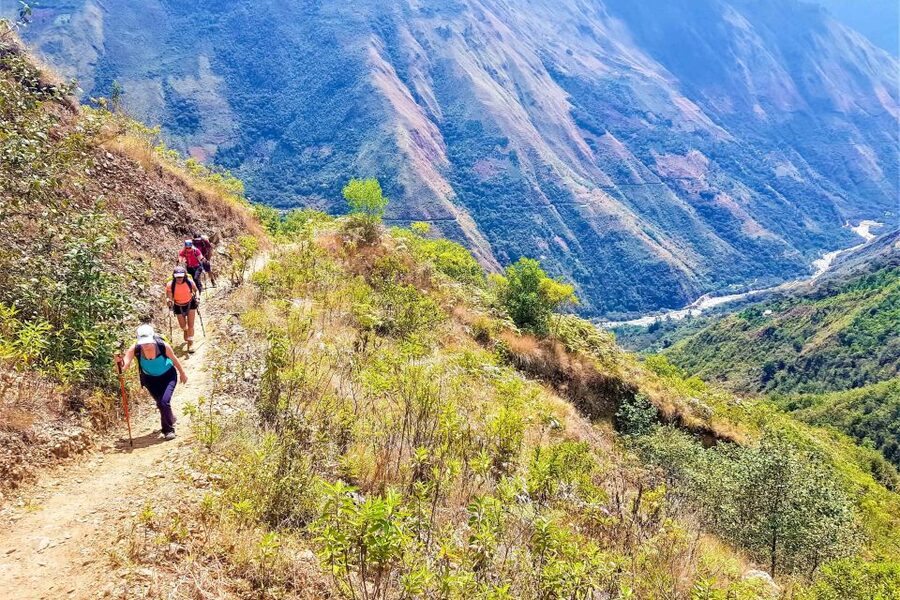
You should be comfortable with full days on uneven mountain trails. The itinerary includes a three-hour climb to Humantay Lake, the ascent to 4,630 meters, a long descent into the cloud forest, and several hours of walking on later days.
The route suits an active person who is comfortable with long walks, but it is not designed for anyone seeking a gentle sightseeing holiday. Guides can adjust pacing, and one non-walker was given an alternative arrangement, but the standard program remains physically demanding.
Altitude is the biggest concern, not just fitness. Day one reaches 4,200 meters, and day two goes higher. Watch for headache, dizziness, nausea, unusual weakness, or breathing trouble. Tell your guide immediately if you feel unwell.
The tour is not suitable for pregnant people, wheelchair users, or people with mobility, heart, or back problems. Children must be accompanied by an adult.
What to pack and what to keep accessible
Bring a passport, since passport details are required at booking and the document is needed for the trek and Machu Picchu entry. You should also carry comfortable hiking shoes, warm layers, rain gear, sun protection, insect repellent, toiletries, personal medication, cash, and a head torch.
A backpack no larger than 25 liters is recommended because larger bags cannot enter Machu Picchu. Your duffle bag can hold up to 7 kilograms, but keep essentials in your daypack.
Useful items include:
- Sunglasses, sun hat, and sunscreen
- Hiking pants and comfortable shoes
- Hand sanitizer or tissues
- Toilet paper and band-aids
- Extra camera batteries
- Weather-appropriate clothing
- Student card, if applicable
Cash is worth carrying. One useful practical tip is to have Peruvian soles available for small purchases and personal expenses. The tour provides water and snacks, but you may still want money for items not included.
Alcohol, drugs, smoking, weapons, sharp objects, fires, littering, and feeding animals are not allowed. Unaccompanied minors cannot join.
The people who make the trek work
The route would be much harder without the guides and support crew. Names praised for care and encouragement include Cesar, Roger, Alex, Renato, Miguel, José, Gilbert, Sebastian, Eddie, Elias, and Klever.
The best quality to look for is not just facts about the Incas. It is the ability to manage altitude, different walking speeds, meals, weather, and transport changes without making the group anxious. Guides have helped people dealing with altitude headaches, organized alternatives, and made sure groups connected with trains and vans.
The cooks and muleteers are equally important. Meals are served throughout the trek, camping gear arrives on time, and the food has earned unusually strong praise, including vegetarian options and elaborate multi-dish meals.
Should you book this Salkantay Trek?
Book it if you want Machu Picchu to be the finale of a real mountain journey rather than a single-day visit. The route gives you Humantay Lake, Salkantay Pass, coffee farms, Pachamanca, a Llactapata view, cloud forest, and a comfortable train ride home.
Think carefully before booking if altitude is a major concern, if you dislike early starts, or if several hours of hiking each day sounds unpleasant. The $655 cost is fair for the permits, transport, food, lodging, porters, safety gear, and guide service included.
For an active person who wants strong scenery, local food, and support without giving up the challenge, this is a very appealing way to reach Machu Picchu. The best preparation is simple: arrive ready to walk, pack light, bring cash and rain gear, and take the first two days slowly.
FAQ
How long is the Salkantay Trek?
The experience lasts five days. Pickup begins around 4:30 a.m. on the first day, and the return to Cusco on the final day is expected around 7:30 p.m.
What is the highest point of the trek?
The highest point is Salkantay Pass at 4,630 meters. Humantay Lake is visited at 4,200 meters.
Is Humantay Lake included?
Yes. The first day includes the hike to Humantay Lake, followed by lunch at Soraypampa and a climb to the Salkantay glamping campsite.
Where do you sleep during the trek?
You spend one night glamping at Salkantay, one night in Andean huts at Collpapampa, one night camping near Llactapata, and one night in a three-star hotel in Aguas Calientes.
Is food included?
Yes. The price includes four breakfasts, three lunches, three dinners, water, and daily snacks. A Pachamanca barbecue and coffee experience are also included.
Is a sleeping bag included?
No. A sleeping bag can be rented. An inflatable mattress and trekking poles can also be rented.
Is the train back to Cusco included?
Yes. The return includes a panoramic Vistadome or 360-degree train from Aguas Calientes to Ollantaytambo, followed by a private van to Cusco.
Can I hike Huayna Picchu or Machu Picchu Mountain?
You can, but the pass is not included. Huayna Picchu and Machu Picchu Mountain must be booked in advance.
What languages are available for the guided tour?
The live tour guide service is available in Spanish and English.
More Five-Day Trips around Cusco
- Annapurna base camp trek 5 Days
★ 5.0 · 252 reviews - 5-Day Pearl of Africa Chimps and Gorilla Trekking Safari
★ 5.0 · 52 reviews
Just added around Cusco
- Cusco: 4-Day Salkantay Trek to Machu Picchu, Panoramic Train★ 4.3 · 17 reviews
- Cusco: 4-Day Lares Trek to Machu Picchu with Panoramic Train★ 4.9 · 20 reviews
- From Cusco: Rainbow Mountain Trek★ 4.5 · 98 reviews
- Choquequirao Trek 4 days and 3 nights★ 5.0 · 81 reviews
- 4-Day Inca Jungle Adventure, Mountain Biking, Rafting and Zipline★ 5.0 · 60 reviews
- Humantay Lake Full Day Hike★ 5.0 · 75 reviews
- Full-Day Trek to Humantay Lake from Cusco with Guide★ 4.5 · 66 reviews
- 5-Day: Salkantay Trek to Machupicchu and Humantay Lake★ 5.0 · 42 reviews
Cusco Hiking Tours, compared.
7 Lakes Ausangate Trek with Breakfast and Lunch
Read our review →
Rainbow Mountain Tour and Red Valley Hike (Optional)
Read our review →
Full-Day Rainbow Mountain & Red Valley Trekking Tour
Read our review →
Full-Day Trek to Humantay Lake from Cusco with Guide
Read our review →Browse the lists this tour appears in