
REVIEW · KATHMANDU HIKING TOURS
Everest Base Camp Trekking – 13 Day
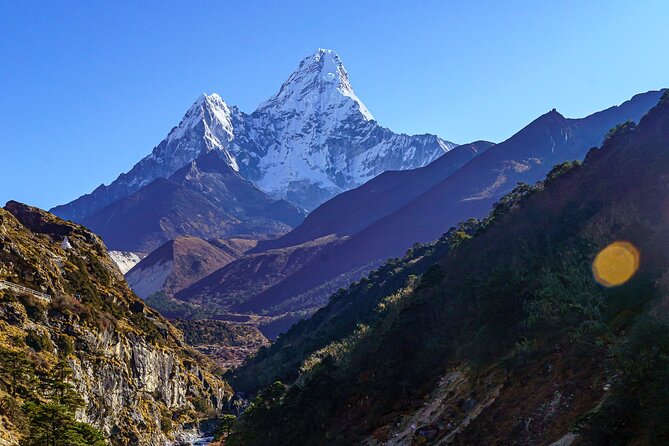
Everest begins with a small plane. This 13-day trek takes you from Kathmandu to Lukla, through Namche Bazaar and Tengboche, then onward to Everest Base Camp and Kala Patthar, with the main logistics arranged for you. I like the included Kathmandu to Lukla flights and the fact that nightly lodge stays and trail meals are covered. I also like the two acclimatization days, which give your body a fair chance to adjust.
The main caution is altitude. This is not a casual mountain walk, and the itinerary moves into very high country quickly. You should also allow for weather-related flight changes, carry proper insurance, and expect a basic trekking style rather than polished hotel comfort.
Five things worth knowing before you book
- Lukla flights are included: The trip begins and ends with the scenic Kathmandu to Lukla flight, though mountain weather can affect timing.
- Two acclimatization days matter: You spend rest days in Namche Bazaar and Dingboche rather than racing uphill every day.
- Kala Patthar adds the big view: The pre-dawn climb on Day 10 is a major highlight, not just a side trip.
- Guiding is a strong part of the package: Guides such as Milan, Dibash, Achyut Mishra, Ratna, Anil, Dipak, and Prokhas have been praised for pacing, care, and clear daily briefings.
- The $1,399 price covers a lot: Flights, permits, lodges, trail meals, taxes, and guiding are included, but Kathmandu meals, insurance, drinks, personal costs, and possible surcharges are extra.
Why this 13-day Everest trek works
I like the basic shape of this journey. You get the classic Khumbu route, two planned acclimatization days, a night at Everest Base Camp’s approach area, and an early climb to Kala Patthar before returning to Kathmandu.
The trip is presented as a private activity, so only your own group participates. That can make a real difference on a demanding route. Your guide can discuss the next day’s walking time, adjust the pace to your ability, and deal with small problems without having to manage a large mixed group.
The package is also useful for anyone who does not want to arrange every permit, flight, lodge, meal, and transfer separately. You still need to pack carefully and manage your own fitness, but much of the planning work is handled for you.
The tradeoff is the tight schedule. Thirteen days is enough for the standard route, but it leaves less spare time than a slower itinerary. The plan includes flights and several long walking days, so delays in the mountains can affect the final schedule. If you want extra time for rest, photography, or weather problems, ask about a customized private plan before paying.
More Everest Base Camp Treks in Kathmandu:
- Everest Base Camp Trek – 14 Days
★ 5.0 · 1,499 reviews - Everest Base Camp Trek
★ 5.0 · 842 reviews - Everest Base Camp Trekking
★ 5.0 · 485 reviews
Day 1: Kathmandu arrival and the first briefing
Your trip begins at Tribhuwan International Airport, where a representative receives you and takes you to your Kathmandu hotel. After customs and arrival formalities, you have time to settle in and prepare for the mountains.
This first day is practical rather than scenic. It gives you a chance to organize trekking equipment, check your documents, and pack the bag you will carry on the trail.
Pack early. The following morning begins with an early departure for Lukla, and a calm start is much better than searching for gloves or charging cables at the last minute. You should also provide passport details and any dietary requirements at booking.
Day 2: The short flight to Lukla
Lukla is the gateway to the Everest region, and reaching it is part of the adventure. The flight from Kathmandu is scenic, but mountain weather can interfere with departures. The package includes the Kathmandu to Lukla flight and the return flight, along with airport departure tax.
Once in Lukla, you meet the rhythm of the trail. The first walking day helps you leave city life behind and begin following the route through the Khumbu region.
This is one point where flexibility matters. The itinerary operates in all weather conditions, but the flight schedule can still be affected by conditions beyond anyone’s control. Keep important medication and a few essentials in your day pack, not only in checked or carried luggage.
Day 3: Following the Dudh Koshi to Namche Bazaar
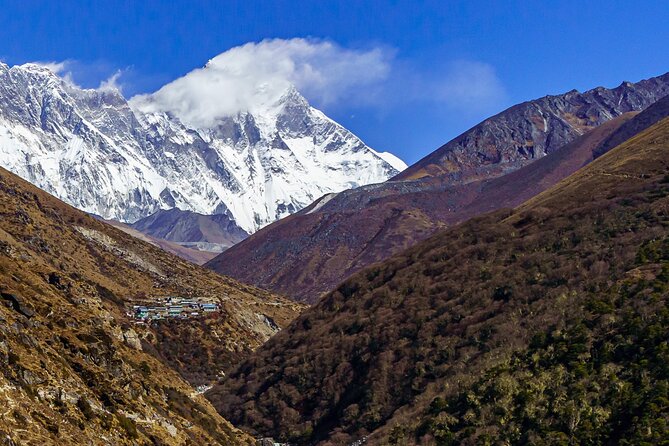
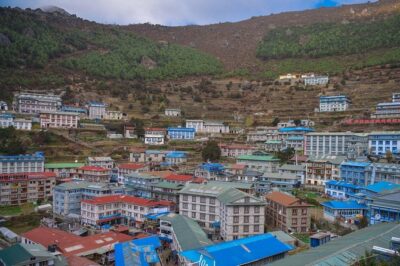
The route follows the Dudh Koshi River toward Namche Bazaar, the region’s main trading center. Early views include Kongde Ri Peak, and the trail crosses suspension bridges before turning toward the steep approach to Namche.
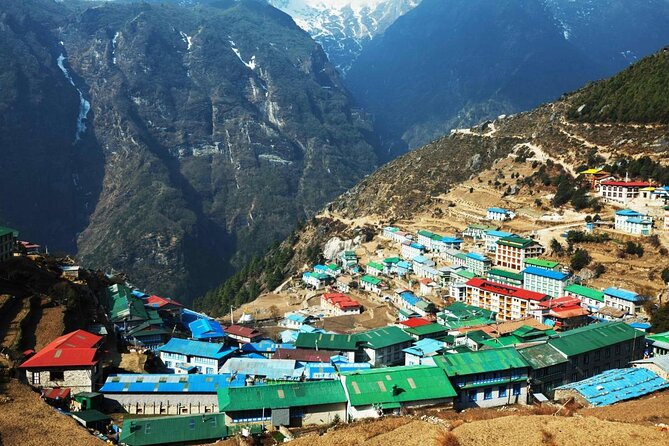
Namche is more than a place to sleep. It is the main point for supplies, communication, and altitude adjustment. You may find shops and a lively Saturday market, depending on the day of your visit.
This is a serious walking day, even though it comes early in the trip. The first view of the high peaks can make you want to speed up, but a slow pace is wiser. Your guide’s job is not only to show you the route. It is also to help you avoid using too much energy too soon.
A few more hikes around Kathmandu worth a look
- Nagarkot Sunrise View and Day Hiking from Kathmandu
★ 5.0 · 471 reviews - Annapurna Circuit Trek with Tilicho Lake
★ 5.0 · 368 reviews - Everest Base Camp Trek
★ 5.0 · 350 reviews - Everest Base Camp Trek -14 Days
★ 5.0 · 321 reviews
Day 4: Acclimatizing around Namche Bazaar
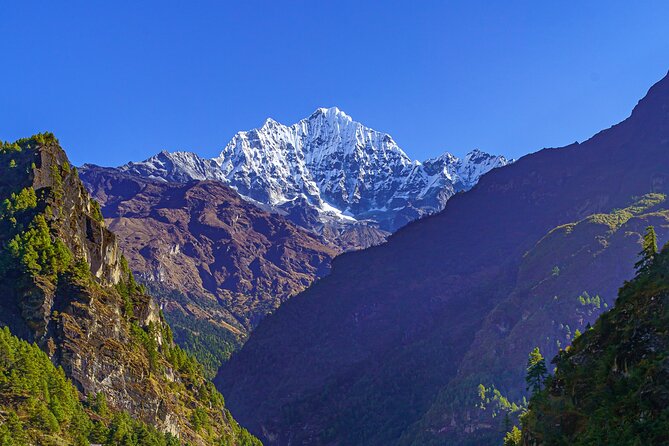
Day 4 is set aside for rest and acclimatization. That does not necessarily mean staying in bed. The plan uses short activities and local walks to help your body adjust to increasing altitude.
Namche’s shops and market give the day some variety. You can also use this time to check clothing, batteries, water, and snacks before the trail becomes quieter and more remote.
I consider this one of the most important days in the entire program. A rest day can feel frustrating when you are eager to continue, but skipping it would make the later sections harder. Guides including Milan have been praised for explaining the next day’s route, estimating walking times, and managing the schedule carefully. That kind of clear briefing is especially helpful here.
Day 5: Forest trails toward Tengboche
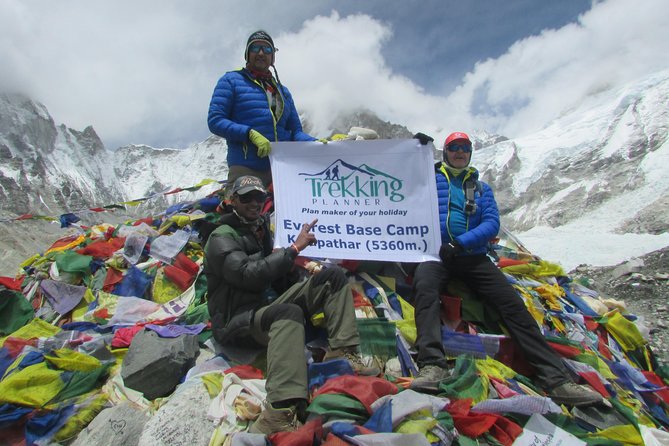
From Namche, the route climbs out of town on a short, steep section before reaching a more level trail toward Kenjoma and Sanasa. The path passes through forest and continues toward Tengboche.
This section gives you a mix of woodland walking, mountain views, and traditional settlements. Tengboche is known for its monastery and its fine sunrise and sunset views. The setting gives the journey a strong cultural side, not just a physical challenge.
The terrain still rises and falls, so do not assume that a fairly level trail means an easy day. Short climbs can feel much longer at altitude. Good socks, broken-in trekking shoes, and layers you can remove during uphill sections will help.
Day 6: Tengboche, Deboche, and the approach to Dingboche
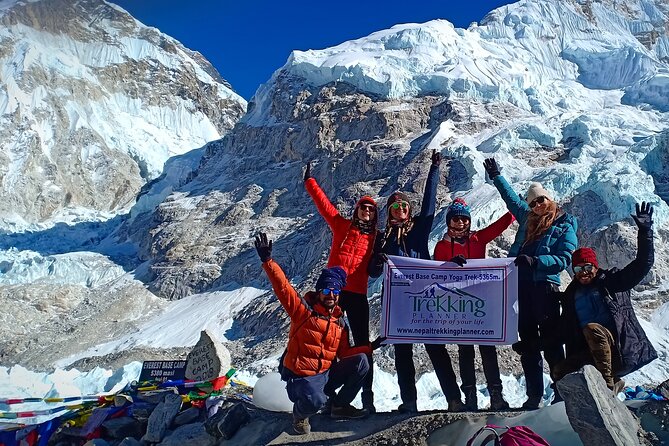
You leave Tengboche and descend through the forest toward Deboche, which offers mountain views before the route continues toward Dingboche. The change in scenery is noticeable as the trail moves out of thicker woodland and into more open high-altitude country.
Dingboche is an important stop because you are now much higher than Namche. The mountain views become broader, but the air is thinner and the walking pace naturally slows.
This is a good place to remember that distance alone does not measure difficulty. A modest walking day can still be tiring when you are gaining altitude. Drink regularly, eat even when your appetite drops, and tell your guide if you develop a headache or feel unusually weak.
Day 7: A second acclimatization day in Dingboche
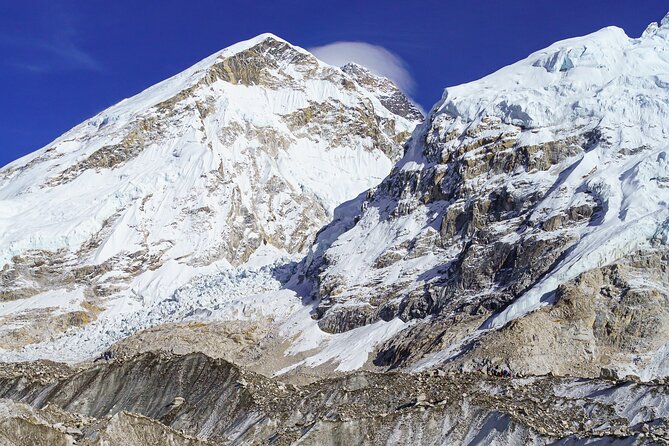
Dingboche provides another rest and acclimatization day before the final approach to Base Camp. The plan uses short hikes to higher ground so your body can adjust before you sleep at still greater altitude.
The logic is simple: climb a little higher during the day, then return to sleep lower. You should not treat this as an optional lazy day. It is built into the schedule because altitude illness is a real concern.
This is also a useful day for sorting your pack. Keep warm layers, water, sun protection, gloves, and a small flashlight easy to reach. The equipment list calls for a 25 to 40 liter day pack, two one-liter water bottles, a waterproof outer layer, warm fleece or a puffy jacket, and several pairs of good socks.
Day 8: Dingboche to Lobuche
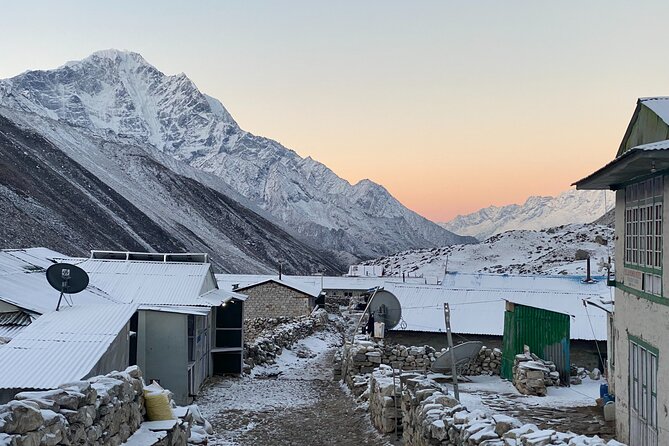
The trail rises gradually from Dingboche through grazing areas, with high mountains in the distance. Chortens and Mani walls add detail to the route, and the increasingly open surroundings remind you that the tree line is behind you.
Lobuche is a key staging point for Everest Base Camp. The day is not simply a transfer between lodges. You are preparing for a demanding push at very high altitude.
Expect the cold to feel sharper here, especially in the morning and evening. Warm clothing is not optional. A woolen hat, gloves, thermal layers, and a waterproof jacket are all listed as essential equipment for good reason.
Day 9: The long-awaited walk to Everest Base Camp
From Lobuche, you set out early for Everest Base Camp. The trail enters the highest and most demanding section of the trip, and the pace should be steady rather than fast.
This is the emotional center of the trek. Reaching Base Camp gives the journey a clear goal, but the route itself can be tiring, and altitude sickness deserves serious attention. Follow your guide’s pace, drink water, and speak up quickly if you feel unwell.
Do not expect a comfortable tourist attraction at the end of the trail. The experience is about reaching the famous mountaineering base area, standing among some of the world’s highest peaks, and understanding the effort involved in getting there. After the visit, you return to the overnight stop according to the itinerary.
Day 10: Kala Patthar at sunrise
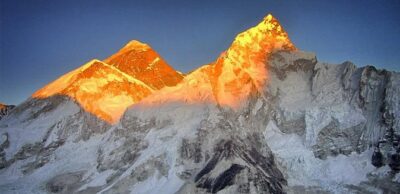
The next day begins before dawn for the climb toward Kala Patthar. The early start is designed to reach the viewpoint around sunrise, when the mountains can catch the first light.
This is one of the best reasons to choose the full itinerary rather than treating Base Camp as the only goal. Kala Patthar provides the high viewpoint experience, while Base Camp gives you the destination itself. Together, they create a fuller picture of the Khumbu route.
After the viewpoint, you descend toward lower ground. That downhill movement is welcome, but tired legs can make descents awkward. Use trekking poles if you normally rely on them, take short steps, and keep your attention on uneven sections.
Days 11 and 12: Returning through Pheriche, Namche, and Lukla
The return begins from the vicinity of Pheriche and continues toward Namche Bazaar. Much of this section follows the Dudh Koshi, with a mostly downhill direction and familiar villages appearing again.
Do not assume the return is effortless. Long descents can be hard on knees, and the accumulated fatigue of the trek is real. The lower altitude may improve your breathing, but you still have substantial walking ahead.
Day 12 takes you from Namche toward Lukla, with a steep descent toward the riverbed and the confluence of the Dudh Koshi streams. This is the last major walking day. Reaching Lukla gives you a proper sense of completion, but it is wise to keep your final evening simple and rest before the flight.
Porter support is part of the experience for many groups. One account praised porter Ganesh for getting luggage to the next lodge before the group arrived each day. You should still carry your own day pack with valuables, water, medication, camera batteries, and warm clothing.
Day 13: Returning to Kathmandu
The final day takes you back to Kathmandu by flight. The plan calls for an early departure because weather can disrupt flights later in the day.
This is another reason not to schedule an important international connection too tightly after the trek. The provided schedule ends with the return flight, but mountain aviation does not offer the same certainty as a city airport transfer.
The trip includes the return flight, but it does not include meals in Kathmandu. Alcohol, phone calls, battery charging, bar bills, drinks, personal purchases, Nepal visa fees, and travel insurance are also your responsibility.
What the $1,399 price really covers
At $1,399 per person, the price has good value if you want a guided package with the major trail costs organized. It includes:
- Kathmandu to Lukla and Lukla to Kathmandu flights
- National Park entrance fees
- The Trekkers’ Information Management System card
- Government and local taxes listed in the itinerary
- Trail accommodation
- Eleven lunches
- Twelve dinners
- Twelve breakfasts
- Guiding and trip logistics
Kathmandu meals are not included, and the wording around food means you should confirm exactly which meals are covered on arrival and departure days. Personal insurance is also excluded, including helicopter evacuation insurance. For a high-altitude trek, that is a major item to arrange yourself.
The advertised rate can also change based on group arrangements, departure date, or shared accommodation. A single surcharge of $150 may apply if you want to depart alone rather than join an existing group. Ask for the final price before travel.
Guides, group style, and the human side
The strongest part of this operation appears to be the guiding. Dibash has been praised for handling logistics and keeping the trek organized. Achyut Mishra has been recognized for care, support, and finding practical solutions when the route became difficult.
Milan has been valued for explaining each day in advance, estimating walking times based on ability, and managing timing for special outings such as sunrise walks. Ratna has also been praised for adding useful information about the mountains and local area.
These details matter more than polished marketing on a trek. You need a guide who watches your pace, answers questions, notices problems, and tells you what comes next. The private format should help, but you should still confirm the expected group size and porter arrangement before departure.
Who should book this trek?
I would recommend it to someone with a moderate fitness level who wants the classic Everest Base Camp route without arranging every permit and lodge independently. It suits couples, families with suitable fitness, honeymooners, and small groups, with discounts available for some group types.
You should be comfortable walking for several days, sleeping in basic trailside lodges, and handling cold conditions. You also need patience for flight delays and a willingness to follow altitude advice.
I would not choose this 13-day schedule if you want a slow, luxurious holiday or extra days for weather and recovery. A private customized itinerary may be better if you need more time, have limited mountain experience, or want to add a different route such as Gokyo.
Book only after arranging personal travel and health insurance, including evacuation coverage. Free cancellation is available up to 24 hours before the start time, but late cancellations and last-minute changes are not accepted.
Final verdict: a strong classic route with little spare time
I like this trek because it gets the important structure right: Lukla flights, lodge accommodation, meals on the trail, two acclimatization days, Everest Base Camp, and Kala Patthar. The guide-led format also gives you useful support when altitude and tiredness make decisions harder.
The main weakness is the narrow schedule. Weather, flight delays, or a slow acclimatization process can make thirteen days feel tight. If you accept that limitation and prepare properly, this is a well-organized way to reach Everest Base Camp for a clear, fixed price.
FAQ
Are flights between Kathmandu and Lukla included?
Yes. The package includes the Kathmandu to Lukla and Lukla to Kathmandu flights, including airport departure tax.
Are meals included during the trek?
Yes. The package lists eleven lunches, twelve dinners, and twelve breakfasts. Meals in Kathmandu are not included, and food or drinks not specifically covered are your responsibility.
Is accommodation included?
Yes. The package includes nightly accommodation in trailside lodges during the trek.
Is this a private trek?
Yes. The activity is described as private, meaning only your group participates. You can also ask about customizing the itinerary.
What fitness level is required?
A moderate physical fitness level is required. The route includes steep climbs, long walking days, high altitude, and early starts.
Is travel insurance included?
No. Personal travel and health insurance are not included. Helicopter evacuation insurance is also excluded, so you need to arrange suitable coverage yourself.
Can I cancel for a full refund?
You can cancel up to 24 hours before the experience start time for a full refund. Cancellations or changes made less than 24 hours before the start time are not accepted for a refund.
Just added around Kathmandu
- Kathmandu: 15-Day Everest Base Camp Trek with Guide★ 4.3 · 12 reviews
- 14 Days Private Tour Everest Base Camp Trek★ 5.0 · 105 reviews
- Kathmandu: Nagarkot Sunrise & Hike with Lunch -Private/Group★ 4.9 · 122 reviews
- 4 Days Poon Hill Trek★ 5.0 · 94 reviews
- Langtang Valley Trek★ 5.0 · 140 reviews
- Annapurna Circuit Trek with Tilicho Lake (16 Days)★ 5.0 · 15 reviews
- Manaslu Circuit Trek★ 5.0 · 184 reviews
- Annapurna Circuit with Tilicho Lake Trek★ 5.0 · 25 reviews
Kathmandu Hiking Tours, compared.
Nagarkot Sunrise View and Day Hiking from Kathmandu
Read our review →
Browse the lists this tour appears in