
REVIEW · KATHMANDU HIKING TOURS
Annapurna Base Camp Trekking
Mountain views start early here. This 12-day Annapurna Base Camp trek links Kathmandu, Pokhara, Poon Hill, and the Annapurna Sanctuary in one carefully arranged trip. I especially like the licensed guide and porter support, plus the loan of a sleeping bag, down jacket, duffle bag, and first aid kit. The $749.90 price also covers permits, tea house stays, bus transfers, and transport to and from the trail, which makes budgeting easier.
The main drawback is that meals during the trek are not included, and Kathmandu and Pokhara hotels are extra. You also need moderate physical fitness for long walking days, steep stair sections, and the climb to 4,130 meters at base camp. This is a private trip, so your group has its own arrangement, but the schedule still follows a demanding mountain route.
Key points to know before you book
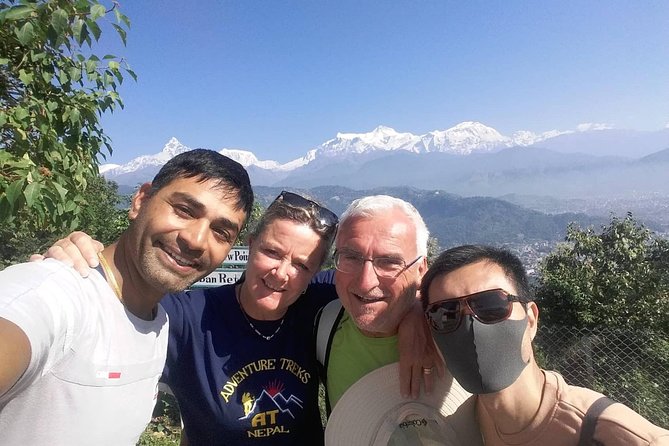
- Poon Hill and Annapurna Base Camp in one trip: You get a sunrise hike at 3,210 meters before continuing toward the high sanctuary.
- A high point of 4,130 meters: The route reaches Annapurna Base Camp through Machhapuchhre Base Camp at about 3,700 meters.
- Practical gear is supplied: You can use a duffle bag, sleeping bag, down jacket, and first aid kit during the trek.
- One porter serves two trekkers: Solo participants should check the extra porter cost, since the shared porter arrangement does not apply in the same way.
- Transport is arranged from Kathmandu: Tourist buses connect Kathmandu and Pokhara, while private transfers handle the trailhead and return.
- A gentle finish at Jhinu Danda: The route includes time for the natural hot springs, although the hot spring admission is not included.
What the $749.90 price really covers
At $749.90 per person, this is not simply a guided walk. The package combines transport, permits, mountain lodging, staff costs, and equipment rental into one price. For a first Nepal trek, that structure can be useful because you do not have to arrange every moving part separately.
The included costs are substantial. Your price covers the tourist bus between Kathmandu and Pokhara in both directions, a private transfer to the trailhead, and a private transfer at the end of the walk. It also includes the TIMS card and Annapurna Conservation Area Permit, government taxes, agency service charges, guide and porter costs, and staff insurance and transport.
Tea house accommodation is included during the trek. Food is not. Breakfast, lunch, dinner, bottled water, soft drinks, juice, and other drinks come out of your pocket. That distinction matters in the mountains, so keep daily spending money available rather than treating the headline price as all-inclusive.
Kathmandu and Pokhara accommodation are also not included. Airport pickup on arrival is provided, and the final airport transfer is part of the arrangement, but you need to account for hotels in both cities. The package includes a T-shirt, trekking map, and trip achievement certificate, small extras that are pleasant but not the reason to choose the trip.
More Annapurna Treks in Kathmandu:
- Annapurna Circuit Trek with Tilicho Lake
★ 5.0 · 368 reviews - Annapurna base camp trek 5 Days
★ 5.0 · 252 reviews - 14-Day Private Annapurna Base Camp Trek
★ 5.0 · 180 reviews
Day 1: A soft landing in Kathmandu
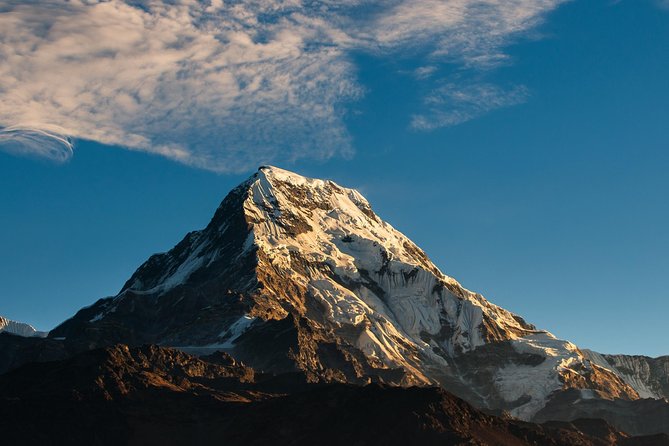
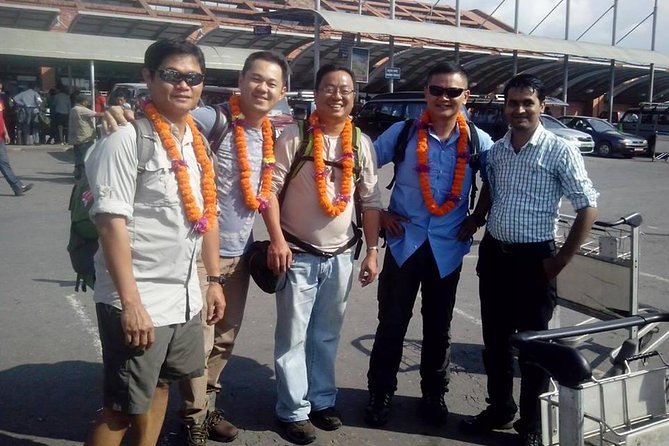
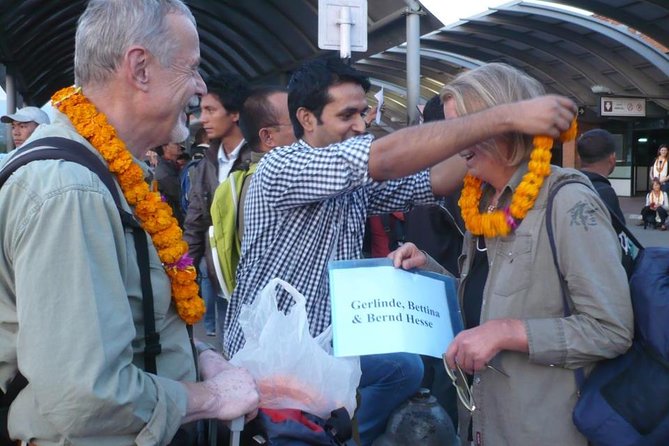
Your arrival day is meant to remove early stress. A representative meets you at Tribhuvan International Airport and takes you to your hotel. Later, you attend a pre-trip meeting with the trek leader.
That briefing is useful because the next morning begins early. The stated start time is 6:00 am, while the Kathmandu to Pokhara departure is listed for 7:00 am. Treat the first day as a chance to organize your gear, ask questions, and confirm what goes into the supplied duffle bag.
The package includes a licensed English-speaking trekking guide. You also have a porter, with one porter assigned to two trekkers. If you are traveling alone, the porter arrangement and extra cost deserve special attention before booking.
Day 2: Seven hours by bus to Pokhara
The drive from Kathmandu to Pokhara takes about seven hours. The route follows one of Nepal’s scenic river corridors, turning the transfer into part of the trip rather than a mere connection.
You arrive at Pokhara Lakeside, the main base for trekking in the Annapurna region. Pokhara offers a calmer setting beside Phewa Lake, and the Lakeside area is built around trekkers preparing for mountain routes. The long bus ride is the trade-off. It gives you a lower-cost connection than a flight, but it uses much of the day.
Since the package includes the tourist bus, you do not have to bargain for transport or work out the connection yourself. Still, keep the day flexible. Mountain roads and long-distance bus schedules can make this a full travel day.
Day 3: From Nayapul toward Ghorepani
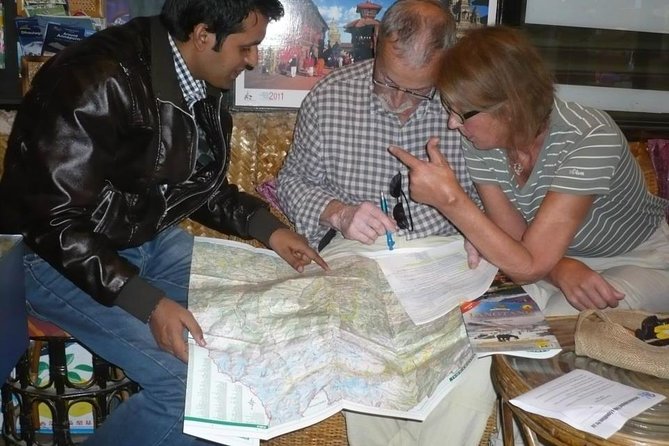
A private transfer takes you from Pokhara toward the trail area, with Birethanti and the road to Tikhedhunga forming the approach. The walking portion begins at roughly 1,480 meters in Tikhedhunga and heads upward to Ulleri.
This is where the trek feels serious. The climb to Ulleri takes about four hours, and the route continues through Nangethanti before reaching Ghorepani at about 2,874 meters. The day combines a drive, a steady uphill walk, and a notable gain in altitude.
Ghorepani is an important stop because it prepares you for the next morning’s early start. The mountain village is best known as the base for Poon Hill, and the tea house stay puts you in the right place for the sunrise walk. The drawback is simple: this is a demanding opening day, especially after the bus ride from Kathmandu the day before.
A few more hikes around Kathmandu worth a look
- Everest Base Camp Trek – 14 Days
★ 5.0 · 1,499 reviews - Everest Base Camp Trek
★ 5.0 · 842 reviews - Everest Base Camp Trekking
★ 5.0 · 485 reviews - Nagarkot Sunrise View and Day Hiking from Kathmandu
★ 5.0 · 471 reviews
Day 4: Poon Hill sunrise and the forest route to Tadapani
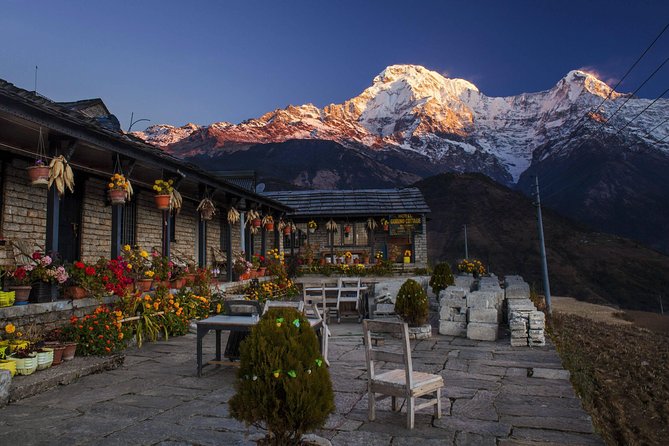
The pre-dawn walk from Ghorepani to Poon Hill takes about 45 minutes. At 3,210 meters, the viewpoint offers broad views toward Annapurna, Dhaulagiri, and Machhapuchhre. The sunrise is one of the clearest rewards on this route, but you need warm layers and a willingness to start before breakfast.
After returning from Poon Hill, you continue toward Tadapani. The walking time is listed at about seven hours, so this is not a short viewpoint outing with a free afternoon. Tadapani sits at about 2,630 meters and is known for views of Machhapuchhre, Annapurna South, and Hiunchuli.
I like this day because it gives you a major viewpoint before the route turns more firmly toward Annapurna Base Camp. You get a mix of high ridge views, village walking, and forest sections. The practical concern is fatigue: Poon Hill is an add-on before a full trekking day, not a substitute for one.
Day 5: Chuile, bamboo forest, and Sinuwa
The path continues through Chuile, a peaceful village at around 2,300 meters, before reaching Sinuwa at approximately 2,340 meters. The day takes about seven hours.
This part of the route shifts the mood. You pass terraced fields and forested sections, with views toward Annapurna South and Hiunchuli around Chuile. Sinuwa is split into Lower Sinuwa and Upper Sinuwa, and it serves as a key point on the approach to the Annapurna Sanctuary.
You should expect a steady mountain day rather than a sightseeing stop with many formal attractions. The value is in the change of surroundings, from the Poon Hill ridge route into the greener, narrower approach toward base camp.
Day 6: Sinuwa to Deurali
From Sinuwa, the route continues toward Deurali, with roughly six hours of walking to Sinuwa-related sections and another five hours listed for the ascent toward Deurali. The route passes through the approach from Chhomrong or Sinuwa and climbs toward Himalaya at about 2,890 meters before reaching Deurali at approximately 3,174 meters.
The altitude begins to matter more here. You are no longer just walking through foothills. The route is moving into the high part of the Annapurna Sanctuary, and the next day brings the biggest height gain of the trip.
Your guide becomes especially useful on days like this. A professional leader can help keep the group moving at a sensible pace and monitor how you are handling the climb. The description emphasizes safety support, but it does not promise medical evacuation or specialized altitude treatment, so suitable insurance remains your responsibility.
Day 7: Machhapuchhre Base Camp to Annapurna Base Camp
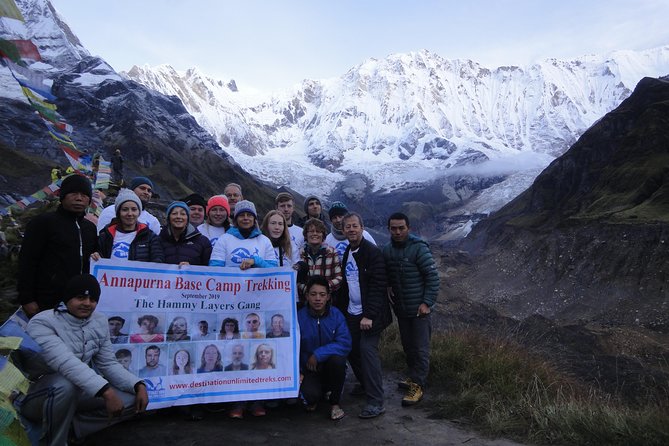
This is the central day of the trek. From the Himalaya or Deurali area, you continue toward Machhapuchhre Base Camp, also called MBC, at about 3,700 meters. From there, the route reaches Annapurna Base Camp at 4,130 meters, or about 13,550 feet.
The full walking time is listed at roughly six hours. The final destination sits inside the Annapurna Sanctuary, surrounded by high Himalayan peaks. Reaching the base camp is the main physical achievement of the trip, but the altitude makes this more than a simple scenic walk.
Take the day slowly. You will gain height, and your energy may not match the excitement of arriving at the camp. The included sleeping bag, down jacket, and tea house stay are especially useful here, since the high section is colder and more basic than the lower villages.
Day 8: The long descent to Bamboo
After the high point, you retrace the route downward from Annapurna Base Camp at 4,130 meters to Bamboo at about 2,350 meters. The descent takes around seven hours.
This is a big relief for many people because lower altitude usually feels easier, but downhill walking can still be hard on knees and thighs. The route covers a large height change in one day, so trekking poles may be useful, although they are not listed as provided equipment.
Bamboo is a practical overnight stop in the forested part of the route. The day is less about reaching a new viewpoint and more about getting safely back to a lower elevation after the base camp stay.
Day 9: Bamboo to Jhinu Danda
The walk from Bamboo to Jhinu Danda takes about five hours and descends to roughly 1,780 meters. Jhinu Danda is known for its natural hot springs, making it a welcome stop after the high-altitude section.
This is one of the best-designed parts of the route. You have time to come down from the mountain and then enjoy a warm-water break rather than rushing directly back to Pokhara. The hot spring admission is not included, so bring some local currency for that optional visit.
Jhinu Danda also gives the trip a more relaxed closing phase. The Annapurna Base Camp goal is behind you, and the route now focuses on villages, lower elevations, and the return journey.
Day 10: Jhinu Danda to Pokhara Lakeside
The final trek runs from Jhinu Danda to Siwa or Ghandruk Phedi, depending on the route used, at around 1,150 meters. The walking time is about five hours, followed by transport to Pokhara Lakeside.
This is another reason the private transfer matters. Once you finish walking, you do not have to arrange the final connection on your own. The day still involves a trek and a transfer, so do not expect a full rest day in Pokhara.
Arriving back at Lakeside gives you a clear change of pace. You have moved from high mountain tea houses to a city built around Phewa Lake and trekking services. Since your Pokhara accommodation is not included, confirm where you will stay before the trip begins.
Day 11: The return bus to Kathmandu
The journey back to Kathmandu takes about eight hours and covers roughly 200 kilometers. The tourist bus is included, but this remains a long road day.
I would treat this as a transit day, not a final sightseeing day. The schedule leaves little room for major stops, and road travel can be tiring after the trek. The benefit is that the transportation is already arranged, with no need to find a separate connection from Pokhara.
Day 12: Airport departure
The last day includes transfer to Tribhuvan International Airport. The listed airport service takes about one hour.
Because the trip ends with departure rather than another excursion, check your flight timing carefully before booking. The arrangement is designed to get you to the airport, but it does not include extra hotel time or a final Kathmandu tour.
Guides, gear, and the human side of the trek
The strongest part of this package is the support system. You have an English-speaking guide, a porter shared between two trekkers, and staff costs such as salary, food, equipment, insurance, and transportation already covered.
A previous trekker specifically praised guide Avi and porter Robin for patience, kindness, and attention to safety during the Poon Hill and base camp route. Those qualities matter more than polished sales language when you are tired, cold, or facing a long uphill stretch. Guide quality can shape the whole experience.
The supplied duffle bag helps keep your load organized. The sleeping bag and down jacket reduce the amount of bulky cold-weather equipment you need to buy or carry from home. You should still confirm sizing, condition, and collection arrangements with the operator before departure, since those details are not specified.
Who should book this Annapurna route?
I would recommend it to someone who wants a guided Himalayan trek but prefers a fixed plan. It suits people who value having permits, transfers, tea houses, a guide, and porter support handled in advance.
It is also a strong choice if you want two distinct highlights: Poon Hill sunrise and Annapurna Base Camp. Many shorter Nepal routes offer one or the other, while this plan combines both in 12 days.
You should think twice if you dislike long bus rides, early starts, basic tea house accommodation, or paying separately for every meal and drink. The route also requires moderate fitness and includes a high point of 4,130 meters, so casual walking experience alone may not be enough preparation.
The private format is useful for couples, families with suitable fitness, or small friend groups that want their own pace. It does not mean the route is easy. It means your group is not merged with a larger public departure.
Should you book it?
Book this trek if you want a clearly organized first Annapurna experience with strong practical inclusions and personal guide support. The combination of Poon Hill, Annapurna Base Camp, supplied cold-weather gear, permits, tea houses, and transport gives the $749.90 price solid value.
Before paying, confirm the exact Kathmandu and Pokhara hotel arrangements, the meal budget, the porter cost for a solo booking, and the pickup timing. If you are ready for long walking days and a serious high-altitude section, this package offers a sensible route with a rewarding mix of mountain views, village stops, and hot springs.
FAQ
How long is the Annapurna Base Camp trek?
The experience lasts approximately 12 days, including arrival and departure transfers, the Kathmandu to Pokhara bus rides, and the trekking route.
Is transport from Kathmandu to Pokhara included?
Yes. Tourist bus transfers from Kathmandu to Pokhara and from Pokhara back to Kathmandu are included.
Are meals included during the trek?
No. Breakfast, lunch, dinner, water, soft drinks, juice, and other drinks during the trek are not included.
Is accommodation included?
Tea house accommodation during the trek is included. Accommodation in Kathmandu and Pokhara is not included.
What equipment is provided?
A duffle bag, sleeping bag, down jacket, and first aid kit are provided for use during the trek. A T-shirt and trekking map are also included.
Is the tour private?
Yes. This is a private activity, meaning only your group participates. One porter is included for every two trekkers, while a solo traveler must pay separately for a porter.
Just added around Kathmandu
- Annapurna Base Camp Trek – 11 Days★ 5.0 · 30 reviews
- Annapurna Base Camp Trek 12 Days★ 5.0 · 18 reviews
- Annapurna Base Camp Trek 10 Days★ 5.0 · 35 reviews
- Adventurous Annapurna Base Camp Trekking★ 5.0 · 7 reviews
- Annapurna Base Camp Trek★ 5.0 · 80 reviews
- Annapurna Base Camp Private Short Trek★ 5.0 · 8 reviews
- Annapurna Base Camp Short trek★ 5.0 · 13 reviews
- 9 Days short and Easy Ghorepani Poonhill Trekking in Nepal★ 5.0 · 9 reviews
Kathmandu Hiking Tours, compared.
Nagarkot Sunrise View and Day Hiking from Kathmandu
Read our review →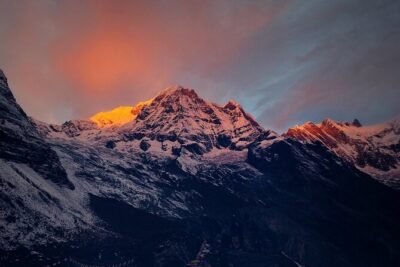
Browse the lists this tour appears in