
REVIEW · KATHMANDU HIKING TOURS
Kathmandu: 10-Day Adventurous Annapurna Circuit Trek
The mountain pass is the main event. This 10-day Annapurna Circuit trek takes you from Kathmandu through forested valleys, high alpine country, and the dry Mustang region before crossing Thorong La at 5,416 meters. I like the way it combines local villages, changing scenery, and a proper Himalayan challenge without requiring a much longer schedule.
I especially like the built-in acclimatization day in Manang and the care shown by guides such as Keshab, Prakash, Suresh, and Mahesh. They have helped with pacing, meals, guesthouses, route changes, and altitude concerns. The main drawback is the demanding eighth day, a 12-hour trek from Thorong Phedi to Muktinath, plus long road journeys at the beginning and end.
The price of $467 per person can offer strong value if you want permits, guiding, accommodation, and scheduled transport handled for you. Just confirm which meal package you are booking, what happens with the return to Kathmandu, and whether you need to pay extra for a porter.
Key Points Before You Book
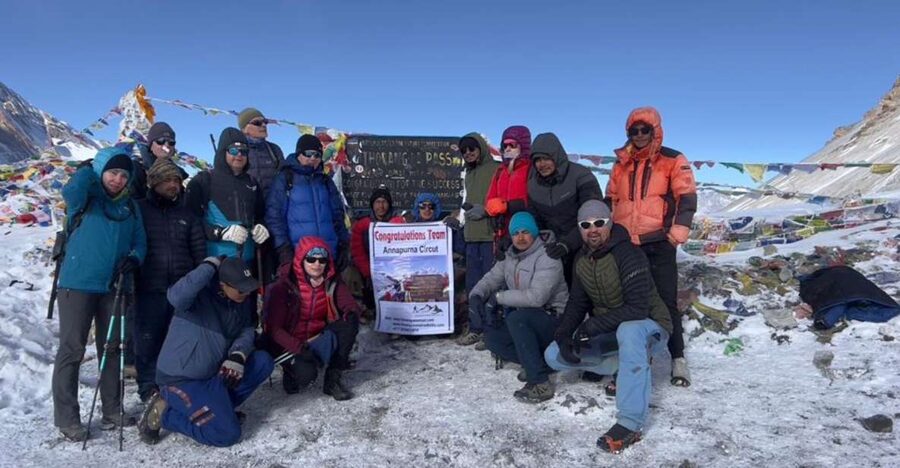
- Thorong La reaches 5,416 meters: The pass crossing is physically demanding and depends on your fitness, pacing, and response to altitude.
- Manang gives you a rest day: This is not wasted time. It helps your body adjust before the highest section.
- The scenery changes almost every day: You move from forest and suspension bridges to bare high country and dry Mustang terrain.
- Guides receive especially strong praise: Keshab, Bipin, Prakash, Suresh, Mahesh, Jeet, Milani, and Silwal are all named positively in the feedback.
- Transport is part of the bargain: You take a bus from Kathmandu to Besisahar, a shared Jeep to Dharapani, and a bus from Jomsom to Pokhara.
- Tea houses keep things simple: Accommodation offers basic comfort, while hot meals, warm layers, a sleeping bag, and a headlamp matter more than luxury.
What This Annapurna Circuit Trek Really Offers
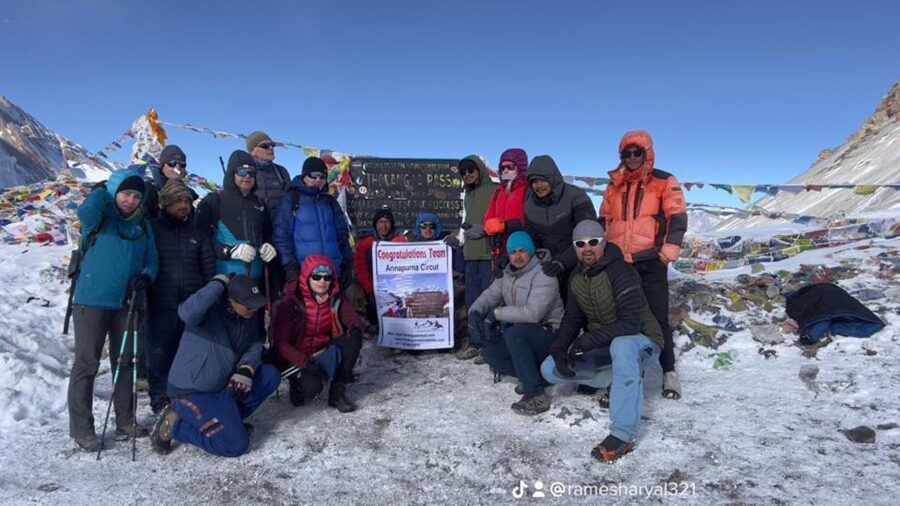
The Annapurna Circuit is appealing because it keeps changing. You do not spend ten days looking at the same type of mountain scenery. The route begins with roads, river valleys, and forest, then rises into cooler alpine country before reaching a high, open pass. After Thorong La, the scenery turns dry and almost desert-like around Mustang.
That variety gives the trek its character. You get village life, Buddhist and Hindu sites, suspension bridges, mountain views, and a serious high-altitude crossing in one trip. You also get the practical side of Nepal trekking: early starts, long drives, simple rooms, changing weather, and limited personal comforts.
This is a private group, with an English-speaking guide. That matters because your pace and rest needs can be discussed more easily than on a large fixed group trek. The schedule can also be adjusted for personal preferences and trekking speed, although changes may affect extra nights, transport, or cost.
More Annapurna Treks in Kathmandu:
- Annapurna Circuit Trek with Tilicho Lake
★ 5.0 · 368 reviews - Annapurna base camp trek 5 Days
★ 5.0 · 252 reviews - 14-Day Private Annapurna Base Camp Trek
★ 5.0 · 180 reviews
Day 1: Kathmandu to Dharapani by Bus and Shared Jeep
The first day is mainly about reaching the trail. You travel by bus from Kathmandu to Besisahar, a journey of about ten hours, then continue toward Dharapani by shared Jeep.
This is a long start, so do not expect a gentle sightseeing day. The reward is the gradual change from the Kathmandu area into the mountain valleys. The shared Jeep keeps the cost down, but it also means less control over departure timing and comfort than a private vehicle.
You sleep in Dharapani at about 1,800 meters. Meeting your guide before or near the start is useful. Keshab, for example, has been praised for explaining the route clearly before departure and adjusting plans to suit the group. That kind of briefing is worth taking seriously, especially if this is your first Himalayan trek.
Day 2: Dharapani to Chame Through Forest
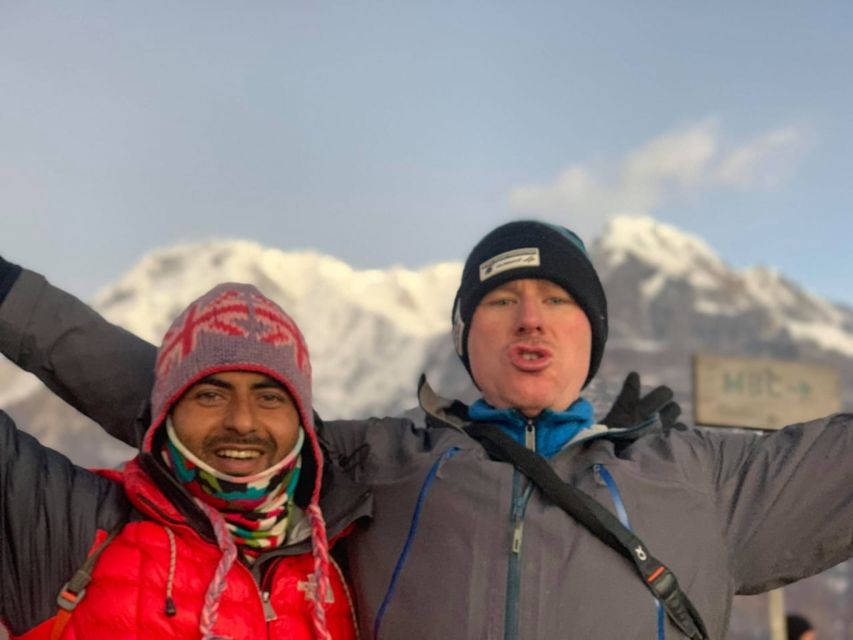
The trek begins properly with the six-hour walk from Dharapani to Chame, at 2,670 meters. The route rises through forest, crosses suspension bridges, and introduces you to the steady rhythm of Himalayan walking.
This is a good day to settle into your boots and walking pace. You will likely notice that the goal is not speed. A guide who encourages regular breaks and a measured pace can make a major difference later, when the air gets thin.
Chame is an important overnight stop because it gives you a chance to eat, rest, and prepare for more altitude. Accommodation on the route is in tea houses or guesthouses. Expect basic comforts rather than hotel-style service. A warm sleeping bag is one of the most useful items you can bring or rent.
Day 3: Chame to Upper Pisang and the First Big Views
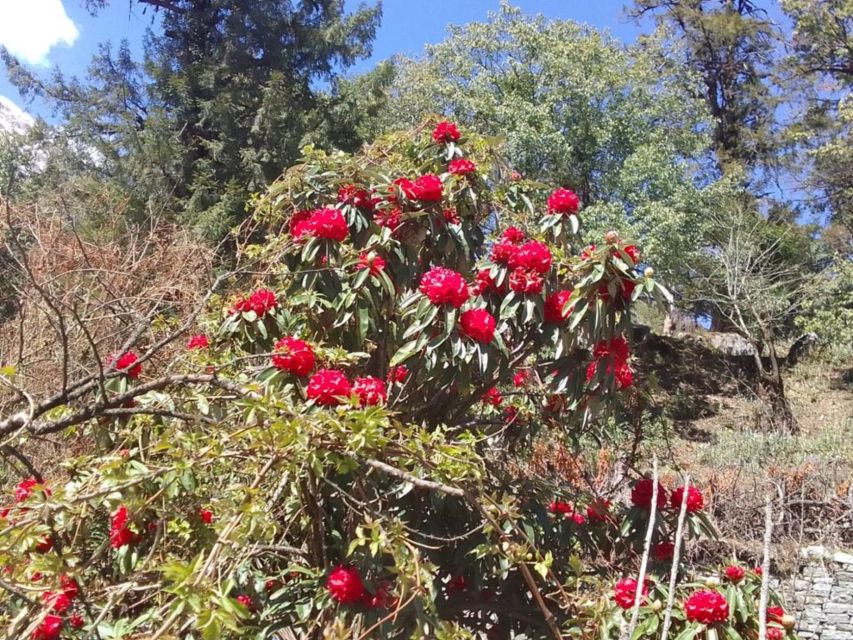
The six-hour trek to Upper Pisang brings you to a picturesque mountain village at about 3,300 meters. The route continues through changing forest and high valley scenery, with larger mountain views beginning to dominate the day.
Upper Pisang is a good place to slow down and notice the local setting. The trip is not only about collecting photographs of peaks. It gives you time in villages where daily life is shaped by the mountains, weather, walking routes, and seasonal work.
The altitude is now high enough that you should watch your body. Drink water, keep your pace calm, and tell your guide about headaches, nausea, unusual tiredness, or poor sleep. Your guide is there to help with decisions, not simply to lead from the front.
A few more hikes around Kathmandu worth a look
- Everest Base Camp Trek – 14 Days
★ 5.0 · 1,499 reviews - Everest Base Camp Trek
★ 5.0 · 842 reviews - Everest Base Camp Trekking
★ 5.0 · 485 reviews - Nagarkot Sunrise View and Day Hiking from Kathmandu
★ 5.0 · 471 reviews
Day 4: Upper Pisang to Manang
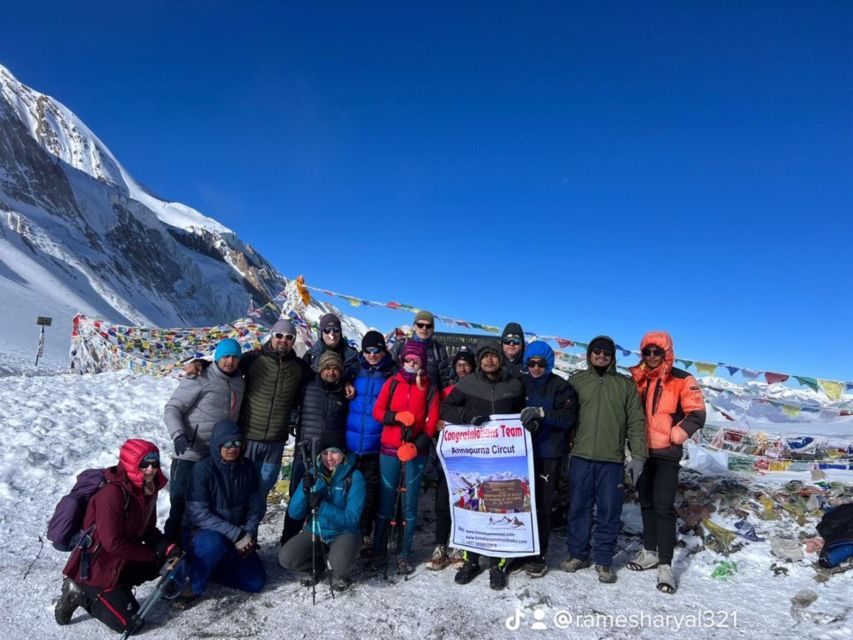
The six-hour walk to Manang reaches 3,540 meters and brings some of the trek’s most impressive mountain views. Annapurna II, Annapurna III, and Gangapurna are part of the visual reward, while the route enters a broad valley around Manang.
Manang is more than a place to sleep. It is the key staging point before the highest section. The village gives you time to settle at altitude and enjoy the mountain surroundings without rushing straight onward.
The change in scenery is one of the strongest features of this trip. Earlier sections include greener forest and more moisture. Around Manang, the air feels thinner and the country more open. You should notice the scenery, but do not let excitement push you into walking too fast.
Day 5: An Essential Acclimatization Day in Manang
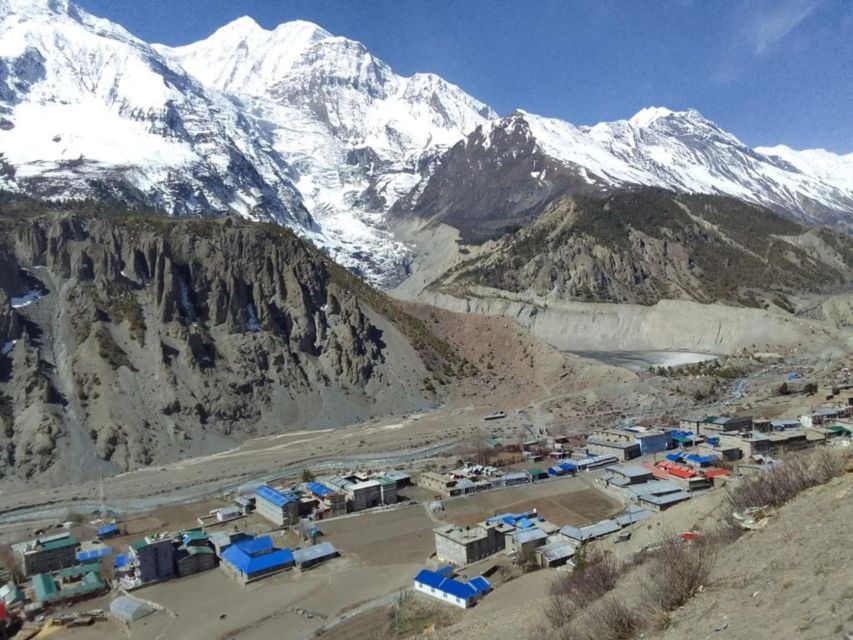
The rest day in Manang is one of the smartest parts of the schedule. You can explore the village, rest your legs, and spend time looking across the surrounding mountains before moving higher.
It is tempting to think of a rest day as a lost day. Here, it is part of the safety plan. The next nights are at Yak Kharka and Thorong Phedi, followed by the pass at 5,416 meters. Giving your body time to adjust is far more useful than squeezing in another long walk.
Use the day sensibly. A short outing may be suitable if your guide recommends it, but this is not the moment to prove how tough you are. Eat well, keep drinking water, organize your daypack, and check that your warm clothes, headlamp, gloves, and sleeping bag are ready.
Day 6: Manang to Yak Kharka at 4,050 Meters
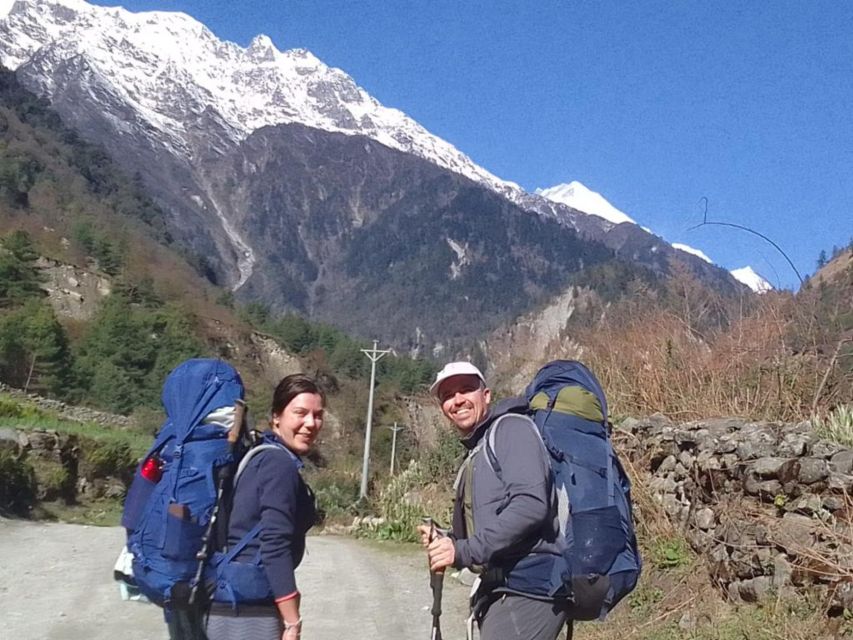
The six-hour walk to Yak Kharka takes you to 4,050 meters. The route passes through open alpine country and grazing pasture, with mountains enclosing the trail.
At this height, simple tasks take more effort. You may walk slowly, stop often, and feel the cold after sunset. That is normal, but worsening symptoms should never be ignored. Your guide should help you decide if you need rest, a slower pace, or a change of plan.
Yak Kharka is not a luxury stop. The appeal is its setting and its role on the route. You are now close to Thorong Phedi, and the next two days require your best energy.
Day 7: Yak Kharka to Thorong Phedi
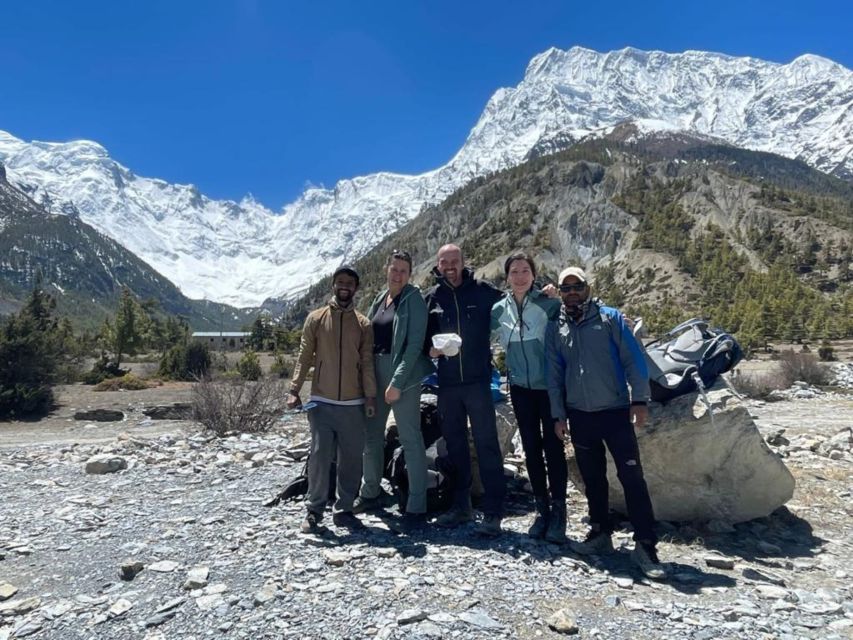
The six-hour trek to Thorong Phedi reaches about 4,450 meters. This is the base area for crossing Thorong La, so the mood becomes more focused.
You should treat this as a preparation day. Keep your daypack light, check your water, set out warm layers, and make sure your headlamp works. The pass crossing begins early, so an organized guide is especially helpful here.
The route may feel stark and quiet. That is part of its appeal, but the high altitude also makes it less forgiving. Weather in the mountains can shift, with clear sunshine, rain, or snow possible. Layering is more useful than bringing one very heavy item and hoping it does the job.
Day 8: Thorong La to Muktinath, the Toughest Day
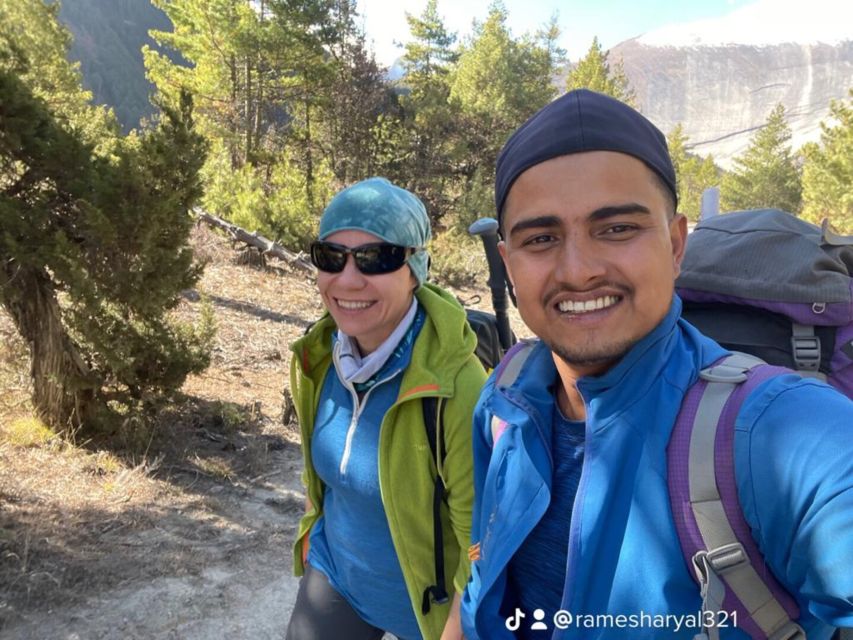
This is the defining day: a 12-hour trek from Thorong Phedi over Thorong La at 5,416 meters, followed by a descent to Muktinath at 3,800 meters.
The ascent is slow and demanding. The pass itself offers broad mountain views and the satisfaction of reaching one of the highest points on the Annapurna Circuit. You should not underestimate it. The combination of altitude, cold, early departure, uneven ground, and a long descent can leave even fit hikers tired.
The descent to Muktinath changes the tone of the day. Muktinath is a sacred pilgrimage site for Hindus and Buddhists, giving the stop a cultural importance beyond its role as an overnight point. Take time to see the village and temple area, while remembering to follow local customs and behave respectfully.
This day is also where a good guide earns the fee. Milani has been praised for paying close attention to altitude sickness and guiding safely around landslide-affected sections. Prakash has also received strong praise for keeping people comfortable and handling the practical details. You want someone who notices how you are doing, not someone focused only on reaching the next lodge.
Day 9: Muktinath to Jomsom and the Mustang Change
The five-hour descent to Jomsom reaches 2,720 meters and moves into the Mustang region. The country becomes drier and more desert-like, a striking contrast with the forested valleys earlier in the trip.
Jomsom is known here as a windy town, so keep a jacket or wind layer handy. The walk is shorter than the previous day, but you may still feel tired after Thorong La. This is a good time to appreciate the route’s visual variety instead of treating the final section as an afterthought.
Jomsom is the last overnight stop in the stated trekking schedule. From here, the trip shifts back to road transport.
Day 10: Jomsom to Pokhara by Bus
The bus journey from Jomsom to Pokhara takes about eight hours. It is not a quick transfer, but it lets you watch the scenery change as you leave the high mountain region.
Pokhara provides a softer landing after the trek. The package includes one night at Hotel Orchid, described as a tourist-standard luxury hotel, plus a Nepalese farewell dinner in Lakeside Pokhara. That final night is useful for a shower, proper rest, and a chance to sort your bags.
One detail deserves confirmation before you pay. The inclusions also mention a luxury sofa-seat tourist air-conditioned bus from Pokhara to Kathmandu, but the day-by-day schedule ends in Pokhara. Ask the operator if this return bus is part of your booking, when it departs, and if you need an extra night in Pokhara. Clear answers now prevent awkward changes after ten hard days.
Guides, Porters, and Practical Support
The strongest pattern in the feedback is careful guiding. Keshab is praised for balancing useful information with quiet time in nature. Bipin is described as organized and good at adjusting arrangements when route conditions change. Suresh is praised for handling transportation, permits, tea houses, meals, and trails with patience.
Prakash appears more than once in the positive feedback, including praise for his care and support alongside porter Sagar. Mahesh is credited with explaining the route, organizing accommodation and meals, and keeping the group comfortable. Jeet is remembered for knowledge of the route and a good sense of humor, while Ramesh receives praise for behind-the-scenes coordination and quick replies.
A porter is not included in the stated base package, so budget for one if you do not want to carry your main luggage. The agency handles staff meals, accommodation, salary, equipment, insurance, and transport. Luggage storage is also included, which is handy if you leave city clothes and nonessential items in Kathmandu.
What Is Included for $467?
At $467 per person, this can be a very good-value trek if you use the included services. The package covers hotel pickup and drop-off, an authorized English-speaking guide, permits, government taxes, required paperwork, nine nights of trekking accommodation, and one night in Pokhara.
Transport is also covered for the stated route: bus from Kathmandu to Besisahar, shared Jeep from Besisahar to Dharapani, and bus from Jomsom to Pokhara. The return tourist bus from Pokhara to Kathmandu is also listed among the inclusions, though you should clarify how it fits the schedule.
Meals are included during the trek for the Full Package option. That wording matters. Confirm whether your $467 booking is the Full Package, and ask exactly what meals are covered. Drinks, bottled or boiled water, showers, laundry, phone calls, battery charging, bar bills, extra porters, and personal purchases cost extra.
Travel insurance is not included. You should arrange insurance with high-altitude trekking and rescue coverage before setting out. A standard policy may not cover the altitude involved here.
Fitness, Packing, and Comfort
You need a solid level of fitness for repeated six-hour trekking days, steep inclines, and the 12-hour Thorong La crossing. You do not need to be an elite athlete, but you should be comfortable walking for long periods and climbing steadily.
Bring hiking shoes or boots that you have already worn in. Add warm layers, a jacket, socks, gloves, a hat, sunglasses, sunscreen, a water bottle, a daypack, a headlamp, trekking poles, and a first aid kit. A sleeping bag is specifically recommended, and you may be able to rent one in Kathmandu.
The mountains can bring clear sun, rain, or snow. Pack for changing conditions rather than trusting the forecast from the valley. Cash is important for personal costs, and battery charging may not always be convenient.
Food is generally practical trekking fare, with dal bhat as a reliable meal. Other food options are available, but your choices may vary from village to village. A full stomach and regular water intake help you handle long days better.
Who Should Choose This Trek?
This route suits you if you want a first serious Himalayan trek with a guide handling permits, rooms, meals, transport, and route decisions. It is also a good match if you want cultural stops and village contact along with dramatic mountain scenery.
It may not suit you if you want short walking days, hotel comfort throughout, or a relaxed road tour. Pregnant people should not book it, and anyone with serious medical concerns should seek professional advice before planning a high-altitude trek.
The private-group format is useful for friends, couples, or families of fit adults who want some flexibility. Still, the fixed ten-day schedule leaves limited room for delays. Your guide can adjust the pace, but weather, health, road conditions, and altitude can all affect plans.
Should You Book the Annapurna Circuit Trek?
I would book this trek if you want a compact, well-supported route with a major achievement at its center. The combination of Manang acclimatization, changing scenery, strong guide support, and the Thorong La crossing gives you a lot for ten days.
Before booking, confirm three things: the exact meal package, the Pokhara to Kathmandu transport plan, and the extra cost of a porter. If you are fit, properly insured, and ready for basic tea-house accommodation, the $467 price looks attractive. If the 12-hour pass day sounds beyond your comfort level, choose a longer schedule with more rest built in.
Free cancellation up to 24 hours before departure and reserve-now, pay-later terms add flexibility. They do not replace good preparation, but they make it easier to hold a place while you sort out flights, insurance, and equipment.
FAQ
How long is the Annapurna Circuit trek?
The experience lasts 10 days, beginning with transport from Kathmandu and ending with a bus journey from Jomsom to Pokhara.
What is the highest point on the trek?
The highest point is Thorong La Pass, at 5,416 meters or 17,769 feet.
Is there an acclimatization day?
Yes. Day 5 is a rest and acclimatization day in Manang at about 3,540 meters.
How long is the Thorong La crossing day?
The trek from Thorong Phedi to Muktinath via Thorong La is listed as a 12-hour day.
What type of accommodation is provided?
The trek includes nine nights of comfortable accommodation, generally in tea houses or guesthouses. One additional night is included at Hotel Orchid in Pokhara.
Are meals included?
Breakfast, lunch, and dinner during the trek are included for the Full Package option. Drinks and personal food expenses are not included.
Is a porter included?
A guide is included, but porter service costs extra.
What transport is included?
The schedule includes a bus from Kathmandu to Besisahar, a shared Jeep from Besisahar to Dharapani, and a bus from Jomsom to Pokhara. A luxury sofa-seat tourist air-conditioned bus from Pokhara to Kathmandu is also listed, so confirm the exact return arrangement.
Is travel insurance included?
No. Travel and rescue insurance are not included. High-altitude coverage is specifically important for this trek.
Can the trek be customized?
Yes. The duration and itinerary can be adjusted based on personal preferences and trekking pace, though changes may affect transport, accommodation, or additional costs.
Just added around Kathmandu
- Annapurna Base Camp Trek 10 Days★ 5.0 · 35 reviews
- Annapurna Base Camp Trek – 11 Days★ 5.0 · 30 reviews
- Annapurna Base Camp Trek 12 Days★ 5.0 · 18 reviews
- Annapurna Base Camp Trekking★ 5.0 · 38 reviews
- Adventurous Annapurna Base Camp Trekking★ 5.0 · 7 reviews
- Annapurna Base Camp Trek★ 5.0 · 80 reviews
- Annapurna Base Camp Private Short Trek★ 5.0 · 8 reviews
- Annapurna Base Camp Short trek★ 5.0 · 13 reviews
Kathmandu Hiking Tours, compared.
Nagarkot Sunrise View and Day Hiking from Kathmandu
Read our review →
Browse the lists this tour appears in