
REVIEW · KATHMANDU HIKING TOURS
Annapurna Base Camp Trek
Annapurna rewards steady feet. This 14-day trek combines Poon Hill sunrise, Gurung villages, rhododendron forests, and the high mountain bowl of Annapurna Base Camp. A small group capped at 10 keeps the pace more personal, while the guide handles routes, teahouses, and transfers.
I like the door-to-door planning, from airport pickup in Kathmandu to the return drive. I also like the clear value: hotels, teahouses, most meals, guide service, and shared transport are bundled into the $925 price. The main caution is the physical demand. You will walk four to seven hours on many days, climb and descend thousands of stone steps, and sleep at high altitude.
Key points to know before booking
- Poon Hill adds a superb early mountain viewpoint at 3,210 meters, before the route reaches Annapurna Base Camp.
- The group limit is 10 people, a useful size for a mountain trek where pace and support matter.
- Accommodation changes with the route, from Kathmandu and Pokhara hotels or guesthouses to simple teahouses in the mountains.
- Most meals are covered, including 13 breakfasts, 10 lunches, and 10 dinners, while meals in Kathmandu and Pokhara are generally extra.
- The route reaches Machhapuchhre Base Camp and Annapurna Base Camp, then returns by much of the same trail.
- The package is best for active people with moderate fitness, not for anyone seeking a gentle sightseeing holiday.
What the $925 price really covers
At $925 per person, this is not simply a guided walk. The fee covers accommodation listed in the plan, a professional guide, taxes and handling charges, and round-trip shared transfers. It also includes 13 breakfasts, 10 lunches, and 10 dinners.
That matters in Nepal. You are not left to arrange each mountain night, find a room after a long climb, or work out the road connections between Kathmandu, Pokhara, and the trailhead. The package also includes airport pickup, which is a welcome help after a long flight into Kathmandu.
You should budget separately for lunch and dinner in Kathmandu and Pokhara. The supplied details also list Pashupatinath Temple admission as not included. The itinerary allows only a brief photo stop there, so this is not a full temple visit.
The price looks strong if you value organization and support. It is less attractive if you already know Nepal well, prefer to arrange your own rooms, or want complete control over meals and daily timing. For a first Himalayan trek, having the route and lodging handled can be worth more than a small saving.
More Annapurna Treks in Kathmandu:
- Annapurna Circuit Trek with Tilicho Lake
★ 5.0 · 368 reviews - Annapurna base camp trek 5 Days
★ 5.0 · 252 reviews - 14-Day Private Annapurna Base Camp Trek
★ 5.0 · 180 reviews
Day 1: A soft landing in Thamel
Your arrival begins at Tribhuvan International Airport, where an airport representative meets you and takes you to your Kathmandu hotel by private tourist vehicle. The listed stop is Thamel, the city district known for its concentration of hotels, restaurants, shops, and trekking services.
The first day is mainly for arrival and orientation. You can rest or visit the company office to go over the route. That meeting is useful because the trek moves through changing elevations and includes long walking days. Use the time to ask about the pace, luggage arrangements, and what happens if you feel unwell.
The airport pickup is a small feature with a big practical benefit. Kathmandu can feel confusing when you first arrive, especially if your flight lands late or you are tired. Here, someone is scheduled to meet you rather than leaving you to arrange the first transfer alone.
Day 2: The long road from Kathmandu to Pokhara
After breakfast, you travel by tourist bus from Kathmandu to Pokhara. The journey covers about 200 kilometers and takes roughly six hours, with a lunch stop along the way. The itinerary gives this day about 12 hours, which likely includes transfers and stops rather than six hours of continuous driving.
Pokhara is the staging point for the trek. You spend the night in a guesthouse, giving you a chance to settle before walking begins. The bus ride is not the most exciting part of the package, but it connects the two major bases without another booking to arrange.
Keep your expectations practical. This is a road transfer, not a scenic attraction with a fixed sightseeing program. If you prefer a faster connection, the supplied plan does not offer that alternative. Still, a shared tourist bus keeps the cost down and fits the value-focused design of the trip.
Days 3 and 4: From Nayapool to Ghorepani
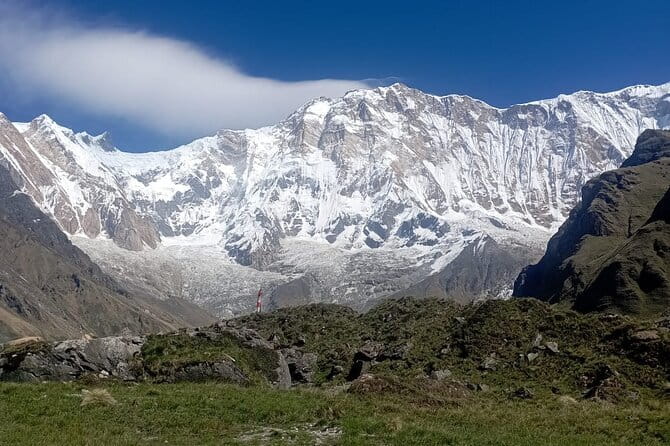
The trek starts with a drive of about one hour from Pokhara to Nayapool. From there, you walk beside the Modi River toward Birethani. Teahouses appear along the route, so the first walking day gives you an early look at how this trek works: villages, simple lodging, mountain paths, and frequent human contact rather than a remote wilderness experience.
The route continues toward Ulleri. The available plan does not give a full day-by-day distance or walking time for this section, but the next day begins from Ulleri and climbs through rhododendron and oak forest toward Banthanti and Ghorepani.
This part is a useful warm-up, but do not mistake the word gentle for flat. The Annapurna trails use many stone steps, and Ulleri is associated with a demanding climb. Your legs begin working before the highest elevations arrive.
Ghorepani is an important overnight stop because it is the base for Poon Hill. The village also gives you one of the route’s first major mountain viewpoints. Accommodation is in a teahouse, which means you should expect simple rooms and a straightforward mountain setting rather than hotel comforts.
A few more hikes around Kathmandu worth a look
- Everest Base Camp Trek – 14 Days
★ 5.0 · 1,499 reviews - Everest Base Camp Trek
★ 5.0 · 842 reviews - Everest Base Camp Trekking
★ 5.0 · 485 reviews - Nagarkot Sunrise View and Day Hiking from Kathmandu
★ 5.0 · 471 reviews
Day 5: Sunrise at Poon Hill

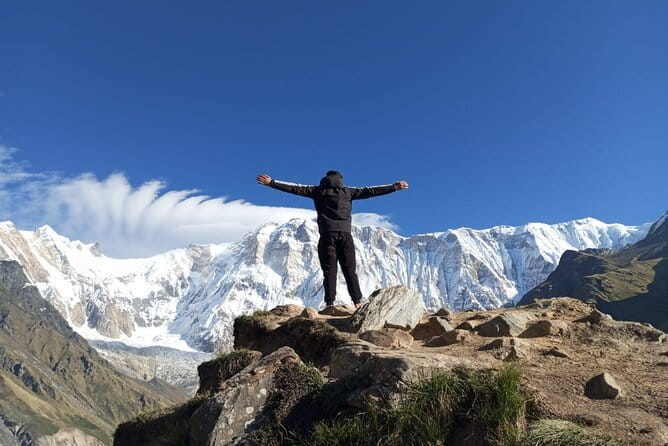
The early hike to Poon Hill is one of the strongest parts of the itinerary. The walk takes about 45 minutes and reaches 3,210 meters. From the viewpoint, you can see major Himalayan peaks, including the Annapurnas, Dhaulagiri, and Machhapuchhre when conditions are clear.
This is a photographer’s morning, but you do not need to be a serious photographer to enjoy it. The appeal is the combination of a short climb, high elevation, and broad mountain views before breakfast. The early start can be cold and tiring, so warm layers and a headlamp are sensible choices, though the supplied details do not specify equipment provided.
After Poon Hill, the route continues toward Tadapani. The day combines an early uphill walk with more trail time, so pacing matters. Do not rush the viewpoint and then assume the rest of the day will be easy.
Days 6 and 7: Gurung villages, forests, and stone steps
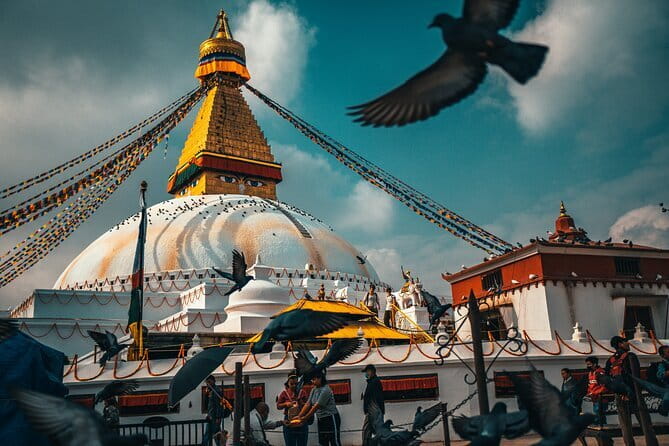
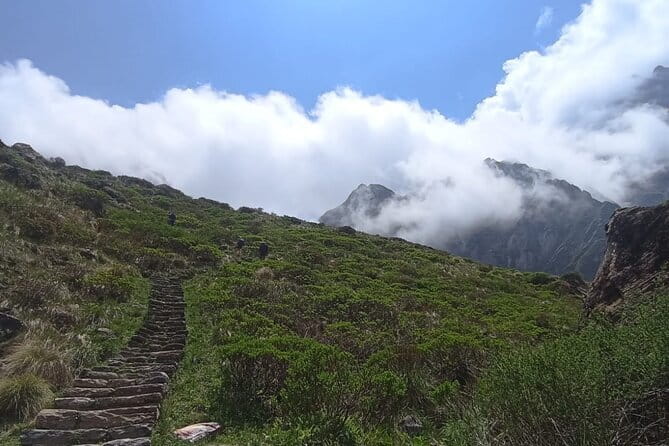
From Tadapani, the trail descends through rhododendron forest, crosses the Kimsung River, and climbs again toward Gurjung. From there, a straighter climb leads to Chhomrong, a Gurung village with views toward the Annapurna peaks and Machhapuchhre.
Chhomrong is more than a place to sleep. It is one of the route’s better village stops, spread across a hillside with a strong mountain setting. You stop here for lunch later in the trek as well. Expect a mixture of steep paths, village activity, and mountain scenery.
The next section begins with stone steps dropping from Chhomrong to Chhomrong Khola. After crossing a suspension bridge, you climb steeply to Sinuwa. The trail then passes through jungle and descends more easily toward Bamboo.
This up-and-down pattern is typical of the Annapurna Base Camp route. A downhill section is not always a rest, because every major descent may be followed by another climb. If your knees dislike steps, trekking poles could be useful, although they are not listed among the inclusions.
Days 8 and 9: Entering the high mountain zone
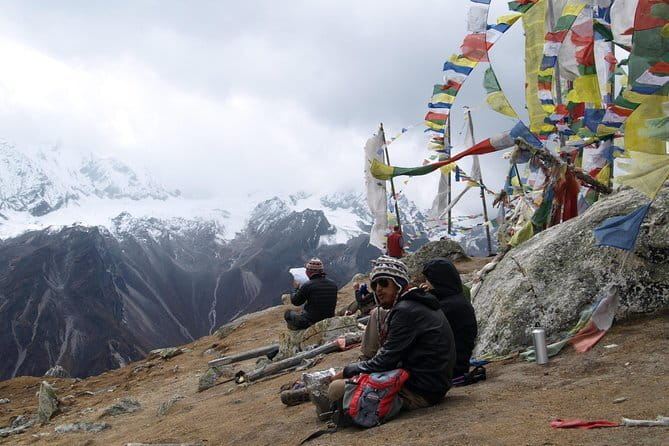
From Dovan toward Himalaya, the trail passes through bamboo and rhododendron forest. The route goes quietly near a temple, where loud noise is discouraged. That small detail gives this section a different mood from the more social village paths.
The trail continues through the forest toward Deurali. From there, it follows a riverbed and climbs with more effort toward Machhapuchhre Base Camp. At MBC, mountains surround you on all sides, including Annapurna, Machhapuchhre, Gangapurna, and Himchuli.
This is where the trek feels distinctly high and serious. The trees thin, the route becomes more exposed, and the walking day can feel harder even when the distance is not extreme. The plan describes the trip as moderate, but moderate at altitude is still demanding.
The overnight location and exact elevation details are not fully spelled out for every stop, so ask the operator for the current sleeping plan. Weather and trail conditions can affect the timing. A small group helps here, since a guide can keep an eye on the pace and adjust the day as needed.
Day 10: Sunrise at Annapurna Base Camp and the return
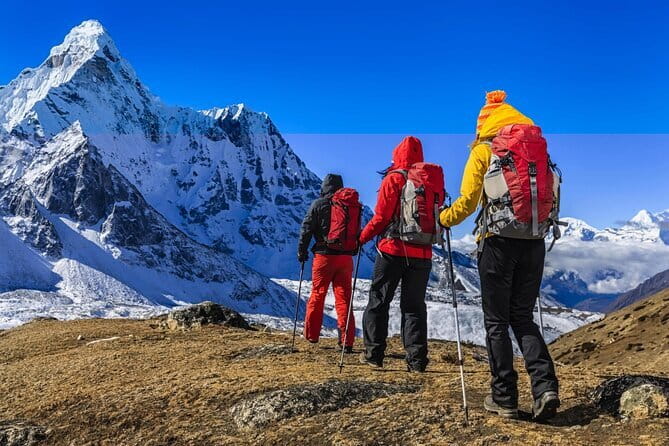
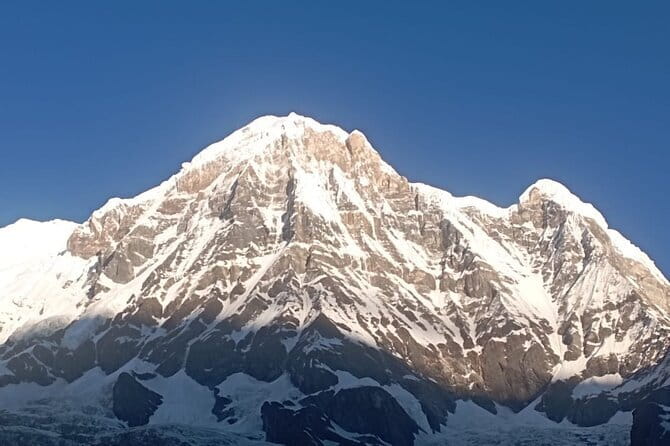
The high point of the trek is Annapurna Base Camp. You rise for sunrise, then return along the trail through Machhapuchhre Base Camp, Deurali, Himalaya, and Bamboo toward Sinuwa.
The morning view is the reason many people choose this route. You are inside a mountain amphitheater rather than looking at the peaks from a distant road. The setting can feel enormous, but the walk back is practical rather than glamorous. Much of it is downhill, and the plan calls it an easy walk, yet a long descent can still punish tired legs.
You should treat this as a full day, not a quick photo stop followed by a short stroll. The reward is that you finish the highest section and begin returning to lower, greener ground.
Days 11 and 12: Chhomrong lunch and Jhinu Danda hot springs
Day 11 includes a stop in Chhomrong for lunch. The village offers impressive views of the Annapurnas and Machhapuchhre, and it is a welcome chance to pause after the high route.
Day 12 brings you to Jhinu Danda. A natural hot spring beside the Modi River is about a 20-minute walk from the hotel. The pools offer a pleasant way to loosen tired muscles after several days of climbing and descending.
This is one of the itinerary’s nicest contrasts. The trip begins with forest trails and rises into a cold, high mountain setting, then returns to a warm spring near the river. The hot spring visit is optional in the sense that you could choose not to bathe, but it gives the final trekking days a clear point of relaxation.
Days 13 and 14: Returning to Kathmandu
On Day 13, the road transfer includes a 30-minute lunch stop at Malekhu, an area known for fish and fish products. It is a brief roadside break, not a full sightseeing visit, but it breaks up the return journey.
Day 14 includes a short drive past Pashupatinath Temple, with a few minutes available for photographs. Admission is not included. Since the stop is listed as only five minutes, do not plan on exploring the temple complex in depth.
The return arrangements are useful, but the final road days may feel long after the physical trek. Your reward is a simple finish with transport already organized rather than another logistical puzzle.
Guides, group size, and the human side of the trek
A maximum of 10 people is a sensible group size for this route. You get more personal contact than on a large departure, while still having company on long walking days. The guide can help keep the group together, explain the villages and peaks, and deal with the practical details of teahouse stays.
Feedback connected with Green Valley repeatedly praises the care and communication of the staff. Guide names that appear in the experience feedback include Suvi, Anil, Tulsi, Krishna, and Arjun, with Sumon mentioned as a porter. You should not assume a particular person will lead your departure, but the repeated focus on guide support is encouraging.
One especially useful detail is the flexibility around porter help. A past participant who felt unwell after arriving was able to request a porter the night before. That does not mean porter service is automatically included here, so confirm the cost and arrangement before departure if you may want one.
The guide’s role matters most when you are tired, anxious, or unsure about the next day. Several accounts emphasize help from airport arrival through departure, which is valuable for a first visit to Nepal.
Fitness, altitude, and what to pack mentally
The operator describes the trek as moderate and suitable for people with moderate physical fitness. You should read that as regular exercise, long walking days, steep steps, and high-altitude sleep. The plan gives daily walking of roughly four to seven hours, though exact times vary by section.
The route reaches 3,210 meters at Poon Hill and continues higher to Annapurna Base Camp. Altitude affects people differently, and the supplied details do not state a formal acclimatization plan. Take a slow pace, tell your guide if you feel unwell, and avoid treating the schedule as a race.
You will move between hotels or guesthouses in Kathmandu and Pokhara and basic teahouses on the trail. Pack for that change. The key is not luxury gear, but enough clothing for cold mornings, comfortable walking, and variable conditions.
This is not a trip for someone who wants every day to be easy. It is a good match if you enjoy physical effort, mountain villages, early starts, and the satisfaction of reaching a dramatic endpoint.
Who should book this Annapurna trek?
I would choose this trip if I wanted a first organized Himalayan trek with a clear route and a manageable group. The combination of Poon Hill and Annapurna Base Camp gives you two distinct rewards: an early panoramic viewpoint and a closer high-mountain finish.
It also suits solo bookers who want company without joining a huge group. The airport pickup, guide, teahouse planning, and shared transfers remove much of the friction that can make a first Nepal trip stressful.
I would think twice if you dislike long bus rides, simple accommodation, steep steps, or repeated trails on the return. You should also confirm meal details, porter arrangements, and the exact daily schedule before paying, since the overview says all trek meals are included while the detailed inclusions specify 10 dinners and 10 lunches.
Green Valley Nepal Treks & Research Hub Pvt Ltd has a strong reported satisfaction record, with a five-star rating from 80 reviews and 100 percent recommendation shown in the supplied information. That is a good sign, but the trek itself remains physically real. Good service cannot remove altitude or stairs.
Should you book it?
Book this trek if you want organized support, classic Himalayan views, and a moderate but serious challenge at a price that includes most major costs. The Poon Hill sunrise, Gurung villages, forest trails, hot spring, and Annapurna Base Camp create a satisfying arc.
Skip it if you want a soft adventure, private luxury, or a fully flexible schedule. For an active person who wants Nepal handled by a local team, this is a well-priced way to reach one of the Himalaya’s most famous base camps.
FAQ
How long does the Annapurna Base Camp trek take?
The experience lasts approximately 14 days, including arrival in Kathmandu, travel to Pokhara, the trek, the return journey, and the final transfer back toward Kathmandu.
Where does the experience begin?
The meeting point is Tribhuvan International Airport in Kathmandu, Nepal. An airport representative meets you and arranges transport to the hotel.
How large is the group?
The group can include a maximum of 10 people.
What fitness level is required?
The trek requires a moderate level of physical fitness. You can expect to walk about four to seven hours per day on a moderate high-altitude route.
Is accommodation included?
Yes. Accommodation is included according to the itinerary, with hotels or guesthouses in Kathmandu and Pokhara and teahouse accommodation during the mountain trek.
Are meals included?
The listed inclusions provide 13 breakfasts, 10 lunches, and 10 dinners. Lunch and dinner in Kathmandu and Pokhara are not included.
Is Poon Hill part of the route?
Yes. The itinerary includes an early hike to Poon Hill, which is 3,210 meters high and takes about 45 minutes from the starting point in Ghorepani.
Is airport pickup included?
Yes. Pickup from Tribhuvan International Airport and transport to the Kathmandu hotel are included.
Can I cancel for a full refund?
You can receive a full refund if you cancel at least 24 hours before the experience start time. Cancellations or changes made within 24 hours are not accepted for a refund, and poor weather may result in an alternative date or a full refund.
Just added around Kathmandu
- Annapurna Base Camp Trek 12 Days★ 5.0 · 18 reviews
- Annapurna Base Camp Trek 10 Days★ 5.0 · 35 reviews
- Annapurna Base Camp Trek – 11 Days★ 5.0 · 30 reviews
- Annapurna Base Camp Trekking★ 5.0 · 38 reviews
- Adventurous Annapurna Base Camp Trekking★ 5.0 · 7 reviews
- Annapurna Base Camp Private Short Trek★ 5.0 · 8 reviews
- Annapurna Base Camp Short trek★ 5.0 · 13 reviews
- 9 Days short and Easy Ghorepani Poonhill Trekking in Nepal★ 5.0 · 9 reviews
Kathmandu Hiking Tours, compared.
Nagarkot Sunrise View and Day Hiking from Kathmandu
Read our review →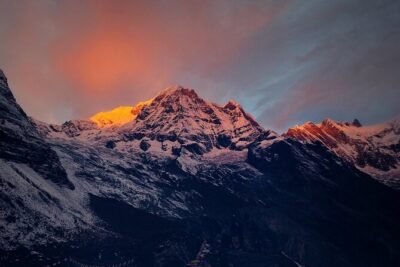
Browse the lists this tour appears in