
REVIEW · KATHMANDU HIKING TOURS
Annapurna Base Camp Short trek
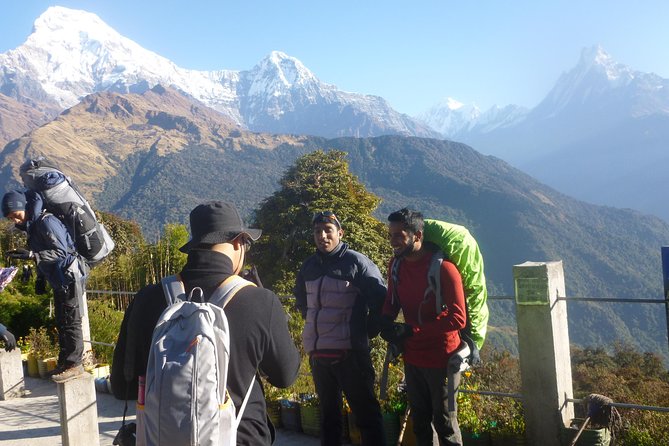
Mountain views come with serious stair work. This 8-day Annapurna Base Camp trek combines snowy Himalayan scenery with Gurung villages, rhododendron and bamboo forests, rivers, hot springs, and two nights in Pokhara. I like the route’s variety, and I like that the package includes a guide, trekking permits, meals, lodge stays, and Pokhara hotel nights. The main drawback is the pace: the 8-hour push to Annapurna Base Camp and the long stair sections demand good fitness.
You reach Annapurna Base Camp at 4,130 meters, with sunrise over the Annapurna range as the reward. The route is private, so your group sets its own rhythm with the guide, but this is still a compact schedule with little spare time for weather or fatigue. Guides such as Jog Gurung and Ganesh have been praised for patience and care, while porter teams have earned warm comments for helping with every step.
What makes this Annapurna trek special
- Annapurna Base Camp at 4,130 meters: Reach the famous mountain sanctuary beneath the Annapurna Massif.
- A fast route through changing scenery: Move from terraced farmland and villages to forest, grassland, rocky paths, and high mountain views.
- Sunrise at base camp: Start early for light reflecting across Annapurna and the surrounding peaks.
- Gurung culture and village life: Pass through Ghandruk, Chhomrong, Kimrong, Sinuwa, and other mountain settlements.
- Jhinu Danda hot spring: Soak in the natural hot spring after several demanding days on foot.
- Useful package inclusions: A professional guide, TIMS permits, three meals a day on trek, lodge accommodation, and two Pokhara hotel nights are covered.
What you are paying for at $897.44
At $897.44 per person, this is not simply a guided walk. The price covers the transport pattern between Kathmandu and Pokhara, two nights of hotel accommodation in Pokhara with breakfast, the TIMS permit, a professional trekking guide, guide insurance and allowances, three meals a day during the trek, and overnight lodge accommodation on the trail.
That package gives the price reasonable value, especially if you prefer one company to arrange the moving parts. You are not left to sort out every meal, permit, lodge, and transfer separately. The guide is also part of the value. On a route with long staircases, changing weather, and altitude gain, having someone manage the pace and daily plan matters.
The price does not cover travel insurance, medical insurance, emergency evacuation, personal purchases, phone calls, alcoholic drinks, donations, or tips. These are not minor details on a mountain trip. You should arrange suitable insurance before leaving home and set aside money for tips and personal expenses.
The package is strongest for someone who wants a guided, organized trek rather than a fully independent trip. If you already have trekking permits, know the route, and are comfortable arranging your own food and lodges, you may find a self-planned journey less expensive. The convenience here is having the main logistics gathered together.
More Annapurna Treks in Kathmandu:
- Annapurna Circuit Trek with Tilicho Lake
★ 5.0 · 368 reviews - Annapurna base camp trek 5 Days
★ 5.0 · 252 reviews - 14-Day Private Annapurna Base Camp Trek
★ 5.0 · 180 reviews
Kathmandu to Pokhara by the Prithvi Highway
The trip begins with pickup at Tribhuvan Airport in Kathmandu. The first major travel day is a long drive to Pokhara along the Prithvi Highway. Do not treat this as a quick transfer. The road journey takes much of the day, but the window view gives you terraced farmland, hills, towns, and the Trishuli River.
You spend time in Pokhara after arrival, with the chance to enjoy the city’s lakeside setting, boating, and cycling. The first day does not include meals, so plan accordingly. Pokhara is also where you leave luggage that you do not need on the trail.
This arrangement is practical. You begin the walk from the Annapurna side instead of spending more time on the road during the trek itself. It also gives you a night in Pokhara before the mountain section, though the overall schedule still moves quickly.
Ghandruk and Kimrong: the first real walking day
The route drives from Pokhara to Ghandruk, a Gurung village known for views toward the Annapurna range and Machhapuchhre, also called Fishtail Mountain. The village setting and mountain backdrop make this an appealing start to the walking portion.
From Ghandruk, the path descends through forest to the Kimrong River. You then climb toward Kimrong village. The day combines about three hours of driving with four hours of walking, and breakfast, lunch, and dinner are included.
This is a good introduction to the route because you get village views, forest shade, a river crossing area, and uphill walking without yet facing the hardest day. The descent from Ghandruk can be tough on knees, while the climb afterward tests your legs early. Use trekking poles if you normally find downhill steps tiring.
Ghandruk is more than a place to pass through. The Gurung setting gives the route a human scale. You see homes, farmland, and daily mountain life rather than only trees and peaks. The cherry blossoms can add seasonal color, though the timing of flowering is not guaranteed.
Chhomrong, Sinuwa, and the bamboo forest
The next day begins with more climbing through forest toward open ground and Chhomrong at 2,310 meters. The route then drops down a long stone staircase, crosses a suspension bridge, and climbs again toward Sinuwa.
That up and down pattern is one of the defining features of this trek. A village that looks close on the map may still require a serious descent and climb. The six-hour walking day is not extreme by Himalayan standards, but the stairs make it feel longer than the clock suggests.
After Sinuwa, the trail continues through bamboo forest and hillside paths toward Deurali. Forest shade helps, and the changing vegetation gives you something new to notice as the altitude rises. The path is not just a mountain viewpoint route. It is a long walk through riverside corridors, wooded slopes, and small settlements.
Breakfast, lunch, and dinner are included, along with a lodge bed. The accommodation is functional rather than luxurious. Keep your expectations practical. The value comes from being on the route with food and a place to sleep, not from hotel-style comfort.
A few more hikes around Kathmandu worth a look
- Everest Base Camp Trek – 14 Days
★ 5.0 · 1,499 reviews - Everest Base Camp Trek
★ 5.0 · 842 reviews - Everest Base Camp Trekking
★ 5.0 · 485 reviews - Nagarkot Sunrise View and Day Hiking from Kathmandu
★ 5.0 · 471 reviews
The hard push from Deurali to Annapurna Base Camp
The fourth walking day is the centerpiece. You start early and follow rocky trails with repeated rises and falls. The path opens into broad grassy areas, then continues beside the river before reaching the long staircase to Machhapuchhre Base Camp.
The mountain views become more exposed here. Machhapuchhre appears close and imposing, and the base camp gives you a useful pause before the final section. From there, you continue toward Annapurna Base Camp at 4,130 meters.
This is an approximately eight-hour walking day, so the start time matters. The guide will help set a workable pace, but you need to do your part by walking steadily, drinking water, eating during breaks, and telling the guide if you feel unwell. The schedule gives you the chance to reach the high point, but it does not provide much room for losing time.
The base camp setting is the reward for the effort. The Annapurna range surrounds the high mountain basin, and the white peaks change color as the light moves. The appeal is not only the final altitude figure. It is the contrast between the warm low valleys, green forest, river corridors, and this stark high-altitude setting.
You should also be ready for basic conditions. Weather can change quickly in the mountains. Past groups have dealt with rain, hail, snow, and storms, so pack waterproof layers and keep warm clothing accessible rather than buried in your bag.
Sunrise at 4,130 meters
The early morning at Annapurna Base Camp is a major reason to choose this route. Sunrise catches the Annapurna ranges and turns the peaks bright as the light spreads across the basin.
It is a simple moment, but the setting does the work. You do not need entertainment or a long list of activities. You need warm clothes, patience, and a willingness to step outside early.
After breakfast, you retrace the trail downhill. The return to Deurali and onward to Sinuwa takes about seven hours. The downhill direction may feel easier for your lungs, but the long descent can be demanding on knees and thighs. The return is not a rest day.
Sinuwa, Chhomrong, and the Jhinu Danda hot spring
From Sinuwa, the route drops down long stairs to the suspension bridge, then climbs another long series of steps to Chhomrong. This is where many people discover that going downhill is not always easier than climbing. The repeated stair sections require patience and careful footing.
From Chhomrong, you take a different route toward Jhinu Danda. The steep descent leads to the famous natural hot spring. A soak here is well timed after the high-altitude push and the long stair days.
After the spring, you descend farther and stay overnight at an inn. The day includes about six hours of walking, with all three meals included. Jhinu is one of the route’s most enjoyable changes of pace because the reward is physical rather than scenic alone. You get a chance to rest tired legs in warm water before the final walk.
Nayapul and the return to Pokhara
The last walking day is gentler. After breakfast, you follow farmland and terraced fields toward Nayapul. The route has no major climbs, and the walk takes about two hours.
From Nayapul, a three-hour drive follows winding roads beside the Modi Khola back to Pokhara. You return to the hotel, collect your luggage, and have free time in the city.
This final afternoon matters. You have time to wash clothes, rest, cycle, boat, or simply enjoy a meal without hiking boots. The second Pokhara night also gives the schedule a useful buffer before the drive back to Kathmandu.
Returning to Kathmandu through the hills
The final day follows the same general highway route toward the capital. From the vehicle, you see large hills, white rivers, and terraced farmland. There is a planned stop for lunch and a toilet break before reaching Kathmandu.
Once back in the city, you can freshen up and explore Thamel. The itinerary leaves time for an evening stroll and souvenir shopping, although traffic can make the return drive longer than expected. Keep your plans flexible rather than booking a tight onward connection that same day.
How difficult is the short trek?
The route is suitable for most people who are reasonably fit, but short does not mean easy. The itinerary includes multiple six to eight-hour walking days, repeated staircases, steep descents, suspension bridges, rocky paths, and a high point of 4,130 meters.
The toughest day is the walk from Deurali to Annapurna Base Camp. The long descent from Sinuwa and climb to Chhomrong can also surprise you. You do not need technical climbing skills, but you do need stamina and a willingness to walk several hours a day.
A private group helps because your guide can respond to your pace. The guide team has been praised for being attentive, cheerful, and helpful, with names including Jog Gurung and Ganesh appearing in particularly warm accounts. Porter teams including Osman and Hori have also been praised for practical support. The exact guide and porter assignment may vary, so confirm those names before departure if that matters to you.
Food, lodging, guides, and group style
Three meals a day are included during the trail portion, along with lodge accommodation. This reduces the amount of daily planning you need to do. Two hotel nights in Pokhara include breakfast.
A private tour means only your group participates. That gives you more control than a large shared departure, although the fixed route still requires you to meet the day’s walking targets. A guide is not only there to lead the way. On this route, the guide helps with timing, trail decisions, local contact, and the general rhythm of the day.
The staff’s warmth is a repeated strength. Past customers have singled out guides and porters for answering questions, assisting with small tasks, and creating a friendly atmosphere. That human side matters on a trek where tiredness can make simple problems feel larger.
Who should book this Annapurna Base Camp trek?
I would recommend it to you if you want the major Annapurna Base Camp experience in eight days and prefer a package that handles the main logistics. It suits fit first-time trekkers, couples, friends, and private groups who want a guide and do not want to arrange every lodge and meal alone.
It is less suitable if you dislike long vehicle transfers, basic mountain accommodation, steep stairs, or early starts. It is also not a good choice if you want several spare days for weather delays or slow acclimatization. The schedule is efficient, but that efficiency comes with pressure.
Before booking, check the current itinerary carefully, ask how luggage is handled, confirm the guide arrangements, and verify exactly what insurance and evacuation coverage you need to provide yourself. Also ask about the expected tipping practice, since tips are not included and are expected.
Final verdict: should you book it?
Book this trek if your priority is reaching Annapurna Base Camp, seeing sunrise over the high peaks, and experiencing villages, forests, rivers, and hot springs in one compact trip. The inclusions make the $897.44 price sensible for a guided package, especially with meals, lodges, permits, transport, and Pokhara stays covered.
Think twice if you need a relaxed schedule. The long drive days and demanding walking sections leave little room for an unhurried approach. For a prepared hiker who values local guides, a private group, and a direct route to the base camp, this is a strong way to experience the Annapurna region.
FAQ
Where does the Annapurna Base Camp trek start?
The experience begins with pickup at Tribhuvan Airport in Kathmandu, followed by a drive to Pokhara. The walking route begins after transport from Pokhara to Ghandruk.
How high does the trek go?
The highest point is Annapurna Base Camp at 4,130 meters.
How long is the experience?
The complete itinerary takes approximately eight days, including travel between Kathmandu and Pokhara, the trek, and the return to Kathmandu.
Are meals included?
The first day to Pokhara has no meals included. During the trekking section, breakfast, lunch, and dinner are included. Breakfast is included during the Pokhara hotel stays.
Is accommodation included?
Yes. The package includes two hotel nights in Pokhara with breakfast and overnight accommodation in hotels or lodges along the trekking trail.
What is not included in the price?
Travel and medical insurance, emergency evacuation, personal expenses, telephone calls, alcoholic drinks, donations, and tips for guides and porters are not included.
Just added around Kathmandu
- Annapurna Base Camp Trek – 11 Days★ 5.0 · 30 reviews
- Annapurna Base Camp Trek 12 Days★ 5.0 · 18 reviews
- Annapurna Base Camp Trek 10 Days★ 5.0 · 35 reviews
- Annapurna Base Camp Trekking★ 5.0 · 38 reviews
- Adventurous Annapurna Base Camp Trekking★ 5.0 · 7 reviews
- Annapurna Base Camp Trek★ 5.0 · 80 reviews
- Annapurna Base Camp Private Short Trek★ 5.0 · 8 reviews
- 9 Days short and Easy Ghorepani Poonhill Trekking in Nepal★ 5.0 · 9 reviews
Kathmandu Hiking Tours, compared.
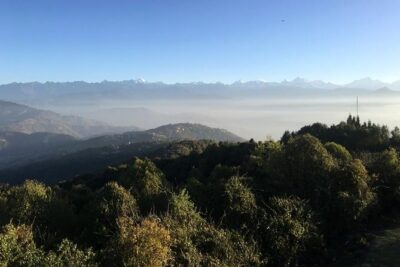
Nagarkot Sunrise View and Day Hiking from Kathmandu
Read our review →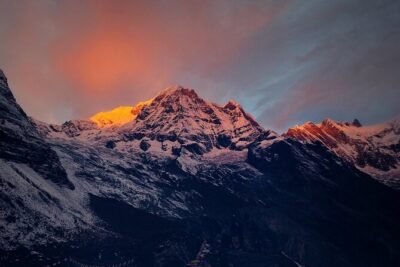
Browse the lists this tour appears in