
REVIEW · KATHMANDU HIKING TOURS
13 Days Annapurna Base Camp Trek
The Himalayas reward steady feet. This 13-day Annapurna Base Camp trek combines mountain scenery, village life, local guides, and practical support at a price that includes much of what you need on the trail. I especially like the family-run tea-house stays and the fact that guide and porter support is arranged, with one porter assigned for every two people. The big consideration is that this remains a serious high-altitude trek, not a soft sightseeing holiday.
I also like the simple transport plan: tourist bus travel from Kathmandu to Pokhara, private transfers to and from the trail, and airport pickup and drop-off. Guides such as Shambu, Ram, Deepak, Krishna, and Jit have received warm praise for patience, humor, organization, and care. Still, mountain weather can disrupt plans, and the package does not include travel insurance, rescue evacuation, hot showers, or personal trekking gear.
Key points at a glance
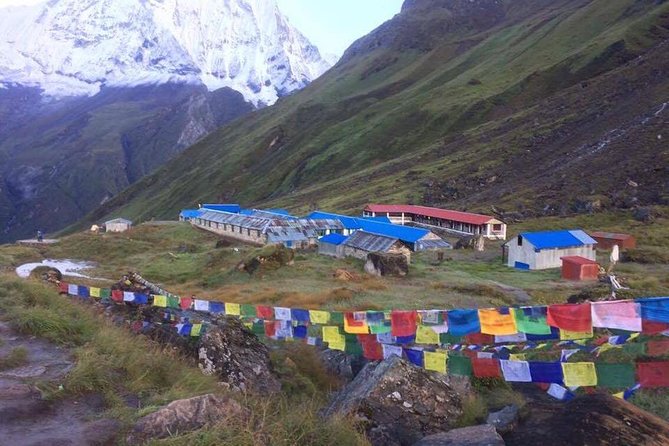
- Mountain views at Annapurna Base Camp: You can see Annapurna I, Annapurna South, Annapurna II and III, Hiunchuli, Fang, Gangapurna, and Machhapuchhre.
- A supported private trek: Only your own group participates, with an English-speaking guide and one porter for every two people.
- Two nights in Kathmandu and two in Pokhara: Three-star bed and breakfast hotels give you a little comfort before and after the mountain days.
- Family-run tea houses: Eight nights of basic lodge accommodation put you close to village life, but facilities can be simple.
- Most meals included: Breakfast, lunch, and dinner are covered during the trek, while food and drinks in Kathmandu and Pokhara are extra.
- A real fitness test: You need strong physical fitness, warm clothing, suitable boots, and insurance that covers medical care and helicopter rescue.
What the $999 package really gives you
At $999 per person, the value comes from the amount of practical support bundled into the price. You receive airport transfers, two nights in Kathmandu, two nights in Pokhara, transportation between the cities and trailheads, an English-speaking guide, porter support, permits, eight nights in mountain lodges, and all main meals during the trek.
That is a useful package for someone who does not want to arrange each moving part independently. The Annapurna Conservation Permit and TIMS registration are included, along with guide and porter insurance. A farewell dinner with cultural dance is also part of the arrangement.
The price is not all-inclusive in the usual holiday sense. You pay separately for the Nepal entry visa, lunches and dinners in Kathmandu and Pokhara, drinks, sweets, hot showers, personal expenses, tips, equipment, personal insurance, and emergency evacuation. Add those costs before deciding that $999 is your complete budget.
I would also treat the advertised duration carefully. The main description calls this a 13-day trek, while another part refers to a 15-day Annapurna Base Camp trek. Ask for the final day-by-day plan before paying, including the exact walking days and overnight stops. That small check could prevent a large surprise.
More Annapurna Treks in Kathmandu:
- Annapurna Circuit Trek with Tilicho Lake
★ 5.0 · 368 reviews - Annapurna base camp trek 5 Days
★ 5.0 · 252 reviews - 14-Day Private Annapurna Base Camp Trek
★ 5.0 · 180 reviews
Kathmandu begins the practical work
The trip starts in Kathmandu, with airport pickup and hotel transfer arranged. You stay two nights at Hotel Thamel, a three-star bed and breakfast property, giving you time to recover from the journey and prepare for the mountains.
The meeting time is listed as 7:15 am. That early start matters in Nepal, where road journeys can take time and transport schedules may change. The tourist bus to Pokhara is included, so you do not need to arrange that connection yourself.
Use the Kathmandu stay to check every item in your pack. The required list includes a sleeping bag rated to minus 15 Celsius, a down jacket, gloves, warm clothes, trekking shoes, sunglasses, sunscreen, socks, a torch, trekking poles, and personal medicine. You also need three passport-size photographs and a hard copy of your itinerary when you arrive.
The operator asks for a strong fitness level. That wording is worth taking seriously. You will be walking for many days, gaining altitude, and sleeping in basic mountain accommodation. The itinerary is described as moderate, but moderate in the Himalayas still means demanding for anyone unused to long uphill days.
Pokhara provides the calm before the trail
Pokhara is the staging point for the trek. You stay two nights at Splendid View, another three-star bed and breakfast hotel, with transport to and from the city included.
I like having two nights here rather than rushing straight from Kathmandu onto the trail. Pokhara gives you time to check equipment, meet your guide, and make sure your permit arrangements are in order. It also creates a buffer if road transport from Kathmandu is delayed.
The package includes breakfast in Pokhara, but not lunch or dinner. Keep cash available for those meals, drinks, and personal purchases. Alcoholic and non-alcoholic drinks are also excluded during the trek, as are sweets such as chocolate and desserts.
The trail starts at Nayapul, reached by private transport from Pokhara. The trek ends at Phedi, followed by a private ride back to Pokhara. This means the walking route is not a simple out-and-back path. You begin near Nayapul and finish at a different trail point, which helps the experience feel like a journey rather than repeated steps.
The walk from Nayapul into the Annapurna region
Nayapul marks the move from road travel to foot travel. From here, the appeal is not only the high peaks. You also pass through villages and see the daily life of people who live along the route.
The package promises green natural scenery, snow-covered mountains, and contact with village communities. That combination is one of the best reasons to choose Annapurna Base Camp. You are not simply standing in front of a famous mountain. You are moving through changing surroundings, from settled village areas toward a colder and more exposed mountain world.
Your guide matters greatly here. Past groups have praised guides including Krishna, Chris, Shambu, Ram, Deepak, Sheepy, and Jit. Their roles go beyond leading the way. A good guide sets a sensible pace, explains local culture and mountain features, watches how you are coping, and helps solve small problems before they become large ones.
The porter arrangement also affects the walking experience. One porter serves every two people, allowing you to carry a lighter personal day pack. Pack sensibly anyway. You still need warm layers, water, sun protection, medication, and anything you may need during the day.
A few more hikes around Kathmandu worth a look
- Everest Base Camp Trek – 14 Days
★ 5.0 · 1,499 reviews - Everest Base Camp Trek
★ 5.0 · 842 reviews - Everest Base Camp Trekking
★ 5.0 · 485 reviews - Nagarkot Sunrise View and Day Hiking from Kathmandu
★ 5.0 · 471 reviews
Tea houses bring comfort, with a few compromises
Eight nights are spent in normal lodges or tea houses run by Nepali families. This is a valuable part of the trip because it puts you in local accommodation rather than separating you from the communities along the path.
You should also set your expectations correctly. The facilities are described as basic, and hot showers during the trek are not included. A sleeping bag rated to minus 15 Celsius is specifically required, which tells you that nights can be very cold. Bring a personal towel and torch as well.
Accommodation quality can vary from one lodge to another. Some past groups found the lodges clean and acceptable, while others described conditions as difficult but worthwhile for the views. That is a fair picture of mountain trekking. You are paying for access, warmth, food, and a bed in a remote setting, not for polished hotel service.
Meals during the trek are included: breakfast, lunch, and dinner, with the package specifying main courses. The food can be a pleasant surprise, but choices may be simpler as you climb. Bring personal snacks if you rely on chocolate or other sweets, since those are not included.
Reaching Annapurna Base Camp and the famous peaks
The main prize is Annapurna Base Camp, surrounded by some of the most famous peaks in the region. The named mountains include Annapurna I, Annapurna South, Annapurna II, Annapurna III, Hiunchuli, Fang, Gangapurna, and Machhapuchhre.
The views are not limited to one dramatic summit. You see snow-covered peaks rising above green surroundings, with the setting changing as you walk higher. That mix of forested slopes, open mountain views, and high snow makes this route appealing to people who want variety rather than a single viewpoint.
Machhapuchhre, also called Fishtail, is especially memorable for many people because of its distinctive shape. The information provided does not promise a particular viewing point or a guaranteed clear day, so keep your expectations flexible. Weather can bring rain, snow, cloud, or poor visibility. One family completed the trek despite difficult weather almost every day, which is a useful reminder that conditions are part of the experience.
The trip is not an expedition requiring technical climbing. It is described as a moderate trek for people with medium physical fitness, yet the provider also asks for strong fitness. I would use the stricter advice. Train for long walks, hills, stairs, and several consecutive days on your feet.
Why acclimatization and pace matter
The supplied information does not provide a full daily altitude schedule, so I would not pretend to know exactly how much you climb each day. Ask for that schedule before departure, especially if you have limited high-altitude experience.
The first days are described in one account as relatively easy, helping the group adjust to altitude and walking. Later days became harder, with snow and heavy rain. That progression is normal enough to plan around, even though the exact stops may vary.
Do not treat a guide as a replacement for good judgment. Tell the guide if you feel unwell, unusually tired, or affected by altitude. Your insurance should cover medical treatment, accidents, natural disasters, emergency evacuation, trip cancellation, and lost, stolen, or damaged baggage and equipment.
Emergency rescue is not included in the price. Helicopter evacuation can be very expensive, and the operator states that extra costs caused by unavoidable changes are paid by the client on the spot. This is one of the most important financial details in the entire package.
Phedi, Pokhara, and the return to comfort
The walking section ends at Phedi, where private transport takes you back to Pokhara. After cold nights and basic lodges, returning to the city will feel good. Your second Pokhara hotel night gives you a chance to rest, eat a wider range of food, and sort your gear.
The package does not include lunch or dinner in Pokhara, so plan for those separately. The included farewell dinner with cultural dance offers a more organized final evening and gives the trip a social finish.
You then return to Kathmandu by tourist bus. Airport transfer is included for the departure. As with the outward journey, road travel can be affected by blockages, landslides, floods, political unrest, or other conditions. The provider does not accept responsibility for extra costs caused by such events.
The guides are a major strength
The strongest pattern in the feedback is the quality of the guiding and porter support. Deepak and Sheepy were praised for patience and humor. Krishna and Santosh were appreciated for helpfulness and local knowledge. Shambu and Shiva were described as attentive professionals, while Ram was praised for careful organization.
Names are not a guarantee that one particular guide will lead your group, but they show the kind of service the company aims to provide. Several groups also used the same company for Kathmandu sightseeing and a Chitwan safari, suggesting that the office can help with additional Nepal arrangements.
A guide can make a difficult trek more manageable. You want someone who communicates clearly, understands the route, respects your pace, and helps when room arrangements or transport plans go wrong. The feedback gives this company a good record in those areas.
What to pack and what you must pay for
The equipment list is long because the mountain nights are not forgiving. Bring or rent a sleeping bag rated to minus 15 Celsius, a down jacket, gloves, warm layers, trekking shoes, sunglasses, sunscreen, trekking poles, socks, a towel, and a torch.
The provider also suggests basic medicine for headache, fever, stomach problems, diarrhea, pain, and minor cuts. Pack only medication you can safely use, and bring enough of any regular prescription medicine.
Your personal insurance is essential. The policy must cover medical and accidental treatment, natural disasters, emergency evacuation, trip cancellation, and loss or damage to baggage and trekking gear. Do not assume ordinary holiday insurance includes helicopter rescue. Check the wording.
Tips for the guide and porter are not included. Neither are visa fees, drinks, hot showers, personal expenses, or emergency evacuation. The trip is non-refundable and cannot be changed for any reason, so confirm dates, fitness requirements, equipment, and the precise route before booking.
Who should book this Annapurna trek?
I would recommend it to you if you want a guided Himalayan trek with meals, permits, transport, porter assistance, and basic accommodation arranged in advance. It suits people who value village contact and mountain scenery more than hotel comfort.
It also works well for a private group that wants its own guide rather than joining a large mixed party. Families and friends have completed the trek together, but every member needs to be ready for sustained physical effort and changing weather.
I would hesitate if you want a highly flexible booking, easy access to private bathrooms, guaranteed clear mountain views, or a fully protected all-inclusive price. I would also hesitate if you are unwilling to buy strong evacuation insurance or carry proper cold-weather equipment.
Should you book it?
Book this trek if the combination of high peaks, village life, family-run tea houses, and organized guide support sounds more appealing than polished comfort. The $999 price is reasonable for the included transport, permits, meals, hotels, porter service, and lodge nights, but only after you budget for gear, insurance, tips, food in the cities, and possible emergencies.
Before paying, ask for the exact 13-day schedule and clarify the conflicting 13-day and 15-day descriptions. If the final plan matches your fitness and insurance cover is in place, this is a strong-value route for experiencing Annapurna Base Camp with a local support team.
FAQ
How long is the Annapurna Base Camp trek?
The experience is advertised as approximately 13 days. Another description refers to a 15-day Annapurna Base Camp trek, so you should confirm the exact day-by-day schedule before booking.
What is included in the $999 price?
The price includes airport transfers, two nights at Hotel Thamel in Kathmandu, two nights at Splendid View in Pokhara, tourist bus transport from Kathmandu to Kathmandu, private transport between Pokhara and the trailheads, a guide, porter support, permits, TIMS registration, eight nights in tea houses, meals during the trek, guide and porter insurance, service charges, and a farewell dinner with cultural dance.
Are meals included throughout the trip?
Breakfast is included at the Kathmandu and Pokhara hotels. Breakfast, lunch, and dinner are included during the trek. Lunch and dinner in Kathmandu and Pokhara are not included.
Is trekking equipment provided?
No. You need to arrange personal equipment such as a sleeping bag, down jacket, gloves, sunglasses, sunscreen, trekking shoes, trekking poles, warm clothes, socks, a towel, and a torch.
What kind of fitness is required?
The trek is described as moderate and suitable for people with medium physical fitness, but the provider asks participants to have strong physical fitness. You should be prepared for several days of mountain walking and cold-weather conditions.
Is travel insurance included?
No. You must arrange personal insurance. The policy should cover medical treatment, accidents, natural disasters, emergency evacuation, trip cancellation, and lost, stolen, or damaged baggage and equipment.
Is this a private group experience?
Yes. This is a private tour, so only your own group participates. An English-speaking guide is provided, along with one porter for every two people.
Just added around Kathmandu
- Annapurna Base Camp Trek – 11 Days★ 5.0 · 30 reviews
- Annapurna Base Camp Trek 12 Days★ 5.0 · 18 reviews
- Annapurna Base Camp Trek 10 Days★ 5.0 · 35 reviews
- Annapurna Base Camp Trekking★ 5.0 · 38 reviews
- Adventurous Annapurna Base Camp Trekking★ 5.0 · 7 reviews
- Annapurna Base Camp Trek★ 5.0 · 80 reviews
- Annapurna Base Camp Private Short Trek★ 5.0 · 8 reviews
- Annapurna Base Camp Short trek★ 5.0 · 13 reviews
Kathmandu Hiking Tours, compared.
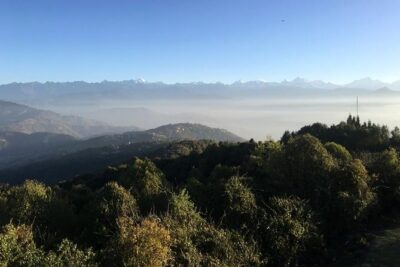
Nagarkot Sunrise View and Day Hiking from Kathmandu
Read our review →
Browse the lists this tour appears in