
REVIEW · NEPAL HIKING TOURS
Kathmandu: Chisapani Nagarkot 3-Days 2-Nights Trek
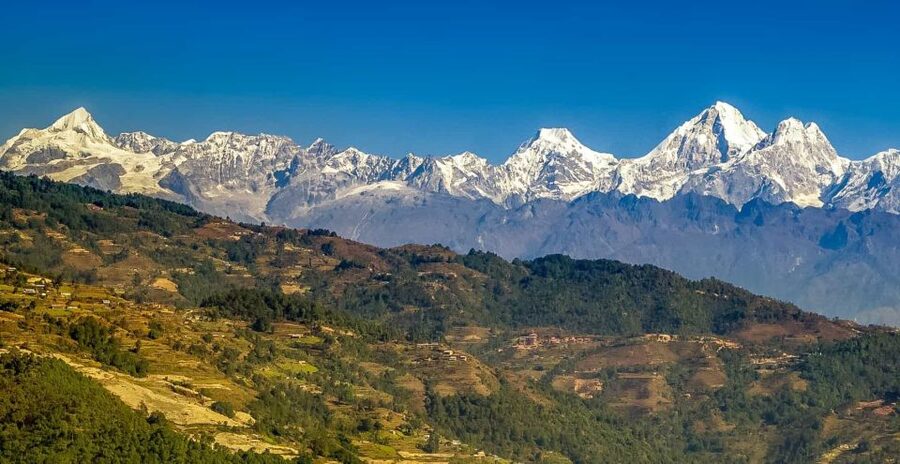
Mountain views start early. This three-day Chisapani to Nagarkot trek gives you Himalayan scenery, village paths, forest walks, and temple visits without sending you into Nepal’s high-altitude trekking zones. I like the route for two clear reasons: you get a real taste of rural Nepal, and private hotel transfers make the trip easy to join and finish.
I also like the balance between nature and culture. You walk through Shivapuri National Park, pass Tamang villages and terraced fields, sleep in Chisapani and Nagarkot, then finish at the old Changu Narayan Temple. The main caution is the walking: day two can reach six to seven hours, and one group reported covering about 25 kilometers. Good shoes and honest fitness planning matter here.
Key points to know before booking
- Himalayan views depend on weather: Langtang Himal and other ranges can appear clearly, but clouds and monsoon rain may block them.
- The first morning is stair-heavy: The climb from Sundarijal to Chisapani takes five to six hours and includes sustained uphill walking.
- Day two is the longest: The route from Chisapani to Nagarkot crosses forests, villages, fields, and several uphill sections.
- Guides receive the strongest praise: Dipak Karki, Ramesh, Govinda Pathak, and Deepak are all noted for friendly service, route knowledge, and good pacing.
- Lodging differs by stop: Nagarkot accommodation includes an attached bathroom, while Chisapani is a simpler lodge stay.
- The $190 price covers useful basics: Private transfers, permits, guide service, breakfast, and two nights of lodging are included, but lunches, dinners, drinks, and a porter cost extra.
Why This Kathmandu Valley Trek Works
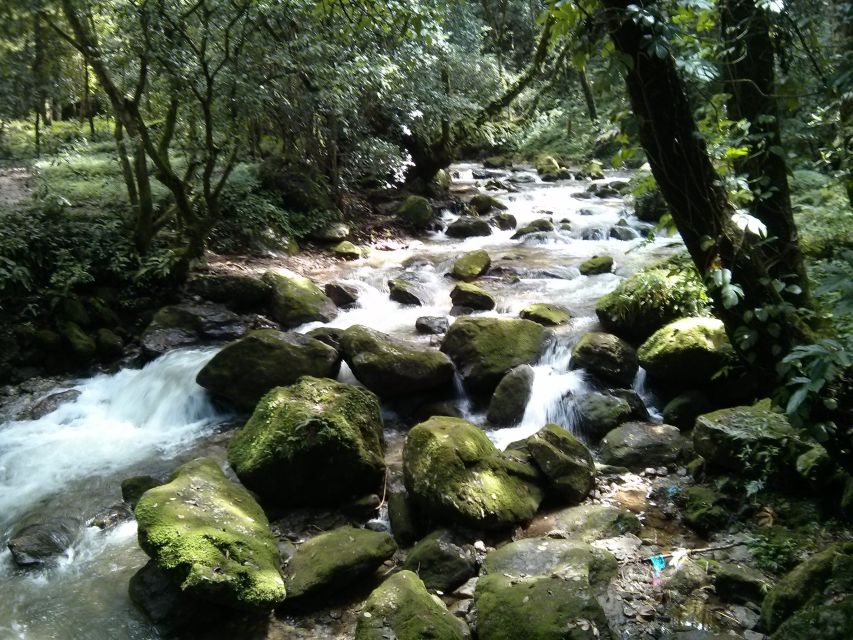
At $190 per person, this is not the cheapest way to walk near Kathmandu. But the price includes private transport from your Kathmandu hotel to Sundarijal, a private vehicle from Changu Narayan back to Kathmandu, a licensed English-speaking guide, national park and hiking permits, breakfast, and accommodation in both overnight stops.
That package has real value if you are short on time or prefer not to arrange each piece yourself. You avoid the hassle of finding a vehicle to Sundarijal, locating the correct trail, arranging permits, and negotiating the ride home from Changu Narayan.
The private format also matters for pacing. Your guide can slow down, stop for views, or help you change plans if rain arrives. A solo participant found the experience comfortable and well organized, while another person had transport arranged back to Kathmandu after heavy rain forced an early finish.
The tradeoff is that solo booking can feel expensive. One person specifically felt the cost was high when traveling alone, even though the service itself was strong. If you are traveling with two or three friends, the value becomes easier to justify.
The package has a 4.8 rating from 29 reviews, and transport receives an 88 percent perfect score. Those figures suggest the practical side of the trip is handled well, but they do not remove the route’s main challenge: you still need to walk it.
A few more hikes around Nepal worth a look
- Everest Base Camp Trek – 14 Days
★ 5.0 · 1,499 reviews - Everest Base Camp Trek
★ 5.0 · 842 reviews - Everest Base Camp Trekking
★ 5.0 · 485 reviews
Day One: Sundarijal, Shivapuri, and the Climb to Chisapani
Your guide picks you up inside Kathmandu Valley’s Ring Road area. The drive to Sundarijal takes about one hour, putting you at the trailhead around 1,460 meters above sea level.
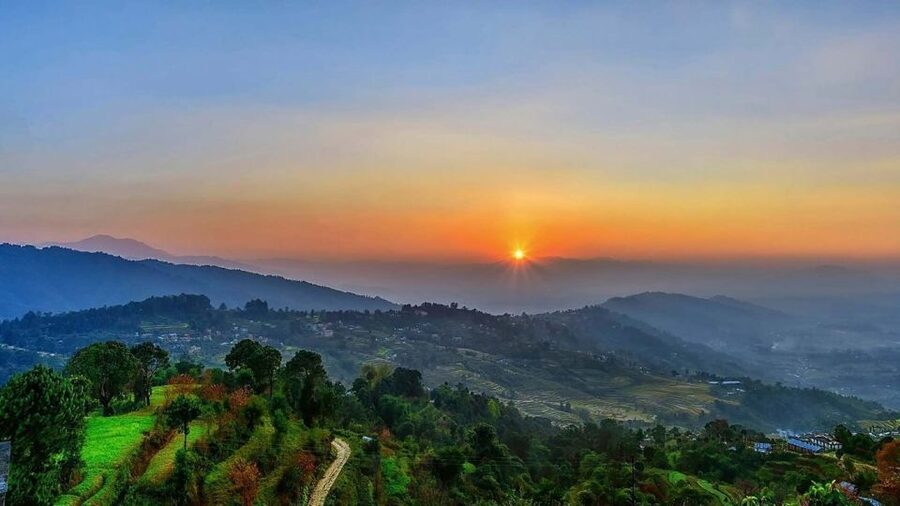
The route begins beside a large water pipe descending from the Sundarijal Reservoir. This opening section quickly turns uphill, so do not treat the first morning as a gentle warm-up. You enter Shivapuri National Park and continue toward Mulkharka Village, with forest and rising trail doing most of the work.
The first day takes about five to six hours on foot. Much of the challenge comes from stairs and sustained climbing. A group hiking in June described the day as difficult but worthwhile, with a large number of steps and uphill sections. That is useful warning for anyone expecting a flat valley walk.
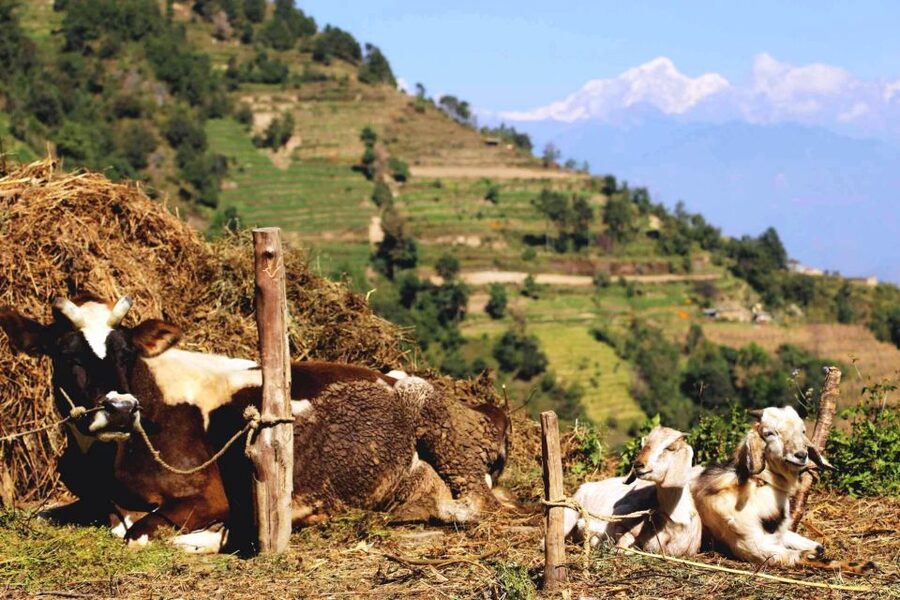
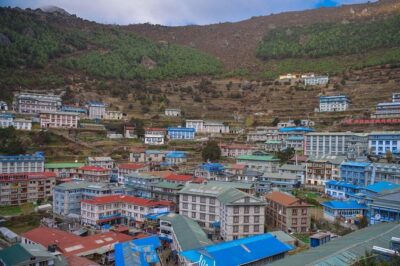
Mulkharka gives the route a human scale. Instead of walking only through trees, you pass through a Tamang village and see how the trail connects local communities. The village sections and later farmland are part of what makes this route more than a mountain viewpoint excursion.
From the Tamang village area, the trail continues toward Chisapani at about 2,165 meters. This is the first overnight stop and the first major chance for Himalayan views. On a clear day, you may see Langtang Himal and other ranges.
Chisapani is especially rewarding near sunset. The mountain view is not guaranteed, so keep your expectations sensible. Clouds can cover the peaks, particularly during the monsoon season, but the evening still gives you a pleasant stopping point after a demanding climb.
The Chisapani lodge is described as basic compared with the Nagarkot hotel. One group found that its room was not fully prepared and that toilet paper was missing. Pack a small personal supply, and remember that this is a trekking lodge, not a city hotel. Breakfast is included, while other food and drinks are not.
Day Two: Forest Paths and Terraced Fields to Nagarkot
Day two is the physical center of the trip. After breakfast, you climb through forest before descending toward Jhule and Chauki Bhanjyang. The pattern changes often, but that also means your legs do not get an easy day.
You cross villages and terraced fields before reaching Kattike Bhanjyang. From there, the route climbs again toward Nagarkot, which sits at about 2,175 meters.
Plan on six to seven hours of walking. One person reported a distance of roughly 25 kilometers, so ask your guide about the day’s expected distance and pace before setting out. The stated hiking time is already long, and distance can feel greater when the trail includes repeated rises and descents.
This is the day I would choose for seeing ordinary rural life. You move through changing scenery instead of heading straight from one famous viewpoint to another. Forest, farmland, villages, and mountain outlooks give you a better feel for the Kathmandu Valley’s edges.
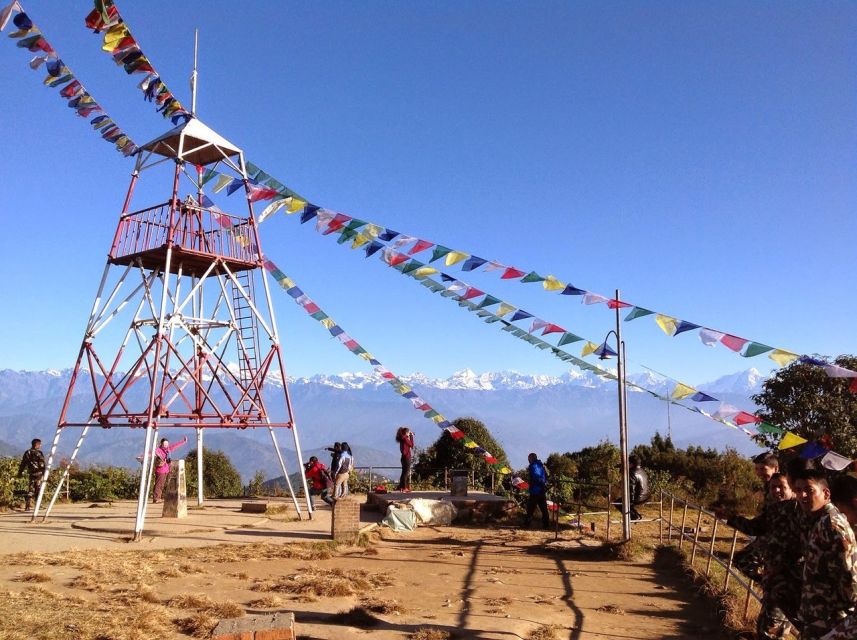
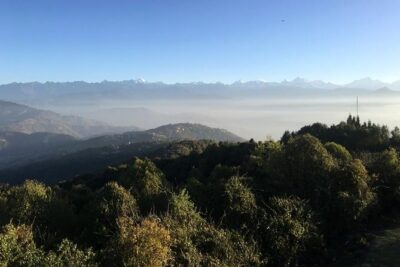
Nagarkot is a popular hill station, and its main reward is the open view. If the weather clears, you can see Langtang Himal and other Himalayan ranges. After the long walk, this is also where a comfortable room matters most.
The Nagarkot accommodation includes breakfast and an attached bathroom. It received much warmer practical praise than the first night’s lodge, with good food and helpful staff noted by one group. Still, accommodation can vary, so you should think of the included room as a useful overnight base rather than a luxury hotel stay.
Day Three: Sunrise, Telkot, and Changu Narayan
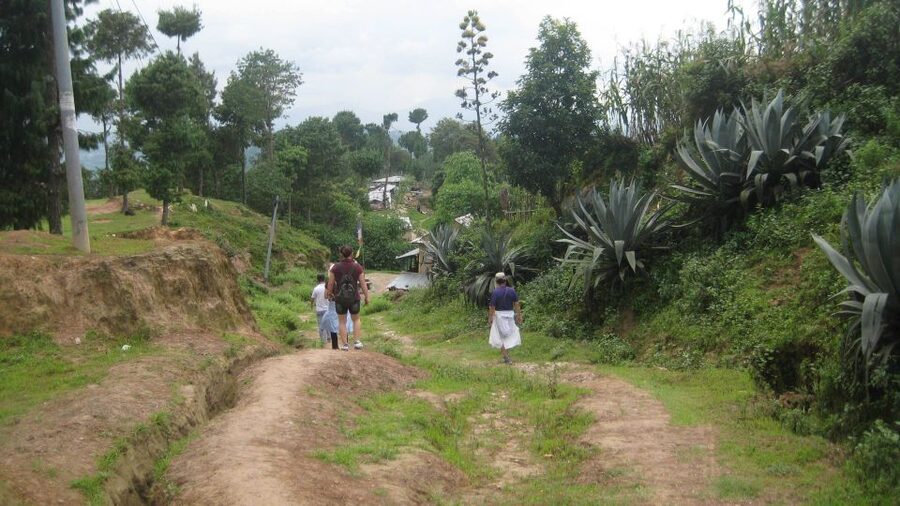
The final morning begins early. You wake before breakfast to watch sunrise over the Himalayas from Nagarkot. This is the moment most likely to reward a clear-weather booking, and it is worth setting an alarm even after the long second day.
After breakfast, you walk toward Changu Narayan, descending through Telkot. The final hiking section takes about three to four hours, making it much easier than the previous day.
The route offers a bird’s-eye view toward Bhaktapur and Kathmandu. This broad outlook gives you a different view from the mountain horizon at Nagarkot. Instead of looking only toward distant peaks, you see the valley spread below.
The endpoint is Changu Narayan Temple, described as dating to 323 A.D. The temple gives the trek a strong cultural finish. You are not simply ending at a road or parking area. You arrive at one of the Kathmandu Valley’s historic temple sites, then meet your vehicle for the drive back to your hotel.
Temple visits make the third day feel varied, but remember that the trail is still a descent. Downhill walking can be hard on knees, especially after two long days. Hiking poles may help, though they are not listed among the required items.
Same trailhead, a different kind of day:
- Nagarkot Sunrise View and Day Hiking from Kathmandu
★ 5.0 · 471 reviews - Annapurna Circuit Trek with Tilicho Lake
★ 5.0 · 368 reviews - Everest Base Camp Trekking – 13 Day
★ 5.0 · 365 reviews - Everest Base Camp Trek
★ 5.0 · 350 reviews
What Your Guide Adds to the Walk
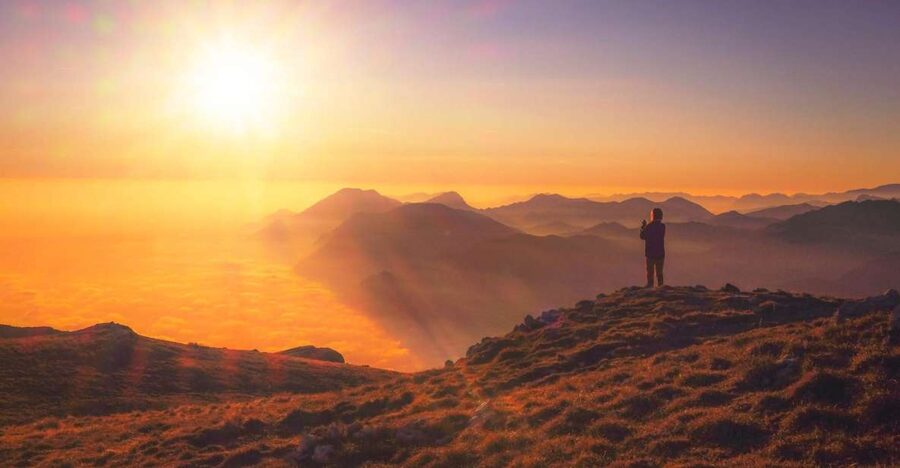
The guide is one of the best reasons to book this privately. The most praised guides include Dipak Karki, Deepak, Ramesh, and Govinda Pathak.
Dipak is described as friendly, funny, helpful, and attentive throughout the route. He explained the trail and Nepalese culture, adjusted the pace, and kept the experience relaxed. Ramesh received similar praise for clear English, route guidance, and support, including from a solo female participant who initially felt uncertain about trekking alone with a guide.
Govinda Pathak was praised for his friendly manner, mountain and nature knowledge, and help on a demanding route. Deepak was also described as professional, approachable, and good at explaining local culture and history.
That personal attention is important on this itinerary. Trail conditions and weather can change the day’s feel, and you may need to adjust your pace. A guide can also help when you are tired, unsure of a turn, or dealing with heavy rain.
Before departure, confirm who your guide will be and what pace you prefer. The experience is private, so you should be able to discuss breaks and comfort rather than simply follow a fixed group schedule.
Weather, Views, and the Best Time to Go
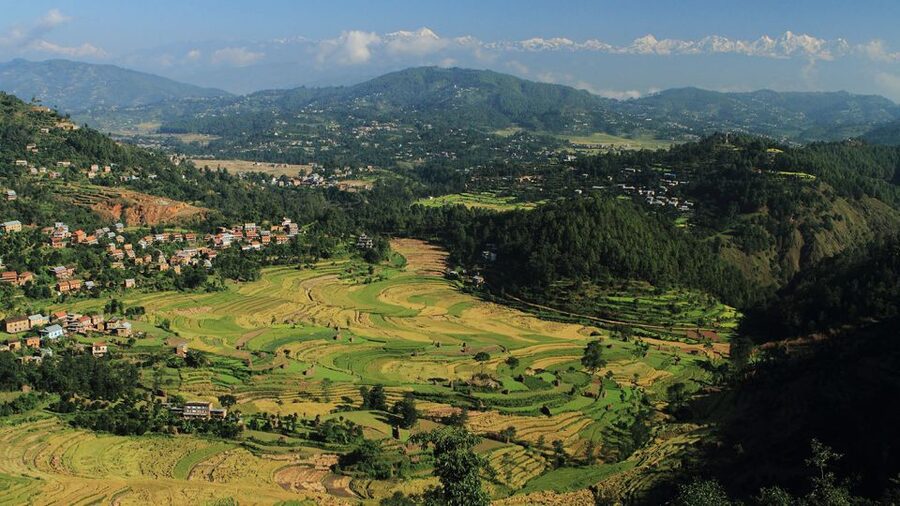
The Himalayas are the main visual prize, but the weather controls the show. Clear conditions can reveal Langtang Himal and other ranges from Chisapani and Nagarkot. Clouds may leave you with forest, villages, and valley views instead.
Monsoon conditions do not automatically ruin the trip. A group visiting in late June had sun and clear mountain views, while another October trip faced heavy rain and stopped partway through the final day. That contrast says more than a simple best-season claim: conditions can vary, and luck matters.
Rain also changes the practical side of walking. Trails may feel slower, clothing gets damp, and a long descent can become unpleasant. Bring a windbreaker, rain gear, warm clothing, and proper hiking shoes. These are not optional extras for this route.
If the mountains are hidden, the trek still has other rewards: Tamang village life, forest walking, terraced fields, valley views, sunrise, sunset, and Changu Narayan. Book for the full route, not only for a perfect Himalayan photograph.
Food, Lodging, and What Costs Extra
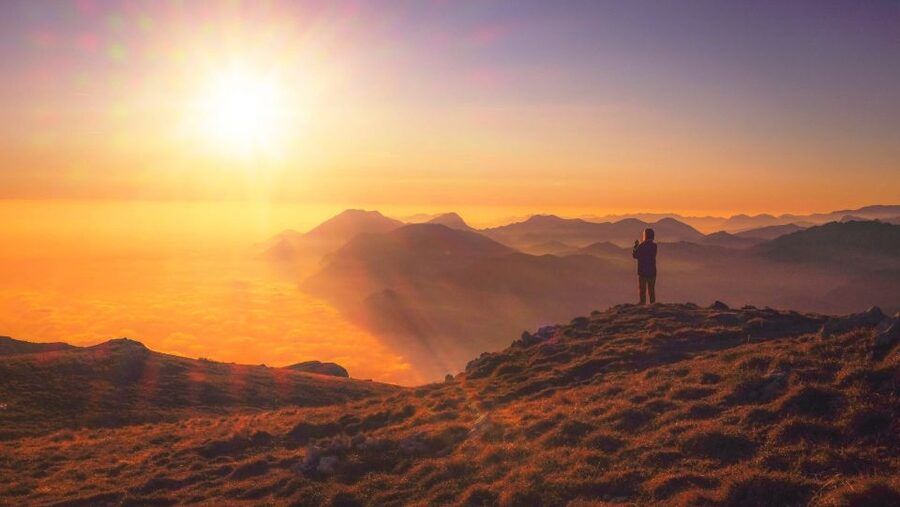
Breakfast is included at both overnight stops. Lunches, dinners, and drinks are not included, so budget for meals during the trek. You should also bring some personal snacks if you like having food between stops.
Chisapani offers the simpler lodge experience. Basic conditions are part of the deal, and you should pack toilet paper and keep your expectations practical.
Nagarkot is more comfortable, with an attached bathroom and better reported food and service. The contrast between the two nights is useful to understand before you go: day one ends at a trekking lodge, while day two ends at a more developed hill-station hotel.
A porter is not included. If you do not want to carry your own bag, ask about hiring one before departure and expect an added cost. The supplied information does not give a porter price, so confirm it directly.
The $190 price also includes taxes and permits. That helps keep the final cost more predictable, though you still need money for meals, drinks, and possible porter service.
Who Should Book This Trek?
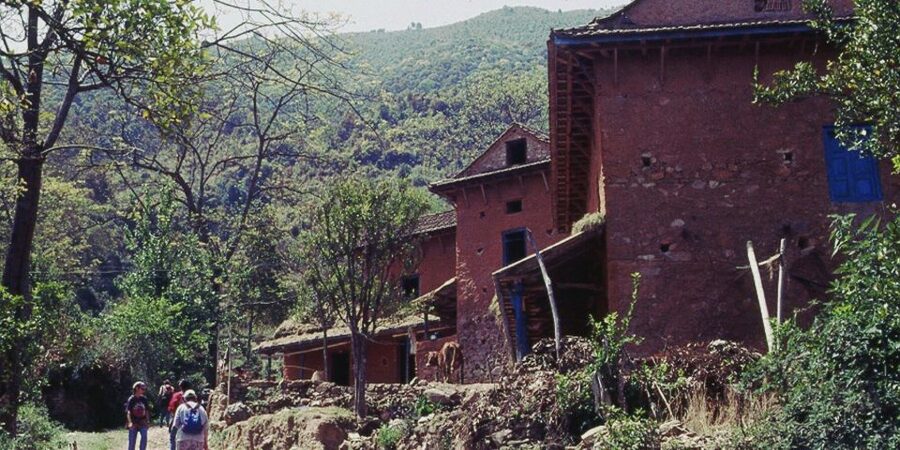
I would recommend this route to you if you want mountain scenery but do not want a high-altitude expedition. The highest overnight point is Nagarkot at about 2,175 meters, and the route stays close to Kathmandu while still giving you forests, villages, fields, and mountain viewpoints.
It suits people with limited time. Three days gives you a proper walk without committing to a much longer trek. Private hotel transfers also help if you are unfamiliar with Kathmandu or do not want to arrange trailhead transport yourself.
You should be comfortable walking uphill for several hours. The first day is stair-heavy, the second is long, and even the easier third day includes a descent. This is not a sightseeing tour with brief walks between vehicles.
Solo visitors can benefit from the private guide arrangement, especially if you want help with pace and route decisions. Couples, friends, and small groups may find the price easier to justify when shared across the group.
If your priority is guaranteed snow peaks, this is not the right choice. Mountain views are weather dependent, and monsoon rain can force changes. If your priority is a short, active route with a good mix of scenery and culture, it makes much more sense.
You can cancel up to 24 hours before departure for a full refund, and reserve now while paying later. Pickup is available from hotels inside Kathmandu Valley’s Ring Road area.
My Verdict: A Strong Short Trek With One Long Day
Book the Chisapani to Nagarkot trek if you want a manageable introduction to Nepal’s hill trails, and if you accept that the mountains may hide behind clouds. The route gives you much more than a viewpoint: you walk through Shivapuri National Park, pass villages and farmland, watch sunrise and sunset, and finish at Changu Narayan.
The best parts are the private guide service, the varied route, and the easy transport at both ends. The weak spots are the basic first-night lodge, extra meal costs, and the demanding second day.
Bring rain gear, warm layers, hiking shoes, and toilet paper. Ask about daily distance, confirm your guide, and do not book this expecting three easy walks. If you are ready for stairs, long hours, and weather uncertainty, $190 is a fair price for a well-supported short trek near Kathmandu.
FAQ
How long is the Chisapani Nagarkot trek?
The experience lasts three days and two nights. The first day includes a one-hour drive and about five to six hours of hiking, the second day involves six to seven hours of hiking, and the third includes three to four hours of hiking followed by about a one-hour drive to Kathmandu.
What is the highest point on the route?
Nagarkot is the highest overnight stop at about 2,175 meters. Chisapani is about 2,165 meters, while Sundarijal is about 1,460 meters.
Are meals included?
Breakfast is included at the Chisapani and Nagarkot accommodations. Lunch, dinner, and drinks are not included.
Is a guide included?
Yes. The tour includes a licensed English-speaking guide. Guides named for this experience include Dipak Karki, Deepak, Ramesh, and Govinda Pathak.
Is transportation included?
Yes. Private hotel pickup in Kathmandu, transportation from Kathmandu to Sundarijal, and a private vehicle from Changu Narayan back to Kathmandu are included. Pickup is available inside Kathmandu Valley’s Ring Road area.
What should I bring?
Bring a windbreaker, rain gear, hiking shoes, and warm clothing. A small supply of toilet paper is also sensible because one Chisapani stay did not provide it.
Just added around Nepal
- Annapurna Base Camp Trek 12 Days★ 5.0 · 18 reviews
- Annapurna Base Camp Trek 10 Days★ 5.0 · 35 reviews
- Annapurna Base Camp Trek – 11 Days★ 5.0 · 30 reviews
- Annapurna Base Camp Trekking★ 5.0 · 38 reviews
- Adventurous Annapurna Base Camp Trekking★ 5.0 · 7 reviews
- Annapurna Base Camp Trek★ 5.0 · 80 reviews
- Annapurna Base Camp Private Short Trek★ 5.0 · 8 reviews
- Annapurna Base Camp Short trek★ 5.0 · 13 reviews
Nepal Hiking Tours, compared.
Nagarkot Sunrise View and Day Hiking from Kathmandu
Read our review →
Browse the lists this tour appears in