
REVIEW · KATHMANDU HIKING TOURS
Kathmandu: 14-Day Everest Base Camp with Kala Patthar Trek
Everest rewards patience, stamina, and early starts. This 14-day trek from Kathmandu takes you through the Sherpa heartland, over high mountain passes of effort rather than technical climbing, and up to Everest Base Camp and Kala Patthar. I especially like the gradual altitude plan and the chance to spend time in Namche Bazaar, the cultural center of the Khumbu. I also like that the price includes domestic flights, permits, trekking lodges, a guide, and useful gear such as a sleeping bag and duffle bag. The main concern is cost clarity: the details say porter service is not included, while guide and porter expenses are also listed among the inclusions, so you should confirm exactly what your $1,296 covers before paying.
You will fly into Lukla, trek through Phakding, Namche Bazaar, Tengboche, Dingboche, Lobuche, and Gorak Shep, then reach Base Camp and Kala Patthar before descending to Kathmandu. This is a serious high-altitude walk, not a sightseeing tour with a few mountain strolls. Weather can also cancel the Lukla flight, as happened to one booking in July, so you need a flexible attitude and suitable insurance.
Key points to know before you book
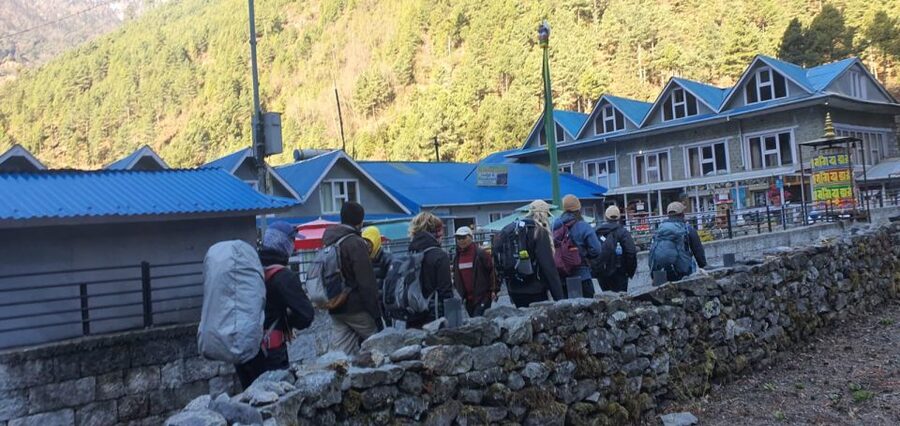
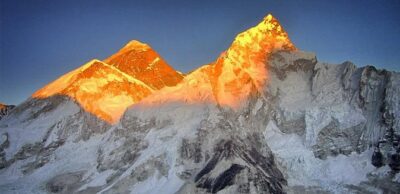
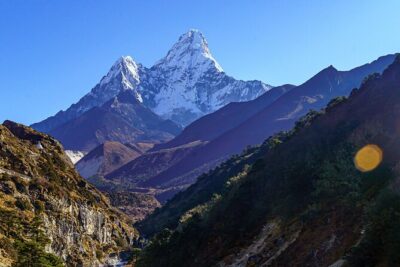
- Kala Patthar is the visual high point: At 5,545 meters, the summit gives you the planned viewpoint for Everest, Lhotse, Nuptse, and Ama Dablam.
- Lukla flights shape the whole trip: The trek begins with a flight to the small mountain airport at 2,850 meters, and bad weather can delay or cancel departures.
- Namche is more than an overnight stop: The acclimatization day includes a two to three-hour excursion and gives you time in the Sherpa heartland.
- The schedule allows two acclimatization days: You rest in Namche on day four and Dingboche on day seven, a sensible feature for a demanding route.
- Meals are your daily extra cost: Lodging and permits are covered, but breakfast, lunch, dinner, drinks, and hot showers are not.
- The guide is central to the experience: English-speaking guides such as Padam and Anjan have been praised for attentive care, while guide support and porter arrangements should be confirmed in writing.
Kathmandu preparation before the mountain flight
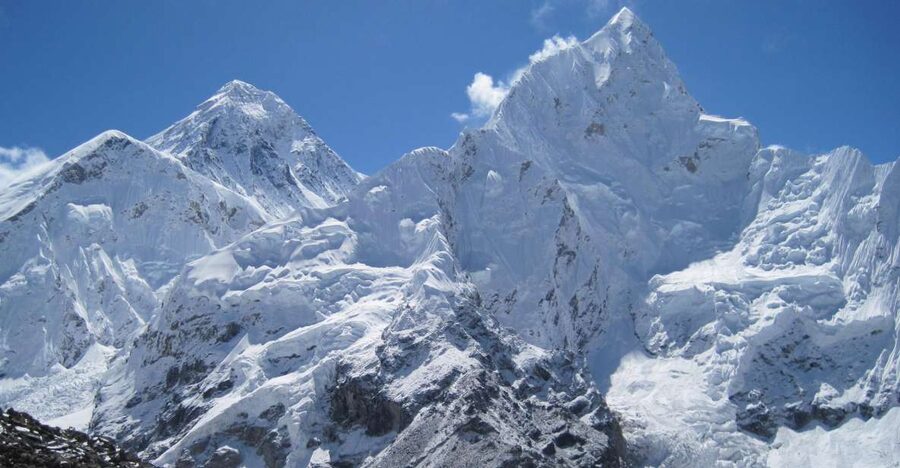
Your first arrival is at Tribhuvan International Airport, where a representative meets you and transfers you to your hotel. The package includes two nights of standard accommodation in Kathmandu with breakfast, plus airport pickup and drop-off by private car, van, or bus.
I like having this city time built into the plan. It gives you a night before the Lukla flight and another night at the end, rather than forcing the mountain section into a rushed arrival and departure. The accommodation is described only as standard, so you should not expect a luxury hotel. The practical value is the location, rest, and support before the walking begins.
The provider also handles national park paperwork and entry permits. That saves you from arranging the Sagarmatha National Park permit yourself, though you should still ask what other local fees, if any, are included.
Your guide speaks English. Past bookings specifically praise clear communication, with Marc from Germany calling his guide perfect and noting that he spoke English very well. The named guides Padam and Anjan also receive warm praise for being attentive and dependable. Those details matter on a route where you need to explain how you feel, especially if altitude symptoms begin.
More Everest Base Camp Treks in Kathmandu:
- Everest Base Camp Trek – 14 Days
★ 5.0 · 1,499 reviews - Everest Base Camp Trek
★ 5.0 · 842 reviews - Everest Base Camp Trekking
★ 5.0 · 485 reviews
Lukla to Phakding: the short first walk
On day two, you fly from Kathmandu to Lukla, at 2,850 meters. The flight is part of the adventure and part of the risk. Lukla is widely known for its challenging mountain setting, and weather can disrupt the schedule.
Once you arrive, the planned walk to Phakding takes four to five hours. Phakding sits lower than Lukla at 2,640 meters, so this first day is not designed to test your maximum strength. It gets you moving, introduces you to the pace of the trail, and lets your body begin adjusting to altitude.
You will stay in a lodge or tea house. These are functional mountain accommodations, not hotels with a full list of comforts. Breakfast is included in Kathmandu, but your trek meals are not included, and alcoholic or non-alcoholic drinks cost extra. Hot showers also cost extra, if available.
Pack toilet paper, sunscreen, sunglasses, and layers where you can reach them quickly. The provided clothing list includes T-shirts, long pants, shorts, socks, a hat, and trekking shoes, but you should bring enough personal clothing for changing conditions.
The long climb to Namche Bazaar
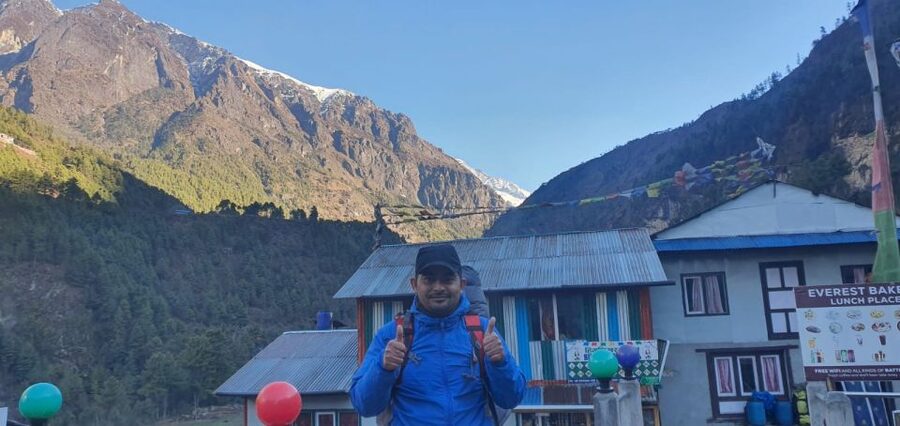
The second walking day takes you from Phakding to Namche Bazaar in six to seven hours. This is a longer day, and the route gains altitude to 3,440 meters. You will feel the difference after the gentler start from Lukla.
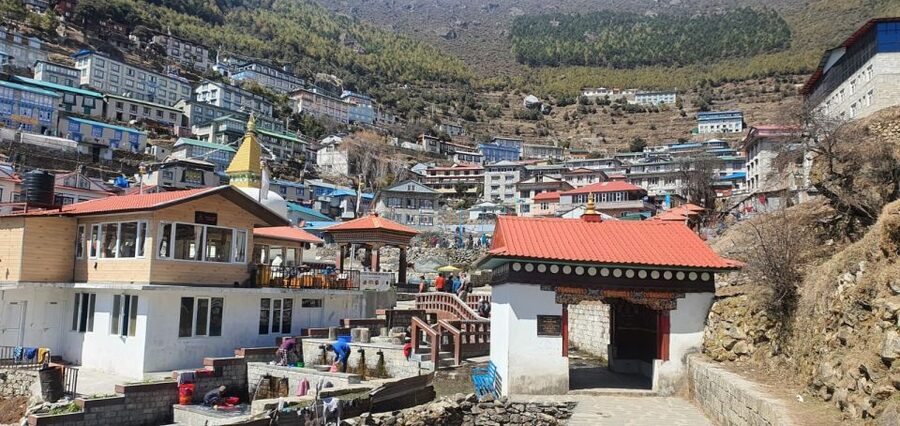
Namche is the Sherpa heartland of this route and one of the most important stops on the trek. It is your first major base for adjusting to thinner air, and the program gives you a full rest and acclimatization day on day four.
That rest day is not necessarily a day spent indoors. The plan includes a two to three-hour excursion. The exact destination is not provided, so ask your guide what the excursion involves and how high you will climb. The aim is to walk enough to help your body adapt, then return to Namche for rest.
I consider this one of the strongest parts of the schedule. A rushed trek often tries to save time by removing rest days. Here, the pause in Namche gives you a better chance of continuing safely toward Base Camp.
Tengboche and Dingboche: altitude becomes serious
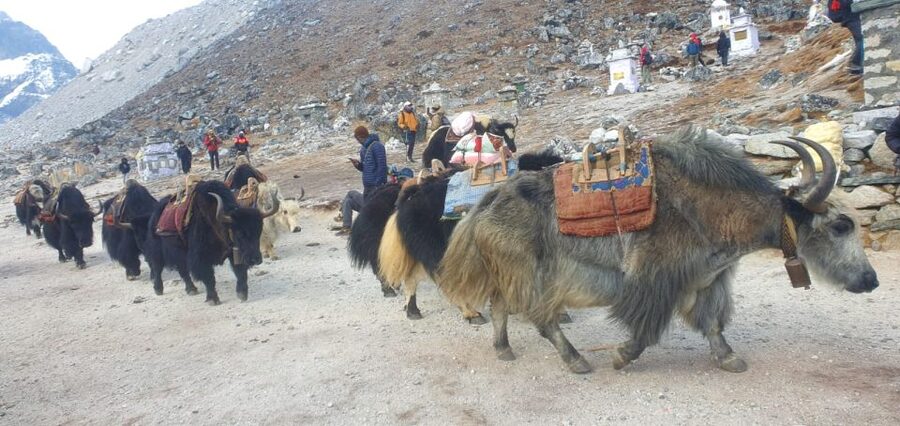
Day five takes you from Namche to Tengboche, at 3,870 meters, in five to six hours. Tengboche is one of the famous cultural stops on the route, though the supplied details do not promise a specific monastery visit or guided activity. You should enjoy the Sherpa setting and ask your guide what is open during your visit.
The next day continues to Dingboche, at 4,410 meters. Again, the walking time is about five to six hours. At this height, the schedule becomes more demanding even if the distance does not look extreme on paper.
Dingboche gives you another acclimatization day on day seven. This pause is valuable because you are now well above 4,000 meters. You should use it for a light excursion and rest, following your guide’s advice rather than treating the day as a chance to prove your fitness.
The trek is not suitable for people with heart problems, mobility impairments, or pregnancy. Even fit walkers need to take altitude seriously. Travel insurance with emergency medical evacuation is required, but it is not included in the price.
A few more hikes around Kathmandu worth a look
- Nagarkot Sunrise View and Day Hiking from Kathmandu
★ 5.0 · 471 reviews - Annapurna Circuit Trek with Tilicho Lake
★ 5.0 · 368 reviews - Everest Base Camp Trekking – 13 Day
★ 5.0 · 365 reviews - Everest Base Camp Trek
★ 5.0 · 350 reviews
Lobuche and Gorak Shep at the high point of the route
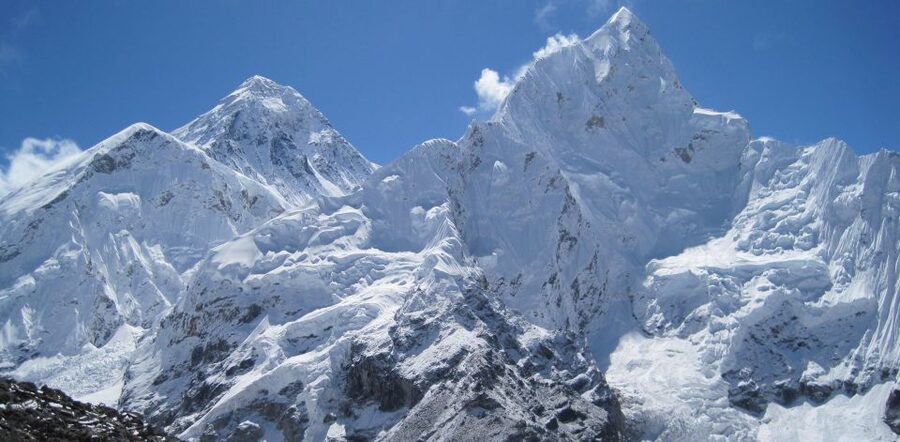
On day eight, you walk from Dingboche to Lobuche, at 4,940 meters. This is a high settlement and a clear reminder that the trek is no longer an ordinary mountain holiday. Cold, tiredness, and reduced appetite can become more noticeable here.
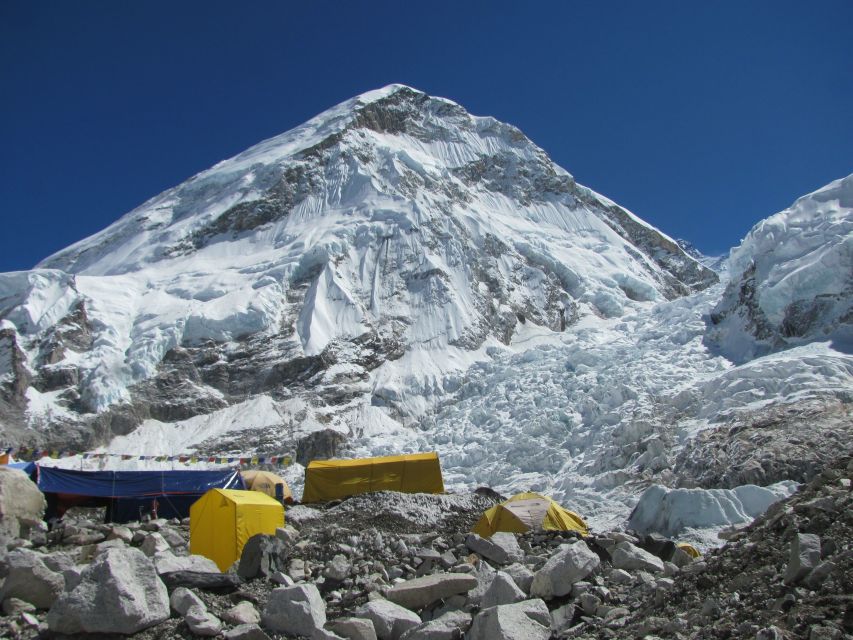
Day nine takes you from Lobuche to Gorak Shep, at 5,170 meters. From Gorak Shep, you continue to Everest Base Camp at 5,364 meters, then return to Gorak Shep for the night.
This is one of the longest and most demanding days because it combines a move to a very high sleeping point with the out-and-back walk to Base Camp. Base Camp itself is the symbolic goal, but you should not expect to climb Mount Everest or necessarily see a climbing expedition in action. The value is standing at the approach point used by expeditions and reaching the end of the upward route.
Gorak Shep accommodation is included as part of the tea house program. Food is not included, so budget for three meals each day, plus drinks. At these heights, simple meals may feel more important than fancy ones. One previous trekker praised the mountain food and found noodles especially satisfying after a long day. That is a fair expectation: warm, filling food matters greatly when you are cold and tired.
Kala Patthar and the descent to Pheriche
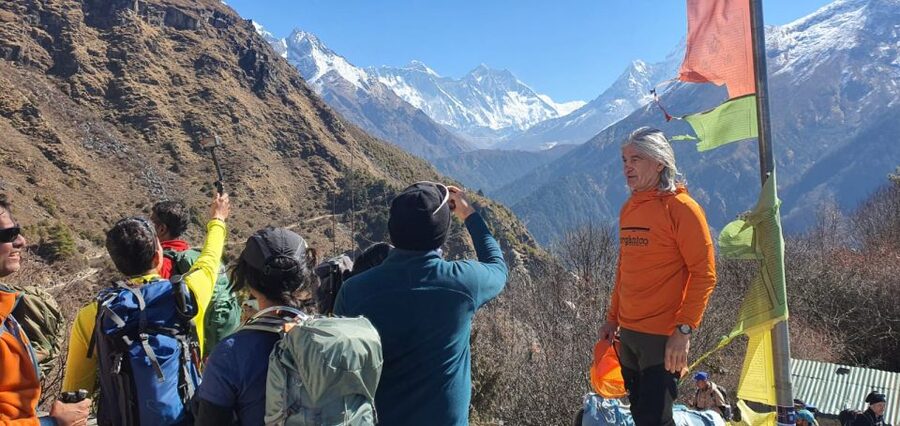
Day ten starts with a climb from Gorak Shep to Kala Patthar, at 5,545 meters. This is the highest point named in the program and the best planned viewpoint for the Everest range. The route then descends to Pheriche, at 4,371 meters.
Kala Patthar is often the photographic high point because it offers views of Everest, Lhotse, Nuptse, and Ama Dablam. The summit walk is not simply another scenic stroll. You will be walking at an altitude where every step may feel slow, especially after reaching Base Camp the day before.
The descent to Pheriche is welcome, but it still makes for a substantial day. You should keep water, snacks, sunscreen, and warm layers close at hand. Sun exposure can be strong at altitude even when the air feels cold.
Three days back through the Khumbu
After Pheriche, you continue downhill for three days before returning to Kathmandu on day thirteen. The exact overnight stops and walking hours for these final days are not supplied, so confirm them with the operator before departure.
The descent changes the rhythm of the trip. Your breathing should feel easier as you lose altitude, but tired knees and feet can become the new problem. Trekking poles may help, although they are not listed among the supplied items.
Returning through familiar villages gives you a second look at the route. You may notice details you missed while climbing, and the lower altitude lets you enjoy the trail with less physical strain. The guide remains important here, helping with lodge arrangements, timing, and transport back toward Lukla.
The package includes the return flight from Lukla to Kathmandu and a final Kathmandu night. The city night provides a useful buffer before your departure on day fourteen. Still, do not book a tightly timed international flight immediately after a scheduled Lukla arrival. The provided details do not promise weather protection or a backup aircraft, and one July booking had to change plans after flights were cancelled by rain.
What $1,296 includes, and what it does not
At $1,296 per person, the price can be good value for a 14-day Everest Base Camp program if the listed inclusions are delivered as described. You receive Kathmandu accommodation with breakfast, airport transfers, the Kathmandu to Lukla and Lukla to Kathmandu flights, tea house accommodation, permits, an English-speaking guide, and some equipment.
The package also includes a jacket, sleeping bag, and duffle bag for use if required. That can reduce the amount of expensive gear you need to buy, though you should ask about sizes, condition, and whether the items are yours to keep or loaned for the trek.
The food gap is important. Breakfast, lunch, and dinner during the trek are not included. Neither are Kathmandu lunches and dinners, alcoholic drinks, non-alcoholic drinks, or hot showers. Bring enough spending money for these daily costs.
Porter arrangements need special attention. One section says porters are not included and refers to one porter for two people. Another lists salary, food, drinks, accommodation, transport, and insurance for a guide and porter among the inclusions. This contradiction could affect your total cost and the weight you personally carry. Ask for a written answer before booking:
- Is one porter shared by two people?
- Is the porter’s wage included?
- What baggage weight is covered?
- Is porter insurance included?
- Are tips expected separately?
That is not fussing over small print. It changes both the value and the physical demands of the trek.
Weather, flexibility, and the Lukla problem
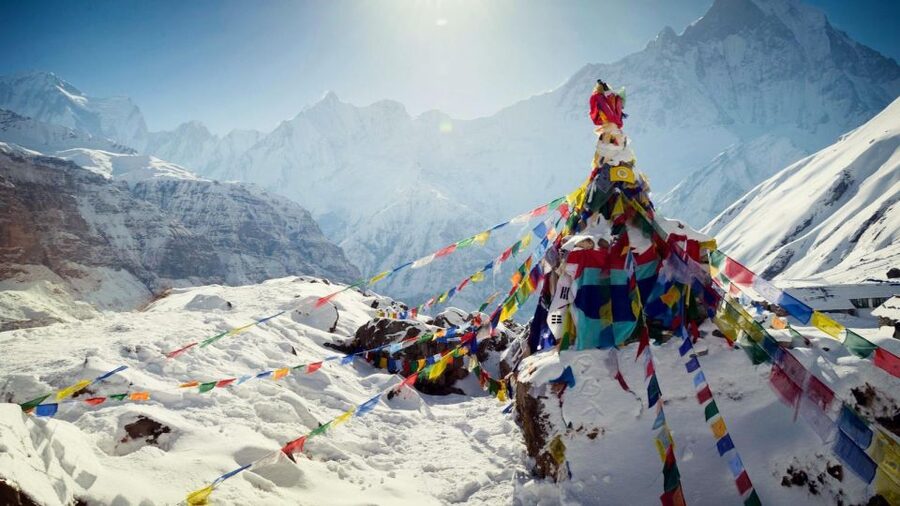
The July experience shows the main weakness of this route: Lukla flights depend on weather. One booking could not start the Everest Base Camp trek because no aircraft flew to Lukla. The company tried for several days, waited with the customer, and then arranged another Base Camp trek at the customer’s request.
That response sounds helpful, but it does not remove the risk. If you have fixed international flights, a missed Lukla connection can cause real trouble. Build spare time into your Nepal plans and buy travel insurance that covers trekking and emergency evacuation.
The activity allows cancellation up to 24 hours before departure for a full refund, and you can reserve now and pay later. Those terms offer useful flexibility, but they do not replace medical or trip insurance.
Who will get the most from this trek?
I would recommend this program to you if you want a structured Everest Base Camp route with a guide, permits, flights, tea house lodging, and planned acclimatization days. It suits walkers who are prepared for long days, high altitude, basic lodging, and extra food costs.
It is less suitable if you want luxury accommodation, fixed flight reliability, included meals, or a relaxed walking holiday. It is also not appropriate for pregnant people, people with heart problems, or people with mobility impairments, based on the stated restrictions.
The strongest human feature is the guide support. Hari is described as highly reachable and willing to handle requests, while Anjan is praised for organization, care, safety, and attention. Padam is also recommended as a careful guide who continued supporting a changed plan during poor weather. Those details suggest a provider that can be responsive when conditions shift, though you should still confirm the name of your guide and porter plan before you leave Kathmandu.
Should you book this Everest Base Camp trek?
Book it if you want the classic Khumbu route in a ready-made package and value having a local English-speaking guide handle permits, lodging, and mountain transport. The two acclimatization days, Kala Patthar summit, and included Lukla flights make the $1,296 price attractive once you account for those major costs.
Do not book until you clarify the porter contradiction, meal expenses, exact final descent stops, and what happens if the Lukla flight is cancelled. If you can handle basic tea houses, long uphill days, cold, altitude, and changing plans, this offers a strong route to Everest Base Camp with real Sherpa culture along the way. If you need comfort and certainty, choose a lower-altitude Nepal trip instead.
FAQ
How long is the Everest Base Camp trek?
The experience lasts 14 days, including arrival and departure time in Kathmandu, the trek, the Lukla flights, and acclimatization days.
What altitude does the trek reach?
Kala Patthar is the highest point listed, at 5,545 meters. Everest Base Camp is at 5,364 meters, and Gorak Shep is at 5,170 meters.
Does the package include flights?
Yes. It includes a flight ticket from Kathmandu to Lukla and back from Lukla to Kathmandu, plus domestic airport transfers by car.
Is airport pickup included?
Yes. Pickup and drop-off are provided at Kathmandu airport, and pickup is available from an airport or hotel in Kathmandu.
Are meals included during the trek?
No. Breakfast, lunch, and dinner during the trek are not included. Drinks are also extra.
Are meals included in Kathmandu?
Breakfast is included for the two nights of standard Kathmandu accommodation. Lunch and dinner in Kathmandu are not included.
Is accommodation included?
Yes. The package includes two Kathmandu hotel nights with breakfast and tea house or lodge accommodation during the trek.
Is an English-speaking guide provided?
Yes. The experience includes a live English-speaking guide, described as experienced, helpful, and friendly.
Is a porter included?
The supplied details are unclear. One section says porters are not included and refers to one porter for two people, while another lists guide and porter expenses among the inclusions. Confirm this directly before booking.
What equipment is provided?
A jacket, sleeping bag, and duffle bag are available to use if required. You should bring trekking shoes, socks, long pants, T-shirts, a hat, sunglasses, sunscreen, and mosquito repellent.
Is travel insurance included?
No. You must arrange valid travel insurance with medical evacuation coverage in case of emergency.
Can the tour be cancelled for a refund?
Yes. Cancellation up to 24 hours in advance qualifies for a full refund under the stated terms.
Just added around Kathmandu
- Annapurna Base Camp Trek – 11 Days★ 5.0 · 30 reviews
- Annapurna Base Camp Trek 12 Days★ 5.0 · 18 reviews
- Annapurna Base Camp Trek 10 Days★ 5.0 · 35 reviews
- Annapurna Base Camp Trekking★ 5.0 · 38 reviews
- Adventurous Annapurna Base Camp Trekking★ 5.0 · 7 reviews
- Annapurna Base Camp Trek★ 5.0 · 80 reviews
- Annapurna Base Camp Private Short Trek★ 5.0 · 8 reviews
- Annapurna Base Camp Short trek★ 5.0 · 13 reviews
Kathmandu Hiking Tours, compared.
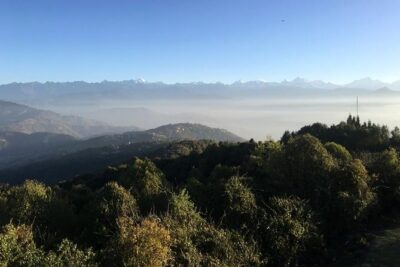
Nagarkot Sunrise View and Day Hiking from Kathmandu
Read our review →
Browse the lists this tour appears in