
REVIEW · KATHMANDU HIKING TOURS
From Kathmandu: 12-Day Everest Base Camp Guided Trekking
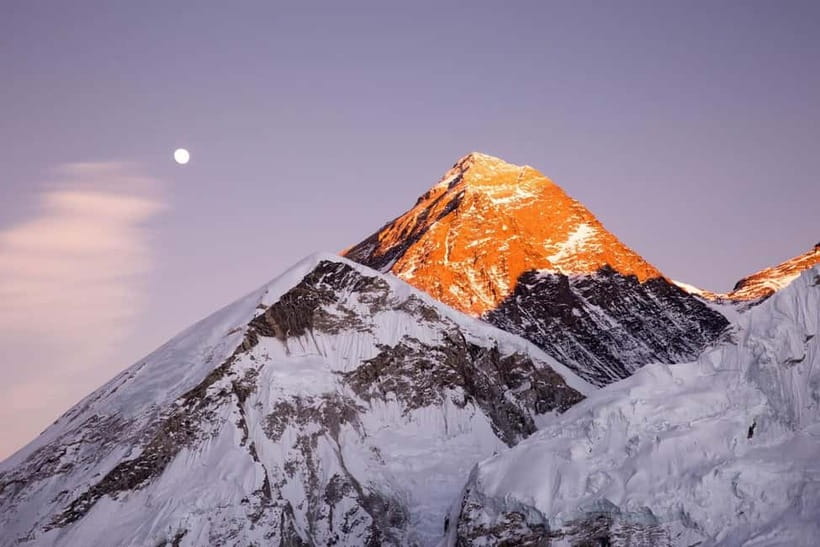
The high Himalayas demand patience and strong legs. This 12-day trek from Kathmandu gives you a well-planned route to Everest Base Camp, with acclimatization days in Namche Bazaar and Dingboche, experienced guides, tea house lodging, and a return flight from Lukla. The scenery builds steadily, from rivers and suspension bridges to the immense Khumbu glacier.
I especially like the two acclimatization days, which make the demanding altitude gain more sensible, and the small group limit of 15 people. I also like that the price includes permits, domestic flights, guide costs, and trekking gear if you need it. The main drawback is simple: meals are not included, and porter service, drinks, showers, internet, and travel insurance cost extra.
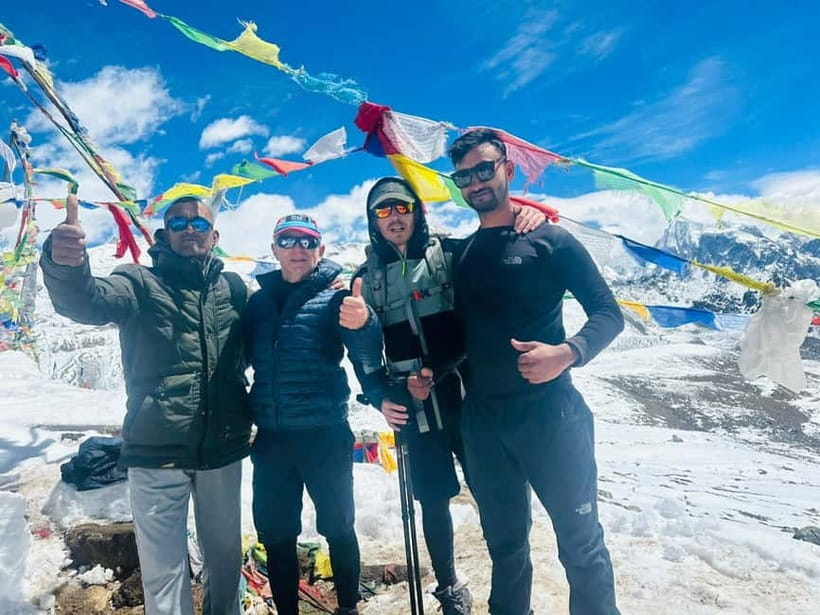
The guide team receives especially warm praise. Padam is described as funny, helpful, and calming in difficult moments, while Nishan is praised for adjusting the pace to suit the trekker. One group even had a flight changed to a helicopter because of weather, with the arrangements handled professionally. That kind of flexibility matters in the Khumbu, where mountain weather can disrupt the best schedule.
Five details that shape this Everest trek
- Lukla flights begin and end the route: The trek starts with an early domestic flight from Kathmandu and finishes with a scenic flight back.
- Two acclimatization stops are built in: You spend an extra night in both Namche Bazaar at 3,440 meters and Dingboche at 4,260 meters.
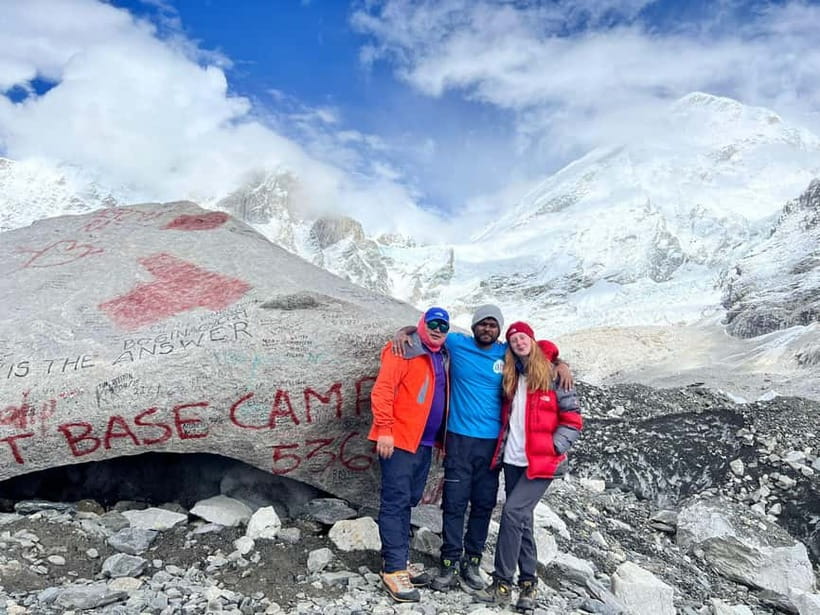
- Everest Base Camp reaches 5,364 meters: The route includes a challenging day through Gorakshep and along rocky paths beside the Khumbu glacier.
- Kala Patthar is the highest point: At 5,545 meters, this early morning climb is higher than Base Camp itself.
- The package covers major fixed costs: Permits, TIMS fees, guide expenses, tea house lodging, domestic flights, airport transfers, and government charges are included.
- You carry some extra costs: Meals, drinks, porter service, showers, internet, and insurance are not part of the advertised price.
What the $1,002 price really covers
At $1,002 per person, this is not a bare-bones walk with a guide added at the last minute. The price includes airport pickup in Kathmandu, Bhaktapur, or Lalitpur, domestic transfers, the return flight between Kathmandu and Lukla, tea house accommodation, and an English-speaking guide.
It also covers the guide’s salary, food, drinks, lodging, transport, and insurance. The Sagarmatha National Park entrance fee and TIMS card are included, along with the required paperwork and government charges. A jacket, sleeping bag, and duffle bag can be supplied if requested.
That package gives you a useful base for budgeting. The biggest missing daily cost is food. Breakfast, lunch, and dinner are excluded for all 12 days, so you need a separate meal budget. Alcoholic and non-alcoholic drinks are also extra.
Porter service is optional. One porter can carry up to 25 kilograms for two people, at an additional cost. That can make a real difference on a long high-altitude trek, particularly if you are not used to carrying a pack for several hours a day.
Travel insurance is also your responsibility. Given the altitude, remote setting, and dependence on domestic flights, I would treat insurance as an essential part of the trip budget rather than an optional extra.
More Everest Base Camp Treks in Kathmandu:
- Everest Base Camp Trek – 14 Days
★ 5.0 · 1,499 reviews - Everest Base Camp Trek
★ 5.0 · 842 reviews - Everest Base Camp Trekking
★ 5.0 · 485 reviews
Day 1: Kathmandu to Lukla, then the short start to Phakding
Your morning begins with hotel pickup and transfer to Tribhuvan International Airport. The flight to Lukla is short and scenic, but it is also highly dependent on weather. After landing, you are transferred to the trailhead and begin walking toward Phakding.
This first walking day is a gentle introduction compared with what follows. You spend the night in a tea house lodge, giving you an early taste of the basic accommodation style used throughout the route.
The package includes the domestic flight and airport transfers, which removes two important pieces of planning. Still, you should keep your schedule flexible around the flight. The experience includes one example of a flight changing to a helicopter because of weather, so mountain conditions can affect transport plans even when the operator responds well.
Day 2: River paths and the climb to Namche Bazaar
From Phakding, the trail continues toward Namche Bazaar at 3,440 meters. This is a longer and more demanding day, as the route gains altitude and reaches the main commercial center of the Khumbu region.
Namche is an important stop because it feels like more than a simple overnight village. You spend two nights here, allowing your body to adjust before the trail climbs higher. That second night is one of the best features of the schedule.
The altitude is already serious at Namche, so you should expect the pace to feel slower than a normal lowland hike. Your guide’s role becomes important here. Padam is praised for keeping the mood positive while also helping people through difficult sections, and that combination is useful when your legs and lungs are still adapting.
Day 3: A necessary rest day in Namche
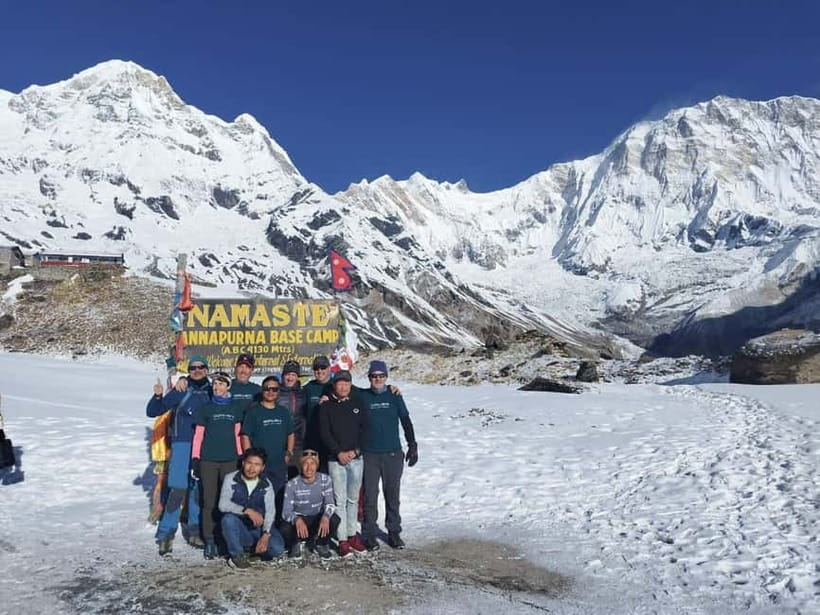
The third day is set aside for acclimatization, with another night in Namche Bazaar. The itinerary does not list a specific side hike or activity, so you should think of this as a flexible recovery day rather than a packed sightseeing day.
I like this pause. A 12-day schedule to Everest Base Camp is still fairly efficient, and skipping this rest day would make the climb harder. You can use the time to rest, enjoy the town, and prepare for the higher sections.
The guides are expected to accompany the group in English, and the tour is limited to 15 participants. That is small enough for practical support without making the trek feel like a private trip. If you prefer a very personal pace, ask how the group handles different walking speeds before booking.
More Guided Tours around Kathmandu:
- Kathmandu: 15-Day Everest Base Camp Trek with Guide
★ 4.3 · 12 reviews - From Marrakech: Ouzoud Waterfalls Guided Hike and Boat Trip
★ 4.7 · 33,630 reviews - Bali: Sunrise Mount Batur Guided Hike with Breakfast
★ 4.8 · 9,660 reviews - Bali: Mount Batur Sunrise Guided Hike and Natural Hot Spring
★ 4.8 · 9,284 reviews
Day 4: Namche to Tyangboche at 3,867 meters
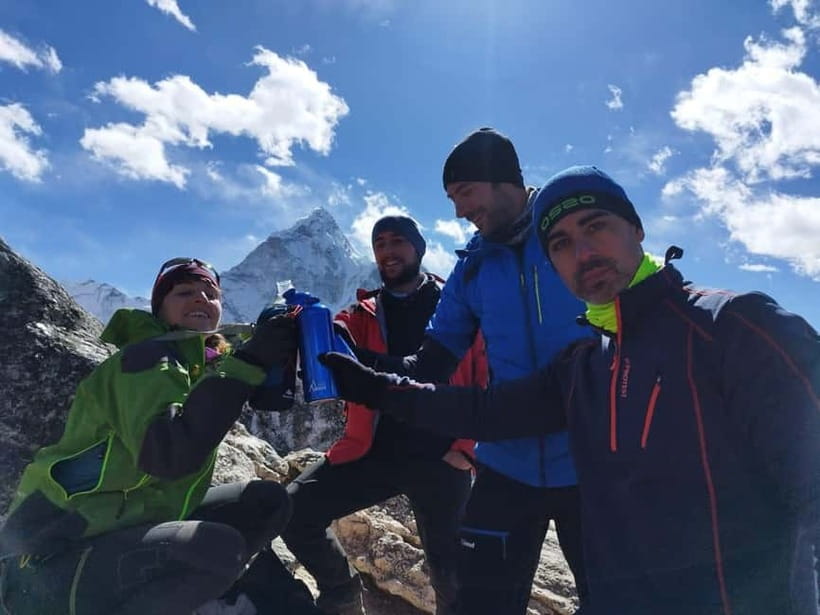
The route leaves Namche and climbs toward Tyangboche, also written as Tengboche, at 3,867 meters. The surroundings shift as you walk higher, with the trail passing through mountain scenery and reaching a famous stop in the Khumbu region.
Tyangboche is the overnight base for the next stage. This is another day when you should focus less on distance and more on steady movement. At nearly 3,900 meters, even a normal uphill stretch can feel demanding.
The itinerary gives you a tea house night rather than a hotel-style stay. That means basic comfort, shared trekking culture, and fewer conveniences. Hot showers and internet are not included, and may be unavailable or cost extra along the route.
Day 5: Rhododendron forest and the Imja Valley
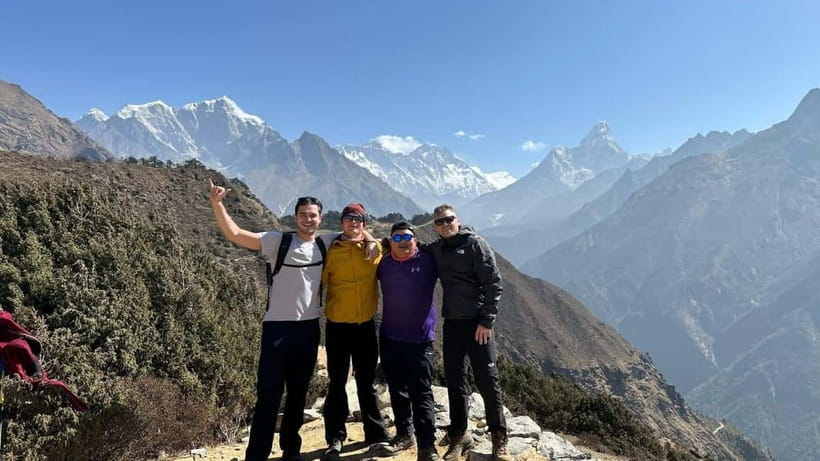
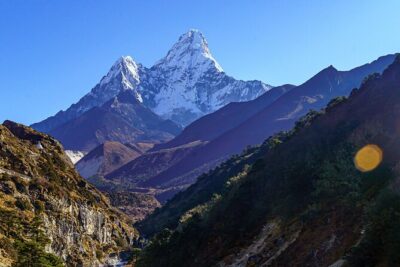
From Tyangboche, the trail passes through rhododendron forest and crosses a suspension bridge over the Imja Khola. You then head toward Minlinggo before entering the Imja Valley beneath Ama Dablam, Nuptse, and Lhotse.
This is one of the most scenic sections because the route combines forest, a high bridge, valley views, and enormous peaks. The named mountains give the day a clear visual focus. You are not simply walking from one lodge to another. You are moving into the high mountain setting that defines the Everest region.
The night is spent in Dingboche at 4,260 meters. That altitude changes the experience. The air is thinner, the walking pace slows, and rest becomes part of the schedule rather than wasted time.
Day 6: Dingboche acclimatization at 4,260 meters
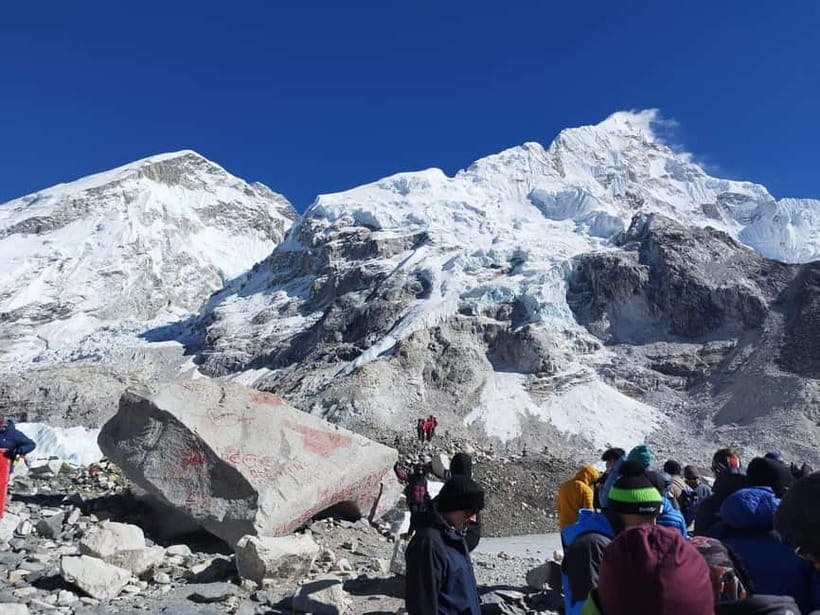
Dingboche provides the second dedicated acclimatization day. You spend another night at a tea house lodge before continuing toward Lobuche.
This pause is especially valuable because the following days take you close to 5,000 meters and beyond. The route is not trying to rush you directly from Namche to Base Camp. Instead, it breaks the ascent into manageable stages.
You should bring realistic expectations. Acclimatization days do not turn a high-altitude trek into an easy holiday. They simply give your body more time to adjust. The trek is not suitable for pregnant women, people with heart problems, or wheelchair users, and you should arrange travel insurance before departure.
Day 7: Dingboche to Lobuche through Dugla
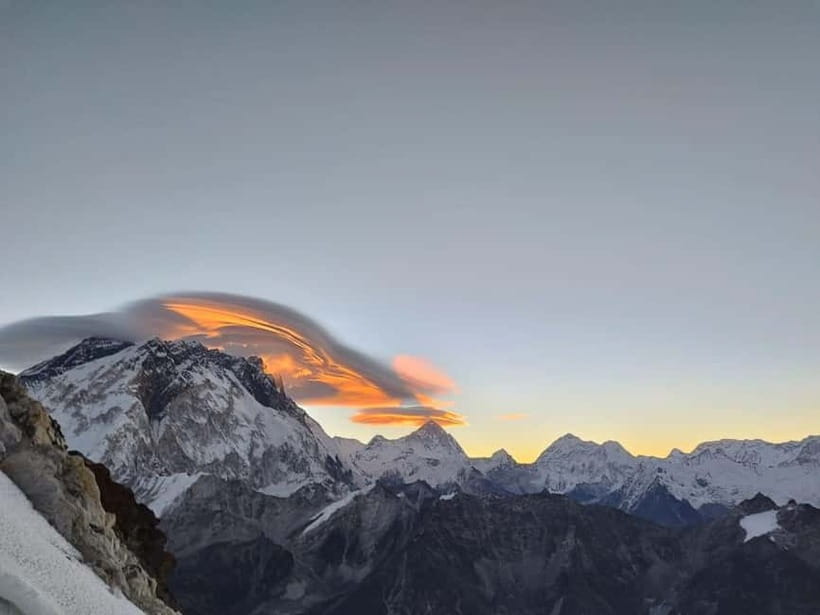
The walk from Dingboche to Lobuche takes about 5.5 hours. Lunch is scheduled in Dugla, then the route continues to Lobuche at 4,930 meters.
This is a major transition day. You are now close to the altitude where many people feel the effects of the climb. The distance may not sound extreme, but thin air makes every uphill section harder. The guide’s experience is valuable here, especially if the group needs to adjust its speed.
Lobuche is a practical overnight stop before the Base Camp push. The lodging remains a tea house, and the setting is much more basic than Kathmandu. Pack warm layers, and use the sleeping bag supplied by the operator if needed.
Day 8: Gorakshep and Everest Base Camp at 5,364 meters
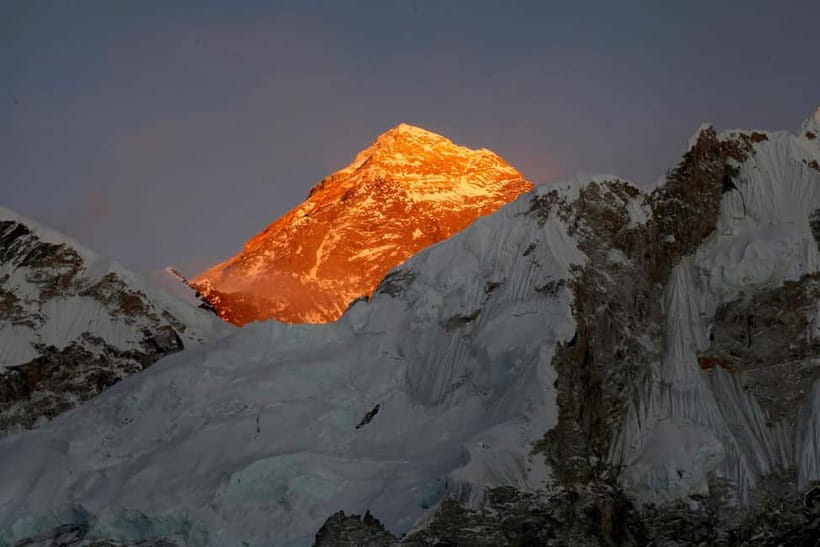
After breakfast in Lobuche, you walk toward Gorakshep and then continue to Everest Base Camp. The trail follows rocky paths with views of the Khumbu glacier, making this one of the hardest and most rewarding parts of the route.
Everest Base Camp sits at 5,364 meters. Reaching it is the central goal of the trek, but do not expect a comfortable sightseeing stop. The altitude is severe, the walking surface is rough, and the approach takes effort.
After visiting Base Camp, you return to Gorakshep for the night. This out-and-back structure matters because it lets you reach the destination without carrying your overnight base farther into the route.
The day is likely to test your stamina. A supportive guide can make a real difference, and Padam and Nishan are two names worth requesting if they are available. The experience has received strong praise for guides who remain attentive, encouraging, and willing to adjust the trek to individual needs.
Day 9: Kala Patthar at 5,545 meters, then Pheriche
The route climbs from Gorakshep to Kala Patthar at 5,545 meters before descending to Pheriche at 4,243 meters. Kala Patthar is the highest point on the itinerary, even higher than Everest Base Camp.
This is the day for your best mountain views, though the early climb and altitude can make it physically demanding. The reward comes from reaching the high viewpoint before beginning the descent.
Pheriche feels like a welcome change after the Base Camp section. You spend the night in a tea house lodge, and the lower altitude should make the evening more comfortable than at Gorakshep.
Day 10: The long descent toward Namche
The schedule describes a descent from Pheriche to Tyangboche at 3,867 meters and also lists the journey from Pheriche to Namche Bazaar at 3,440 meters. Read this part carefully when confirming the exact day plan, because the wording combines two route sections.
The practical point is clear: you are descending through Tyangboche toward Namche, where you spend the night. Downhill walking is easier on your breathing but can be hard on knees and tired legs. The guide can help keep the group together during this long return stage.
Day 11: Namche to Lukla
The route continues from Namche Bazaar back to Lukla, where you spend the final night before flying to Kathmandu. This is a substantial walking day, so you should not think of the return as a relaxed finish.
The Lukla night gives you a buffer before the flight. That is useful because weather can affect departures. One recent trip required a change from airplane to helicopter because of conditions, and the arrangements were handled professionally.
Day 12: Scenic flight back to Kathmandu
The final morning begins with the flight from Lukla to Kathmandu. A representative transfers you to your hotel, and you spend the night in Kathmandu.
The return flight closes a demanding route with a quick change of pace. After many nights in tea houses and long hours on foot, arriving back in the capital provides a clear finish to the experience.
Guides, group size, and the human side of the trek
The strongest part of this trip is the guide support. Padam is praised for being funny, helpful, and reassuring in difficult conditions. Nishan is praised for kindness, attention, and changing the pace to fit the trekker. Rohan receives similar praise, with a porter named Bahla also singled out for reliable service.
Those details matter because the route is not just a sightseeing circuit. You spend 12 days walking, sleeping in simple lodges, managing altitude, and dealing with changing weather. A guide who knows the route and keeps morale steady can improve the whole experience.
The group is limited to 15 people, and the guiding language is English. If you want a particular guide, request that person early, but do not assume availability is guaranteed.
What to pack and what to leave behind
The only item specifically required in the activity information is your passport. Large bags and luggage are not allowed, so you need to pack in a compact trekking bag.
The operator can provide a jacket, sleeping bag, and duffle bag if requested. That can reduce the amount of specialist gear you need to buy, though you should confirm what is supplied before departure.
You should also plan for the costs and limits that are not included:
- Meals and drinks
- Porter service
- Hot showers
- Internet access
- Travel insurance
The absence of included meals is the biggest practical point. Build food and drink money into your budget from the beginning.
Should you book this trek?
I would choose this trek if you want the main Everest Base Camp route in a relatively compact 12-day schedule, with the major permits, flights, lodging, and guide expenses arranged for you. The two acclimatization stops, small group size, and strong guide record make the package easier to recommend.
I would hesitate if you want a slow route with extra rest days, private accommodation, or all meals included. You also need to be comfortable with basic tea houses, high altitude, long walking days, and possible changes to the Lukla flight.
For a first Everest Base Camp attempt, the value is solid if you price the missing meals, porter service, drinks, and insurance honestly. Request an experienced guide such as Padam, Nishan, or Rohan if possible, pack light, and confirm the Day 10 route details before paying.
FAQ
How long is the Everest Base Camp trek?
The experience lasts 12 days, including domestic flights, trekking days, acclimatization stops, and the return to Kathmandu.
Does the price include flights between Kathmandu and Lukla?
Yes. The return domestic flight between Kathmandu and Lukla is included.
Are airport transfers included?
Yes. Pickup and drop-off are included, including pickup from hotels in Kathmandu, Bhaktapur, and Lalitpur.
Are meals included during the trek?
No. Breakfast, lunch, and dinner are not included. Alcoholic and non-alcoholic drinks are also extra.
Is a porter included?
No. Porter service costs extra. One porter can assist with up to 25 kilograms for two people.
What is the highest point on the route?
Kala Patthar is the highest point at 5,545 meters. Everest Base Camp is at 5,364 meters.
Are acclimatization days included?
Yes. There is an acclimatization day in Namche Bazaar and another in Dingboche.
What language does the guide speak?
The live guide speaks English.
Can I cancel for a full refund?
Yes. Cancellation up to 24 hours before the activity is allowed for a full refund.
Just added around Kathmandu
- Annapurna Base Camp Trek – 11 Days★ 5.0 · 30 reviews
- Annapurna Base Camp Trek 12 Days★ 5.0 · 18 reviews
- Annapurna Base Camp Trek 10 Days★ 5.0 · 35 reviews
- Annapurna Base Camp Trekking★ 5.0 · 38 reviews
- Adventurous Annapurna Base Camp Trekking★ 5.0 · 7 reviews
- Annapurna Base Camp Trek★ 5.0 · 80 reviews
- Annapurna Base Camp Private Short Trek★ 5.0 · 8 reviews
- Annapurna Base Camp Short trek★ 5.0 · 13 reviews
Kathmandu Hiking Tours, compared.
Nagarkot Sunrise View and Day Hiking from Kathmandu
Read our review →
Browse the lists this tour appears in