
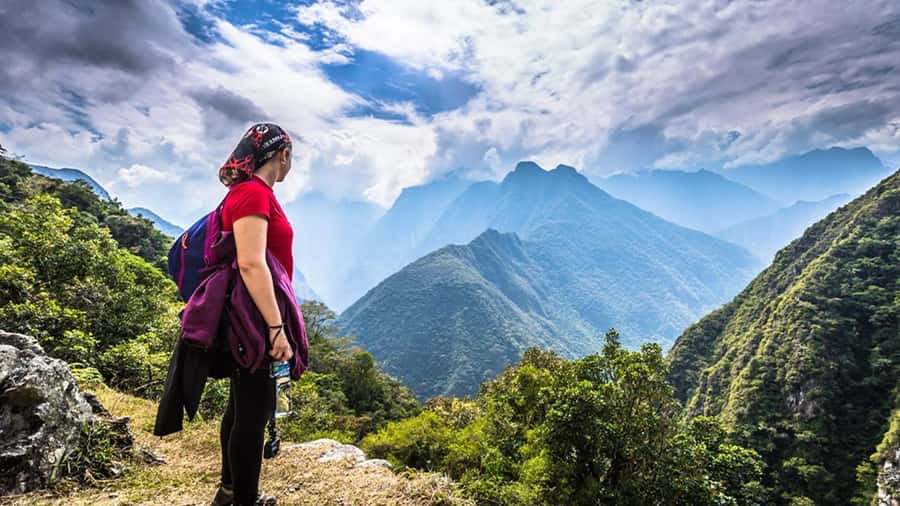
REVIEW · PERU HIKING TOURS
4 days/3 nights: Inka Jungle Trek to Machu Picchu
Four days, many ways to reach Machu Picchu. This Inka Jungle Trek mixes a high mountain bike descent, jungle hiking, hot springs, optional rafting and zip lining, then a guided visit to Machu Picchu. I like the variety, and I like the small-group limit of 15 people, which can make a long trip feel more personal. The main caution is that Day 2 is a serious walking day, while Day 3 can become uncomfortable if you carry a large backpack.
I also like the price: $420 per person covers transport, meals, accommodation, Machu Picchu entry, the return train, and the bus back to Cusco. Guide Gustavo Candia receives especially warm praise for his care and humor. Still, check your Machu Picchu ticket arrangements carefully, and understand that rafting may be canceled for high water without a refund.
Key points to know before booking
- A downhill bike ride begins the adventure: You descend from the Málaga Pass toward San Luis for three to four hours.
- Day 2 is the physical test: Expect seven to eight hours of walking, with repeated climbs and descents beside the Urubamba River.
- The trip uses several kinds of transport: Private road transport, bicycles, an Oroya river crossing, walking along train tracks, and a tourist train all play a part.
- Santa Teresa adds a welcome pause: Cocalmayo hot springs are a highlight, but the entry fee is extra.
- Machu Picchu entry is included: Bus tickets to and from the site are not, so you must decide if you want to walk or pay for the bus.
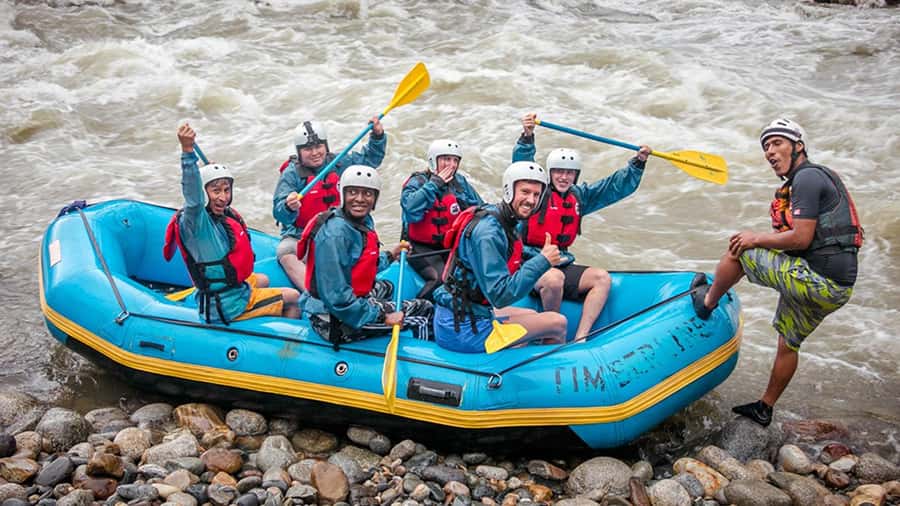
- Rafting depends on the river: Between January 1 and March 31, high water can cancel the activity with no refund.
What the Inka Jungle Trek is really like
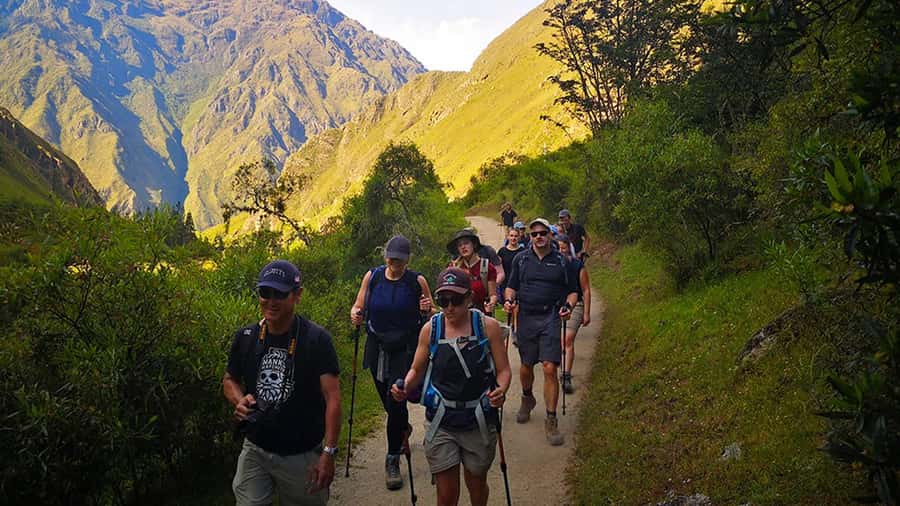
This is not a single long hike. It is a four-day route built around changing scenery and changing effort. You move from high mountain roads to warm jungle valleys, then walk into Aguas Calientes along the railway before visiting Machu Picchu.
That variety is the main reason to choose it. You get more activity than on a standard train-and-bus visit, but you avoid the full commitment of a multi-day high-altitude trek. You will still need comfortable hiking shoes, sun protection, insect repellent, swimwear, a towel, and enough cash for extras.
The tour is based in the Cusco Region and operates in English or Spanish. With a maximum of 15 participants, the group should be small enough for regular contact with the guide. The strongest feedback centers on guide Gustavo Candia, who is praised for his English, historical explanations, route advice, and personal attention.
At the same time, the quality of a small group depends heavily on the guide and the day. One poor experience described a guide moving ahead while a participant with a knee injury struggled behind, so I would ask before departure how the group handles injuries, slower walkers, and communication gaps.
More Forest and Jungle Hikes in Peru:
- 4-Day Inca Jungle Adventure, Mountain Biking, Rafting and Zipline
★ 5.0 · 60 reviews - Small Group Waterfall and Rainforest Hiking Adventure on Maui
★ 5.0 · 1,417 reviews - Hike El Yunque Rainforest and Kayak Bio Bay Combo Tour
★ 4.5 · 1,010 reviews
Day 1: Málaga Pass to Santa María by bike
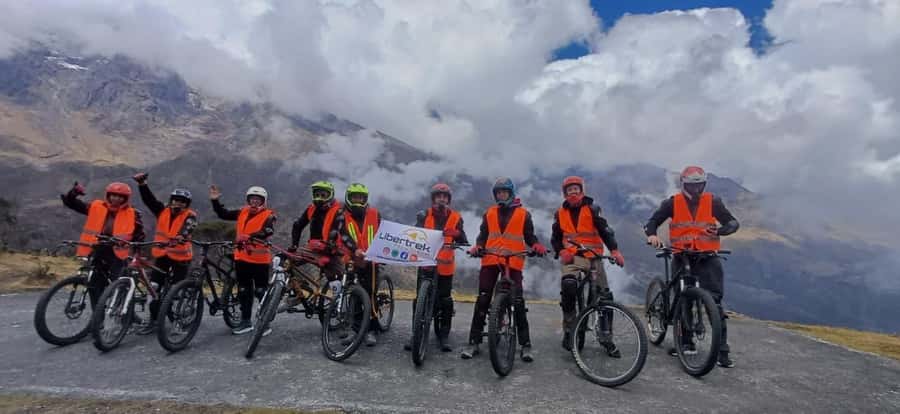
Pickup is scheduled for 6:30 a.m. from your hotel in Cusco. A private vehicle takes you on a roughly four-hour ride through the Málaga Pass to San Luis, where the cycling section begins.
The bike ride lasts three to four hours and heads downhill toward Santa María. This is the day’s signature activity. You pass from mountain country toward warmer, more tropical scenery, with the road offering a quick change in climate and plant life.
You will also have a chance to see the archaeological center of Huamanmarca. It is a useful reminder that this route is not just an outdoor sports trip. The old roads, farming areas, and remains along the way connect the modern journey to the Inca world.
Biking equipment is included, but you should still bring proper shoes, sunglasses, a hat, sunscreen, and clothing you can move in. A long descent can be tiring even when the route trends downhill, and road conditions can affect how comfortable the ride feels.
An optional rafting trip on the Urubamba River is scheduled for around 3 p.m. The rapids are described as Class III and IV, so this is not a gentle float. It is a good fit if you want an extra burst of action after the bike ride, but it is not essential to the trip.
The rafting activity depends on weather and river conditions from January through March. If the water is too high, the activity will not run, and there is no refund. That policy matters because rafting is listed among the included activities, but it is never guaranteed during that period.
Your first night is in a hostel in Santa María. Breakfast is not included on the first morning, but the tour includes three breakfasts, three lunches, and three dinners during the trek.
Day 2: Inca trails, river crossings, and Cocalmayo
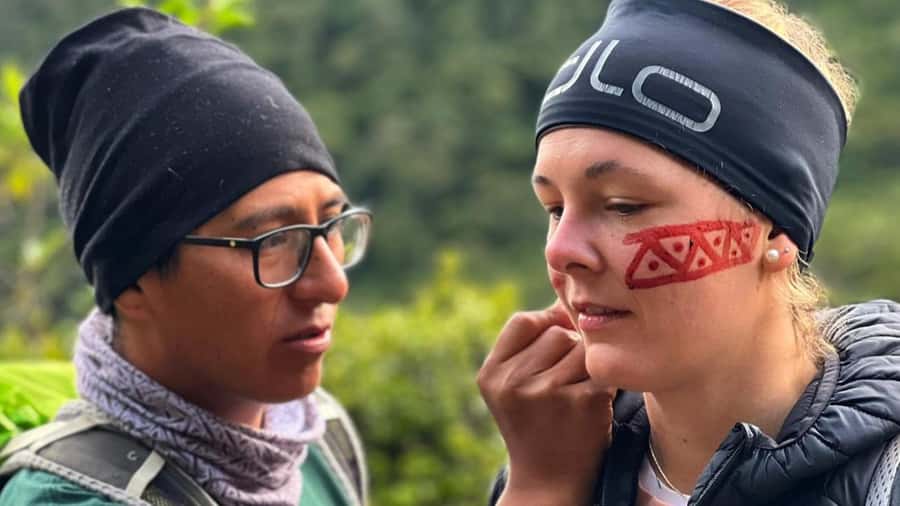
Day 2 is the hardest day for many people. After breakfast, you walk for approximately seven to eight hours along the Urubamba River, with frequent climbs and descents.
The route includes part of an ancient Inca road that remains well preserved. You may see fruit plants, medicinal plants, birds, parrots, and other wildlife along the way. The value here is not only the exercise. You get to see how the valley supports local life, including plants used by residents for food and traditional remedies.
This is also the day when you should pay attention to your footwear and water supply. The tour asks you to bring hiking shoes, comfortable clothes, hiking pants, insect repellent, and personal medication. Those items are practical necessities, not packing suggestions you can ignore.
At some point, you cross the Urubamba River by Oroya, a traditional cable-style crossing. It adds a memorable local detail to the route, though it may not suit anyone uncomfortable with exposed river crossings.
The day ends at Cocalmayo hot springs near Santa Teresa. The warm pools are a welcome reward after the long walk. The entrance fee is not included, so carry cash. Accommodation is in Santa Teresa, though the supplied details describe the night as a hostel rather than promising a particular standard.
This distinction matters. The tour is priced around access and activities, not boutique accommodation. Most people will likely treat the rooms as a place to shower and sleep, but one poor account described an unpleasant final hotel room. Ask about accommodation standards if a comfortable room is important to you.
Day 3: Santa Teresa to Aguas Calientes
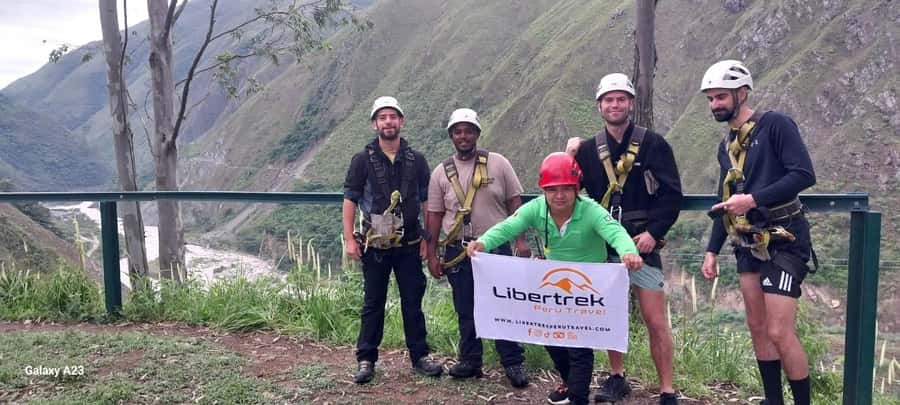
The morning offers an optional zip line at Cola de Mono. The itinerary also lists zip lining as included, so confirm the exact arrangement before you go. Optional scheduling and included pricing can mean different things depending on weather, timing, and group interest.
After breakfast, you walk toward Hidroeléctrica through a narrow canyon. The route has a pleasant climate and eventually gives you a view of Machu Picchu Mountain. That first sight can be one of the most satisfying moments of the trip because you have reached the approach on foot, not simply arrived by bus.
Lunch is at Hidroeléctrica. After lunch, you walk beside the railway tracks for about three hours to Aguas Calientes. This section is generally calmer than Day 2, but the distance still adds up.
Pack carefully for this day. One participant reported being told too late that a small backpack would have been better, resulting in an 11-kilometer walk with a heavy pack. Even if the operator handles your main luggage in some way, the written information does not clearly explain a luggage-transfer service. Ask exactly what you must carry from Santa Teresa to Aguas Calientes.
You spend the night in a hotel in Aguas Calientes. This is a useful location because you can start early for Machu Picchu the next morning. It also means you do not have to make the long return to Cusco immediately after the site visit.
More Machu Picchu and Inca Trail Treks in Peru:
- Salkantay Trek Challenge – 3 Days / 2 Nights
★ 5.0 · 101 reviews - Choquequirao Trek 4 days and 3 nights
★ 5.0 · 81 reviews - Machu Picchu: 5-Day Salkantay Trek with Panoramic Train
★ 5.0 · 79 reviews - 5-Day: Salkantay Trek to Machupicchu and Humantay Lake
★ 5.0 · 42 reviews
Day 4: Early Machu Picchu visit and the ride home
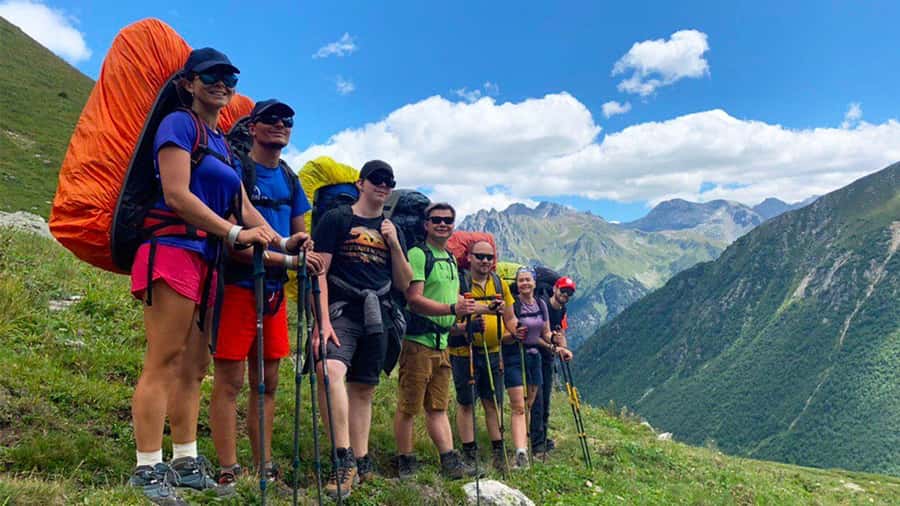
After breakfast, you walk from Aguas Calientes to Machu Picchu. The aim is to enter early and possibly see the site around sunrise.
The walk saves the optional bus fare, but it adds another climb after three active days. If you prefer to keep your legs fresh for the ruins, bus tickets up and down cost $24 and are not included. The tour price includes entry to Machu Picchu, but not these shuttle buses.
Inside the site, the guided visit covers major points such as the Inti Watana, Temple of the Condor, and Sacred Rock. A good guide makes a real difference here. The stones and terraces are impressive on their own, but clear explanations help you understand how the ceremonial and practical parts of the city fit together.
There is an important ticket detail. One account described receiving a Group 2 ticket while the rest of the group had Group 3 tickets, leaving that person without the expected guide for part of the visit. Another account advised booking early because a shortage of tickets could shorten the trek and force an earlier arrival in Aguas Calientes to secure entry.
I would confirm three things before paying: your Machu Picchu circuit or group number, the time of entry, and whether your guide will remain with your specific group inside the site. The tour includes a guided visit, so these details should be clear.
After Machu Picchu, you return to Aguas Calientes and take the tourist train to Ollantaytambo. A tourist bus then continues to your hotel in Cusco. Private transport from your hotel to Cusco airport is also included, according to the provided inclusions, which can be useful if your departure follows soon after the tour.
Is $420 a good value?
At $420, this is a strong package if you plan to use most of what is included. The price covers the guide, transport from Cusco to the trailhead, bicycles, Machu Picchu admission, three breakfasts, three lunches, three dinners, accommodation each night, the return train, and the bus from Ollantaytambo to Cusco.
You also receive rafting and zip lining as listed activities, though rafting depends on river conditions and the zip-line arrangement should be confirmed. The package can save you the trouble of organizing several separate transfers and tickets.
The extra expenses are easy to identify:
- Breakfast on Day 1
- Lunch in Aguas Calientes
- Cocalmayo hot springs entry
- $65 optional entry to Huayna Picchu
- $24 bus tickets up and down to Machu Picchu
- Personal medication, drinks, snacks, and other cash purchases
The value is best for an active visitor who wants more than a quick Machu Picchu stop. If you mainly want a comfortable hotel, a short walk, and a simple train ride, this is not the right package. You are paying for movement, variety, and the chance to see the valley at ground level.
The guide and group size matter
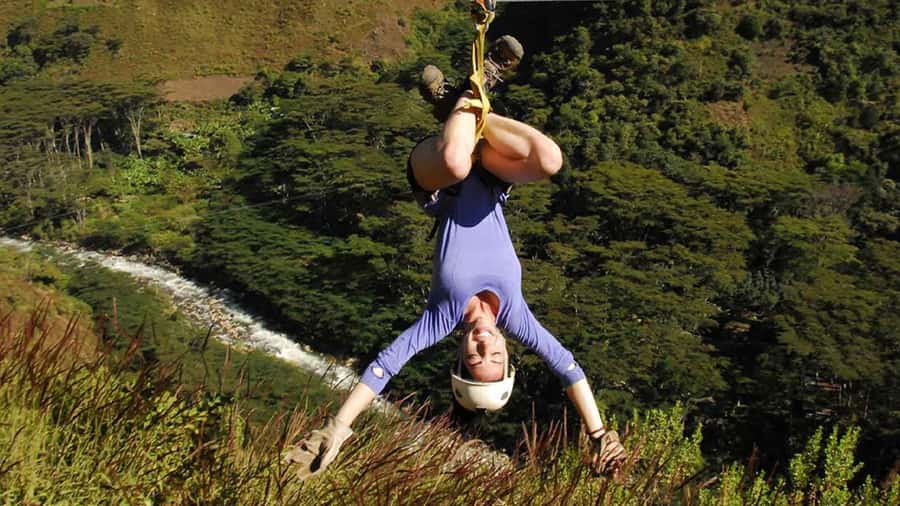
A group capped at 15 people is a useful middle ground. It is small enough for questions and conversation, but large enough that the guide must keep an eye on different fitness levels.
Gustavo Candia is the guide most often praised by name. His strengths include English communication, route knowledge, historical explanations, and a friendly manner. Several comments describe him as a major reason the trip worked so well.
That praise should not make you ignore the need for clear safety expectations. This route involves cycling, rafting, long walking days, river crossings, and a railway-side walk. Ask how the guide will support anyone who is injured or falls behind. Bring a charged phone, but do not assume you will have cell service everywhere.
The trip has an overall rating of 4.7 from 25 reviews, with many high scores for food, organization, activity variety, and personal service. The lower account is important because it raises specific issues about carrying a heavy pack, medical help, hotel quality, and Machu Picchu guiding. A fair decision includes both sides.
Who should book this route?
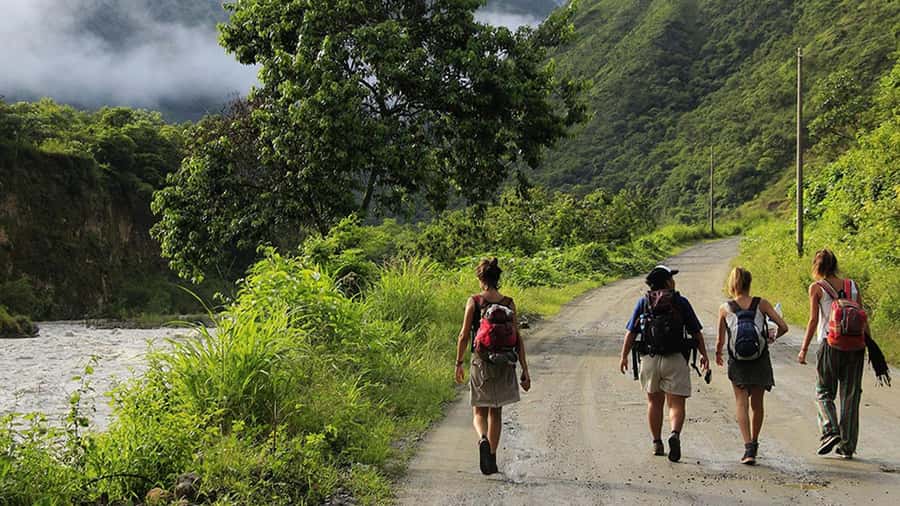
I would choose this trek if you enjoy active holidays and want several forms of travel in one package. It suits people who like cycling, warm springs, jungle paths, local family-run accommodation, and a dramatic approach to Machu Picchu.
It is also a good fit if you want a more affordable alternative to a classic multi-day mountain trek. You get an ancient trail, river valley scenery, and time outdoors without camping.
I would be cautious if you have knee problems, dislike long walking days, need highly consistent hotel quality, or want every activity guaranteed. Day 2 can last seven to eight hours, and Day 3 includes a three-hour walk along the railway after the canyon route.
Bring your passport, comfortable and hiking shoes, sunglasses, a hat, swimwear, a towel, camera, sunscreen, insect repellent, comfortable clothes, hiking pants, cash, and personal medication. Most importantly, ask about the small backpack before departure.
Should you book the Inka Jungle Trek?
Book it if you want an energetic, varied route with strong value at $420. The bike descent, ancient trail, Cocalmayo springs, railway walk, and early Machu Picchu visit give you more texture than a standard day trip.
Before booking, confirm the accommodation, luggage arrangements, Machu Picchu group ticket, guide coverage inside the ruins, and the zip-line schedule. If you accept that rafting may disappear in high water and that some days are demanding, this is a lively way to reach Machu Picchu. If you need a gentle, polished, hotel-focused holiday, choose a simpler route.
FAQ
How long is the Inka Jungle Trek?
The experience lasts four days and three nights.
What language does the guide speak?
The tour is available with a live guide in English or Spanish.
How many people are in each group?
The group is limited to 15 participants.
Is Machu Picchu entry included?
Yes, entrance to Machu Picchu is included.
Are the buses to Machu Picchu included?
No. Bus tickets up and down to Machu Picchu cost $24 and are optional.
Is the train back to Cusco included?
The tourist train from Aguas Calientes to Ollantaytambo is included. Tourist transportation from Ollantaytambo to Cusco is also included.
Is rafting guaranteed?
No. Rafting depends on weather and river conditions between January 1 and March 31. If high water cancels it, there is no refund.
Is Huayna Picchu included?
No. Entry to Huayna Picchu is optional and costs $65.
What should I bring?
Bring your passport, hiking and comfortable shoes, sunglasses, a hat, swimwear, a towel, camera, sunscreen, insect repellent, comfortable clothing, hiking pants, cash, and personal medication.
More Four-Day Trips around Peru
- Cusco: 4-Day Lares Trek to Machu Picchu with Panoramic Train
★ 4.9 · 20 reviews - Cusco: 4-Day Salkantay Trek to Machu Picchu, Panoramic Train
★ 4.3 · 17 reviews - Pokhara: 4-Day Ghorepani, Poonhill & Ghandruk Mountain Trek
★ 5.0 · 132 reviews - 4 Day Wild Tasmania Tour / Wildlife, Nature, Hiking / Inc. Accom
★ 5.0 · 126 reviews
Just added around Peru
- From Huaraz: Hike to the Lagoon 69★ 4.4 · 121 reviews
- From Arequipa Trek : 2-Days of Hiking in the Colca Canyon★ 4.5 · 35 reviews
- Cusco: 4-Day Salkantay Trek to Machu Picchu, Panoramic Train★ 4.3 · 17 reviews
- Cusco: 4-Day Lares Trek to Machu Picchu with Panoramic Train★ 4.9 · 20 reviews
- Arequipa: 2-day Colca Canyon Trekking, Ending in Puno★ 4.8 · 8 reviews
- Ancash: Trekking to Paron Lagoon with Entrance | Full day|★ 4.1 · 9 reviews
- 4 hours Tour: Route of Sillar with Trek in Culebrillas★ 4.2 · 69 reviews
- 4-hour excursion: Sillar Route with Hiking in Culebrillas★ 4.0 · 21 reviews
Peru Hiking Tours, compared.
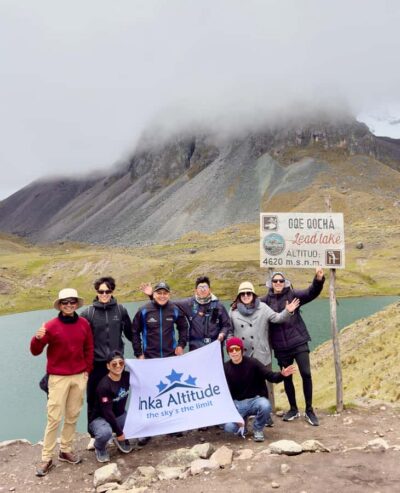
7 Lakes Ausangate Trek with Breakfast and Lunch
Read our review →
Rainbow Mountain Tour and Red Valley Hike (Optional)
Read our review →
Full-Day Rainbow Mountain & Red Valley Trekking Tour
Read our review →
Browse the lists this tour appears in