
REVIEW · PERU HIKING TOURS
From Arequipa: 2-Day Colca Canyon Trekking Tour
The canyon earns every early alarm. This two-day trek combines the Andean condor viewpoint with a demanding walk into Colca Canyon, a night at Sangalle Oasis, local meals, and hot springs on the return. I especially like the chance to see the canyon from above and then walk through its depths, plus the guides’ strong care for the group. The catch is simple: this is not a gentle sightseeing trip.
You pay $30 to reserve the place, but the guide collects an additional $100 in cash for meals, the canyon entrance, and hot springs. One notice lists the extra payment as $95, so confirm the exact amount before departure. The 24-kilometer route includes roughly 1,000 to 1,200 meters of descent and a similar climb back out.
Key points to know before booking
- The second day is the real test: You climb from Sangalle to Cabanaconde, mostly uphill, beginning around 4:30 in the morning.
- Condor viewing comes early: Cruz del Cóndor is reached after breakfast, with about 30 minutes for the viewpoint and bird watching.
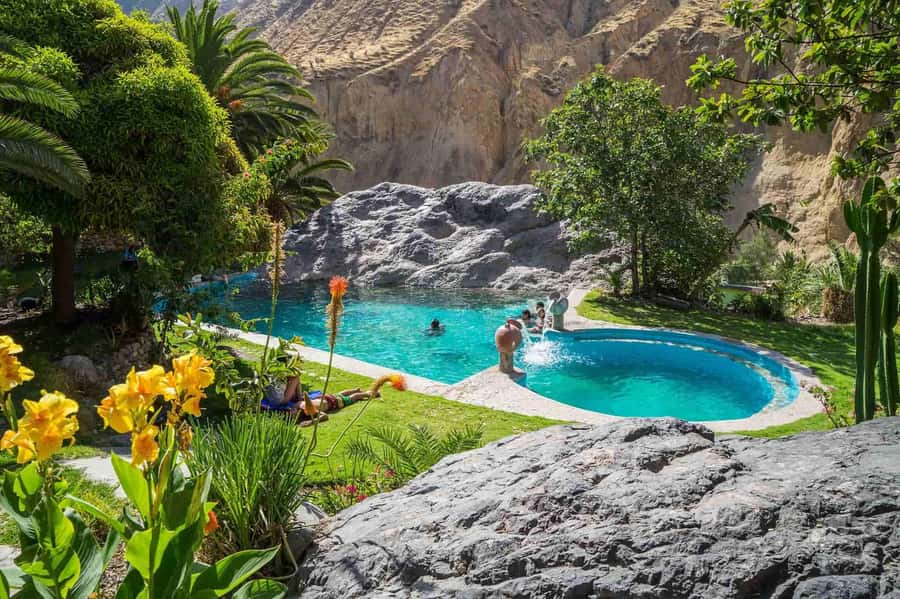
- Sangalle is more than a bed: The oasis has a pool, bar, views, dinner, and basic rooms, though facilities can vary.
- Guides receive excellent praise: Carlos, Rafael, Alex, Luigi, Fernando, Franco, Tonny, and others are noted for plant knowledge, local stories, humor, and support on difficult sections.
- Bring cash in soles or dollars: The extra tour costs, bamboo walking sticks, and small purchases are not covered by the $30 reservation.
- The trip ends with comfort: Hot springs at Chacapi are a welcome soak after the climb, followed by stops in Chivay and the high reserve.
The honest cost: a $30 booking is not the full price
At first glance, this looks like an astonishing bargain at $30 per person. It is not the final tour cost. That amount covers the reservation, while the guide collects an additional payment in cash for food, the Colca Canyon entrance, and the hot springs.
The supplied information gives two figures for that payment: $100, or 350 soles, in the main note, and $95 in another detail. Treat the total as approximately $125 to $130 per person and confirm the exact amount before you go. The extra payment is important because the headline price could otherwise give you the wrong idea.
For that full amount, you receive the two-day trek, English and Spanish guiding, hotel pickup, transportation, meals, and basic accommodation at Sangalle, according to the detailed payment note. The formal inclusions list is less clear and says meals and tickets are not included, so ask the operator to confirm exactly what the cash payment covers.
The value is good if you want transport, a guide, meals, and a planned route. You are also paying for support on a difficult trail and for the return stops that would be awkward to arrange on your own. If you prefer total independence, the group structure may feel unnecessary. For most visitors unfamiliar with Colca Canyon, the help with pacing, meals, transport, and local information is useful.
More Canyon and Gorge Hikes in Peru
- 2 Day 1 Night Trek / Colca Canyon
★ 4.5 · 92 reviews - Private 3 Day Colca Canyon Trekking tour (superior Service)
★ 5.0 · 58 reviews - 3-Day Colca Canyon trek with Professional Guide
★ 5.0 · 40 reviews
A 3 a.m. start from Arequipa
Pickup takes place from your hotel lobby between 3:00 and 3:30 in the morning. The first bus ride lasts about three and a half hours, so you can sleep for part of it, though the early start is tiring.
The first planned stop is Chivay, where you have about 30 minutes for breakfast. Do not expect a long, relaxed morning meal. This is a practical refueling stop before the day’s main walking.
The group is limited to 11 people, which is small enough for a guide to keep an eye on different walking speeds. That matters later, since the route can be hard on knees during the descent and lungs during the climb. Guides such as Carlos, Rafael, Alex, and Luigi have been praised for adjusting their pace, helping people with footwear, lending walking poles, and encouraging those who struggled.
Still, a small group does not make the trail easy. You should arrive rested, hydrated, and ready for a very long day.
Cruz del Cóndor gives you the big opening view
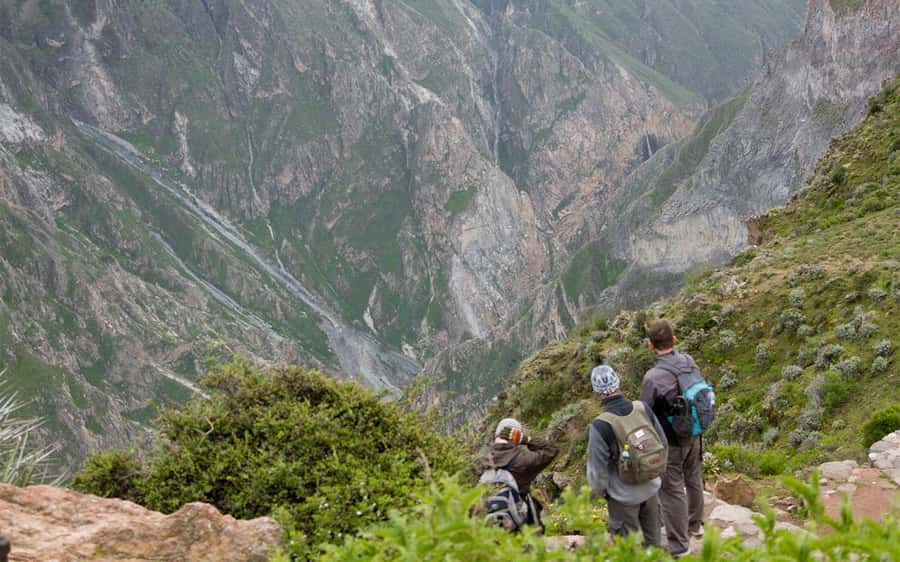
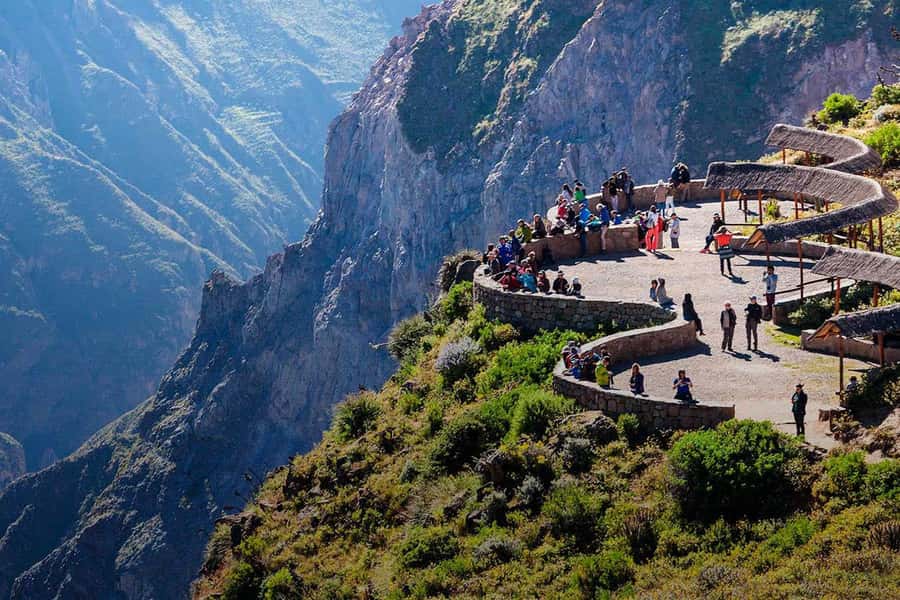
After breakfast, the bus continues for about 45 minutes to Mirador Cruz del Cóndor. You get roughly 30 minutes here for photographs, a guided explanation, and a chance to watch Andean condors ride the rising air.
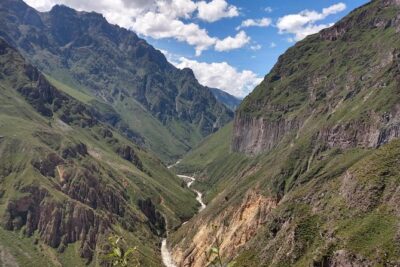
This stop gives you the classic Colca Canyon view before you enter the canyon itself. The condors are wild birds, so sightings and flight patterns cannot be promised, but the viewpoint is one of the major reasons people make the early journey from Arequipa.
The stop is short. Keep your camera ready, but do not spend every second looking through a screen. The canyon walls, open air, and scale of the gorge are worth taking in without a lens.
From Cruz del Cóndor, the bus continues toward the walking start. There is a brief stop in Cabanaconde, then you begin on foot.
The first day is six hours of downhill walking
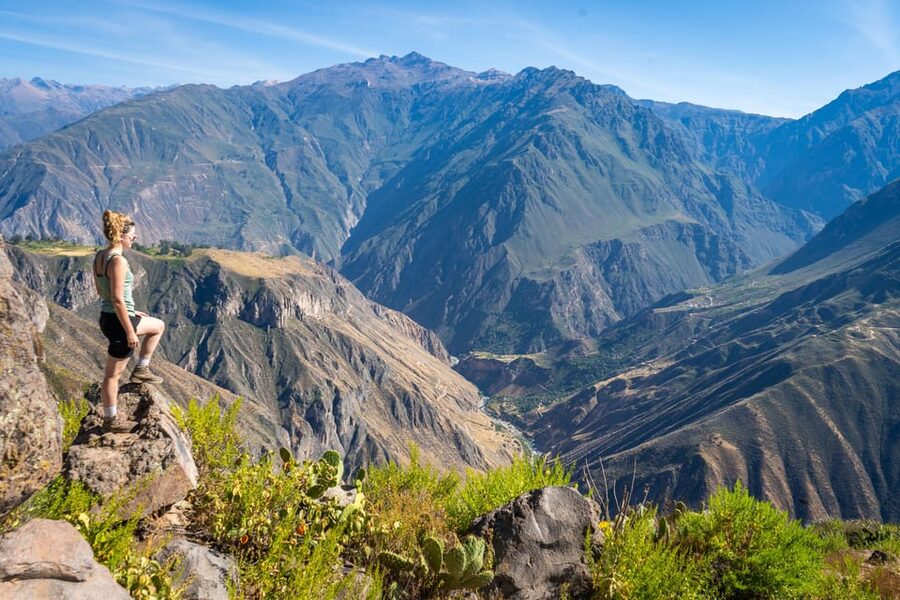
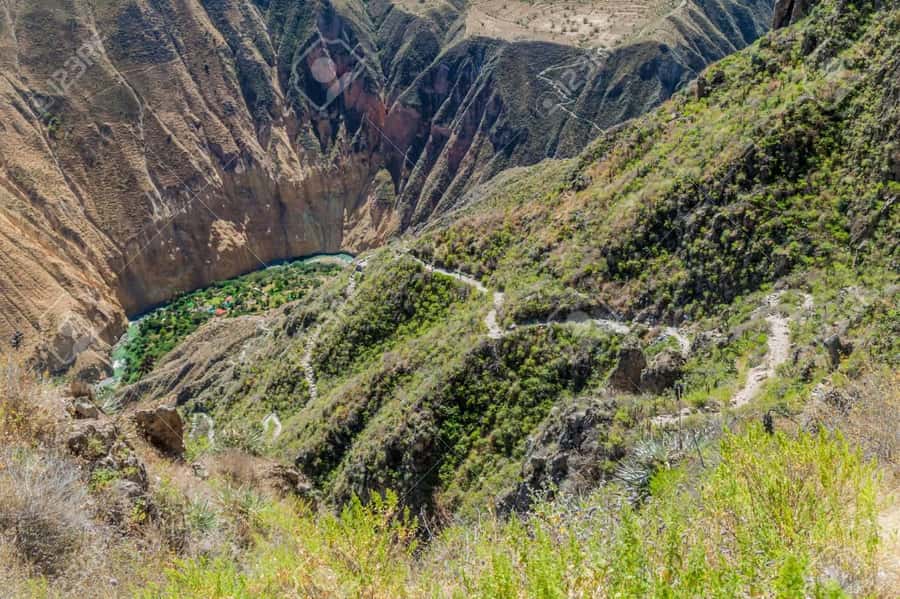
The first walking section drops toward the San Juan Valley and the Colca River. The descent takes about three hours, followed by lunch and another three hours of walking to Sangalle.
The numbers can sound manageable until you picture the direction. Going downhill for hours is hard on your knees, ankles, and toes, especially on uneven ground. Bamboo sticks are available near the start for about 5 soles per stick, and several experienced walkers strongly recommend using them. You can also bring trekking poles.
San Juan de Chuccho is the main midday break. You have about an hour for lunch, photographs, and time with the guide. Meals are described as simple but good, with vegetarian food available. Local families host some meals, and the canyon produces crops such as avocados, which may appear in the food.
The guide’s role is especially useful here. Rafael has been praised for explaining plants, trees, local customs, and daily life in the region. Carlos is noted for combining information about nature with strong support for slower walkers. This is the kind of detail that turns a hard walk into more than a physical challenge.
The final three hours lead through the lower canyon to Sangalle. You reach the oasis after a full day on foot, and arrival time can depend on the group’s pace and the length of the lunch stop. One useful suggestion is to keep lunch efficient if you want more daylight at the oasis.
Same trailhead, a different kind of day:
- From Arequipa: Sillar Route Trek
★ 4.2 · 461 reviews - From Cusco: 7 Lakes Ausangate Trek with Breakfast and Lunch
★ 4.8 · 360 reviews - Cusco: Rainbow Mountain Tour and Red Valley Hike (Optional)
★ 4.7 · 149 reviews - From Huaraz: Hike to the Lagoon 69
★ 4.4 · 121 reviews
Sangalle Oasis is the reward at the bottom
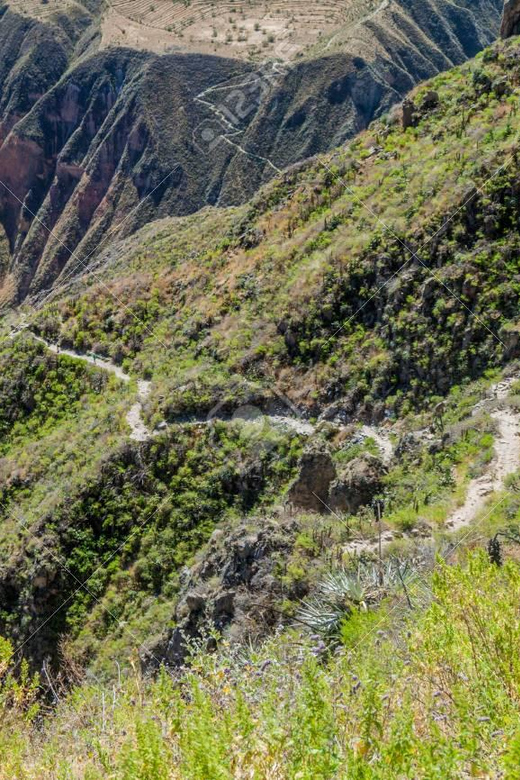
Sangalle is a striking change from the dry upper canyon. Green vegetation, warm conditions, and the pool make it feel like a small refuge at the end of the descent. You can swim, walk around, have a drink, and enjoy dinner before sleeping.
The accommodation is basic, but expectations matter. Some rooms have private bathrooms and hot water. Other stays have had cold showers, poor bathroom lighting, or no towels and toilet paper. Bring your own towel, toilet paper, and a small flashlight or headlamp.
The pool is a real advantage after six hours of walking. The oasis also has a bar and Wi-Fi, according to the tour details, so you may be able to relax without feeling cut off. Do not count on a polished resort. Think simple rooms in an unusual place, with the setting doing most of the work.
Dinner is included in the extra cash payment described by the operator. Food has generally been well received, though it remains straightforward rather than elaborate. If you have dietary needs, state them when booking and remind the guide.
The 4:30 a.m. climb is the part to respect
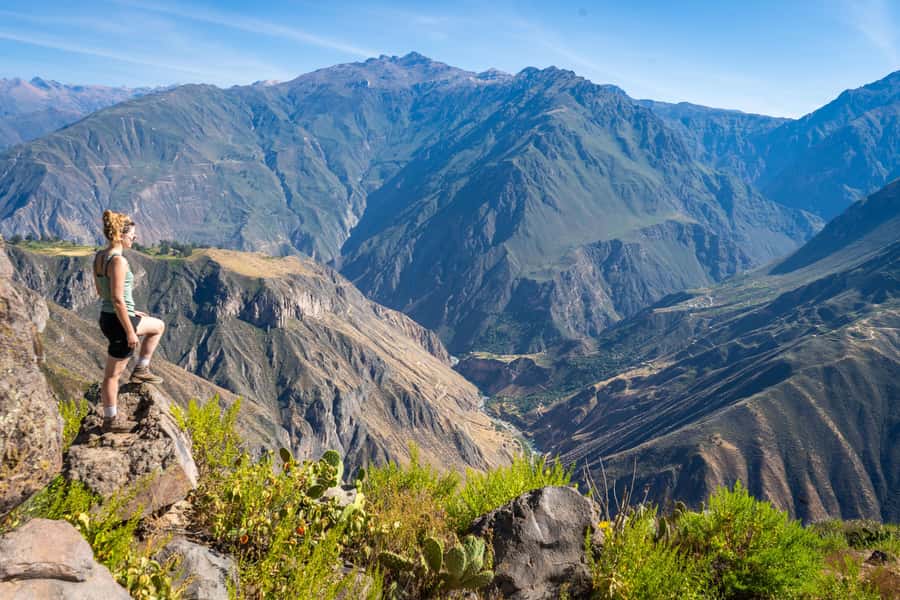
The next morning begins very early, around 4:30 a.m., for the climb from Sangalle to Cabanaconde. This is roughly five kilometers, but distance tells only half the story. You gain about 1,000 meters, and much of the route is steeply uphill.
You climb before sunrise, so a flashlight is highly recommended. Phone lights can work in an emergency, but they are awkward and drain your battery. Walking poles or two bamboo sticks can make the ascent more manageable.
This section takes around three hours for the group. The pace is not meant to be a race, but the climb is serious. People who exercise regularly may find it manageable, while anyone with limited fitness should reconsider. The tour specifically excludes people with heart problems, high or low blood pressure, altitude sickness, vertigo, and low fitness. It is also not intended for children under 15, wheelchair users, visually impaired people, or people over 55.
Those restrictions may feel strict, but they reflect the route. The climb is not a casual morning walk. If you are uncertain about your fitness, speak with the operator before paying.
Breakfast takes place in Cabanaconde after the ascent. One practical weakness is that there may not be a substantial meal before the climb. Bring a small snack if permitted, and ask in advance what breakfast arrangements are included.
The return route adds several worthwhile stops
Once you reach Cabanaconde, you board the bus back toward Arequipa. The return is not just a long ride. Several stops break up the journey and show a wider part of the Colca area.
At Maca, in Caylloma Province, you have about 10 minutes for a short visit and photographs. The precise focus of this stop can vary, but it provides a chance to stretch and see another settlement along the route.
Chacapi Hot Springs is the most welcome stop for many people. You get about an hour to soak and relax your legs after the canyon climb. Bring swimwear and a towel. The entrance fee is part of the additional cash payment described by the operator, not the initial $30 reservation.
The bus then stops in Chivay for lunch. After that comes a longer ride toward Arequipa, with a visit to the volcano viewpoint. This high point gives you broad views of the surrounding volcanic region and a useful sense of how dramatically the road rises after the canyon.
The final scenic stop is in the Salinas and Aguada Blanca area, where you may see South American camelids such as llamas, alpacas, and vicuñas. The published timing places this stop late in the return journey, although the detailed itinerary lists the volcano viewpoint as the final timed stop. Either way, expect several hours on the bus before reaching Arequipa.
The tour finishes near C. San Agustín 335, about two blocks from Plaza de Armas, at roughly 5:30 p.m. The full return ride can feel long. One complaint has involved a crowded van and weak air conditioning, so it is sensible to confirm the vehicle arrangement and carry water.
Guides are a major part of the value
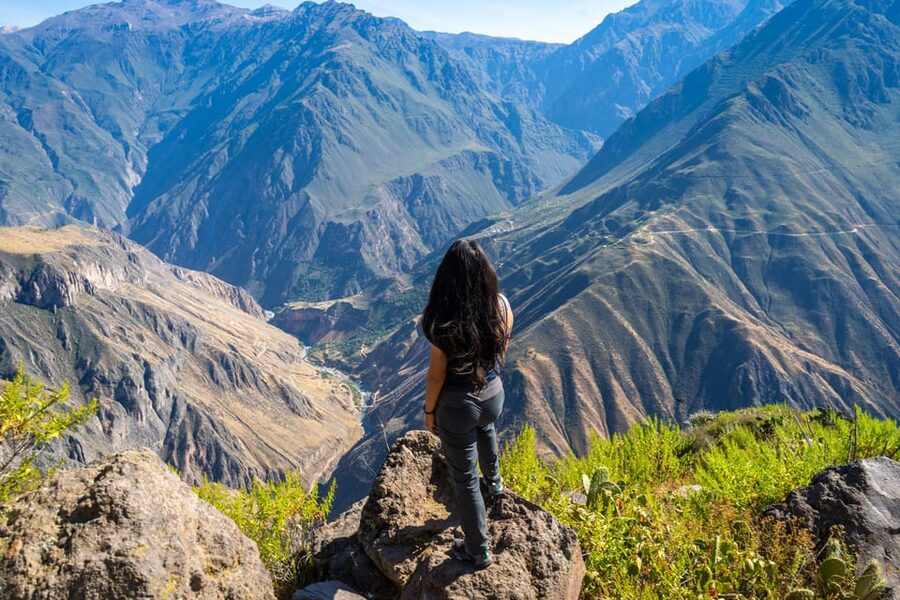
The strongest feature of this trip is the guiding. Carlos is praised for explaining canyon plants and local life while watching out for people who were struggling. Rafael is known for stories about flora, fauna, culture, and social life in Peru. Alex has been described as warm, funny, and attentive, while Luigi helped people through equipment problems and kept morale up during exhausting sections.
Other named guides include Fernando, Franco, Tonny, Fidal, Jorge, Willy, Percy, and Hans. The quality may depend on who leads your departure, but the pattern is clear: the guide can make a real difference here.
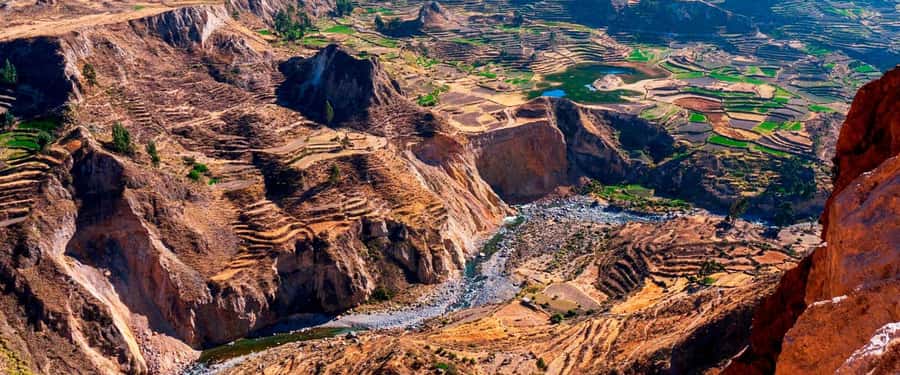
Ask questions as you walk. The canyon is more interesting when you learn what grows there, how people live along the river, and why the terraces matter. The best guides do not simply point the way. They help you understand the place and keep the group moving safely.
What to pack for a safer, easier trek
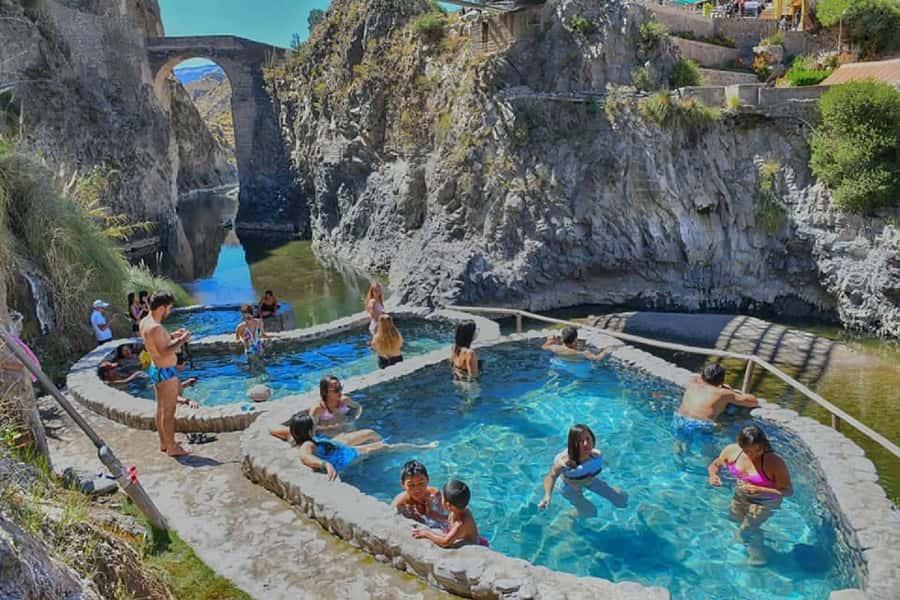
You need to pack for both heat at the oasis and cold before sunrise.
- Sturdy hiking shoes with good grip
- A headlamp or flashlight for the early climb
- Bamboo sticks or trekking poles
- A swimsuit and towel for Sangalle and Chacapi
- Toilet paper and hand sanitizer
- Small snacks for the long walking day
- Cash in soles or dollars
- Sun protection, including a hat and sunscreen
- A light layer for the early morning
- A charged phone and portable battery
Keep your overnight bag small. You will be carrying what you need for one night, and a heavy pack makes both the descent and the climb worse.
Should you book the Colca Canyon trek?
Book this tour if you want to experience Colca Canyon on foot, not just stop at a viewpoint. It suits fit hikers who enjoy local guiding, dramatic scenery, a basic oasis stay, and a full schedule with hot springs at the end.
Think twice if you dislike early starts, steep climbs, simple accommodation, long bus rides, or uncertain facilities. The 24-kilometer route is demanding, and the second morning is especially tough. You should also confirm the final price, meal arrangements, accommodation standards, and transport before booking.
For the right person, this is a strong two-day introduction to Colca Canyon. The condors bring you there, but the walk, Sangalle, the local stories, and the hard-earned hot-spring soak are what make the trip worth the effort.
FAQ
How long is the Colca Canyon tour?
The tour lasts two days, beginning with pickup in Arequipa around 3:00 to 3:30 in the morning and ending near central Arequipa at about 5:30 p.m. on the second day.
How much does the tour cost?
The reservation price is $30 per person. The guide also collects an additional cash payment for meals, the canyon entrance, and hot springs. The supplied information lists this payment as $100, or 350 soles, while another note says $95, so confirm the exact total before departure.
Is food included?
The additional cash payment is stated to cover meals. The formal inclusions are less clear, so confirm what breakfast, lunch, and dinner include before booking.
Is accommodation included?
A night at Sangalle Oasis is arranged as part of the tour, but the accommodation is basic. Rooms may have private bathrooms, and hot water may vary. Towels and toilet paper are not guaranteed.
How difficult is the hike?
The route covers about 24 kilometers with substantial downhill and uphill walking. The first day descends for about six hours, while the second day climbs roughly 1,000 meters in around three hours.
What time does the second-day climb begin?
The climb from Sangalle usually begins very early, around 4:30 a.m., before sunrise.
Can I see Andean condors?
The tour stops at Cruz del Cóndor for about 30 minutes to watch for Andean condors. Sightings are possible but cannot be guaranteed because the birds are wild.
How large is the group?
The group is limited to 11 participants.
Are the hot springs included?
The hot springs entrance is not included in the $30 reservation. It is listed as part of the additional payment collected by the guide.
Who should not take this tour?
The tour is not suitable for children under 15, wheelchair users, people with heart problems, vertigo, visual impairment, altitude sickness, high or low blood pressure, low fitness, or people over 55.
More Two-Day Trips around Peru
- From Arequipa Trek : 2-Days of Hiking in the Colca Canyon
★ 4.5 · 35 reviews - Arequipa: 2-day Colca Canyon Trekking, Ending in Puno
★ 4.8 · 8 reviews - From Antigua: Adventure, 2-Day Hiking to Acatenango Volcano
★ 4.4 · 1,189 reviews - Mt Toubkal Ascent Express Trek 2 Days 1 Nights
★ 4.7 · 962 reviews
Just added around Peru
- From Huaraz: Hike to the Lagoon 69★ 4.4 · 121 reviews
- From Arequipa Trek : 2-Days of Hiking in the Colca Canyon★ 4.5 · 35 reviews
- Cusco: 4-Day Salkantay Trek to Machu Picchu, Panoramic Train★ 4.3 · 17 reviews
- Cusco: 4-Day Lares Trek to Machu Picchu with Panoramic Train★ 4.9 · 20 reviews
- Arequipa: 2-day Colca Canyon Trekking, Ending in Puno★ 4.8 · 8 reviews
- Ancash: Trekking to Paron Lagoon with Entrance | Full day|★ 4.1 · 9 reviews
- 4 hours Tour: Route of Sillar with Trek in Culebrillas★ 4.2 · 69 reviews
- 4-hour excursion: Sillar Route with Hiking in Culebrillas★ 4.0 · 21 reviews
Peru Hiking Tours, compared.
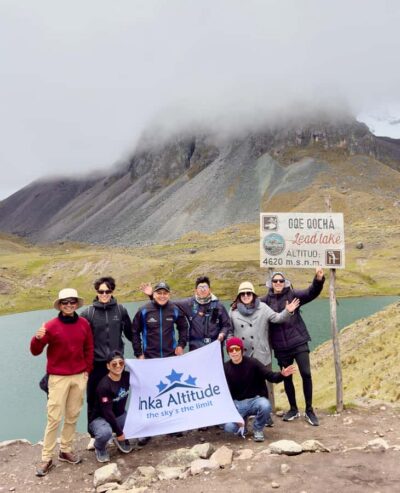
7 Lakes Ausangate Trek with Breakfast and Lunch
Read our review →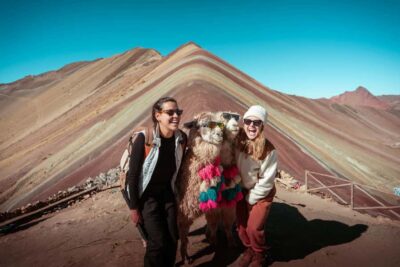
Rainbow Mountain Tour and Red Valley Hike (Optional)
Read our review →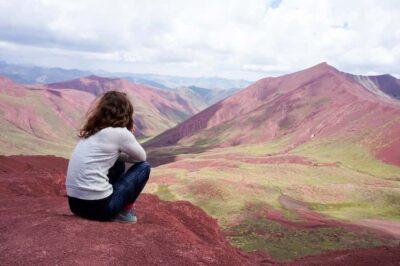
Full-Day Rainbow Mountain & Red Valley Trekking Tour
Read our review →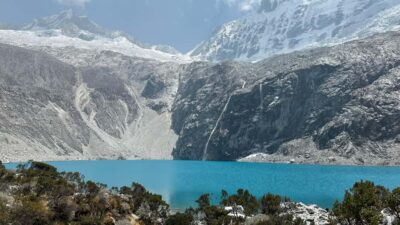
Browse the lists this tour appears in