
REVIEW · CUSCO HIKING TOURS
4 Day Inca Trail Trek to Machu Picchu Multi day tour
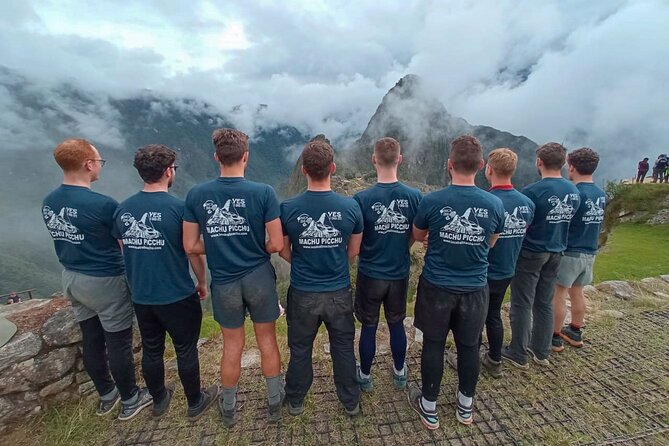
The hardest steps lead to the best views. This four-day trek follows 42 kilometers of original Inca road from Km 82 to Machu Picchu, crossing high mountain passes, cloud forest, and subtropical woodland. I especially like the small group size of up to 16 people and the strong support team, including porters, a trekking chef, and an experienced guide.
The route also includes major Inca sites such as Runkurakay, Sayacmarca, Phuyupatamarca, and Wiñay Wayna, not just Machu Picchu at the finish. The main drawback is the physical demand: Dead Woman’s Pass reaches 4,215 meters, and the non-refundable booking terms leave little room for a change of plans.
Key Points Before You Book
- Dead Woman’s Pass is the major test: You climb to 4,215 meters on day two, then descend into the Pacaymayo Valley.
- The route is much more than Machu Picchu: You pass several important archaeological sites before reaching the citadel.
- Camping support is unusually complete: Tents, meals, water, cooking equipment, porters, and a toilet tent are included.
- Your personal duffel can weigh up to 7 kilograms: A super porter carries it while you hike with your day bag.
- The final morning begins at the Sun Gate: You get your first view of Machu Picchu from Inti Punku before touring the ruins.
- The price covers major transport and permits: At $930 per person, the package includes the trail permit, Machu Picchu admission, return train, and buses.
What the $930 Price Really Covers
At $930 per person, this is not a budget hike, but the fee includes the costly and awkward parts of organizing the classic Inca Trail. Your permit and Machu Picchu entrance are covered, along with transport from Cusco to Km 82 and the return train to Ollantaytambo.
You also get three nights of camping, three breakfasts, three lunches, and three dinners. A professional chef prepares the meals, and the food receives some of the strongest praise in the available feedback. Several people describe meals that were far better than expected in a remote campsite, including one memorable cake.
The support crew carries food, tents, cooking equipment, and your personal duffel. Your duffel limit is 7 kilograms, or about 11 pounds. That matters because the trail includes long climbs and steep stone steps. Carrying only your daypack can make the difference between enjoying the views and staring at your boots.
The package also includes a comfortable sleeping-roll mattress, tent space in a four-person Eureka tent with only two people assigned to it, water at each campsite, a rain poncho, and an emergency oxygen bottle in the first-aid kit. Sleeping bags cost an extra $25, hiking poles cost $20, and an inflatable rest mattress costs $20.
There are a few costs you still need to plan for. Your first breakfast and final lunch in Aguas Calientes are not included, and neither are insurance, tips, souvenirs, or other personal purchases. At this price, I would see the tour as a supported trekking package rather than simply a guided walk.
More Machu Picchu and Inca Trail Treks in Cusco:
- Salkantay Trek Challenge – 3 Days / 2 Nights
★ 5.0 · 101 reviews - Choquequirao Trek 4 days and 3 nights
★ 5.0 · 81 reviews - Machu Picchu: 5-Day Salkantay Trek with Panoramic Train
★ 5.0 · 79 reviews
Day One: From Km 82 Along the Vilcanota River
The day begins with a 4:30 a.m. pickup in Cusco. That early start gets you to Km 82, the usual trailhead, after a drive through the Urubamba Valley. You cross the Vilcanota River, then begin walking on the ancient route toward Machu Picchu.
The first day covers about 12 kilometers, or 7.5 miles, in roughly eight hours. It is described as moderate, which makes it a useful introduction to the walking rhythm before the harder climbs arrive. The trail follows the river and passes through Andean scenery, with mountain and valley views opening around you.
You also pass through Huayllabamba, where you may have a chance to interact with local people. That small human detail helps keep the day from feeling like a race toward an archaeological headline. The route is already historic, but day one gives you time to settle into the group and learn how your guide manages breaks and pace.
The main challenge is the early start after time in Cusco. You should have your day bag ready the night before and keep essentials close, including water, rain protection, sun protection, and warm layers. The tour provides water at camp, but your walking day still requires sensible personal supplies.
Day Two: Dead Woman’s Pass at 4,215 Meters
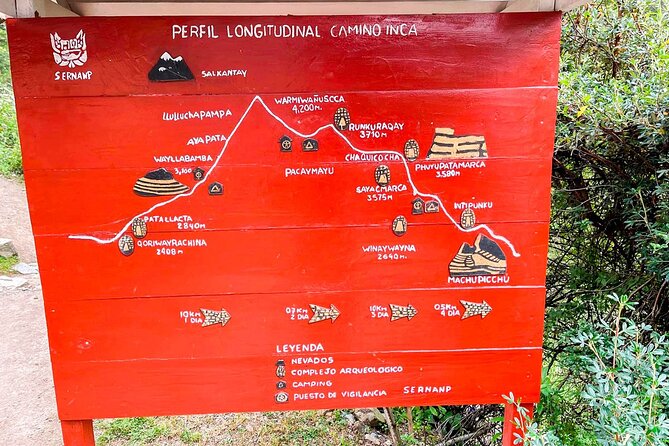
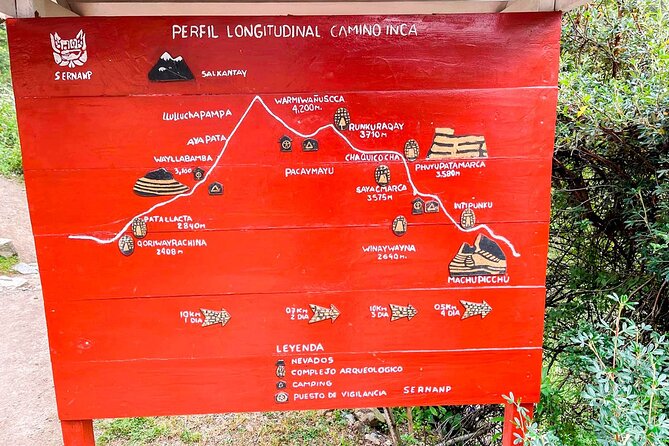
Day two is the test. After breakfast and an early start, you climb toward Warmiwañusca, better known as Dead Woman’s Pass. At 4,215 meters, it is the highest point on the route and the section most likely to expose weak preparation or poor pacing.
The climb moves through high-altitude grassland. The route is demanding, but you are rewarded with wide views of the mountains and valleys. A guide who controls the pace matters here. The strongest feedback names guides such as Nico Raul, César Pérez, Plinio, and César Coavoy for encouragement, historical explanations, and careful handling of different abilities.
After the pass, the trail descends into the Pacaymayo Valley. The descent can be hard on knees and thighs, especially after the long climb. Your campsite is in the valley, and the day takes about eight hours.
This is where the tour’s support system earns its keep. Porters carry the heavy camp equipment, the chef provides hot meals, and your guide can help keep the group together. Still, no porter can remove the altitude or the stone steps from your legs. You need a strong fitness level, and you should take altitude seriously.
Day Three: Three Passes and the Ruins of Wiñay Wayna
Day three is often the most rewarding day for scenery and archaeology. You climb to the second pass, Runkurakay, at about 3,970 meters. From there, the route drops into cloud forest and reaches the ruins of Sayacmarca at 3,624 meters.
Sayacmarca is one of those sites that makes the route feel like a journey through a chain of Inca places rather than a single long approach to Machu Picchu. The trail continues through forest, passing smaller ruins before reaching Phuyupatamarca, the third pass, at about 3,670 meters.
Then comes a long descent to Wiñay Wayna, at 2,650 meters. The site is known for its agricultural terraces and ritual baths, and its position above the surrounding mountains gives the camp a memorable setting. This day lasts about six hours, shorter than the first two, but repeated climbs and descents still make it strenuous.
The changing environment is a major strength of this trek. You move from open high country to cloud forest, with orchids and bromeliads along parts of the route. Weather can change quickly, so the supplied rain poncho is more than a token extra. Pack your camera where you can protect it from rain.
More Four-Day Trips around Cusco:
- Ancascocha Trek To Machu Picchu 4 Days And 3 Nights
★ 5.0 · 77 reviews - Salkantay Trek 4 Days to Machu Picchu by Glamping Sky Lodge Dome
★ 5.0 · 68 reviews - 4-Day Inca Jungle Adventure, Mountain Biking, Rafting and Zipline
★ 5.0 · 60 reviews - Salkantay Trek to Machu Picchu in 4 days
★ 4.5 · 50 reviews
Day Four: Sun Gate and Machu Picchu
The final morning begins with breakfast and a walk to the checkpoint for the last section of the trail. You head toward Inti Punku, the Sun Gate, where the first broad view of Machu Picchu appears.
That arrival is one reason people choose the four-day route instead of taking a train directly to the citadel. You reach Machu Picchu on foot, after seeing the terrain and ruins that lead toward it. The view from the Sun Gate is weather-dependent, but the approach gives the final morning real meaning even if clouds partly cover the site.
From the Sun Gate, you continue to Machu Picchu for a guided tour of the ruins. The citadel was rediscovered by Hiram Bingham in 1911, but the guide gives the place more context than a quick walk and a few photographs can provide. Guides are repeatedly praised for explaining Inca history and answering questions, so this is an important part of the value.
The day takes about six hours. After the visit, a shuttle bus carries you down to Aguas Calientes. You pay for your own final lunch there, then take the tourist train to Ollantaytambo and a tourist bus back to Cusco.
That return is long, but it is practical. You do not need to arrange a separate train, bus, or taxi after four tiring days. You should expect a late finish and keep the next morning free if possible.
Camping, Food, and the Porter Team
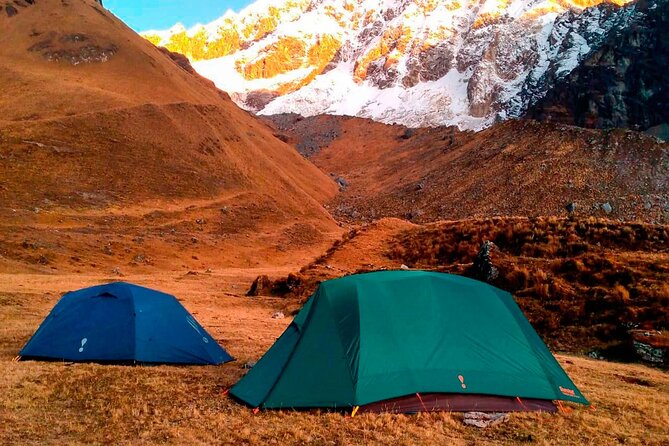
Camping does not mean carrying your own kitchen on this trip. The crew brings a kitchen tent, dining tent, tables, chairs, cooking equipment, and gas. A separate toilet tent is also included, which gives you more privacy than the basic trail facilities alone.
Two people sleep in each four-person Eureka tent. That extra space is useful for storing gear and changing clothes, especially during wet weather. The provided mattress is described as a comfortable sleeping roll, but a sleeping bag is not included, so you need to rent one for $25 or bring your own.
The chef is a major part of the experience. Feedback repeatedly highlights plentiful meals, good nutrition, and food that can feel close to restaurant quality despite the remote campsites. One chef even produced a cake, which is a fine morale boost after a long climb.
The porters also receive repeated praise for carrying food, camp equipment, and personal bags. The personal super porter allowance is up to 7 kilograms, but you should not treat that as permission to pack everything you own. Keep your duffel light and use your daypack for water, layers, snacks, and valuables.
The package includes an opportunity to sponsor the planting of native trees. That is a thoughtful addition, though the available details do not explain the planting program or its exact cost. Ask for clarification before booking if that point matters to you.
Guides and Group Size
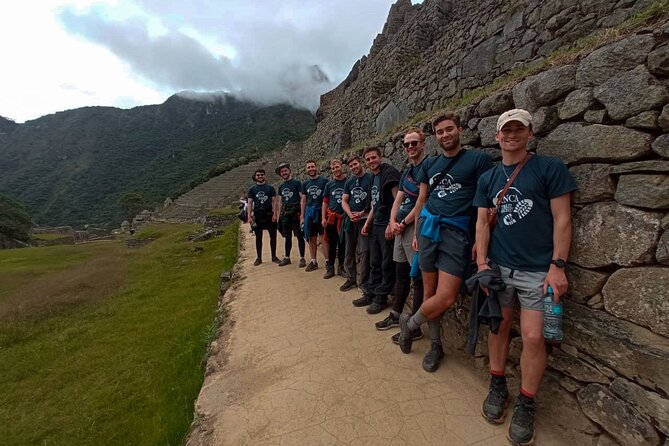
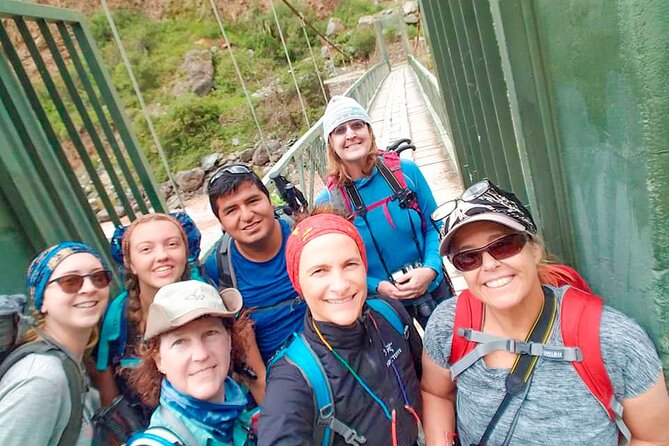
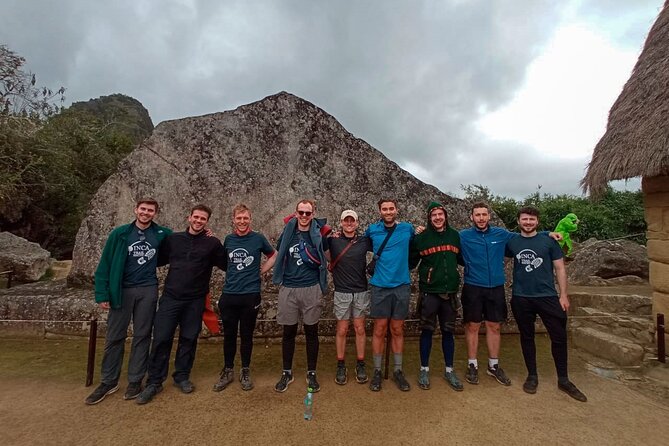
The maximum group size is 16 people. That is large enough for a social atmosphere but small enough for a guide to keep track of the group more easily than on a mass-market trek.
The named guides receive especially warm praise. Nico Raul is described as attentive, encouraging, and strong on Inca history. César Pérez is praised for adjusting the walking plan to suit different abilities. Plinio is noted for keeping a steady pace and helping older hikers manage the route, while César Coavoy is remembered for making the journey fun and informative.
Those details matter because the trail is not equally hard for everyone. Some people in the group may move quickly uphill, while others need regular rests. A good guide can keep the group safe and together without making slower hikers feel like a burden.
You should still ask about the guide assigned to your departure, since the specific person may vary. The company used for this experience is Inca Trail Machu, and confirmation is sent within 48 hours of booking, subject to availability.
Who Should Choose This Trek?
This trek suits you if you want the physical achievement of reaching Machu Picchu on foot and enjoy ancient sites along the way. It also works well if you prefer a supported camping trip, since porters and a chef handle much of the practical work.
You do not need to carry your full camping load, but you do need strong physical fitness. The highest pass is above 4,200 meters, and the trail combines uphill climbs, long descents, uneven stone paths, and changing weather. People in their 60s and 70s have completed the trek, according to the available experiences, but age alone is not the deciding factor. Preparation and altitude tolerance matter more.
This is less suitable if you dislike early starts, shared camping, steep trails, or fixed schedules. It is also a poor choice if your Peru plans cannot absorb a non-refundable commitment. The tour cannot be changed or refunded after booking, so confirm your dates and fitness plans first.
Practical Advice for a Better Four Days
Use Cusco as your preparation base, and allow yourself time to adjust to the altitude before the trek if your wider schedule permits. The tour information requires strong fitness, but it does not provide a formal acclimatization program, so preparation is your responsibility.
Train with long walks, hills, stairs, and descents. Downhill sections can be as tiring as uphill sections, particularly on day two and day three. Hiking poles cost $20 through the tour, and many people find poles useful for balance and knee relief.
Pack for sun, cold, and rain. The tour supplies a plastic rain poncho, but you still need suitable clothing underneath. Keep a warm layer for the high passes and dry clothing for camp.
Plan your baggage around the 7-kilogram duffel limit. Put documents, medication, valuables, and anything needed during the day in your own daypack. The tour includes water at each campsite, meals, and transport, but you should still clarify any dietary requirements before departure.
Tips and souvenirs are extra. Carry some money for both, while remembering that the final lunch in Aguas Calientes is also not included.
Should You Book It?
I would book this trek if you want the classic Inca Trail route, can handle serious mountain walking, and value a strong support crew. The $930 price is fair for the permits, Machu Picchu entry, three nights of camping, meals, porters, guide service, and the full return journey.
I would not book it casually. Dead Woman’s Pass is a genuine challenge, the days begin early, and the cancellation terms are strict. If you prepare properly and want to reach Machu Picchu through a sequence of mountain passes and Inca ruins, this is a well-supported way to do it.
FAQ
How long is the Inca Trail trek?
The trek lasts approximately four days and covers about 42 kilometers, or 26 miles.
What time does the tour start?
Pickup begins at 4:30 a.m. on the first day.
What is the highest point on the route?
The highest point is Warmiwañusca, also called Dead Woman’s Pass, at 4,215 meters or 13,828 feet.
Are camping and meals included?
Yes. The package includes three nights of camping, three breakfasts, three lunches, and three dinners. A chef prepares the meals, and camping equipment is provided.
Is a sleeping bag included?
No. A sleeping bag costs an additional $25. Hiking poles cost $20, and an inflatable rest mattress costs $20.
How do you return to Cusco after Machu Picchu?
After visiting Machu Picchu, you take a shuttle bus to Aguas Calientes, then a tourist train to Ollantaytambo, followed by a tourist bus to Cusco.
Just added around Cusco
- Salkantay 5-Day Trek To Machu Picchu★ 5.0 · 39 reviews
- Small Group: 4-Day Inca Trail Trek to Machu Picchu★ 5.0 · 33 reviews
- Classic Choquequirao Trek – 5 Days / 4 Nights★ 5.0 · 52 reviews
- 6 day Rainbow Mountain x Ausangate Trek – FlashpackerConnect★ 5.0 · 30 reviews
- 5 Day – Salkantay trek to Machu Picchu – Group Service★ 4.5 · 27 reviews
- Salkantay Trek To Machu Picchu 5 Days And 4 Nights★ 5.0 · 44 reviews
- Inca Trail Trek to Machu Picchu – 2 Days (Small Group or Private)★ 5.0 · 31 reviews
- Salkantay Trek: 5 Days to Machu Picchu★ 5.0 · 33 reviews
Cusco Hiking Tours, compared.
7 Lakes Ausangate Trek with Breakfast and Lunch
Read our review →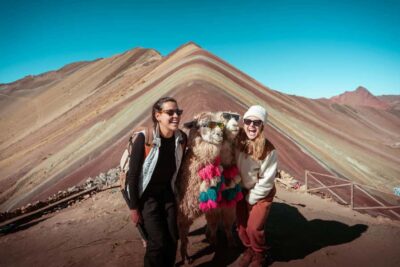
Rainbow Mountain Tour and Red Valley Hike (Optional)
Read our review →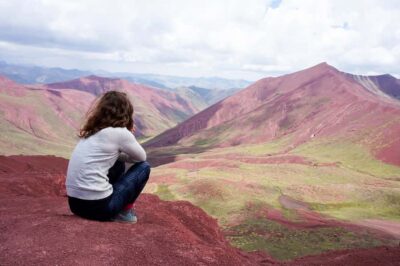
Full-Day Rainbow Mountain & Red Valley Trekking Tour
Read our review →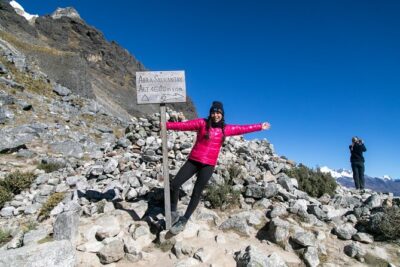
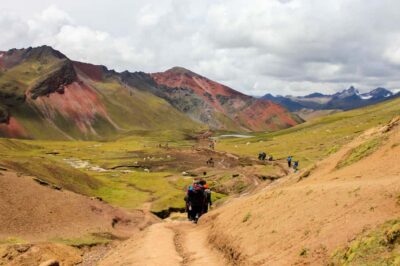
Private Palccoyo Rainbow Hike Without the Crowds
Read our review →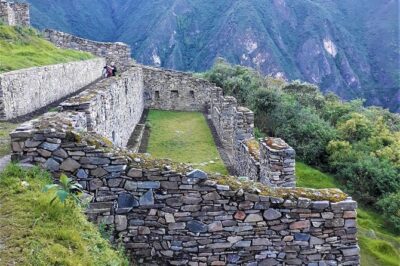
Machu Picchu: 5-Day Salkantay Trek with Panoramic Train
Read our review →Browse the lists this tour appears in