
REVIEW · CUSCO HIKING TOURS
Small Group: 4-Day Inca Trail Trek to Machu Picchu
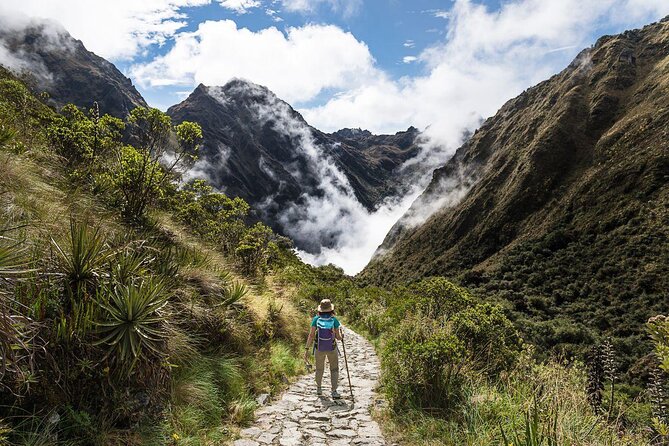
Machu Picchu is only part of the prize. This four-day trek follows the classic Inca Trail from Km 82 to the Sun Gate, with a guide, cooks, porters, camping gear, meals, and transport bundled into the $850 price. I like the small-group format and the careful support from local teams, including guides such as Freddy, Ronald, Herlin, and Edwin. I also like that the route gives you ruins, cloud forest, high passes, and mountain views before the citadel appears.
The main drawback is the physical demand. You will climb to 4,215 meters at Dead Woman’s Pass, descend steeply, sleep in basic camps, and hike for up to eight hours on the longest day. The advertised group size is small, but the details give both 10 and 12 as the maximum, so confirm the exact number before paying.
Key points at a glance
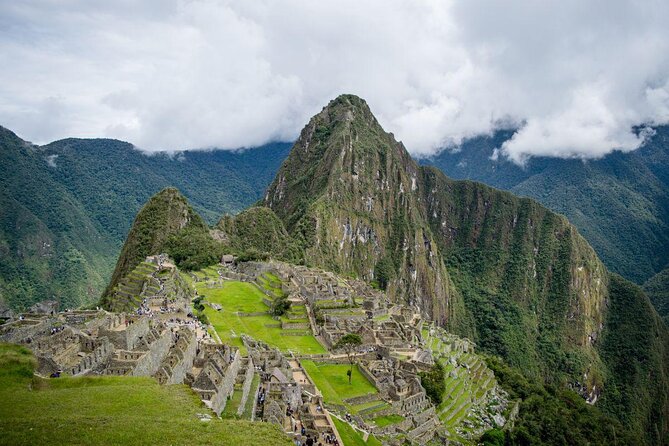
- Sun Gate arrival: You reach Machu Picchu on foot through Inti Punku, rather than arriving by train and seeing the ruins first.
- High-altitude challenge: Dead Woman’s Pass reaches 4,215 meters, with long climbs and steep descents over several days.
- Strong camp support: A chef, porters, dining tent, sleeping mattress, hot morning water, and a personal porter for 5 kilograms are included.
- Local guiding: Guides such as Freddy, Ronald, Herlin, and Edwin have been praised for history, humor, pacing, and personal care.
- Good package value: At $850, the price covers permits, camping, food, transport, and much of the practical work required on the trail.
- Limited permits: Only 500 people are allowed onto the trail each morning, including porters and staff, so booking at least five months ahead is wise.
Why the classic four-day Inca Trail still earns its reputation
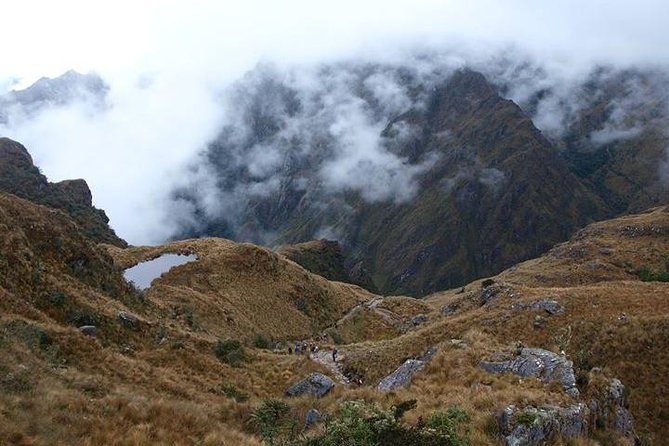
The classic Inca Trail is not simply a walking route to Machu Picchu. It is a four-day journey through old stone paths, ceremonial sites, agricultural terraces, cloud forest, high grassland, and several important ruins.
That sequence matters. If you arrive at Machu Picchu by train, the citadel is the main event. On this trek, you earn your first view from Inti Punku after days of effort. The ruins feel connected to the route, not separated from it.
The experience has a rating of 4.9 from 33 published ratings, with 97 percent recommending it. The praise centers on the guides, food, porters, and sense of care. One guide may be Freddy, another Ronald, Herlin, Edwin, or someone else, so you should not book solely around a particular name. Still, the repeated attention to guiding and camp service is encouraging.
The group is intended to be small, with a maximum of 10 stated in the additional information and 12 listed among the inclusions. That is a minor inconsistency worth clearing up. A group of 10 still gives you a more personal walk than a large departure, and it makes meals, pacing, and questions easier to manage.
More Small-Group Hikes in Cusco:
- Inca Trail Trek to Machu Picchu – 2 Days (Small Group or Private)
★ 5.0 · 31 reviews - Humantay Lake Day Hike (Small Group or Private)
★ 5.0 · 30 reviews - Small Group: Valley of Fire Half Day Tour from Las Vegas
★ 5.0 · 2,130 reviews
Day 1: From Km 82 to Wayllabamba
Your day starts early, with a 5:00 a.m. pickup from your central Cusco hotel. A private bus heads through Chinchero, Urubamba, and Ollantaytambo toward Km 82, the official start of the Inca Trail. The drive takes about two and a half hours and gives you a look at the Sacred Valley before your legs do the serious work.
Breakfast on this day is not included, so bring food or arrange it before departure. Water is also excluded for the first four hours of hiking, making a refillable bottle especially important from the start.
The route rises toward Wilka Rakay, where you get views of Patallacta and the Kusichaca Valley. Patallacta is one of the first major Inca sites on the route, and it gives the walk an immediate sense of purpose. You are not spending the first day on an ordinary mountain path.
The five-hour hiking day is the gentlest of the four, though you should not mistake gentle for easy. You are already at altitude, and the trail begins its steady pattern of stone steps, uneven ground, and climbs. By late afternoon, you reach Wayllabamba at 3,000 meters.
Camp is basic but organized. The crew sets up a spacious four-person tent for two people, while a dining tent provides tables and chairs. Dinner is prepared by the trail chef, and the included mattress gives you more comfort than carrying your own full camping setup.
Day 2: Dead Woman’s Pass at 4,215 meters
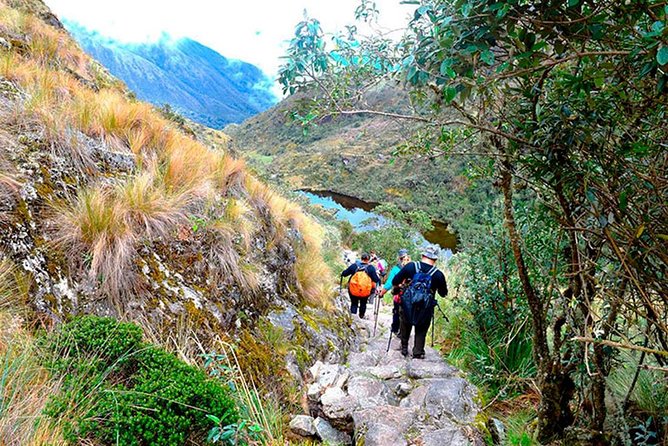
Day two is the test. After breakfast, you hike for about an hour toward Tres Piedras, then enter a cloud forest with thick plant life and cooler, damp air. The route continues upward until you reach Abra de Warmihuañusca, better known as Dead Woman’s Pass.
At 4,215 meters, this is the highest point of the trek. The climb can feel slow, especially if you are not used to altitude. Take the guide’s pace seriously, use the rest stops, and avoid treating the pass as a race. The reward is a wide view over the Andean ridges and a clear feeling that you have crossed a major line.
The hard work is not over at the top. You descend steeply to Pacaymayo at 3,600 meters, where the campsite sits among high mountain slopes. The full hiking day lasts about seven hours, and the descent can be tough on knees and thighs.
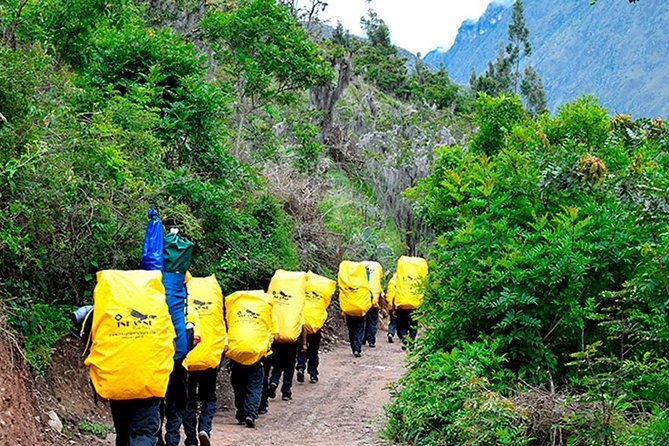
The included personal porter carries 5 kilograms of your gear, while the main porters handle cooking and camping equipment. Pack carefully. Keep your rain layer, warm clothing, medication, sunscreen, and camera where you can reach them. You will still carry your daypack, including the inflatable pillow if you choose to use it.
Day 3: Runkurakay, Sayacmarca, and Wiñayhuayna
Day three is the longest, at about eight hours, but it may be the most rewarding day for scenery and ruins. A 45-minute climb takes you to Runkurakay, an old Inca resting site. Another 45 minutes brings you to Runkurakay Pass at 4,000 meters.
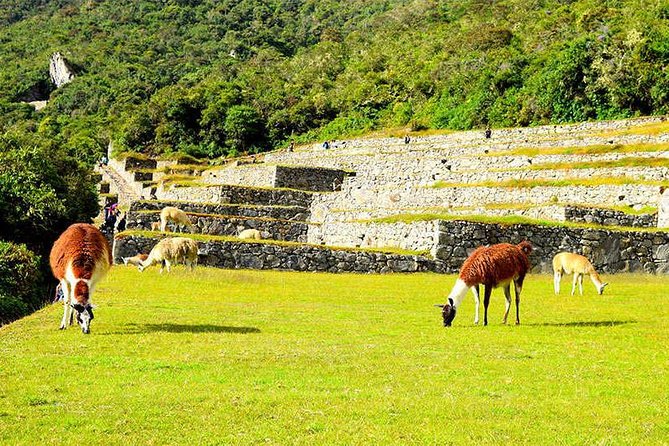
From the pass, the route descends toward Sayacmarca. The ruins sit on a steep mountainside, with stone structures shaped by the terrain. The setting helps you understand the Inca talent for building in difficult places. Your guide can add context here, and this is the kind of stop where a good guide makes the stones easier to read.
You continue along a well-preserved section of Inca path to Chaquicocha for lunch. After that, the route enters high Andean cloud forest. Plants, mist, and changing weather become part of the day, so a waterproof jacket or rain poncho is not optional equipment.
The trail follows a narrow ridge toward Phuyupatamarca Pass. From here, you may see the Sacred Valley, high peaks, and, depending on conditions, distant views toward Machu Picchu. The path then descends past ceremonial places and terraces to Wiñayhuayna, the final campsite.
Wiñayhuayna is an important emotional marker. You are close to Machu Picchu, but the day is long and the descent can be tiring. A hot drink, a filling dinner, and an early night matter here. The camp service receives especially strong praise for its food, with cooks such as Sabino, Herminios, Nazario, and Mario singled out for producing varied meals from a trail kitchen. Vegetarian food is available if requested ahead of time.
More Machu Picchu and Inca Trail Treks in Cusco:
- Salkantay Trek Challenge – 3 Days / 2 Nights
★ 5.0 · 101 reviews - Choquequirao Trek 4 days and 3 nights
★ 5.0 · 81 reviews - Machu Picchu: 5-Day Salkantay Trek with Panoramic Train
★ 5.0 · 79 reviews - Ancascocha Trek To Machu Picchu 4 Days And 3 Nights
★ 5.0 · 77 reviews
Day 4: Entering Machu Picchu through Inti Punku
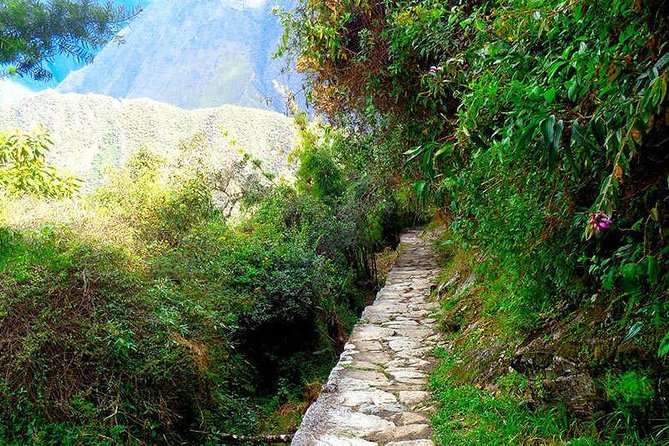
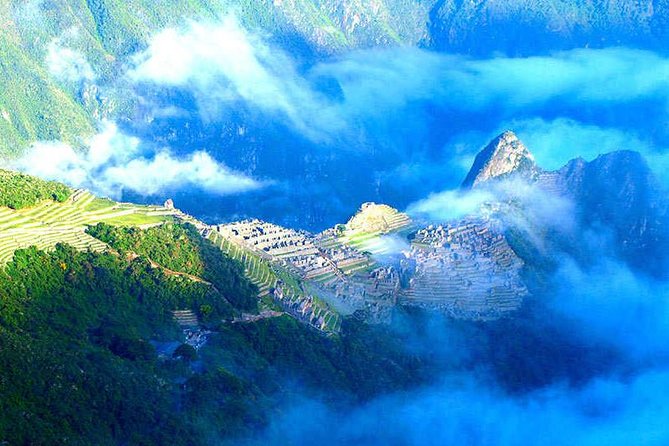
The final morning begins early. You walk for about an hour to Inti Punku, the Sun Gate, where the first view of Machu Picchu opens below you. Weather controls the scene. If clouds cooperate, sunrise over the Andes can be memorable. If not, the entrance still carries weight because you have reached it on foot.
From Inti Punku, it takes about 45 minutes to descend to the upper terraces. This is the best place for the classic first photographs, but do not rush through it. You have just arrived at the view that has motivated four days of walking.
Inside the citadel, your guide leads a tour of temples, ceremonial spaces, terraces, and storage areas. The package includes admission to the main visit, but re-entry requires a new ticket at extra cost. If you want a second circuit after leaving, budget for that before you arrive.
Huayna Picchu and Machu Picchu Mountain are also optional additions. Their tickets cost extra and must be arranged in advance. The itinerary already includes a demanding morning, so add one of these climbs only if you are comfortable with more steep walking.
After the visit, you take the bus down to Aguas Calientes, where lunch and dinner are not included. You then catch the train to Ollantaytambo and continue by private van to Cusco. The full day lasts about nine hours, so do not plan an important evening flight or a tight onward connection.
What the $850 price really covers
The $850 cost is not just paying for a guide and a permit. It includes the practical machinery of a four-day expedition:
- Professional English-speaking guide
- Inca Trail admission
- Bus to Km 82
- Train and bus return to Cusco
- Three breakfasts, three lunches, and three dinners
- Chef and porters
- Personal porter for 5 kilograms
- Tents, sleeping mattress, dining tent, and chairs
- Water after the first four hours of day one
- Hot water each morning
- First-aid kit and oxygen bottle
- Bus from Machu Picchu to Aguas Calientes
That is solid value for a regulated route where permits, food, staff, and transport all need advance planning. You still need to pay for a sleeping bag rental if required, breakfast on day one, lunch and dinner on day four, optional mountain tickets, and travel insurance.
The sleeping bag is not included, but the local operator can rent one. Ask about that during the briefing, which takes place one or two days before departure. The briefing is also the right time to check what goes into your personal porter bag and what stays in your daypack.
Food, porters, and the human side of the trek
The strongest part of this experience may be the trail crew. The cooks receive unusually warm praise for serving fresh, varied, filling food in a camping setting. Dishes are described as carefully prepared and well-seasoned, with enough variety for vegetarians when requested in advance.
The porters, called Chasquis in the supplied material, carry equipment and help make the camp possible. Their work is demanding, and the human side of that support is worth recognizing. You can enjoy the trek more fully when you pack lightly, follow the 5-kilogram limit, and treat the crew with respect.
The guides add another layer. Freddy is praised for sharing Inca history, culture, and personal insight with warmth. Ronald brings enthusiasm for the route and his Peruvian ancestry. Herlin is described as energetic and friendly, while Edwin is praised for preparation and care. Your guide may differ, but the package clearly depends on active guiding rather than simply leading you from one checkpoint to another.
Fitness, altitude, and what to pack
You need moderate physical fitness for this trek. The challenge comes from repeated climbs and descents, high altitude, variable weather, and long days rather than from technical climbing.
The highest point is 4,215 meters, and the trail reaches another major pass at 4,000 meters. If you have heart disease, back problems, or another serious medical condition, this experience is not recommended. Travel insurance is strongly advised.
Pack walking boots, a waterproof jacket or poncho, warm layers, hat, gloves, comfortable trousers, sunscreen of factor 35 or higher, insect repellent, toiletries, hand sanitizer, personal medication, a flashlight with spare batteries, and a camera. Bring your original passport, which is required on the day of the trek. If you are using an ISIC card for a student discount, bring that too.
The tour supplies an inflatable sleeping mattress and hot water each morning. It also supplies an inflatable pillow, but you need to carry it yourself. You need your own water for the first four hours and should keep a rain layer close, not buried in the porter bag.
Who should book this Inca Trail package?
I would choose this trek if you want the historic route, prefer a supported camping trip, and value a local team over a stripped-down independent walk. It suits people who want Machu Picchu to be the final chapter of a physical journey, not simply a day visit.
It is also a good fit if you like having meals, transport, camp equipment, and staff arranged in advance. The small group can make it easier to ask questions and keep a friendly rhythm, though you should confirm the maximum group size because the information gives both 10 and 12.
I would hesitate if you dislike early starts, basic camps, steep steps, unpredictable weather, or long hiking days. The price is fair for what it includes, but it does not remove the effort. The trail still asks you to climb high, descend hard, sleep simply, and manage your own comfort.
Should you book the four-day Inca Trail?
Book it if you want the arrival at Machu Picchu to feel earned. The combination of Inti Punku, ancient ruins, high passes, skilled cooks, personal porter support, and a local guiding team gives the route real substance.
Before paying, confirm the group limit, permit availability, sleeping bag arrangements, dietary needs, and optional mountain tickets. Book at least five months ahead because only 500 people, including guides, porters, and cooks, are allowed onto the trail each morning. If you are fit, prepared, and happy to trade comfort for one of Peru’s great walks, this $850 package offers a well-supported way to do it.
FAQ
How long is the Inca Trail tour?
The trek lasts four days and includes the hike from Km 82 to Machu Picchu, followed by return transport to Cusco.
What time does pickup begin?
The stated start time is 5:00 a.m., with pickup from your hotel in central Cusco.
How high does the trek go?
The highest point is Dead Woman’s Pass at 4,215 meters, or 13,828 feet. The route also reaches Runkurakay Pass at 4,000 meters.
Are meals included?
Breakfast, lunch, and dinner are included for the first three days. Breakfast on day one and lunch and dinner on day four are not included.
Is a sleeping bag included?
No. A sleeping bag can be rented from the local tour operator.
Is a personal porter included?
Yes. A personal porter is included to carry up to 5 kilograms of your gear. You still need to carry the inflatable pillow and your daypack.
Are Huayna Picchu and Machu Picchu Mountain included?
No. Entrance to Huayna Picchu costs extra, and tickets for Huayna Picchu or Machu Picchu Mountain must be pre-booked if you want to add one of those hikes.
What documents do I need?
You need your current original passport on the day of the trek. Bring an ISIC card as well if you are a student seeking the applicable discount.
More Four-Day Trips around Cusco
- 4 Day Inca Trail Trek to Machu Picchu Multi day tour
★ 5.0 · 70 reviews - Salkantay Trek 4 Days to Machu Picchu by Glamping Sky Lodge Dome
★ 5.0 · 68 reviews - 4-Day Inca Jungle Adventure, Mountain Biking, Rafting and Zipline
★ 5.0 · 60 reviews - Salkantay Trek to Machu Picchu in 4 days
★ 4.5 · 50 reviews
Just added around Cusco
- Salkantay 5-Day Trek To Machu Picchu★ 5.0 · 39 reviews
- Classic Choquequirao Trek – 5 Days / 4 Nights★ 5.0 · 52 reviews
- 6 day Rainbow Mountain x Ausangate Trek – FlashpackerConnect★ 5.0 · 30 reviews
- 5 Day – Salkantay trek to Machu Picchu – Group Service★ 4.5 · 27 reviews
- Salkantay Trek To Machu Picchu 5 Days And 4 Nights★ 5.0 · 44 reviews
- Inca Trail Trek to Machu Picchu – 2 Days (Small Group or Private)★ 5.0 · 31 reviews
- Salkantay Trek: 5 Days to Machu Picchu★ 5.0 · 33 reviews
- Salkantay Trek Standard 5D/4N★ 5.0 · 48 reviews
Cusco Hiking Tours, compared.
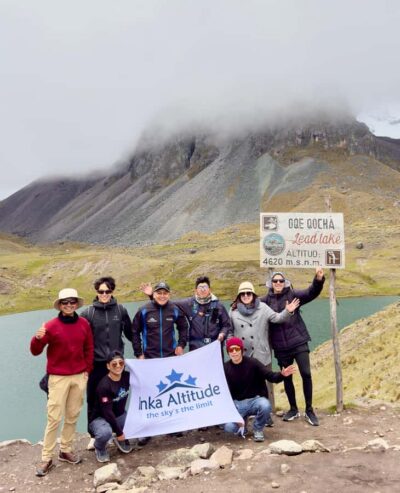
7 Lakes Ausangate Trek with Breakfast and Lunch
Read our review →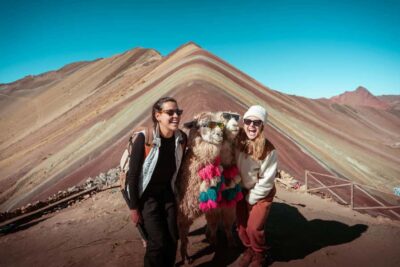
Rainbow Mountain Tour and Red Valley Hike (Optional)
Read our review →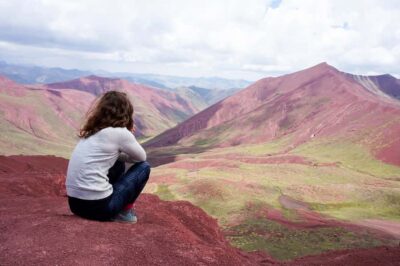
Full-Day Rainbow Mountain & Red Valley Trekking Tour
Read our review →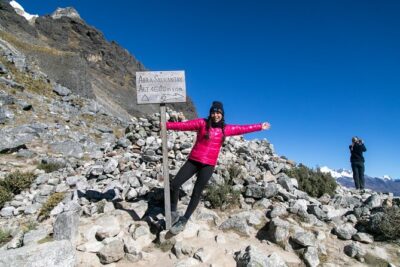
Private Palccoyo Rainbow Hike Without the Crowds
Read our review →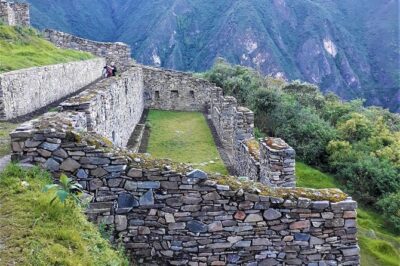
Machu Picchu: 5-Day Salkantay Trek with Panoramic Train
Read our review →Browse the lists this tour appears in