
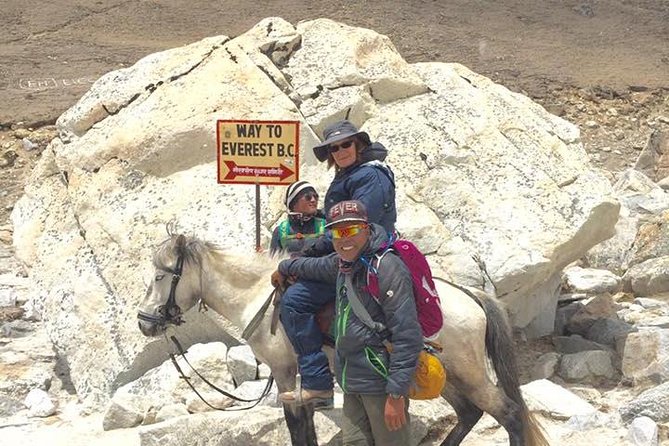
REVIEW · KATHMANDU HIKING TOURS
12 Days Everest Base Camp Trek
Everest starts with a small plane. This 12-day trek takes you from Kathmandu to Lukla, through Sherpa villages and high mountain valleys, and finally to Everest Base Camp and Kala Patthar. I like the guided route and the built-in acclimatization days, which make a demanding trek easier to manage. I also like that flights, permits, porters, trekking accommodation, and transfers are arranged for you.
The main caution is the pace. You will spend long days walking at altitude, often for 5 to 6 hours and sometimes much longer. The package details also contain a few points worth confirming before payment, especially Kathmandu accommodation and which meals are included.
The price of $1,099 is appealing for a guided Everest Base Camp trip. Just remember that personal equipment, insurance, Kathmandu accommodation, and some meals may add to the final cost. Guides such as Mingmar, Khilraj, Dawa Sherpa, Santosh, Sonam, and Indra receive repeated praise for their care and support.
Key points to know before you book
- You fly to Lukla and finish at Everest Base Camp: The route follows the classic Khumbu approach, with return flights included.
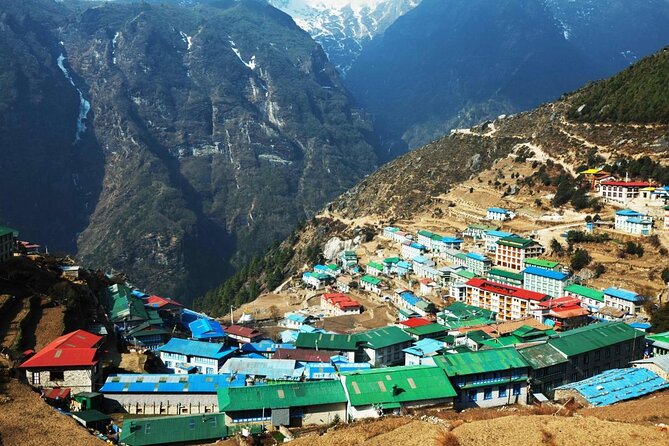
- Two acclimatization days are built in: You spend extra time in Namche Bazaar and Dingboche, with optional hikes to higher viewpoints.
- Kala Patthar adds the best mountain viewpoint: An early start brings sunrise views after your Base Camp visit.
- A porter is shared by two people: This reduces the weight you carry, but you still need a daypack with essentials.
- The group can reach 30 people: Ask how your walking group and guide team will be organized.
- High-altitude lodging is basic: Tea houses provide shelter and meals, but comfort becomes simpler higher up.
What this Everest trek really involves
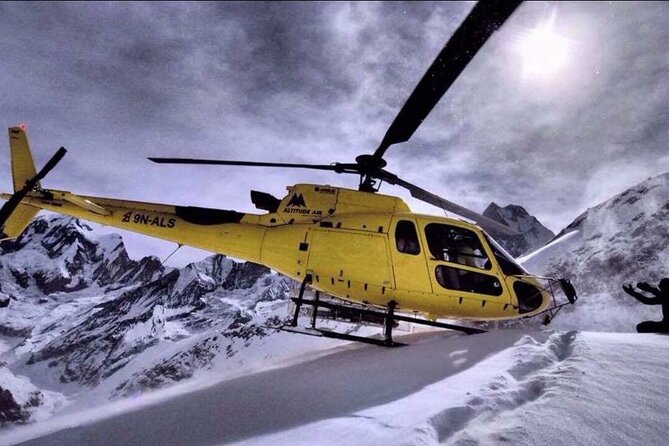
Everest Base Camp is not a sightseeing stop you reach by vehicle. You walk there, one long day after another, while the air gets thinner and the trail turns rougher. This trip uses the standard route through Sagarmatha National Park, with nights in tea houses and regular climbs and descents.
You will not need route-finding skills, since a licensed English-speaking guide leads the group. That matters on a busy mountain trail with changing weather, confusing side paths, and high-altitude decisions. The guide also helps with daily pacing, accommodation, and practical problems.
The experience is aimed at active people with moderate fitness and some mountain walking experience. It is not a casual holiday with a few scenic walks added. You need to be ready for long walking days, basic rooms, cold conditions, and the possibility that mountain weather affects the flight schedule.
More Everest Base Camp Treks in Kathmandu:
- Everest Base Camp Trek – 14 Days
★ 5.0 · 1,499 reviews - Everest Base Camp Trek
★ 5.0 · 842 reviews - Everest Base Camp Trekking
★ 5.0 · 485 reviews
Day 1: The Lukla flight and the walk to Phakding
The trip begins with a flight from Kathmandu, or sometimes from Ramechhap, to Lukla. The flight takes about an hour and delivers you to the gateway of the Everest region. Flights are included for the trekking crew as well as for you.
Lukla is where the walking begins. The trail descends through pine forest and Sherpa villages before reaching Phakding. The stated first-day schedule is extremely long, so you should ask for the exact walking plan and expected arrival time. The route itself is a gentle introduction compared with later days, but you will already be adjusting to the altitude and the change in routine.
Phakding is a sensible first night because it lets your body begin adapting without pushing directly toward Namche Bazaar. You stay in a tea house, where accommodation is practical rather than luxurious. Use the remaining daylight for a short look around, then rest. The next days demand more from your legs.
Day 2: Suspension bridges and the climb to Namche Bazaar
The path follows the Dudh Koshi River through pine forest, crossing suspension bridges and passing the Monjo checkpoint. Here, your Sagarmatha National Park entry is verified before you continue toward Jorsalle.
The major challenge comes after the Tenzing Hillary Suspension Bridge. From there, you climb steadily toward Namche Bazaar. The route brings views of Thamserku, Everest, and other peaks, but the climb can feel slow because the air is already thinner.
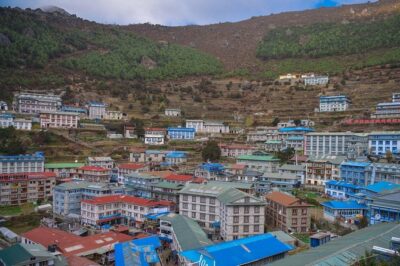
Namche is the commercial center of the Khumbu region. You will find shops, restaurants, government offices, and ATMs, along with plenty of trekkers and local activity. It is a good place to check your clothing, batteries, and snacks before the trail becomes more remote.
Day 3: Acclimatizing above Namche
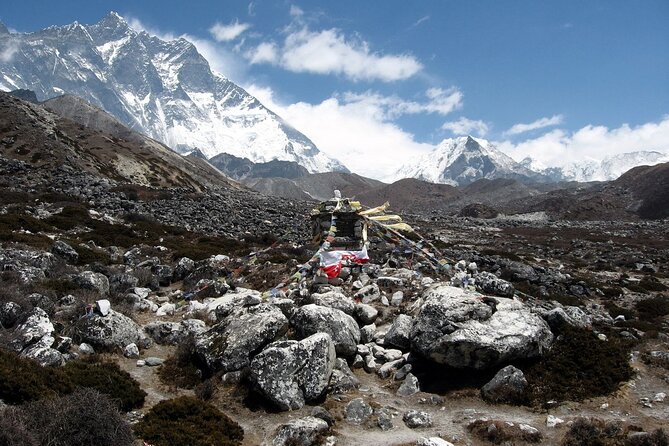
The first acclimatization day is not simply a day off. You stay in Namche, sleep at the same altitude, and take a shorter hike to Syangboche and the Hotel Everest View area.
This outing gives you a high viewpoint without the commitment of moving camp. On a clear day, you can see Everest and several surrounding peaks. The climb also helps your body adjust gradually, which is why this day is more valuable than rushing onward.
Namche has some of the best practical facilities on the route. You can use an ATM, buy supplies, eat in a restaurant, or replace a small item of trekking gear. Do not treat the day as a shopping break alone. Take it slowly, drink water, and follow your guide’s advice about altitude symptoms.
A few more hikes around Kathmandu worth a look
- Nagarkot Sunrise View and Day Hiking from Kathmandu
★ 5.0 · 471 reviews - Annapurna Circuit Trek with Tilicho Lake
★ 5.0 · 368 reviews - Everest Base Camp Trekking – 13 Day
★ 5.0 · 365 reviews - Everest Base Camp Trek
★ 5.0 · 350 reviews
Day 4: Tengboche Monastery and Deboche
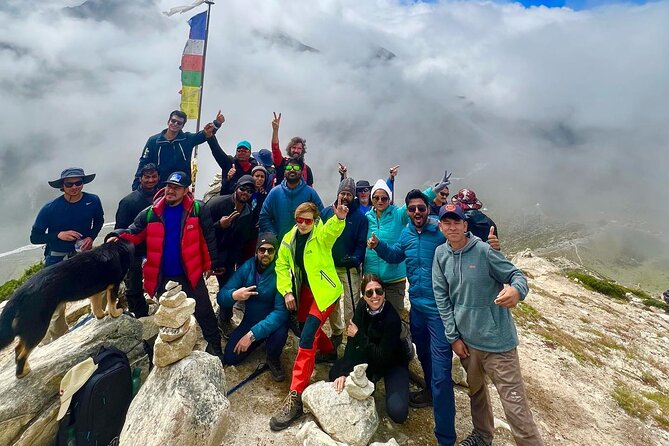
From Namche, the trail heads toward Tengboche, home to the largest monastery in the Everest region. The route brings forest, mountain views, and a steady change in scenery as you leave the lower Khumbu behind.
Tengboche is one of the cultural highlights of the trek. The monastery gives the walk a stronger sense of place than a simple mountain viewpoint would. Take time to appreciate the setting and the religious importance of the site.
After Tengboche, you continue to Deboche, crossing the Imja River before checking into a tea house. The day is described as a 5 to 6 hour ascent to Tengboche, followed by the onward walk, so the total effort may feel substantial. Keep your pace even and save energy for the days ahead.
Day 5: Through rhododendron forest to Dingboche
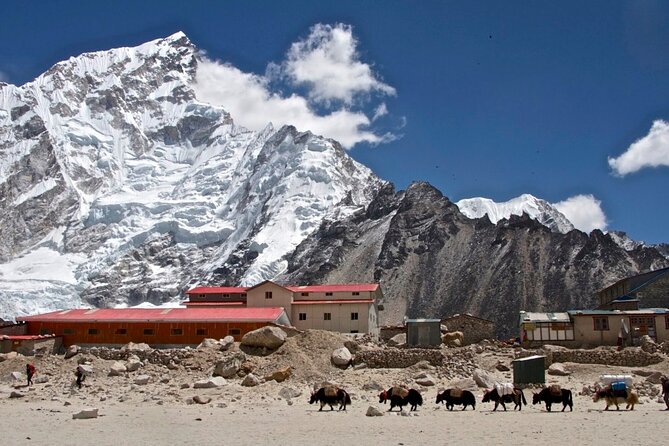
The trail descends through birch, conifer, and rhododendron forest before continuing into the Imja Valley. You also pass the Lobuche River and climb toward Dingboche.
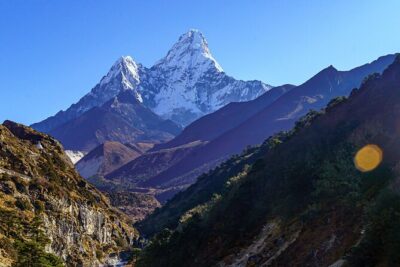
This section gives you some of the finest mountain views of the route, including Everest, Lhotse, and Ama Dablam. Ama Dablam is especially striking from the trail, with a shape that quickly becomes familiar as you move higher.
Dingboche is an important stopping point because the altitude becomes a serious factor from here onward. The walking may still seem manageable, but recovery takes longer and appetite, sleep, and breathing can change. Eat what you can, keep warm, and do not measure your strength by how you felt at sea level.
Day 6: A second acclimatization day in Dingboche
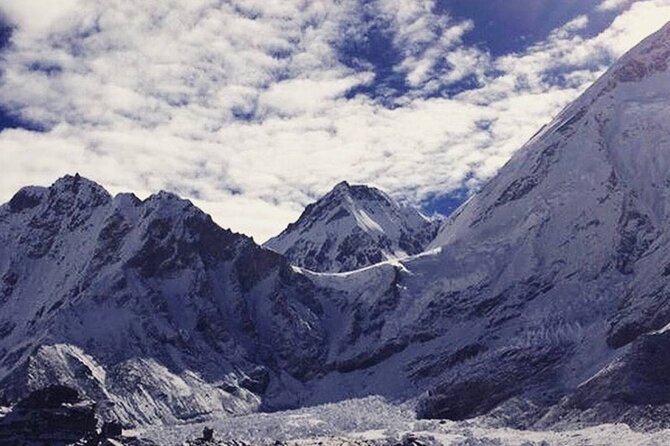
The second acclimatization day gives your body another chance to adjust before the high section. You can rest in Dingboche or hike toward Nangkartshang Peak.
The viewpoint offers views toward Makalu, Lhotse, Cholatse, Tawache, and Ama Dablam. This is a useful example of how acclimatization works on the trek: you climb higher during the day, then return to sleep at the same elevation.
Nangkartshang is optional, so listen to your body. If you have a headache, unusual tiredness, or other altitude concerns, resting is the wiser choice. A successful Base Camp trek is not a contest to collect every viewpoint.
Day 7: Thukla Pass and Lobuche
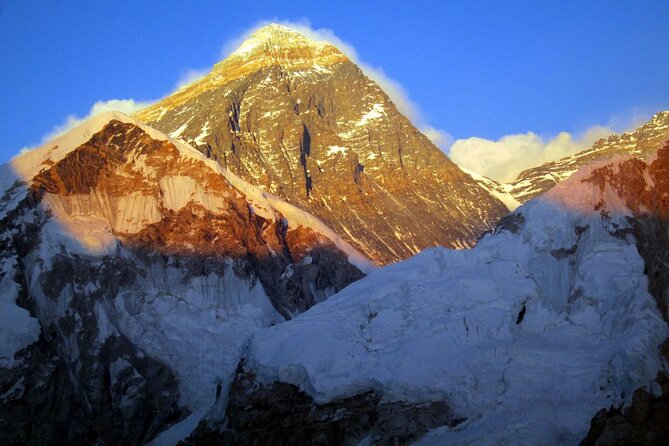
The route from Dingboche to Lobuche becomes rougher and more exposed. You climb toward Thukla Pass, stop for lunch, and continue through high-altitude terrain toward Lobuche.
Thukla provides broad views toward Pumori and Nuptse. It is also a place where the seriousness of the expedition becomes more apparent. The trail feels less like a village walk and more like a route through a severe mountain environment.
By Lobuche, the air is thin and the nights are colder. The accommodation is basic, and you should expect less comfort than in Namche. Keep your sleeping bag, warm layers, water, and headlamp close at hand rather than buried in a porter’s bag.
Day 8: Gorakshep and Everest Base Camp
You leave Lobuche and walk toward Gorakshep, the last settlement before Everest Base Camp. The trail is rocky, and the effort increases even if the distance does not look dramatic on a map.
After checking into the tea house and eating lunch, you continue toward Base Camp along the Khumbu Glacier. Reaching the camp is the emotional high point of the route. You can take photographs and spend time appreciating what it took to get there.
The return to Gorakshep is part of the same day, making this a demanding out-and-back walk. The schedule lists a very long day, and you should expect fatigue by the time you return. Base Camp itself is not a permanent village or a comfortable viewpoint. It is a rough, high-altitude staging area whose appearance can change with the climbing season.
Day 9: Sunrise at Kala Patthar and the descent to Pheriche
The early start for Kala Patthar is worth taking seriously. You climb before breakfast to catch sunrise over the Himalayas, then return to Gorakshep before descending.
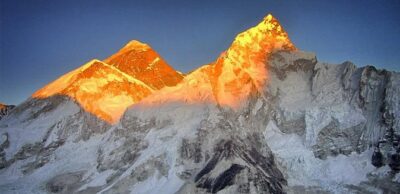
Kala Patthar is often the strongest viewpoint of the whole trek. From here, the scale of Everest, Nuptse, Pumori, and nearby peaks is easier to appreciate than from Base Camp. Base Camp gives you the achievement; Kala Patthar gives you the wider mountain view.
After breakfast, you descend toward Pheriche, stopping for lunch around Lobuche or Thukla. Going lower usually feels like a relief. Breathing becomes easier, and the trail eventually feels less demanding, though tired knees can make downhill walking surprisingly hard.
Days 10 and 11: Returning through Namche to Lukla
The descent to Namche retraces familiar ground through villages and forest. You will notice the route differently on the way down, partly because you can look around without constantly watching the next uphill step.
The following day takes you from Namche to Lukla, passing through Phakding and across suspension bridges. This is still a long walking day, but the lower altitude helps. It is also your last chance to enjoy the familiar mountain views before leaving the Khumbu.
The final night is in Lukla, usually after a full day on foot. Build in patience here. Your return flight depends on mountain weather, and the plan may change if conditions are poor. A flexible attitude is part of trekking in the Himalayas.
Day 12: Flying back to Kathmandu
The final morning flight returns you to Kathmandu, followed by a transfer to the trip hotel. Domestic mountain flights can be affected by weather, so avoid scheduling an important international connection immediately afterward unless you have a generous buffer.
The package includes airport and hotel transfers, which removes one common source of confusion after a tiring trek. Still, confirm exactly where you will stay in Kathmandu, since the details say both that a night at Gokarna Forest Resort is included and that Kathmandu accommodation is not included.
What the $1,099 price includes
For $1,099 per person, the value is strongest if you need a guided, organized route rather than a completely independent trek. The package includes:
- Flights between Kathmandu or Ramechhap and Lukla
- Airfare for the trekking crew
- A licensed English-speaking guide
- One porter for every two people
- Guesthouse accommodation during the trek
- Breakfast on a twin-sharing basis
- Sagarmatha National Park fees
- Lukla entrance fees and local taxes
- Hotel and port pickup and drop-off
- A first-aid kit
- Duffle bags if needed
- Government taxes and office expenses
The porter arrangement is useful, but it does not mean you walk empty-handed. Keep valuables, water, clothing for the day, medication, and anything you may need quickly in your own daypack.
The food details need clarification. One part of the information says meals are included, while the detailed inclusions specify breakfast only. Another section says breakfast, lunch, dinner, and drinks are not included. Ask the company to confirm the exact meal plan before booking.
You also pay separately for personal clothing and equipment, travel insurance, alcoholic drinks, and possibly Kathmandu accommodation. A one-night stay at Gokarna Forest Resort is described as included, so ask whether this applies to your departure date and package.
How the guiding and group setup affect the experience
The group may include up to 30 people. A large group can be social and reassuring, especially if you are trekking alone, but it may also move at different speeds. Ask how many guides and porters will accompany your particular departure and how the group handles different walking abilities.
The strongest personal praise is directed toward the guide team. Mingmar and Khilraj are repeatedly singled out for professional care, while Dawa Sherpa is praised for support and daily guidance. Santosh and Sonam also receive warm comments for keeping groups organized and helping with accommodation, food, and practical needs. Indra is praised for being friendly, informed, and attentive throughout the route.
That consistency matters more than polished marketing. At altitude, a guide’s judgment, patience, and attention to your condition can shape the entire trip. You should still carry suitable insurance and follow medical advice, since a guide cannot remove the risks of high-altitude trekking.
Who should book this trek?
I would recommend it to an active person who wants Everest Base Camp without arranging every permit, flight, tea house, and porter independently. It also suits a solo trekker who wants the company of a group and the security of a guide.
You should be comfortable walking for several hours on consecutive days. Some days are listed as 12 or 15 hours, although those figures may include the full daily schedule rather than continuous walking. Ask the operator for estimated walking hours, elevation gains, and rest stops.
I would not choose this package if you want hotel comfort, a private walking group, or a relaxed pace. The tea houses become increasingly basic at high altitude, and the route demands patience. You also need travel insurance and the original passport.
Cancellation terms are strict close to departure. Cancellation at least six full days ahead qualifies for a full refund, while cancellation two to six full days ahead qualifies for 50 percent. Less than two full days means no refund. Poor weather cancellation offers either another date or a full refund.
FAQ
How long is the Everest Base Camp trek?
The experience is scheduled for approximately 12 days, from the flight to Lukla through the return flight to Kathmandu.
Are flights to Lukla included?
Yes. Round-trip domestic flights between Kathmandu or Ramechhap and Lukla are included, along with airfare for the trekking crew.
Are permits and national park fees included?
Yes. The package includes Sagarmatha National Park fees, Lukla entrance fees, local taxes, and government office expenses.
Is accommodation included during the trek?
Yes. Guesthouse accommodation during the trekking days is included on a twin-sharing basis, with breakfast listed as included.
Is Kathmandu accommodation included?
The details are inconsistent. One section includes a one-night stay at Gokarna Forest Resort, while another says Kathmandu accommodation is not included. Confirm this directly before booking.
Do I need previous trekking experience?
The trip is described as best suited to active people with moderate physical fitness and some mountain trekking experience. You should be prepared for long walking days and high altitude.
How many people can join the group?
The maximum group size is 30 people.
Should you book it?
Book this trek if you want a sensibly structured route, strong guide support, included permits, and a porter arrangement at a competitive price. The acclimatization days, Kala Patthar sunrise, and classic route through Namche, Tengboche, Dingboche, and Lobuche give you the full Everest Base Camp experience.
Before paying, get written confirmation about meals, Kathmandu accommodation, the exact flight airport, group size, and expected walking hours. If those points are clear, the $1,099 price offers good value for a demanding but carefully organized Himalayan trek.
Just added around Kathmandu
- Kathmandu: 15-Day Everest Base Camp Trek with Guide★ 4.3 · 12 reviews
- 14 Days Private Tour Everest Base Camp Trek★ 5.0 · 105 reviews
- Kathmandu: Nagarkot Sunrise & Hike with Lunch -Private/Group★ 4.9 · 122 reviews
- 4 Days Poon Hill Trek★ 5.0 · 94 reviews
- Langtang Valley Trek★ 5.0 · 140 reviews
- Annapurna Circuit Trek with Tilicho Lake (16 Days)★ 5.0 · 15 reviews
- Manaslu Circuit Trek★ 5.0 · 184 reviews
- Annapurna Circuit with Tilicho Lake Trek★ 5.0 · 25 reviews
Kathmandu Hiking Tours, compared.
Nagarkot Sunrise View and Day Hiking from Kathmandu
Read our review →
Browse the lists this tour appears in