
REVIEW · KATHMANDU HIKING TOURS
Everest Base Camp Trekking – 2025/2026
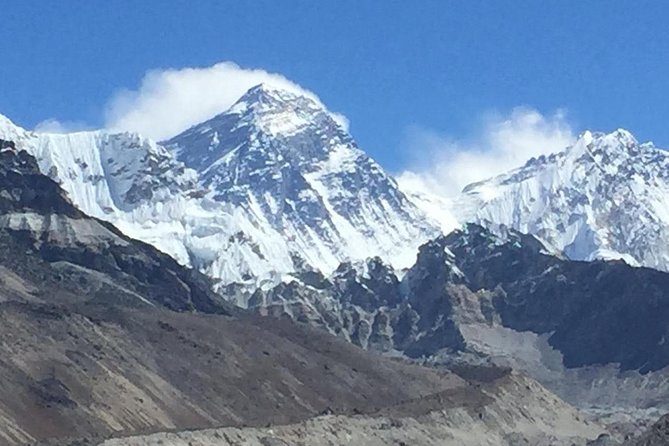
Everest begins with a small plane. This private 14-day trek from Kathmandu takes you through Sherpa villages, Buddhist monasteries, and the high valleys beneath the world’s tallest peaks. I like the included Lukla flights and permits, which remove two major planning chores, and I like the private guide setup, which lets you walk at your own pace. The main catch is altitude: this is a serious high-mountain hike, not a casual holiday walk.
I also like the practical support, including lodge accommodation, full-board trekking meals, water purification tablets, and a porter shared between two trekkers. Guides such as Sujal and Samir have received especially warm praise for clear communication, care, and mountain support. Still, you should expect basic rooms, shared bathrooms at higher elevations, cold nights, possible flight delays, and extra charges for showers, Wi-Fi, snacks, drinks, and hot water.
Key points before you book
- Lukla flights are included: Domestic flights from Kathmandu or Manthali to Lukla and back are part of the package, though poor weather can still delay them.
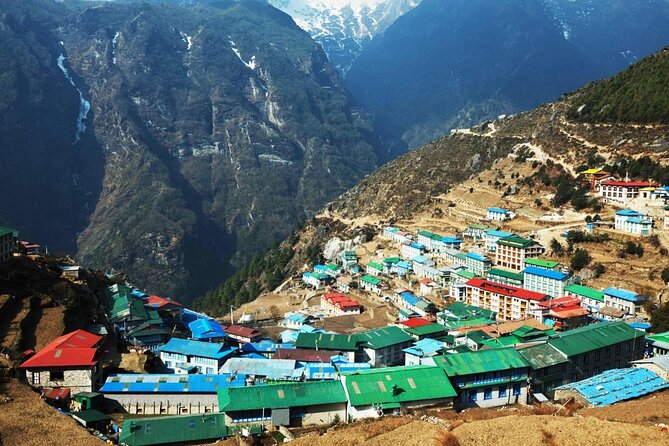
- The route reaches Everest Base Camp: You walk through Phakding, Namche Bazaar, Pangboche, Lobuche, and Gorak Shep before returning by the same general route.
- Private guiding keeps the pace flexible: Your own group can stop, walk slowly, or take breaks without matching a large tour party.
- The price covers the essentials: At $1,339.20 per person, the package includes permits, trekking lodges, a guide, porter support, flights, and breakfast, lunch, and dinner during the trek.
- Comfort is simple above the tree line: Expect clean, basic lodges, warm blankets, and mattresses, but not hotel standards or private bathrooms everywhere.
- Fitness matters more than technical skill: You need stamina for roughly three to five hours of walking most days, but no climbing skills, ropes, or crampons are required.
What the $1,339.20 price really buys you
At $1,339.20 per person, this trek offers solid value if you want the main costs handled in advance. The price includes private transport, the domestic flights, an English-speaking government-licensed guide, trekking lodge accommodation, meals during the route, Everest National Park fees, and the TIMS card.
That bundle matters in Nepal. A Lukla flight is not just a quick transfer. It is the gateway to the Khumbu, and arranging flights, permits, rooms, meals, and mountain staff on your own takes time and local knowledge. Here, those pieces are put together for you.
The package also includes one porter for every two trekkers, with a stated luggage limit of 18 kilograms. That is a useful arrangement because you carry a daypack while the porter handles the larger load. You can ask for an individual porter if needed, but confirm any extra cost before departure.
The price does not include international flights, a Nepal entry visa, travel insurance, extra Kathmandu accommodation or meals, alcoholic drinks, snacks, Wi-Fi, showers, hot and cold drinks, bottled water, or hot water. Those small purchases can add up in the mountains. Carry enough Nepalese rupees for personal spending, since you should not assume every lodge accepts cards.
A four or five-star Kathmandu hotel is possible at extra cost. The standard arrangement uses twin-sharing accommodation, with a single supplement for solo visitors. Ask exactly how many Kathmandu nights are included, because the details supplied focus more clearly on the trekking section than on the nights before and after it.
More Everest Base Camp Treks in Kathmandu:
- Everest Base Camp Trek – 14 Days
★ 5.0 · 1,499 reviews - Everest Base Camp Trek
★ 5.0 · 842 reviews - Everest Base Camp Trekking
★ 5.0 · 485 reviews
Kathmandu arrival, permits, and the first morning
Your arrival day starts with an airport welcome and transfer to a Kathmandu hotel. An evening introduction to the trek is planned, giving you a chance to meet the guide and sort out the next morning’s departure.
The stated meeting time is 7:15 a.m. That early start makes sense because flights to Lukla operate on mountain schedules and can be affected by weather. Your exact routing may use Kathmandu or Manthali for the flight, so ask the operator where you will depart from and whether a road transfer is needed.
Kathmandu is also the right place to check your equipment. Make sure your boots are comfortable, your rain layer is easy to reach, and your passport copies and insurance details are stored safely. The company can provide a down jacket and sleeping bag on rent, but confirm sizes and availability before you arrive.
Lukla to Phakding: a short first taste of the Khumbu
The flight to Lukla is brief, listed at about 35 minutes for the return journey, but the change in setting is dramatic. From Lukla, you begin walking toward Phakding at about 2,652 meters, with roughly three hours of trekking planned.
This first day is useful because it gives your body time to adjust before the route climbs higher. You pass through mountain settlements and begin following the trail along the valley. The walking time is modest by Everest Base Camp standards, though uneven paths and the excitement of the first day can still make it feel busy.
Phakding is a practical overnight stop rather than the main prize of the trek. Lodge accommodation is basic but intended to be clean and comfortable, with blankets, pillows, and mattresses. Do not expect thick hotel-style bedding or the same facilities you would have in Kathmandu.
Namche Bazaar and the first real altitude test
The walk from Phakding to Namche Bazaar covers about 10 to 12 kilometers and takes around five hours. Namche sits at approximately 3,440 meters, listed here as 11,283 feet, and marks the point where altitude becomes a serious part of the trip.
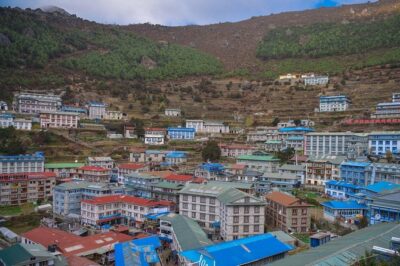
Namche is one of the most important stops on the route. It is a Sherpa trading town, a place to rest, eat, and get a better sense of life in the Khumbu. The approach involves rugged trail sections and a steady climb, so the guide’s role becomes more valuable here. You are less likely to lose the route, and you have someone watching your pace and condition.
The supplied schedule appears to move from Namche to Pangboche the next day, but the full trek is described as about 14 days and the route outline does not list every day. Ask for the final day-by-day schedule, including any acclimatization day. At this altitude, an extra rest day can be very important, and you should not assume that a shorter outline shows the complete operating plan.
A few more hikes around Kathmandu worth a look
- Nagarkot Sunrise View and Day Hiking from Kathmandu
★ 5.0 · 471 reviews - Annapurna Circuit Trek with Tilicho Lake
★ 5.0 · 368 reviews - Everest Base Camp Trekking – 13 Day
★ 5.0 · 365 reviews - Everest Base Camp Trek
★ 5.0 · 350 reviews
Pangboche: monasteries, villages, and mountain views
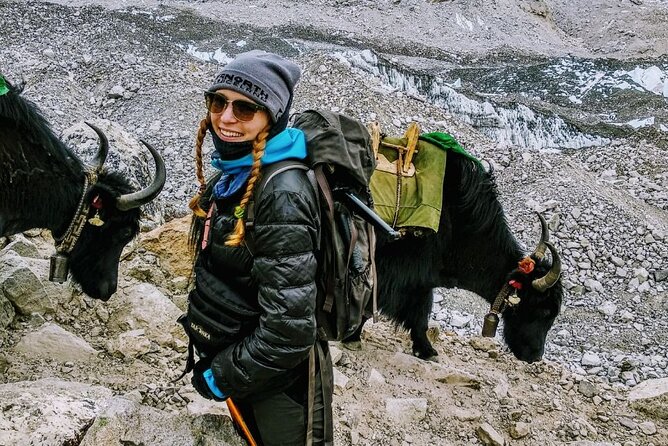
The trek from Namche to Pangboche takes about five hours. Pangboche is a good place to experience the human side of the route, with Sherpa settlements and Buddhist traditions woven into daily life.
The company encourages you to visit local villages and learn about Sherpa culture from the guide. That is one of the better reasons to choose a guided trip rather than simply treating the route as a long exercise. You get context for the monasteries, homes, prayer traditions, and work that support life in the high valleys.
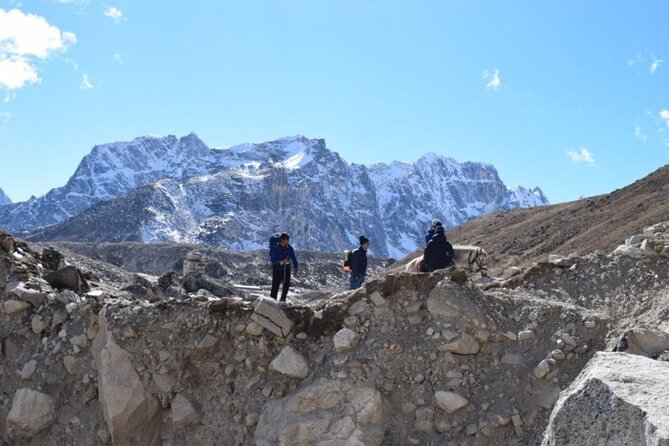
At the same time, the trail is not easy. You will be walking on rugged ground, often with frequent short rests rather than one long break. The suggested pattern is 45 minutes to an hour of walking followed by three or four minutes of rest. That steady rhythm is sensible at altitude, even if it feels slow at first.
Pangboche to Lobuche: where the air gets thin
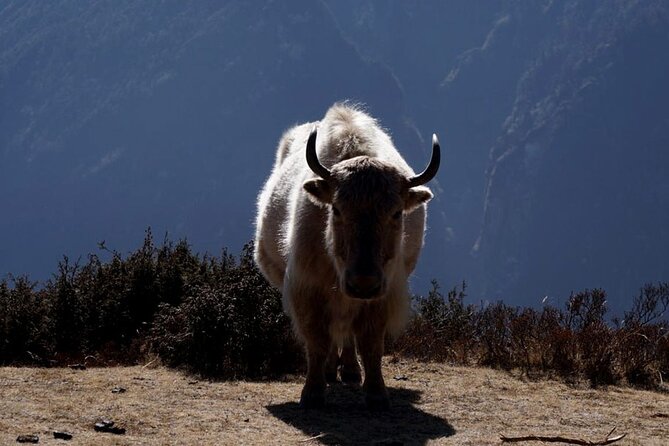
The route from Pangboche to Lobuche is listed at about five hours. Lobuche sits much higher than the lower villages, so the same walking time can feel far harder. You are now dealing with cold, thinner air, and less forgiving terrain.
This is where patience becomes more useful than speed. The company says you can walk at your own pace, but you should still ask how the guide handles altitude symptoms and what happens if you need to slow down or stop. A private trip gives you more flexibility, but it does not remove the physical demands.
Meals are taken at the lodge or a selected tea house along the route. The menu may include dal bhat, vegetable dishes, soups, potatoes, noodles, rice, pasta, pizza, eggs, bread, and apple pie. Garlic, potato, and onion soups are suggested as sensible choices, while meat is not recommended because storage and hygiene can be less reliable at high altitude.
Gorak Shep and the walk to Base Camp
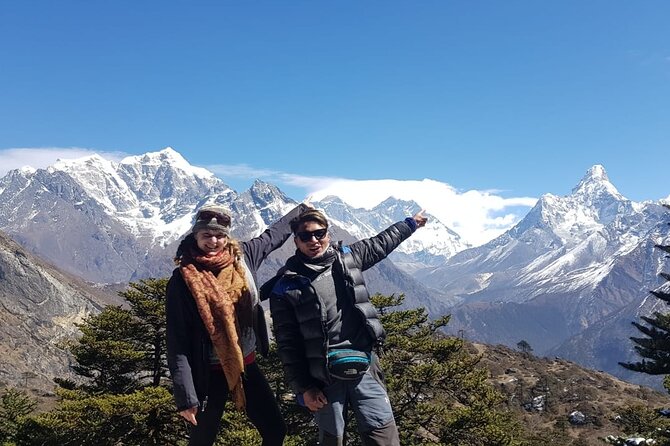
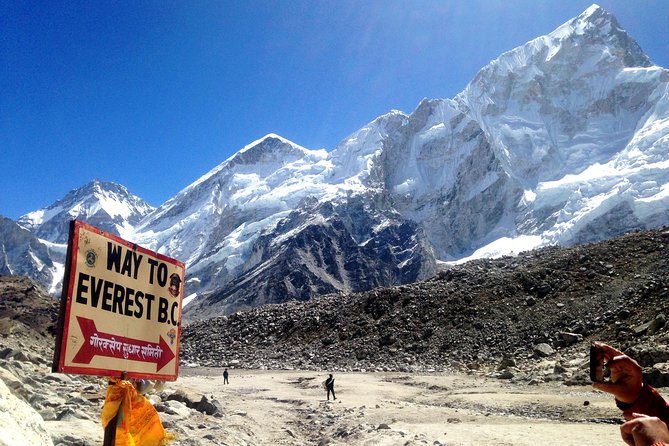
From Lobuche, you continue to Gorak Shep, then walk to Everest Base Camp before returning to Gorak Shep. The schedule lists this section at around five hours, though the actual effort depends on trail conditions, your pace, and how long you stop for photographs.
Gorak Shep is the final settlement before Base Camp and a basic overnight point. Facilities are limited, rooms may not have attached bathrooms, and the cold is part of the deal. You should view this stop as a functional mountain base rather than a comfortable retreat.
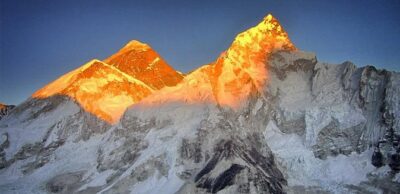
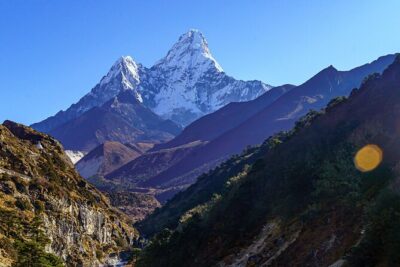
The walk to Everest Base Camp is the emotional high point. You are surrounded by high Himalayan peaks and the rough terrain of the Khumbu, with plenty of reasons to stop and take photographs. The famous mountain views are the reward, but Base Camp itself is not a resort or a permanent city. The value lies in reaching this demanding place on foot and seeing the setting that supports major expeditions.
The supplied information does not mention a climb of Kala Patthar or a summit viewpoint, so do not assume either is included. If that is important to you, ask before booking.
The return through Pangboche, Namche, and Lukla
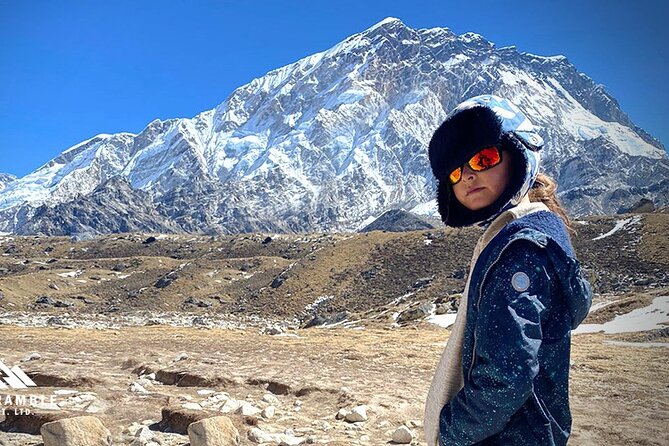
After Base Camp, the trek heads back toward Pangboche, then Namche Bazaar, and finally Lukla. The listed return from Namche to Lukla takes about five hours, though the full descent is not shown in every detail.
Going downhill is not automatically easy. Tired legs, loose stones, and long descents can be hard on your knees. Trekking poles are optional, but I would consider them useful for balance, especially if rain or snow makes the trail slick.
Namche gives you a welcome return to lower altitude and a livelier lodge scene. Pangboche offers another chance to visit local settlements and enjoy the mountain views without the same urgency as the ascent. By Lukla, you may be tired but also relieved to have completed the high section.
The flight back to Kathmandu is listed at about 35 minutes. Build flexibility into your plans after the trek. Weather can disrupt Lukla flights, and the cancellation terms specifically note that poor weather may require a new date or a refund if the experience cannot operate.
A typical day, from wake-up tea to dinner
The daily rhythm is simple and repetitive. Around 6 a.m., your guide or porter brings wake-up tea. You pack your bag, eat breakfast around 7 a.m., stretch for about five minutes, then begin walking.
The morning usually includes two or three hours before lunch. Lunch is generally around noon or 1 p.m. and lasts about 40 minutes. After lunch, you walk another two or three hours to the lodge.
Once you arrive, you can rest while the guide arranges dinner. You are asked to place your dinner order before 5 p.m., then you can read, shower if one is available, visit a Sherpa settlement, or simply sit with a hot drink.
After dinner, the guide briefs you on the next day. This routine is one of the practical strengths of guided trekking. You are not left guessing about distance, meal times, or the next morning’s start.
Lodges, meals, water, and personal costs
The trekking lodges provide basic rooms with blankets, pillows, and mattresses. Attached bathrooms may be arranged in some places, but at higher elevations you may need to share. The company is clear that mountain accommodation does not match Kathmandu hotel standards.
Full-board meals are included during the trek, with breakfast, lunch, dinner, and main-course hot drinks. The menu is broader than you might expect, but simple food is often the best choice when you are cold, tired, or adjusting to altitude.
Water is available along the route. Bottled water may cost around $2 to $3 per liter, while tap water can be free if purified. Water purification tablets are included, so bring a proper reusable bottle, ideally one that can handle hot water. Staying hydrated is a daily job, not an afterthought.
Showers, hot water, Wi-Fi, snacks, soft drinks, alcohol, and extra tea or coffee cost extra. Keep your personal kit compact, but bring sunscreen rated SPF 40 or higher, sunglasses, a warm hat, gloves, a headlamp, a rain layer, fleece, quick-drying shirts, trekking trousers, sturdy boots, toiletries, and a first aid kit.
How fit do you need to be?
This is described as a moderate trek for people able to walk about three to five hours a day. It is nontechnical, so you do not need climbing skills, ropes, oxygen cylinders, or specialist mountaineering equipment.
That does not mean it is easy. The route reaches high altitude, and the cold, uneven trails, repeated climbs, and long return days can test anyone. Start preparing with walking, stairs, jogging, cycling, swimming, or gym work before you arrive. The goal is steady stamina rather than a single heroic workout.
A guide can help you pace yourself, but you remain responsible for your health. Travel insurance is not included, and it should cover trekking at the altitude you will reach. The supplied equipment list includes Diamox and other medicines, but discuss medication with a medical professional rather than treating a packing list as medical advice.
The people who make the trip work
The provider uses trained local guides and porters, with staff from mountain areas. That matters because the guide is not only a pathfinder. You also rely on that person for pacing, lodge coordination, meal timing, local customs, and daily briefings.
Past trips have highlighted guides including Dil, Sujal, Samir, and Sherpa Manish for care, clear communication, and practical help. Guide assignments can change, so treat those names as examples rather than a guarantee. The important question is whether the company confirms who will lead your departure and how many people will be in your private group.
The porter policy is a positive point. One porter normally carries luggage for two trekkers, and the stated limit is 18 kilograms. Pack within that limit and avoid treating porter support as a reason to bring everything from home.
Should you book this Everest Base Camp trek?
Book it if you want a private, guided route with the major trekking costs bundled together, and if you are prepared for basic lodges, cold conditions, high altitude, and possible flight disruption. The included Lukla flights, permits, meals, lodge stays, guide, and porter support make the $1,339.20 price appealing.
Think twice if you want hotel comfort, a fixed timetable, private bathrooms every night, or a gentle walking holiday. Before paying, ask for the complete 14-day schedule, the acclimatization plan, the Kathmandu hotel details, the exact flight departure point, group size, porter arrangements, and what happens if altitude illness interrupts the trek.
With those points confirmed, this is a practical way to reach Everest Base Camp while spending your time on the trail rather than on logistics.
FAQ
How long is the Everest Base Camp trek?
The experience is advertised as approximately 14 days. The route details cover arrival in Kathmandu, trekking from Lukla to Everest Base Camp and back, and the return flight to Kathmandu. Ask for the final day-by-day schedule because not every day is shown in the outline.
Is the flight to Lukla included?
Yes. Domestic flights from Kathmandu or Manthali to Lukla and the return flight are included.
Are meals included during the trek?
Yes. Breakfast, lunch, and dinner are included on a full-board basis during the trekking section. Extra snacks, alcoholic drinks, and some hot and cold drinks are not included.
Is accommodation included?
Yes. Trekking lodge accommodation is included, generally on a twin-sharing basis. Rooms are basic, and shared bathrooms may be necessary at higher elevations.
Do I need climbing experience?
No. This is described as a nontechnical trek and does not require climbing skills, ropes, oxygen cylinders, or technical equipment.
How fit should I be?
You should have a moderate fitness level and be able to walk roughly three to five hours per day on rugged terrain at high altitude. Walking, stair climbing, jogging, cycling, swimming, and similar preparation are recommended.
Is a guide included?
Yes. An experienced, government-licensed, English-speaking local guide is included. The trek is private, so only your group participates.
Is a porter included?
Yes. One porter is normally provided for every two trekkers, with luggage limited to 18 kilograms. Extra porter support may be available if requested.
What is the cancellation policy?
You can receive a full refund if you cancel at least 24 hours before the local start time. Cancellations or changes within 24 hours are not refunded or accepted. If poor weather or insufficient numbers cause cancellation, you are offered another date, another experience, or a full refund.
Just added around Kathmandu
- Kathmandu: 15-Day Everest Base Camp Trek with Guide★ 4.3 · 12 reviews
- 14 Days Private Tour Everest Base Camp Trek★ 5.0 · 105 reviews
- Kathmandu: Nagarkot Sunrise & Hike with Lunch -Private/Group★ 4.9 · 122 reviews
- 4 Days Poon Hill Trek★ 5.0 · 94 reviews
- Langtang Valley Trek★ 5.0 · 140 reviews
- Annapurna Circuit Trek with Tilicho Lake (16 Days)★ 5.0 · 15 reviews
- Manaslu Circuit Trek★ 5.0 · 184 reviews
- Nagarkot Sunrise Trip & Day Hike with Lunch from Kathmandu★ 4.5 · 83 reviews
Kathmandu Hiking Tours, compared.
Nagarkot Sunrise View and Day Hiking from Kathmandu
Read our review →
Browse the lists this tour appears in