
REVIEW · KATHMANDU HIKING TOURS
Everest Base Camp Trek -14 Days
Everest starts with a small plane. Alpine Ramble’s trek combines a scenic flight to Lukla, classic Sherpa villages, Everest Base Camp, and Kala Patthar in one carefully arranged package. I like the maximum 12-person group, which keeps the experience social without turning the trail into a parade. I also like that flights, permits, lodges, meals, and a licensed guide are included. The main caution is altitude: this is a serious trek, not a long sightseeing walk.
The company’s strongest point is personal support. Airport pickup, quick help from owner Dil, and attentive guides such as Sujal, Laxman, Ram, Saugat, Nir, and Subash receive especially warm praise. I would still budget extra for water, showers, drinks, Wi-Fi, tips, and perhaps a porter, because those costs sit outside the advertised $1,420 price.
Key points at a glance
- Reach Everest Base Camp at 17,598 feet: The route includes the main goal, plus the sunrise climb to Kala Patthar.
- Fly over the hills to Lukla: The 35-minute flight saves several days of walking and puts you directly on the famous Khumbu trail.
- Build in acclimatization: Rest days at Namche Bazaar and Dingboche give your body time to adjust to thin air.
- Eat and sleep along the route: Full-board meals and trekking-lodge accommodation are included, but hot drinks, water, showers, Wi-Fi, and snacks cost extra.
- Travel with a small group: A maximum of 12 people makes it easier to walk at a shared pace and get to know your guide and companions.
- Return to Kathmandu with support: The package includes domestic flights, permits, a first aid kit, and an emergency rescue arrangement funded through travel insurance.
What the $1,420 Everest package really covers
At $1,420 per person, this trek offers good value for a route that requires a fair amount of planning. You receive airport pickup, Kathmandu support, return Kathmandu to Lukla flights, trekking lodges, three meals a day during the trek, a licensed guide, national park paperwork, a TIMS card, local taxes, and first aid supplies.
That removes several jobs you would otherwise need to handle yourself. You do not need to negotiate separate lodge bookings, arrange a Lukla flight, find a guide at the last minute, or sort out trekking permits on arrival.
The price does not cover international airfare, Nepal’s entry visa, accommodation and meals before or after the trekking package, porter service, drinks, bottled water, snacks, showers, Wi-Fi, or tips. Those exclusions are normal for a Himalayan trek, but they matter. Carry enough Nepalese rupees for mountain villages, since personal spending grows as the route climbs.
The package description calls this a 14-day trek, while the supplied schedule lists Days 1 through 13, with the final day returning to Kathmandu. Treat it as a roughly 13 to 14-day program and confirm the exact dates, final Kathmandu hotel night, and included meals before you pay.
More Everest Base Camp Treks in Kathmandu:
- Everest Base Camp Trek – 14 Days
★ 5.0 · 1,499 reviews - Everest Base Camp Trek
★ 5.0 · 842 reviews - Everest Base Camp Trekking
★ 5.0 · 485 reviews
From Kathmandu to Lukla on Day 2
Your first day is simple. Staff meet you at Tribhuvan International Airport and transfer you to a Kathmandu hotel. This is useful after a long international flight, especially if you arrive tired or late.
Day 2 begins early with a scenic flight of about 35 minutes to Lukla. The short flight is one of the experience’s memorable transitions. Kathmandu’s traffic and lowland heat give way to the high Khumbu region, where you meet the trekking crew and begin walking.
The first walking section includes about two hours of acclimatization activity around Lukla. The emphasis is not on racing ahead. That is sensible, because the trek becomes harder with every day of ascent.
Lukla is also where your luggage arrangements become important. The crew carries the main group baggage, but a personal porter is not included. If you want someone to carry your duffel, arrange and pay for that separately.
Namche Bazaar and the first Everest views
On Day 3, the route follows pine forest and crosses the Dudh Kosi River. You pass through the early villages of the Khumbu and begin to see why this trail is so popular. The first views of Everest, Kusum, and nearby peaks arrive as a reward for the uphill walking.
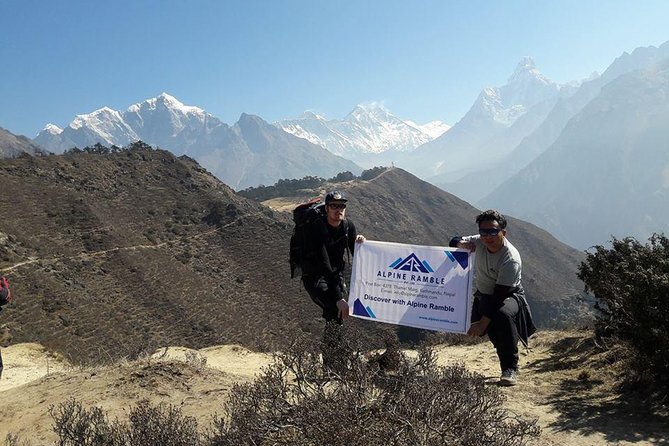
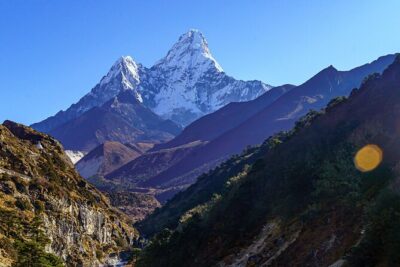
Day 4 is an acclimatization day. Rather than simply sitting in the lodge, you climb to a viewpoint for broad mountain views, including Everest, Lhotse, Cholatse, Thamserku, Kwangde, Khangtega, and Ama Dablam.
This rest day is one of the most valuable parts of the schedule. You gain height during the day, then return to sleep at a lower elevation. That pattern gives your body more time to adjust. You should expect the thin air to affect your pace, sleep, appetite, or energy, even if you are fit.
The itinerary does not provide exact walking distances or elevations for each overnight stop, so ask Alpine Ramble for a current day-by-day elevation chart. That information helps you judge the challenge more accurately than a total day count alone.
Tengboche brings monasteries and mountain drama
Day 5 follows the main Everest trail, with a descent to the Dudh Kosi River followed by a climb through rhododendron forest. The route includes a famous downhill section before the next uphill push, so you should save energy instead of treating every early mile as a victory lap.
Day 6 begins near Tengboche. The monastery and surrounding peaks are especially striking in the early morning light. The path then moves through forest before continuing toward the higher villages.
Tengboche gives the trek a strong cultural side. You are not simply walking toward a famous mountain. You are passing through Sherpa communities, monasteries, stone-walled fields, and valleys shaped by mountain life. The guide’s role matters here. Guides such as Sujal, Laxman, Ram, Saugat, Nir, and Subash have been praised for patience, encouragement, and careful attention to individual needs.
That personal care can make a large difference. One departure included a parent traveling with two teenage sons, while another involved a solo trekker with a guide and no porter. Those examples suggest the company can handle different group styles, but your guide still needs to know about your pace, health, and comfort level from the start.
A few more hikes around Kathmandu worth a look
- Nagarkot Sunrise View and Day Hiking from Kathmandu
★ 5.0 · 471 reviews - Annapurna Circuit Trek with Tilicho Lake
★ 5.0 · 368 reviews - Everest Base Camp Trekking – 13 Day
★ 5.0 · 365 reviews - Everest Base Camp Trek
★ 5.0 · 350 reviews
Dingboche gives your body time to adjust
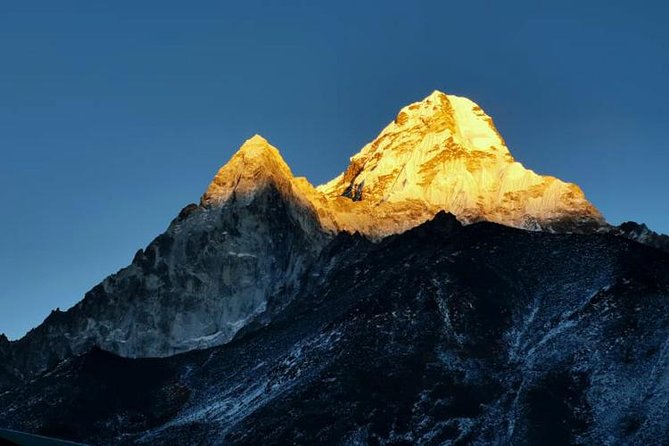
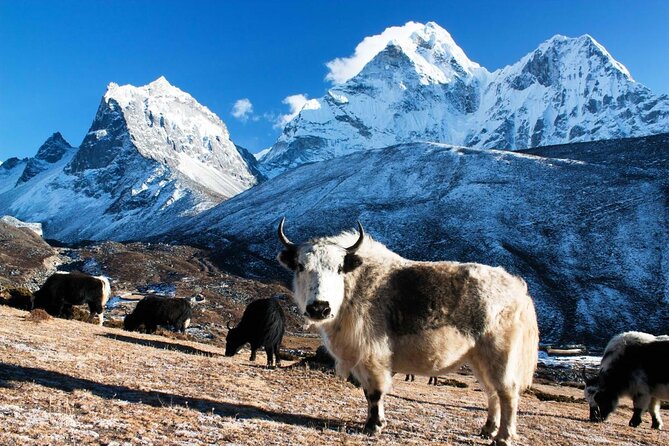
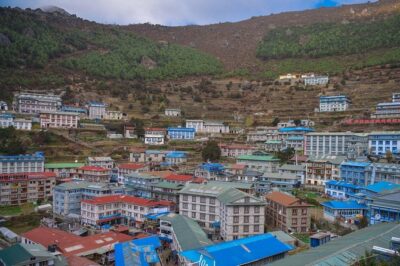
Day 7 is another rest and acclimatization day in Dingboche. This village is a common stopping point for people heading toward Everest, Ama Dablam, or Imja Tse. Stone walls protect its barley and potato fields, giving the settlement a distinct high-altitude character.
You should treat this day as part of the trek, not as wasted time. At this height, fitness alone does not prevent altitude problems. The schedule allows you to walk higher and return, rest, drink fluids, and watch for warning signs.
The package includes a basic first aid box and Diamox for altitude sickness. That does not replace medical advice or travel insurance. The listed emergency rescue operation is funded by travel insurance, so you need suitable insurance before setting out.
Drinks and water are extra, and that becomes increasingly important at altitude. Tea, coffee, bottled water, hot showers, snacks, and Wi-Fi can all add to the final cost. You may find lodge services more basic as the route gets higher, so bring realistic expectations.
Memorials before the final approach
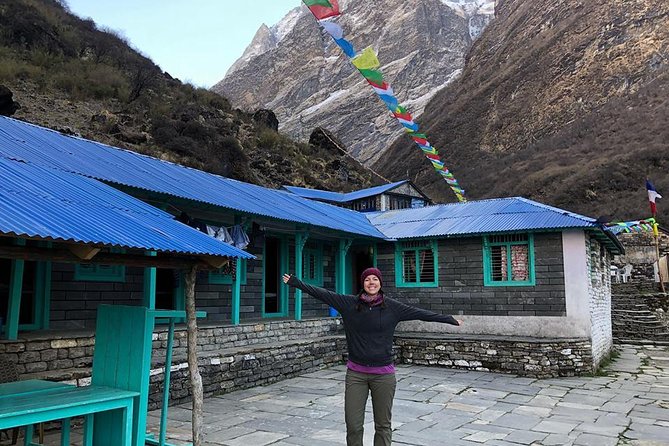
On Day 8, the trail climbs gradually to Duglha and then more steeply to the ridge at Chukpo Lari. Here you pass memorials honoring climbers who died on Everest.
This is a quiet and sobering section of the route. The memorials add context to what can otherwise feel like a personal achievement story. Everest is beautiful, but it is also dangerous, and the memorials make that clear.
The route now feels more exposed and demanding. You should walk slowly, follow the guide’s advice, and avoid treating the group schedule as a competition. The guide is there to help you reach Base Camp safely, not to get you there first.
Everest Base Camp on Day 9
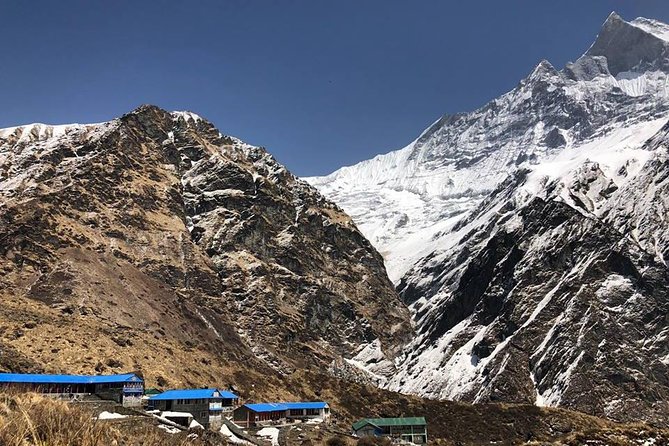
Day 9 is the main target. From Lobuche, the trail crosses a broad meadow before following the Khumbu Glacier. The route then climbs toward the lateral moraine and continues to Everest Base Camp.
Base Camp itself is not a luxury finish. It is a high, rocky expedition area beside the glacier, and the experience depends heavily on weather, season, and current climbing activity. The achievement comes from reaching it on foot, after days of gradual ascent.
The altitude is 17,598 feet, or 5,364 meters. At this height, the walk can feel much harder than its distance suggests. You should expect a long day, cold conditions, uneven ground, and a slower pace.
The group format is helpful here. With no more than 12 people, the guide can monitor how everyone is coping better than in a large coach-style group. Still, group pacing means you may need to wait for others, or slow down when someone needs extra time.
Kala Patthar at sunrise on Day 10
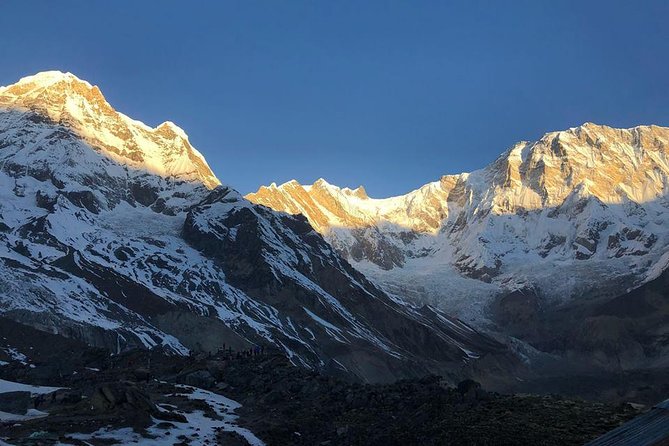
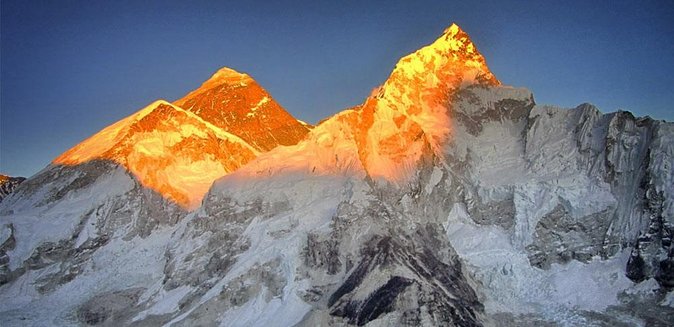
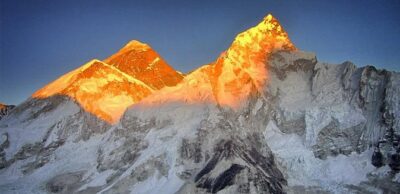
Day 10 starts early with the climb to Kala Patthar. The ascent takes about two hours and brings you beneath Mount Pumori. From the summit, you get a 360-degree panorama that includes Everest, Nuptse, Lhotse, and other major peaks.
For many trekkers, Kala Patthar offers the best mountain view of the entire route. Everest Base Camp is the famous destination, but Kala Patthar gives you the broader sightline and the sunrise experience.
Early starts at altitude are demanding. Cold, darkness, wind, and thin air combine to make this a serious climb, even after you have already reached Base Camp. The reward is a wide Himalayan view when the light reaches the peaks.
After Kala Patthar, the route turns downhill. Do not assume the return is easy. Descending places different strain on your knees, and fatigue can make uneven trails harder to manage.
The long return through Sherpa villages
Day 11 reverses much of the route. You descend through Sherpa villages, return toward the Dudh Kosi River, cross it, and continue through the forest toward Dingboche and Tengboche.
The descent gives you a different view of familiar places. You may notice details missed during the uphill push, including fields, bridges, forests, and village life. It is also a chance to talk with your guide and fellow trekkers now that the main goal is behind you.
Day 12 continues downhill through Jorsalle, Manjo, Benkar, Phakding, and smaller villages. Several suspension bridges cross the Dudh Kosi River, adding a little excitement to an otherwise tiring final walking day.
The return route is not a shortcut. You still cover substantial ground, and tired legs can make it feel long. Good shoes, careful footing, and a steady pace matter more now than speed.
Flying back to Kathmandu
Day 13 brings the flight from Lukla to Kathmandu and free time in the city. The schedule indicates that the main trekking services end with this return, though the package information also refers to a Kathmandu hotel stay and dinner after the trek.
Confirm exactly what is included on the final Kathmandu night. The detail is important because the broader package description and the daily schedule do not line up perfectly on the total number of days.
The return flight also deserves flexibility. The itinerary depends on domestic air service between Kathmandu and Lukla, so a weather delay could affect your plans. The supplied information does not specify a dedicated buffer day. I would avoid booking an international flight immediately after the scheduled return unless Alpine Ramble confirms the timing and accepts the risk.
Meals, lodges, guides, and group life
Full-board breakfast, lunch, and dinner are included during the trek. Meals are described as authentic local food served in trekking lodges. This keeps the package simple and reduces the need to search for food after a long day.
The food can also be repetitive. One account describes similar menus across the 12 trekking days, with some lodges more comfortable than others. That is a fair warning. You are paying for access, fuel, and shelter in remote mountain villages, not city-hotel dining.
The lodges are listed as the best available trekking lodges, but standards can vary. One stay in Lukla was specifically described as less satisfactory. Expect practical accommodation rather than polished rooms.
The guide service is the most consistently praised part of the experience. Dil, the owner, is described as responsive and organized, while guides including Sujal, Laxman, Ram, Saugat, Nir, and Subash receive credit for encouragement, flexibility, and personal care. That matters more than a fancy lodge when you are tired, cold, or worried about altitude.
Who should book this trek?
This trek suits you if you want the classic Everest route without arranging every flight, permit, meal, and lodge yourself. It is a good fit for people with moderate physical fitness who are prepared for long uphill and downhill days at high altitude.
It also suits solo trekkers who prefer company, families with older teenagers, and friends who want a small organized group. The maximum of 12 is large enough for social contact but small enough for the guide to remain involved.
It may not suit you if you want private rooms, flexible luxury, short walking days, or complete control over the schedule. You also need to accept basic mountain facilities, extra personal costs, possible flight disruption, and the serious demands of high altitude.
The free cancellation policy allows a full refund if you cancel at least 24 hours before the local start time. Cancellations or changes inside that window are not refunded or accepted.
Should you book Alpine Ramble’s Everest trek?
I would consider this a strong-value choice for a first Everest Base Camp trek. The package handles the complicated pieces, the route includes both Base Camp and Kala Patthar, and the company’s personal guide support receives unusually strong praise.
Before booking, ask three direct questions: Is the program 13 or 14 days, what Kathmandu accommodation and dinner are included, and what happens if the Lukla flight is delayed? Then budget separately for water, drinks, Wi-Fi, showers, snacks, tips, insurance, and a porter if needed.
Book it if you want structure, local support, and the classic route at a moderate organized-tour price. Skip it if you need luxury or cannot allow your body time to adjust to extreme altitude.
FAQ
How high is Everest Base Camp on this trek?
Everest Base Camp is listed at 17,598 feet, or 5,364 meters, above sea level.
How long does the trek take?
The experience is marketed as a 14-day trek, while the daily schedule runs from Day 1 through Day 13 and returns to Kathmandu on the final listed day. Confirm the exact duration before booking.
How large is the group?
The group can include a maximum of 12 trekkers.
Are meals included?
Breakfast, lunch, and dinner are included during the trekking portion. Meals and accommodation before and after the trek are not included unless specifically stated in your confirmed booking.
Are flights to Lukla included?
Yes. The package includes round-trip flights between Kathmandu and Lukla, including departure taxes.
Is a porter included?
No. A local porter is available if required, but the cost is not included.
What happens if I cancel?
You receive a full refund if you cancel at least 24 hours before the experience begins. Cancellations or changes made less than 24 hours before the start time are not accepted and are not refunded.
Just added around Kathmandu
- Kathmandu: 15-Day Everest Base Camp Trek with Guide★ 4.3 · 12 reviews
- Kathmandu: Nagarkot Sunrise & Hike with Lunch -Private/Group★ 4.9 · 122 reviews
- 14 Days Private Tour Everest Base Camp Trek★ 5.0 · 105 reviews
- 4 Days Poon Hill Trek★ 5.0 · 94 reviews
- Langtang Valley Trek★ 5.0 · 140 reviews
- Annapurna Circuit Trek with Tilicho Lake (16 Days)★ 5.0 · 15 reviews
- Manaslu Circuit Trek★ 5.0 · 184 reviews
- Annapurna Circuit with Tilicho Lake Trek★ 5.0 · 25 reviews
Kathmandu Hiking Tours, compared.
Nagarkot Sunrise View and Day Hiking from Kathmandu
Read our review →
Browse the lists this tour appears in