
REVIEW · KATHMANDU HIKING TOURS
Everest Base Camp Trek
The mountain views begin before the trek does. This 15-day Everest Base Camp trip combines the famous Lukla flight, Sherpa villages, high Himalayan passes, and guided walking with the useful comfort of porters and arranged lodging. I especially like the small private group format, which lets your guide adjust the pace instead of herding you along. I also like that the price includes flights, meals, permits, a sleeping bag, down jacket, and duffle bag.
The main drawback is the altitude. This is not a scenic stroll with a few uphill sections. You will spend long days walking above 3,000 meters, including glacier crossings and a demanding climb to Kalapatthar. Weather can also delay the Lukla flights, so you need patience, travel insurance, and enough flexibility for mountain conditions.
The strongest part of this trip is the support system. Guides such as Lok, Khila, Lal, Hari, and Ossman have earned unusually warm praise for safety, pacing, encouragement, and attention to small details. That matters here. A good guide can make a hard day feel manageable, while a poor one can turn altitude trouble into a serious problem.
Key Points at a Glance
- Lukla flight included: The short Kathmandu to Lukla flight is one of the trip’s most thrilling moments, and the guide’s ticket is included too.
- Porters carry your main gear: You receive a duffle bag, sleeping bag, and down jacket, while porters handle the heavy load.
- Two acclimatization days: Rest days in the Khumbu region include optional hikes to places such as Khumjung, Khunde, Everest View Hotel, Thame, and Nagarkhang Peak.
- Private small-group format: Your own group participates, with an assistant guide added for groups larger than six.
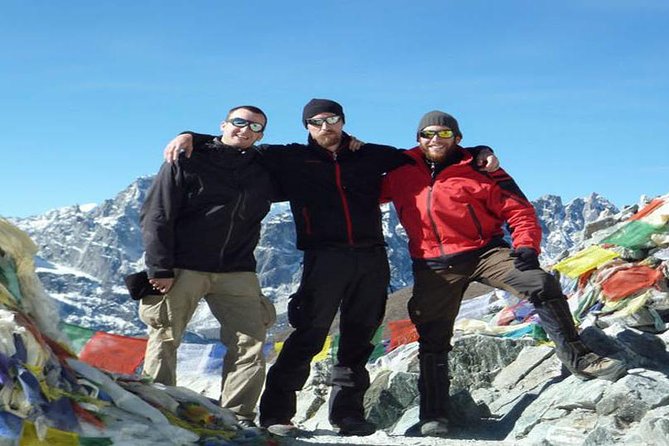
- High-altitude finale: The route reaches Everest Base Camp and Kalapatthar, with glacier walking and thin air near the top.
- One spare day in Kathmandu: Day 14 helps absorb possible Lukla delays and gives you time for shopping or rest.
What the $1,408 Price Really Covers
At $1,408 per person, this is not simply a guided walk. The fee includes private airport transfers before and after the trek, domestic flights between Kathmandu and Lukla, the Everest National Park permit, TIMS registration, accommodation, meals, guide services, porters, and several important pieces of cold-weather equipment.
The equipment package is especially useful if you do not already own Himalayan gear. A four-season sleeping bag, down jacket, and duffle bag are provided for use and returned after the trip. You still need your personal clothing and equipment, but the package removes several expensive purchases from your preparation list.
Meals include 14 breakfasts, 11 lunches, and 12 dinners. That covers much of the route, though you should budget for drinks, snacks, hot showers, laundry, phone use, and other personal expenses. International airfare, the Nepal visa, travel and medical insurance, and emergency evacuation are not included.
The value depends on how much support you want. Independent trekking can reduce the package price, but then you arrange permits, flights, porters, food, accommodation, and safety decisions yourself. Here, the price buys organization in a place where weather and altitude can disrupt even careful plans. For a private trip with flights and equipment included, the package is reasonably structured, though it is not an all-inclusive holiday.
More Everest Base Camp Treks in Kathmandu:
- Everest Base Camp Trek – 14 Days
★ 5.0 · 1,499 reviews - Everest Base Camp Trek
★ 5.0 · 842 reviews - Everest Base Camp Trekking
★ 5.0 · 485 reviews
Kathmandu: A Short Welcome Before the Mountains
Your trip begins with an airport pickup by private vehicle. An airport representative waits with your name, then transfers you to the hotel. The stated airport welcome lasts about 30 minutes, so this first step is mainly about getting you settled rather than touring the city.
Kathmandu also serves as your safety cushion at the end. You have a free day on Day 14 before the international flight, and that day is deliberately useful because Lukla flights can face delays or cancellations. You can use the time for shopping, rest, or simply recovering from the trail.
The final airport transfer is planned for about three hours before your flight. That may feel early, but the airport is described as small with one terminal, and a prearranged ride removes one more thing to manage after a demanding trek.
Day 2: The Lukla Flight and First Steps to Phakding
The flight from Kathmandu to Lukla takes about 30 minutes. The short trip offers big Himalayan views and a memorable arrival at the famous Lukla airport. The flight is part of the adventure, but it is also the trip’s main logistical weak point because weather can affect departures and returns.
From Lukla, you walk toward Phakding. The day is described as roughly four hours, making it a relatively gentle introduction to the route. That is welcome after the flight, since your body is beginning to adjust to walking in the Khumbu region.
Your guide and porters are with you for the trek. The porters carry your main gear, but you still need a daypack with your essentials. The exact packing arrangement is not detailed, so ask the operator before departure how much personal weight you should carry.
Day 3: Pine Forests, Monjo, and the Hillary Bridge
The trail begins with a gentle ascent before reaching Monjo. You stop in Jorsalle for lunch, then continue through pine forests toward the Hillary Bridge.
After crossing the bridge, the route becomes steeper. The change is useful to understand early: the Everest Base Camp trail is not a single steady climb. It repeatedly shifts between forest paths, river crossings, villages, ridges, and sharp uphill sections.
The day also marks the entrance toward the Everest National Park area. Your permit and TIMS registration are handled as part of the package, so you do not need to arrange those administrative details yourself.
A few more hikes around Kathmandu worth a look
- Nagarkot Sunrise View and Day Hiking from Kathmandu
★ 5.0 · 471 reviews - Annapurna Circuit Trek with Tilicho Lake
★ 5.0 · 368 reviews - Everest Base Camp Trekking – 13 Day
★ 5.0 · 365 reviews - Everest Base Camp Trek
★ 5.0 · 350 reviews
Day 4: Acclimatization Around Namche
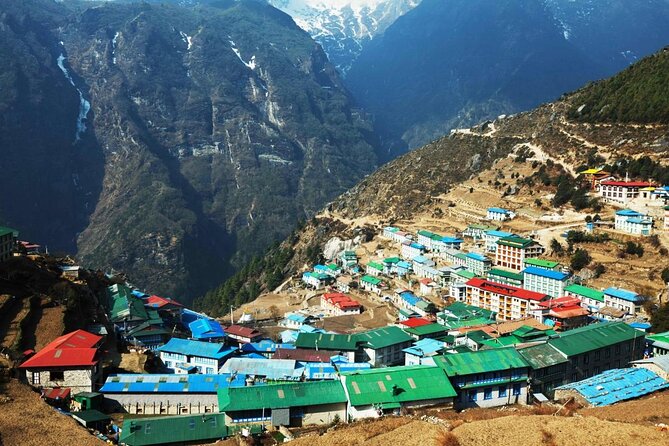
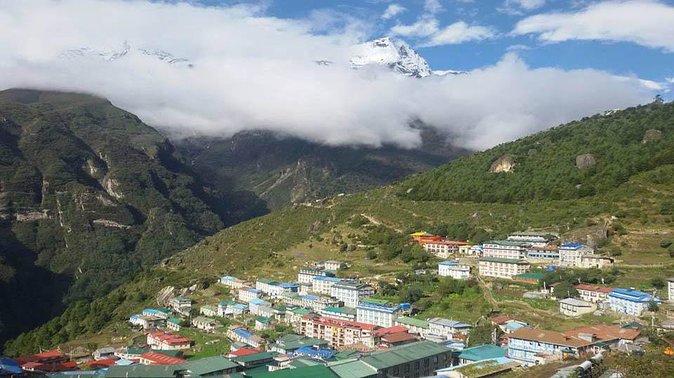
Day 4 is a rest and acclimatization day, but rest does not mean staying in bed. Your guide may offer several options, including hikes to Khumjung and Khunde, Everest View Hotel, Thame, or the National Park area.
This is one of the trip’s most important design choices. At altitude, gaining height too quickly can make the rest of the trek miserable or unsafe. A day of shorter exploratory walking gives you time to adjust while still seeing more of the Sherpa homeland.
The choices also make this a good day for different fitness levels within one group. You can discuss the options with the leader and choose an outing that matches how you feel. The trip promises a personal pace, but your guide still makes the final safety judgment.
Day 5: Kyanjuma, Phungi Thanga, and the Dudh Koshi
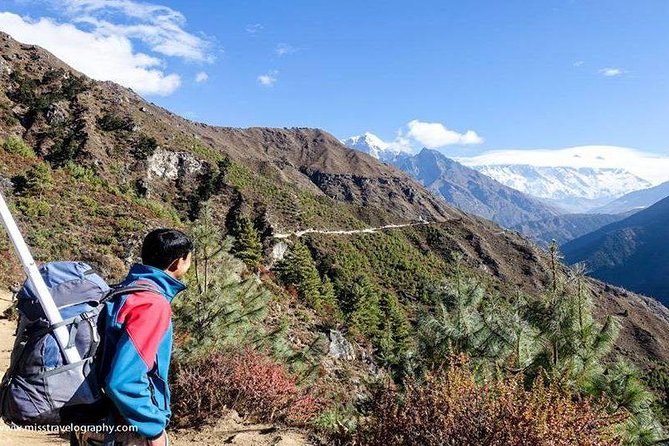
The route continues toward the national park headquarters and then along a gentler trail to Kyanjuma. After a tea break, you descend toward Phungi Thanga for lunch.
The day then crosses the Dudh Koshi River and climbs again. This up-and-down rhythm can be harder than a steady ascent because your legs work on both the descent and the following climb. It also keeps the scenery changing, with mountain paths, river views, and forest sections rather than one repetitive trail.
Your guide’s pacing matters here. The most praised guides on this trip, including Lok and Khila, are noted for finding a comfortable rhythm and adjusting to the group. That kind of attention is more useful than simply walking fast.
Day 6: Pangboche and Sherpa Climbing Country
You follow the Imja Khola toward Pangboche, a village at about 3,930 meters. The village is known as home to renowned Everest climbers and generations of brave Sherpas.
This is where the cultural side of the trek becomes more than a passing glimpse. You are walking through communities shaped by high-altitude travel, mountaineering, and trade. The trip specifically emphasizes Sherpa culture, and Pangboche gives that promise a clear setting.
The mountain views become more impressive as you move higher, but the altitude becomes more demanding too. You should not judge your fitness by how easy Day 2 felt. The trail now asks more from your breathing and recovery.
Day 7: Nagarkhang Peak and a Second Acclimatization Day
The second acclimatization day includes a hike to Nagarkhang Peak at approximately 5,000 meters. From the summit, you can expect wide views of Himalayan peaks.
This is a challenging rest day, not a lazy one. The higher outing helps your body prepare for the coming approach to Base Camp, but you should tell your guide honestly if you feel unwell. The description gives the leader authority to offer different options, which is a useful safeguard.
The day is also a good test of your readiness. If a shorter acclimatization hike feels difficult, the guide can monitor you before the route becomes more exposed and demanding.
Day 8: Dughla Pass and the Approach to Base Camp
You leave Pheriche by following the ridge above the village toward Dughla. After a quick lunch, the trail climbs steeply to Dughla Pass.
This section is a clear warning that the trek is entering its hardest phase. The climb is not only uphill; the air is thinner, and each step takes more effort. Keep your pace slow and steady. There is no prize for reaching lunch first.
The route then continues toward Lobuche, bringing you close to Everest Base Camp. The reward is the sense of nearing the main goal, but the practical challenge is fatigue. You have already spent many days walking, and the next stage includes glacier terrain.
Day 9: Glacier Walking and Everest Base Camp
The first part of the route is described as fairly easy. Once you begin ascending over the glaciers, the trail becomes harder because of uneven ground and low oxygen levels.
Glacier walking is a major reason this trip should not be treated as a casual sightseeing package. The terrain can slow you down, and your body may not respond as it did at lower elevations. Your guide carries a first-aid medical kit and manages the route, while porters continue to support the group.
Reaching Everest Base Camp is the emotional high point for many people. The view is not just about one famous mountain. You have crossed high passes, walked beside glaciers, passed Sherpa villages, and stayed with the effort for days. The destination matters because of the journey required to reach it.
Day 10: Kalapatthar at Sunrise
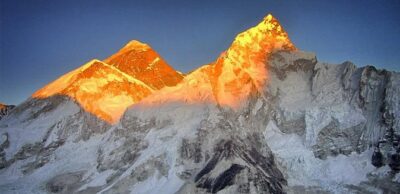
You wake early for the climb to Kalapatthar before sunrise. The ascent is difficult, but the viewpoint is famous for its views of the Khumbu Valley and towering Himalayan peaks.
This is likely the trip’s most physically demanding morning. The early start adds cold and darkness to the challenge, but it also offers the chance to see the mountains in morning light. The description calls the climb worthwhile, and the reason is clear: Kalapatthar provides the major panoramic viewpoint of the route.
Do not confuse Everest Base Camp with the best mountain viewpoint. Base Camp is the historic trekking goal, while Kalapatthar is the high lookout. Having both in the same trip gives you two different kinds of achievement.
Days 11 and 12: The Return Through Tengboche and Phakding
The return route passes through Debuche and Tengboche before descending steeply to Phungi Thanga for lunch. You then climb again toward Kyanjuma.
Descending is not automatically easy. Long downhills can be tough on tired knees, and the repeated climb after Phungi Thanga means you still need energy. The route does, however, move toward lower elevations, which should make breathing easier over time.
On Day 12, you descend to Jorsalle and continue to Phakding, with meals along the way, before continuing toward Lukla. The supplied schedule describes this as the close of an 11-night, 12-day trek, followed by the return flight. The exact walking sequence may be adjusted by the guide, especially if weather changes the flight plan.
Day 13: Flying Back to Kathmandu
You head to the airport in the morning for the return flight to Kathmandu. The trip describes the flight as another breathtaking and adventurous experience, and it suggests sitting on the right side of the airplane for mountain views.
That seat suggestion is practical, but it cannot guarantee a clear view. Clouds and flight operations decide what you see. The more important point is that the return flight can be delayed, which is why the extra Kathmandu day is valuable.
Guides, Porters, and the Human Side of the Trek
The strongest praise goes to the guides. Lok is singled out for pacing and personal care. Khila is praised for safety, politeness, and an individual approach. Lal is described as reassuring and experienced, while Hari is noted for kindness. Ossman is credited with guiding, educating, and motivating the group.
These details matter because the guide does much more than lead the way. The guide organizes the walking rhythm, helps with route decisions, carries the first-aid kit, offers acclimatization options, and supports you when the altitude tests your confidence.
Porters carry your larger gear and receive accommodation, meals, salary, and insurance through the package. An assistant guide is added for groups over six. The trip is private, so only your group participates, but the group size still affects how quickly decisions can be made.
Who Should Book This Trek?
You should consider this trip if you want Everest Base Camp with much of the planning handled for you. It suits someone with moderate physical fitness who prefers a guide, porters, arranged flights, and included equipment rather than organizing each part independently.
You should think twice if you dislike early starts, steep climbs, basic mountain travel, or uncertain flight schedules. The tour does not remove the hard parts. It mainly gives you a team and a plan for dealing with them.
The trip may also suit friends or families who want a private group experience. The pace can be discussed with the guide, and the two acclimatization days provide room to respond to different fitness levels.
Practical Booking Advice
Confirmation is provided at booking, and pickup is available. Check the cancellation terms carefully: a full refund requires cancellation at least six full days before the start time, while cancellation two to six days ahead receives a 50 percent refund. Less than two full days means no refund.
The experience requires good weather. If poor conditions cancel it, you are offered another date or a full refund. Even with that protection, you should arrange travel and medical insurance that addresses trekking and emergency evacuation, since those costs are excluded.
Pack for personal comfort, not just the provided sleeping bag and down jacket. You will still need suitable walking clothes, personal medicine, and money for drinks, snacks, showers, laundry, phone use, and other extras.
Should You Book the Everest Base Camp Trek?
I would book this trip if I wanted a structured route to Everest Base Camp without carrying all my gear or arranging every permit, flight, and lodging detail. The included Lukla flights, porters, cold-weather equipment, acclimatization days, and private format make the $1,408 price easier to justify.
I would not book it expecting a relaxed mountain holiday. The route includes steep climbs, glacier walking, thin air, and weather delays. Choose it for the support, Sherpa culture, and sense of achievement, then arrive ready to walk slowly, listen to your guide, and accept that the mountains make the schedule.
FAQ
How long is the Everest Base Camp Trek?
The trip lasts approximately 15 days. It includes arrival and departure transfers, the trek, return flights to Kathmandu, and a free day in Kathmandu.
Is the Kathmandu to Lukla flight included?
Yes. Domestic airline tickets between Kathmandu and Lukla are included for you and the guide.
Are porters included?
Yes. The package includes experienced Sherpa helpers, along with their meals, accommodation, salary, and insurance.
What equipment is provided?
A down jacket, four-season sleeping bag, and duffle bag are provided for the trek and returned after the trip.
Are meals included?
Yes. The package includes 14 breakfasts, 11 lunches, and 12 dinners. Personal drinks, snacks, hot showers, laundry, phone use, and similar expenses are extra.
Is this a private trek?
Yes. Only your group participates. An assistant guide is included for groups larger than six people.
What happens if bad weather cancels a flight or the trip?
If the experience is canceled because of poor weather, you are offered another date or a full refund. Lukla flights can also face delays or cancellations, and the free Kathmandu day helps absorb those disruptions.
Just added around Kathmandu
- Kathmandu: 15-Day Everest Base Camp Trek with Guide★ 4.3 · 12 reviews
- 14 Days Private Tour Everest Base Camp Trek★ 5.0 · 105 reviews
- Kathmandu: Nagarkot Sunrise & Hike with Lunch -Private/Group★ 4.9 · 122 reviews
- 4 Days Poon Hill Trek★ 5.0 · 94 reviews
- Langtang Valley Trek★ 5.0 · 140 reviews
- Annapurna Circuit Trek with Tilicho Lake (16 Days)★ 5.0 · 15 reviews
- Manaslu Circuit Trek★ 5.0 · 184 reviews
- Kathmandu: Dhulikhel to NamoBuddha Day Hike with Lunch★ 4.8 · 62 reviews
Kathmandu Hiking Tours, compared.
Nagarkot Sunrise View and Day Hiking from Kathmandu
Read our review →
Browse the lists this tour appears in