
REVIEW · KATHMANDU HIKING TOURS
Classic Everest Base Camp Trek
The Himalayas reward steady feet. This 24-day Everest Base Camp trek combines alpine scenery, glacier rivers, monasteries, prayer flags, and close contact with mountain communities in one long journey from Kathmandu. I like the strong support package, especially the experienced guide, porter arrangement, private airport transfers, gear loan, and included park fees. I also like the attention to safety and service praised by people who trekked with guides such as Ram, Prakash, Pooja, Lal Kumar Tamang, Lok, and Nirjala.
The main catch is simple: this is a serious high-altitude trek, not a sightseeing holiday with a few walks added. You need moderate physical fitness, patience for many uphill and downhill sections, and enough time to handle a trip lasting about 24 days. Accommodation is at the best available twin-sharing lodges, so comfort will be practical rather than luxurious once you leave Kathmandu.
Key points to know before booking
- A full 24-day Himalayan journey: The long duration allows time for the trek itself, Kathmandu accommodation, flights, and the slower pace needed in the mountains.
- A strong support package: A guide, one porter for every two people, staff insurance, permits, a duffle bag, down jacket, sleeping bag, and first-aid kit are included.
- Kathmandu comfort before and after the trail: Three nights with breakfast are provided at the deluxe Hotel Ramada Encore Kathmandu.
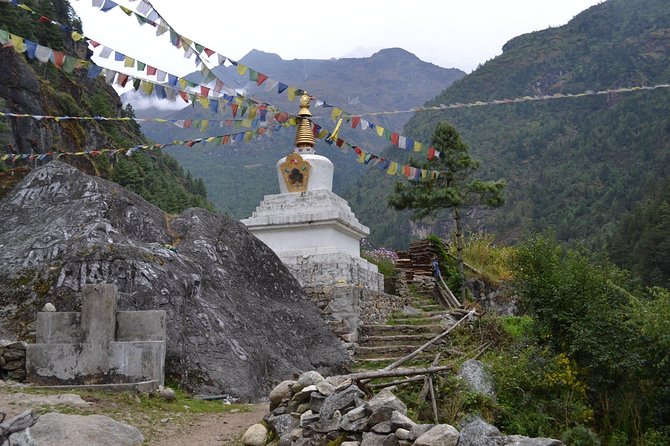
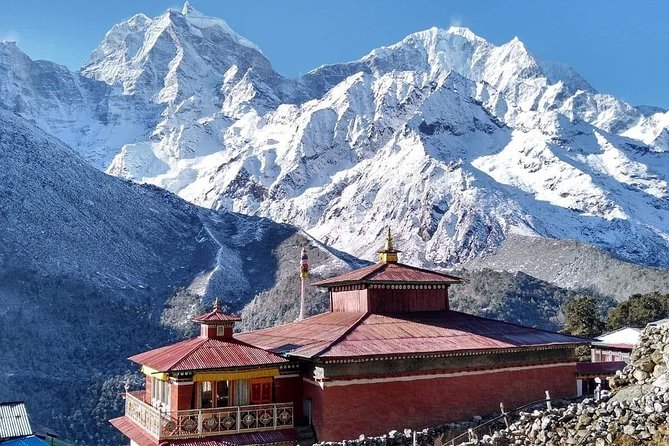
- The route mixes nature and culture: Expect alpine forests, glacier rivers, mountain views, monasteries, prayer flags, and encounters with people living along the trail.
- Safety receives repeated praise: The guiding team is frequently credited with careful organization, clear support, and attention to changing mountain conditions.
- Budget for extras: Meals not listed in the meal plan, WiFi, bottled drinks, soft drinks, and snacks cost extra during the trek.
Why this trek feels like more than a mountain walk
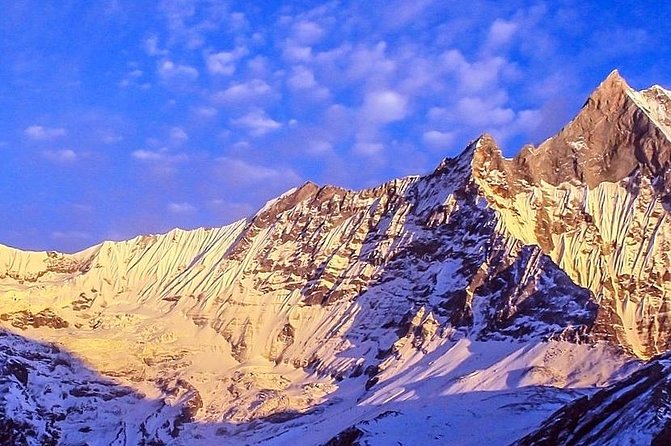
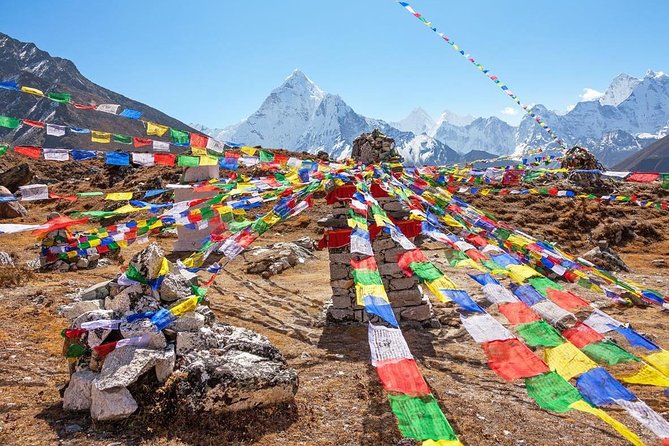
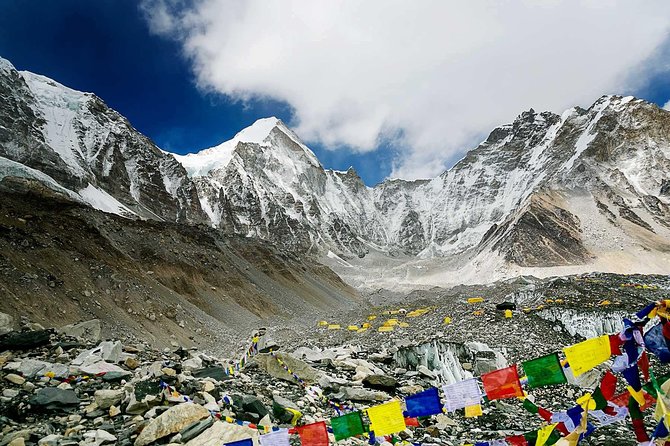
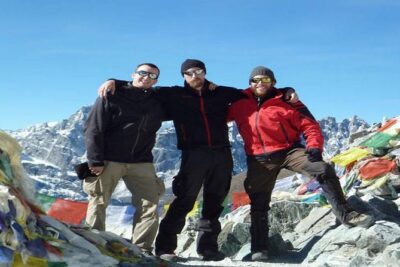
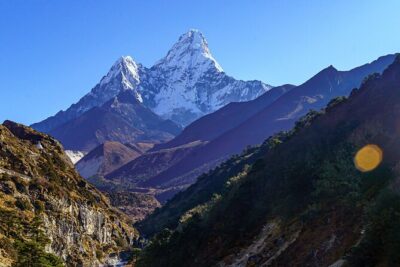
Everest Base Camp is the headline, but the route earns its appeal long before you reach the destination. You move through forests, cross or follow glacier-fed rivers, pass Buddhist monasteries, and watch daily life change as the altitude rises. Prayer flags appear along the trail, adding color and spiritual meaning to an already dramatic setting.
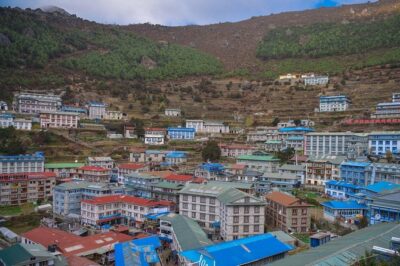
I like this combination because it keeps the trek from becoming a simple march toward one famous viewpoint. You get nature, culture, and physical challenge in the same package. The local communities are not background scenery. Their homes, lodges, hospitality, and mountain routines help you understand what life is like in a place where roads, supplies, and weather all shape the day.
The route also asks something of you. The description is honest about its many ups and downs, and that matters. A trail at high altitude can feel tough even when the distance looks modest. The reward is not just the base camp itself. It is the gradual change in air, vegetation, river valleys, mountain views, and your own sense of progress.
More Everest Base Camp Treks in Kathmandu:
- Everest Base Camp Trek – 14 Days
★ 5.0 · 1,499 reviews - Everest Base Camp Trek
★ 5.0 · 842 reviews - Everest Base Camp Trekking
★ 5.0 · 485 reviews
Kathmandu starts the trip on a practical note
The experience begins in Kathmandu at 6:45 a.m., with pickup offered and private ground transportation included. You receive three nights at the deluxe Hotel Ramada Encore Kathmandu, with breakfast. This gives you a proper base before and after the mountain section, rather than sending you straight from an airport arrival into a demanding trek.
Private airport transfers are a useful inclusion. Kathmandu traffic and unfamiliar streets can be tiring after a long flight, so having the ground arrangements handled removes one early chore. The same applies when you return from the mountains. You finish back at the Kathmandu meeting point.
The Kathmandu stay also gives the operator time to provide trip information and prepare equipment. A duffle bag, down jacket, and sleeping bag are supplied for the trek. That can reduce the amount of bulky equipment you need to buy or carry from home, although you should confirm the exact size and condition of borrowed gear before departure.
The flight to Lukla and the mountain trail
The trek includes the flight from Lukla back to Kathmandu, with departure taxes included. The supplied details do not spell out every flight or walking day, so you should ask for the current day-by-day schedule before paying. The information does make clear that Lukla is the gateway to the walking section and that the trek continues through mountain terrain toward Everest Base Camp.
Once you leave the airstrip area, the journey becomes a walking trip rather than a series of coach excursions. Expect a trail shaped by steep rises and descents, alpine forests, glacier rivers, and wide views of high mountains. The repeated changes in height are part of the challenge. Strong legs help, but an even pace and a willingness to walk slowly matter just as much.
The route passes monasteries and prayer flags, giving you chances to pause for more than photographs. If you are interested in Nepalese mountain culture, take time to look around respectfully and listen to your guide. The value of a local guide is not only route finding. It is also the chance to understand customs, religious symbols, and local ways of life.
What makes the guides and porters important
The strongest praise for this trip centers on the staff. Several named guides receive warm recognition for being friendly, careful, organized, and reassuring. Ram is described as highly experienced, while Prakash, Raj, Prim, Lok, Nirjala, Pooja, and Lal Kumar Tamang are all singled out for their care, local knowledge, or calm handling of the route. The exact guide assigned to your group may differ.
That human support matters in the Everest region. A good guide helps set a sensible walking rhythm, notices when someone is struggling, explains the surroundings, and keeps the group moving through changes in weather and trail conditions. Several people also praised the office team for good communication before arrival and for making the arrangements feel orderly from airport pickup to the end of the trip.
One porter is provided for every two people. The company covers porters’ food, accommodation, salary, equipment, and accidental insurance, which is an important part of responsible trekking operations. You should still pack thoughtfully and keep your own daypack light. The porter arrangement is helpful, but it is not a reason to bring your entire wardrobe.
A first-aid medical kit is included. That is useful, but it should not be confused with full medical care. You should bring personal medication and ask the operator what emergency procedures apply if someone becomes unwell.
A few more hikes around Kathmandu worth a look
- Nagarkot Sunrise View and Day Hiking from Kathmandu
★ 5.0 · 471 reviews - Annapurna Circuit Trek with Tilicho Lake
★ 5.0 · 368 reviews - Everest Base Camp Trekking – 13 Day
★ 5.0 · 365 reviews - Everest Base Camp Trek
★ 5.0 · 350 reviews
Lodge accommodation and the reality of mountain comfort
The trek uses the best available twin-sharing lodge-to-lodge accommodation. That wording sets the right expectation. In Kathmandu, you have a deluxe hotel. On the trail, you have practical mountain lodging selected according to availability.
This arrangement suits people who value a supported route over private luxury. You will have a place to sleep and a guide team managing the main logistics, but mountain lodges can vary. Room standards, heating, bathroom arrangements, and internet access may not match what you know from city hotels. WiFi is specifically excluded, so plan for limited connection and do not count on regular online access.
The sleeping bag and down jacket are included during the trek. These are valuable additions because cold conditions can make an otherwise manageable night uncomfortable. Ask before departure about clothing sizes, cleaning, collection, and whether you need to bring a personal liner or extra layers.
Food is only partly included. Meals specified in the itinerary are covered, but other meals and drinks are not. Cold drinks, bottled water, soft drinks, and snacks are extra. Keep cash available for these costs, since the advertised price is not an all-inclusive food budget.
How to judge the $1,835.90 price
At $1,835.90 per person, the price deserves to be judged as a complete trekking service, not just a fee for reaching base camp. It includes three Kathmandu hotel nights with breakfast, private ground transport, airport transfers, the Lukla to Kathmandu flight, a guide, porters, staff costs and insurance, permits, TIMS fees, equipment loans, trekking accommodation, a first-aid kit, government taxes, and office service charges.
That is a substantial list. The permits and TIMS fee alone are useful inclusions because they prevent you from sorting out important paperwork on your own. The included down jacket, sleeping bag, and duffle bag can also save money if you do not already own suitable equipment.
The value is strongest for someone who wants one company to coordinate the moving parts. You are paying for staff, transport, paperwork, equipment, and support as well as the walking days. The price is less attractive if you already have a trusted guide, your own porter arrangement, private gear, and a separate plan for Kathmandu.
Remember to add spending money for meals not included, WiFi, water, soft drinks, snacks, and personal purchases. The listing does not provide a full meal-by-meal schedule, so ask exactly which meals are covered on each day.
Safety, fitness, and the long duration
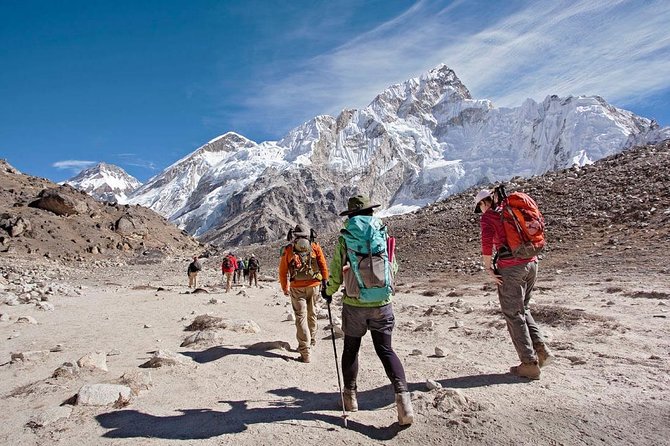
The operator recommends moderate physical fitness. That is a minimum, not a promise that the route will feel easy. The trek involves repeated uphill and downhill walking, high mountain conditions, and a schedule lasting roughly 24 days. You need to be comfortable walking for extended periods and managing tired legs over successive days.
The long format is one of the better features of the trip, but it can also be a drawback. You need enough holiday time, and you should expect the mountain section to take over your daily routine. There is little room for rushing from one attraction to another. The journey works best when you accept the slow pace.
Weather is another practical factor. The experience requires good weather, and poor conditions can lead to a cancellation, a different date, or a full refund. You can cancel for a full refund if you do so at least 24 hours before the start time. Changes or cancellations made within 24 hours are not refunded or accepted, according to the stated policy.
A private tour means only your own group participates. That can make the pace and atmosphere more personal, though the number of people in your group is not stated. Ask how group size affects the porter ratio, room sharing, and guide support.
The cultural side is worth your attention
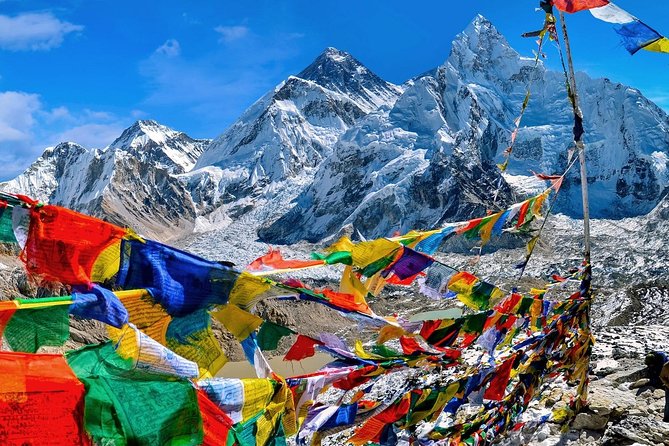
The monasteries, prayer flags, and mountain villages are not decorative extras. They give the walking route a sense of place. I would encourage you to slow down around religious sites, follow your guide’s instructions, and treat local people with courtesy before taking photographs.
The trip also makes room for direct contact with communities along the trail. You see how people live in a demanding environment and experience the hospitality that is part of the journey. This is one of the best reasons to choose a guided trek rather than treating the route as a personal endurance test.
The company also receives praise for investing in local guides, including women. That is worth noting if you prefer your travel spending to support people who live in the region and build long-term work in Nepal’s trekking industry.
Who should book this Everest trek?
I would recommend it to you if you want a supported first Everest Base Camp experience, prefer a company to handle permits and transport, and like the idea of combining mountain scenery with monasteries and local culture. It also suits people who appreciate having loaned cold-weather equipment and a porter arrangement already in place.
It may not suit you if you want a short holiday, dislike shared mountain lodging, need constant internet, or expect every meal and drink to be covered. The trek is also a poor match for anyone who has not prepared for sustained walking and repeated climbs.
Before booking, ask for the complete day-by-day itinerary, the exact meals included, the expected group size, the name of your assigned guide, and the current flight arrangements. Those details will help you compare this trip fairly with other Everest Base Camp options.
Should you book it?
This is a strong-value, service-focused Everest Base Camp trek for someone who wants the major logistics handled in one package. The most convincing feature is the staff support, with repeated praise for careful guides, friendly porters, good communication, and attention to safety.
I would book it if you have the time, accept basic lodge conditions, and are ready for a physically demanding mountain journey. I would not book it expecting a luxury tour or a fixed-cost holiday with unlimited food and internet. Go for the scenery, the cultural encounters, the support team, and the slow satisfaction of reaching base camp under your own power.
FAQ
How long does the Classic Everest Base Camp Trek last?
The experience lasts approximately 24 days.
Where does the trek start and end?
It starts in Kathmandu, Nepal, and ends back at the Kathmandu meeting point.
What time does the experience start?
The stated start time is 6:45 a.m.
Is airport pickup included?
Yes. Private ground transportation, including airport transfers, is included.
Is accommodation included?
Yes. Three nights with breakfast are included at the deluxe Hotel Ramada Encore Kathmandu. During the trek, you stay in the best available twin-sharing lodge-to-lodge accommodation.
Are a guide and porters included?
Yes. One experienced guide is included, along with one porter for every two people. Staff food, accommodation, salary, equipment, and accidental insurance are also included.
What is not included in the price?
Meals not specified in the meal inclusions, WiFi, cold drinks, bottled water, soft drinks, and snacks are not included.
Just added around Kathmandu
- Kathmandu: 15-Day Everest Base Camp Trek with Guide★ 4.3 · 12 reviews
- Kathmandu: Nagarkot Sunrise & Hike with Lunch -Private/Group★ 4.9 · 122 reviews
- 14 Days Private Tour Everest Base Camp Trek★ 5.0 · 105 reviews
- 4 Days Poon Hill Trek★ 5.0 · 94 reviews
- Langtang Valley Trek★ 5.0 · 140 reviews
- Annapurna Circuit Trek with Tilicho Lake (16 Days)★ 5.0 · 15 reviews
- Manaslu Circuit Trek★ 5.0 · 184 reviews
- Annapurna Circuit with Tilicho Lake Trek★ 5.0 · 25 reviews
Kathmandu Hiking Tours, compared.
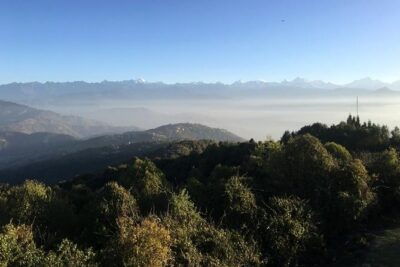
Nagarkot Sunrise View and Day Hiking from Kathmandu
Read our review →
Browse the lists this tour appears in