REVIEW · KATHMANDU HIKING TOURS
7 Days Langtang Valley Private Trek From Kathmandu
Langtang brings the Himalayas close. This private trek trades long approach roads for a quick move from Kathmandu into forests, Tibetan-style villages, glaciers, and huge snowy peaks. I like the short access from Kathmandu and the strong mix of scenery: bamboo, rhododendron, waterfalls, rivers, meadows, and ice.
I also like that the $585 price includes meals, permits, guide costs, transport, and tea house lodging. Guides such as Rupak, Prakash, Dilli, Badri, and Arjun have earned particularly warm praise for good humor, care, and sound mountain judgment. The main drawback is the schedule: it is advertised as seven days, but the supplied plan runs from arrival day through an eighth day returning to Kathmandu.
Key things to know before booking
- Langtang begins with a long public-bus ride: Expect roughly seven to eight hours between Kathmandu and Syabru Bensi each way.
- Kyanjin Gompa is the high point of the route: You reach 3,870 meters, with an optional afternoon walk toward Kyanjin Ri.
- The trek has a real altitude jump: Syabru Bensi sits at 1,550 meters, while Langtang Village reaches 3,430 meters in only two walking days.
- Tea houses are basic: Six nights are on twin-sharing terms, with toilets and bathrooms outside the room.
- The route is private: Only your own group takes part, and the itinerary can be adjusted around your interests.
- Insurance is essential: Helicopter evacuation and medical care may be arranged, but your insurance company must cover the bill.
Why Langtang works so well for a short Himalayan trek
Langtang Valley is one of Nepal’s nearest trekking areas to Kathmandu, but it does not feel like a quick city escape once the walking begins. The valley runs between the main Himalayan range near Tibet and a lower snowy range to the south. That position gives you mountain views without requiring the lengthier approach associated with some of Nepal’s best-known routes.
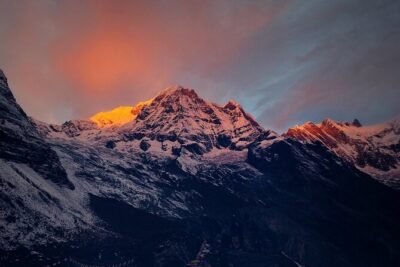
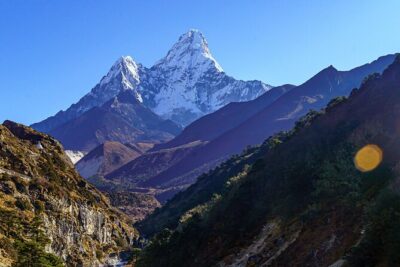
I like the valley’s variety. Lower sections pass through pine, bamboo, and rhododendron forest, with monkeys, waterfalls, swift streams, and rough stone paths. Higher up, the trees thin out and the views open toward Langtang Lirung at 7,246 meters, Gang Chhenpo at 6,388 meters, Naya Kangri at 5,846 meters, and Dorje Lakpa at 6,966 meters.
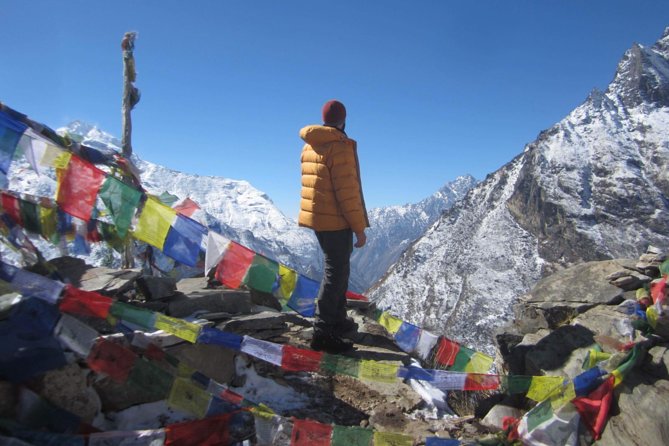
This is also a good route for seeing the Tibetan influence in northern Nepal. Villages, prayer traditions, and mountain life give the walk a human side that a purely scenic route would lack. Langtang National Park, established in 1971 as Nepal’s first Himalayan national park, protects the area’s forests and wildlife. Red pandas, Himalayan black bears, wild boar, monkeys, tree orchids, and rhododendrons are all associated with the park, though sightings are never guaranteed.
The walk is not a technical mountaineering trip. Still, it is a serious mountain hike. You need good health, steady legs, and a willingness to handle several long days on uneven ground.
More Private Hiking Tours in Kathmandu
- 14-Day Private Annapurna Base Camp Trek
★ 5.0 · 180 reviews - Kathmandu: Nagarkot Sunrise & Hike with Lunch -Private/Group
★ 4.9 · 122 reviews - 14 Days Private Tour Everest Base Camp Trek
★ 5.0 · 105 reviews
Day 1: Kathmandu arrival and a useful night before the trek
The trip begins with airport pickup and a transfer to your Kathmandu hotel by private vehicle. One night in the city is useful because it gives you time to recover from your flight, organize gear, submit passport details, and meet your guide.
The package includes a deluxe Kathmandu hotel on a twin-sharing basis with breakfast. It also includes airport to hotel and hotel to airport transfers arranged around your flight schedule. You should provide scanned passport and passport-sized photo copies for each person in the group.
Use this first evening to check your sleeping bag, down jacket, rain gear, water bottle, trekking poles, and headlamp. If you prefer to travel light, the operator says it can help arrange equipment after you arrive. That is helpful, but you should not leave essential items until the last minute.
Day 2: Kathmandu to Syabru Bensi by public bus
The first travel day is not glamorous. You ride a public bus for about seven to eight hours to Syabru Bensi, at 1,550 meters. Road and traffic conditions control the timing, so do not plan an important evening commitment in Kathmandu on the return day.
The bus is included, which keeps the price down and gives you a more local form of transport. It also means less control over stops, comfort, and departure timing than you would have in a private vehicle. If you value convenience above cost, ask about a private transfer and confirm the extra charge.
Syabru Bensi is the practical starting point for the trek. The low elevation helps you begin walking before the route climbs into the upper valley. The first overnight stop here is included in the tea house accommodation count.
Day 3: Syabru Bensi to Lama Hotel
The first walking day covers about 10.9 kilometers and takes six to seven hours. You climb from 1,550 meters to Lama Hotel at 2,450 meters, gaining roughly 1,070 meters.
This is a demanding introduction, but the forest scenery helps. Expect bamboo, pine, rhododendron, streams, and waterfalls. The route has a wilder feel than the road journey, and you begin to understand why Langtang is known as the valley of glaciers even before the ice appears.
A guide matters here. The route crosses rough terrain and follows mountain watercourses, while the daily distance and ascent can test anyone arriving without recent hiking practice. Keep your pace easy and drink regularly. The included breakfast, lunch, and dinner remove much of the daily food planning, but tea, coffee, bottled water, snacks, and hot water cost extra.
More Private Hiking Tours in Nepal
- Nagarkot Sunrise View & Day Hiking with Lunch – Private/Group
★ 5.0 · 73 reviews - Annapurna Base Camp Private Short Trek
★ 5.0 · 8 reviews - Pokhara: 2 Day Ghorepani & Poon Hill Private Trekking
★ 4.9 · 8 reviews - Pokhara: 3-Day Ghorephani and Poon Hill Private Trek
★ 5.0 · 58 reviews
Day 4: Lama Hotel to Langtang Village
Today is about 14.8 kilometers and seven to eight hours of walking. You climb another 980 meters and sleep at approximately 3,430 meters.
This is one of the most important days for pacing. The distance is longer than the previous day, and the altitude gain is substantial. The route continues through forest before opening toward broader mountain views and high valley scenery. You may pass meadows, rock, mountain streams, and areas where the settlement pattern feels increasingly remote.
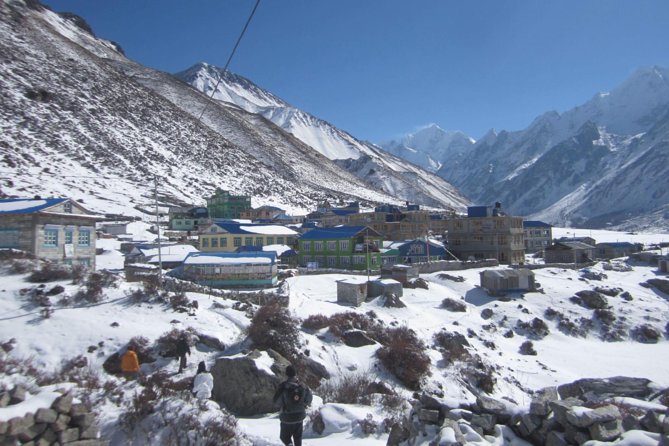
Langtang Village is more than a place to sleep. It gives you a closer look at local life shaped by the high valley and Tibetan cultural influence. The basic tea house setting means shared facilities, outside bathrooms, and few comforts beyond food, shelter, and the company of your walking group.
At this altitude, do not race the schedule. Tell your guide if you develop a headache, unusual fatigue, nausea, or breathing trouble. The operator requires travel insurance that covers emergency evacuation and medication, and that requirement should be treated as essential rather than optional.
Day 5: Langtang Village to Kyanjin Gompa
The day to Kyanjin Gompa is short by comparison: about 6.8 kilometers and two to three hours. You gain approximately 460 meters and reach 3,870 meters.
This shorter walk is welcome after two long days. It also gives you more time to appreciate the upper valley, where snow ridges, glacial features, rocky slopes, and bright mountain streams replace much of the lower forest. Langtang Lirung dominates the area, while other peaks form a dramatic ring around the settlement.
If time and energy allow, you can walk toward Kyanjin Ri in the afternoon. The supplied plan does not promise a fixed summit itinerary, so discuss the option with your guide. The extra climb adds altitude and effort, but it can provide a higher viewpoint over the valley.
Kyanjin Gompa is the route’s emotional high point for many people because you have reached the upper valley without needing technical climbing skills. It is also the point where the altitude feels most serious. Keep the afternoon relaxed if your body is struggling.
Day 6: Kyanjin Gompa back to Lama Hotel
The return to Lama Hotel is listed as 21.6 kilometers and seven to eight hours, with a descent of about 1,430 meters. That is a very long day, even though downhill walking is often easier on the lungs.
Do not underestimate the strain on your knees and feet. Trekking poles are especially useful here, and shoes with reliable grip are important. The route reverses much of the earlier approach, moving from open high valley country back into forest.
This is also where the schedule deserves honest attention. A 21.6-kilometer descent after reaching nearly 3,900 meters is not a gentle stroll. If your group is slower, tired, or affected by weather, ask the guide whether the plan can be adjusted. The operator says the itinerary can be customized, but any change should be agreed before you are committed to a long day.
Day 7: Lama Hotel to Syabru Bensi
The final walking day covers about 10.9 kilometers in five to six hours. You descend 1,070 meters to Syabru Bensi.
After the long previous day, this shorter route gives you a manageable finish. You return through the forest and lower valley scenery, with another chance to notice details missed on the uphill walk. The descent can still be tiring, so keep enough water and snacks accessible.
You spend the night according to the accommodation plan before taking the bus back to Kathmandu. The schedule labels the trek as seven days, but this walking day is followed by a separate return drive.
Day 8: The long ride back to Kathmandu
The bus journey to Kathmandu takes about seven to eight hours. Traffic and road conditions can change the timing, so keep this day flexible.
The return transfer is included in the price, as is the airport drop-off arranged around your flight schedule. Still, I would avoid booking an international flight too soon after the bus arrival. The itinerary gives approximate times, not guarantees, and mountain roads do not always follow the clock.
The extra return day is the biggest planning point in the entire package. If you have only seven calendar days in Nepal, this plan will not fit as written. You need to confirm the exact start and finish dates before paying.
Tea houses, meals, and comfort on the trail
Six nights of basic tea house accommodation are included, with twin-sharing rooms. Bathrooms and toilets are outside the rooms, so this is not a lodge holiday. You should expect simple facilities and bring patience, a sleeping bag, and personal toiletries.
Three meals per day are included during the trek: breakfast, lunch, and dinner. Kathmandu hotel stays include breakfast. Drinks and extras are not included, including tea, coffee, mineral water, hot water, alcoholic drinks, snacks, desserts, showers, battery charging, phone calls, laundry, and photography fees.
That arrangement gives you a clear base price while leaving small daily purchases to you. Bring enough Nepalese cash for these extras. The information provided does not state how much cash you should carry, so ask the operator for current guidance before departure.
A porter is not included. You can arrange one for an additional cost if you want to walk with a lighter daypack. That may be worthwhile, especially on the 21.6-kilometer return from Kyanjin Gompa.
What the $585 price really covers
At $585 per person, the price has solid value for a private Himalayan trip. It includes two Kathmandu hotel nights with breakfast, six tea house nights, three daily trek meals, a professional English-speaking guide, guide expenses, the public bus, Langtang National Park entry, the TIMS card, airport transfers, and emergency evacuation and medication arrangements.
You are not simply paying for a route map. The guide’s salary, food, lodging, transport, insurance, and permits are included. That reduces the number of practical bills you need to handle along the way.
The exclusions matter. You still pay for a Nepal visa, international flights, personal insurance, drinks, snacks, porter service, tips, hot showers, charging, laundry, and extra Kathmandu nights. The headline price is attractive, but your final cost will be higher.
Group discounts are available, and the private format means only your party participates. That is useful if you want control over walking speed, rest stops, and possible itinerary changes.
Guides and the human side of the trek
The strongest personal feedback connected with this experience centers on the guides. Rupak is praised for leading a particularly enjoyable Langtang trip, while Prakash is described as professional, friendly, and dependable. Dilli is associated with careful handling of a longer multi-day trip.
Badri and Arjun are also named positively, with Arjun receiving praise for responsibility and good company on the trail. Brokus is mentioned as a porter on a highly rated trek. These names do not guarantee who will lead your group, so ask for your guide’s name and qualifications before departure.
A good guide does more than point toward the next village. In Langtang, you need someone who watches your pace, recognizes altitude problems, explains local life, and makes sensible choices when roads or weather interfere. That personal care is one of the better reasons to choose a private arrangement.
Fitness, gear, and who should book
You should have a moderate to good fitness level for this trek. Previous mountain experience helps, but it is not presented as mandatory. The bigger issue is consistency: you need to walk for several hours on consecutive days and handle steep ascents and descents.
Pack a sleeping bag, down jacket, LED headlamp, water bottle, first-aid kit, purification treatment, trekking poles, raincoat, sunglasses, gloves, socks, thermal cap, fleece, and sunscreen. Dress for changing conditions because the trip operates in all weather.
I would choose this trek if you want a relatively short route from Kathmandu, prefer a private group, and value mountain scenery over hotel comfort. It suits hikers who want a taste of high Himalayan walking without signing up for a much longer expedition.
I would hesitate if you have limited time, dislike public buses, need private bathrooms, or are not ready for the altitude jump from 1,550 to 3,870 meters. The route is beautiful, but it is not effortless.
Should you book the Langtang Valley trek?
Book it if your priority is a compact Himalayan experience with forests, high peaks, Tibetan-influenced villages, glaciers, and a private guide. The included permits, meals, transport, and guide costs make $585 a fair starting price, especially for a small group sharing the arrangements.
Before booking, confirm the exact calendar length, the assigned guide, porter pricing, bus departure details, and the insurance requirements. If you accept basic tea houses and long walking days, Langtang offers a strong balance of scenery, culture, and access. If you need a soft adventure with fixed timings and polished facilities, choose something less demanding.
FAQ
Is this Langtang trek seven days or eight days?
The experience is described as seven days, but the detailed plan includes arrival in Kathmandu on Day 1 and the return drive to Kathmandu on Day 8. Confirm the exact dates before booking.
What is the highest overnight point?
Kyanjin Gompa is the highest overnight point, at approximately 3,870 meters. An optional afternoon visit toward Kyanjin Ri may be possible if time and energy allow.
How long is the bus ride from Kathmandu?
The public bus ride between Kathmandu and Syabru Bensi takes about seven to eight hours each way. Exact timing depends on traffic and road conditions.
Are meals included?
Breakfast, lunch, and dinner are included during the trek. Breakfast is included with the Kathmandu hotel stay. Drinks, snacks, desserts, and extra meals are not included.
What type of accommodation is provided?
The package includes six nights in basic tea houses on a twin-sharing basis. Toilets and bathrooms are outside the rooms. It also includes two Kathmandu hotel nights on a twin-sharing basis.
Is a porter included?
No. Porter service is not included, but it can be arranged for an additional cost.
Do I need travel insurance?
Yes. You need insurance covering cancellations, accidents, illness, emergency evacuation, and lost, stolen, or damaged baggage. Helicopter rescue and medical costs are to be handled through your insurance provider.
What equipment should I bring?
Recommended equipment includes a sleeping bag, down jacket, LED headlamp, water bottle, first-aid kit, water purification treatment, trekking poles, raincoat, sunglasses, gloves, socks, thermal cap, fleece, and sunscreen.
Can the itinerary be customized?
Yes. The operator says the itinerary can be adjusted around your interests and preferences. Any changes should be discussed before the trek, especially because the planned return from Kyanjin Gompa is a long 21.6-kilometer day.
More Week-Long Trips around Kathmandu
- Private Kilimanjaro Hike 7 Day Lemosho Route
★ 5.0 · 60 reviews - Best Kilimanjaro Adventure 7 days Machame route Trekking
★ 5.0 · 42 reviews - 7-Day: Inca Trail Trek to Machu Picchu Group Tour
★ 5.0 · 40 reviews - Kilimanjaro 7 Day Private Trekking Experience
★ 5.0 · 40 reviews
More Langtang and Manaslu Treks in Kathmandu
- Manaslu Circuit Trek
★ 5.0 · 292 reviews - Manaslu Circuit Trek
★ 5.0 · 184 reviews - Langtang Valley Trek
★ 5.0 · 140 reviews - Kathmandu: 6-Day Limitless Langtang Trek
★ 5.0 · 21 reviews
Just added around Kathmandu
- Annapurna Base Camp Trek – 11 Days★ 5.0 · 30 reviews
- Annapurna Base Camp Trek 12 Days★ 5.0 · 18 reviews
- Annapurna Base Camp Trek 10 Days★ 5.0 · 35 reviews
- Annapurna Base Camp Trekking★ 5.0 · 38 reviews
- Adventurous Annapurna Base Camp Trekking★ 5.0 · 7 reviews
- Annapurna Base Camp Trek★ 5.0 · 80 reviews
- Annapurna Base Camp Private Short Trek★ 5.0 · 8 reviews
- Annapurna Base Camp Short trek★ 5.0 · 13 reviews
Kathmandu Hiking Tours, compared.
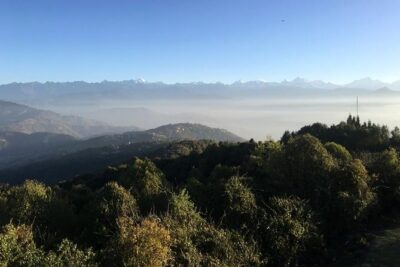
Nagarkot Sunrise View and Day Hiking from Kathmandu
Read our review →