
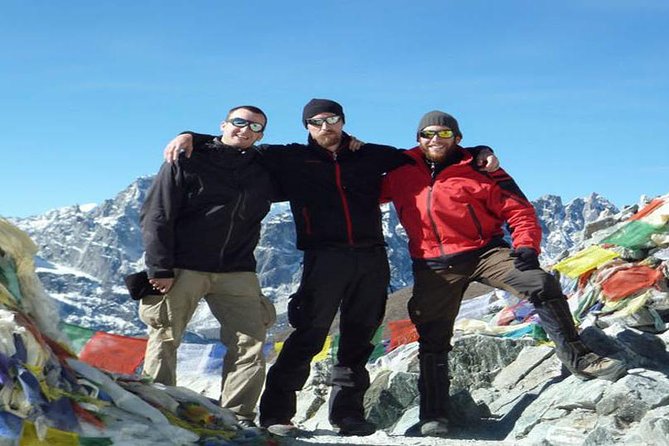
REVIEW · KATHMANDU HIKING TOURS
Everest Base Camp Trek
The mountains begin before the trail does. This 14-day Everest Base Camp trek combines a professional guide with domestic flights, tea-house lodging, and time in Kathmandu, making it a useful package for anyone who wants the famous route without arranging every piece alone. You fly from Kathmandu to Lukla, walk through villages such as Namche Bazaar and Dingboche, reach Everest Base Camp and Kala Patthar, then return by the same mountain route.
I like that Lukla airfare and 11 tea-house nights are included, since those are two of the hardest parts to organize independently. I also like the private format, with only your own group participating and a maximum of eight people per booking. The main caution is altitude: the route reaches about 5,364 meters, or 17,598 feet, and the published schedule contains several very long walking days. Good fitness, patience, and medical preparation matter more here than a low price.
Key points to know before booking
- Lukla flights are included: The package covers round-trip domestic airfare from Kathmandu, including airport tax, but flight delays and cancellations can occur.
- The route reaches 5,364 meters: Altitude sickness can affect people of any age or fitness level, so speak with your doctor before departure.
- Private groups are capped at eight: You trek with your own party and a licensed guide rather than joining a large public group.
- Tea houses form the base of the trip: Eleven nights of mountain accommodation are included, with three-star Kathmandu lodging also provided.
- Budget extra for meals and tips: Food and drinks are listed at about $350 per person, with gratuities suggested at $150 per person.
- Plan extra days around Lukla: The operator advises allowing one or two spare days in case weather disrupts flights.
What the $999 price really covers
At $999 per person, this trek offers a useful bundle for a demanding route. You get airport pickup and drop-off by private car, a licensed trekking guide, Kathmandu hotel accommodation, tea-house nights, Lukla flights, government taxes, VAT, service charges, a first-aid kit, and a Himalayan Recreation T-shirt.
The package also includes breakfast on the stated Kathmandu hotel nights and dinner, but the wording around meals needs careful attention. The inclusions list says food and drinks are not included unless specified, with an estimated extra cost of $350 per person. I would ask the company to confirm exactly which dinners and breakfasts are covered before paying, since the general description and the detailed inclusions do not line up perfectly.
The gratuity suggestion is another $150 per person. Add that to meals and the advertised price becomes roughly $1,499 before personal gear, insurance, permits if separately charged, and any extra nights caused by flight problems. That can still be fair value for a private guided trek with flights, but you should compare the full expected cost rather than judging the $999 figure alone.
The small group size is a real advantage. A group of eight or fewer is easier to manage on narrow mountain paths, and your guide can pay closer attention to pace and health. The package also allows a guide in another language for an extra $200 per group, which is useful if English is not your preferred language.
More Everest Base Camp Treks in Kathmandu:
- Everest Base Camp Trek – 14 Days
★ 5.0 · 1,499 reviews - Everest Base Camp Trek
★ 5.0 · 842 reviews - Everest Base Camp Trekking
★ 5.0 · 485 reviews
Kathmandu arrival and Thamel, Day 1
Your trip begins at Tribhuvan International Airport in Kathmandu, where the company provides arrival assistance and private-car pickup. Day 1 is mainly for getting settled, meeting the trekking company, and spending time in Kathmandu or Thamel.
Thamel is a practical base for mountain trips. The provided schedule does not promise a formal sightseeing program on this first day, so treat it as preparation time rather than a full city tour. You may need to check equipment, organize documents, and confirm your departure details.
The company asks for a clear color passport copy, two passport-size photos, your occupation, and your home address for permits. Your passport should have at least six months of validity. Pack carefully, too. You are expected to carry your own luggage, with a recommended limit of 10 kilograms, or about 22 pounds. Extra bags can be left at the company office or hotel.
Lukla, Swayambhunath, and the first walk to Phakding
The second day begins with the short flight from Kathmandu to Lukla. This is one of the most important practical details of the entire trip. The flight is included, but mountain weather can cause delays or cancellations, so avoid scheduling an international departure immediately after the trek.
The schedule also lists Swayambhunath, Boudhanath Stupa, and the Garden of Dreams in Kathmandu around this travel day. These sites are worthwhile, but the timing looks tight when combined with the flight and the walk to Phakding. Ask the company to confirm the exact order before departure.
The first trekking section takes you toward Phakding, a mountain settlement on the route to Everest Base Camp. The itinerary assigns a very long day to this stage, shown as roughly 12 hours. Actual walking time can vary, but you should be ready for a demanding start after the flight.
Namche Bazaar and the crucial acclimatization day
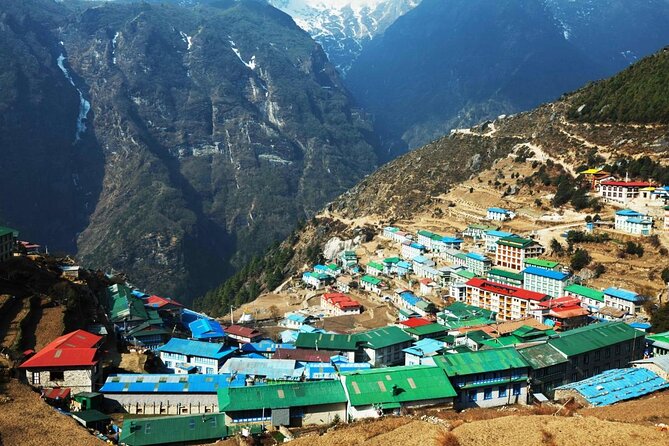
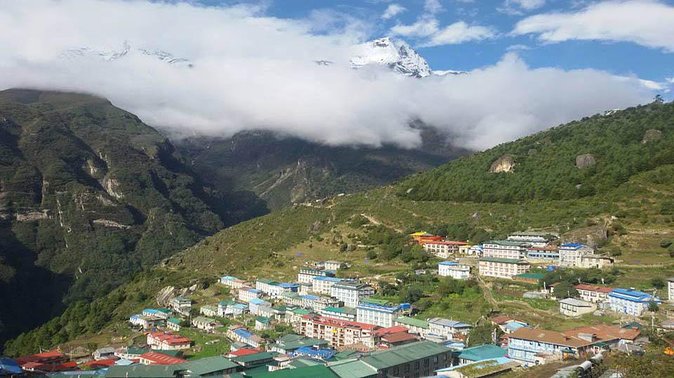
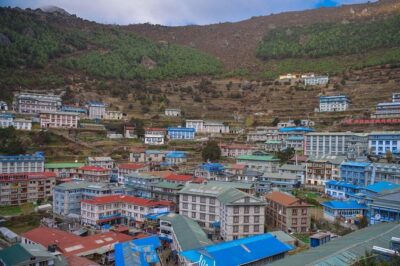
Day 3 leads toward Namche Bazaar beside the Dudh Koshi River. This is where the route begins to feel like a serious high-altitude trek. Namche is a major stop on the Everest route, and reaching it is an achievement in itself.
Day 4 is set aside in Namche, which is one of the best features of the plan. The schedule includes an excursion to an Everest viewpoint, lasting about two hours. This kind of acclimatization day gives your body time to adjust while still keeping you active.
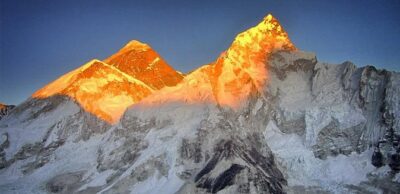
Do not treat the Namche rest day as wasted time. It is one of the safety features of a sensible itinerary. The Everest viewpoint also gives you an early mountain panorama without forcing you to climb to a higher overnight elevation.
A few more hikes around Kathmandu worth a look
- Nagarkot Sunrise View and Day Hiking from Kathmandu
★ 5.0 · 471 reviews - Annapurna Circuit Trek with Tilicho Lake
★ 5.0 · 368 reviews - Everest Base Camp Trekking – 13 Day
★ 5.0 · 365 reviews - Everest Base Camp Trek
★ 5.0 · 350 reviews
Tengboche and the mountain views
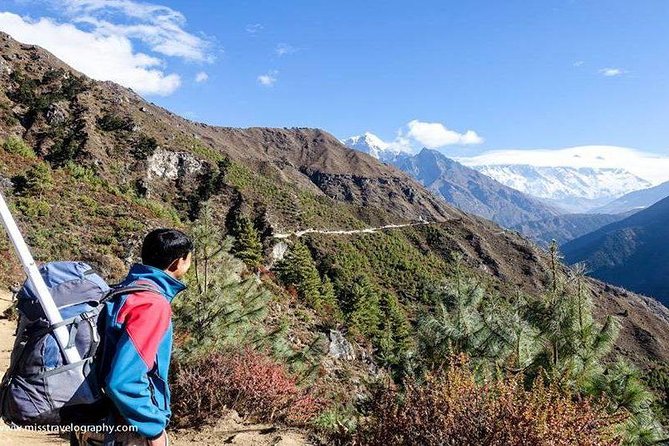
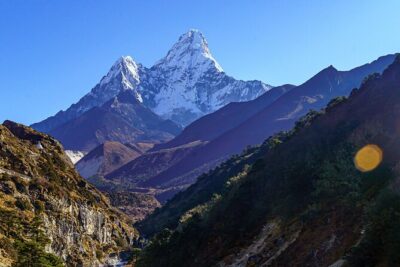
The path continues to Tengboche on Day 5. The village is known for Tengboche Gompa, which is included in the route. The itinerary also points to views of Ama Dablam and Taboche in Sagarmatha National Park.
This is one of the scenic high points of the trip, but the day is again listed at about 12 hours. That suggests a long walking schedule, or possibly a broad estimate that includes stops. Either way, ask how the guide handles pace and rest breaks.
The guide is licensed by the government and has basic first-aid training. The company says guides know the closest medical facilities, which is useful in a remote region. Still, this is not a substitute for evacuation insurance or a personal medical plan.
Dingboche, Chukhung, and adjusting to altitude
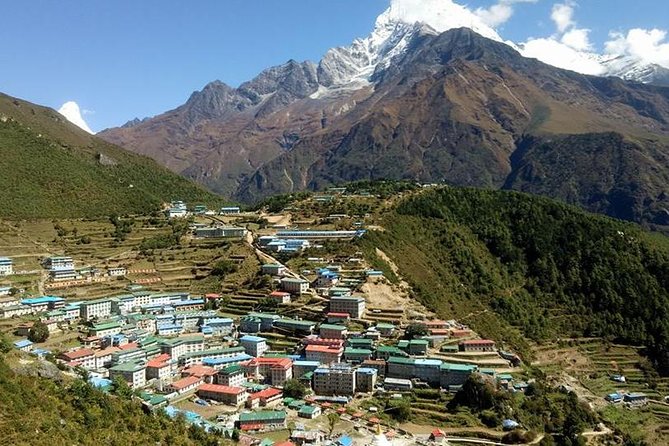
Day 6 takes you to Dingboche, another major altitude stop. Day 7 remains in the Dingboche area and includes the route toward Chukhung and Island Peak. The schedule describes another long day, around 12 hours.
Dingboche is important because the air is thinner and the walking becomes more demanding. The itinerary’s decision to spend two nights in the area helps break up the climb. You should use this time to watch for headaches, nausea, unusual tiredness, or other signs of altitude trouble.
The company clearly warns that health problems can occur at high altitude regardless of age, gender, or fitness. Take that warning seriously. You need travel insurance covering medical treatment and emergency repatriation, and proof of insurance must be shown to the tour leader on the first day.
Lobuche and the Khumbu Glacier
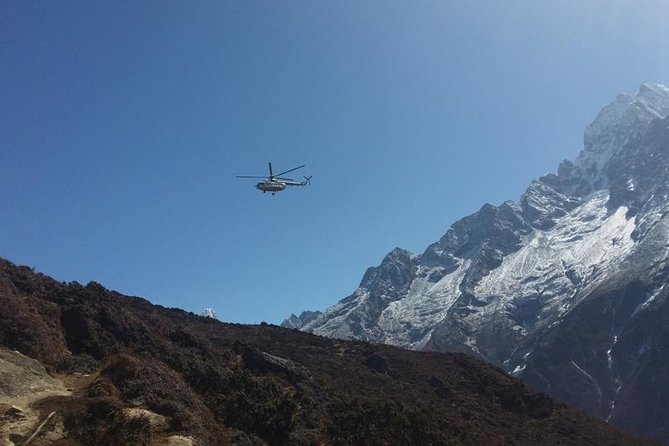
On Day 8, you continue to Lobuche and see the Khumbu Glacier. This section brings the route into a colder, more exposed part of the trek. The itinerary again assigns approximately 12 hours, so steady pacing will be important.
The glacier is one of the defining features of the approach to Base Camp. You are not simply walking through villages now. The route becomes more stark, and the combination of altitude, cold, and long days can make even ordinary walking feel hard.
Tea-house accommodation keeps the trip practical, but you should not expect hotel comfort in the mountains. The package confirms 11 tea-house nights, but it does not specify room standards, heating, bathroom arrangements, or meal choices. Ask about those details if comfort is a major concern.
Everest Base Camp and Gorak Shep
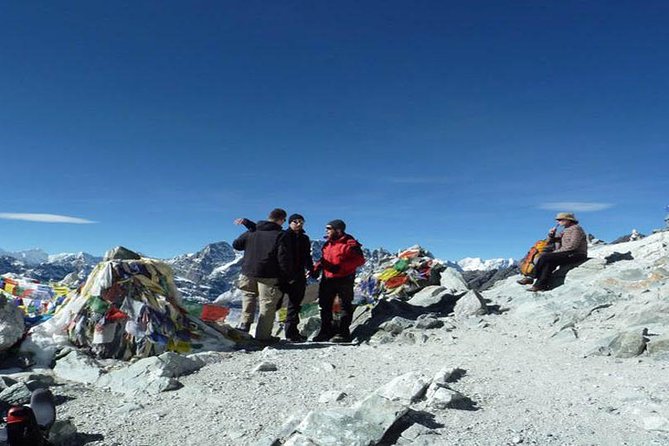
Day 9 is the emotional center of the trek. The schedule includes Mount Everest, Gorak Shep, and the approach to Everest Base Camp. Gorak Shep is the high settlement used for this section of the route, and the itinerary lists another 12-hour day.
Reaching Base Camp is a major physical goal, but keep your expectations realistic. The route takes you to the base camp area, not to the summit, and the views of Everest itself may be affected by surrounding peaks or weather. The real reward is the journey through the Khumbu region, with glaciers, high passes, mountain villages, and changing views along the way.
Because the schedule is tight at this altitude, ask how the guide manages the Base Camp day. You should know where you sleep, how early you start, and what happens if weather or health makes the planned timing unsafe.
Kala Patthar and the return toward Pangboche
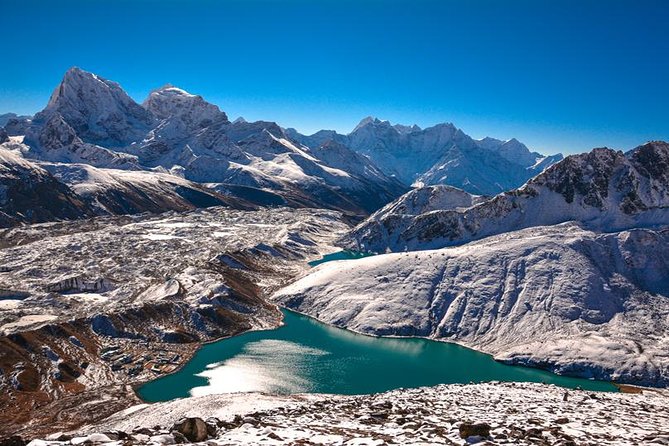
Day 10 includes Kala Patthar, followed by the road toward Pheriche and Dughlha and then Pangboche. Kala Patthar is one of the best viewpoints on the route and gives you a chance to look across the Everest region from a higher position.
The listed visit is about one hour, but the overall day is much longer. An early start may be required, especially if the goal is to reach Kala Patthar during the best light. Your guide should make the pace and departure time clear.
The descent toward Pangboche is a welcome change for your lungs, though downhill walking can be hard on tired knees. It is still a full trekking day, so do not assume that descending makes the route easy.
Namche, Lukla, and the journey back
Day 11 returns to Namche Bazaar, and Day 12 continues to Lukla. These are long walking days, each listed at roughly 12 hours. The return route may feel quicker because you recognize the villages, but fatigue can make the final miles surprisingly tough.
Day 13 brings you back to Kathmandu by domestic flight. The package includes private airport assistance and a Kathmandu hotel night according to the detailed inclusions, while the general description refers to three Kathmandu nights. This inconsistency should be resolved in writing before you book.
Day 14 is listed simply as Kathmandu, likely allowing time for departure or a final buffer. That extra day is useful if the Lukla flight schedule shifts, but you should still consider adding one or two spare days beyond the official program if your international flight is fixed.
Who this trek suits best
I would choose this package if you want a private, guided Everest Base Camp route and prefer one company to handle the main transport and lodging. It suits people with strong physical fitness who are comfortable walking for many hours at altitude and carrying a light pack.
It is less suitable if you want a relaxed holiday, guaranteed flight times, or a highly flexible daily schedule. The itinerary has several 12-hour days, and the altitude can affect even fit people. Children as young as eight are permitted, but the physical demands mean age alone should not determine suitability.
You should also be comfortable with basic tea-house conditions and changing weather. Required trekking gear can be bought or rented in Kathmandu, and the guide can help arrange it. That is convenient, but you should not wait until the last minute to discover that you need cold-weather clothing or proper footwear.
Booking advice and final verdict
I would book this trek if the company confirms four points before payment: the exact number of Kathmandu hotel nights, which meals are included, the full permit cost, and the plan for Lukla delays. Those details affect both your budget and your peace of mind.
The strongest parts are the private group format, included Lukla flights, licensed guide, tea-house lodging, and the Namche acclimatization day. The main weaknesses are the demanding schedule, unclear meal wording, and limited buffer for flight disruption.
For a prepared hiker who wants the classic Everest Base Camp route with logistical support, this is a solid value at its advertised price. You should book it only after adding funds for food, tips, insurance, gear, and possible extra nights. Free cancellation is available up to 24 hours before the start time, but changes or cancellations inside that window are not refunded.
FAQ
How long is the Everest Base Camp trek?
The advertised duration is approximately 14 days, including time in Kathmandu, the Lukla flight, the trek to Everest Base Camp, and the return journey.
What is included in the price?
The package includes airport pickup and drop-off, Kathmandu hotel accommodation, 11 tea-house nights, round-trip Kathmandu to Lukla airfare with airport tax, a licensed trekking guide, government taxes, VAT, service charges, a first-aid kit, and a company T-shirt.
Are food and drinks included?
Food and drinks are listed as an additional cost of about $350 per person unless specifically included. The inclusions also mention dinner and two breakfasts, so you should confirm the exact meal arrangement with the company.
How much should I budget for gratuities?
The stated suggested amount for gratuities is $150 per person.
How high does the trek go?
The route reaches approximately 5,364 meters, or 17,598 feet, above sea level.
Is travel insurance required?
Yes. You must have insurance covering medical expenses and emergency repatriation, and proof must be shown to the tour leader on the first day.
How much luggage can I bring?
You are expected to carry your own luggage, and the recommended weight is under 10 kilograms, or about 22 pounds. Extra luggage can be left at the company office or hotel.
What happens if the Lukla flight is delayed?
Lukla flights can be delayed or canceled because of weather. The company recommends allowing one or two extra days, and you should avoid arranging a tight international flight connection after the trek.
Just added around Kathmandu
- Annapurna Base Camp Trek – 11 Days★ 5.0 · 30 reviews
- Annapurna Base Camp Trek 12 Days★ 5.0 · 18 reviews
- Annapurna Base Camp Trek 10 Days★ 5.0 · 35 reviews
- Adventurous Annapurna Base Camp Trekking★ 5.0 · 7 reviews
- Annapurna Base Camp Trek★ 5.0 · 80 reviews
- Annapurna Base Camp Trekking★ 5.0 · 38 reviews
- Annapurna Base Camp Private Short Trek★ 5.0 · 8 reviews
- Annapurna Base Camp Short trek★ 5.0 · 13 reviews
Kathmandu Hiking Tours, compared.
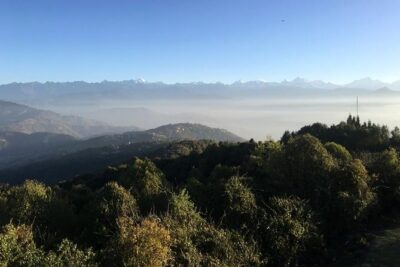
Nagarkot Sunrise View and Day Hiking from Kathmandu
Read our review →
Browse the lists this tour appears in