
REVIEW · KATHMANDU HIKING TOURS
12 Days Everest Base Camp Kala Patthar Trek
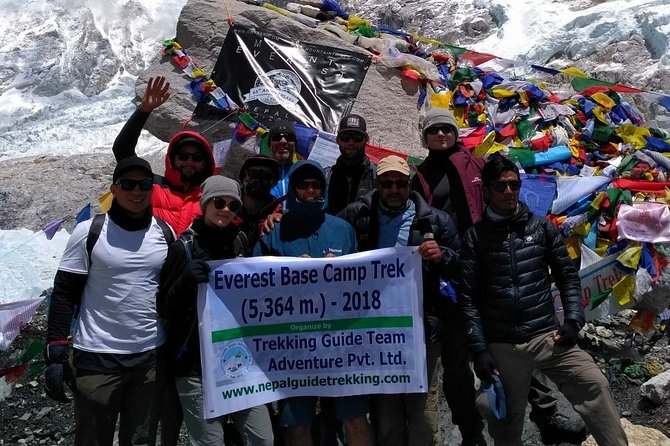
The world’s highest mountains come with real effort. This private 12-day trek combines the classic Everest Base Camp route with a climb to Kala Patthar, a viewpoint famous for close views of Everest, and it includes a guide, porters, meals, permits, lodging, and flights from Kathmandu. I especially like the private group format and the chance to stay in family-run mountain tea houses rather than moving through a polished resort program.
I also like that the package includes meals, guide and porter costs, transportation, and a visit to Tengboche Monastery. The main concern is the uncertainty around Lukla flights. Weather can delay or cancel them, and extra hotel nights or a helicopter can cost more.
Key points before you book
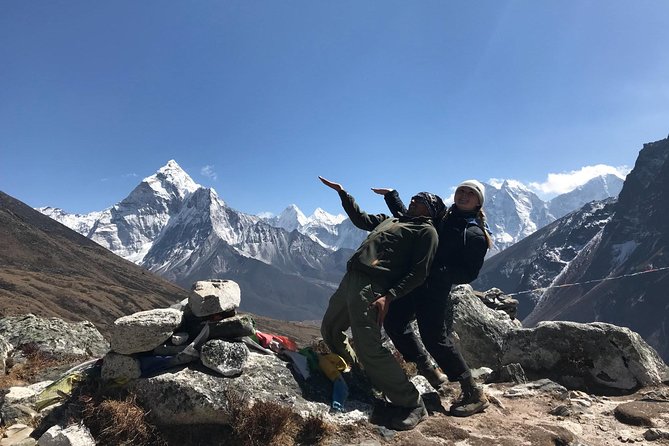
- Kala Patthar is the high point: The trek includes Everest Base Camp and the Kala Patthar viewpoint, giving you two different Himalayan goals.
- Private support matters: Your guide works only with your group, while one porter is included for every two people.
- Tea house nights are basic: Ten nights are in family-run lodges on a twin-sharing basis, with outside toilets and no included hot showers.
- Lukla flights can disrupt plans: Weather delays are possible, and return transfers, extra accommodation, or helicopter costs may be yours to pay.
- The price covers a lot: At $1,799 per person, the package includes food, permits, domestic flights, lodging, staff, and ground transport.
- Fitness is not optional: This is a strenuous high-altitude trek, not a sightseeing tour with a few walks added.
What the 12-day route is really asking of you
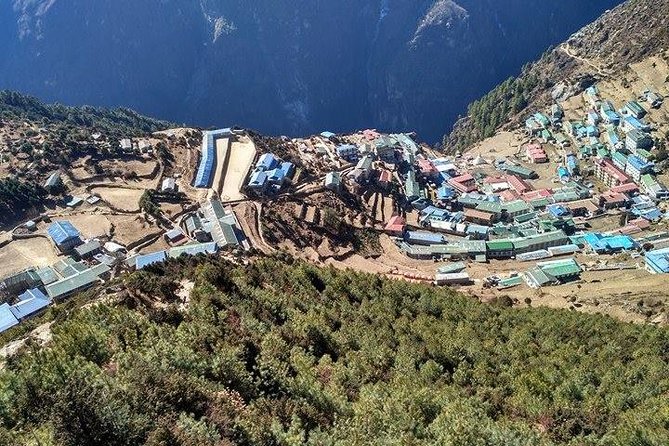
This is a serious mountain journey packed into roughly twelve days. You will spend most of the trip walking at altitude, sleeping in simple lodges, and adjusting to thinner air. The reward is a changing view of the Khumbu region, from busy trail towns to quiet mountain paths and huge Himalayan peaks.
The exact daily walking schedule is not supplied, so you should confirm the full day-by-day plan before paying. The central route is clear: Kathmandu, a flight toward Lukla, the Everest Base Camp area, Kala Patthar, and the return journey. Ask how many acclimatization days are built in, because that detail matters greatly on a high-altitude trek.
The itinerary includes ten nights in tea houses or lodges. These are family-run mountain properties, which gives the trip a more local feel than a large hotel circuit. You should expect practical accommodation rather than comfort: twin-sharing rooms, basic facilities, and outside toilets are specifically part of the arrangement.
More Everest Base Camp Treks in Kathmandu:
- Everest Base Camp Trek – 14 Days
★ 5.0 · 1,499 reviews - Everest Base Camp Trek
★ 5.0 · 842 reviews - Everest Base Camp Trekking
★ 5.0 · 485 reviews
Kathmandu to Lukla: where the adventure begins
Kathmandu is the starting point and the place where you meet the trekking team and prepare for the mountains. Accommodation in Kathmandu is not included, so you will need to arrange and pay for your own hotel before or after the trek.
The flight to Lukla is one of the trip’s major logistical points. The weather can change quickly, and flights may be delayed or cancelled. If that happens, the package does not cover a return trip to your hotel, another night of accommodation, or repeated airport transfers. A helicopter may be offered if conditions remain poor, but the listed estimate is about $300 total, with roughly $150 additional after applying the original flight ticket.
That is not a reason to avoid the trek. It is a reason to keep money and time in reserve. Avoid scheduling an international flight immediately after the planned return from the mountains. The operator also notes that only 12 kilograms of luggage is included on the Lukla flight. Extra baggage costs Rs 100 per kilogram.
Walking through Sherpa country
The cultural side of this trek is one of its strongest features. You will pass through communities shaped by Sherpa traditions, mountain trade, Buddhism, and the demands of life in a high-altitude region. The trip promises family-run tea houses and local hospitality, so you have a chance to experience the route through ordinary mountain businesses rather than only through a guide’s commentary.
Your guide is important here. The company has used guides such as Shambu, Ram, and Deepak Gurung, with Shambu receiving especially strong praise for patience, care, and day-to-day leadership. One group also described Shambu as a former Nepalese Army senior guide, though you should confirm who will lead your particular departure.
A good guide does more than point out peaks. On this route, the guide monitors your pace, helps with lodge arrangements, keeps the group together, and responds when someone feels unwell. One past group credited the team, including guides Shambu, Geshap, and Sita Ram, with helping during a medical evacuation. That detail is worth noting, but it also underlines the need for your own travel insurance.
Tengboche Monastery and the meaning of the route
Tengboche Monastery is one of the trip’s cultural highlights. Its mountain setting gives the trek a welcome pause from the physical routine of walking, eating, sleeping, and walking again. The monastery also helps explain the spiritual character of the Khumbu region, where Buddhist practice is part of daily life.
You should not expect a long cultural tour with extensive indoor sightseeing. This is primarily a trek, and the monastery visit fits into that mountain journey. Its value comes from the setting and the connection to local life.
As you continue higher, the route becomes more demanding. Walking distances, elevation gain, cold, and limited facilities all matter. The itinerary specifically requires strong physical fitness, and you should take that seriously. Even fit people can struggle with altitude, headaches, fatigue, or stomach problems.
A few more hikes around Kathmandu worth a look
- Nagarkot Sunrise View and Day Hiking from Kathmandu
★ 5.0 · 471 reviews - Annapurna Circuit Trek with Tilicho Lake
★ 5.0 · 368 reviews - Everest Base Camp Trekking – 13 Day
★ 5.0 · 365 reviews - Everest Base Camp Trek
★ 5.0 · 350 reviews
Everest Base Camp and Kala Patthar
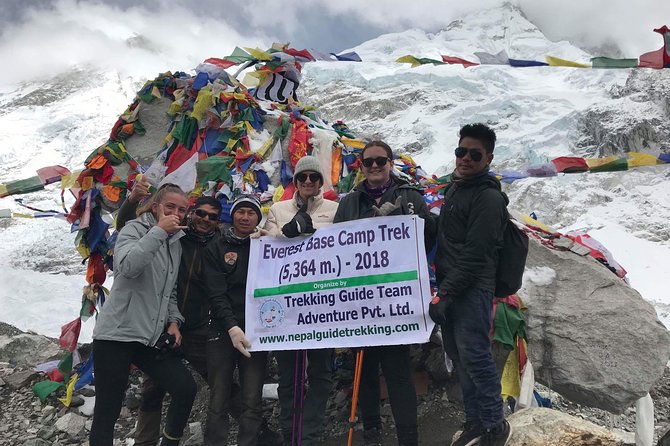
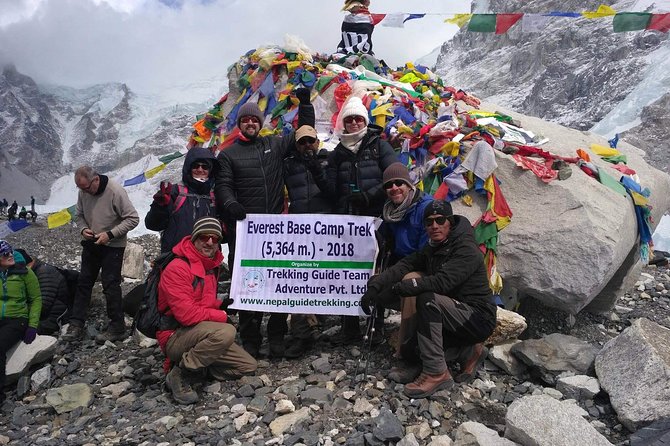
Everest Base Camp is the emotional target of the trek. Reaching it gives you the satisfaction of completing one of the world’s best-known mountain routes. The camp itself is seasonal and functional, not a permanent village or a grand monument, so the achievement comes from the journey and the setting around it.
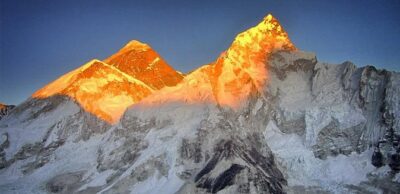
Kala Patthar provides a different reward. From this high viewpoint, you seek the classic close view toward Everest and the surrounding peaks. Many people consider this the better photography point because Base Camp itself does not always offer the clearest view of Mount Everest.
The climb to Kala Patthar is often tough because it comes at high altitude and usually involves an early start, though the supplied information does not confirm the exact timing. Confirm the planned schedule with the operator. You will want warm clothing, gloves, a headlamp or torch, sturdy trekking shoes, sunglasses, sunscreen, and a trekking pole.
The package does not include technical equipment or personal supplies. You are expected to bring or rent items such as a sleeping bag rated to minus 15 degrees, a down jacket, warm clothing, gloves, socks, a towel, a torch, sunglasses, sunscreen, and basic medicine. This can add to the real cost of the trip, especially if you own none of the cold-weather gear.
Tea houses, meals, and daily comfort
The included meals are breakfast, lunch, and dinner during the trek. That is a meaningful part of the package price, since food costs rise in remote mountain settlements. You will not need to plan every meal or carry enough food for twelve days.
Drinks are different. Tea, coffee, soft drinks, alcoholic drinks, and other beverages are not included. Hot showers are also excluded. These costs can build up, so carry enough cash and ask the operator how much local currency you should bring.
The tea house arrangement is practical rather than luxurious. Rooms are twin-sharing, and the lodges have outside toilets. You may find electricity and hot water available at extra cost, but those details are not guaranteed by the supplied package. Pack with the assumption that charging, washing, and sleeping will be basic.
At the end of the trip, a typical Nepali cultural dinner is included. That gives the return to Kathmandu a pleasant local touch and offers a chance to celebrate with the guide and porter team.
Guides, porters, and private service
The package includes an experienced guide and one porter for every two people. The porter’s salary, food, drinks, accommodation, transport, and insurance are covered. If you are travelling alone, a porter is not included, but one can be added for an extra $250.
That distinction matters. A solo trekker should budget for the porter if carrying a full load at altitude is not realistic. If you are a couple or a small group, the included porter arrangement can reduce the physical burden while keeping the group compact.
Past groups have singled out guides Shambu, Ram, and Deepak Gurung, along with porters including Mahes, Keshab, and Gyayen. The most praised qualities are care, patience, communication, and willingness to help when plans change. You should still ask for the name and experience of your assigned guide before departure.
This is a private activity, so only your group participates. That gives you more control than a large group departure. You can discuss pace, rest stops, and practical concerns directly with your guide, though the mountain route and altitude will still limit what is possible.
Is $1,799 a fair price?
At $1,799 per person, the package offers solid value if you want a supported trek rather than arranging each part yourself. It includes guide service, porter support, ten lodge nights, three meals per trekking day, permits, transportation, domestic flights, and a final cultural dinner.
The price does not include Kathmandu hotels, international flights, Nepal’s entry visa, personal insurance, equipment, drinks, showers, tips, excess baggage, or weather-related expenses. The visa is available on arrival at Tribhuvan International Airport, with the supplied information listing $30 and two passport photos.
Your biggest extra cost should be travel insurance that covers helicopter rescue and medical bills. Do not treat this as optional. The package specifically excludes personal insurance, and high-altitude evacuation can be expensive.
Tips are not included either. The trip does not state a recommended amount, so ask the operator for current guidance before you leave. Bring enough cash for drinks, showers if available, charging, extra baggage, tips, and unexpected delays.
What past groups valued most
The strongest pattern is the quality of personal support. Shambu is repeatedly praised for patience, care, and practical leadership. Ram also receives warm praise, while Kabi is described as responsive from Kathmandu and helpful with planning.
The team has also handled difficult situations. A medical evacuation was managed for one group, and another group reached Base Camp in December with substantial assistance from the guide and porters. These examples do not remove the normal risks of altitude, but they suggest that the operator understands the demanding nature of the route.
A group of nine, including three children, completed a trek with Shambu as guide. That does not mean this itinerary is easy for children, and the supplied information still calls for strong fitness. It does show that the guide has experience managing different abilities within a private group.
Who should book this trek?
I would recommend it to you if you want a classic Everest Base Camp experience with private guiding and most major trekking costs bundled together. It is particularly suited to people who value personal assistance, local lodges, Sherpa culture, and a clear mountain goal.
It may also suit repeat hikers who know they prefer a small, supported group. The included porter arrangement is useful, and the guide can help with the daily realities that are easy to underestimate.
I would be cautious if you have little hiking experience, limited cold-weather gear, a tight schedule, or no budget for unexpected costs. The 12-day format leaves little room for weather delays or health problems. You also need to accept outside toilets, no included hot showers, simple rooms, and uncertain Lukla flights.
The cancellation policy is strict: the experience is non-refundable and cannot be changed after booking. Confirm your insurance, flight schedule, equipment, Kathmandu hotel, and emergency budget first.
Should you book the Everest Base Camp trek?
Book it if you want a private, fully supported route to Everest Base Camp and Kala Patthar, and you are comfortable with basic mountain conditions. The package price is reasonable for what it includes, and the guide and porter support appear to be its greatest strengths.
Before paying, get the complete daily itinerary, confirm the assigned guide, ask about acclimatization days, and understand the Lukla delay plan. If you can handle the physical demands and keep your schedule flexible, this offers a practical way to reach one of the world’s most famous trekking destinations without arranging every detail yourself.
FAQ
What is included in the $1,799 price?
The price includes ten nights in twin-sharing tea houses or lodges during the trek, breakfast, lunch and dinner, an experienced guide, a porter for every two people, permits, transportation listed in the itinerary, domestic flights connected with the trek, and a typical Nepali cultural dinner.
Is accommodation in Kathmandu included?
No. Accommodation in Kathmandu is not included. You must arrange and pay for Kathmandu lodging before or after the trekking dates.
Is a porter included for a solo trekker?
No. A porter is included for every two people, but a solo trekker must pay an additional $250 if they want a porter.
What happens if the Lukla flight is cancelled?
The flight may be delayed or cancelled because of weather. Return transportation to your hotel and accommodation for the extra night are not included. If conditions remain poor, a helicopter may be available at an estimated total cost of about $300, with an additional payment after the flight ticket is applied.
Does the trek include travel insurance and helicopter rescue?
No. Personal travel insurance is not included. You should arrange insurance that covers medical costs and helicopter rescue.
Are hot showers, drinks, and trekking equipment included?
No. Alcoholic and non-alcoholic drinks, hot showers, and equipment such as a sleeping bag, down jacket, trekking shoes, gloves, torch, trekking stick, sunglasses, sunscreen, and warm clothing are not included.
Just added around Kathmandu
- Annapurna Base Camp Trek 12 Days★ 5.0 · 18 reviews
- Annapurna Base Camp Trek 10 Days★ 5.0 · 35 reviews
- Annapurna Base Camp Trek – 11 Days★ 5.0 · 30 reviews
- Annapurna Base Camp Trekking★ 5.0 · 38 reviews
- Adventurous Annapurna Base Camp Trekking★ 5.0 · 7 reviews
- Annapurna Base Camp Trek★ 5.0 · 80 reviews
- Annapurna Base Camp Private Short Trek★ 5.0 · 8 reviews
- Annapurna Base Camp Short trek★ 5.0 · 13 reviews
Kathmandu Hiking Tours, compared.
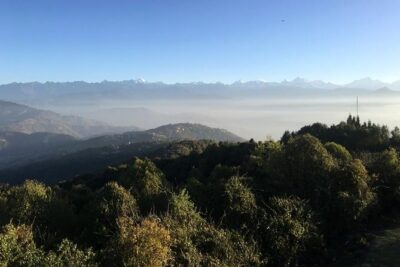
Nagarkot Sunrise View and Day Hiking from Kathmandu
Read our review →
Browse the lists this tour appears in