
REVIEW · JAPAN HIKING TOURS
3hours Primeval Forest and Stunning Views of Cliff Trekking Tour
Shiretoko rewards curious walkers. This guided trek follows animal tracks through an old-growth forest before reaching views of cliffs more than 100 meters high and a waterfall. I like the small group size, with no more than eight people, and the fact that Picchio Shiretoko supplies rainwear, rubber boots, and binoculars. The main consideration is simple: this is a three-hour walk, not a short viewpoint visit, and you need moderate physical fitness.
I also like the strong focus on wildlife safety. Guides such as Makoto, Yuki, Kato, Yuriko, Ako, Yusuke, and Mark have been praised for clear explanations, friendly company, and careful handling of bear-country conditions. Sightings are never guaranteed, but deer, birds, bear tracks, and even a bear have been seen on different outings.
Key points at a glance
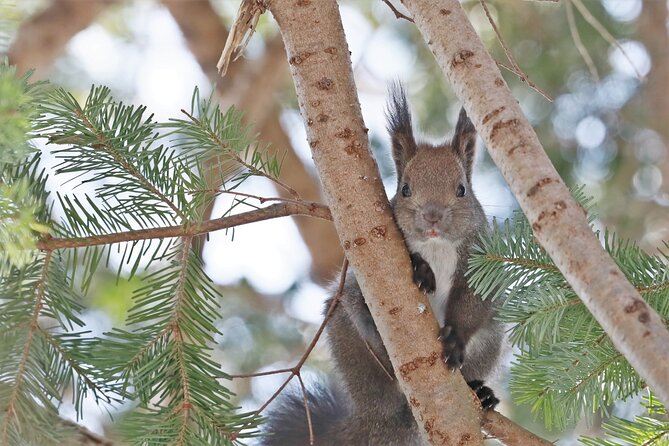
- Follow wildlife paths through untouched forest: The route uses animal tracks rather than a standard sightseeing path, giving you a closer look at Shiretoko’s natural setting.
- See 100-meter cliffs and a waterfall: The forest walk includes a dramatic coastal viewpoint that adds real scenery to the wildlife focus.
- Gear is supplied: Rainwear, rubber boots, and binoculars are available, so you do not need to bring specialist outdoor equipment.
- Small groups make a difference: With a maximum of eight people, you get more room to hear the guide and watch for animals.
- English-speaking guides are available: Makoto, Mark, Yuki, Kato, Yuriko, Ako, and Yusuke have all been praised for their English and nature explanations.
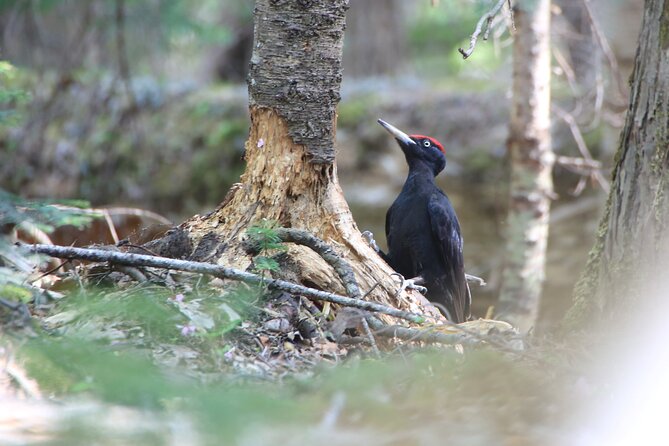
- Wildlife is possible, not promised: Deer, eagles, birds, black woodpeckers, bear tracks, and a bear have appeared on outings, but nature sets the schedule.
Why this Shiretoko walk feels different
Shiretoko is one of Japan’s great wild places, and this tour shows you a side of the national park that is easy to miss from the main viewpoints. You are not simply walking to a lookout, taking a photo, and returning to the bus. You spend about three hours moving through forest used by native animals, with a guide explaining what you are seeing along the way.
That difference matters. Animal tracks, broken branches, bird calls, and changes in the forest floor can be easy to ignore when you walk alone. A guide helps turn those small clues into a picture of how the forest works. The guides have explained local wildlife, forest types, the area’s history, and the risks of bear country in both Japanese and English.
The route also gives you a useful balance. Some nature walks can feel like a long lesson with little visual reward. Here, the forest leads to a striking coastal view, with cliffs rising more than 100 meters and a waterfall adding another focal point. The scenery gives the walk a clear payoff, while the woodland sections provide the quieter, more thoughtful part of the experience.
More Coastal and Cliff Walks in Japan:
- Oiso: Adventure Hike to See Mt. Fuji & Historic Coastal Walk
★ 5.0 · 10 reviews - From Reykjavik: Glacier Hike, South Coast and Waterfalls Day Trip
★ 5.0 · 915 reviews - Glacier Hike and South Coast Small-Group Tour from Reykjavik
★ 5.0 · 827 reviews
Starting at the Shiretoko National Park Nature Center
The listed meeting point is the Shiretoko National Park Nature Center at 531 Onnebetsumura, Shari, Shari District, Hokkaido 099-4356. The activity ends back there, which makes the logistics easier than a one-way hike.
Pickup is offered, but the meeting point is also specified as the Nature Center. I would confirm the pickup arrangement before you go, especially if you are staying away from the center. Confirmation arrives within 48 hours of booking, subject to availability, so leave enough time to sort out the meeting details.
The tour is usually booked around 30 days ahead. That is useful planning information for a visit to Shiretoko, where outdoor activities can have limited spaces. A maximum of eight people keeps the group manageable and gives the guide a better chance to keep everyone together in thick forest or near wildlife.
The first forest section: tracks, trees, and quiet clues
The main walk lasts about three hours. You follow paths made or used by local wildlife through primeval forest, with the guide setting the pace and pointing out signs that you might otherwise pass without noticing.
This is not presented as a strenuous mountain climb, but it is still a real walk. The tour requires moderate physical fitness, and the ground can become muddy or wet. A past outing included a warning about muddy terrain, while another involved a rainy day and wet conditions. The supplied rubber boots are therefore more than a nice extra. They remove the need to worry about your everyday shoes.
You may also receive rainwear and binoculars. The binoculars are especially useful when the group stops to scan the trees, open areas, or distant cliffs. They cannot guarantee a sighting, of course, but they help you make better use of a brief glimpse.
The guide’s role is central here. Makoto has been praised for his English, humor, and ability to explain the forest in a relaxed way. Kato has been described as energetic and generous with nature facts. Yuki has received praise for her English and her careful attention to the people in her group. These details matter because the forest itself does not come with signs explaining every track.
Wildlife watching in bear country
Shiretoko is bear country, and the tour treats that fact seriously. The presence of bears is part of the area’s identity, but it also means this is not a casual solo stroll where you wander wherever you like.
You might see deer, eagles, smaller birds, or a black woodpecker. Bear tracks have been found in snow during winter walks, and one group reported that its guide spotted a bear and moved everyone to safety quickly. That is an important distinction: the purpose is not to chase wildlife or force a sighting. The guide watches conditions and makes decisions that protect the group.
You should approach the wildlife element with realistic expectations. Some outings produce several deer and birds. Others may offer tracks, sounds, or a better understanding of animal behavior rather than a close encounter. That uncertainty is part of a genuine nature walk, not a flaw in the tour.
The guide also helps you understand why safety rules matter. In bear country, the best experience is one where you leave with good memories and no foolish stories about getting too close. I appreciate that the tour combines excitement with sensible supervision.
More Forest and Jungle Hikes in Japan:
- 3.5hours Primeval Forest Snowshoe hike and Wildlife Watching Tour
★ 5.0 · 14 reviews - Small Group Waterfall and Rainforest Hiking Adventure on Maui
★ 5.0 · 1,417 reviews - Hike El Yunque Rainforest and Kayak Bio Bay Combo Tour
★ 4.5 · 1,010 reviews - Chiang Mai: 2-Day Jungle Trek with Elephant Farm & Raft Ride
★ 4.7 · 881 reviews
Reaching the cliffs and waterfall
The most dramatic visual moment comes when the forest opens toward the cliff line. The cliffs rise more than 100 meters and overlook a beautiful waterfall, creating a strong contrast with the enclosed woodland.
This viewpoint gives the tour its sense of scale. In the forest, your attention is close to the ground, focused on roots, tracks, bark, and small signs of life. At the cliffs, your eyes move outward and downward. You see how the forest meets the coast and why Shiretoko feels so remote.
The sea view has been singled out as one of the memorable parts of the walk, even in poor weather. Still, visibility depends on conditions. Rain, mist, or low cloud may soften the view, so you should not judge the tour only by the clearest photographs. The forest can remain interesting in wet weather, but the cliff section may not look the same every day.
This part of the route is also a good reason to bring a camera, though you should keep it secondary to staying with the group and following the guide’s instructions. The combination of high cliffs, falling water, and untouched woodland gives you a setting that feels very different from Japan’s busy cities and heavily visited temple sites.
What the guides add to the experience
The guide quality is the strongest part of this tour. Nature walks succeed or fail on interpretation, and the available guide feedback points to a team that is friendly, enthusiastic, and comfortable explaining the area to English speakers.
Makoto has been praised for his passion, humor, and strong English. Mark has also been described as funny, professional, and willing to spend extra time showing more of the area when conditions allowed. Yuki has been appreciated for her calm manner, clear English, and care with wildlife explanations.
Kato is known for sharing interesting details about nature and history, while Yuriko has been praised for making the forest and bear ecology easy to understand. Ako has shown flexibility when bad weather required a change of day. Yusuke has been described as animated and engaging, particularly when leading a small group.
You may not receive the same guide on every departure, so the personality of the walk can vary. The consistent advantage is the presence of a trained local guide who can explain what you are seeing and manage conditions in a wild setting.
Weather, seasons, and the supplied gear
The tour requires good weather, and poor conditions can lead to a new date or a full refund. That policy is sensible for a forest walk in bear country, where rain, mud, visibility, and trail conditions can change the quality and safety of the outing.
You can also cancel for a full refund if you do so at least 24 hours before the start time. Cancellations made less than 24 hours ahead are not refunded, and late changes are not accepted. If Picchio Shiretoko cancels because of weather, you are offered another date or a full refund.
The supplied equipment makes the tour easier to fit into a wider Hokkaido itinerary. You do not have to pack rubber boots just for one activity, and the rainwear gives you a practical backup. Even so, wear comfortable clothing that can handle outdoor conditions, and expect the walk to feel different in April, summer, rain, or winter snow.
A mid-April outing can still be cold, even after the drift ice has gone. Winter brings a quieter forest, snow, animal tracks, deer, eagles, and the possibility of seeing a black woodpecker. Summer may offer greener forest and easier walking, though wildlife is never scheduled on demand.
Is the $53.73 price good value?
At $53.73 per person, this is a reasonable price for a small-group, three-hour guided walk that includes rainwear, rubber boots, and binoculars. The value is not only in the equipment. You are paying for access to a part of Shiretoko that is difficult to interpret on your own, plus the safety judgment of someone familiar with wildlife and local conditions.
The maximum group size of eight is important. A cheaper large-group walk might give you less time to ask questions and make it harder to hear explanations in the forest. Here, the group remains small enough for the guide to keep an eye on everyone and stop when something worth seeing appears.
The price is less compelling if you want a guaranteed animal encounter or a fast sightseeing trip. You may spend much of the time walking quietly and looking for signs rather than watching wildlife directly. That is the right trade for a genuine forest experience, but it may not suit someone who wants a packed schedule of guaranteed highlights.
Who should book this walk?
I would choose this tour if you want nature explained rather than simply photographed. It suits people who enjoy walking at a moderate pace, asking questions, and paying attention to small details. Families with older children may find the wildlife focus engaging, provided everyone can manage a three-hour walk.
It is also a strong choice for first-time visitors to Shiretoko. The guide introduces bear-country etiquette, points out animal signs, supplies useful gear, and brings you to a memorable cliff view. You get both education and scenery without having to organize specialist equipment yourself.
You should think twice if you have limited mobility, dislike mud, or want a completely flat and effortless outing. The information only specifies moderate fitness, not a detailed accessibility assessment, so ask Picchio Shiretoko about current trail conditions before booking if that matters to you.
Practical tips before you go
- Confirm the pickup details: The Nature Center is the stated meeting point, while pickup is offered. Check exactly where you should meet.
- Allow the full 3.5 hours: The walk itself is described as about three hours, with the total experience lasting roughly three and a half hours.
- Use the supplied boots when conditions call for them: Mud and rain can make ordinary shoes a poor choice.
- Bring patience for wildlife: Deer and birds are possible, but no animal sighting is guaranteed.
- Listen closely near bear habitat: The guide’s instructions are part of the experience and should be followed without exception.
- Book ahead: The tour is often reserved about 30 days in advance, and the group is capped at eight.
FAQ
How long does the tour last?
The experience lasts approximately 3 hours and 30 minutes, including a walk of about three hours.
Where does the tour start?
It starts at the Shiretoko National Park Nature Center, 531 Onnebetsumura, Shari, Shari District, Hokkaido 099-4356, Japan.
Where does the tour finish?
The activity ends back at the meeting point.
Is pickup available?
Pickup is offered, but the listed meeting point is the Shiretoko National Park Nature Center. Confirm the exact pickup details before the tour.
What equipment is provided?
Complimentary rainwear, rubber boots, and binoculars are provided.
How many people can join?
The group has a maximum of eight people.
What level of fitness is required?
A moderate level of physical fitness is recommended for the three-hour forest walk.
What happens if bad weather cancels the tour?
You will be offered a different date or a full refund if the experience is canceled because of poor weather. You can also cancel for a full refund up to 24 hours before the start time.
Should you book the primeval forest trek?
Book it if you want a small-group walk that combines wildlife knowledge, bear-country awareness, and big coastal views. The supplied gear, capable English-speaking guides, and maximum group size of eight make the $53.73 price fair.
Skip it if you need guaranteed wildlife, dislike wet ground, or prefer a quick stop at a viewpoint. For everyone else, this is one of the better ways to experience Shiretoko beyond its famous photo spots, with a guide helping you notice the forest’s quieter signs and the dramatic cliffs waiting beyond the trees.
Just added around Japan
- Mt. Inunaki Trekking and Goma Prayer Experience in Osaka★ 5.0 · 8 reviews
- 3.5hours Primeval Forest Snowshoe hike and Wildlife Watching Tour★ 5.0 · 14 reviews
- 3 hours Snowshoe hike to “Furepe fall” and Wildlife Watching★ 5.0 · 9 reviews
- Traverse Outer Rim of Hakone Caldera and Enjoy Onsen Hiking Tour★ 5.0 · 30 reviews
- Hike Japan Heritage Hakone Hachiri (Half Day)★ 5.0 · 18 reviews
- Hike Hakone Hachiri★ 5.0 · 48 reviews
- Magome & Tsumago Nakasendo Trail Day Hike with Government-Licensed Guide★ 5.0 · 38 reviews
- Frozen fall trekking★ 5.0 · 21 reviews
Japan Hiking Tours, compared.
Fushimi Inari Hidden Hiking Tour (Private Option Available)
Read our review →
Hiroshima Local guided Hiking Tour&Open-air Tea Ceremony
Read our review →
Hiking the Historic Nakasendo Trail [1 Day Tour from Nagoya]
Read our review →
Hiroshima: Morning Hiking Tour with Open-air Tea Ceremony
Read our review →
Full Day Hiking Tour at Mt.Takao including Hot Spring
Read our review →

Browse the lists this tour appears in