
REVIEW · JAPAN HIKING TOURS
Traverse Outer Rim of Hakone Caldera and Enjoy Onsen Hiking Tour
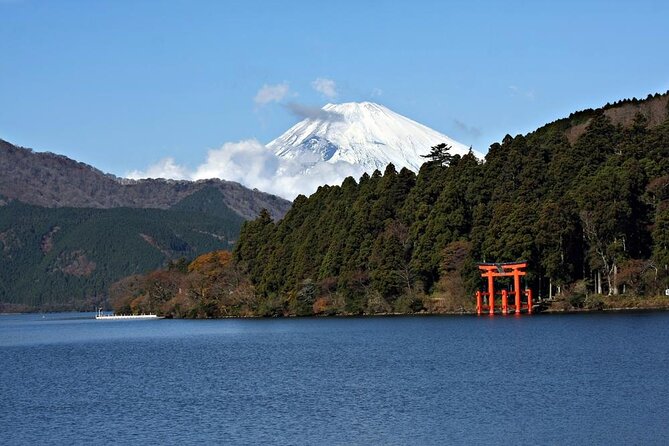
Hakone rewards hikers who leave the famous lake boats behind. This 8 to 9 km mountain route climbs the outer rim of the Hakone caldera, follows a high ridge, then ends with Japanese food and an onsen. I like the wide views toward Mt Fuji and the small group of no more than six people. I also like the way the tour removes the worry of finding the trailhead by using a chartered taxi. The main catch is simple: a 500-meter climb and up to five hours on uneven ground require strong fitness.
The route changes with the seasons. You may walk through bamboo, hear birds, see cherry blossoms in spring, red leaves in autumn, or step onto snow in winter. Mt Fuji is weather-dependent, so you need to accept that clouds may hide the star of the show. Even then, views toward Miyagino and Sengokuhara can make the hike worthwhile.
Key points to know before you book
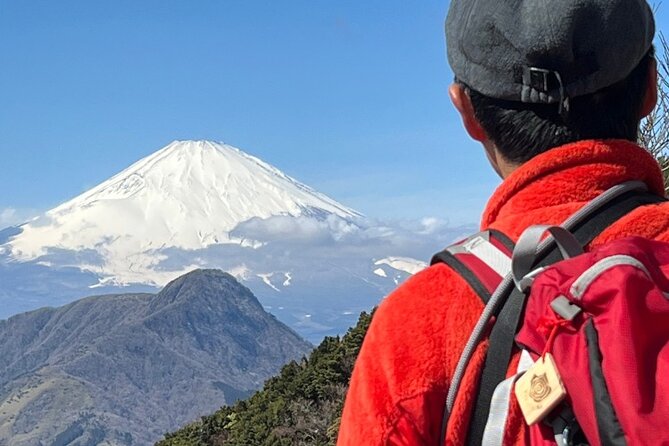
- A serious 90-minute climb: The route gains about 500 meters from a trailhead near 700 meters above sea level.
- A long ridge walk: Expect roughly 2.5 to 3 hours along the outer rim, with extra time for photos and snack stops.
- Mt Fuji is a bonus, not a promise: Clear weather may reveal Fuji for much of the ridge, but cloudy days still offer views across Hakone.
- The reward comes after the walking: A local lunch and a one-hour onsen visit follow the descent.
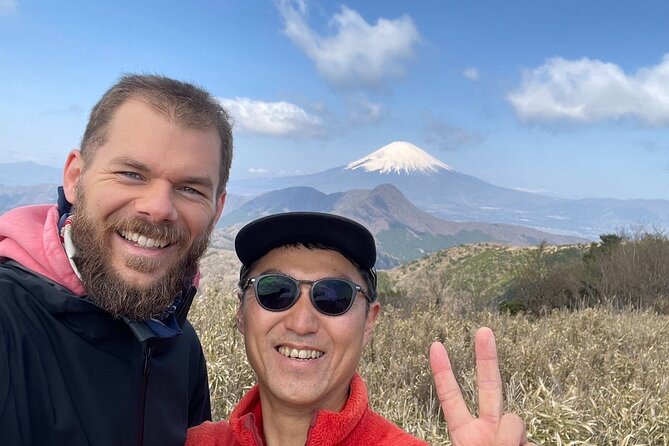
- Small and personal: The maximum group size is six, and a nationally certified guide leads the hike.
- Budget for extras: The $158.13 price excludes the taxi to the trailhead, lunch, and the ¥1,500 onsen fee.
Why this Hakone hike is different
Most Hakone sightseeing follows a familiar circuit around Lake Ashi. This tour takes you above that circuit and across the outer rim of the volcanic caldera. You see Hakone from a higher, quieter angle, with the route itself providing the main attraction rather than a string of short photo stops.
I like the balance of effort and comfort. The hike is not a gentle stroll, but it also does not end when your legs are tired. After the ridge and descent, you sit down for Japanese food and soak in indoor and outdoor baths. That combination gives the day a clear rhythm: climb, walk, descend, eat, rest.
The tour lasts about seven to eight hours, beginning at 8:30 a.m. at Hakone-Yumoto Station. You should expect the hiking portion to take four to five hours. The remaining time covers transport, lunch, and the onsen.
The group limit of six matters here. A small party is easier to manage on uneven paths, and you can ask the guide for help with pacing or route details without holding up a large busload. The guide is nationally certified, though no individual guide name is provided in the tour details.
More Volcano Hikes in Japan:
- Bali: Sunrise Mount Batur Guided Hike with Breakfast
★ 4.8 · 9,660 reviews - Bali: Mount Batur Sunrise Guided Hike and Natural Hot Spring
★ 4.8 · 9,284 reviews - Mount Etna: Summit Guided Hiking Tour up to 3,400 m
★ 4.8 · 4,792 reviews
Starting at Hakone-Yumoto and reaching the trail
You meet at Hakone-Yumoto Station, the main gateway town for Hakone. From there, the group travels by chartered taxi to the trailhead. The taxi cost is not part of the tour price, so confirm the expected amount when booking and carry enough Japanese yen or a suitable payment method.
The hike starts at roughly 700 meters above sea level. That higher starting point means cooler air than in the station area, which can feel pleasant in warm weather but chilly in winter or during a cloudy morning. Bring a layer you can remove once the climb warms you up.
The first section is the hardest sustained effort. You climb for about 90 minutes, gaining around 500 meters before reaching the mountain top. That is a real ascent. If you are comfortable with long uphill walks and uneven mountain paths, it should be manageable. If your usual sightseeing involves flat city streets, this is not the day to test your limits.
I would eat a proper breakfast before meeting the group, bring water, and keep a snack handy. The tour allows time for snack stops, but your food is not included. Good hiking shoes are important because the surface can be uneven, and conditions may change with the season.
The 500-meter ascent to the ridge
The climb is the part that determines who will enjoy this tour. It is not technically described as a difficult climbing route, but the length and elevation gain demand steady fitness. You need to keep moving uphill for about an hour and a half before the panoramic portion begins.
That effort has a practical benefit: once you reach the top, the route becomes a ridge walk rather than a continuous steep climb. You have earned the best part of the day. The guide can help set a sensible pace, and a small group makes it easier to pause when needed.
The air is generally cooler at this elevation. In summer, that can be a welcome break from lower, warmer parts of Hakone. In winter, it means you should dress for colder conditions than you may expect at Hakone-Yumoto.
The tour requires good weather. If conditions are poor, the operator may cancel and offer another date or a full refund. That policy protects you from being sent onto a mountain route when the views or footing would be unsafe, but it also means you should keep some flexibility in your Hakone schedule.
Mt. Marudake and the outer rim ridge
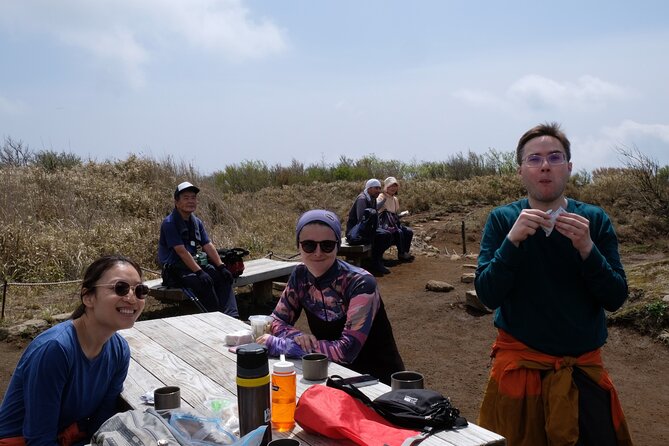
Mt. Marudake marks the high point and leads into the tour’s main walking section. The ridge route takes about 2.5 to 3 hours, though photography and snack stops can make it longer. The exact stop description gives two hours for Mt. Marudake, so treat all hiking times as estimates rather than a strict timetable.
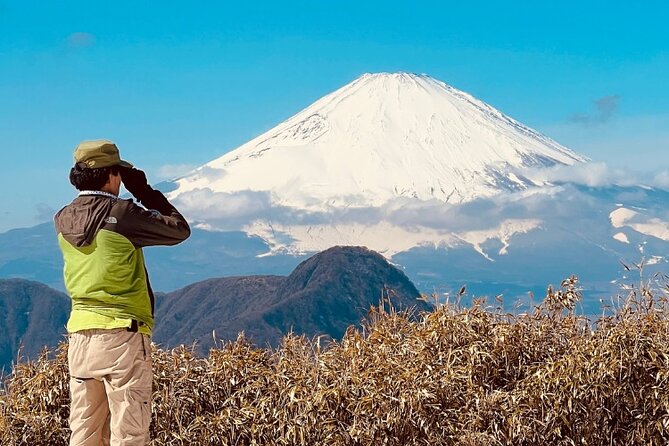
This is where the tour earns its price. You are not simply looking at Hakone from a roadside viewpoint. You are moving along the caldera rim, with changing views toward the surrounding area. On clear days, Mt Fuji may be visible for much of the ridge walk. Fuji can disappear behind clouds quickly, so take the view when it appears rather than waiting for a better moment.
Cloudy weather does not erase the route’s value. You can still see toward Miyagino and Sengokuhara, and the ridge itself gives you a sense of Hakone’s scale. One useful lesson from the experience is that this is not a Fuji-only outing. If Fuji is hidden, the day can still work because the route has more than one visual reward.
The seasonal details add variety. Bamboo fields bring shade and a different texture to the walk. In spring, you may see sakura. Autumn brings red leaves, while deep winter can cover the route in powdered snow. These conditions also affect comfort and footing, so your clothing and shoes should match the date.
This is not a route for rushing. The guide allows time for pictures and snacks, and you should use it. A ridge walk is best when you can look up, not just watch your feet. Still, remember that every pause adds time to the day, so keep enough energy for the descent and the scheduled lunch.
More Hikes with Hot Springs in Japan:
- Full Day Hiking Tour at Mt.Takao including Hot Spring
★ 5.0 · 52 reviews - Kyoto: Hike and Hot Springs in Kurama
★ 5.0 · 49 reviews - Mount Batur Sunrise Hike and Natural Hot Spring Option
★ 5.0 · 1,927 reviews - Private Tour Mount Batur Sunrise Trekking and Natural Hot Spring
★ 5.0 · 431 reviews
The 30-minute descent toward Lake Ashi
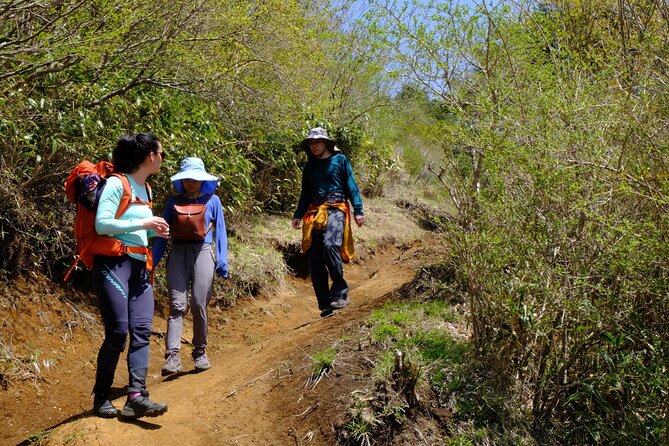
After the ridge, you walk downhill for about 30 minutes toward the Lake Ashi area. Compared with the first climb, this section sounds easy, but tired legs can make a descent feel harder than expected. Uneven ground puts pressure on knees and ankles, so trekking poles may be useful if you already use them.
The route brings you toward Togendai, one of the transport and sightseeing areas around Lake Ashi. The tour does not turn the descent into a separate attraction. Its value is practical: it connects the mountain trail with the meal and onsen that finish the day.
Because the activity ends in a different place from the starting point, you should plan your onward transport from the Togendai area rather than assuming you will return to Hakone-Yumoto. The supplied details identify Togendai for lunch and the onsen, but do not give a precise final meeting point beyond the activity ending elsewhere.
Local lunch near Togendai
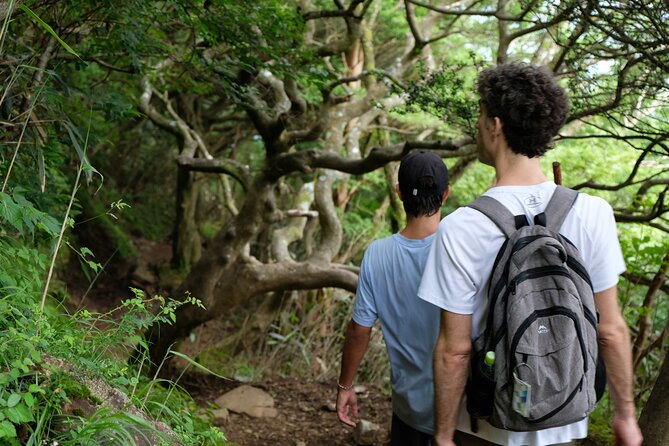
Lunch follows the hike, which is exactly when you will appreciate it. The meal is not included, and the guide suggests a suitable local restaurant based on your preference and availability.
You may find soba, udon, Japanese curry, or Western-style dishes in the Togendai area. That range is useful after a long hike. Soba or udon gives you a traditional Japanese meal, while curry or a Western dish may suit you better if you want something more familiar and filling.
The lunch stop lasts about an hour. Since restaurant choice depends on availability, do not treat one particular dish or restaurant as guaranteed. The guide’s role is to help match the meal to your taste and the options open that day.
At $158.13 per person, the tour price needs to be judged alongside these extra costs. You pay separately for the taxi, lunch, and the ¥1,500 onsen entry. The total day will therefore cost more than the advertised tour price.
Still, the price includes a full guided mountain route, the benefit of a small group, and help with the trailhead and local food stop. For you, the value lies less in included tickets and more in having a guide manage a complicated one-way hiking day. If you are already comfortable navigating Hakone’s mountain paths and arranging transport, you may prefer to organize it yourself. If you want the route without handling every detail, the cost is easier to justify.
An onsen finish for tired legs
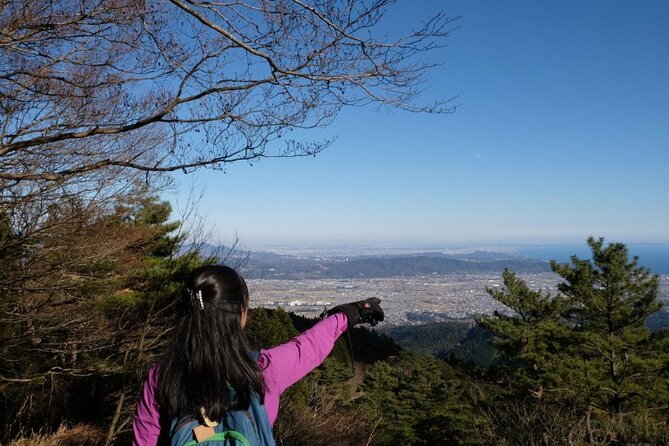
The final stop is an onsen with indoor and outdoor baths. The visit lasts about an hour and costs ¥1,500 per person. After several hours on the trail, the bath is more than a sightseeing extra. It gives your legs a chance to relax before you continue your Hakone plans.
The tour describes the onsen as having a healing effect, but you should think of that in practical terms: warm water can feel very good after a long climb and descent. The exact experience can be adjusted to your preferences, according to the tour information.
You should confirm any bathing customs or personal requirements before entering. The supplied details do not specify towel arrangements, changing facilities, or whether tattoo restrictions apply, so do not assume those points are covered in the price. Bring what you need or ask the provider in advance.
The order of lunch followed by onsen works well. Eating first gives you a proper break, and the bath then closes the active part of the day. You may not feel ready for another major attraction afterward, which is worth considering when planning your evening.
Who will enjoy this route most
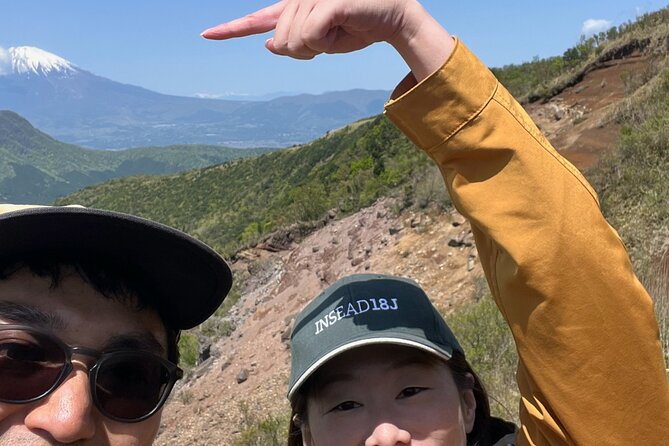
This tour suits active individuals and families who already handle long walks comfortably. One especially useful point is that uneven terrain is part of the day, not an occasional surprise. Children or less active companions may find the 90-minute climb and long ridge tiring.
You should choose this experience if you like:
- Mountain walking more than short sightseeing stops
- Wide views across Hakone
- A small group rather than a large coach tour
- Seasonal changes in the woods and bamboo
- Local food followed by a traditional bath
- Having a guide handle the route and trailhead transport
You should think twice if you need guaranteed Mt Fuji views, dislike uneven paths, or want a relaxed day with little exertion. Fog can hide Fuji, and the route still requires several hours of walking even when the weather is not ideal.
The tour is also a good fit if you are concerned about navigation. The mountain route is one-way, and you finish away from Hakone-Yumoto. Having a guide with you reduces the burden of working out the trail and the transition to lunch and the onsen. That convenience is one of the strongest reasons to book.
Timing, fitness, and what to bring
Plan on being out for seven to eight hours from the 8:30 a.m. start. The actual walking may take four to five hours, with the ridge section lasting longer if you stop often for photos or snacks.
Wear sturdy walking shoes. The tour information stresses strong physical fitness, and that warning should guide your decision. Bring water, a snack, sun protection, and layers. Mountain temperatures can be lower near the starting elevation, while the effort of climbing will make you warm.
A camera is worth carrying, but do not let it dictate your pace. The best views may come and go with the clouds, especially around Mt Fuji. On a foggy day, shift your attention to the nearer views toward Miyagino and Sengokuhara.
The tour is free to cancel up to 24 hours before the start for a full refund. Cancellations or changes made less than 24 hours before the start are not refunded or accepted. Since the route depends on good weather, a cancellation caused by poor conditions should result in a different date or a full refund.
Should you book the Hakone caldera hike?
Book it if you want a proper mountain day rather than a quick Hakone overview. The combination of the 500-meter ascent, long ridge walk, local lunch, and onsen gives you a fuller experience of the area than simply moving between transport stops.
The best reason to choose it is the guided one-way route. You get panoramic views, a chance of seeing Mt Fuji, and a relaxing finish without having to solve every navigation problem yourself. The small maximum group also keeps the day personal.
Skip it if you are not fit for four to five hours of hiking, if you need a guaranteed Fuji view, or if the extra taxi, lunch, and onsen costs stretch your budget. For the right hiker, though, this is a rewarding way to see Hakone from above and finish the day with warm water instead of tired logistical decisions.
FAQ
How long does the Hakone hiking tour last?
The full experience lasts approximately seven to eight hours. The hiking portion takes about four to five hours, followed by lunch and an onsen visit.
Where does the tour begin?
The tour begins at Hakone-Yumoto Station at 8:30 a.m.
How far is the hike?
The route covers approximately 8 to 9 kilometers.
How much elevation does the climb gain?
The initial ascent gains about 500 meters and takes roughly 90 minutes.
Is Mt Fuji guaranteed to be visible?
No. On clear days, you may see Mt Fuji for much of the ridge walk, but clouds can hide it. Views toward Miyagino and Sengokuhara may still be available in cloudy weather.
Is transportation to the trailhead included?
No. The group uses a chartered taxi to reach the trailhead, but that transportation cost is separate from the tour price.
Is lunch included?
No. Lunch is purchased separately. Available choices in the Togendai area may include soba, udon, Japanese curry, and Western-style dishes.
How much does the onsen cost?
The onsen fee is ¥1,500 per person and is not included in the tour price.
Just added around Japan
- Mt. Inunaki Trekking and Goma Prayer Experience in Osaka★ 5.0 · 8 reviews
- 3.5hours Primeval Forest Snowshoe hike and Wildlife Watching Tour★ 5.0 · 14 reviews
- 3hours Primeval Forest and Stunning Views of Cliff Trekking Tour★ 5.0 · 20 reviews
- 3 hours Snowshoe hike to “Furepe fall” and Wildlife Watching★ 5.0 · 9 reviews
- Hike Japan Heritage Hakone Hachiri (Half Day)★ 5.0 · 18 reviews
- Hike Hakone Hachiri★ 5.0 · 48 reviews
- Magome & Tsumago Nakasendo Trail Day Hike with Government-Licensed Guide★ 5.0 · 38 reviews
- Frozen fall trekking★ 5.0 · 21 reviews
Japan Hiking Tours, compared.
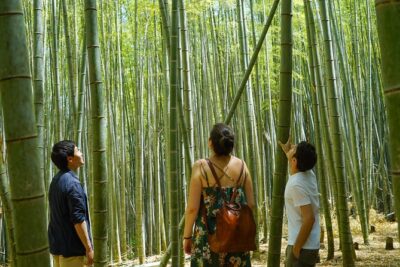
Fushimi Inari Hidden Hiking Tour (Private Option Available)
Read our review →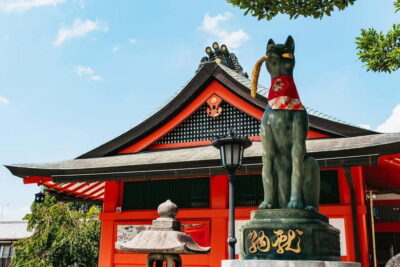
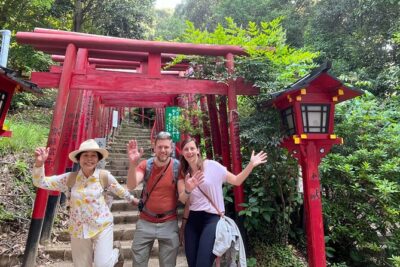
Hiroshima Local guided Hiking Tour&Open-air Tea Ceremony
Read our review →
Hiking the Historic Nakasendo Trail [1 Day Tour from Nagoya]
Read our review →
Hiroshima: Morning Hiking Tour with Open-air Tea Ceremony
Read our review →
Full Day Hiking Tour at Mt.Takao including Hot Spring
Read our review →
Browse the lists this tour appears in