
REVIEW · JAPAN HIKING TOURS
Kyoto: Hike and Hot Springs in Kurama
Sacred mountains make fine city escapes. This half-day outing takes you from Kyoto by mountain train to the rural villages of Kibune and Kurama, then up a forest trail to Kurama Temple. I especially like the scenic Eizan Railway ride and the chance to combine shrines, mountain paths, local legends, and a hot spring bath in one compact trip.
I also like the small-group feel and flexible guiding. Guides such as Philippe, Chris, Kevin, and Salome are praised for explaining the religious traditions and stories tied to the mountain, while adding lesser-known stops along the trail. The main caution is simple: this is not an easy stroll. The climb is steep in places, hot weather can make it harder, and one poor guide experience included smoking on the trail and drinking before the tour ended.
At a Glance: What Makes This Kurama Hike Special
- A mountain train ride from Kyoto: The Eizan Railway carries you from Demachiyanagi Station toward the wooded northern hills.
- A sacred forest route: Stone steps lead through ancient cedars, shrines, temple grounds, and sites linked with local legends.
- Kurama Temple at the summit: Reach the mountaintop temple after roughly 30 to 40 minutes of climbing, with pauses for views and rest.
- Kibune Shrine and relationships: The shrine is associated with prayers for good relationships, adding a thoughtful cultural stop to the outing.
- A well-earned hot spring: Kurama Hot Spring is optional and costs extra, but its outdoor bath is a fine way to finish a sweaty hike.
- A real fitness test: The route suits people with hiking experience, but not children under 11, wheelchair users, or people with mobility limitations.
Leaving Kyoto by Train for Kibune and Kurama
The meeting point is Demachiyanagi Station exit 7, in front of the Eizan Railway. That location matters because the train is part of the experience, not just a way to get from one stop to another. The route leaves the busy center of Kyoto and heads toward wooded hills and narrow valleys.
The journey gives you an early change of mood. Within a short time, city streets give way to mountain scenery, crisp air, and a quieter pace. The northern Kyoto setting feels far removed from the crowds around Kiyomizu-dera or Fushimi Inari.
The tour lasts four hours and includes transportation during the guided outing, along with the guide fee and temple admission. You are responsible for getting back to the original meeting point, as well as paying for lunch and the hot spring. That arrangement works well if you want freedom at the end, since you can eat in Kurama, take the train back, or stay longer for a bath.
The group may be private or small, depending on the booking. That is useful here. A mountain trail is easier to enjoy when the guide can pause for questions, adjust the pace, and point out details you might otherwise miss.
More Hikes with Hot Springs in Japan:
- Full Day Hiking Tour at Mt.Takao including Hot Spring
★ 5.0 · 52 reviews - Traverse Outer Rim of Hakone Caldera and Enjoy Onsen Hiking Tour
★ 5.0 · 30 reviews - Bali: Mount Batur Sunrise Guided Hike and Natural Hot Spring
★ 4.8 · 9,284 reviews
Walking Through the Sacred Forest
The route begins near a sacred shrine before turning onto the mountain trail. The supplied details identify Kibune Shrine as one of the major stops, and the walk connects the spiritual centers of Kibune and Kurama through the wooded hills.
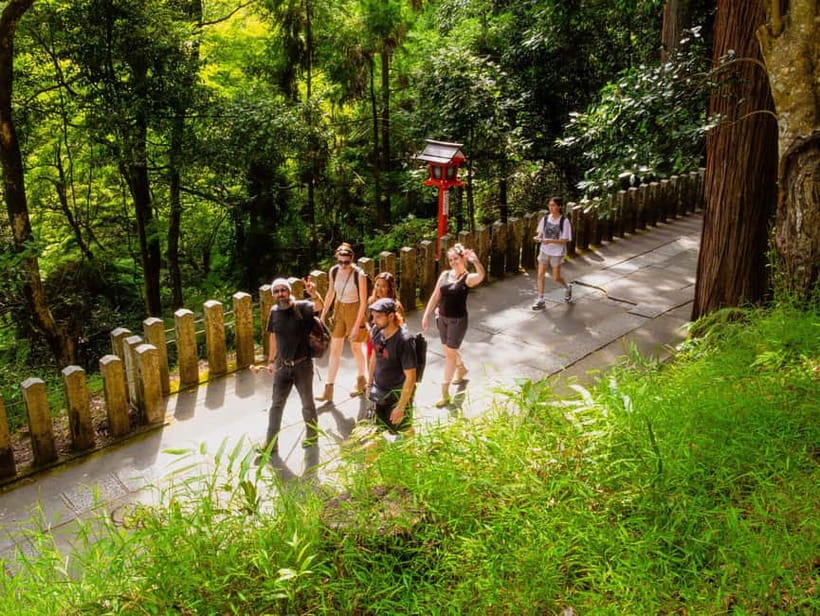
Expect a steady climb over stone steps. The summit can be reached in about 30 to 40 minutes, but that estimate does not mean you should race upward. The best part of the route is the rhythm of walking, stopping, looking around, and listening to the stories tied to the mountain.
You may notice unusual trail features and religious markers along the way. The guides are especially valuable here. Philippe, who received repeated praise for his local understanding, has taken groups to sacred and less familiar spots that are easy to pass without context. Another guide, Chris, was praised for showing hidden places and bringing the area to life.
The forest provides shade, but do not treat it as an air-conditioned walk. A July outing was described as hard work in the heat, even with the beauty of the setting. Bring water, wear comfortable shoes, and choose long pants if you want to reduce the chance of bug bites.
The route is best for people who already hike from time to time. The information specifically advises a decent level of fitness and says the activity is not suitable for people without experience. You do not need to be an athlete, but you should be comfortable climbing a sustained set of steps.
Kibune Shrine and the Spiritual Side of the Route
Kibune Shrine gives the outing a more reflective side. The shrine is linked with prayers for good relationships, so you can make a personal prayer before continuing into the forest.
That small detail helps explain why this is more than a countryside walk. Kurama is tied to spiritual traditions, local legends, and the idea of powerful natural places. The tour does not simply point you toward a temple, then send you back down. It gives the forest and shrines a cultural setting.
The strongest guides add context without turning the walk into a lecture. Philippe was praised for explaining shrines, temples, deities, Japanese customs, and the origins of Reiki associated with Mount Kurama. Kevin was also singled out for supplying historical and cultural background.
The exact amount of explanation depends on the guide and the group. One group had a very flexible route and saw extra places beneath the temple, including a crypt and maze. That kind of access is not something you should assume will happen every time, but a small group gives the guide more room to respond to your interests.
Kurama Temple at the Mountaintop
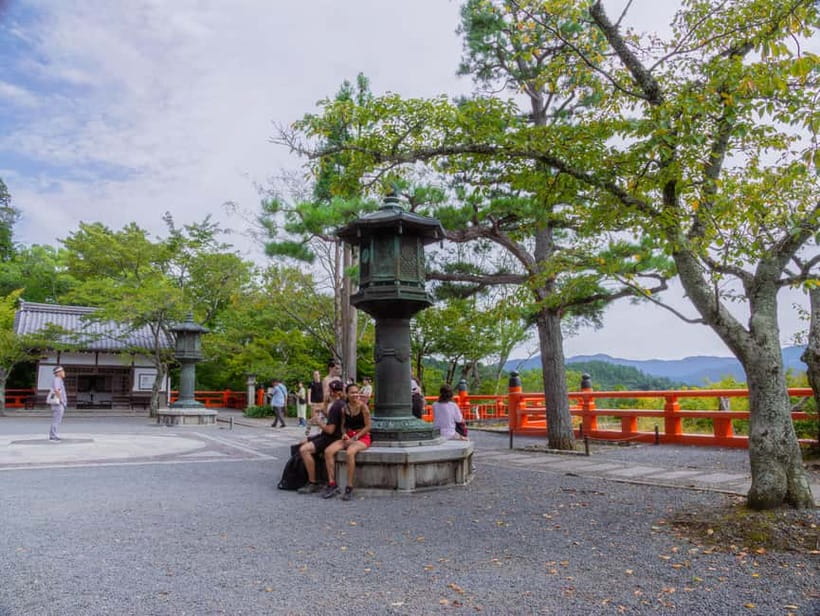
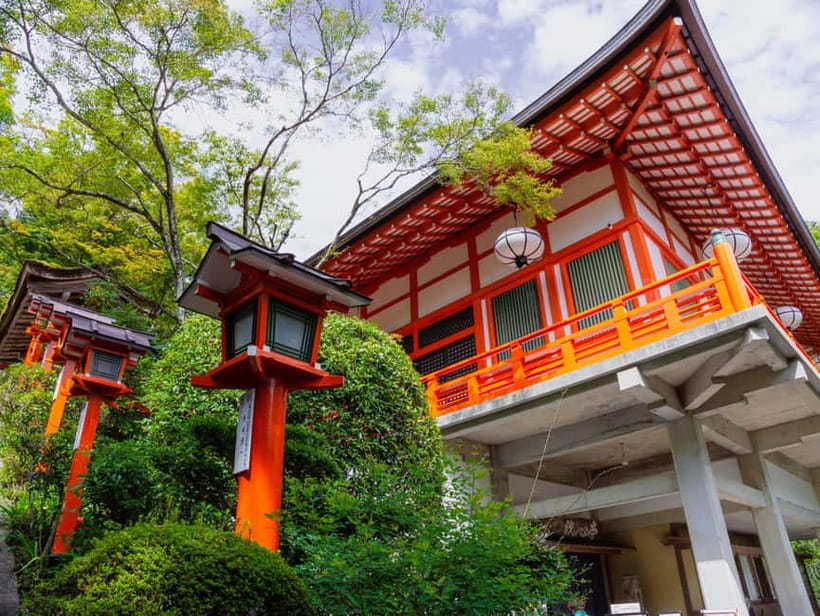
Kurama Temple is the main destination of the climb. Reaching it gives the hike a clear reward, both physical and cultural. The temple is regarded locally as a power spot, and the mountain setting gives the visit a strong sense of place.
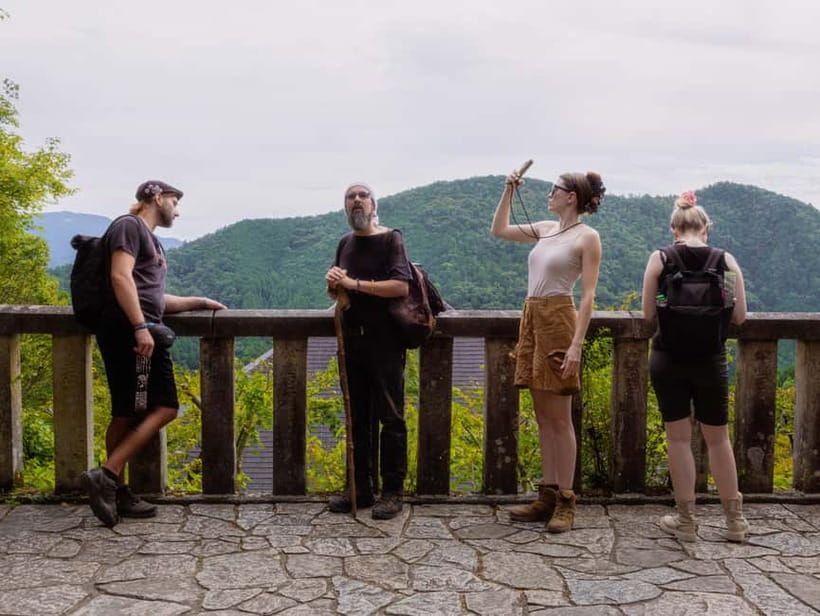
At the top, take time to recover. You can look down toward the valley, breathe the cooler mountain air, and let your legs settle before beginning the descent. The view is part of the payoff, but the atmosphere around the temple is just as important.
Maintenance work can affect what you see. One visit found the main temple covered in scaffolding, which reduced its visual impact. The group could still enter the temple area and ring the large bell in the hills above it, but anyone hoping for a perfect exterior view should understand that repairs may be underway.
This is also the place where the tour’s spiritual themes come together. You have walked through the forest, heard stories about the mountain, and reached a religious site that locals consider special. It feels more personal than simply ticking another Kyoto temple off a list.
A few more hikes around Japan worth a look
- Fushimi Inari Hidden Hiking Tour (Private Option Available)
★ 5.0 · 1,750 reviews - Kyoto: 3-Hour Fushimi Inari Shrine Hidden Hiking Tour
★ 4.9 · 270 reviews - Hiroshima Local guided Hiking Tour&Open-air Tea Ceremony
★ 5.0 · 213 reviews - Hiking the Historic Nakasendo Trail [1 Day Tour from Nagoya]
★ 5.0 · 104 reviews
The Descent to Kurama Village
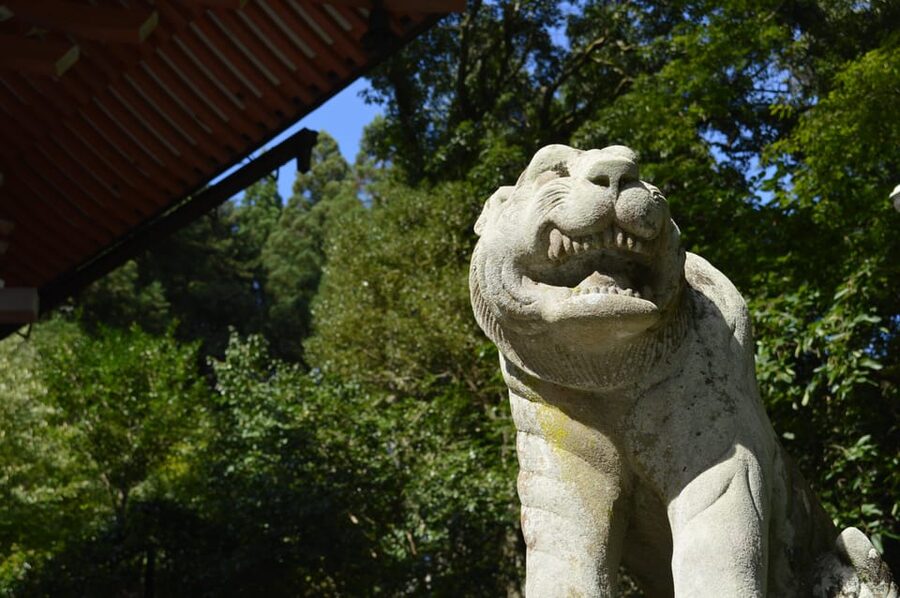
After the temple visit, you descend by steps toward the small village of Kurama. The return route is easier than the climb for many people, but tired legs can make downhill steps surprisingly demanding. Take care, especially if the trail is wet or you have already spent energy in the heat.
Kurama village gives you several ways to end the outing. You can have a late lunch, stroll around, return to Kyoto by train, or go to the hot spring. The tour concludes with guidance about these choices rather than keeping you on a fixed program.
That flexible finish is one of the better features of the experience. Some people will want food right away. Others will prefer the bath. If you want a quiet end, you can spend time in the village before taking the train back.
Lunch is not included, so plan to pay separately. The provided information does not promise a particular restaurant or meal, but it does note restaurants in the village and along the river area. Your guide can explain the options at the end.
Why the Hot Spring Is Worth the Extra Fee
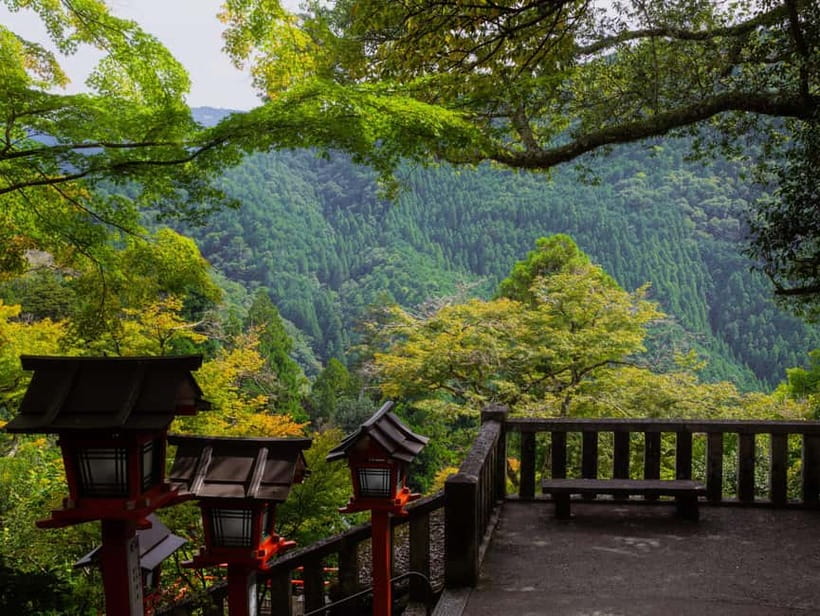
Kurama Hot Spring is optional and costs extra, but it may be the smartest add-on. The outdoor bath looks out toward the mountains, giving you a calm place to rest after the climb.
The bath is not part of the $80 tour price, though a discounted ticket may be available through the guide. That means you should treat it as an added expense, not an included feature. Still, the value is easy to understand if you enjoy Japanese bathing culture: you get the hike, the temple, and a relaxing finish without having to organize a separate mountain excursion.
The timing also makes sense. A four-hour hike and temple visit can leave you warm and tired, especially in summer. A hot spring gives the day a clean ending instead of sending you straight back onto the train in hiking clothes.
You should check the hot spring choice with your guide before setting off if it is important to you. The tour finishes in Kurama village, and the bath is an optional post-tour activity rather than a guaranteed part of the four-hour schedule.
Guides, Group Size, and the Human Factor
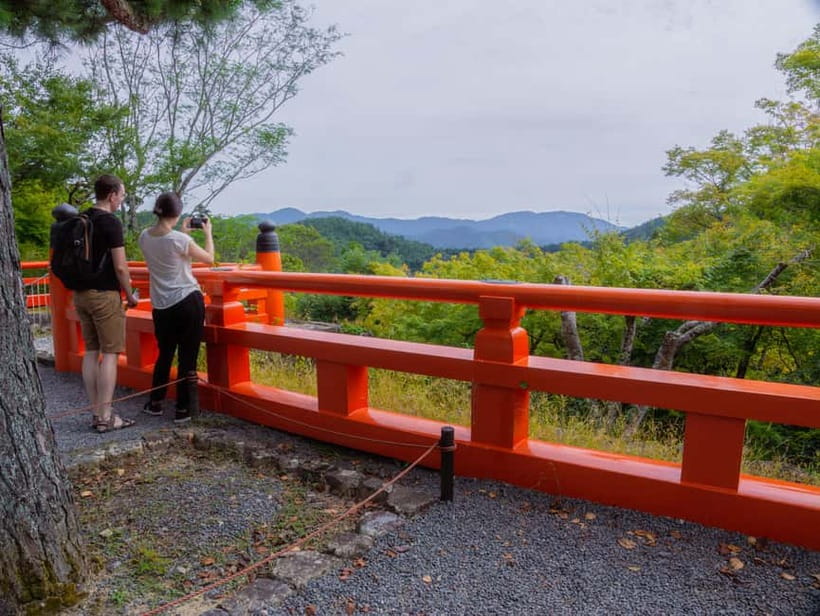
The guide is central to this experience. The mountain paths and temples are pleasant on their own, but the stories, explanations, and route choices give the outing its meaning.
Philippe receives the strongest pattern of praise. He is described as friendly, patient, funny, attentive, and well informed about Mount Kurama and Japanese culture. He also adjusted the outing for private groups and showed less familiar places. Chris was praised for finding quiet spots, while Kevin and Salome were also described warmly.
Guiding styles can differ, and one four-star account gives a useful warning. The guide in that case smoked while walking ahead of the group and drank beer before the tour ended. The temple was also under scaffolding, which affected the visit. This was an isolated negative account among the supplied feedback, but it is still worth keeping in mind because personal guide style can shape the day.
Private or small-group booking gives you the best chance of a tailored pace. It can also help if you want more time for religious history, Reiki connections, photography, or the hot spring. The tour is offered in English and French.
Is $80 a Fair Price?
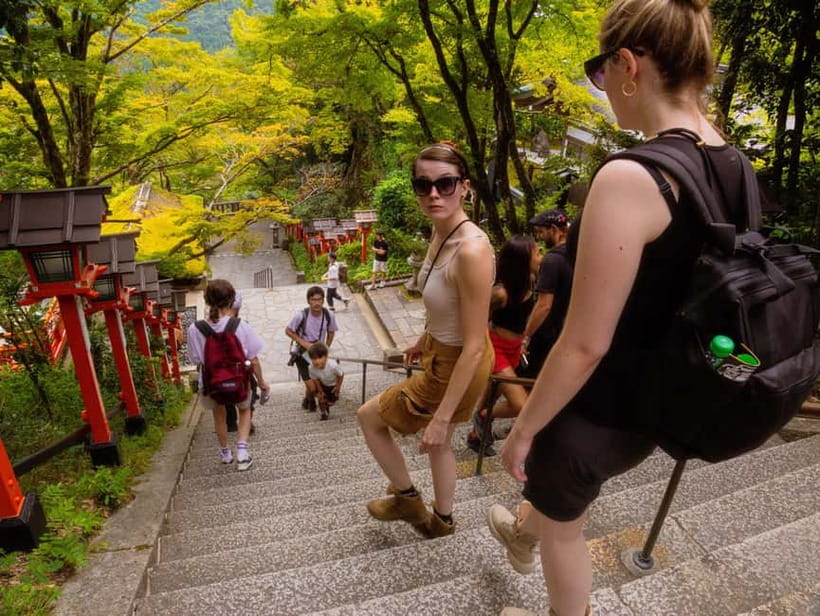
At $80 per person, the price is reasonable if you want a guided outing rather than a self-guided train ride and temple visit. The fee includes transportation during the tour, the guide, and temple admission. It also saves you the work of joining the right trail, understanding the local religious sites, and deciding how to connect Kibune and Kurama.
The price is less attractive if you only want to see Kurama Temple quickly. You still pay for lunch, the return journey to the meeting point, and the hot spring. Those extras can add up.
The real value lies in the guide. A self-guided visit may show you the same steps and temple grounds, but it will not necessarily explain the deities, legends, Reiki connection, local customs, or less familiar trail features. If that context matters to you, $80 is a fair exchange for a half-day in northern Kyoto.
Who Should Book This Hike?
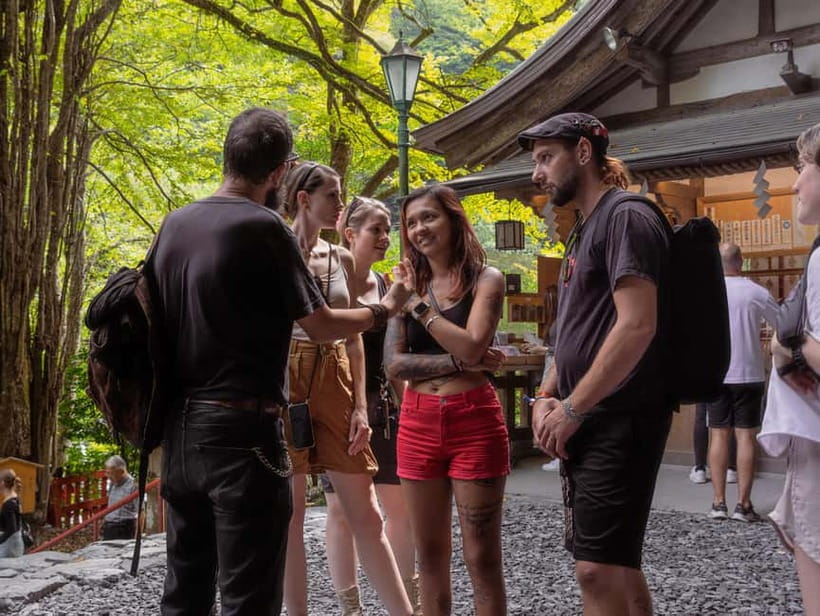
I would choose this for an active adult who wants a break from central Kyoto and enjoys combining nature with culture. It works especially well in a longer Kyoto visit, when you have already seen several city temples and want a quieter setting.
You should be comfortable with:
- A sustained uphill climb
- Stone steps and uneven mountain paths
- Walking in warm weather
- Bringing your own water
- Wearing proper walking shoes
- Paying extra for lunch and the hot spring
The tour is not suitable for children under 11, wheelchair users, people with mobility impairments, or people without hiking experience. If you dislike stairs or want a gentle sightseeing day, choose a temple visit in the city instead.
The route changes character with the seasons. Snow can create a striking setting, as one January outing showed, while summer heat makes the climb more demanding. In every season, long pants are a sensible choice if you want to avoid insects.
Practical Verdict: Should You Book It?
Book it if you want a guided mountain escape with real cultural context, and you are ready for a moderately hard climb. The train ride, cedar forest, sacred sites, Kurama Temple, and optional outdoor bath make a satisfying four-hour package.
I would also book it if your ideal Kyoto day includes a little effort followed by a long soak. The hot spring is not included, but it is likely the most rewarding way to finish.
Skip it if you need step-free access, dislike hiking, or want every cost included in advance. Also, check the temple’s current condition if seeing the exterior is essential, since scaffolding has affected at least one visit.
For the right person, this is a thoughtful and active change of pace from central Kyoto. Bring water, wear shoes you trust, and leave room in your afternoon for the hot spring.
FAQ
Where does the tour meet?
The meeting point is Demachiyanagi Station exit 7, in front of the Eizan Railway in Kyoto.
How long does the experience last?
The guided experience lasts four hours.
What does the $80 price include?
The price includes the guide fee, transportation during the tour, and temple admission.
Is lunch included?
No. Lunch is not included, and you pay separately for food in or near Kurama village.
Is the hot spring included?
No. The hot spring fee is separate. A discounted bath ticket may be available through the tour.
How difficult is the hike?
The hike requires a moderate level of fitness and includes a sustained climb up steps. The summit can be reached in about 30 to 40 minutes, with stops along the way.
What should I bring?
Bring comfortable shoes and water. Long pants are recommended if you want to reduce the chance of bug bites.
Is the tour suitable for children or wheelchair users?
No. It is not suitable for children under 11, wheelchair users, people with mobility impairments, or people without hiking experience.
Just added around Japan
- Mt. Inunaki Trekking and Goma Prayer Experience in Osaka★ 5.0 · 8 reviews
- 3.5hours Primeval Forest Snowshoe hike and Wildlife Watching Tour★ 5.0 · 14 reviews
- 3hours Primeval Forest and Stunning Views of Cliff Trekking Tour★ 5.0 · 20 reviews
- 3 hours Snowshoe hike to “Furepe fall” and Wildlife Watching★ 5.0 · 9 reviews
- Traverse Outer Rim of Hakone Caldera and Enjoy Onsen Hiking Tour★ 5.0 · 30 reviews
- Hike Japan Heritage Hakone Hachiri (Half Day)★ 5.0 · 18 reviews
- Hike Hakone Hachiri★ 5.0 · 48 reviews
- Magome & Tsumago Nakasendo Trail Day Hike with Government-Licensed Guide★ 5.0 · 38 reviews
Japan Hiking Tours, compared.
Fushimi Inari Hidden Hiking Tour (Private Option Available)
Read our review →
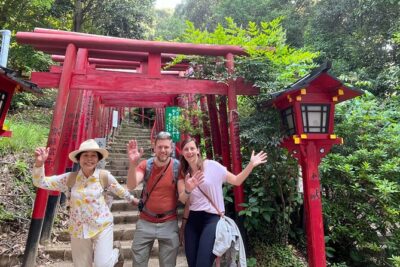
Hiroshima Local guided Hiking Tour&Open-air Tea Ceremony
Read our review →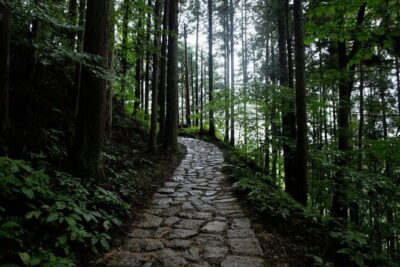
Hiking the Historic Nakasendo Trail [1 Day Tour from Nagoya]
Read our review →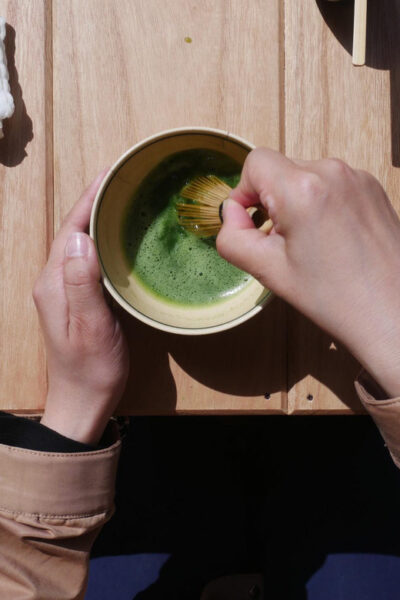
Hiroshima: Morning Hiking Tour with Open-air Tea Ceremony
Read our review →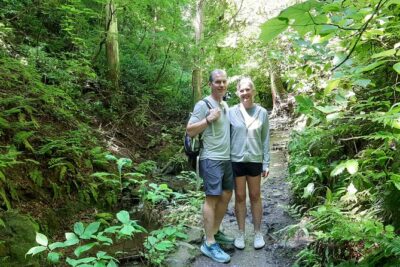
Full Day Hiking Tour at Mt.Takao including Hot Spring
Read our review →
Hike Japan Heritage Hakone Hachiri with certified mountain guide
Read our review →Browse the lists this tour appears in