
REVIEW · JAPAN HIKING TOURS
Fushimi Inari Hidden Hiking Tour (Private Option Available)
Kyoto’s famous orange gates have a quieter side. This three-hour hike takes you from the Tofukuji area through forest paths, bamboo, small shrines, and mountain trails before reaching Fushimi Inari Taisha. I especially like the backdoor approach to the torii gates and the small group size, which gives you room to ask questions and move at a sensible pace. The tradeoff is clear: this is a real 7-kilometer hike with uphill sections, stairs, slippery ground, heat, and insects, not a gentle shrine stroll.
The route is valuable because it changes the order of the usual Fushimi Inari visit. Instead of starting at the packed main entrance, you spend much of the walk in quieter woodland and reach the shrine from higher up. You still encounter crowds near the famous gates, but the first part feels far removed from Kyoto’s busiest sightseeing paths.
At $63.14 per person, the tour offers good value if you want navigation, local context, tour photos, and a less obvious route without planning it yourself. It is best for people who enjoy walking and can handle a moderate hike. Wear shoes with strong grip, carry water, and do not treat the summer heat lightly.
Key points before you book
- A quieter route to Fushimi Inari: You approach the shrine through forest trails rather than relying only on the crowded main entrance.
- A 7-kilometer mountain walk: Expect uphill paths, stairs, uneven ground, and a moderate level of effort.
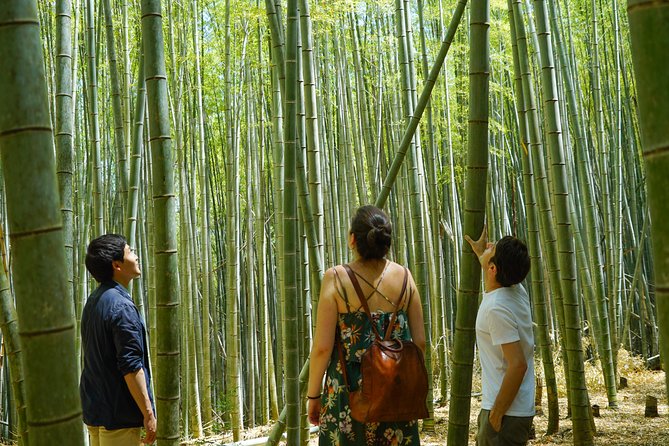
- Bamboo and a small Inari shrine: The woodland section includes a natural bamboo forest and a lesser-seen shrine away from the main flow.
- Small groups capped at seven: You get easier access to the guide and a more personal pace.
- Useful guide support: Guides such as Emi, Naru, Hina, Josh, Yuko, Matt, and Yukari have helped with pacing, cultural explanations, photos, and practical directions.
- Weather matters: Rain can make the ground slick, while summer brings strong heat, humidity, and mosquitoes.
Why approach Fushimi Inari from the forest?
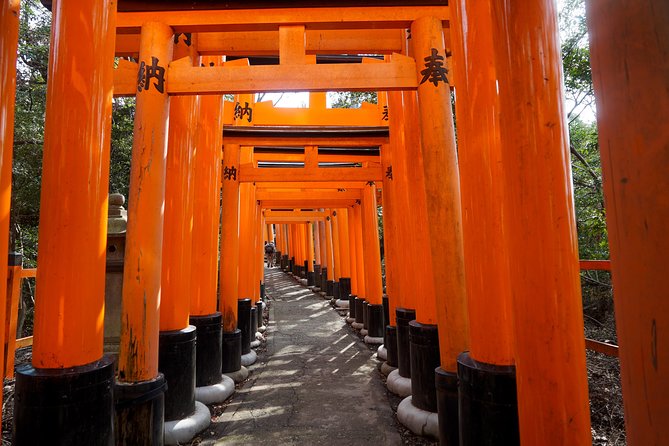
Fushimi Inari Taisha is one of Kyoto’s most recognizable sights, known for its long rows of orange torii gates climbing Mount Inari. The main entrance is easy to find, which is also the problem. It draws a heavy stream of people, especially during peak foliage season, holidays, and the middle of the day.
This experience takes a different line. You meet near a FamilyMart at 12-chōme-232 Honmachi, close to Tofukuji, then walk toward Fushimi Inari through residential streets and wooded mountain paths. The change is gradual. You leave the city behind, pass through quieter areas, and enter a more natural setting before reaching the shrine.
That approach gives the visit a better rhythm. You are not dropped straight into the busiest gate-lined corridor. You first have time to walk, talk, and adjust to the climb. By the time you reach Fushimi Inari, the torii gates feel like a destination rather than the starting point of a crowded queue.
The route can also be run in reverse. One outing with Emi began from the upper end and worked downhill, allowing the group to avoid the worst crowds that formed later near the lower shrine. Do not assume every departure will follow that exact order, but the guides clearly pay attention to conditions and group needs.
More Private Hiking Tours in the world:
- Mount Batur Sunrise Trekking Private All Inclusive
★ 5.0 · 906 reviews - Mount Batur Sunrise Trekking Private Tour with Breakfast and Hotel Transfer
★ 5.0 · 885 reviews - Private Yellowstone Tour: ICONIC Sites, Wildlife, Family Friendly Hikes + lunch
★ 5.0 · 739 reviews
The forest trail, bamboo, and lesser-seen shrines
The first major appeal is the path itself. This is not simply a paved walk between two famous sights. You cross a narrow mountain trail and enter a natural bamboo forest, with trees and greenery closing in around the route.
The bamboo section is one of the strongest parts of the experience because it feels quiet and local. It does not have the same scale as Kyoto’s best-known bamboo area, but that is not really the point. Here, the bamboo is part of a longer walk through the mountain, not a single photo stop packed into a sightseeing circuit.
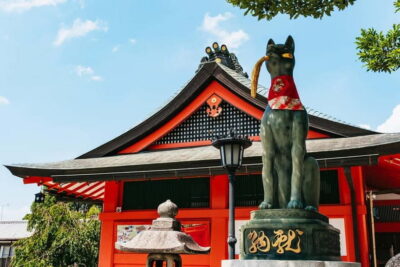
You also pass a small Inari shrine that many people miss. The guide can explain the religious meaning of the fox figures, torii gates, and inscriptions along the route. Naru has been praised for reading inscriptions and explaining customs, while other guides have added background about Japanese traditions and the role of the shrine.
The route may include small waterfalls and secluded woodland spots, but conditions can affect what you see. Rain, humidity, and the state of the trail all matter. You should expect nature rather than a polished park path.
This is where a guide earns the fee. The side trails are not the sort of route I would recommend attempting casually on your first visit. A local guide handles the navigation, points out places you might walk past, and keeps the group moving in the right direction.
Reaching the orange torii gates from the upper trail
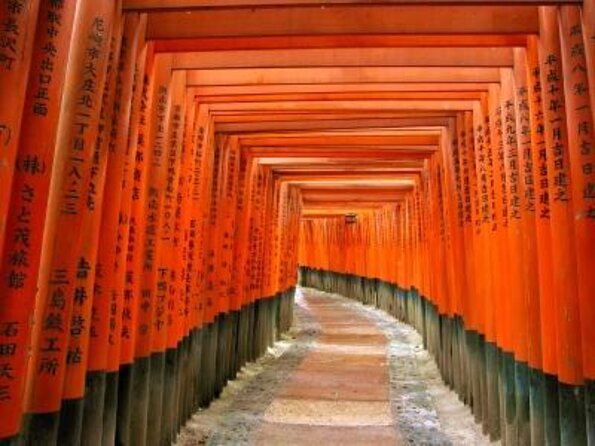
Eventually, the woodland gives way to the Fushimi Inari shrine complex. The experience changes again. The quiet forest sections become more public, and you begin meeting people who entered through the main approach.
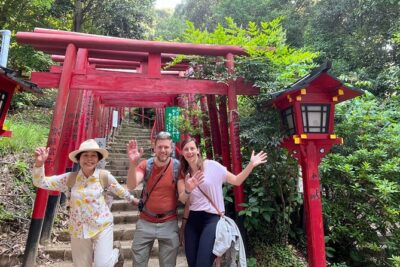
The best part is the angle of arrival. You may reach the torii gates from the back or from a higher point on the mountain, rather than walking up from the crowded entrance. That makes it easier to enjoy stretches of the gate route with fewer people around.
Do not expect complete solitude. Fushimi Inari is a major Kyoto sight, and the shrine areas can be busy. Several parts of the lower route are likely to have crowds, particularly later in the day. The tour does not remove people from the experience, but it shifts much of your walking onto quieter ground.
You will also climb and descend steps. One person described the descent from the shrine as having many stairs, while another noted a few steep climbs. The effort is manageable for people in regular walking condition, but it can feel demanding if you have trouble with hills or are not used to long walks.
The guide normally includes regular pauses. If you need more stops, the tour information says they can be added. That flexibility matters in summer, when Kyoto can be intensely hot and humid, and on wet days when every uneven step requires more care.
The view toward Fushimi-Momoyama Castle
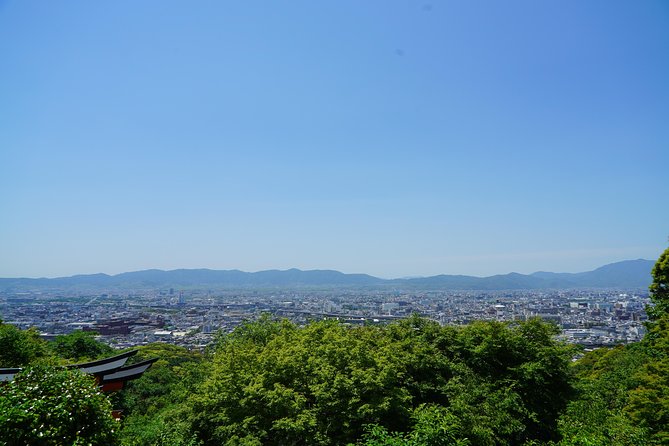
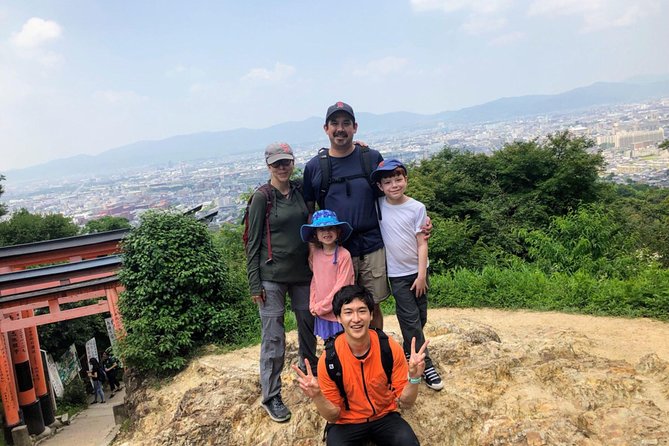
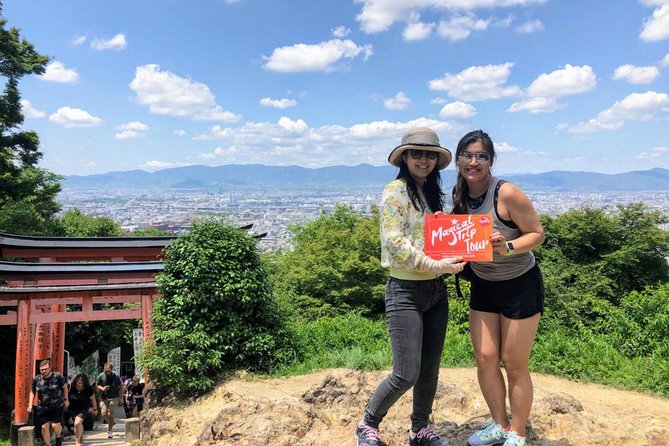
After enjoying the mountain and shrine views, the route includes a view toward Fushimi-Momoyama Castle from the top of Fushimi Inari. The castle has connections to Hideyoshi and Ieyasu, and its story adds another layer to the walk beyond the torii gates.
This is not a castle tour, so you should think of it as a scenic and historical viewpoint rather than a full visit. The value lies in seeing how the Fushimi area opens out from the mountain and understanding that the shrine sits within a wider part of Kyoto with its own political and cultural past.
The view can also provide a useful pause after the climb. You have moved through residential streets, bamboo, forest, shrines, and gates, then look outward across the surrounding area. It gives the route a sense of place rather than making the whole outing about one famous photo backdrop.
A few more hikes around the world worth a look
- From Marrakech: Ouzoud Waterfalls Guided Hike and Boat Trip
★ 4.7 · 33,630 reviews - Berber villages : Atlas Mountains Day Hike from Marrakech
★ 5.0 · 14,007 reviews - Bali: Sunrise Mount Batur Guided Hike with Breakfast
★ 4.8 · 9,660 reviews - Bali: Mount Batur Sunrise Guided Hike and Natural Hot Spring
★ 4.8 · 9,284 reviews
Guides, group size, and the personal touch
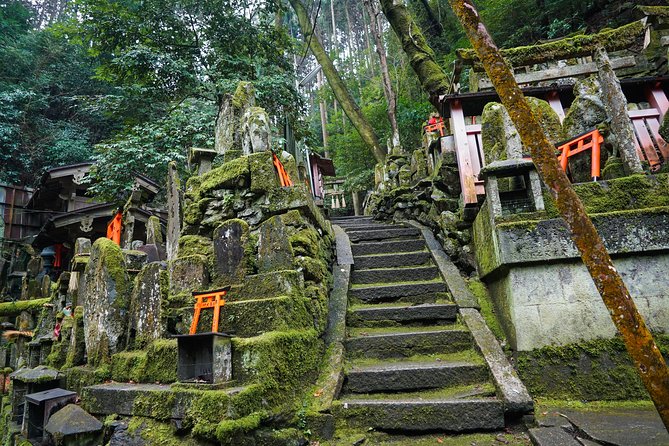
The group limit is seven people, and that is a good size for this kind of hike. A large group would be awkward on narrow paths and harder to manage on stairs. With fewer people, you can hear the explanations, ask questions, and get help when the trail becomes more technical.
The guides have different strengths. Emi has helped groups avoid later crowds by changing the direction of the route. Naru has been praised for cultural explanations and taking creative family photos. Hina has offered a lively pace and strong area knowledge, while Josh has combined route guidance with plenty of information about the shrine.
Yuko has been especially attentive in hot weather, carrying mosquito repellent and bringing energy to the more difficult trail sections. Matt has helped set the pace, carried extra water on a hot August day, and offered options based on how energetic the group felt. Yukari has also helped with practical directions after the tour.
These details matter because the route is not just a walk with a person leading from the front. The guide can make the experience feel manageable, explain what you are seeing, and adjust the pace. The quality of the day will depend partly on your individual guide, but the repeated praise for friendliness, cultural explanations, photography, and care is encouraging.
Tour photos are included. That is useful if you want pictures of the group without constantly stopping to manage your phone. Naru, in particular, has been noted for taking more artistic photos in the bamboo forest and around the shrine.
How difficult is the seven-kilometer hike?
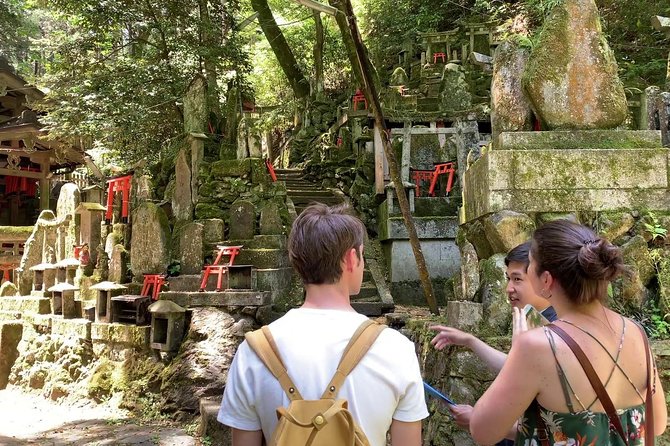
The tour describes the hike as not extremely difficult, but it is not a simple walk. That distinction is important. You should expect about 7 kilometers in total, with uphill sections, stairs, narrow paths, and a fair amount of uneven ground.
If you regularly walk, hike, or spend full days sightseeing on foot, you will likely find the route manageable. If you have trouble walking, are recovering from an injury, or rarely exercise, this may not be the right choice.
Several factors can make the same route feel very different:
- Heat and humidity: Summer conditions can make the climb much harder than the distance suggests.
- Rain: Wet ground can become slippery, and the forest may feel more technical.
- Stairs: The shrine section includes climbs and a long descent in places.
- Bugs: Mosquitoes and other insects are possible in the mountain area.
- Footwear: Shoes with good grip are strongly recommended.
Wear long sleeves and long trousers if you are comfortable doing so, especially during warmer months. Bring water and a hat in summer. Food and drinks are not included, so carry what you need before setting out.
The tour is suitable for families with older children and adults who can walk steadily, but it is not designed around a slow, flat sightseeing pace. One family found the hike enjoyable and manageable, while another described it as semi-strenuous. Both impressions can be true depending on weather and fitness.
Is $63.14 a fair price?
At $63.14 per person, the tour is not the cheapest way to visit Fushimi Inari. You can enter the shrine without paying an admission charge and walk parts of the mountain on your own.
The price makes more sense when you value the route and the guidance. You are paying for a certified MagicalTrip guide, navigation through less obvious paths, cultural explanations, tour photos, and a small group capped at seven people. You also avoid spending time figuring out how the woodland trails connect to the shrine.
For a first visit to Kyoto, that can be worthwhile. The main shrine is easy to reach, but the quieter approach is less obvious, and taking the wrong path could turn a pleasant walk into a confusing one. The guide also helps you understand what you are seeing rather than simply passing rows of gates.
I would not pay this price if your priority is only to see the famous torii gates quickly. You can do that independently. I would consider it good value if you want a calmer route, enjoy hiking, and prefer having a local person explain the place as you go.
A private option is available, which may suit a family or group that wants more control over the pace. The supplied details do not specify the private supplement or exact arrangements, so check those before booking.
Meeting point, finish, and timing
The meeting point is in front of the FamilyMart near Tofukuji, at 12-chōme-232 Honmachi in Higashiyama Ward. The tour ends at the main shrine of Fushimi Inari Taisha, at 68 Fukakusa Yabunouchichō in Fushimi Ward.
That point-to-point format is useful because you do not have to return to the starting location after the hike. It also places you at the shrine when the experience ends, so you can continue exploring the gates or make your own way onward.
The duration is about three hours. Allow extra time around it for finding the meeting point, settling in, and deciding what to do after reaching the shrine.
Free cancellation is available up to 24 hours before the start time. Changes or cancellations inside that window are not refundable, and poor weather can lead to a different date or a full refund.
Who should book this Kyoto hike?
I would choose this tour if you want to see Fushimi Inari in a less predictable way. It suits people who like wooded trails, small shrines, local stories, and a bit of physical effort before the main sight appears.
It is also a strong choice for families with active adults, couples, and solo visitors who do not want to navigate mountain paths alone. The small group makes it easier to talk with the guide and meet a few other people without joining a large walking crowd.
I would skip it if you want an easy, flat morning, dislike insects, or have difficulty with stairs and uneven paths. Rain gear, proper shoes, and water are not optional extras here. They can make the difference between an enjoyable walk and a tiring one.
Should you book the Fushimi Inari Hidden Hiking Tour?
Book it if the idea of approaching Kyoto’s famous shrine through bamboo, forest, side shrines, and quiet mountain paths sounds better than joining the main entrance crowd. The strongest reasons are the route, the guides, the small group size, and the chance to reach the torii gates from a more peaceful direction.
Skip it if you only want a quick shrine visit or cannot comfortably manage a moderate 7-kilometer hike. For everyone else, this is a thoughtful way to see Fushimi Inari, with enough exercise to earn the views and enough guidance to make the less obvious route feel safe and meaningful.
FAQ
How long is the Fushimi Inari Hidden Hiking Tour?
The tour lasts approximately three hours and covers about 7 kilometers in total.
Where does the tour begin?
It begins at the FamilyMart near Tofukuji, at 12-chōme-232 Honmachi, Higashiyama Ward, Kyoto.
Where does the tour end?
It ends in front of the main shrine of Fushimi Inari Taisha, at 68 Fukakusa Yabunouchichō, Fushimi Ward, Kyoto.
Is this an easy walk?
No. It is described as a moderate hike with uphill sections, stairs, narrow paths, and uneven ground. Regular walking fitness is recommended.
What should I wear and bring?
Wear shoes with good grip because the ground may be slippery. In warm weather, bring water and a hat. Long sleeves and long trousers are recommended because mosquitoes and other insects may be present.
Is food or drink included?
No. Food and drinks are not included, so you should bring what you need for the hike.
How many people can join the tour?
The group has a maximum of seven people. A private option is also available, although the private pricing and exact arrangements are not specified here.
Just added around the world
- From Jökulsárlón: Vatnajökull Easy Level Glacier Hike★ 4.2 · 20 reviews
- From Kanab: 3-Hour Peek-a-Boo Slot Canyon Hiking/Photo Tour★ 4.9 · 25 reviews
- From Jujuy: Salinas Grandes, Purmamarca & Los Colorados Hike★ 4.2 · 75 reviews
- From Kalamata: Polylimnio Waterfalls Guided Hiking Tour★ 4.9 · 19 reviews
- From Kalkan: Saklikent Gorge and Gizlikent Waterfall Trek★ 4.7 · 13 reviews
- From Hanoi: Hoa Lu, Hang Mua Hike, Tam Coc Boat, and Lunch★ 4.4 · 28 reviews
- From Huaraz: Hike to the Lagoon 69★ 4.4 · 121 reviews
- From Kalabaka: Authentic Meteora Hiking Tour – Local Agency★ 5.0 · 20 reviews
Japan Hiking Tours, compared.
Hiroshima Local guided Hiking Tour&Open-air Tea Ceremony
Read our review →![Hiking the Historic Nakasendo Trail [1 Day Tour from Nagoya]](https://7.hikingjourneys.com/wp-content/uploads/hiking-the-historic-nakasendo-trail-1-day-tour-from-nagoya-400x267.jpg)
Hiking the Historic Nakasendo Trail [1 Day Tour from Nagoya]
Read our review →
Full Day Hiking Tour at Mt.Takao including Hot Spring
Read our review →
Hike Japan Heritage Hakone Hachiri with certified mountain guide
Read our review →
1-Day Tour from Nagoya: Hiking the Historic Nakasendo Trail
Read our review →
From Matsumoto/Nagano: Nakasendo Trail Walking Tour
Read our review →
Explore Kiso Valley : Magome – Tsumago Mountain Trail Walk
Read our review →Browse the lists this tour appears in