
REVIEW · JAPAN HIKING TOURS
From Matsumoto/Nagano: Nakasendo Trail Walking Tour
Step into Japan’s Edo-era past. This full-day outing combines an 8-km walk through the Kiso Valley with two beautifully preserved post towns, Odaki and Medaki waterfalls, and comfortable coach transport from Matsumoto or Nagano. I especially like the quiet forest paths and the chance to explore Tsumago and Magome without wrestling with complicated rural connections. The main catch is the long day: you spend roughly seven hours on the bus and need to be ready for moderate uphill and downhill walking.
The tour earns a very strong 4.9 rating from 33 bookings, with repeated praise for guides such as Shawn, Joyce, Kim, Kevin, and Sijung. I also like that the guides set a manageable pace and explain both the trail’s past and present-day Japanese life. Still, this is not a casual stroll. The distance, uneven sections, and long ride make it a poor fit for young children, wheelchair users, or anyone with limited mobility.
Key points to know before you book
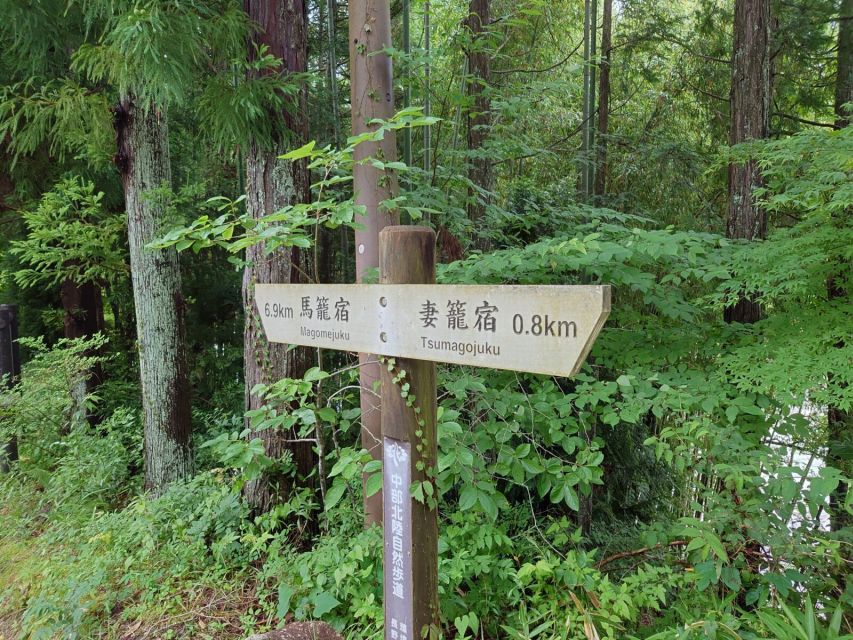
- The walk runs from Tsumago to Magome, the two best-known post towns on this section of the Nakasendo.
- Odaki and Medaki waterfalls provide a natural rest stop, with cool spray and traditional houses offering water and shelter.
- The full day includes long coach rides, about two hours each way from Matsumoto, with a roadside service stop.
- Moderate fitness is required, since the route covers more than 8 km and includes ascents and descents.
- Guides are a major strength, with praise for clear history, flexible pacing, photos, and practical help.
- Lunch is not included, but Magome and the trail offer places to buy snacks and simple food.
Why the old Nakasendo still feels special
The Nakasendo was one of Japan’s major inland routes between Edo, now Tokyo, and Kyoto during the Edo period from 1600 to 1868. It linked a chain of post towns where people could eat, sleep, change horses, and continue their journey through the mountains.
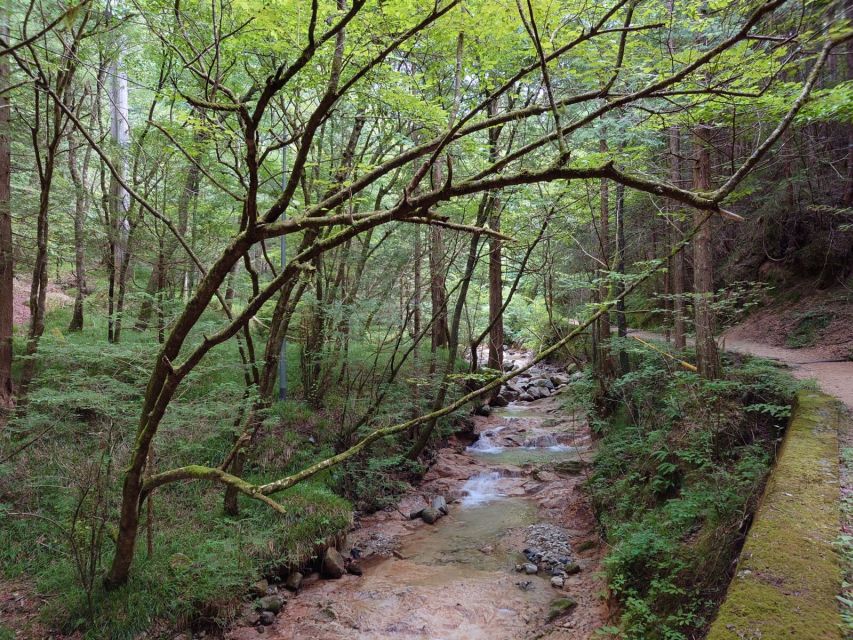
Today, the road is quieter. You walk through cedar and mixed woodland, along rural roads, beside old stone paving, and past houses that still give the route a sense of place. It is not a wilderness hike. You will encounter traditional buildings, occasional roads, small eateries, and signs of modern rural life. That mix is part of its appeal.
I like this section of the Nakasendo because the past is not boxed away in a museum. Tsumago and Magome are living towns, and the trail connects them in the same practical way it did centuries ago. The experience works best if you enjoy history that appears in ordinary details: a waterwheel, a tiled roof, an old inn, or a stone section worn smooth by use.
A few more hikes around the world worth a look
- From Marrakech: Ouzoud Waterfalls Guided Hike and Boat Trip
★ 4.7 · 33,630 reviews - Berber villages : Atlas Mountains Day Hike from Marrakech
★ 5.0 · 14,007 reviews - Bali: Sunrise Mount Batur Guided Hike with Breakfast
★ 4.8 · 9,660 reviews
Starting from Matsumoto or Nagano
You can join at Matsumoto Station, Nagano Station, or Kokusai 21, depending on the option you choose. The exact meeting point matters, so check your confirmation carefully rather than assuming every departure leaves from the main station entrance.
From Matsumoto, the drive to the Kiso Valley takes around two hours. The overall coach time is listed at about 3 hours 50 minutes for the outward journey and about 3 hours 20 minutes for the return portion, reflecting the full day’s road travel and stops. That is a lot of sitting, but it also means you avoid arranging several local trains and buses in an area where connections can be less convenient.
The bus ride is part of the experience. You pass through changing views of central Japan, with mountains and rural communities outside the window. A stop at a Michi-no-Eki, or Japanese roadside service area, breaks up the journey and gives you a chance to use the facilities and buy refreshments.
Bring water anyway. The stop is useful, but it is not a substitute for preparing for the walk. You should also use the bathroom before leaving the coach for the trail, since the route is rural and facilities are limited compared with a city sightseeing tour.
Tsumago-juku, a carefully preserved post town
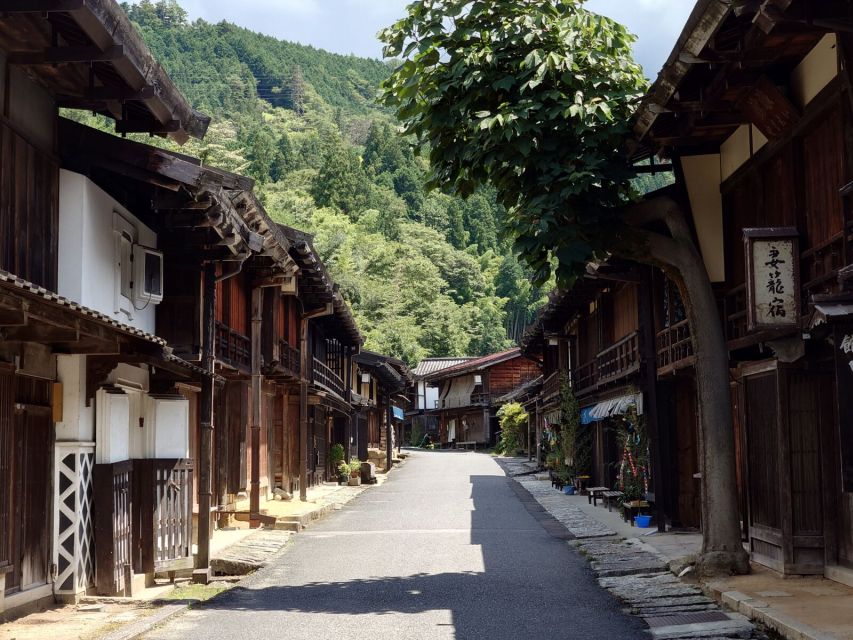
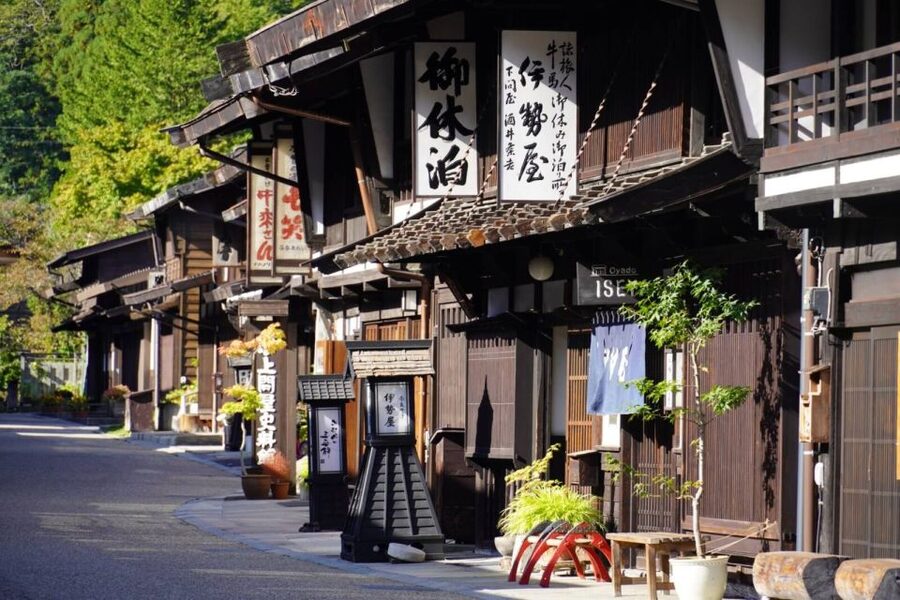
Tsumago is the first major stop. Its sloped streets are lined with wooden buildings, traditional inns, small shops, and places to eat. The town has a rustic, restrained feel. It does not come across as a loud theme park version of old Japan.
Your guide leads a short walk through Tsumago and takes you into one of the buildings open to the public. This gives you a look at how people once lived and worked along the Nakasendo. The visit lasts about an hour before the main hike begins, so you have enough time to get oriented without spending the whole morning indoors.
Pay attention to the relationship between the buildings and the road. Tsumago developed as a stopping place for people on a long journey, so its main street is practical as well as attractive. Eateries and souvenir shops remain part of that character, though you should not expect extensive shopping.
The town is a good place to take early photographs, but save some energy for the trail. The strongest part of the day is not simply seeing Tsumago. It is walking away from it and watching the built-up post town give way to forest, streams, farm roads, and quiet mountain scenery.
The 8-km walk through Kiso Valley
The route from Tsumago to Magome covers more than 8 km, or about 5 miles. It includes moderate ascents and descents, with a mixture of country trails, rural roads, forest sections, and stretches of old cobblestone paving.
This is best described as a moderate walk, not a technical mountain hike. You do not need specialist climbing skills, but you do need steady fitness and comfortable hiking shoes. The uphill portions can feel demanding, especially after a long morning or in warm weather. One useful feature of the guided format is the pace. Guides including Shawn, Joyce, Kim, and Kevin have been praised for stopping regularly and keeping groups together despite different walking speeds.
I would not treat the listed distance as a minor detail. Eight kilometers is manageable for many people, but the slopes and uneven ground change how it feels. If you normally walk only on flat city pavements, expect to work harder than you might at first imagine.
The trail is generally well marked, but the towns and rural connections are not always easy to handle alone. A guide helps with direction, timing, and context. The best guides also make the route feel less like a march from one endpoint to another. They point out features along the way and answer questions about local culture, daily life, and the road’s past.
Keep an eye out for birds and lizards. You might also see deer or badgers, though wildlife sightings are not guaranteed. The setting is peaceful, but it is not a wildlife safari. The value lies in the combination of natural surroundings and historic route design.
Same trailhead, a different kind of day:
- Bali: Mount Batur Sunrise Guided Hike and Natural Hot Spring
★ 4.8 · 9,284 reviews - Cinque Terre Day Trip with Optional Hiking or Pisa
★ 5.0 · 8,486 reviews - From Marrakech: Atlas Mountains Full-Day Hiking Trip w Lunch
★ 4.8 · 7,417 reviews - Marrakech: Ourika Valley Trip with Waterfall Hike
★ 4.6 · 6,792 reviews
Odaki and Medaki waterfalls
One of the most memorable breaks comes at Odaki and Medaki, two waterfalls beside the trail. Their names mean male waterfall and female waterfall, and they sit close together in a wooded section of the route.
This is an excellent place to pause. You can feel cool mist on your face and hear the water over the forest sounds. Traditional houses along the route may also provide water and a place to rest, helping you experience the path in a way that echoes its original purpose.
The waterfalls are more than a photo stop. They divide the walk nicely and give your legs a welcome break after an incline. Some groups have enjoyed eating lunch near the waterfall, although food is not included and you should plan to buy or carry what you want to eat.
The path can be shaded and damp around the water, so shoes with a solid grip are sensible. Weather changes quickly in mountain areas, and a light rain layer is worth packing even if the forecast looks friendly.
Arriving in Magome
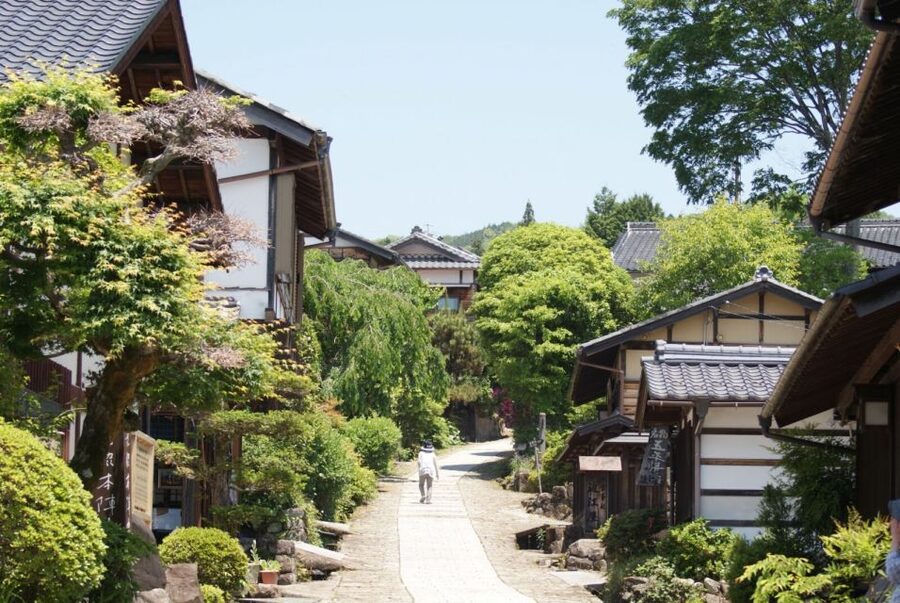
Magome is the final post town and one of the visual highlights of the day. Its main street climbs through a line of restored wooden buildings, with mountain views opening beyond the rooftops. Water channels run along parts of the street, and waterwheels add a traditional touch.
After reaching Magome, you have about 40 minutes for free time, shopping, and snacks. That is enough for a quick look around and a bite, but not enough for a slow meal, extensive shopping, and a long independent wander. Plan your priorities.
I would use this time for a small local snack, a final walk up the main street, and photographs of the buildings and surrounding hills. Several food options are available in Magome, but lunch is not covered by the tour price. The exact choices and opening hours can vary, so do not count on one specific shop.
Some people arrive in Magome during the late afternoon, when the light can soften the wooden buildings and mountain views. The timing changes with the day’s transport and walking pace, so treat golden-hour photographs as a pleasant possibility rather than a promise.
What the guide adds to the day
The guide is one of the strongest reasons to choose this tour instead of trying to arrange the route independently. English-speaking guides have been praised for explaining the road’s history, answering questions, adjusting the pace, and helping with photographs.
The style can vary by guide, but the named guides praised in the feedback include Shawn, Joyce, Kim, Kevin, Sijung, and Devon. Shawn received particular praise for helping a mixed-age family group and assisting when their onward transport plans went wrong. Sijung was noted for setting a comfortable pace and helping make the day work with a change in travel plans.
One small group even had only two participants, making the outing feel almost private. You cannot assume your group will be that small, but the company appears able to handle different group sizes and walking speeds. The guide’s value rises when the group is mixed, since the leader can organize breaks and keep the day moving without turning it into a race.
A guide also gives you more than historical facts. Past tours have included conversations about Japanese culture, economics, and social life. That broader context can make the old post towns feel connected to Japan today, rather than simply preserved scenery.
The real cost of the long bus ride
At $189 per person, this is not a cheap walking route. The price includes roundtrip transportation from Matsumoto or Nagano and an English-speaking guide, but not lunch.
I think the price can make sense if you are staying in Matsumoto or Nagano and want to see the Nakasendo without piecing together rural transport. The coach removes much of the planning burden, and the guide adds value through interpretation and pacing. You are also covering a long distance in one day.
The value is weaker if you already have a rental car, plenty of time, or a strong interest in arranging local trains and buses yourself. Independent visitors may prefer to stay overnight in one of the post towns and walk at a slower pace. This tour favors convenience and a reliable day trip over maximum freedom.
The return ride is the unavoidable tradeoff. After 8 km on foot, you still have several hours of transport. Bring a small snack, water, and something comfortable for the bus. The scenery outside helps, but you should know in advance that this is not a short transfer.
Who should book this walk
I would recommend it to adults who enjoy moderate walking, cultural history, and rural scenery but do not want to manage complicated transport. It also suits people with only one free day from Matsumoto or Nagano.
The tour can work for older walkers who are fit and comfortable on uneven ground. One past group included people aged 76, 69, 36, and 33, and the guide kept the pace comfortable. That does not mean the trail is easy for everyone. Honest self-assessment matters more than age.
I would skip it if you dislike long coach rides, need a fully flat route, or want a relaxed town visit with little physical effort. It is also not suitable for children under 7, wheelchair users, or people with mobility impairments. The stated guidance advises against bringing children because of the long walking distance.
Pack hiking shoes, water, and clothing suited to the forecast. A rain layer, sun protection, and a small snack are sensible additions. One practical issue raised by the experience is sun direction, which can occasionally make parts of the walk uncomfortable. Sunglasses and a hat may help.
Cancellation is flexible up to 24 hours before departure for a full refund, and you can reserve now and pay later. Activities remain subject to availability, so the exact schedule can sometimes need adjustment.
Should you book the Nakasendo tour?
Book it if you want a well-organized introduction to the Tsumago to Magome section and value a guide who can handle transport, pacing, and local context. The waterfalls, old streets, mountain paths, and restored buildings create a varied day rather than one long walk.
Skip it if you want to linger in each post town, avoid a long bus journey, or prefer to travel independently. For the right walker, though, the $189 price buys more than a trail transfer. It buys a practical way to reach a rural part of Japan and understand why this old road still matters.
FAQ
How far is the Nakasendo walk?
The walk from Tsumago to Magome is about 8 km, or more than 5 miles, with moderate uphill and downhill sections.
Where can I join the tour?
Starting points may include Matsumoto Station, Nagano Station, and Kokusai 21. The meeting point depends on the option you book.
Is transportation included?
Yes. Roundtrip coach transportation from Matsumoto or Nagano is included, along with an English-speaking guide.
Is lunch included?
No. Lunch is not included, but you can buy food and snacks in Magome and may find places to eat along the route.
Is the tour suitable for children?
The tour is not suitable for children under 7, and the long walking distance means it is generally not recommended for children.
What should I bring?
Bring hiking shoes, water, and weather-appropriate clothing. Sunglasses, a hat, and a light rain layer may also be useful.
Just added around the world
- From Jökulsárlón: Vatnajökull Easy Level Glacier Hike★ 4.2 · 20 reviews
- From Kanab: 3-Hour Peek-a-Boo Slot Canyon Hiking/Photo Tour★ 4.9 · 25 reviews
- From Jujuy: Salinas Grandes, Purmamarca & Los Colorados Hike★ 4.2 · 75 reviews
- From Kalamata: Polylimnio Waterfalls Guided Hiking Tour★ 4.9 · 19 reviews
- From Kalkan: Saklikent Gorge and Gizlikent Waterfall Trek★ 4.7 · 13 reviews
- From Hanoi: Hoa Lu, Hang Mua Hike, Tam Coc Boat, and Lunch★ 4.4 · 28 reviews
- From Huaraz: Hike to the Lagoon 69★ 4.4 · 121 reviews
- From Kalabaka: Authentic Meteora Hiking Tour – Local Agency★ 5.0 · 20 reviews
Japan Hiking Tours, compared.
Fushimi Inari Hidden Hiking Tour (Private Option Available)
Read our review →
Hiroshima Local guided Hiking Tour&Open-air Tea Ceremony
Read our review →![Hiking the Historic Nakasendo Trail [1 Day Tour from Nagoya]](https://7.hikingjourneys.com/wp-content/uploads/hiking-the-historic-nakasendo-trail-1-day-tour-from-nagoya-400x267.jpg)
Hiking the Historic Nakasendo Trail [1 Day Tour from Nagoya]
Read our review →
Full Day Hiking Tour at Mt.Takao including Hot Spring
Read our review →
Hike Japan Heritage Hakone Hachiri with certified mountain guide
Read our review →
1-Day Tour from Nagoya: Hiking the Historic Nakasendo Trail
Read our review →
Explore Kiso Valley : Magome – Tsumago Mountain Trail Walk
Read our review →Browse the lists this tour appears in