
REVIEW · SAPA HIKING TOURS
Sapa: Private The Most Beautiful Terraced Fields Trekking
Rice terraces do the talking here. This private Sapa trek gives you a full half-day among the famous rice fields of Y Linh Ho, Lao Chai, and Ta Van, with a local English-speaking guide to explain the customs of the Black Hmong and Giay people. I like the personal pace and the simple village lunch, both of which make this more than a quick photo stop.
I also like the easy setup: pickup in central Sapa, water, a raincoat, entry fees, and a car back from Ta Van are included. The main drawback is the persistent selling along the route. Several guests found local women asking them to buy handicrafts uncomfortable and pushy, so you should be ready for that part of the experience.
Key points to know before booking
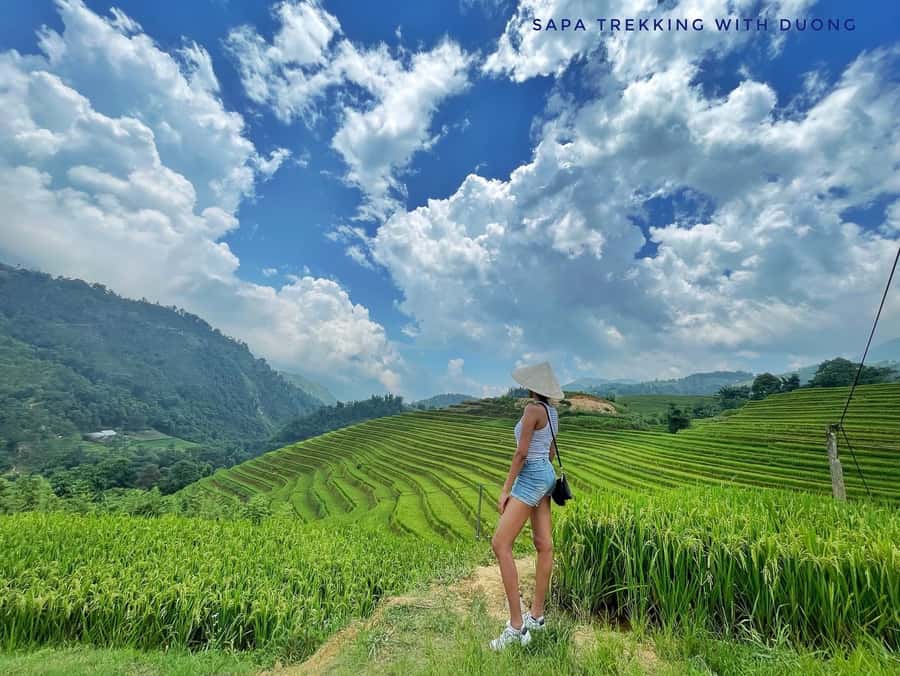
- Three villages in one half-day: The route links Y Linh Ho, Lao Chai, and Ta Van, giving you a useful look at both scenery and local life.
- Private pacing: Your guide can adjust the walking speed and, in one case, helped carry a three-year-old child over a harder section.
- Strong guide feedback: May Pham, Chu, Choo, and Mrs. Du received especially warm praise for their care, English, and explanations.
- Simple value at $34: Lunch, water, rain protection, village fees, transport back, and a private guide are included.
- Expect sales pressure: Local sellers may join parts of the walk and approach you at the restaurant.
- Bring proper shoes: The route is a hike, not a town stroll, and the operator excludes people with mobility limits, back problems, and wheelchair users.
Why this Sapa trek works so well
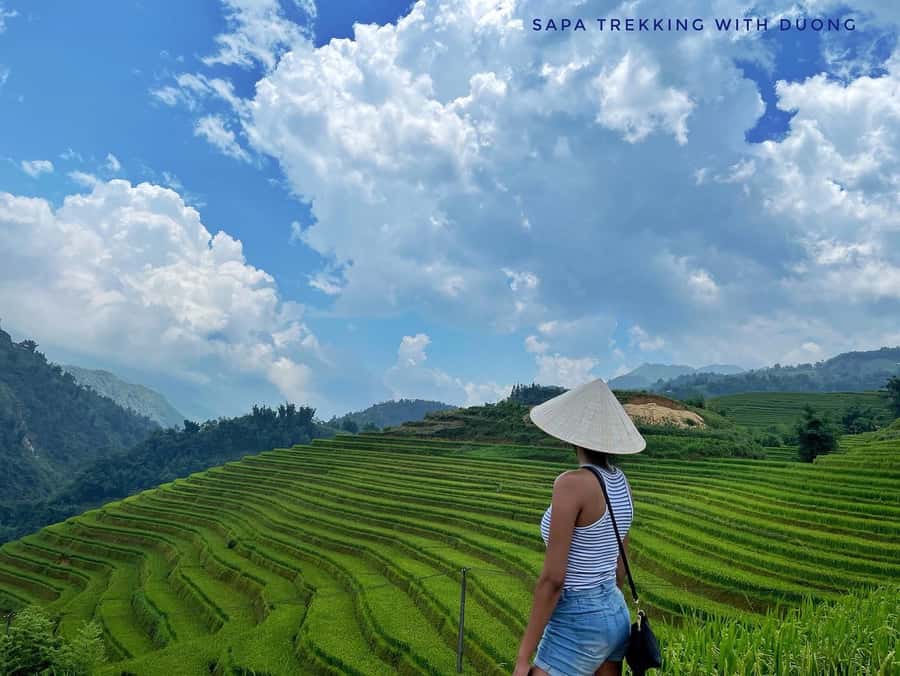
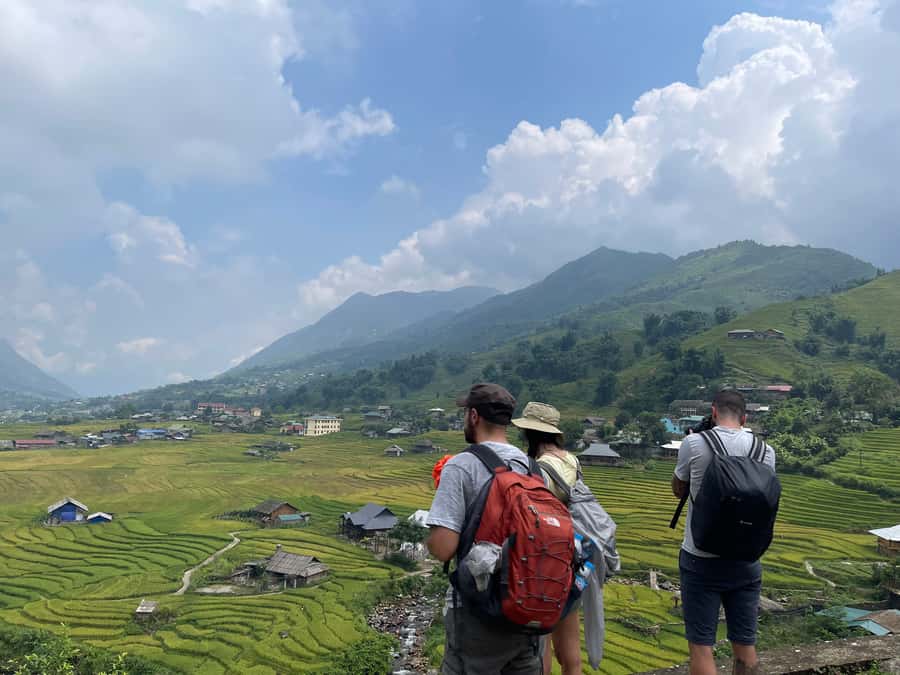
Sapa is famous for its stepped rice fields, but the town itself can feel busy and commercial. This excursion gets you out onto the narrow roads and footpaths that run through the valleys and mountainsides around town. The reward is not just a string of viewpoints. You see the fields from ground level, pass homes and village paths, and hear explanations about the people who work the land.
The private format matters. You are not tied to a large group moving at one fixed speed. The guide can keep things brisk if you are a strong walker, or slow down when you want more time for photographs and questions. That flexibility helped one couple who preferred a fast pace, while another family with a young child was able to walk at its own speed.
The tour lasts about 330 minutes, or five and a half hours. Pickup is scheduled for 9:30 in the morning, with a return to Sapa at about 3 in the afternoon. That timing gives you a full morning and early afternoon outside the city without taking up your entire day.
More Private Hiking Tours in Sapa
- Private Hoang Lien National Park & Tribal Village Trek
★ 4.7 · 30 reviews - Sapa Trekking Private Tour With Ethnic Female Tour Guide
★ 4.9 · 24 reviews - 2 days private Wildland Trek in Sapa
★ 5.0 · 14 reviews
Starting in Sapa at 9:30
Your guide picks you up at your hotel in central Sapa. If your accommodation is outside the central area, the meeting point is Sapa Church, the main church in town. The guide introduces themselves, gives a short safety briefing, and sets out the plan before you start walking.
This is also the right moment to mention food needs. Vegetarian and vegan meals are available, but you should tell the operator in advance if you have allergies or dietary restrictions. The meal is included, though extra drinks such as coffee or soft drinks cost more.
If you have large luggage and need somewhere to leave it, the operator says a storage shop in Sapa is available. That is useful if you are between hotels or heading onward after the walk, though you should arrange it ahead of time rather than assume it will happen at the last minute.
The first movement out of town is by road. You travel along small, winding roads toward the villages. The route is part of the experience, since Sapa quickly gives way to open hillsides and rice terraces.
Y Linh Ho and the Black Hmong hillsides
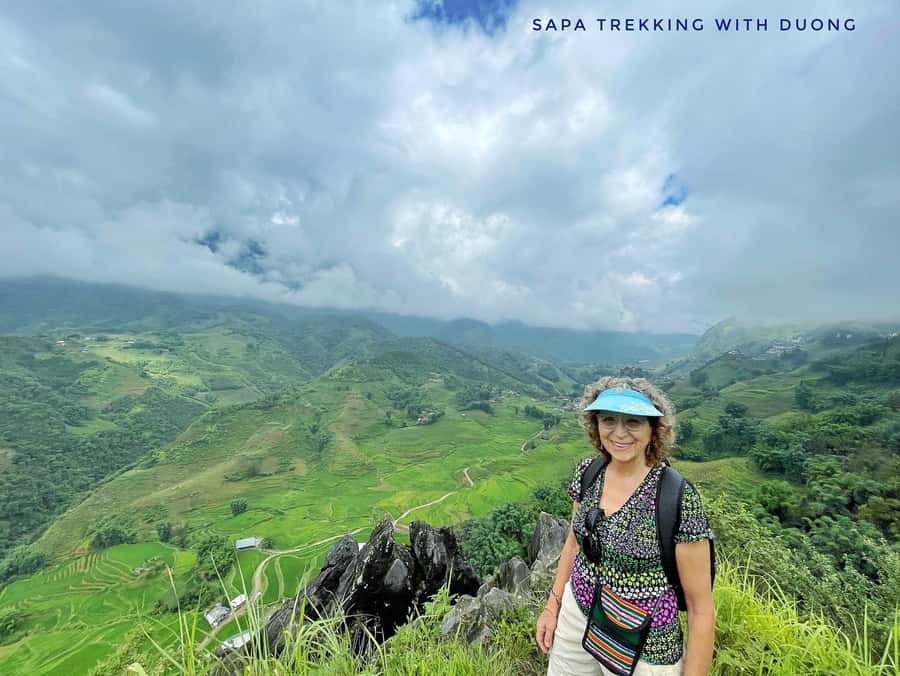
Y Linh Ho is described as a small and simple Black Hmong village scattered along a mountainside. It is the first place where the trek feels properly rural. Rather than arriving at a single grand entrance, you move through a spread-out settlement and follow paths beside the fields.
The rice terraces are the star. Their stepped shape makes practical use of steep ground, and the changing height of each field creates the classic Sapa view. The exact appearance depends on the season, but you will be walking among the terraces rather than viewing them only from a distant lookout.
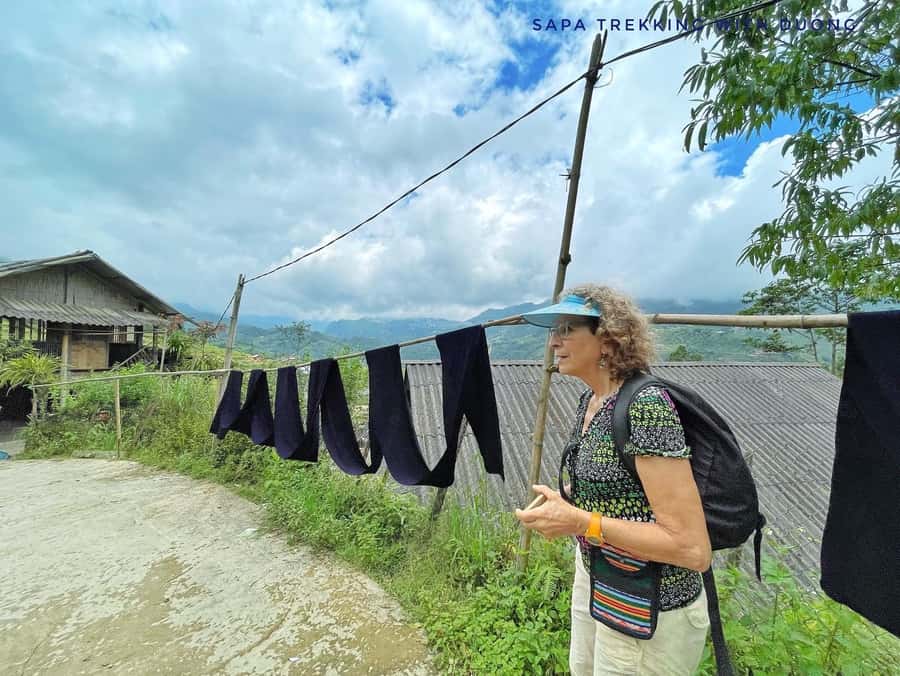
This is also where the cultural side of the excursion begins. Your guide explains Black Hmong traditions, local houses, and everyday ways of life. Previous guides such as May Pham, Choo, and Mrs. Du were praised for answering questions clearly and explaining differences between local communities.
You should think of this as a walking conversation, not a formal museum tour. The value comes from having someone beside you who can connect the scenery with the people living there. Ask questions as you go. The private arrangement gives you more room to stop and talk than a large organized group usually allows.
The route is accessible for many reasonably fit walkers, but it is still a hike. Bring sports or hiking shoes with a reliable sole, comfortable clothing, sunscreen, and a hat. The operator provides a raincoat, but Sapa weather can change, so it is sensible to carry light layers.
Lao Chai and the longest walking section
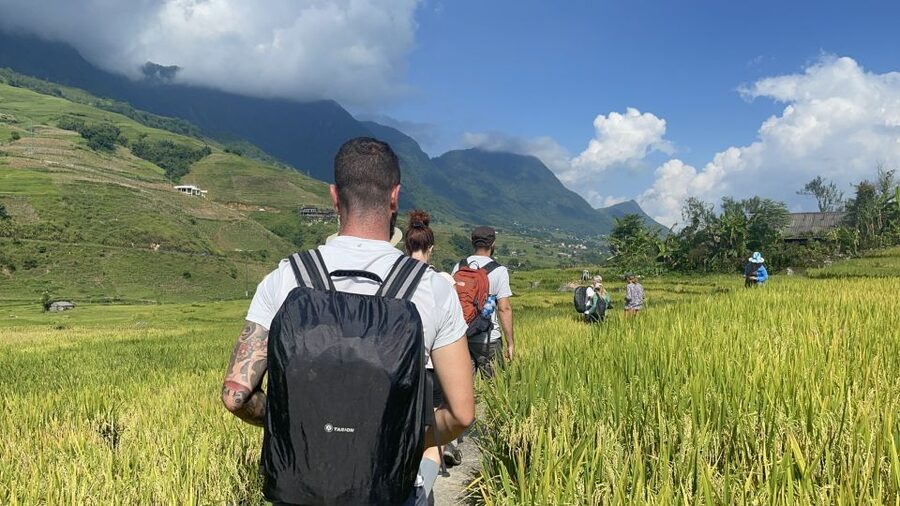
The route continues toward Lao Chai, another important village in the valley. The walking portion around Lao Chai takes the largest share of the day, listed at about four hours including the scenic route and village visits. That does not mean four hours of nonstop hard climbing, but you should plan for a substantial walk over uneven village roads and paths.
Lao Chai gives you more time to appreciate the scale of the rice terraces. From here, the fields can stretch across the slopes in broad stepped patterns. The guide points out sights along the way and helps you understand how the Black Hmong community fits into the area.
This is where the private format can make the most practical difference. One guide, May, was praised for adjusting the route to suit a person’s physical condition. Another guide helped carry a small child during the toughest part of the walk. You should not treat that as a guarantee that every guide will carry children, but it shows the kind of personal attention the private setup can allow.
The walk is not suitable for wheelchair users, people with mobility impairments, or people with back problems. Children under five are also listed as unsuitable for the activity. One family did complete the walk with a three-year-old, but that was possible because the guide offered extra help and the family went at its own pace. If you are considering this with a young child, contact the operator before booking and be honest about your group’s ability.
More Private Hiking Tours in Vietnam
- 3 Days Small Group Trekking And Motorbike Combine + Private room
★ 5.0 · 218 reviews
Lunch in the village
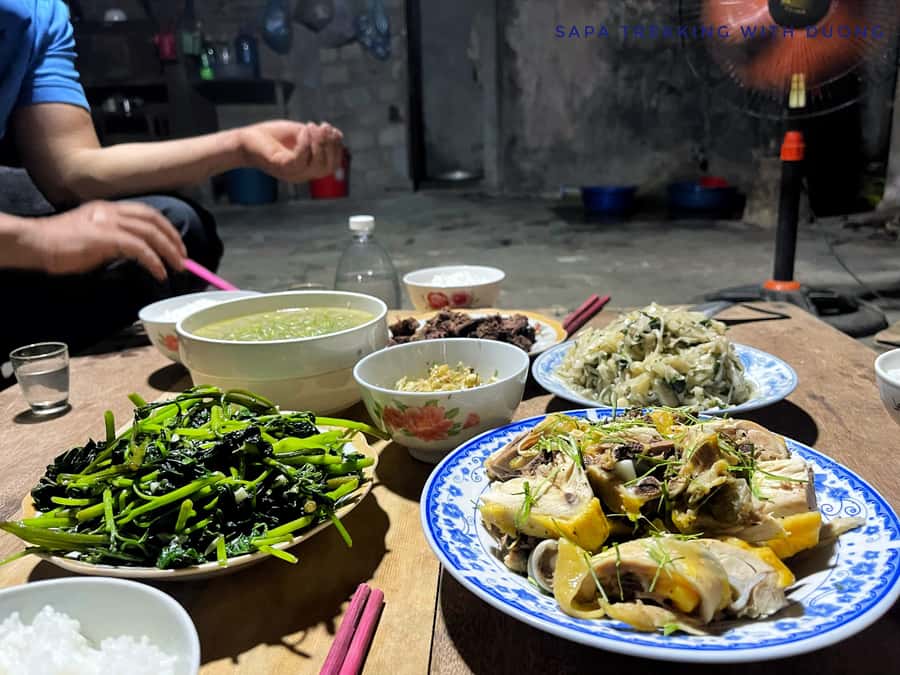
Lunch is served at a local restaurant in the village area after the first major section of the trek. The meal is included in the $34 price, and vegetarian and vegan food can be arranged.
Do not expect a long restaurant break with an extensive menu. This is a practical village meal that gives you time to rest, eat, and prepare for the final section. That simplicity suits the day. You are not being whisked back to Sapa for a standard tourist meal. You are eating in the community you have just walked through.
There is one issue to prepare for. Some local women may approach you during the walk or at the restaurant to sell handmade goods or other items. The approach can be persistent, and past visitors described pressure to buy as the low point of the day. You are not required to purchase anything. A polite but firm no is enough, and you can support local businesses by buying from a shop or eating at village restaurants instead.
The selling is worth mentioning because it can affect your impression of an otherwise calm walk. If you dislike commercial approaches, ask your guide for help setting boundaries. The scenery and cultural explanations remain the main reason to come, but the sales activity is part of what you may encounter.
Ta Van and the Giay community
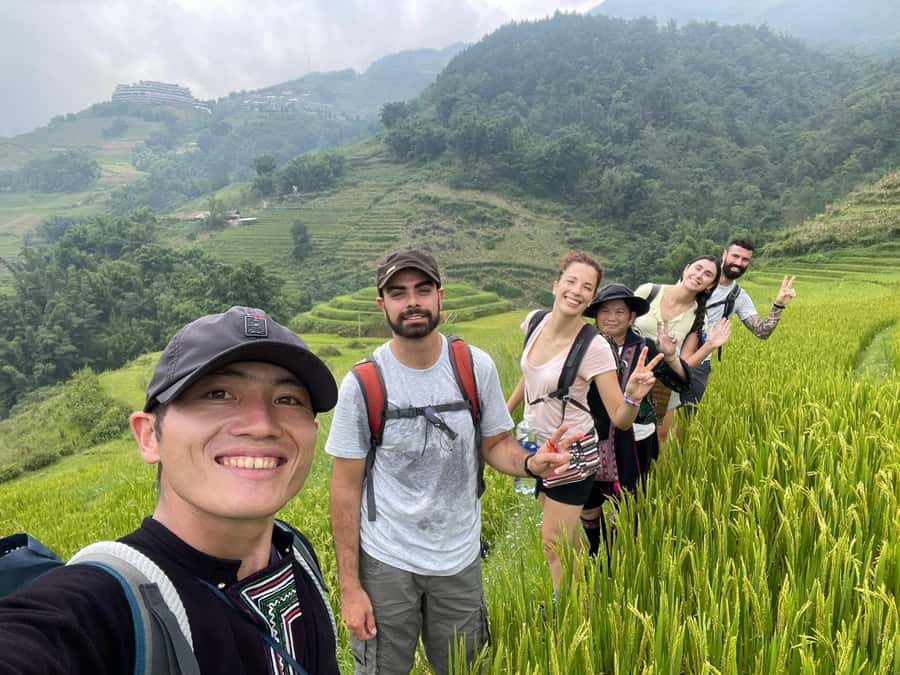
After lunch, the trek continues toward Ta Van. This final village adds another cultural layer because the area is associated with the Giay people as well as the Black Hmong. Your guide explains differences in traditions and daily life, helping you see that Sapa is not one single cultural destination.
Ta Van is also a good place for a final photo stop. The route includes scenic views, guided sightseeing, and time to walk through the village. Compared with Y Linh Ho, which is described as small and scattered along the mountainside, Ta Van gives the day a different finish and helps complete the comparison between communities.
The final village section lasts about an hour in the stated itinerary. It is short enough to leave you with energy for the return ride, but long enough to see more than one viewpoint. If you want a slow photography day, tell your guide early. If you prefer to cover ground, guides such as Chu were praised for maintaining a brisk walking speed.
At around 3 in the afternoon, a car takes you back to Sapa. Return transport from the last village is included, so you do not need to arrange a separate taxi or local transfer.
What $34 really buys you
At $34 per person, this is good value if you want a private outing rather than a bare-bones walk. The price includes:
- Pickup and drop-off in central Sapa
- A private English-speaking guide
- Village entry fees
- Lunch
- 1.5 liters of water per person
- A raincoat for each person
- Transport back to Sapa from the final village
The private guide is the biggest part of the value. You are paying for local explanations, route support, and the ability to adjust the pace. The included transport also matters because the trek finishes away from central Sapa.
You still need money for extra drinks and tips. Travel insurance is not included, and neither is a purchase from local sellers. Tipping the guide or driver is optional, but it is not included in the price.
The operator offers free cancellation up to 24 hours before departure and allows you to reserve now and pay later. Those terms are helpful if your Sapa plans depend on weather or a changing train and bus schedule.
The guides make the difference
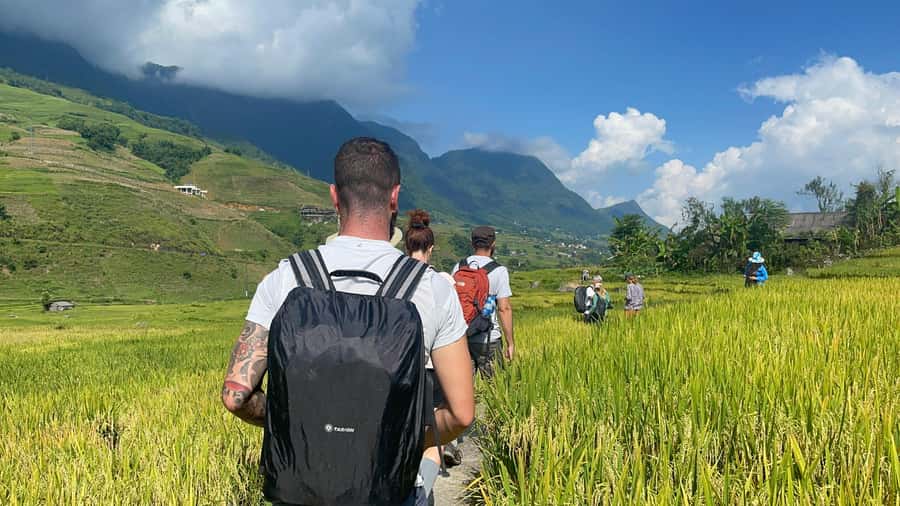
The strongest part of this experience is the guide service. May Pham was praised for being friendly, organized, and clear about local culture. May also adjusted the route to suit physical ability and collected a couple directly from their hotel.
Choo was praised for excellent English and for explaining local communities in a way that was easy to follow. The guide had learned English through conversations with tourists, which gives you a sense of the personal nature of the service. Chu suited people who wanted a faster walking pace, while Mrs. Du received warm praise for sharing cultural details and creating a pleasant day.
Guide quality can vary from one departure to another, but the pattern here is encouraging: the best part of the experience is not a scripted speech. It is the chance to ask questions while standing beside a terrace, village home, or narrow mountain path.
Who should book this walk?
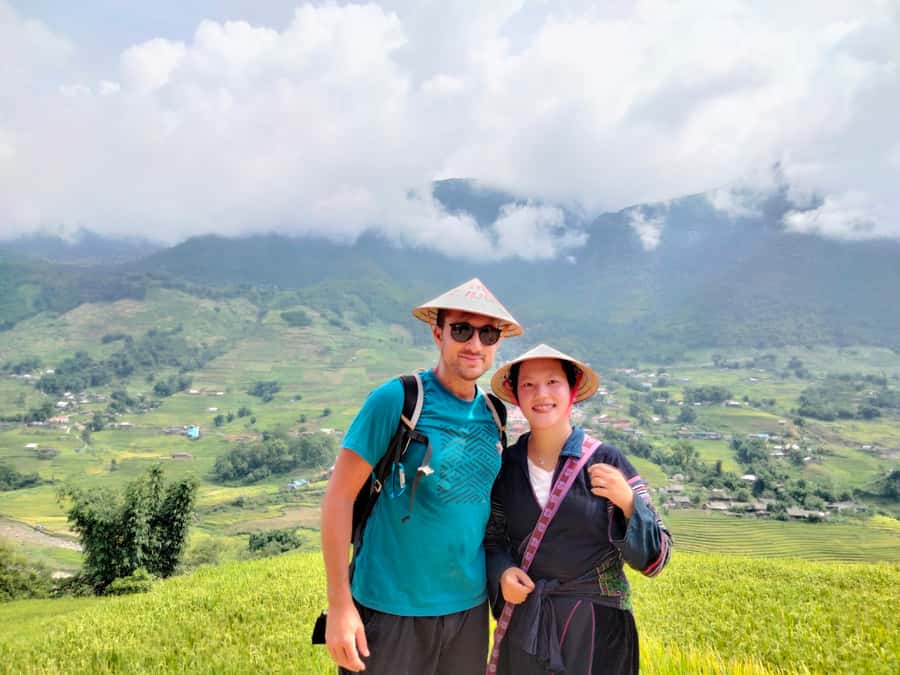
I would recommend this trek to couples, families with older children, and solo visitors who want a personal introduction to Sapa’s villages. It is especially useful if you have only one free day and want scenery, cultural context, lunch, and return transport in one package.
It suits you if you can walk for several hours and manage uneven ground. Strong walkers can ask for a faster pace, while others can request more stops. The private format makes that easier.
I would think twice if you have back trouble, reduced mobility, or want a gentle sightseeing drive. This is a real walking day. I would also avoid booking it without a conversation if you are traveling with a very young child, even though one family completed the route with help.
If repeated sales approaches upset you, the issue may take some patience. Tell the guide clearly that you do not want shopping pressure, and do not feel obliged to buy.
Should you book the Y Linh Ho, Lao Chai, and Ta Van trek?
Book it if your priority is seeing Sapa’s rice terraces on foot while learning about Black Hmong and Giay communities from a local guide. The combination of a private group, village lunch, included water, rain protection, and return transport makes $34 a fair price.
Skip it if you want a quiet route with no sellers, a short walk, or fully accessible transport. For most reasonably fit visitors, though, this is a practical and well-balanced way to get beyond Sapa town. Pick a morning when you can walk comfortably, wear proper shoes, and let the guide set a pace that matches your group.
FAQ
Where does the Sapa trek begin?
Pickup is available from hotels in central Sapa. If you stay outside the central area, the meeting point is Sapa Church.
What time does the tour start and finish?
Pickup is scheduled for 9:30 in the morning, and the group returns to Sapa at about 3 in the afternoon. The stated duration is 330 minutes.
Which villages does the route visit?
The trek visits Y Linh Ho, Lao Chai, and Ta Van. Y Linh Ho and Lao Chai are associated with the Black Hmong community, while Ta Van includes Giay cultural traditions as well.
Is lunch included?
Yes. Lunch at a village restaurant is included, and vegetarian or vegan food can be provided when requested.
What is included in the $34 price?
The price includes central Sapa pickup and drop-off, a local English-speaking guide, village entry fees, lunch, 1.5 liters of water per person, a raincoat, and transport back to Sapa from the final village.
Is the trek suitable for children or people with limited mobility?
The activity is not suitable for wheelchair users, people with back problems, people with mobility impairments, or children under five. One family completed it with a three-year-old after the guide helped with a difficult section, so families with young children should contact the operator before booking.
More Private Hiking Tours in Sa Pa
- Fushimi Inari Hidden Hiking Tour (Private Option Available)
★ 5.0 · 1,750 reviews - Mount Batur Sunrise Trekking Private All Inclusive
★ 5.0 · 906 reviews - Mount Batur Sunrise Trekking Private Tour with Breakfast and Hotel Transfer
★ 5.0 · 885 reviews - Private Yellowstone Tour: ICONIC Sites, Wildlife, Family Friendly Hikes + lunch
★ 5.0 · 739 reviews
Just added around Sa Pa
- Hanoi: Sapa Trekking 2 Days 1 Night – Sleeper Bus from Hanoi★ 4.6 · 18 reviews
- From Hanoi: 2-Days Sapa Trekking Tour Lao Chai and Cat Cat★ 4.3 · 7 reviews
- Easy Trek in Sapa mountain : Y Linh Ho – Lao Chai – Ta Van★ 4.8 · 16 reviews
- Discover Sapa: 2D1N Trekking Adventure & Cozy LaLa Homestay★ 4.9 · 17 reviews
- SaPa: 2-Day Villages,Rice Fields, Love Waterfall Hiking Tour★ 5.0 · 9 reviews
- AUTHENIC 2D1N Trek & Bungalow Retreat with Dinh Hmong Family★ 5.0 · 19 reviews
- From Hanoi: Sapa 3-Day Medium Trek and Limousine Trip★ 4.5 · 59 reviews
- 2 Night Lao Chai-Ta Van Homestay- Trekking & Fansipan Visit★ 4.0 · 8 reviews
Sapa Hiking Tours, compared.
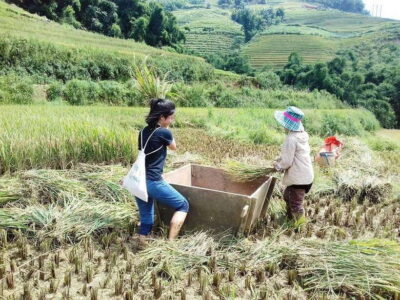
Sa Pa: Muong Hoa Valley Trek and Local Ethnic Villages
Read our review →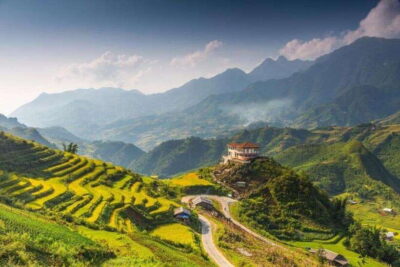
Eco Adventure Terrace Fields and Local Villages Trek
Read our review →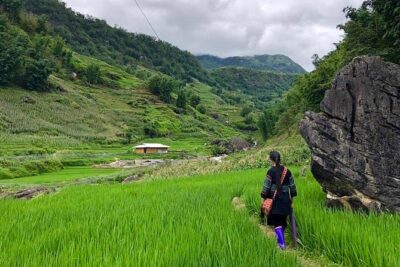
Number one top rated ethical cultural trekking and homestay by ETHOS
Read our review →
1-Day Guided Trek to Lao Chai & Ta Van with Lunch
Read our review →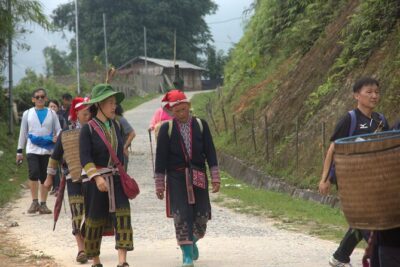
Sapa 1 Day Long Trek: Trek to Hau Thao and Sa Seng Villages
Read our review →
EXPLORE SAPA: 2D1N TREKKING & HMONG CULTURE WITH DINH
Read our review →
Browse the lists this tour appears in