
REVIEW · SAPA HIKING TOURS
Sapa: Eco Adventure Terrace Fields and Local Villages Trek
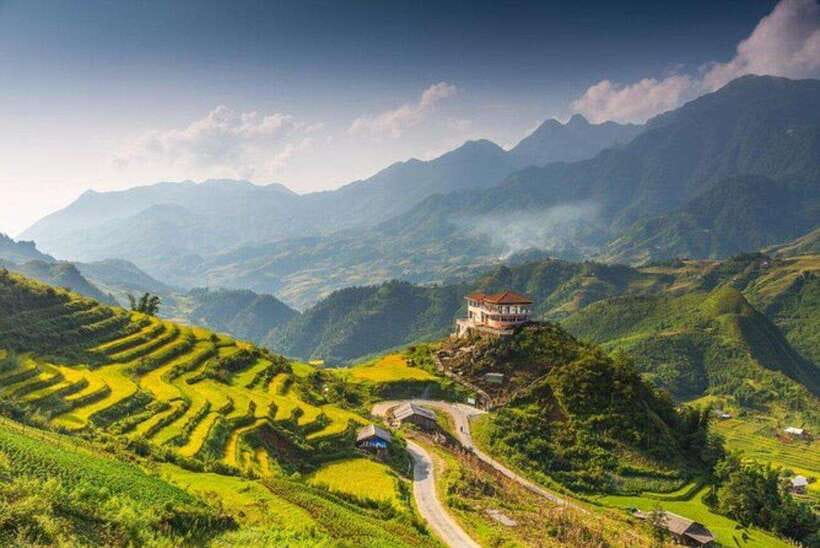
Sapa rewards walkers. This 10 to 12 kilometer trek leads from Sapa into Muong Hoa Valley, past rice terraces, streams, wooden homes, and working farms. I like the personal cultural focus, especially the time spent learning about Hmong life and traditional clothing. I also like that lunch is included, giving you a proper break with local food rather than a rushed snack.
The main drawback is the trail itself. This is a real hike, not a gentle village stroll. Mud, slippery slopes, steep sections, and uneven paths can make the opening hours demanding, especially after rain. Still, the small group, usually limited to 10 people, lets the guide set a manageable pace and help where needed.
Key points to know before you book
- The 9:00 AM start begins at Sapa Church, with no hotel transfer included.
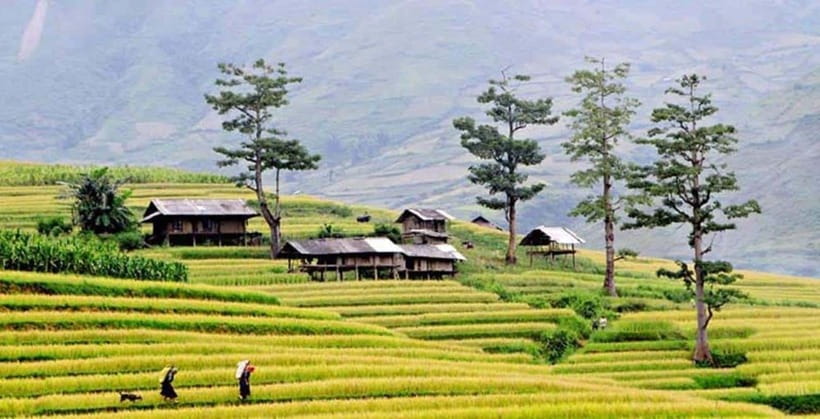
- Muong Hoa Valley provides the scenery, including rice terraces, streams, mountain views, and rural farm life.
- The route covers about 10 to 12 kilometers, with muddy and slippery sections in wet weather.
- Three important village areas appear along the route: Y Linh Ho, Lao Chai, and Ta Van.
- A local English-speaking guide leads the walk, with Chai, Vu, Wu, and other guides receiving especially warm praise for their care and local insight.
- Lunch is included, with vegetarian and vegan choices available according to recent experiences.
Why this Sapa trek is worth your time
Sapa has plenty of scenic viewpoints, but the best part of this experience is the movement from town into the valley. You do not simply stop at a lookout, take a photo, and return to your hotel. You walk through places where rice farming, animal keeping, housework, and textile making are part of daily life.
I like that the scenery and culture work together here. Rice terraces are beautiful, but they make more sense when you see farmers planting or harvesting them. A wooden house means more when your guide explains how local families live. The walk gives you a reason to slow down and pay attention.
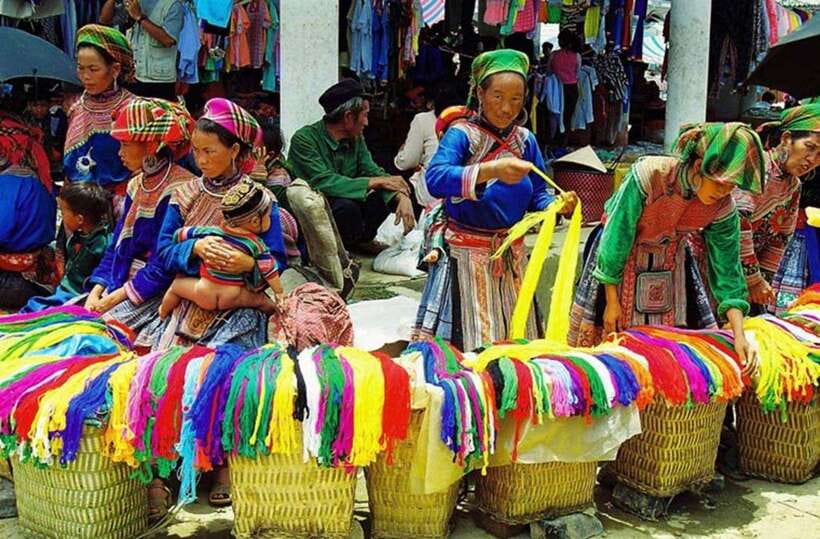
The cultural side is centered on the Hmong and Dzay, also written Zay, communities. Your guide may explain local customs, family life, clothing, work, and the difficulties faced by people living in the mountain villages. Several guides are local themselves, which adds personal detail that a general city guide may not provide.
The price, $27 per person, is strong value for a nearly full day. It covers the guide, entrance fees, and lunch. You still need to pay for drinks and any optional purchases, and you must arrange your own way to the meeting point. Even with those limits, the cost is modest for a guided hike of this length.
A few more hikes around Sa Pa worth a look
- Sa Pa: Muong Hoa Valley Trek and Local Ethnic Villages
★ 4.6 · 864 reviews - Number one top rated ethical cultural trekking and homestay by ETHOS
★ 5.0 · 456 reviews - From Sapa: 1-Day Guided Trek to Lao Chai & Ta Van with Lunch
★ 4.9 · 416 reviews
Starting above Muong Hoa Valley at 9:00 AM
Meet your guide in front of Sapa Church in the center of town. Bring your WhatsApp number when booking so the operator can contact you easily. Since hotel pickup is not included, allow enough time to reach the church without rushing.
The first stop is a small hill viewpoint. From here, you can look toward Fansipan Peak and get your first sense of how sharply Sapa drops into the valley. Visibility depends heavily on the weather. On clear days, you may see sweeping mountain views. On misty mornings, the valley can appear in fragments, with clouds hiding much of the distance.
Fog is common in Sapa, particularly in cooler or wet periods. That does not cancel the walk, but it changes the experience. You may see less of the big mountain scenery in the morning, while village paths, streams, houses, and nearby terraces remain interesting at close range. Some people found that the views improved later in the day as the mist lifted.
From the viewpoint, the route continues toward Muong Hoa Valley. The opening part can be the hardest, especially when the ground is wet. Several people used rented rubber boots for the muddy sections, and this is practical advice rather than a fashion suggestion. Wear shoes with grip, or ask about borrowing boots before setting off.
Through rice terraces, streams, and farm paths
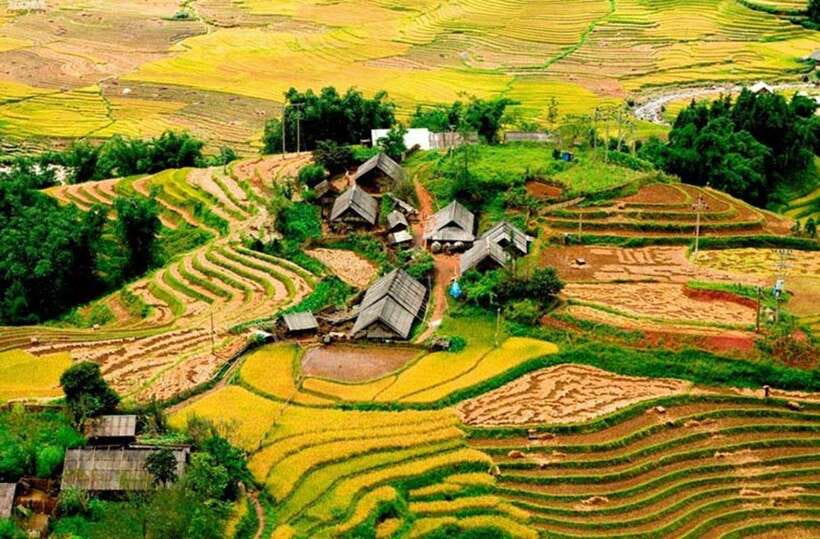
Muong Hoa Valley is the visual heart of the outing. Layered rice terraces follow the mountain slopes, while narrow paths pass through fields and along streams. Depending on the season, you may see planting, growing rice, or harvesting work.
This is also where the walk feels least like sightseeing from a distance. You are close to farm plots, animals, water, and homes. The route can include views of pigs, buffalo, ducks, chickens, and village dogs. Those small details help you understand that the valley is a working place, not just a scenic backdrop.
The path is not uniform. Some parts are narrow and muddy, while other sections become easier and may follow paved or vehicle-accessible roads. If the ground is slippery, your guide can help you choose a simpler option. That choice matters because the harder track provides more adventure, but the easier road is safer for anyone with weak knees or limited hiking experience.
Local women sometimes help walkers across muddy or slippery sections. They may offer a hand on steep ground and may sell handmade clothing or bags later in the route. You are not required to buy anything, but carrying some cash gives you the option to support their work. Be polite, and do not treat the assistance as an obligation to purchase.
Y Linh Ho Village and the river crossing
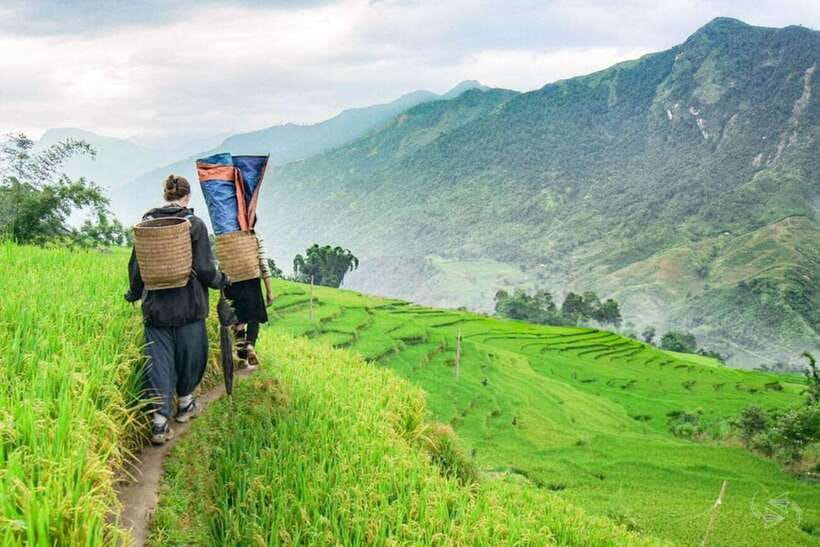
Around 11:00 AM, you reach Y Linh Ho Village, associated with the Hmong community. A small bridge crosses a scenic river, creating one of the route’s memorable transitions. The sound of running water and the surrounding mountains make this a welcome pause before the trail rises and falls again.
Y Linh Ho is valuable because it gives the cultural portion of the trek a real setting. You are not hearing about Hmong customs in a classroom. You are walking through a village area, seeing homes and fields, and asking questions while the route continues.
The guide’s role matters here. Chai received especially strong praise for her English, warmth, humor, and explanations of village life. Vu, Wu, Rou, Le, Lien, Si, and other guides were also praised for keeping groups together and helping people through difficult areas. Guide names can vary by departure, so you should not book with the expectation of a particular person unless the operator confirms it.
After crossing the river, the route continues toward Lao Chai Sang. Rice fields open around the path, with mountains rising beyond them. The views are broad when the weather cooperates, but the walk remains worthwhile in mist because the nearby village details stay visible.
Same trailhead, a different kind of day:
- Sa Pa Full Day Trekking Tour
★ 5.0 · 414 reviews - Sapa 1 Day Long Trek: Trek to Hau Thao and Sa Seng Villages
★ 4.6 · 344 reviews - EXPLORE SAPA: 2D1N TREKKING & HMONG CULTURE WITH DINH
★ 4.9 · 191 reviews - 1-day Authentik trek & Panorama valley views
★ 5.0 · 189 reviews
Lunch in Lao Chai Sang around 12:30 PM
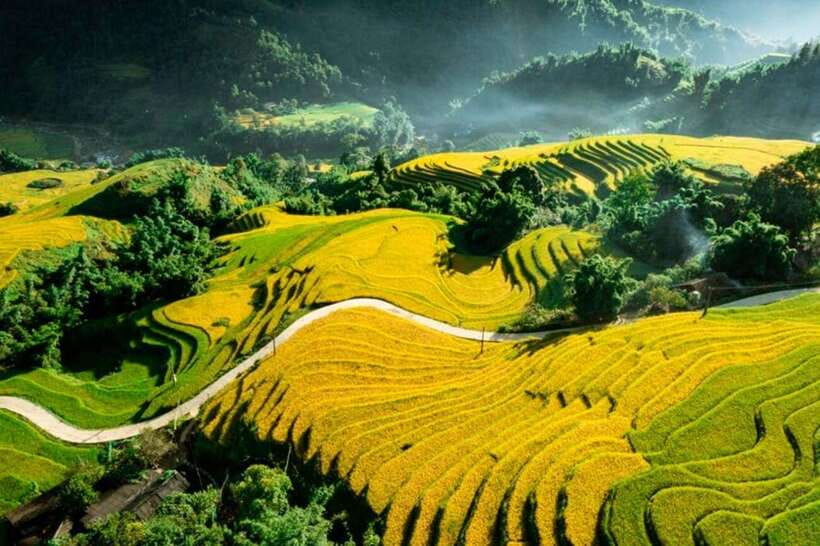
Lunch arrives at a useful point in the day. By about 12:30 PM, you have already walked several kilometers and handled the more awkward early terrain. A local meal gives you time to rest before the afternoon section.
The meal is described as home-cooked food with a Hmong family, while some recent outings used a small village restaurant with a good view. The exact setting may vary, but the important point is that lunch takes place in the village area rather than back in Sapa. Dishes are local, and vegetarian options are available. Vegan choices have also been provided on some departures.
Do not expect a long restaurant experience with a broad menu. Think of lunch as a simple, filling stop during an active day. Drinks are not included, so carry money for water or other beverages. If you have dietary needs, tell the operator ahead of time rather than waiting until you sit down.
I consider the included lunch a real advantage. It reduces the need to plan food for a remote route, and it gives you a natural chance to talk with the guide and other members of the group. It also keeps the day moving without sending you back toward town.
Lao Chai Village and everyday Hmong life
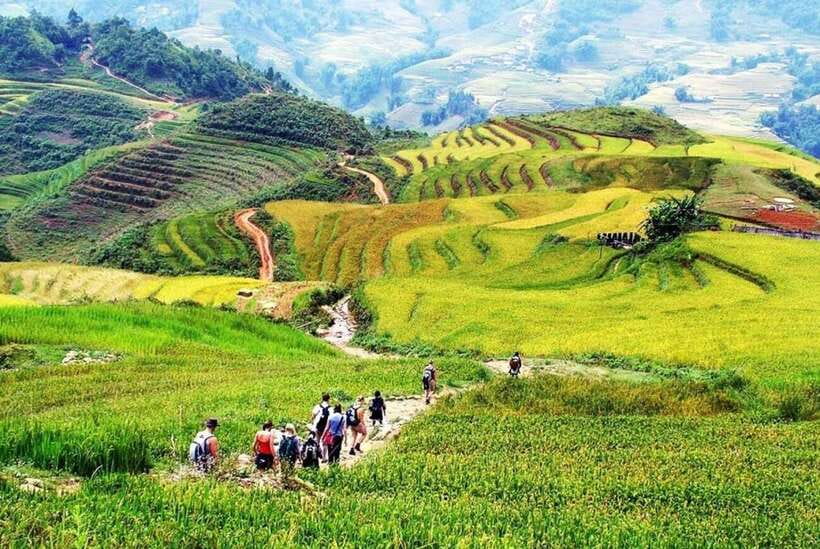
After lunch, the trek continues to Lao Chai Village. Depending on the season, you may see residents planting or harvesting rice. This is one of the best parts of the day for understanding how much labor sits behind those neat terrace lines.
The guide may explain local customs, the role of women, family routines, clothing, and the practical challenges of village life. One particularly useful part of the outing is learning about traditional clothing-making. This makes the textile stalls and handmade bags you may see along the route easier to understand.
Some guides also share personal stories. That can make the cultural discussion feel direct and human, but you should still listen respectfully. This is a chance to learn, not a performance arranged solely for photographs.
The route through Lao Chai is also where the pace may feel more comfortable. The beginning can be muddy and steep, while later paths are often easier. Do not assume that easier means flat. You still have several kilometers ahead, with uneven surfaces and occasional slippery stretches.
Finishing in Ta Van Village with the Dzay community
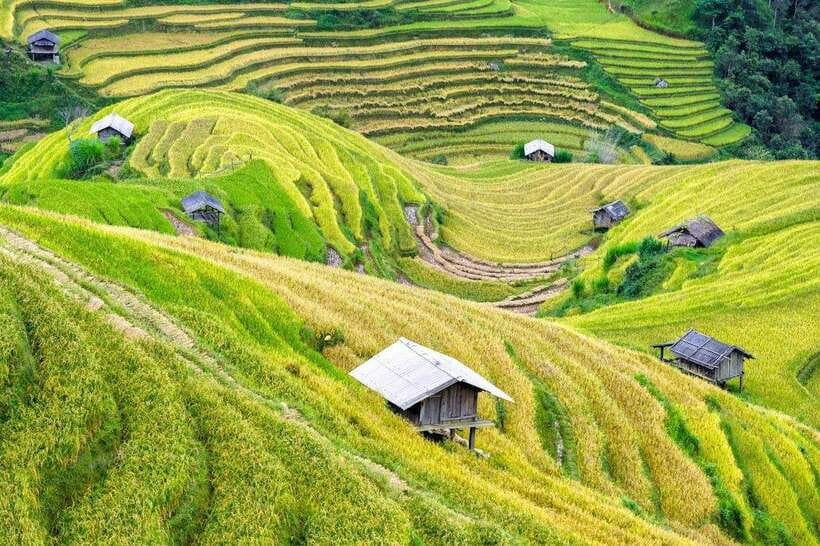
The final village area is Ta Van, home to the Dzay community. Reaching Ta Van gives the walk a useful cultural contrast, since the day has included both Hmong and Dzay communities rather than only one village group.
Your guide can help explain differences in customs, clothing, homes, and daily routines. The value is not in checking off village names. It is in seeing that Sapa’s mountain communities are not all identical, even though they share the same broad valley environment.
The trek ends with a return to Sapa at approximately 3:30 PM, though some departures finished closer to 4:00 PM. A vehicle may bring the group back after the walking portion. Traffic can slow the final ride into town, so avoid booking a tight onward connection immediately afterward.
By the end, you will have spent roughly six and a half hours on the activity, including walking, lunch, stops, and the return. The advertised duration is 390 minutes. That makes this a full-day commitment rather than a quick morning excursion.
How difficult is the 10 to 12 kilometer route?
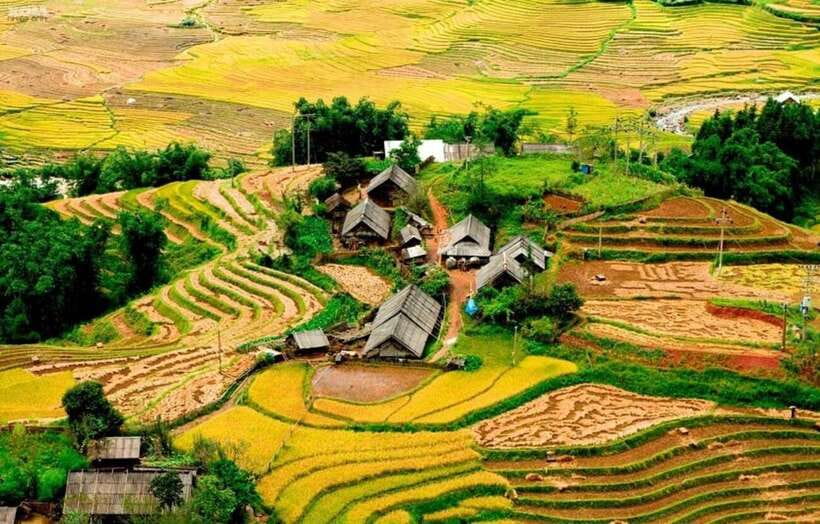
The route is best described as moderate, with conditions making a major difference. In dry weather, many people found it challenging but manageable. After rain, the first part can become slippery enough to require careful foot placement and help from local women along the trail.
You should be comfortable walking for several hours and handling uneven ground. This outing is not suitable for wheelchair users, people with mobility impairments, pregnant women, children under five, or people over 75. It may also be a poor choice if you have weak knees or want a relaxed stroll.
Pack warm clothing, hiking shoes, and insect repellent. Add clothes that can get dirty. The muddy sections are not a rare possibility during wet periods, and clean trainers can quickly become a bad idea.
A small day bag should hold water, cash, a phone, and perhaps a rain layer. The provided information does not list water as included, so plan to buy drinks or carry your own. If you want rubber boots, ask about local rental before the trek begins.
Group size, guides, and the human side
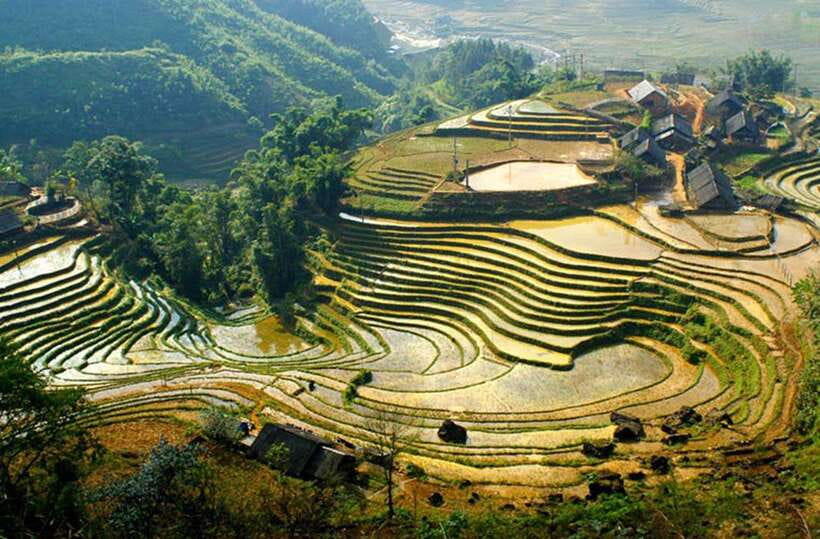
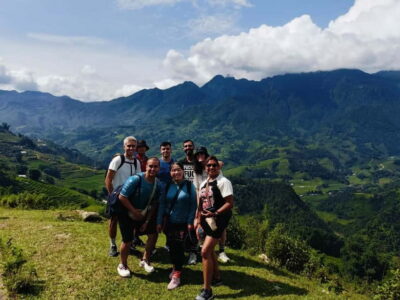
The group is limited to 10 people, which is a useful size for a narrow village trail. A smaller group allows the guide to watch the pace, answer questions, and help when the ground becomes slippery. It also makes lunch and village visits feel less like a large procession.
The strongest part of the experience is the guide. Chai received repeated praise for her English, humor, energy, and ability to explain local life. Vu was praised for being funny, careful, and open about her connection to the area. Other guides, including Chay, Wu, Rou, Lien, Si, Le, and Rose, were also singled out for care and clear explanations.
Guide assignments can change, but the pattern is clear: this excursion depends heavily on the person leading it. A good guide turns a scenic walk into a cultural lesson and helps you feel secure on difficult ground. If the guide offers a choice between a muddy shortcut and an easier road, explain your comfort level honestly.
The honest drawbacks
Weather is the largest uncertainty. Fog can hide Fansipan Peak and much of the valley, while rain can turn the route into a slippery test. If you have flexibility, aim for a clearer forecast, but do not assume a cloudy day will ruin everything. Close-up village life and the lower valley can still be enjoyable.
The route is also more active than the low price might suggest. Some descriptions of the outing could make it sound like a simple sightseeing walk, but 10 to 12 kilometers over mountain paths is serious exercise. The tour is not a good fit for anyone hoping to spend most of the day sitting and taking photos.
Finally, some local women may sell handmade products. Many people appreciate the chance to buy directly from village residents, but you should decide your budget before leaving town. The activity price does not cover purchases, drinks, or other personal costs.
Should you book this Sapa trek?
Book it if you want Sapa scenery tied to real village life. You will get rice terraces, mountain views, streams, three village areas, a local meal, and a guide who can explain Hmong and Dzay customs in English. At $27, that is a particularly good deal for an active cultural day.
Skip it if you need easy access, dislike mud, or have mobility limits. Also reconsider if your schedule allows no room for a late return to Sapa. For fit walkers who bring proper shoes, accept changing weather, and want more than a quick viewpoint, this is one of the better-value ways to spend a day in the valley.
FAQ
Where does the Sapa trek begin?
The guide meets you in front of Sapa Church in the center of Sapa at 9:00 AM. Hotel transfer is not included.
How long is the activity?
The advertised duration is 390 minutes, or about six and a half hours. The return to Sapa is planned for around 3:30 PM, though some departures finished closer to 4:00 PM.
How far do you walk?
The trek covers approximately 10 to 12 kilometers of walking and hiking.
Which villages does the route visit?
The route passes through or near Y Linh Ho, Lao Chai Sang, Lao Chai, and Ta Van. Y Linh Ho and Lao Chai are associated with the Hmong community, while Ta Van is home to the Dzay community.
Is lunch included?
Yes. A local lunch is included, usually in the Lao Chai Sang area. Vegetarian and vegan choices have been available on some departures, so tell the operator about dietary needs in advance.
What should you bring?
Bring warm clothing, hiking shoes, and insect repellent. You should also wear clothes that can get muddy, especially if rain is possible.
Is the trek suitable for children or people with limited mobility?
It is not suitable for children under five, pregnant women, wheelchair users, people with mobility impairments, or people over 75. The 10 to 12 kilometer route includes steep, uneven, muddy, and slippery sections.
Is the group small?
Yes. The activity uses a small group format limited to 10 participants, with an English-speaking local guide.
Just added around Sa Pa
- Hanoi: Sapa Trekking 2 Days 1 Night – Sleeper Bus from Hanoi★ 4.6 · 18 reviews
- From Hanoi: 2-Days Sapa Trekking Tour Lao Chai and Cat Cat★ 4.3 · 7 reviews
- Easy Trek in Sapa mountain : Y Linh Ho – Lao Chai – Ta Van★ 4.8 · 16 reviews
- Discover Sapa: 2D1N Trekking Adventure & Cozy LaLa Homestay★ 4.9 · 17 reviews
- SaPa: 2-Day Villages,Rice Fields, Love Waterfall Hiking Tour★ 5.0 · 9 reviews
- AUTHENIC 2D1N Trek & Bungalow Retreat with Dinh Hmong Family★ 5.0 · 19 reviews
- From Hanoi: Sapa 3-Day Medium Trek and Limousine Trip★ 4.5 · 59 reviews
- 2 Night Lao Chai-Ta Van Homestay- Trekking & Fansipan Visit★ 4.0 · 8 reviews
Sapa Hiking Tours, compared.
Sa Pa: Muong Hoa Valley Trek and Local Ethnic Villages
Read our review →
Number one top rated ethical cultural trekking and homestay by ETHOS
Read our review →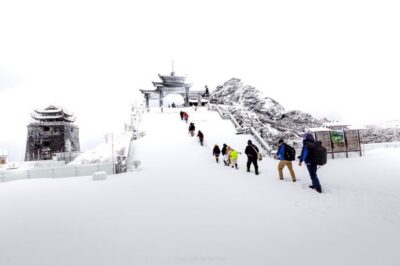
1-Day Guided Trek to Lao Chai & Ta Van with Lunch
Read our review →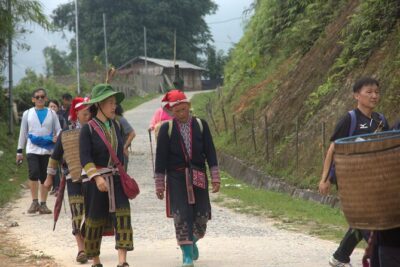
Sapa 1 Day Long Trek: Trek to Hau Thao and Sa Seng Villages
Read our review →
EXPLORE SAPA: 2D1N TREKKING & HMONG CULTURE WITH DINH
Read our review →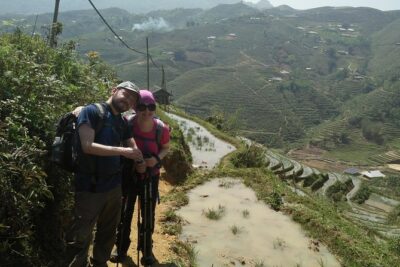

Browse the lists this tour appears in