
REVIEW · SAPA HIKING TOURS
Sapa Trekking Private Tour With Ethnic Female Tour Guide
Terraces reward every muddy step. This four-hour private outing links Sapa with the villages of the Black Hmong, Red Dao, and Dzay peoples, giving you more than a quick walk through rice fields. I especially like the local female guide and the chance to visit traditional homes, share a welcome drink, and hear about daily life directly in the villages. The $30 price also offers strong value, since hotel pickup, an English-speaking guide, and an adaptable route are included.
The main consideration is the ground under your feet. Parts of the trek can be adventurous, and recent guests specifically recommend proper trekking shoes or rubber boots. The route is not suitable for wheelchair users or people with back problems, and weather can change the plan.
Key points at a glance
- Three ethnic communities in four hours: Learn about the Black Hmong, Red Dao, and Dzay groups in separate areas around Sapa.
- A local female guide adds context: Guides such as Dely, Dung, Xiang, and La have helped visitors understand village customs and local life in clear English.
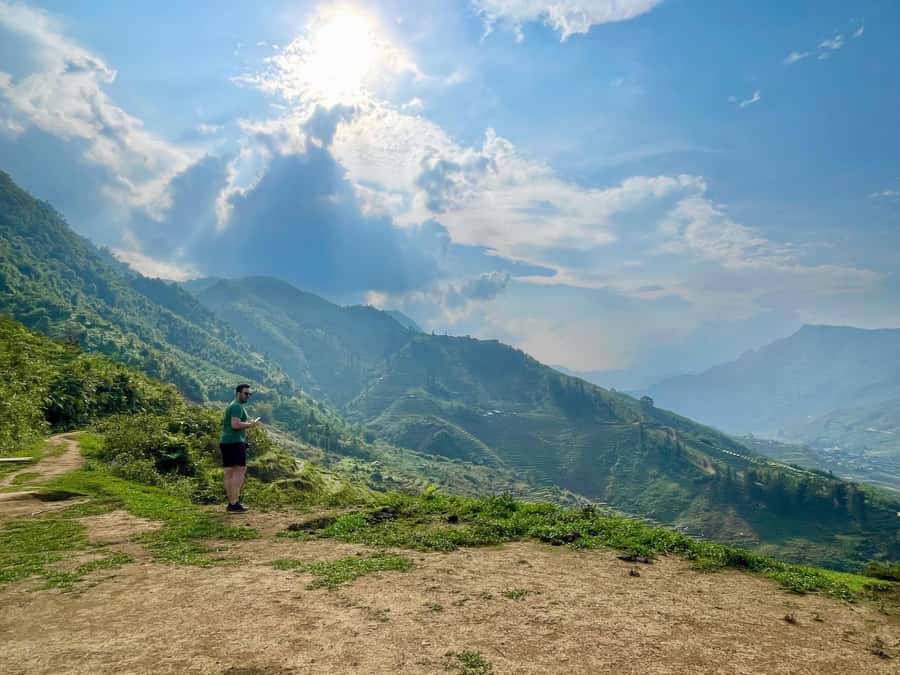
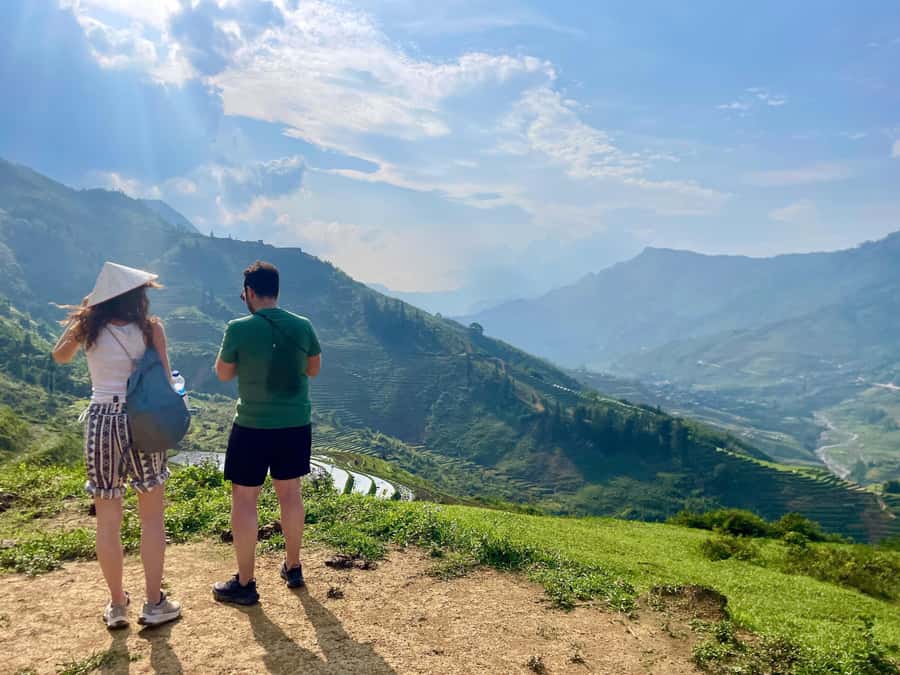
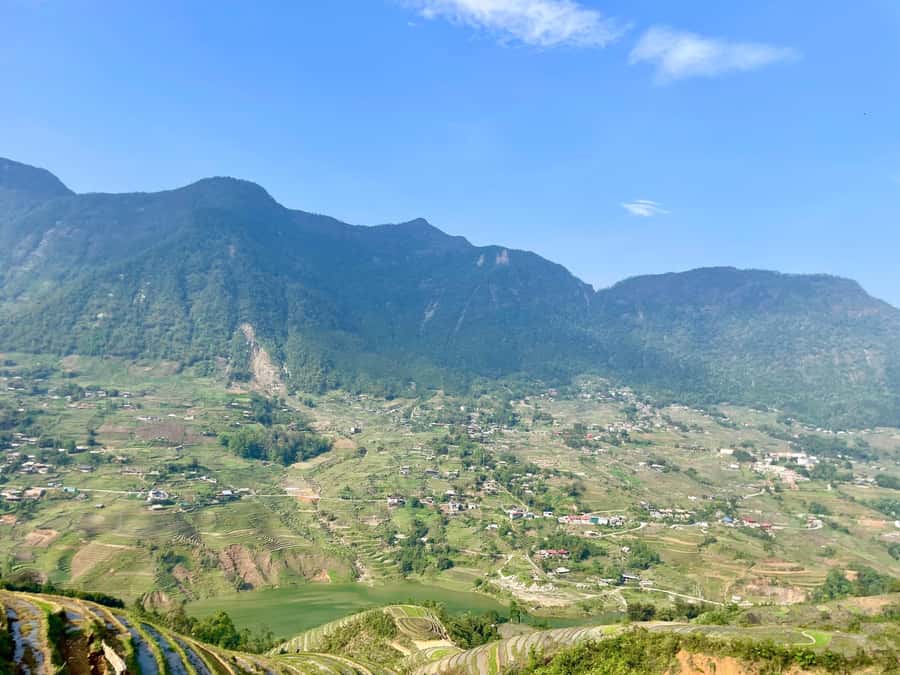
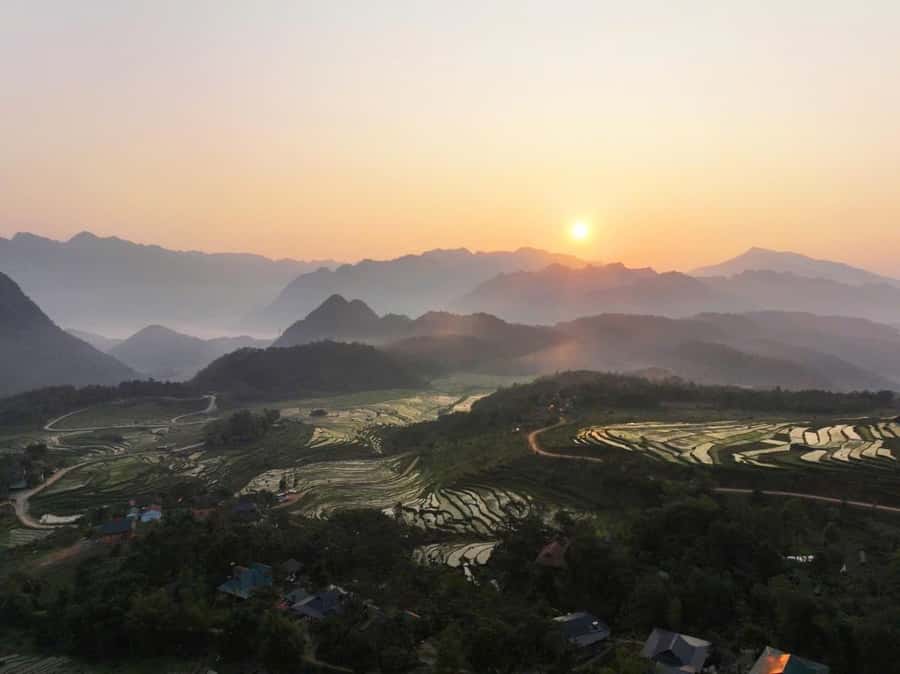
- Muong Hoa Valley supplies the big views: Expect terraced fields, village paths, and plenty of photo opportunities.
- Traditional homes make the visit personal: A welcome drink and conversation give you a closer look at local customs than a roadside photo stop.
- The route can be adjusted: You can request a customized itinerary, and the trek may begin at your accommodation in central Sapa.
- Bring serious footwear: Mud and uneven paths are part of the appeal, especially after rain.
Why this Sapa trek feels different
Sapa offers plenty of viewpoints, but a viewpoint alone tells you very little. This tour connects the scenery with the people who live among the terraces. You move from the northern side of Sapa, where you learn about the Black Hmong and Red Dao, toward the southeast and Muong Hoa Valley, where the Dzay community lives.
I like that the tour does not treat the rice fields as a backdrop only. The guide explains how local customs differ between groups, then takes you into villages where you can see traditional houses and talk over tea or another welcome drink. That small pause matters. It gives the visit a human rhythm instead of turning the morning into a string of photographs.
The private format is another advantage. The route can be adjusted, and the tour can begin directly from your accommodation in central Sapa. If you have a particular interest in village life, family customs, or the differences between ethnic groups, you can ask your guide to spend more time on those subjects.
There is a trade-off. Four hours is enough for a useful introduction, but not enough for a long, leisurely walk through every part of the valley. You will need to keep moving, particularly if you want to visit both the northern communities and Muong Hoa before returning to Sapa.
More Private Hiking Tours in Sapa
- Sapa: Private The Most Beautiful Terraced Fields Trekking
★ 4.8 · 42 reviews - Private Hoang Lien National Park & Tribal Village Trek
★ 4.7 · 30 reviews - 2 days private Wildland Trek in Sapa
★ 5.0 · 14 reviews
Starting from central Sapa
The morning begins with pickup from your accommodation in central Sapa. You meet the driver and English-speaking guide, receive a short introduction, and then leave town for the northern area.
This pickup is useful because Sapa’s streets can be steep and busy, and you do not need to work out where to meet. The included vehicle transfer also saves your legs for the walking itself. The return trip may use a different, less familiar road, and a car can be arranged for that return if needed.
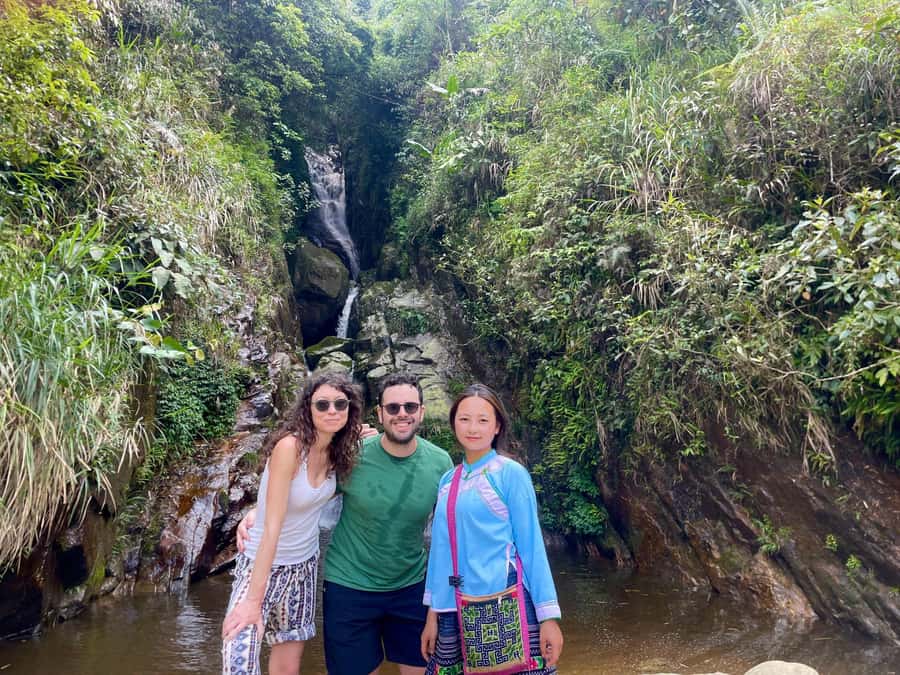
Your guide is the key to the experience. The guide names associated with this tour include Xiang, Dung, Dely, and La. Dely receives especially strong praise for explaining Hmong culture, speaking good English, and adapting the outing to the group. La is described as a native of a local village with strong knowledge of the area and its customs. The assigned guide may vary, but the important point is that the tour is led by someone connected to the region rather than by a guide who only knows Sapa from a map.
The female-guide format can also make conversations about family life, clothing, household customs, and village traditions more natural. It is not a guarantee of a particular style, but it suits anyone who wants a friendly, conversational introduction instead of a formal lecture.
Meeting the Black Hmong and Red Dao
The first village visits focus on the Black Hmong and Red Dao communities north of Sapa. These are two of the largest ethnic groups in the area, and one of the tour’s strongest features is the chance to compare their customs rather than seeing each group as part of one general idea of mountain culture.
You visit traditional houses, receive a welcome drink, and have time to talk with local people. The conversation is one of the most valuable parts of the morning. You can ask about customs and daily life while sitting with tea, rather than trying to absorb everything while walking.
Photography is welcome, and the tour specifically includes opportunities to take pictures with local people. Still, use the same courtesy you would anywhere else: ask before photographing a person closely, especially inside a home. A friendly photo is better when it comes with a friendly exchange.
The homes provide a more grounded view of the area. Sapa’s central streets can make local culture feel like a display aimed at visitors. In the villages, the setting is more direct. You see where people live, hear explanations of customs, and gain a clearer sense of how the Black Hmong and Red Dao differ.
Do not expect a museum-style presentation with labels and exhibits. This is a conversation-based visit. The quality depends partly on your questions and on how much time the guide can give each stop. If you want a deeper explanation of clothing, marriage customs, farming, or household life, ask as you go.
Comparing two cultures without rushing the lesson
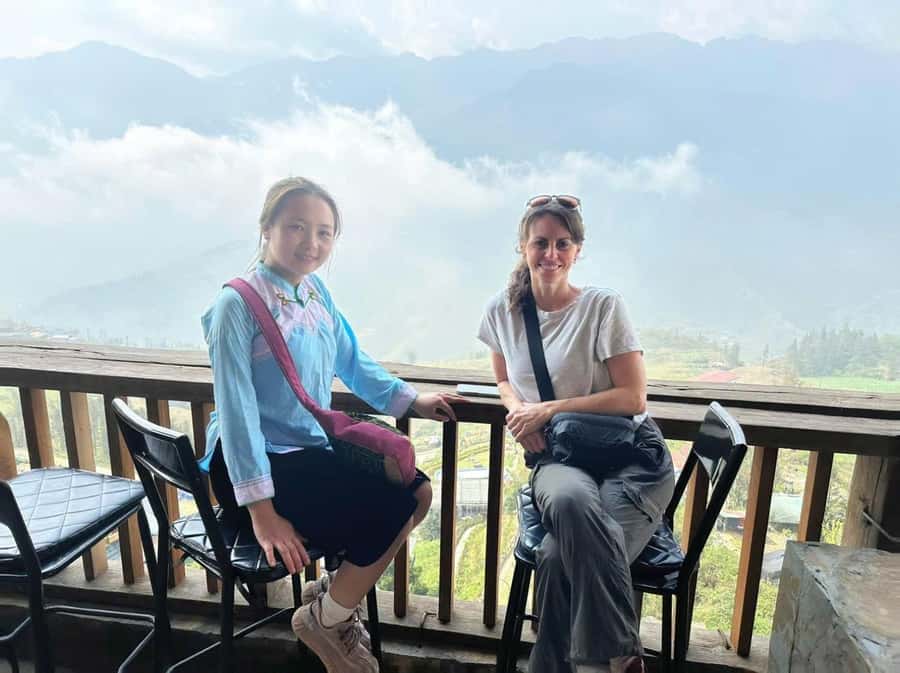
The comparison between the Black Hmong and Red Dao groups is not a minor add-on. It gives the tour a clear purpose. Instead of collecting a few scenic images, you leave with a better idea that northern Vietnam is home to several distinct communities with their own customs and identities.
Your guide explains the differences during the visits, over tea, and while moving between villages. The details you receive will depend on the guide and the questions you ask, but the format allows room for a personal explanation. Dely, for example, is praised for giving detailed answers and remaining flexible throughout the outing.
I would treat this section as a chance to listen rather than as a performance. The welcome drink is simple, but it slows the pace and creates a respectful setting for conversation. You are not merely passing through a village to take a picture of a house. You are being invited to spend a little time with the people who live there.
The tour also encourages photographs, but its real value is the explanation around them. A terrace or a traditional house is attractive on its own. Once you understand who uses it and how it fits into local life, the view becomes more meaningful.
More Private Hiking Tours in Vietnam
- 3 Days Small Group Trekking And Motorbike Combine + Private room
★ 5.0 · 218 reviews
Turning toward Muong Hoa Valley
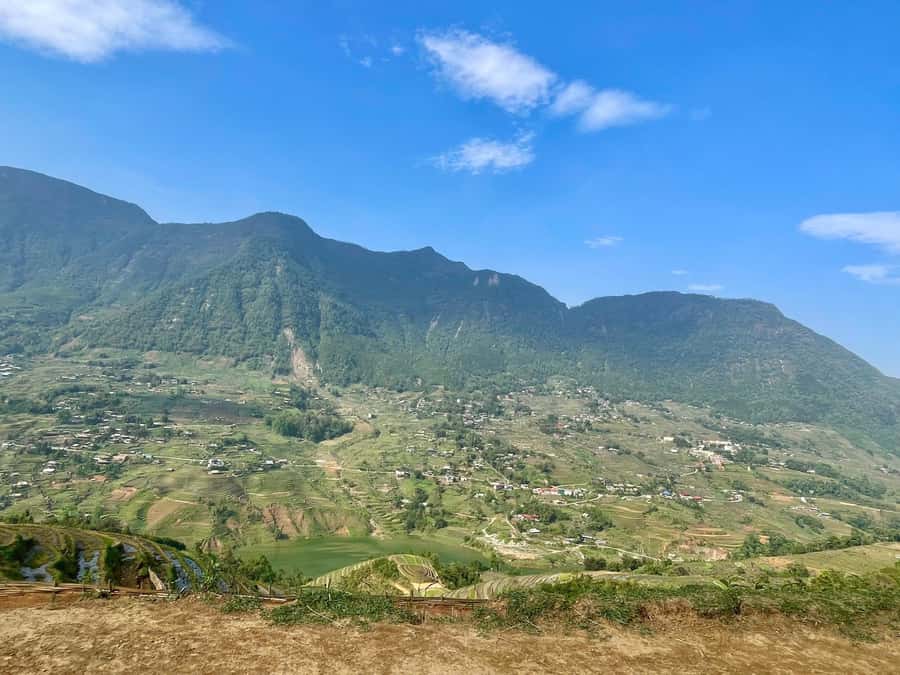
After the northern visits, the route heads southeast toward Muong Hoa Valley. This change of direction gives the outing a useful contrast. You begin with village customs and group differences, then move into a broad valley known for its terraced fields and Dzay inhabitants.
The valley is the scenic high point of the tour. You can expect wide views across rice terraces, green hills, village paths, and people going about local life. The exact appearance changes with the season and weather, so the fields may look very different from one month to another.
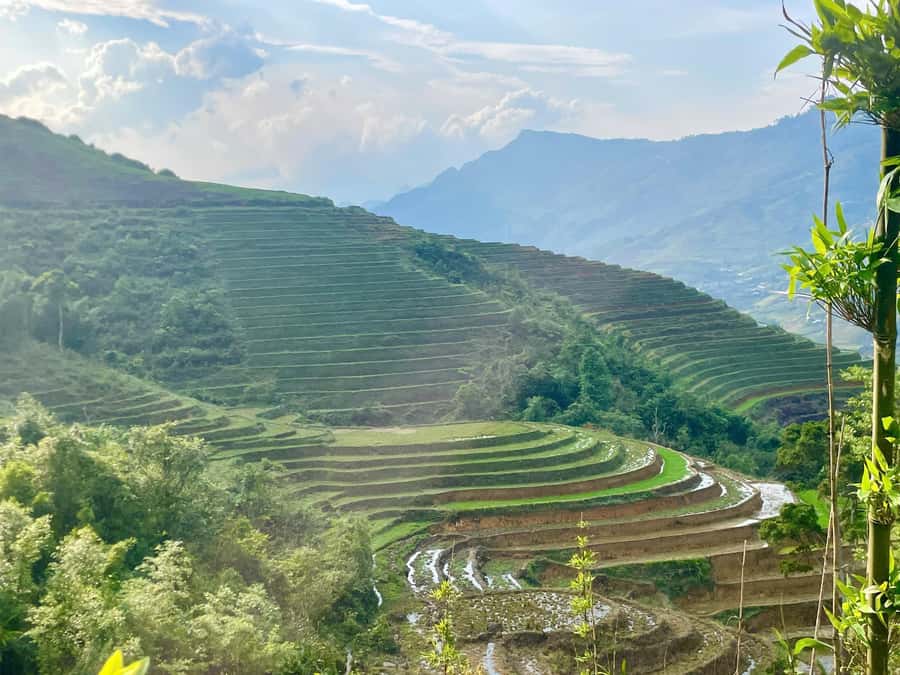
The route continues deeper into Muong Hoa rather than stopping at one roadside lookout. That is important. You get a closer connection to the terraces and the villages, with the walk itself providing the views. The path can also be uneven, muddy, or slippery, which is why rubber boots or proper trekking shoes are a better choice than casual trainers.
The walk is described as fun and a little adventurous. That is an honest description. You are not taking a flat urban stroll, and the physical effort is part of the experience. If your balance is poor, you have back trouble, or you dislike wet paths, consider that carefully before booking.
Seeing the Dzay community in the valley
Muong Hoa is associated with the Dzay group, and the tour introduces you to the people who live in this part of the valley. The guide helps connect the scenery with the community, so the terraces do not feel like an empty nature stop.
The pace here should give you time for photographs and observation. You will see the terraces from different points along the route, and you may have opportunities to greet local residents. The focus remains on a respectful look at ordinary village life, not on a staged cultural show.
I like this part for another reason: it balances the northern village visits. The Black Hmong and Red Dao section is more focused on comparing traditions and customs, while Muong Hoa gives you more time among the fields and valley settlements. In one morning, you get both cultural context and strong scenery.
Do not expect every path to be perfectly marked or every stop to last a fixed number of minutes. The schedule can change with weather, booking times, and other conditions. A flexible attitude will serve you better than trying to force the morning into a strict timetable.
The return road and the four-hour limit
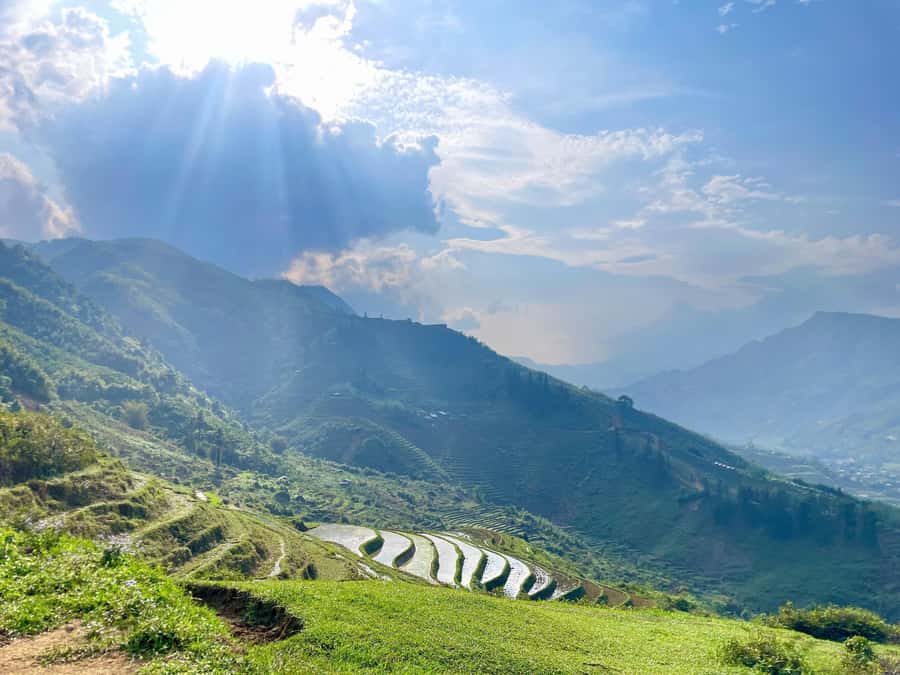
At the end of the valley visit, you return to Sapa by a different road. This adds variety and avoids making the return feel like a repeat of the outward journey. A car is optional for the return, which may suit you if your energy is fading after the trek.
The four-hour duration is well suited to a half-day plan. You can fit it around a train arrival, another Sapa activity, or an afternoon rest. It is long enough to include several communities and a serious stretch of walking, but short enough for people who do not want a full-day hike.
The limitation is obvious: this is an introduction, not a complete study of every village around Sapa. You will see several communities, but you will not have unlimited time in each one. If you want to linger over lunch, spend hours photographing terraces, or walk far into the valley, a longer private trek may suit you better.
The tour does not include a meal. That keeps the base price low, but you should plan accordingly. One guest had an additional lunch experience at the guide’s home and found it especially memorable, yet that lunch is not part of the stated package and should not be assumed.
What the $30 price really buys
At $30 per person, this is a strong-value half-day experience. You are paying for more than transportation to a scenic point. The price includes pickup from central Sapa, an English-speaking guide, a private format, and the ability to customize the itinerary.
The local guide is the main value. Without explanations, you could walk through the valley, take attractive photographs, and still miss the differences among the Black Hmong, Red Dao, and Dzay communities. The guide turns the route into a cultural visit as well as a hike.
The price does not cover meals, personal expenses, or the entrance ticket for Cat Cat Village. Cat Cat is not the central focus of this route, but if you plan to add it, budget for the separate ticket. Water is also your responsibility, so bring enough for the four-hour walk.
There is a free edited video per booking if you send photographs to the guide through WhatsApp. That is a pleasant extra, but I would view it as a bonus rather than a reason to book. The real value is the access, guidance, and local interpretation.
Who will enjoy this walk most
I would recommend this tour to you if you want:
- A short but active introduction to Sapa’s villages
- Personal explanations from a local English-speaking guide
- Rice terrace views without committing to a full-day trek
- Visits to traditional homes and casual conversation with local people
- A private route that can be adjusted to your interests
- A cultural experience rather than only a scenic drive
It suits couples, families with older children, and independent visitors who want help understanding what they see. The English ability of the guide matters here, and the available feedback points to clear explanations from guides including Dely and La.
I would be more cautious if you have back problems, use a wheelchair, or are uncomfortable on uneven ground. You should also reconsider the outing if you want a highly polished attraction with fixed timing and smooth paths. This is a village walk, and village paths can be muddy.
Wear comfortable shoes with real grip. A hat, sunscreen, camera, and water belong in your day bag. The no-smoking rule is straightforward, and it helps keep the visit respectful in homes and villages.
Weather may change the route, so carry a light layer and allow some flexibility. If you have food allergies or dietary restrictions, tell the provider in advance, especially if you plan to arrange any food beyond the included tour.
Should you book this Sapa trek?
You should book it if you want the best mix of local culture, valley scenery, and manageable walking for around $30. The strongest reasons are the local female guide, the home visits, and the chance to compare three ethnic groups instead of seeing only one scenic village.
I would not book it solely for an easy photo stop. The path may be wet and adventurous, and the four-hour schedule leaves limited time at each community. Bring proper footwear, ask questions, and accept that weather can alter the plan.
For many visitors, that balance is exactly right: enough walking to reach the terraces, enough conversation to understand the communities, and enough flexibility to make the morning feel personal.
FAQ
How long does the Sapa trekking tour last?
The tour lasts four hours. Starting times depend on availability.
Does the tour include pickup from my accommodation?
Yes. Pickup is included from accommodation in central Sapa. The itinerary may also begin directly from your accommodation.
Which ethnic groups will I learn about?
The tour introduces you to the Black Hmong, Red Dao, and Dzay groups. The northern section focuses on the Black Hmong and Red Dao, while Muong Hoa Valley introduces the Dzay community.
Is an English-speaking guide included?
Yes. An English-speaking live guide is included. The guide assignment may vary, with guides named Dely, Dung, Xiang, and La associated with the experience.
What should I bring?
Bring comfortable shoes, a hat, sunscreen, water, and a camera. Trekking shoes or rubber boots are particularly useful because the route may be muddy or uneven.
Is the trek suitable for wheelchair users or people with back problems?
No. The experience is not suitable for wheelchair users or people with back problems.
More Private Hiking Tours in Sa Pa
- Fushimi Inari Hidden Hiking Tour (Private Option Available)
★ 5.0 · 1,750 reviews - Mount Batur Sunrise Trekking Private All Inclusive
★ 5.0 · 906 reviews - Mount Batur Sunrise Trekking Private Tour with Breakfast and Hotel Transfer
★ 5.0 · 885 reviews - Private Yellowstone Tour: ICONIC Sites, Wildlife, Family Friendly Hikes + lunch
★ 5.0 · 739 reviews
Just added around Sa Pa
- Hanoi: Sapa Trekking 2 Days 1 Night – Sleeper Bus from Hanoi★ 4.6 · 18 reviews
- From Hanoi: 2-Days Sapa Trekking Tour Lao Chai and Cat Cat★ 4.3 · 7 reviews
- Easy Trek in Sapa mountain : Y Linh Ho – Lao Chai – Ta Van★ 4.8 · 16 reviews
- Discover Sapa: 2D1N Trekking Adventure & Cozy LaLa Homestay★ 4.9 · 17 reviews
- SaPa: 2-Day Villages,Rice Fields, Love Waterfall Hiking Tour★ 5.0 · 9 reviews
- AUTHENIC 2D1N Trek & Bungalow Retreat with Dinh Hmong Family★ 5.0 · 19 reviews
- From Hanoi: Sapa 3-Day Medium Trek and Limousine Trip★ 4.5 · 59 reviews
- 2 Night Lao Chai-Ta Van Homestay- Trekking & Fansipan Visit★ 4.0 · 8 reviews
Sapa Hiking Tours, compared.
Sa Pa: Muong Hoa Valley Trek and Local Ethnic Villages
Read our review →
Eco Adventure Terrace Fields and Local Villages Trek
Read our review →
Number one top rated ethical cultural trekking and homestay by ETHOS
Read our review →
1-Day Guided Trek to Lao Chai & Ta Van with Lunch
Read our review →
Sapa 1 Day Long Trek: Trek to Hau Thao and Sa Seng Villages
Read our review →
EXPLORE SAPA: 2D1N TREKKING & HMONG CULTURE WITH DINH
Read our review →
Browse the lists this tour appears in