
REVIEW · SAPA HIKING TOURS
Sapa: Ta Phin Village Trek & Red Dao Herbal Bath
Sapa’s best finish may be a bath. This six-hour outing links Suoi Ho, Ma Tra, and Ta Phin by foot, mixing rice terraces, pine forest, village life, and a traditional Red Dao herbal soak. I like the cultural focus, especially the chance to ask about farming, crafts, food, and family life rather than simply taking photos. I also like the small-group limit of 10, which gives guides such as Su or Gao room to explain what you are seeing.
The main tradeoff is the distance. The trek covers about 12 to 14 kilometers and is rated easy to moderate, but it still calls for decent fitness and steady walking. The trail suits most active visitors, though it is not intended for children under six or people with mobility impairments.
Key points to know before you book
- The route links three villages: Walk through Suoi Ho, Ma Tra, and Ta Phin, with Black H’mong and Red Dao culture at the center.
- The trek is long but not highly technical: Expect about 12 to 14 kilometers over roughly six hours, with beautiful views and some effort.
- The herbal bath is the reward: Soak in a wooden tub filled with aromatic herbs after the walk.
- Lunch is part of the day: You may eat a picnic or have a traditional meal at a local homestay.
- Guides make the difference: Su is praised for strong English and warm conversation, while Gao also leads the route.
- The price is good value: At $26 per person, transport back, guiding, lunch, and the bath are included.
Why this Sapa day trip works
Sapa offers plenty of mountain scenery, but scenery alone can become a blur after a few viewpoints. This outing gives the walk a clear purpose: you move from village to village while learning how people farm, make crafts, use plants, and organize daily life.
I like that the experience is not built around a single lookout. The appeal comes from the steady change in setting. You begin near Sapa’s Main Church, then leave the town behind for paths through fields, terraces, pine trees, and small communities. The return to Sapa is by car, so you do not have to retrace the full route on foot.
At $26, the package offers solid value. A guide, meal, herbal bath, and ride back are included, which removes several costs you might otherwise arrange separately. It is not the cheapest way to walk outside Sapa, but it is an efficient choice if you want culture and a relaxing finish in one day.
The group size matters, too. With no more than 10 people, you should have a better chance to hear explanations and ask questions than on a large bus outing. The guides speak English and Vietnamese. Su has received especially strong praise for his English, with one French-speaking visitor also noting that he knew a little French.
More Homestay and Village Treks in Sa Pa:
- Number one top rated ethical cultural trekking and homestay by ETHOS
★ 5.0 · 456 reviews - Sa Pa: 2-Day Trekking Trip with Ethnic Minority Homestay
★ 4.7 · 145 reviews - Private Hoang Lien National Park & Tribal Village Trek
★ 4.7 · 30 reviews
9:00 at Sapa Main Church, then out toward Suoi Ho
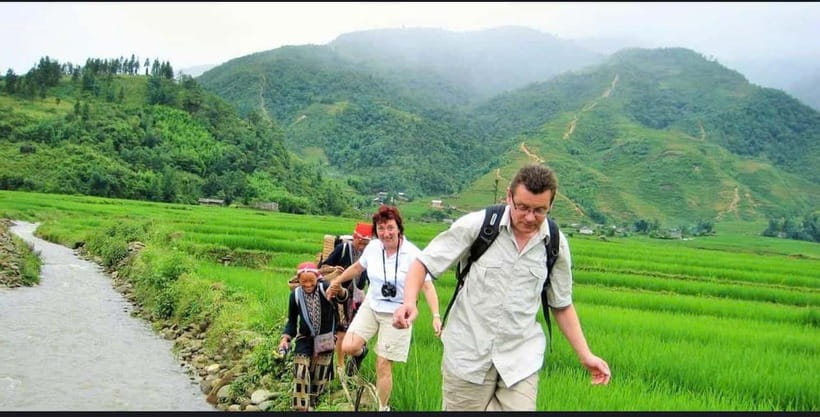
The day starts at Nhà Thờ Đá Sapa, the stone church in central Sapa. You meet your guide there at 9:00 and begin with a short walk toward Suoi Ho Village.
Suoi Ho is home to the Black H’mong community. The visit is less about a formal performance and more about seeing how rural life fits together. Your guide can explain traditional farming, animal keeping, and the work that supports households in the area.
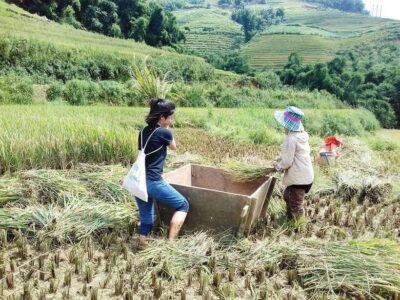
This opening section is useful because it gives context before the walking becomes more scenic. You are not just looking across fields. You are learning what is planted, how crops are harvested, and how people use the land around their homes.
The pace is described as easy to moderate, but do not confuse that with effortless. Twelve to 14 kilometers is a full day on foot. Wear shoes with a firm sole, carry water, and keep your daypack light. Weather-appropriate clothing matters in Sapa, where conditions can change during a mountain walk.
Ma Tra brings village life closer
At about 10:30, the route continues toward Ma Tra Village. This is another chance to move beyond photographs and talk about local customs and crafts.
The plan may include a visit to a local school or a conversation with villagers, depending on the day. That flexibility is a strength. Village life is not a staged show with every minute fixed, so the exact feel of this stop can vary.
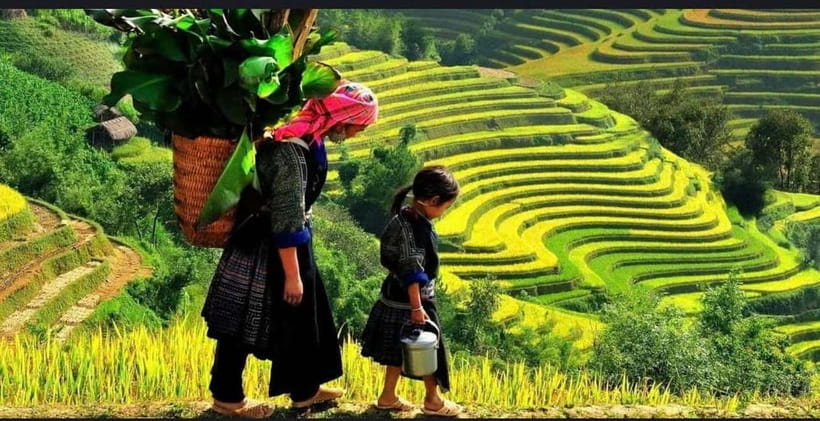
The setting is a large part of the appeal. You walk through rice terraces and lush mountain scenery, with pine forest adding a different texture to the route. The quiet sections make this a good break from Sapa’s center, where traffic and commercial activity can take over.
I would set realistic expectations here. You may not receive a formal presentation at each stop, and the walk does not promise a long, structured workshop. Its value comes from the guide’s explanations and your willingness to ask questions. If you enjoy learning through ordinary details, this works well. If you want a tightly scripted cultural show, it may feel too informal.
Lunch with a view around midday
Around 11:30, lunch arrives as either a picnic or a meal at a local homestay. The exact arrangement can vary, but the food is built around traditional dishes rather than a standard fast meal.
Several menu experiences have been reported, including Vietnamese specialties and a fresh sturgeon hotpot. Vegetarian choices have also been available at a local restaurant. The supplied details do not promise a fixed menu, so tell the guide about dietary needs when you meet.
The setting can be as important as the food. One lunch stop had a pleasant view, while another took place at a small family restaurant. A homestay meal gives you a closer look at a household setting, though the meal may be simple rather than polished.
That is part of the bargain. This is a village-based day, not a restaurant tour. I would value the chance to eat in a local setting, but I would not book it expecting luxury service or a wide hotel-style buffet.
A few more hikes around Sa Pa worth a look
- Sa Pa: Muong Hoa Valley Trek and Local Ethnic Villages
★ 4.6 · 864 reviews - Sapa: Eco Adventure Terrace Fields and Local Villages Trek
★ 4.9 · 636 reviews - From Sapa: 1-Day Guided Trek to Lao Chai & Ta Van with Lunch
★ 4.9 · 416 reviews - Sa Pa Full Day Trekking Tour
★ 5.0 · 414 reviews
Ta Phin introduces Red Dao traditions
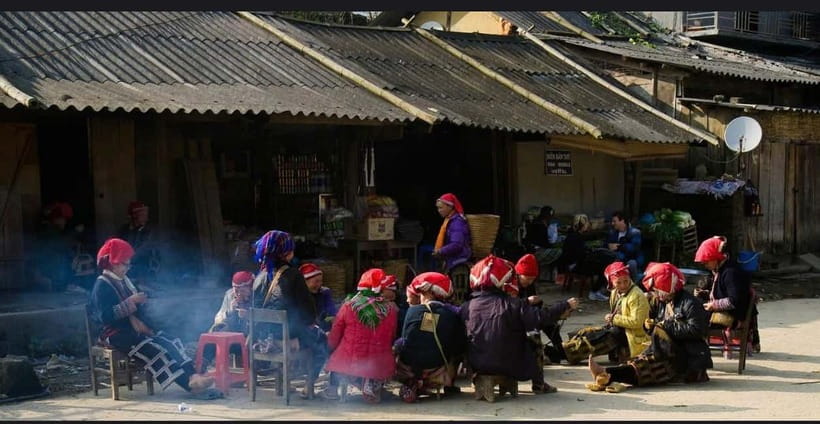
After lunch, the route continues to Ta Phin, home to the Red Dao people. This is the cultural high point of the day and the place where the walking experience leads naturally into the herbal bath.
Ta Phin is known here for embroidery, herbal medicine traditions, and distinctive local culture. Your guide explains the practices and the meaning behind them, helping you see more than clothing or colorful patterns at a glance.
The guides are central to this part of the experience. Su is often singled out for his friendly manner and clear explanations about food, culture, family life, crops, and village customs. Gao also leads the route and has been praised for a warm day out. Since the activity is small group, you can ask about details that catch your attention instead of following a one-way speech.
The route is also described as less touristed than some other areas around Sapa. That does not mean you will have the villages entirely to yourself. It means the focus is more on ordinary rural surroundings and less on a packed attraction schedule.
The Red Dao herbal bath is the clever finale
At about 2:00, you reach the Red Dao herbal bath. You soak in a wooden tub filled with aromatic medicinal herbs, a traditional practice believed to ease muscle pain and improve circulation.
After several hours on foot, the timing makes sense. The bath is not a random add-on at the end. It gives tired legs a warm, quiet finish before the car ride back to Sapa.
The experience is soothing, but keep the claims in perspective. The bath is believed to help with sore muscles and circulation, yet it should be treated as a cultural wellness practice rather than a medical treatment. If you dislike very hot water, tell the staff or guide, since one visitor found the bath especially hot.
The bath is also one of the most memorable parts of the day because it changes the pace completely. You go from walking through fields and villages to sitting still in a wooden tub. Some bathing facilities may offer mountain views, adding one last scenic moment before departure.
The return to Sapa is by car, with the day ending around 3:30. That makes the activity practical for an evening meal or onward plans, though you should allow some flexibility in case walking or transport takes longer than expected.
What the walk feels like in practice
The route is called easy to moderate, and that description seems fair. It is not presented as a technical mountain hike, but the length requires a reasonable level of fitness. You should be comfortable walking for much of the day over rural paths and uneven ground.
The views are a major payoff. Expect rice terraces, green mountain scenery, pine forest, and small villages rather than one single famous viewpoint. The variety helps keep the walk interesting.
The physical challenge can change with weather. Comfortable shoes are essential, and insect repellent is sensible. Bring water, a daypack, and clothing suited to the conditions. The tour does not list specialist hiking equipment, but basic preparation will make the day much easier.
You should also expect a walking experience rather than a shopping trip. The information emphasizes village life, farming, crafts, and herbal traditions. If you want time to browse souvenirs, this may not be the best use of your day.
How much cultural contact should you expect?
The strongest part of the outing is the conversation. You can ask about crops, animal husbandry, food, family life, embroidery, and herbal medicine. A good guide turns the scenery into something you understand.
That makes this a better choice than an independent walk if your main goal is context. You may be able to find parts of the route without a guide, but you would miss much of the explanation that gives Suoi Ho, Ma Tra, and Ta Phin their meaning.
At the same time, you should approach village visits respectfully. The route passes through working communities, not a theme park. Listen to your guide, ask before taking close-up photographs, and remember that the people you meet are going about their day.
The tour’s cultural focus also helps explain why the guides receive so much attention. Su is described as easy to talk with and willing to answer questions. That matters more here than a fast pace or a dramatic performance.
Who will enjoy this outing most?
I would recommend it to you if you want a full day outside Sapa with a strong local focus. It suits active couples, small groups, solo visitors who like guided conversation, and anyone who wants a softer ending than a strenuous mountain hike.
It is especially appealing if you have already walked independently around Sapa and want more explanation. One visitor who had hiked alone the day before found the guided cultural context filled a gap.
The experience is less suitable if you have mobility limits, dislike long walks, or want a short, gentle excursion. The 12 to 14 kilometer distance is significant even at a moderate pace.
Families should note the age rule. Children under six are not suitable for this activity. Older children may manage the route depending on their fitness, but the supplied information does not give a separate child rate or a special family itinerary.
Booking flexibility and small practical details
You can cancel up to 24 hours before the start for a full refund, and the reserve-now, pay-later option helps if your Sapa plans are still shifting. Starting times should be checked when you book, though the stated schedule begins at 9:00 and ends around 3:30.
Personal expenses are not included. The main planned costs are covered, including the guide, lunch or homestay meal, herbal bath, and transport back to Sapa. Bring some money for anything extra you may want to buy or pay for during the day.
A small group of up to 10 is a useful middle ground. You get the social feel of a shared outing without the scale of a large coach group. The exact number may be smaller, which can make the guide’s stories and answers easier to follow.
Should you book the Ta Phin trek?
Book it if you want Sapa scenery with real explanation attached. The strongest combination is the village-to-village walk, the chance to learn from guides such as Su or Gao, and the Red Dao bath at the end.
The $26 price is attractive because it includes the parts that make the day convenient: guiding, food, bathing, and the ride back. The key question is not cost. It is whether you are ready for a 12 to 14 kilometer walk.
If you are, this is a well-balanced day outside Sapa. You get quiet paths, rice terraces, Black H’mong and Red Dao culture, a local meal, and a relaxing finish without packing each piece into separate bookings. If your legs, mobility, or schedule cannot handle a full walking day, choose a shorter outing instead.
FAQ
How long does the Sapa Ta Phin trek take?
The activity lasts about six hours. The stated schedule begins at 9:00 and ends back in Sapa around 3:30.
How far is the trek?
The walking distance is approximately 12 to 14 kilometers.
Where does the tour start?
It starts at Nhà Thờ Đá Sapa, also known as Sapa Main Church.
Which villages does the route visit?
The route goes through Suoi Ho, Ma Tra, and Ta Phin.
Which ethnic communities are connected with the route?
Suoi Ho and Ma Tra are associated with the Black H’mong people. Ta Phin is home to the Red Dao community.
Is lunch included?
Yes. The experience includes either a picnic lunch or a meal at a local homestay.
Is the herbal bath included?
Yes. A traditional Red Dao herbal bath in a wooden tub is included.
What languages does the guide speak?
The live guide service is available in English and Vietnamese.
Is the trek suitable for beginners?
It is rated easy to moderate and suitable for most fitness levels, but the 12 to 14 kilometer distance still requires reasonable physical condition.
What should I bring?
Bring comfortable shoes, water, insect repellent, weather-appropriate clothing, and a daypack.
Just added around Sa Pa
- Sapa: Y Linh Ho – Lao Chai, and Ta Van Trekking Day Tour★ 5.0 · 25 reviews
- Sapa: Trekking Sapa One Day With Group Tour★ 4.7 · 55 reviews
- From Sapa: Guided Full-Day Trekking with Lunch and Drop-Off★ 4.2 · 86 reviews
- Sapa Trekking Bargains With Local Guide★ 4.9 · 91 reviews
- Sapa: Ta Phin Village Trek with Lunch and Bathing Experience★ 4.7 · 13 reviews
- Sapa: Muong Hoa Valley View & Villages Trek with Local Guide★ 5.0 · 25 reviews
- Sapa: Muong Hoa Mountain Views and Villages Trek with Lunch★ 4.3 · 28 reviews
- Sapa: Sapa Mountain View And Villages Trek★ 4.4 · 16 reviews
Sapa Hiking Tours, compared.
Sa Pa: Muong Hoa Valley Trek and Local Ethnic Villages
Read our review →
Eco Adventure Terrace Fields and Local Villages Trek
Read our review →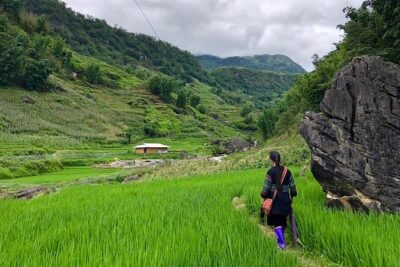
Number one top rated ethical cultural trekking and homestay by ETHOS
Read our review →
1-Day Guided Trek to Lao Chai & Ta Van with Lunch
Read our review →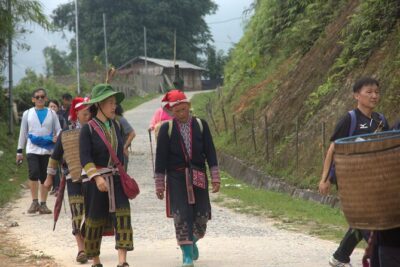
Sapa 1 Day Long Trek: Trek to Hau Thao and Sa Seng Villages
Read our review →
EXPLORE SAPA: 2D1N TREKKING & HMONG CULTURE WITH DINH
Read our review →
Browse the lists this tour appears in