
REVIEW · POKHARA HIKING TOURS
Pokhara: 5 Day Annapurna Base Camp Trek & Natural Hot Spring
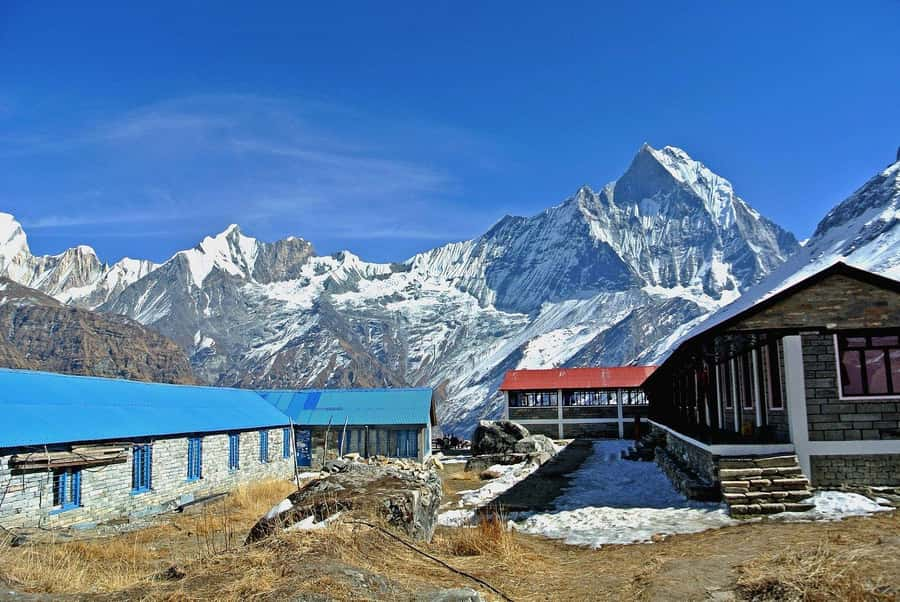
The mountains reward steady feet. This five-day Annapurna Base Camp trek takes you from Pokhara through rice terraces, forest paths, Gurung villages, waterfalls, and high mountain country before reaching the Annapurna sanctuary. I like the clear route, which includes Machhapuchhre Base Camp and Annapurna Base Camp, and I like that permits, transport, guide costs, and standard lodge accommodation are included.
The other big plus is the guiding. Names such as Deepak, Narayan, Hari, Paras, Basanta, and Bidur appear often in the trip’s feedback, with particular praise for patience, safety, pacing, and help when people felt unwell. The drawback is simple: five days is a brisk schedule, and meals are not included in the advertised $171 price. You will need stamina, warm clothing, and extra money for food and lodge expenses.
Key points to know before you book
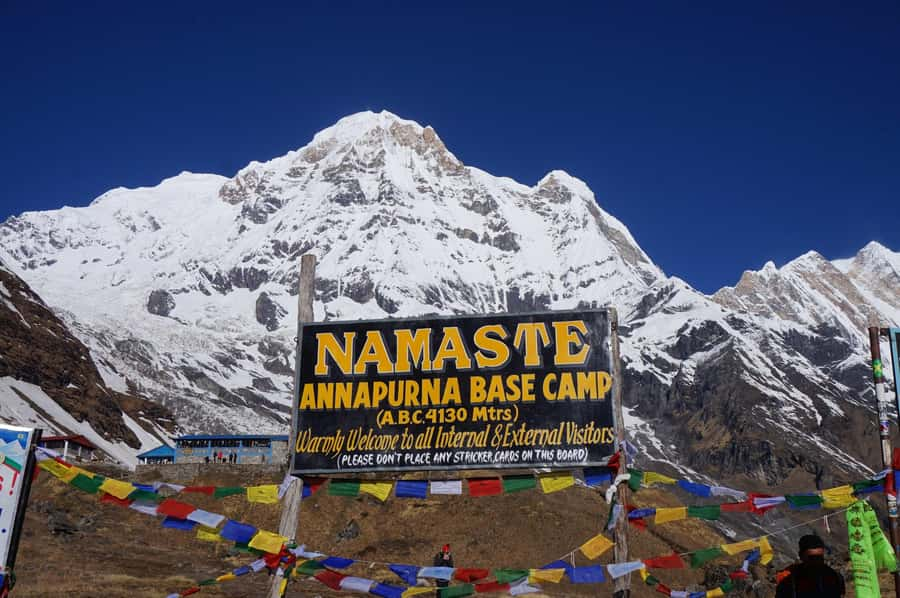
- Annapurna Base Camp at 4,130 meters: The high point comes after a demanding climb through Deurali and Machhapuchhre Base Camp.
- A genuine variety of scenery: You move from terraced fields and subtropical forest to colder, rocky mountain terrain.
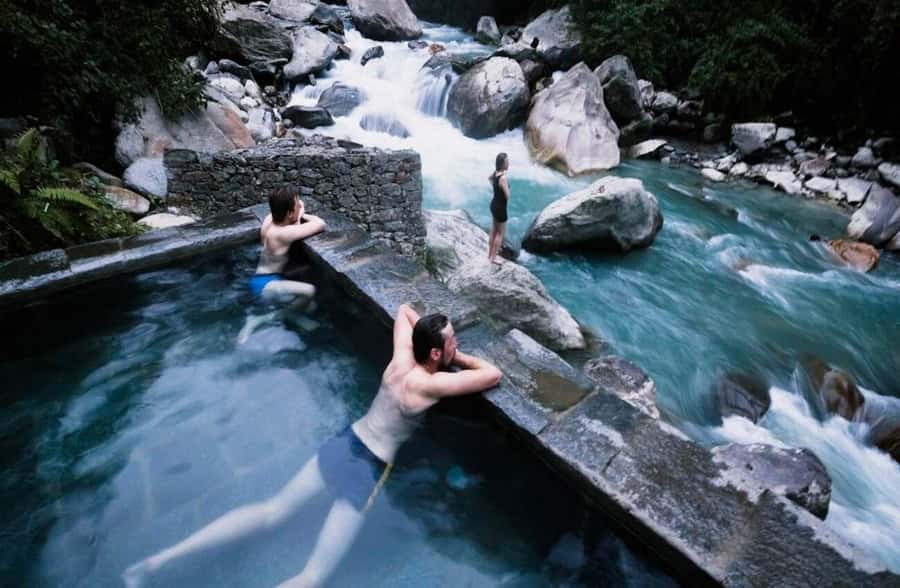
- Jhinu hot springs on the return: The final day includes a stop at the natural hot springs, a welcome reward after several hard walking days.
- Guides are the strongest part of the package: Deepak, Narayan, Paras, Hari, Basanta, Bidur, and others are praised for care, local insight, and sensible pacing.
- Private group with shared road transport: You get a private trekking group, but the road journey between Pokhara and Jhinu uses a shared jeep or SUV.
- Low headline price, extra daily spending: Permits, transport, guide services, and lodging are covered, while meals and optional porter service cost more.
Why this five-day route works from Pokhara
Pokhara is the practical starting point for the Annapurna region. The pickup covers hotels around Lakeside Pokhara, and airport pickup is also available by car. Your guide meets you in the hotel lobby with a name card, which removes one small but useful worry before an early road departure.
The road section takes about two hours in a jeep or SUV to Jhinu, described as the last road point for this route. From there, you begin walking toward Lower Sinuwa. That opening transfer matters because it places you directly on the trail rather than using an extra day on a longer approach.
This is a private-group trek, so your pace and rest stops can be handled more personally than on a large group departure. The vehicle transfer itself is shared, though, so do not read private group as a fully private car service for every mile.
The advertised price is $171 per person. For a Himalayan trek, that is attractive because it includes the Annapurna Conservation Area permit, government permits, TIMS, taxes, guide salary, guide accommodation, guide food, guide transport, guide insurance, first-aid supplies, and tourist-standard lodge accommodation for you.
The important qualification is that all meals are available for purchase rather than included. Food costs rise as you go higher, and one mountain trekker specifically advised carrying plenty of cash because lodge prices vary at altitude. Add the cost of breakfast, lunch, dinner, drinks, snacks, and perhaps a porter before deciding that the $171 is your final budget.
More Hikes with Hot Springs in Pokhara:
- From Pokhara: 5-Day Annapurna Basecamp Trek with Hot Springs
★ 4.9 · 26 reviews - Pokhara: 7-Day Annapurna Base Camp Trek & Natural Hot Spring
★ 5.0 · 11 reviews - Bali: Mount Batur Sunrise Guided Hike and Natural Hot Spring
★ 4.8 · 9,284 reviews
Day 1: Jhinu to Lower Sinuwa through the foothills
The first walking day covers about five hours and reaches roughly 2,300 meters at Lower Sinuwa. The supplied schedule describes the drive from Pokhara to Jhinu, followed by the walk to Lower Sinuwa.
This opening section introduces the rhythm of the trek. Expect steep sections, forest, village paths, and changing views rather than a gentle warm-up. The route passes through the lower Annapurna foothills, where terraces and traditional settlements give you a first look at rural life in the region.
Jhinu is also important because of its natural hot springs, although the main bathing stop is scheduled for the return journey. That is a sensible arrangement. You begin with the climb and save the relaxing soak for the end, when your legs will appreciate it more.
The first night in a tourist-standard lodge should be functional rather than luxurious. You have a bed and a place to recover, but this is a trek, not a resort holiday. Bring a sleeping bag if you prefer extra warmth, since cold nights higher up may come with additional blankets rather than hotel-style heating.
Day 2: Lower Sinuwa to Deurali and the first serious climb
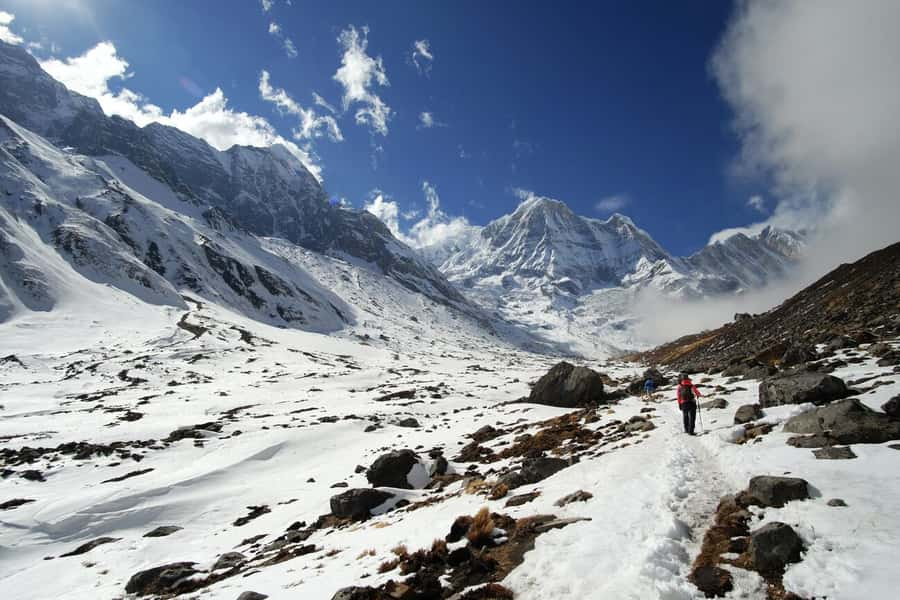
Day two is listed as six hours of walking, ending at Deurali around 3,200 meters. This is where the trek begins to feel like a real mountain challenge.
The route moves through dense forest and higher valleys, with waterfalls, mountain streams, and steep stone sections appearing along the way. The forest keeps the early part of the route pleasant, but the steady gain in height makes this a day for measured pacing.
Your guide matters here. Strong feedback about Narayan, for example, focuses on letting people walk at a comfortable speed, scheduling rest stops, and explaining the mountains along the way. Basanta and other guides are also praised for checking on people who developed mild altitude symptoms and for helping with bags when needed.
Do not treat the six-hour figure as a race target. It is a route estimate, not a promise that every person will finish at the same time. You will enjoy the day more if you keep your pace controlled, drink regularly, and tell your guide early if you feel dizzy, unusually tired, or unwell.
The lodging at Deurali is basic but useful. You are there to eat, rest, and prepare for the highest section. One traveler described the food as warming and the sleeping arrangements as functional, with extra blankets available on colder nights. Since meals are purchased separately, ask your guide about meal timing and prices as you go.
Day 3: Deurali to Machhapuchhre Base Camp and Annapurna Base Camp
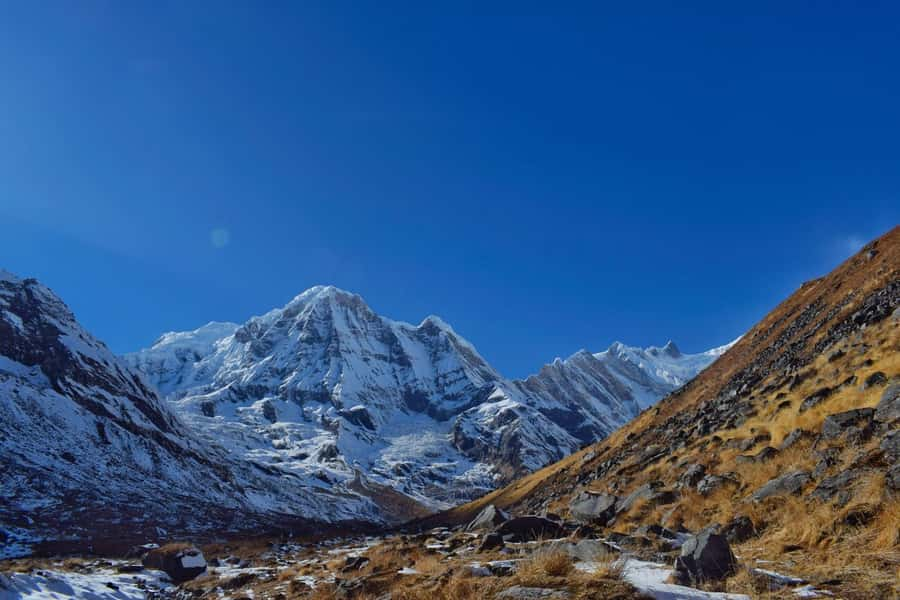
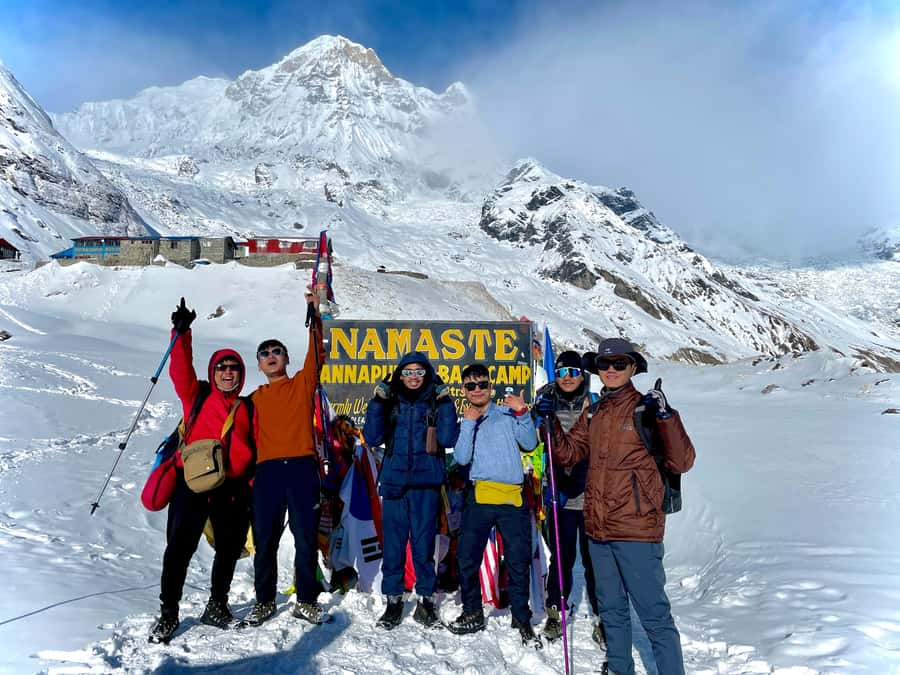
Day three is shorter on paper at about four hours, but it is the key ascent. You walk from Deurali toward Machhapuchhre Base Camp and then continue to Annapurna Base Camp at 4,130 meters.
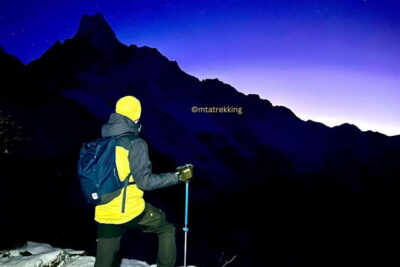
This is the day for the big Himalayan views. Machhapuchhre, known as Fishtail, is one of the region’s most recognizable peaks. Hiunchuli and the wider Annapurna massif add to the scale as the trail moves into a more open, rugged mountain setting.
The final approach is powerful because the peaks surround the destination. Annapurna Base Camp is not simply a viewpoint at the end of a road. It is a high mountain sanctuary reached on foot, with the sense of achievement that comes from gaining the altitude step by step.
The short walking time does not mean this is an easy day. The altitude, cold, steep ground, and thinner air can make four hours feel far longer. A January departure received praise for clear skies and strong views, while summer departures brought clouds, rain, and leeches. In the wet season, bring a proper poncho and waterproof shoes.
At 4,130 meters, cold is a serious consideration. One person specifically advised preparing for the cold at base camp. Pack layers, gloves, a warm hat, and clothing that still works if conditions turn damp. Comfortable shoes are listed as essential, but for this route, waterproof footwear is a practical upgrade.
Your guide should help you decide how hard to push. Paras adjusted the plan when a group member developed altitude sickness, and other guides have been praised for monitoring symptoms and offering alternatives. That does not remove the risks of altitude, but it gives you a sensible person to consult when the mountain is telling you to slow down.
More Annapurna Treks in Pokhara:
- Trekking in Annapurna/Langtang/Everest/Upper Mustang regions
★ 5.0 · 161 reviews - Pokhara: Annapurna Foothills Day Hike with Transfers
★ 5.0 · 100 reviews - Kathmandu/Pokhara: 5-Day Annapurna Base Camp (ABC) Trek
★ 4.9 · 72 reviews - Pokhara: 4-Day Mardi Himal Trek
★ 4.9 · 59 reviews
Day 4: Annapurna Base Camp back to Bamboo
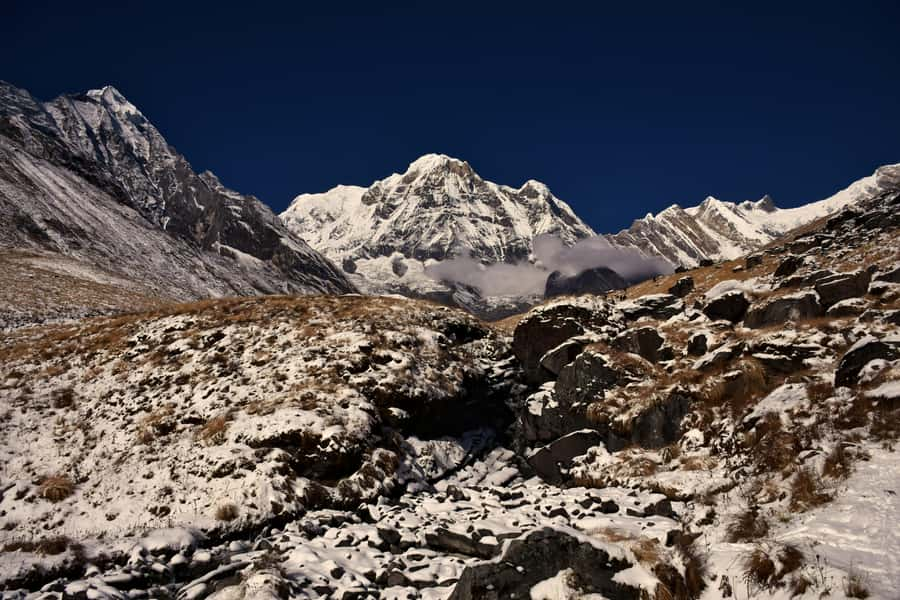
After time to see Annapurna Base Camp, day four takes you down to Bamboo, around 2,400 meters. The walking time is listed at six hours.
The descent changes the experience. You get another chance to see the peaks, but now your attention shifts to footing, tired knees, and the long return through the mountain corridor. Downhill is not automatically easier. Stone steps can be hard on the legs after the previous day’s ascent.
Bamboo gives you a much lower sleeping altitude than base camp, which can feel welcome after the cold night above. You still have a substantial walking day, so this is where good guides earn their keep by setting a sensible rhythm and making sure nobody rushes the descent.
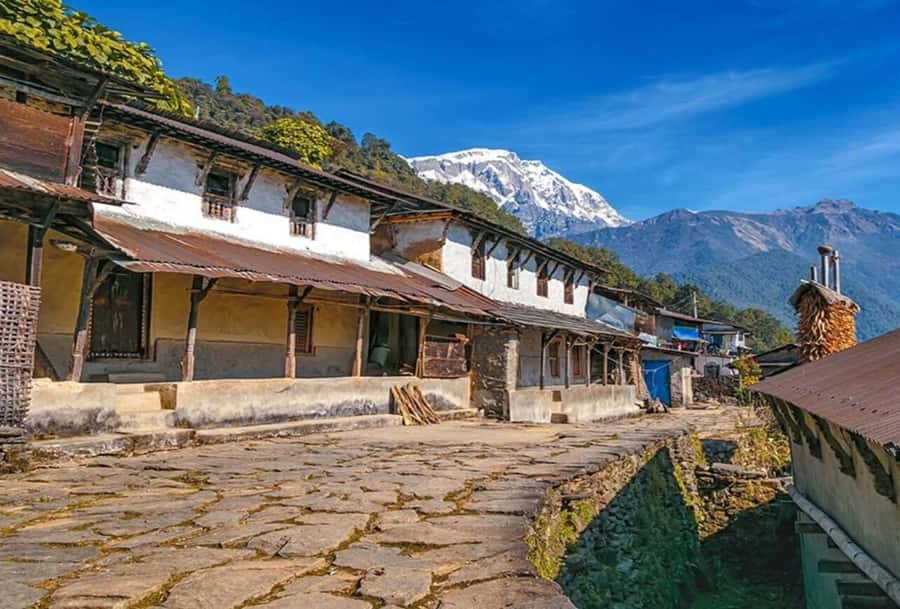
The cultural side of the trek remains important. Gurung villages, traditional homes, temples, and local hospitality appear along the route. Guides such as Hari and Bidur have been praised for explaining local customs, village life, mountain surroundings, and Nepali words. Those conversations add meaning to the walk and help you see the route as a lived-in region, not just a path between scenic points.
Day 5: Bamboo to Jhinu, then back to Pokhara
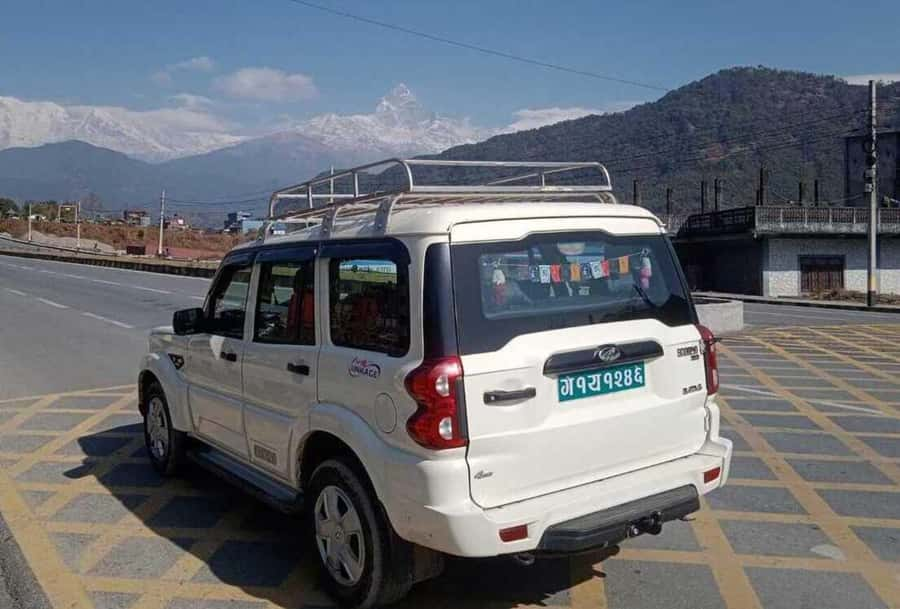
The last day includes about six hours of trekking from Bamboo to Jhinu, followed by the road transfer back to Pokhara. The route drops toward the lower hills, and the return journey uses a jeep or SUV for around two hours.
The reward is the natural hot spring stop at Jhinu. After four days of walking, warm water can feel like a small luxury. It is also a better ending than simply reaching a vehicle and sitting through the road journey without a final pause.
Once back in Pokhara, drop-off is available in the Lakeside area. Luggage storage in Pokhara is included during the trek, which is useful if you are carrying more than you need in the mountains. Pack only your trail essentials and leave city clothing or larger bags behind if the arrangement is confirmed with the provider.
The final driving section may be tiring after a long walk. Road conditions and timing can affect how quickly you return, so avoid booking an important flight or fixed evening plan immediately after the trek unless you have plenty of spare time.
Guides, porters, and the human side of the trek
The strongest praise is reserved for the guides. Deepak is repeatedly described as calm, encouraging, attentive, and especially good at helping groups through difficult sections. Narayan is praised for many years of experience, clear daily briefings, rest stops, and willingness to carry a bag when someone struggled.
Paras received credit for handling altitude sickness with kindness and for adjusting the plan. Basanta and porter Sushil were praised for supporting first-time hikers, staying close on steep sections, and helping when both walkers developed mild altitude symptoms. These details matter more than polished promises because the route is physically demanding.
Porters are optional at $15 per day. If you are not used to carrying a loaded pack, this may be money well spent. You should still keep your daypack light and carry your own essentials, including water, rain protection, warm layers, personal medicine, and identification.
A porter is not a substitute for preparation. The trail has steep sections, and even fit people may find the five-day schedule tiring. The best guide is one who lets you walk at your own pace rather than turning the trek into a contest.
What the $171 price really covers
The package has good value if you want a guided route with the main permits and logistics handled. Included services cover:
- Hotel or airport pickup and drop-off in Pokhara
- Shared jeep transport between Pokhara and Jhinu
- Tourist-standard private lodge accommodation
- Annapurna Conservation Area and government permits
- TIMS, taxes, and guide expenses
- A registered English-speaking trekking guide
- First-aid kit
- Duffel bag, trekking bag, or trekking poles if required
- Luggage storage in Pokhara
The word private refers to the trekking group, not private lodge rooms of a high-end standard. Accommodation is described as tourist standard, so expect practical mountain lodging.
Meals are not included. That is the largest budget point to remember. You also pay for personal expenses, and a porter costs extra. The low starting price is useful, but it should not persuade you to travel without a food and emergency cash allowance.
Free cancellation up to 24 hours before departure and reserve-now, pay-later terms make the booking less risky if your schedule is still moving. Starting times depend on availability, so check the exact departure details before committing.
Who should choose this trek
This trip suits you if you want a short, guided introduction to the Annapurna region and can handle long, steep walking days. It is also a strong option if you value cultural contact, mountain scenery, and practical support more than private luxury.
You do not need to be an expert mountaineer. First-time hikers have completed the route with patient guides and porters, but the trek is not easy. The five-day schedule compresses the journey, so you need to arrive ready to walk rather than expecting a relaxed holiday with occasional hikes.
You should think twice if you dislike cold conditions, basic lodges, changing weather, or buying meals separately. Pregnant women should not book this activity, as it is specifically listed as unsuitable for them.
For weather, the clearest conditions in the supplied feedback came in winter, especially January and February. Monsoon months can still be rewarding, but you should prepare for rain, clouds, slippery paths, and leeches. One person found that the wet season meant fewer people on the trail, while another advised proper ponchos and waterproof footwear.
Should you book the Annapurna Base Camp trek?
I would book this tour if I wanted a short, well-supported route from Pokhara and was comfortable with a demanding schedule. The price is strong for the included permits, transport, guide services, luggage storage, and lodge accommodation, but I would budget separately for every meal, drinks, personal costs, and possibly a porter.
The guides are the main reason to choose this package. Their reported strengths are practical: they pace groups carefully, explain local culture, help with bags, respond to altitude concerns, and keep morale up when the trail gets steep. Ask who your guide will be when booking, since guide assignments vary.
Bring waterproof shoes, a poncho in the wet season, warm layers for Annapurna Base Camp, comfortable walking shoes, and enough cash for mountain meals. If you accept basic lodging and long days, this trek offers a direct route to one of Nepal’s great mountain settings, with a hot spring waiting at the end.
FAQ
How long is the Annapurna Base Camp trek?
The activity lasts five days and includes four nights in mountain lodges.
What is the highest point on the route?
Annapurna Base Camp is at approximately 4,130 meters.
Where does the trek start?
The tour includes transport from Pokhara to Jhinu, described as the last road point for the route. The walking section then begins toward Lower Sinuwa.
Is transport from Pokhara included?
Yes. Hotel pickup and drop-off in Lakeside Pokhara or airport pickup and drop-off are included by car. Shared jeep or SUV transport between Pokhara and Jhinu is also included.
Are meals included in the price?
No. Meals are available for purchase, but they are not included in the advertised price.
Is a porter included?
No. Porter service is optional and listed at $15 per day.
What accommodation is provided?
The package includes private accommodation in tourist-standard lodges during the trek.
Is the natural hot spring included?
Yes. The itinerary includes a stop at the natural hot springs in Jhinu on the final day before returning to Pokhara.
More Five-Day Trips around Pokhara
- From Pokhara: 5-Day Mardi Himal Base Camp Trek
★ 5.0 · 10 reviews - Annapurna base camp trek 5 Days
★ 5.0 · 252 reviews - Machu Picchu: 5-Day Salkantay Trek with Panoramic Train
★ 5.0 · 79 reviews - Ausangate Trek 5 Days
★ 5.0 · 74 reviews
Just added around Pokhara
- Pokhara: 7-Day Annapurna Base Camp Trek & Natural Hot Spring★ 5.0 · 11 reviews
- Pokhara: 4-Day Private Trek Tour★ 4.9 · 43 reviews
- Pokhara: Annapurna Day Hike with Panoramic Views★ 4.3 · 7 reviews
- Pokhara: 4-Day Mardi Himal Trek★ 4.9 · 59 reviews
- Pokhara: 4-Day Poon Hill and Ghandruk Guided Trek★ 5.0 · 14 reviews
- Pokhara: 3-Day Ghorepani and Poon Hill Trek★ 5.0 · 7 reviews
- Pokhara: 3-Day Trek★ 4.5 · 7 reviews
- Pokhara: 4-Day Beautiful Ghorepani Poon Hill & Ghandruk Trek★ 4.8 · 21 reviews
Pokhara Hiking Tours, compared.
Trekking in Annapurna/Langtang/Everest/Upper Mustang regions
Read our review →
4-Day Ghorepani, Poonhill & Ghandruk Mountain Trek
Read our review →
Kathmandu/Pokhara: 5-Day Annapurna Base Camp (ABC) Trek
Read our review →
Browse the lists this tour appears in