
REVIEW · POKHARA HIKING TOURS
Pokhara: 7-Day Annapurna Base Camp Trek & Natural Hot Spring
The mountains are only half the story. This 7-day Annapurna Base Camp trek combines high Himalayan scenery with Gurung villages, forest paths, simple tea houses, and a hot spring soak at Jhinu Danda. I especially like the clear progression from lowland villages to the Annapurna Sanctuary, and the way the route ends with comfort after the hardest walking.
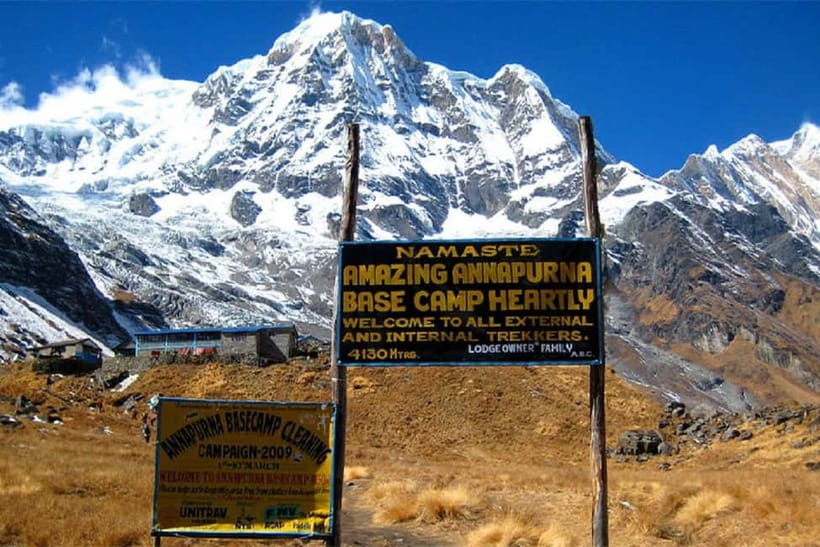
The $181 price is strong value if your chosen option includes meals, since permits, tea house lodging, a guide, transport, equipment, and taxes are also covered. My main caution is the pace: reaching 4,130 meters in seven days requires good fitness, and the road sections near the start and finish may be dusty or less enjoyable than the mountain trails.
Key points to know before booking
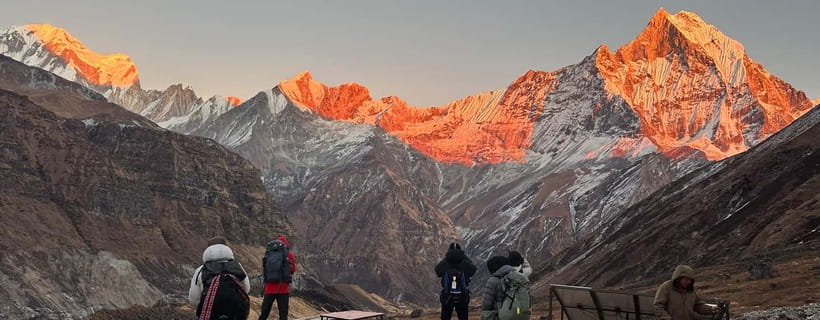
- Annapurna Base Camp reaches 4,130 meters: The final climb brings you into a mountain amphitheater surrounded by Annapurna I, Machhapuchhre, and other huge peaks.
- The route mixes culture and wilderness: Ghandruk and Chomrong offer village life, while bamboo and rhododendron forests lead toward the alpine zone.
- Jhinu Danda adds a welcome reward: After the descent, you can relax in natural hot springs near the village.
- Guides are a major strength: Past departures have included Chandra, Bishnu Giri, Anil, Jeet Bahadur, Laxman, and Sun, with strong praise for their care and flexibility.
- This is a private group trek: Pickup is available from Pokhara hotels and Pokhara International Airport, with several drop-off options at the end.
- The price depends on the selected option: Meals and some services may vary, so check exactly what your booking includes before paying.
Why this seven-day route works so well
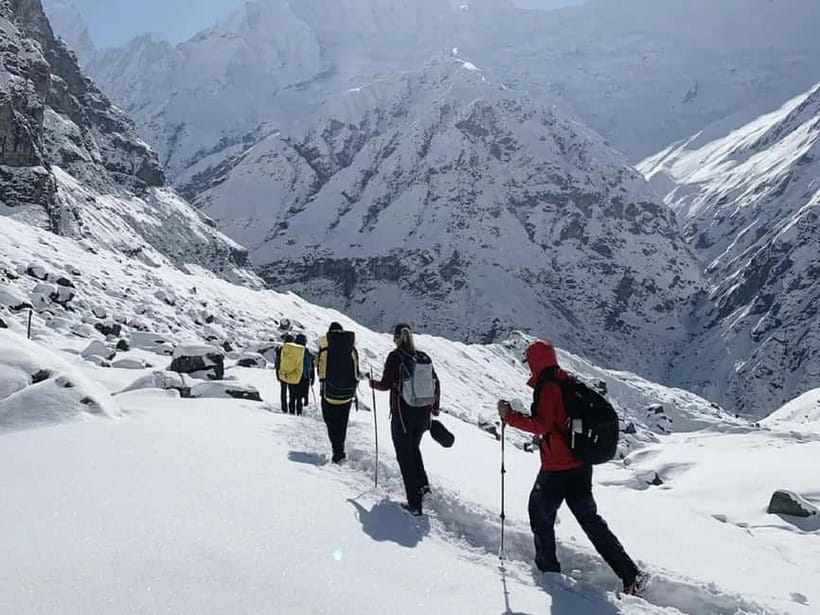
The Annapurna Base Camp trek is a good choice when you want a real Himalayan journey without committing to a two-week expedition. In one week, you walk through terraced countryside, traditional villages, dense forests, river valleys, and high mountain country.
I like the route’s changing character. The first days feel human and lived-in, with stone steps, farms, village homes, and tea houses. Later, the forest closes in around the trail, the air cools, and the peaks begin to dominate the view. By the time you reach Annapurna Base Camp, you have earned the dramatic setting rather than simply arriving by vehicle.
The trip is not easy. Walking times range from about four to seven hours per day, and the route includes repeated climbs and descents. The stone steps around Chomrong can be tiring, while the stretch from Himalaya to Annapurna Base Camp asks more from you because of the altitude.
Your guide matters here. The guide is responsible for pacing, route decisions, local communication, and watching how you handle the altitude. Chandra has been praised for his English and mountain information, while Bishnu Giri has more than 20 years of experience according to one departure. Other named guides, including Anil, Jeet Bahadur, Laxman, and Sun, have also been described as helpful and attentive.
More Hikes with Hot Springs in Pokhara:
- Pokhara: 5 Day Annapurna Base Camp Trek & Natural Hot Spring
★ 4.9 · 44 reviews - From Pokhara: 5-Day Annapurna Basecamp Trek with Hot Springs
★ 4.9 · 26 reviews - Bali: Mount Batur Sunrise Guided Hike and Natural Hot Spring
★ 4.8 · 9,284 reviews
Day 1: Pokhara to Ghandruk, your first mountain village
The trek begins with transport from your hotel or Pokhara International Airport, followed by a drive of about one hour toward Nayapool. From there, you walk for roughly five to six hours toward Ghandruk, at 1,940 meters.
Ghandruk is an excellent first overnight stop because it gives you an immediate sense of the region. The village is associated with Gurung culture, and the approach follows the Modi Khola through villages and forest. This first day is not just a transfer into the mountains. It introduces the stepped paths and changing elevations that define the trek.
You should expect the first day to feel longer than the time suggests, especially if you have arrived in Pokhara after a flight or a busy travel schedule. Wear your walking shoes from the start, keep water and sunscreen close, and avoid putting anything in your main bag that you will need only at night.
A practical point is worth noting. One booking option may involve walking along dusty road sections at the beginning or end of the route. A past trekker specifically wished for a car or jeep on those sections. If road dust bothers you, ask your operator before departure how much of Day 1 is by vehicle and how much is on foot.
Day 2: Ghandruk to Chomrong and the stone-step test
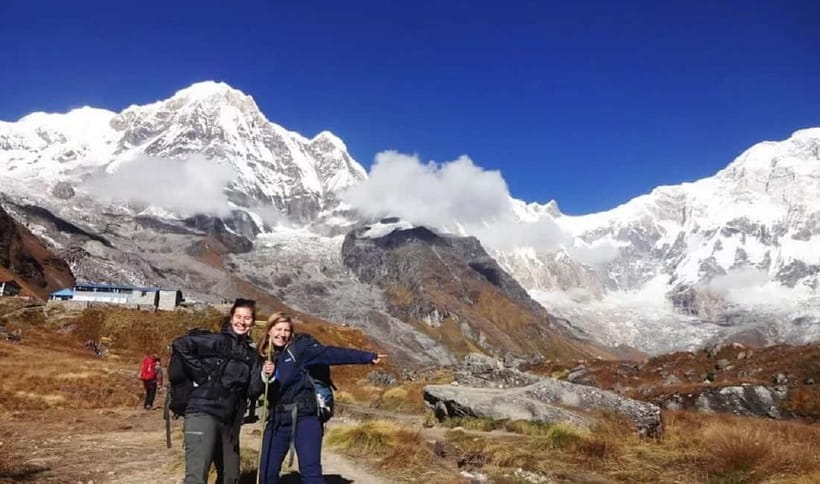
The walk from Ghandruk to Chomrong takes around five to six hours. The trail climbs through forest and over long stone stairways, with broad views toward the Annapurna range and Machhapuchhre.
Chomrong sits at about 2,170 meters and is one of the route’s important staging points. It is also where you begin to notice that this is a serious mountain trek, not a gentle village walk. The stairs demand steady effort, and downhill sections can be just as hard on your knees as the climbs are on your lungs.
I like this day because it gives you both scenery and a clear physical challenge. You are still surrounded by signs of village life, but the peaks have become more present. Take your time here. A guide who adjusts the pace instead of rushing you can make a major difference.
The tea house accommodation is simple. You should think of it as a clean, practical place to eat and sleep, not a hotel. Warm clothing is important because conditions change quickly as you gain height, and a sleeping bag may be provided or available depending on your option and needs.
Day 3: Chomrong to Himalaya through bamboo forest
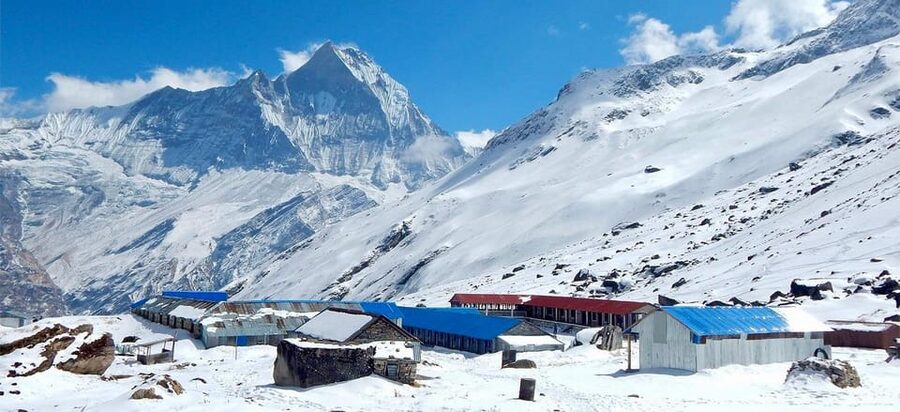
Day 3 covers about six to seven hours and ends at Himalaya, at approximately 2,920 meters. The route first descends toward the river, then climbs through bamboo and rhododendron forest.
This is one of the most varied walking days. The forest provides shade, and the trail feels more enclosed than the open village sections. You may see waterfalls along the route, while the sound of rushing water gives the valley a constant backdrop.
The descent followed by a climb can be mentally tricky. You lose height, then have to regain it, which may feel unfair when your destination is still higher than where you started. This is where sensible pacing helps. Keep your steps short, take regular breaks, and tell your guide if a headache, unusual tiredness, or breathing trouble appears.
Himalaya is a useful overnight stop because it breaks the climb toward the base camp into manageable stages. The elevation is now high enough that you should pay attention to how your body feels. The itinerary does not include a separate acclimatization day, so your guide’s judgment and your own honesty are important.
More Annapurna Treks in Pokhara:
- Trekking in Annapurna/Langtang/Everest/Upper Mustang regions
★ 5.0 · 161 reviews - Pokhara: Annapurna Foothills Day Hike with Transfers
★ 5.0 · 100 reviews - Kathmandu/Pokhara: 5-Day Annapurna Base Camp (ABC) Trek
★ 4.9 · 72 reviews - Pokhara: 4-Day Mardi Himal Trek
★ 4.9 · 59 reviews
Day 4: Himalaya to Machhapuchhre Base Camp and Annapurna Base Camp
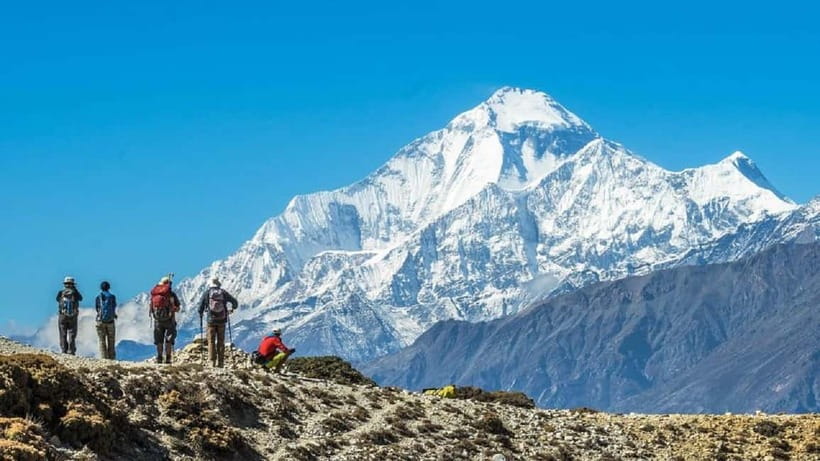
This is the defining day. You walk for approximately six to seven hours from Himalaya through the alpine zone, passing Machhapuchhre Base Camp before reaching Annapurna Base Camp at 4,130 meters.
The forest gradually gives way to a more open glacier valley. The scale changes quickly. Instead of looking through trees toward distant summits, you move beneath towering peaks and into the Annapurna Sanctuary, a natural bowl surrounded by mountains.
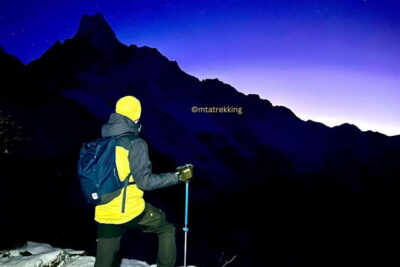
The arrival at base camp is the emotional payoff of the trek. Annapurna I and Machhapuchhre are among the famous names in the view, and the setting feels enclosed by giant walls of rock and snow. Sunrise and sunset can be especially memorable here, although exact conditions depend on weather.
This is also the day when altitude is most serious. A seven-day schedule leaves limited room for a slow approach, and 4,130 meters is high enough that you should not treat the final climb casually. Your guide should monitor your condition, but you must report symptoms promptly. Travel insurance is mandatory, and emergency rescue services are available if needed.
The base camp overnight is basic and can feel cold. Pack gloves, warm layers, a hat, a headlamp or flashlight, and a sleeping bag if advised. Keep your camera and power bank protected from the cold, and bring cash for personal drinks or snacks along the route.
Day 5: Descending from base camp to Bamboo
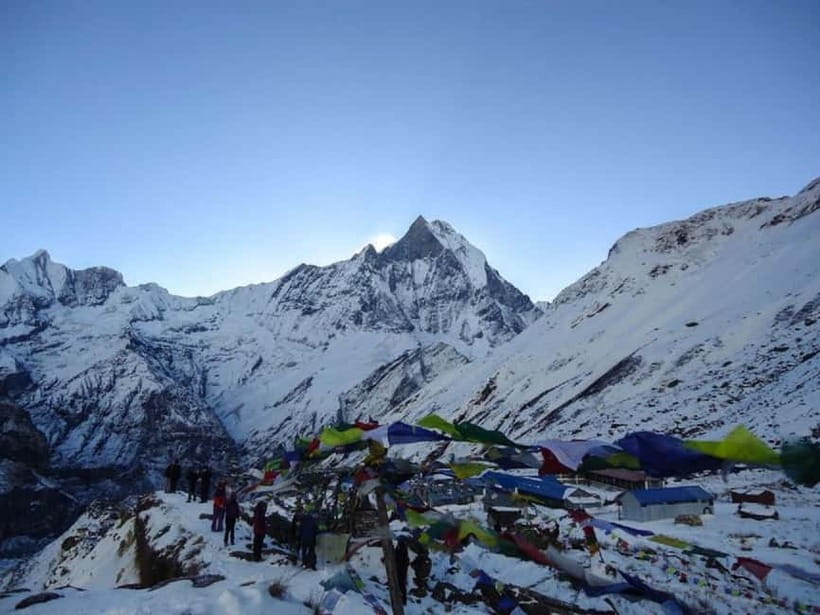
After the high point, you retrace part of the route and descend for six to seven hours to Bamboo, at about 2,335 meters.
The descent gives you a different view of the same valley. You can look back toward the peaks, notice waterfalls you may have missed on the climb, and feel your breathing improve as you lose altitude. This day is still long, but many people find it psychologically easier because the main objective is behind them.
Do not underestimate the downhill walking. Repeated steps can punish tired knees, particularly after the steep approach to base camp. Trekking poles are useful, and the package may include a trekking stick depending on the selected option.
Bamboo is a practical overnight stop in the forest. It does not have the high mountain drama of base camp, but it breaks up the descent and keeps the final days reasonable. Your guide can also adjust the exact tea house stop according to your progress, as one past departure appreciated.
Day 6: Bamboo to Jhinu Danda and the natural hot springs
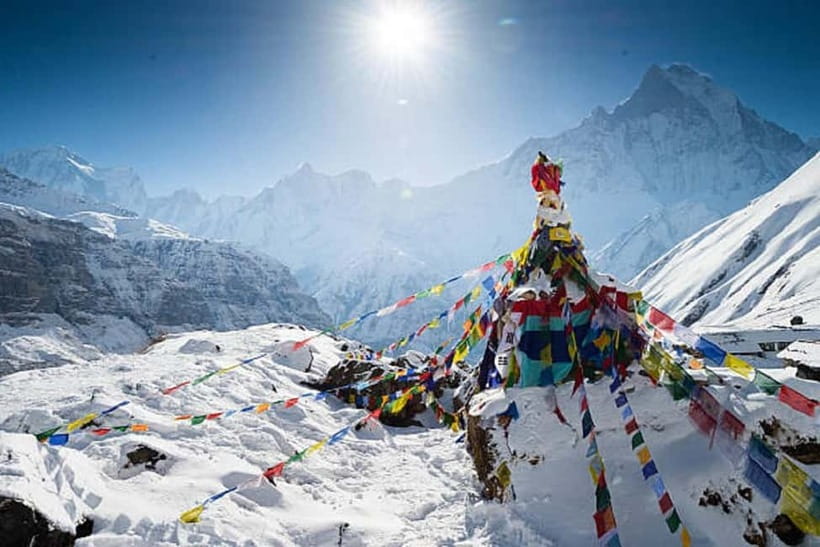
Day 6 takes about five to six hours, ending at Jhinu Danda, at 1,610 meters. The trail drops toward the riverside before reaching the village and its natural hot springs.
This is one of the smartest features of the route. After several demanding days, a warm soak gives your legs a chance to recover. Bring a towel, swimsuit or change of clothes, and sandals if you have them. The supplied packing advice specifically includes a towel and spare clothing, both of which are useful here.
The hot spring is not a substitute for rest, however. You still need to walk several hours before reaching Jhinu Danda, and the descent can be hard on your knees. Treat the soak as a pleasant recovery stop, not as a reason to rush the morning.
Jhinu Danda also changes the mood of the trip. You are back in warmer, lower country, and the end is close. The route has taken you from mountain villages to high alpine terrain and now back toward the river valleys.
Day 7: Jhinu Danda to Nayapool and back to Pokhara
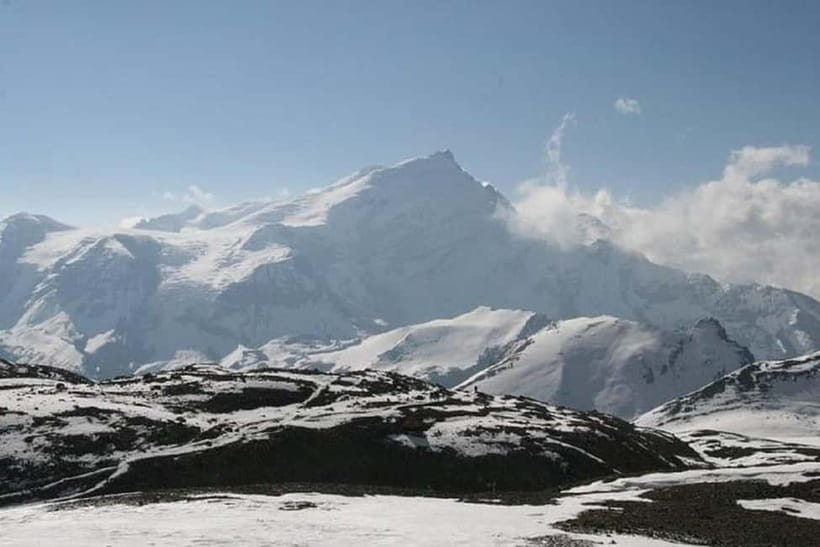
The final walking section takes about four to five hours before the drive to Pokhara, usually around one hour. This is a satisfying finish, but it can include road walking or dusty sections depending on the exact route and transport arrangement.
At Nayapool, the walking portion ends. Return transport is available to listed locations around Pokhara, including Lakeside hotels, Hotel Temple Tree, Hotel Barahi, Middle Path Spa and Beauty Salon, Sarangkot, and Pokhara International Airport.
If you have a flight on the same day, confirm timing carefully. The stated drive is about one hour, but road conditions and the end-of-trek schedule can affect the actual arrival. I would not arrange a tight onward connection without checking the pickup and drop-off plan with the operator.
Tea houses, meals, and what the $181 covers
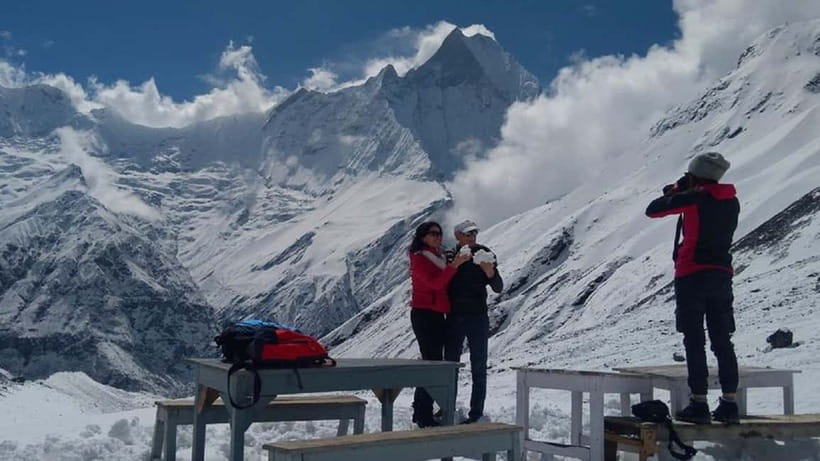
At $181 per person, this trek offers good value if you want a guided route with the major practical pieces arranged. Included services can cover round-trip transport, trekking permits, TIMS fees, simple tea house lodging, meals, a government-certified English-speaking guide, luggage storage in Pokhara, guide costs, local and government taxes, first aid, and some trekking equipment.
The important phrase is depending on the option selected. Meals may not be included in every version, so check this before booking. Personal snacks and drinks are not covered, and you should carry cash for those purchases.
Tea houses are part of the experience. They give you a place to eat, sleep, warm up, and meet the basic needs of a multi-day trek. Comfort is limited, but the simple setting fits the route. One past trekker found the guest houses comfortable, while the overall experience remained focused on walking rather than luxury.
A porter costs an additional $20 per day if you need one. That is worth considering if you are not used to carrying a pack at altitude. You can also store luggage safely in Pokhara, which means you need to take only what you require on the trail.
Guides, safety, and the private group advantage
The strongest part of this experience is the guiding. The names connected with different departures include Chandra, Bishnu Giri, Anil, Jeet Bahadur, Laxman, and Sun. Their reported strengths include kindness, clear English, local stories, mountain information, flexibility, encouragement, and close attention to health and safety.
A private group can make the trip easier to manage. You are not forced to match the pace of a large mixed group, and the guide can respond to your progress. That does not make the route easy, but it can make the days feel more personal and less mechanical.
You should arrive in reasonable physical condition. The route includes five to seven hours of walking on most days, frequent stairs, steep sections, and a high overnight at base camp. Warm clothing, rain gear, hiking shoes, sunscreen, sunglasses, gloves, a flashlight, power bank, and a passport copy are all sensible parts of your kit.
You must provide a passport copy at least one day before the trek so the permits can be arranged. Travel insurance is required, and it should account for trekking at the stated elevation. Rescue services are available if needed, but the cost is not included.
Best seasons and the January question
The experience can be especially peaceful in January. A January departure had clear skies, good views, quieter trails, and less crowded tea houses. That sounds appealing if you prefer calm conditions and do not mind colder temperatures.
Spring and autumn are also represented among the departure dates, with strong praise for the scenery and guiding. July and September departures have taken place too, showing that the trek operates across different seasons. Still, mountain weather can change, so you should pack rain gear and warm layers rather than rely on a single forecast.
The best season for you depends on your priorities. January may bring quieter paths but colder nights. Other periods may offer different weather and trail conditions. Ask about current conditions before you leave Pokhara, especially for the high section between Himalaya and base camp.
Who should book this Annapurna trek?
I would choose this trip if you want a compact Himalayan adventure with a clear goal. It suits people who can walk for several hours a day and who value scenery, village life, and local guiding more than polished accommodation.
It is also a good fit if you like a private group and want pickup arranged from Pokhara. The included permits, guide costs, luggage storage, and tea house arrangements remove much of the planning burden.
I would hesitate if you dislike steep stairs, basic rooms, cold nights, or carrying gear at altitude. I would also ask extra questions if you need a slow acclimatization schedule, since the route reaches 4,130 meters in only seven days.
Should you book it?
Yes, if you are fit, properly insured, and ready for basic mountain conditions. The route packs an impressive amount into one week, from Gurung villages and forest trails to the Annapurna Sanctuary and Jhinu Danda’s hot springs.
Before paying, confirm whether your selected option includes meals, ask who your guide will be, clarify the road transfers on Days 1 and 7, and check what sleeping gear is supplied. If those details suit you, this is a well-priced way to reach Annapurna Base Camp with practical support and a strong chance of a memorable, personal mountain experience.
FAQ
How long is the Annapurna Base Camp trek?
The trek lasts seven days, including walking from Nayapool to Ghandruk, the route to Annapurna Base Camp, the descent to Jhinu Danda, and transport back to Pokhara.
How high is Annapurna Base Camp?
Annapurna Base Camp is at 4,130 meters, or about 13,550 feet.
Is transportation from Pokhara included?
Round-trip transportation between your hotel, Pokhara International Airport, and the trek starting point is included. Pickup is available from Pokhara hotels in the Lakeside area and Pokhara International Airport.
Are meals included during the trek?
Meals are included depending on the option selected. Check your specific booking details before departure. Personal snacks and drinks are not included.
Is a porter included?
No. A porter is optional and costs $20 per day if needed.
What languages can the guide speak?
Guides are available in English, Hindi, and Nepali.
Is travel insurance required?
Yes. Travel insurance is mandatory, and emergency rescue services are available if needed, though rescue costs are not included.
More Week-Long Trips around Pokhara
- Private Kilimanjaro Hike 7 Day Lemosho Route
★ 5.0 · 60 reviews - Best Kilimanjaro Adventure 7 days Machame route Trekking
★ 5.0 · 42 reviews - 7-Day: Inca Trail Trek to Machu Picchu Group Tour
★ 5.0 · 40 reviews - Kilimanjaro 7 Day Private Trekking Experience
★ 5.0 · 40 reviews
Just added around Pokhara
- Pokhara: 5 Day Annapurna Base Camp Trek & Natural Hot Spring★ 4.9 · 44 reviews
- Pokhara: 4-Day Private Trek Tour★ 4.9 · 43 reviews
- Pokhara: Annapurna Day Hike with Panoramic Views★ 4.3 · 7 reviews
- Pokhara: 4-Day Poon Hill and Ghandruk Guided Trek★ 5.0 · 14 reviews
- Pokhara: 4-Day Mardi Himal Trek★ 4.9 · 59 reviews
- Pokhara: 3-Day Ghorepani and Poon Hill Trek★ 5.0 · 7 reviews
- Pokhara: 3-Day Trek★ 4.5 · 7 reviews
- Pokhara: 4-Day Beautiful Ghorepani Poon Hill & Ghandruk Trek★ 4.8 · 21 reviews
Pokhara Hiking Tours, compared.
Trekking in Annapurna/Langtang/Everest/Upper Mustang regions
Read our review →
4-Day Ghorepani, Poonhill & Ghandruk Mountain Trek
Read our review →
Kathmandu/Pokhara: 5-Day Annapurna Base Camp (ABC) Trek
Read our review →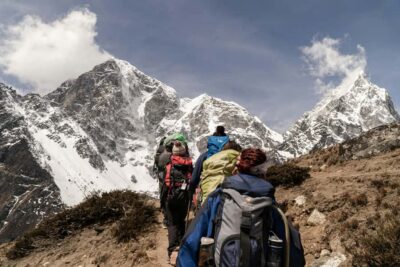
Browse the lists this tour appears in