
REVIEW · KATHMANDU HIKING TOURS
Kathmandu: 6 Days Langtang Valley Trek with Kyanjin Ri
The Himalayas begin sooner than you think. This six-day trek pairs grand mountain views with Tamang villages, forest trails, monasteries, and a high viewpoint above Kyanjin Gompa. I especially like the manageable length and the chance to meet local people rather than simply race from one viewpoint to the next. The main caution is altitude: the route reaches 3,870 meters at Kyanjin Gompa and 4,770 meters at Kyanjin Ri, so this is not a casual walk.
I also like the small, private-group format and the attentive guiding reported by people who trekked with Ghanshyam and Sudarshan. Guides adjusted walking speed, added breaks, and kept an eye on health. The drawback is that the $179 price does not cover every expense, and porter service, drinks, bottled or boiled water, showers, battery charging, insurance, and personal costs are extra.
Key points at a glance
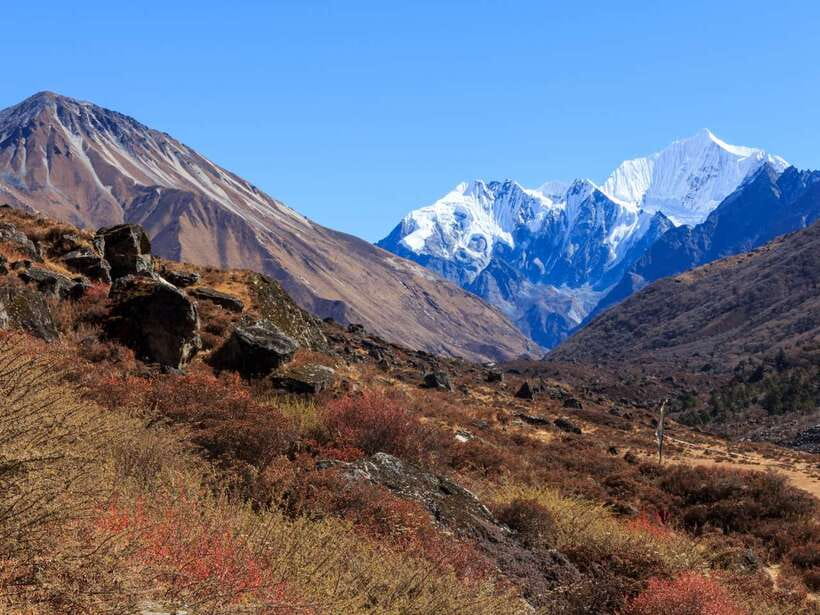
- Kyanjin Ri at 4,770 meters: The optional early hike is the trip’s big prize, with wide views of snowy peaks and glacial valleys.
- Tamang culture along the trail: Villages, local hospitality, monastery visits, and cheese tasting give the walk a human side.
- A six-day route from Kathmandu: You get a short Himalayan trek without committing to a much longer expedition.
- Private group with an English or Hindi guide: The guide can adjust the pace and explain sights along the way.
- Porter service costs extra: One participant found a porter very worthwhile, especially on a first long trek.
- Best timing: Mid-March through April and October through mid-November usually offer the best mix of clearer skies and reasonable temperatures.
Why Langtang works well for a shorter Nepal trek
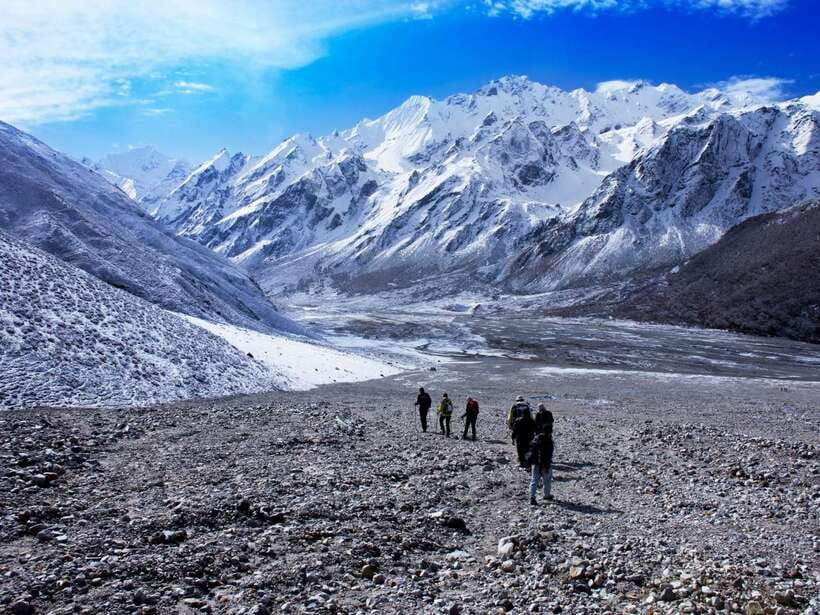
Langtang Valley offers a useful middle ground. You get mountain scenery, high-altitude villages, forests, rivers, and Buddhist culture, but the route is only six days from Kathmandu and back. That makes it appealing if you have limited time or want a first serious trek before attempting a longer route.
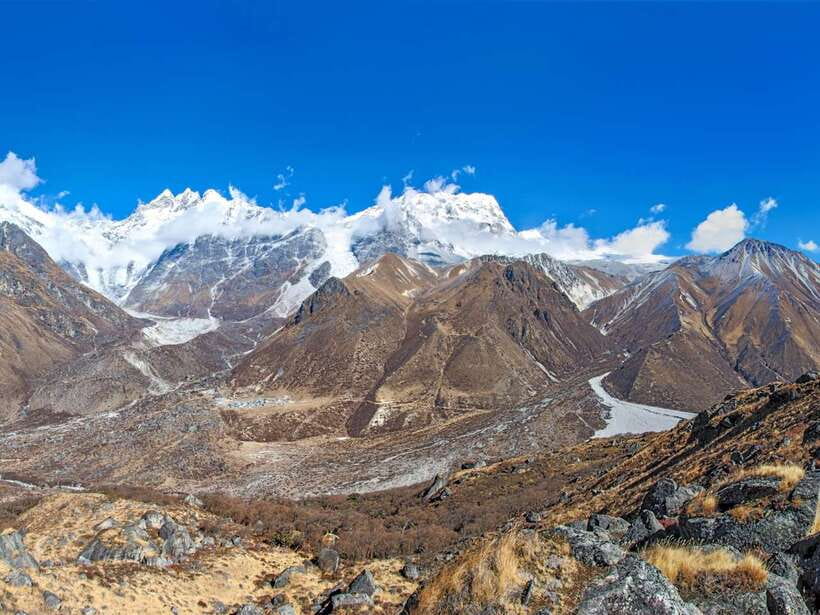
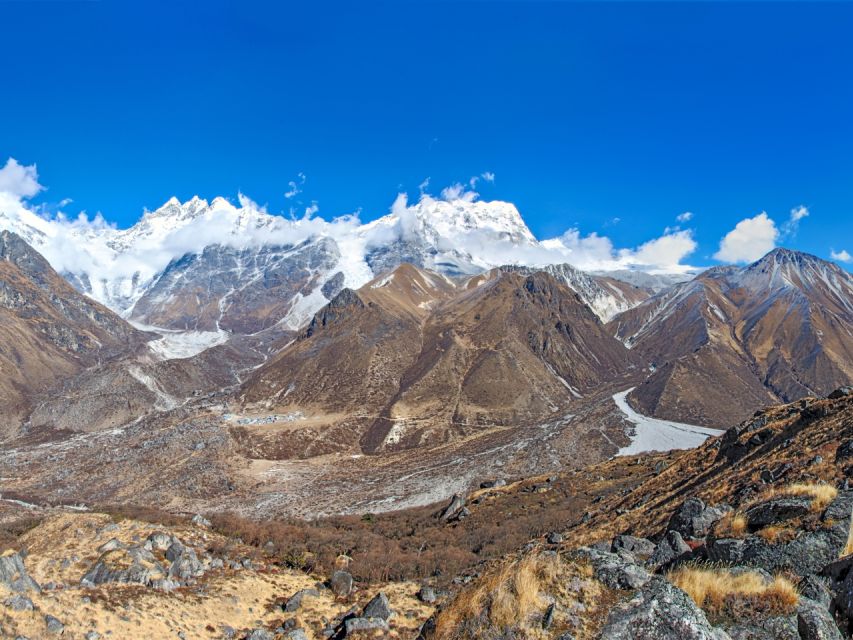
The scenery changes as you walk. Lower sections follow the Langtang River through forest and village country. Higher up, the trees thin and the valley opens toward snow-covered peaks. Rhododendron blooms add color in late March and April, while autumn usually brings less wind and warmer conditions.
The cultural side matters just as much. You pass Tamang communities and reach Kyanjin Gompa, a traditional Himalayan settlement with an old monastery and a local cheese factory. I like that the route gives you reasons to stop and look around, not just a checklist of mountain photos.
Still, the short schedule does not mean the trek is easy. The route gains height quickly, particularly between Pahiro and Ghoda Tabela, then again on the way to Kyanjin Gompa. Your body may feel fine one day and struggle the next. Headaches, nausea, fatigue, and loss of appetite can signal acute mountain sickness, so you need to tell your guide promptly if symptoms appear.
More Langtang and Manaslu Treks in Kathmandu:
- Manaslu Circuit Trek
★ 5.0 · 292 reviews - Manaslu Circuit Trek
★ 5.0 · 184 reviews - Langtang Valley Trek
★ 5.0 · 140 reviews
Day 1: Kathmandu, Syabrubesi, and the walk to Pahiro
The first day combines a road journey with a short trek. Pickup is included from your Kathmandu hotel, and you should wait in the lobby about 10 minutes before the arranged time. The driver carries a sign with your last name.
The drive to Syabrubesi follows mountain roads through villages and green country. It is scenic, but road travel in the hills can be tiring, particularly after an early start. From Syabrubesi, you begin walking beside the Langtang River and through forest paths toward Pahiro at 1,550 meters.
Pahiro is a gentle introduction to the route. You are already away from Kathmandu’s noise, but you have not yet reached the demanding altitude. Use this first walking section to check your boots, water supply, layers, and daypack. A flashlight is included on the recommended packing list, and you should bring one rather than rely on a phone light.
The overnight stay is in Pahiro. Accommodation is listed as private during the five trekking nights, though the precise room and bathroom setup should be confirmed before departure.
Day 2: Forests, waterfalls, and Ghoda Tabela at 2,900 meters
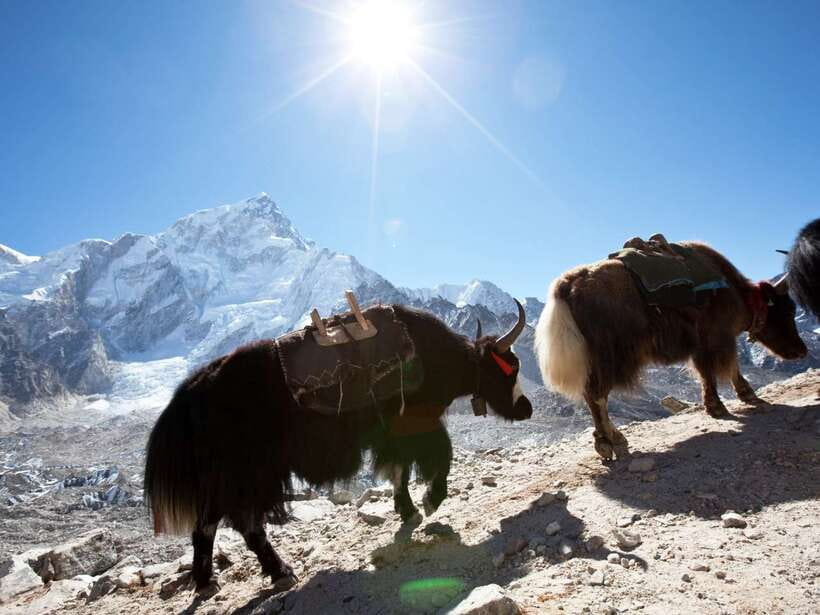
The second day brings a bigger change in altitude. You leave Pahiro and follow the trail toward Ghoda Tabela, climbing through green forest and passing villages and waterfalls. The route is scenic and peaceful, but the nearly 1,400-meter gain deserves respect.
This is a day when your guide’s judgment matters. Sudarshan was praised for matching the pace to the group and allowing sensible breaks, while Ghanshyam was repeatedly described as caring and attentive. That kind of support is useful here. A fast pace early in the day can make the final hours harder.
Ghoda Tabela sits at 2,900 meters, high enough for some people to notice thinner air. Drink regularly, walk steadily, and do not treat a headache as something to ignore. You do not need to prove anything by rushing. The goal is to arrive able to eat, rest, and continue safely.
The forest section is also one of the route’s attractive features. You get shade, river sounds, and glimpses of waterfalls before the valley begins to feel more exposed and alpine.
Day 3: Reaching Kyanjin Gompa at 3,870 meters
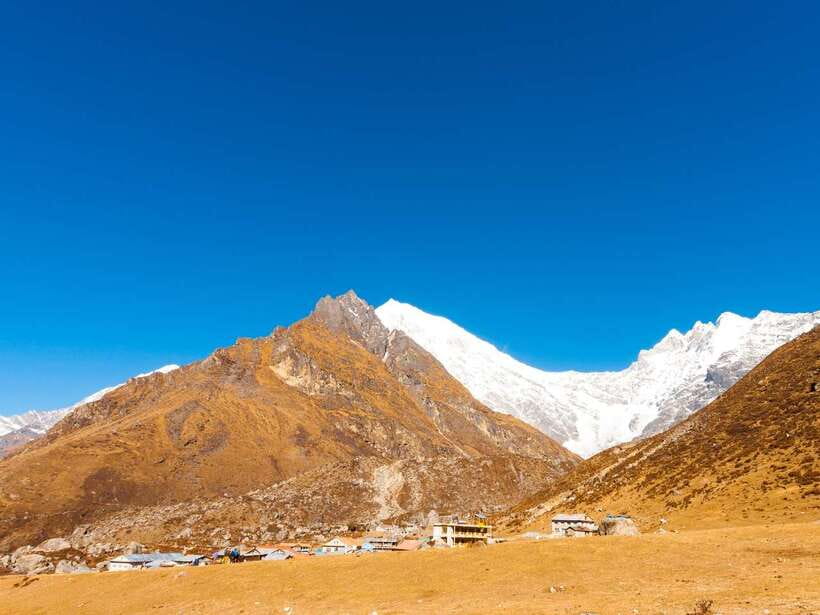
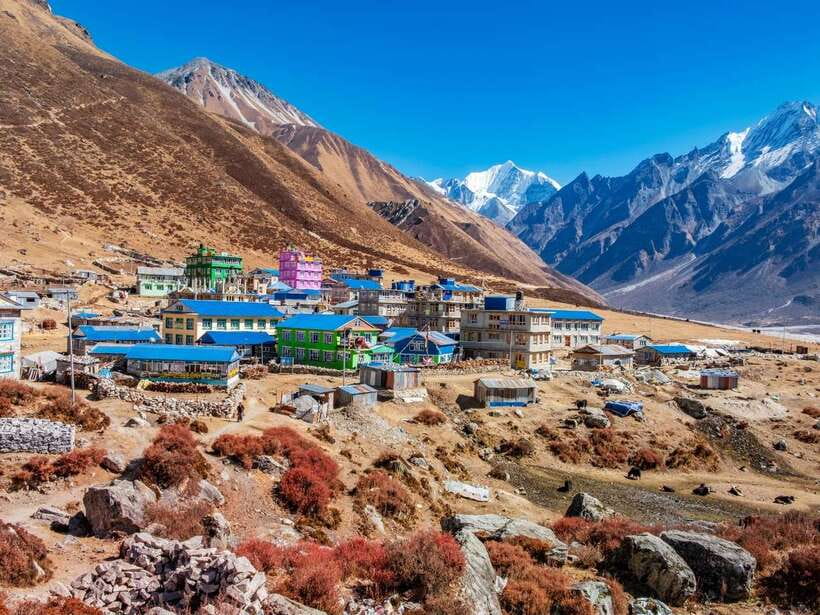
The third day takes you from Ghoda Tabela to Kyanjin Gompa, the cultural and scenic center of the trek. The settlement sits at 3,870 meters and is surrounded by major Himalayan peaks.
The walk is not only about reaching the final village. Along the way, you encounter Tamang culture and changing mountain views. The trail feels increasingly remote as the valley opens, and the scale of the peaks becomes more impressive.
At Kyanjin Gompa, make time to explore rather than treating the stop as a place to sleep. The ancient monastery gives the village a strong spiritual character. The local cheese factory offers a small but memorable cultural detail, and cheese tasting adds something different from the usual mountain tea-house routine.
The altitude is the serious issue. At 3,870 meters, you may feel tired, lose your appetite, or develop a headache. Tell your guide exactly how you feel. The schedule allows time at Kyanjin Gompa before the optional Kyanjin Ri climb, but that does not remove the need to pay attention to your body.
Food is included during the trek for the Full Package option, with breakfast, lunch, and dinner provided. Soft and hard drinks are not included, and bottled or boiled water costs extra. Confirm exactly which meal package you are buying before you pay, since the wording distinguishes the Full Package from other arrangements.
More Six-Day Trips around Kathmandu:
- Kathmandu: 6-Day Limitless Langtang Trek
★ 5.0 · 21 reviews - 6 Days Poon Hill – Ghandruk Circuit Trek from Kathmandu
★ 5.0 · 10 reviews - Singalila Ridge Trek from Darjeeling – 6 Days
★ 5.0 · 56 reviews - 6 Days Serengeti Safari(hiking waterfalls &coffee tour)
★ 5.0 · 48 reviews
Day 4: Kyanjin Ri at sunrise, then down to Thangsyap
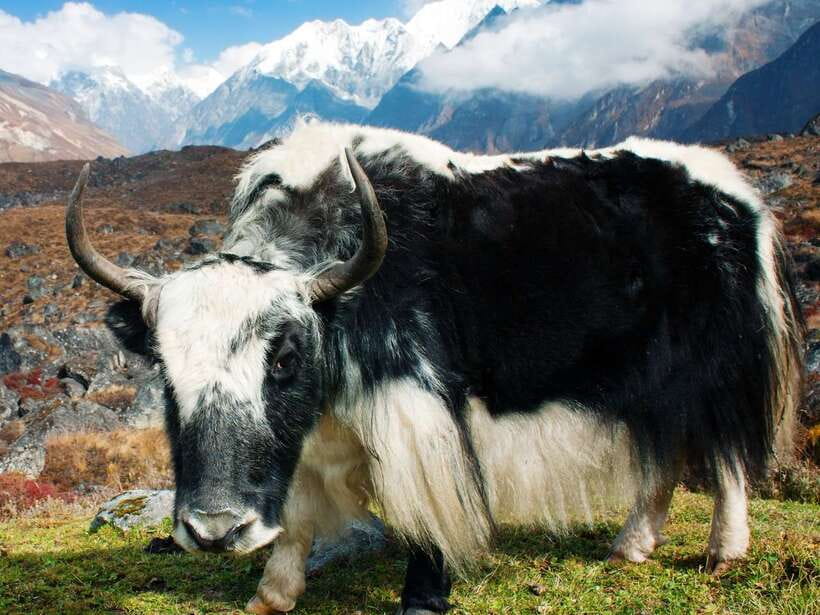
Day four offers the trek’s headline moment: an optional climb to Kyanjin Ri at 4,770 meters. The climb is challenging, but the reward is a broad view across snowy peaks and glacial valleys.
An early start makes sense if conditions are clear. One person described sunrise from Kyanjin Ri as the highlight of the trip, with clear mountain views and wildlife sightings along the way. The timing also gives you the best chance of seeing the peaks before clouds build, although mountain weather can change quickly.
Kyanjin Ri is optional, and that matters. If you feel unwell at Kyanjin Gompa, skipping the summit is the sensible choice. Even if you feel strong, the climb adds considerable effort after several days of walking. You need sturdy hiking shoes, warm layers, gloves, sunglasses, sunscreen, water, and a jacket.
After returning to Kyanjin Gompa, the route descends to Thangsyap at 3,200 meters. That descent helps reduce altitude exposure, but it creates a long and demanding day if you complete the viewpoint hike. Ask your guide about the expected pace and breaks before setting off.
Day 5: Returning through the forest to Syabrubesi
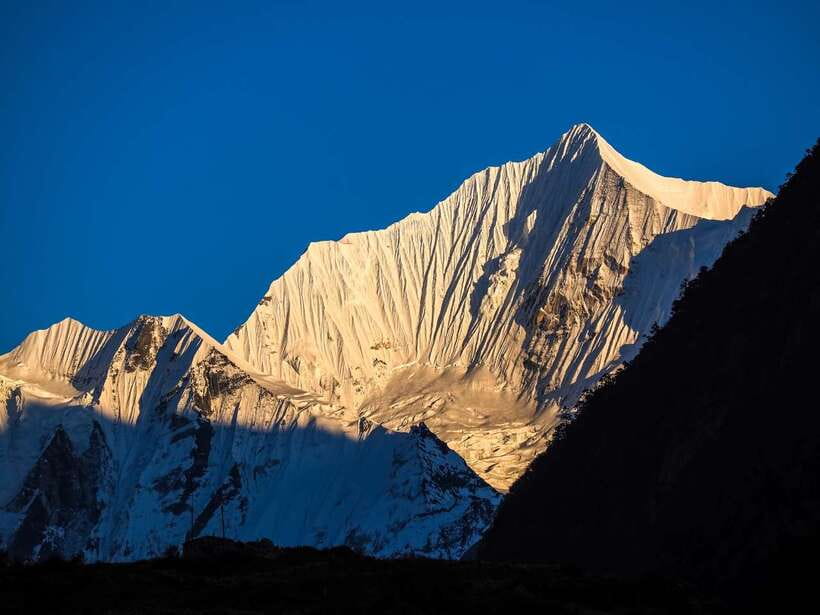
The fifth day retraces the route toward Syabrubesi at 1,550 meters. You pass back through forest and follow the Langtang River, with a final chance to enjoy the mountain views before returning to the roadhead.
Going back over familiar ground can sound less exciting, but it gives you a different perspective. You may notice village details, river crossings, or mountain shapes that escaped you on the way up. The big advantage is the steady loss of altitude, which should feel welcome after Kyanjin Gompa and Kyanjin Ri.
Syabrubesi is the final overnight stop. This night also gives you time to organize luggage before the drive back to Kathmandu. Luggage storage is included, which is useful if you leave larger bags in the city and carry only trekking gear into the valley.
Day 6: The drive back to Kathmandu
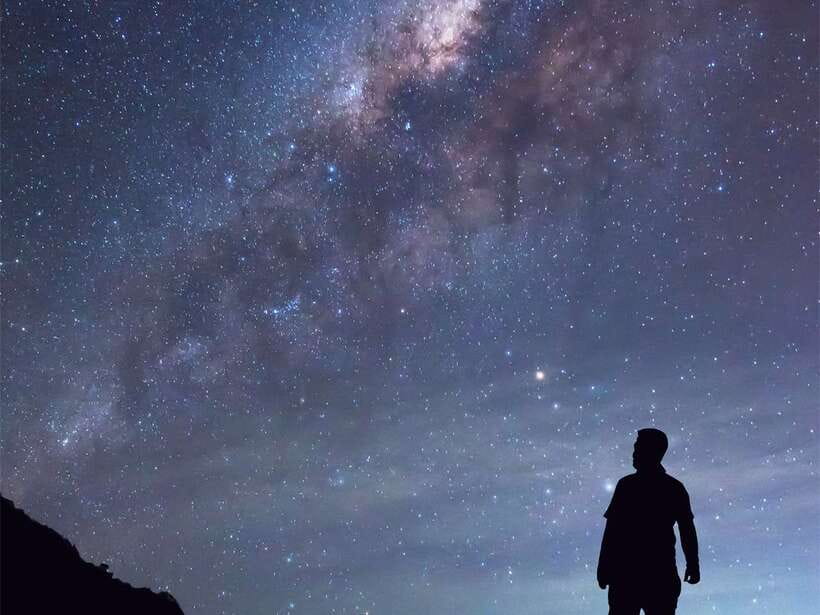
The final day is a return drive from Syabrubesi to Kathmandu. The road journey is part of the practical tradeoff of this trek. You do not need a domestic flight, but the mountain roads can make the return tiring.
Plan a quiet evening after arrival if possible. The tour notes that extra Kathmandu or Pokhara accommodation is not included if you arrive early, depart late, or return early for reasons outside the scheduled plan. If your international flight is close to the return date, leave a sensible buffer.
What the $179 price really covers
At $179 per person, the trek offers strong value if you want a guided Himalayan route with permits and transport arranged. The package includes hotel pickup and drop-off, trekking permits, required paperwork, the Trekkers’ Information Management System fee, government tax, five nights of private accommodation, scheduled transportation, and guide-related costs.
For the Full Package, breakfast, lunch, and dinner are included during the trek. Staff meals, accommodation, salary, equipment, insurance, and transport are also listed as covered expenses.
You should budget beyond the headline price. Porter service is specifically listed as extra, and a participant who used one strongly recommended that choice. A porter can make the trek more comfortable, particularly if you are new to multi-day walking or carry bulky cold-weather gear.
You also pay for soft and hard drinks, bottled or boiled water, phone calls, laundry, bar bills, battery charging, showers, extra porters, travel and rescue insurance, and international travel. Nepal visa fees are not included either.
At this price, I would call the trek good value, but only after confirming whether your booking is Full Package and asking how porter charges are calculated. The low advertised figure should not be treated as your total Nepal budget.
Guides, pace, and the private-group advantage
The tour provides an authorized English-speaking guide, with English and Hindi available. A private group means you are not tied to a large mixed party moving at one fixed speed.
That flexibility has real value in the mountains. Ghanshyam received especially strong praise for kindness, organization, health checks, explanations, and humor. He also guided people who were on their first long trek and helped them feel comfortable. Sudarshan was noted for adjusting the route pace and taking breaks when needed, while porter Projol was described as professional and polite.
If English is not your strongest language, the guiding style may help. One Japanese participant said the guide spoke at a manageable pace and repeated questions to make sure communication was clear. You should still ask questions directly about symptoms, meals, walking time, and accommodation.
The guide is not just there to lead the way. On this route, a good guide helps you judge altitude, understand Tamang culture, and make sensible choices about Kyanjin Ri.
When to go and what to pack
The strongest seasons are mid-March through April and October through mid-November. Autumn generally brings less wind and warmer temperatures. Late March and April can add rhododendron blooms at lower elevations.
Weather remains unpredictable, so the itinerary may change with conditions or seasonal factors. Pack for shifts in temperature rather than relying on one heavy coat. Essential items include:
- Passport or identification
- Sleeping bag
- Flashlight
- Hiking shoes
- Trekking gear
- Warm jacket and gloves
- Sunglasses and sunscreen
- Water
You should also bring enough personal funds for water, charging, drinks, showers, and other extras. Alcohol and drugs are not allowed.
Who should book this trek?
I would recommend it to someone who wants a genuine mountain trek but has only six days from Kathmandu. It suits first-time trekkers who are reasonably fit and willing to walk at a steady pace, follow altitude advice, and accept basic mountain accommodation.
It is also a good match for people who care about local culture. The Tamang villages, Kyanjin Gompa, cheese factory, monastery visit, and personal contact with guides make the route more than a mountain photo trip.
I would hesitate if you dislike long road journeys, have no interest in carrying or arranging trekking gear, or want a relaxed holiday with little physical strain. The Kyanjin Ri option is demanding, and even the main route requires sustained walking at altitude.
Should you book the Langtang Valley trek?
Book it if you want a short but serious introduction to Nepal’s mountain country, especially if views, village life, and a private guide matter to you. The strongest reasons are the compact six-day format, the Kyanjin Ri viewpoint, and the repeated praise for guides who cared about pace and safety.
Before booking, confirm the Full Package meal arrangement, porter cost, accommodation details, and your insurance coverage. If you prepare for the altitude and bring the right gear, this trek offers a lot for $179. Just remember that the best memories may come as much from a Tamang village, a cup of tea, or a conversation with your guide as from the summit view.
FAQ
How long is the Langtang Valley trek?
The full itinerary lasts six days, including transportation from Kathmandu to Syabrubesi and the return drive to Kathmandu.
What is the highest point on the trek?
The optional Kyanjin Ri hike reaches 4,770 meters. Kyanjin Gompa, where you spend the night before the hike, is at 3,870 meters.
Is the Kyanjin Ri hike required?
No. The Kyanjin Ri climb is optional. You can return from Kyanjin Gompa without completing the viewpoint hike.
Is transportation from Kathmandu included?
Yes. Hotel pickup, the drive to Syabrubesi, and the return transportation to Kathmandu are included according to the scheduled itinerary.
Are meals included?
Breakfast, lunch, and dinner are included during the trek for the Full Package option. Confirm your selected package before booking. Drinks and bottled or boiled water are not included.
Is a porter included?
Porter service is listed as an extra charge. The guide is included, but you should ask the operator about porter availability and cost.
What languages does the guide speak?
Guiding is available in English and Hindi. The activity provides an authorized English-speaking guide.
When is the best time to do this trek?
The main trekking seasons are mid-March through April and October through mid-November. Weather can still change, and the route may be adjusted for seasonal or weather conditions.
Just added around Kathmandu
- Annapurna Base Camp Trek – 11 Days★ 5.0 · 30 reviews
- Annapurna Base Camp Trek 12 Days★ 5.0 · 18 reviews
- Annapurna Base Camp Trek 10 Days★ 5.0 · 35 reviews
- Annapurna Base Camp Trekking★ 5.0 · 38 reviews
- Adventurous Annapurna Base Camp Trekking★ 5.0 · 7 reviews
- Annapurna Base Camp Trek★ 5.0 · 80 reviews
- Annapurna Base Camp Private Short Trek★ 5.0 · 8 reviews
- Annapurna Base Camp Short trek★ 5.0 · 13 reviews
Kathmandu Hiking Tours, compared.
Nagarkot Sunrise View and Day Hiking from Kathmandu
Read our review →
Browse the lists this tour appears in