
REVIEW · KATHMANDU HIKING TOURS
Kathmandu: 6-Day Limitless Langtang Trek
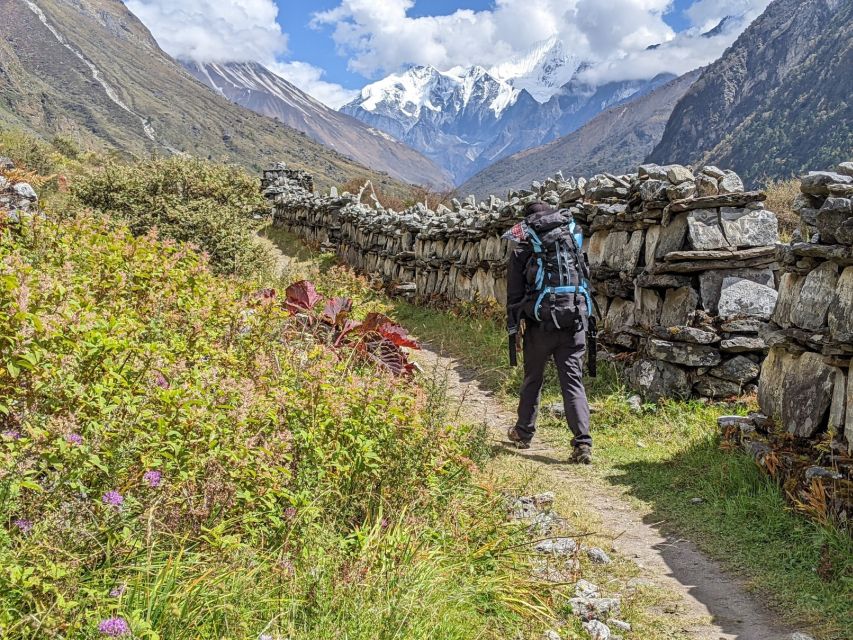
Six days can reach the high Himalayas. This Langtang trek combines forest trails, Tamang villages, monasteries, waterfalls, and snowy peaks, with excellent support from guides such as Mahesh, Niraj, Bipin, and Dipesh. I especially like the Kyanjin Gompa stay and the chance to climb Kyanjin Ri, though the summit push is demanding.
I also like the private-group format and the simple $181 price, which includes permits, five nights of accommodation, transport, a guide, and staff costs. The main drawback is the pace: several days can run six to eight hours, and the schedule rises quickly to 3,870 meters.
Key points to know before you go
- Kyanjin Ri reaches 4,770 meters: The optional climb gives you the biggest views, but it is not a casual side walk.
- The trek begins with a long road journey: Expect about six hours by shared bus from Kathmandu to Syabrubesi.
- Guide care is a major strength: Guides check your comfort, explain the next day, and may help when your pack feels too heavy.
- Tamang culture is part of the route: Villages, monasteries, local lodges, and the cheese factory add meaning beyond mountain scenery.
- The $181 price covers the essentials: Permits, guide, transport, accommodation, and staff expenses are included, while a porter costs extra.
- Winter nights are cold: Bring warm layers, gloves, and a sleeping bag, especially in January and February.
What the six-day Langtang plan is really like
The Langtang Valley Trek is a compact Himalayan trip for people who want more than a quick viewpoint from Kathmandu. You travel into the Bagmati region, follow the Langtang River, climb through forest and mountain villages, and spend time in Kyanjin Gompa at 3,870 meters.
The route is described as moderate, but you should not confuse that with easy. One day involves roughly six hours of walking, and some sections can reach eight hours on steep ground. The biggest physical issue is not only the distance. It is the rapid rise in altitude, especially between Ghoda Tabela and Kyanjin Gompa.
I would rate this as a good first Himalayan trek for a fit person who is comfortable walking for several hours. Families, couples, and solo hikers can all fit the private-group setup, but children and less active adults should discuss the daily pace before booking.
More Langtang and Manaslu Treks in Kathmandu:
- Manaslu Circuit Trek
★ 5.0 · 292 reviews - Manaslu Circuit Trek
★ 5.0 · 184 reviews - Langtang Valley Trek
★ 5.0 · 140 reviews
Day 1: Kathmandu to Syabrubesi, then Pahiro
Your first day begins with a long drive from Kathmandu to Syabrubesi, usually described as about six hours by shared bus. The road passes through mountain scenery and winding highland routes, so the ride is part of the experience, not simply a transfer to forget.
From Syabrubesi, you walk for about two hours toward Pahiro. The trail enters forest and follows the Langtang River, giving you a gentle introduction to the trek after the road journey.
Pahiro sits at about 1,550 meters. It is a sensible first night because you do not gain much altitude immediately. Still, this is a long opening day. If you are tired from an early start and a rough road, do not expect a leisurely afternoon.
One detail needs checking before departure. The schedule describes the first night at Pahiro, while the second day is also worded as beginning from Syabrubesi. Ask the company to confirm the exact starting point for Day 2. This may simply be a wording problem, but clarity matters when you are planning walking times.
Day 2: Pahiro to Ghoda Tabela at 2,900 meters
The second day takes you deeper into the valley. Forest, small settlements, waterfalls, and the river provide variety, so the walk does not feel like one long uphill grind.
Ghoda Tabela is at about 2,900 meters, a substantial increase from Pahiro. This is where you should pay attention to how your body feels. Walk steadily, drink the water you have arranged, and tell your guide early if you develop a headache or feel unwell.
The accommodation is described as private, with five nights included during the trek. That does not mean hotel-style comfort. Mountain lodges are practical places to sleep and eat, and winter conditions can be cold. A warm dining room fire may be available, but you should still carry proper cold-weather clothing.
This day is also where a good guide can make a real difference. Mahesh Aryal received strong praise for checking comfort, reviewing the day just finished, and explaining the plan for the next morning. That kind of steady communication is useful when altitude and tired legs make decisions harder.
Day 3: Ghoda Tabela to Kyanjin Gompa
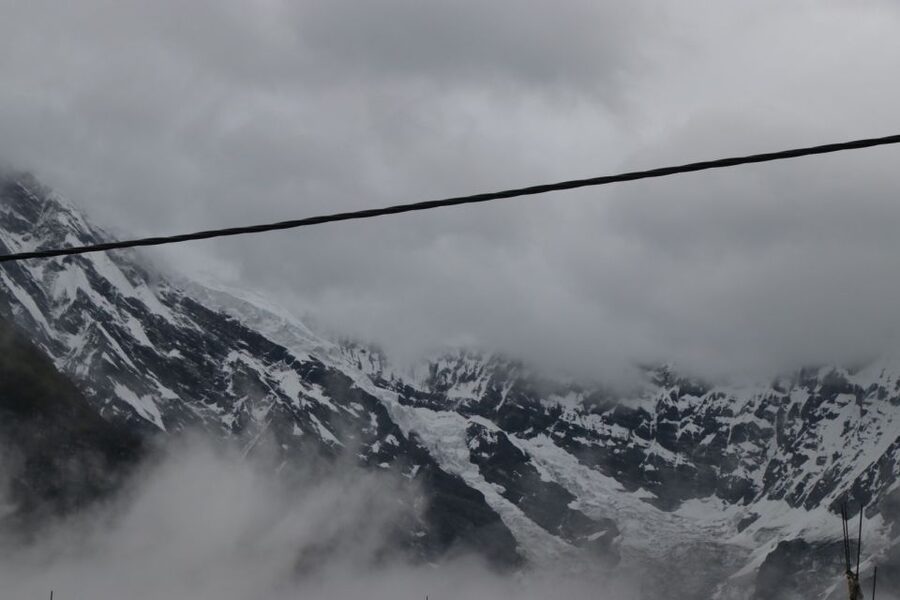
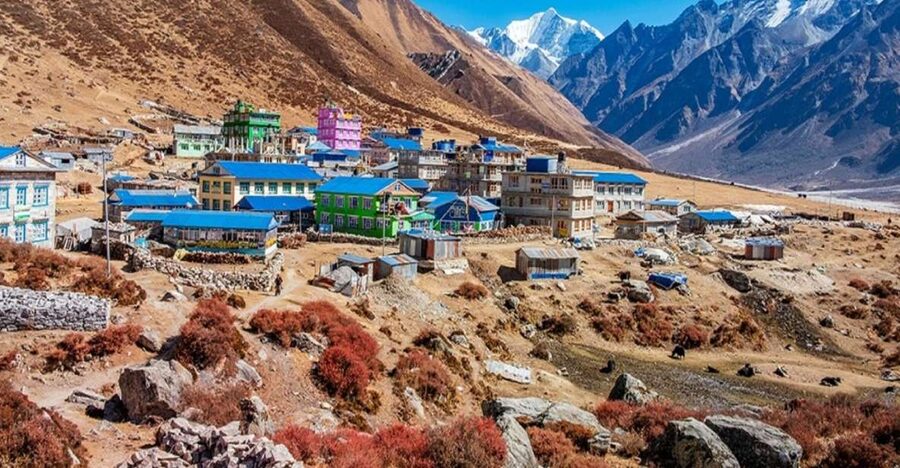
This is the route’s scenic and cultural centerpiece. You continue upward from Ghoda Tabela to Kyanjin Gompa, reaching about 3,870 meters.
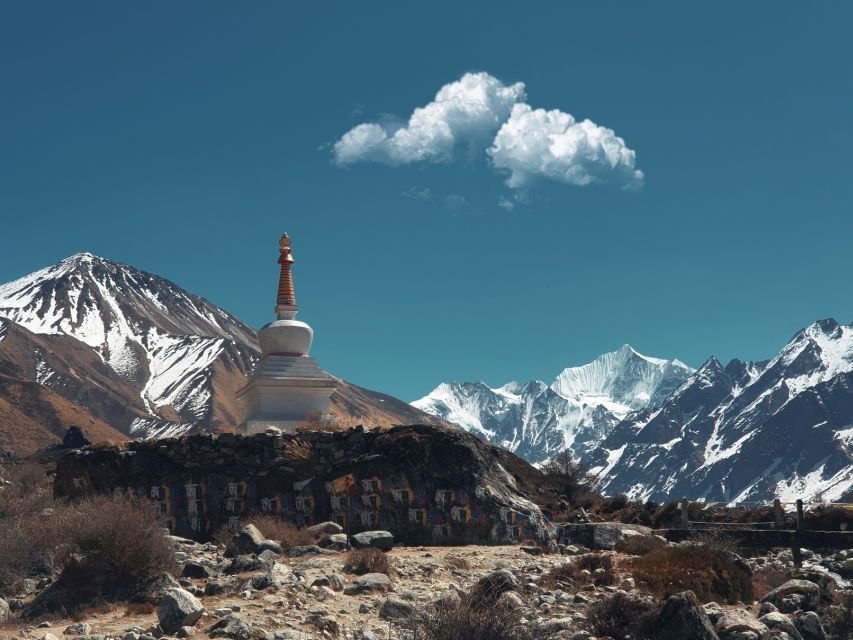
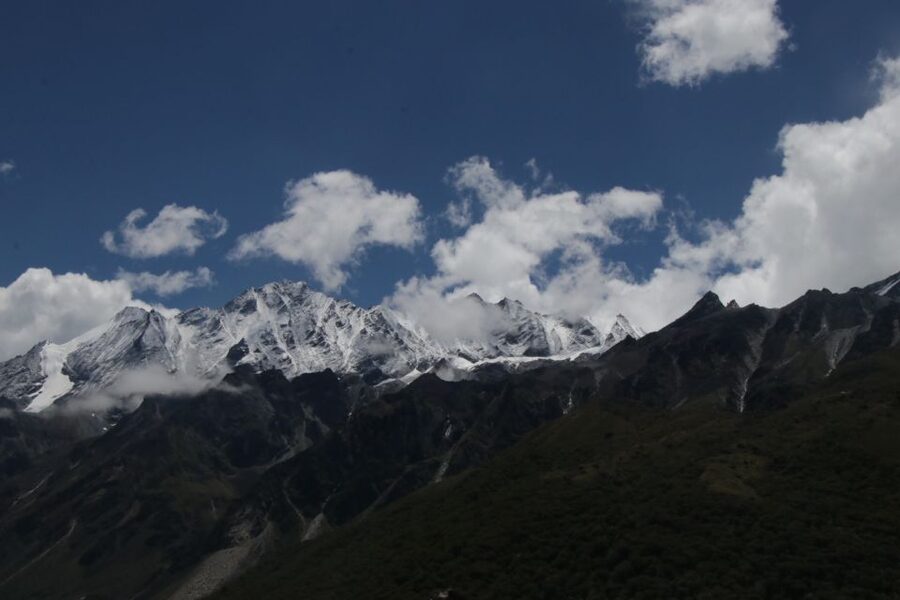
The mountain views become more dramatic as the valley opens. You also pass through Tamang communities, where the experience shifts from a walk through nature to a chance to understand local life. The Tamang people are known here through their villages, hospitality, monasteries, and everyday mountain traditions.
At Kyanjin Gompa, you can explore the village, visit a monastery, and see the cheese factory. Those details matter because they give the high valley a human scale. You are not only looking at peaks from a trail. You are seeing how people live, work, worship, and welcome visitors at altitude.
The third day is also the point where the trip may feel hardest. You have gained more than 2,000 meters since Pahiro, and some hikers may need a slower pace. Guides including Niraj and Bipin have been praised for adjusting support, answering questions, and making sure hikers understand the next step rather than pushing blindly ahead.
More Six-Day Trips around Kathmandu:
- 6 Days Poon Hill – Ghandruk Circuit Trek from Kathmandu
★ 5.0 · 10 reviews - Kathmandu: 6 Days Langtang Valley Trek with Kyanjin Ri
★ 5.0 · 7 reviews - Singalila Ridge Trek from Darjeeling – 6 Days
★ 5.0 · 56 reviews - 6 Days Serengeti Safari(hiking waterfalls &coffee tour)
★ 5.0 · 48 reviews
Day 4: Kyanjin Ri and the return toward Thangsyap
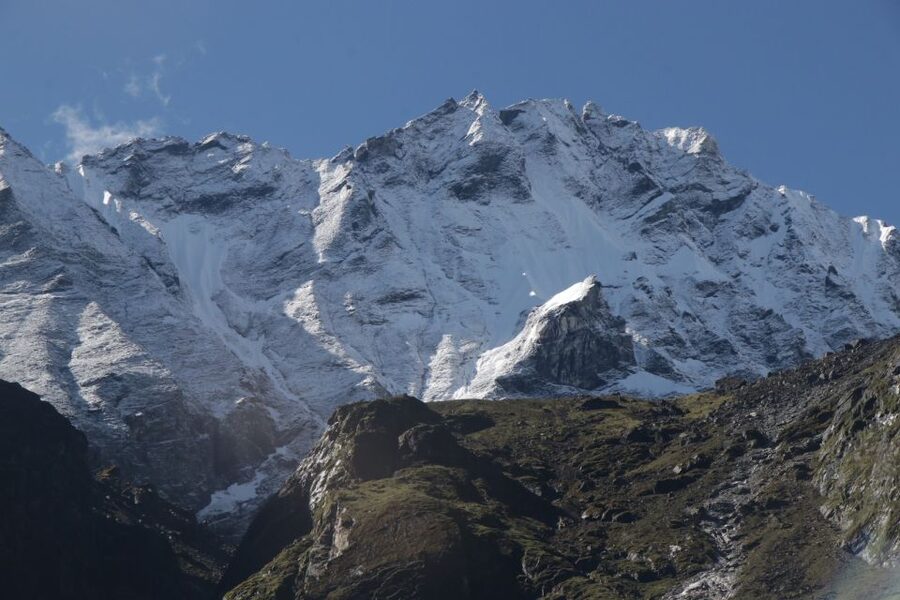
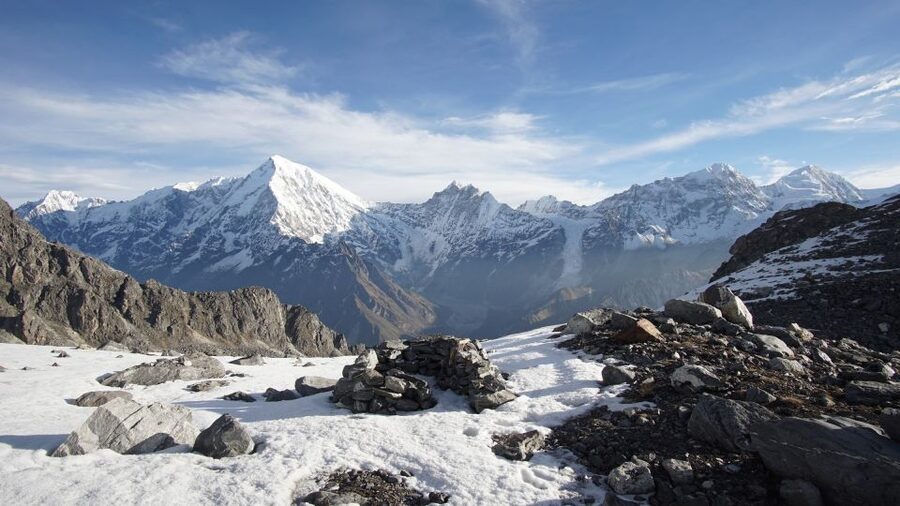
The Kyanjin Ri climb is the high point of the trip, both literally and emotionally. The summit is listed at 4,770 meters, and one account describes reaching about 4,700 meters with help from the guide.
This ascent is optional. That is important. You can enjoy Kyanjin Gompa and the valley without forcing yourself onto the peak. The climb is steep and hard for some people, so your decision should depend on your energy, weather, altitude symptoms, and guide’s advice.
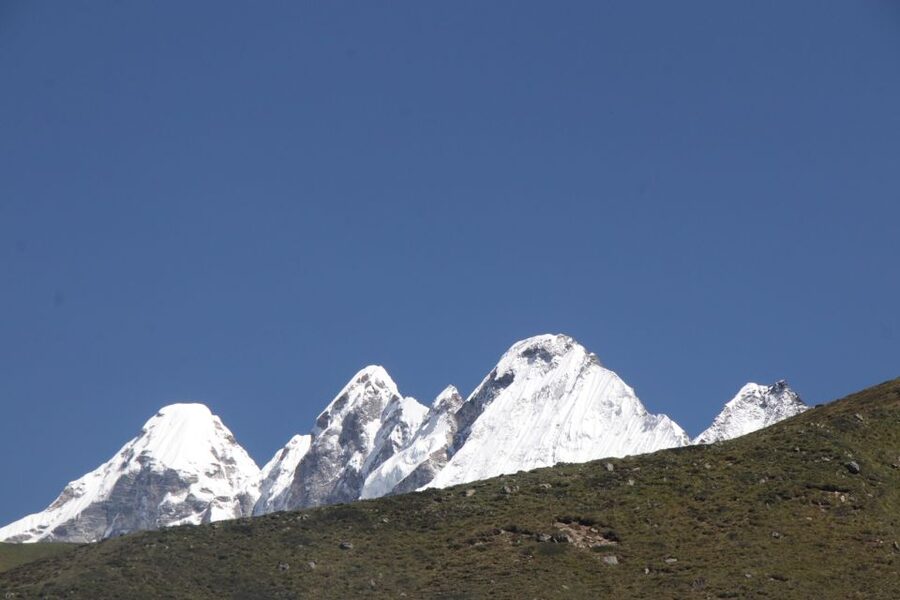
If you make the ascent, you can expect wide views of snowy peaks and the glacial valley. One hiker particularly enjoyed reaching the peak for sunrise, but you should confirm the timing with the guide because the schedule can vary.
After the climb, you retrace the route and continue toward Thangsyap, listed at about 3,200 meters. The day description contains a small inconsistency, since it refers to both the Kyanjin Gompa to Thangsyap route and a walk from Langtang Village to Kyanjin Ri. Confirm the exact overnight plan before you set out.
This is likely the toughest day. You may be walking uphill to Kyanjin Ri, descending, and then covering more trail toward Thangsyap. I would not treat the summit as a requirement. The best version of this day is one that leaves you tired but well enough to enjoy the rest of the trek.
Day 5: Thangsyap back to Syabrubesi
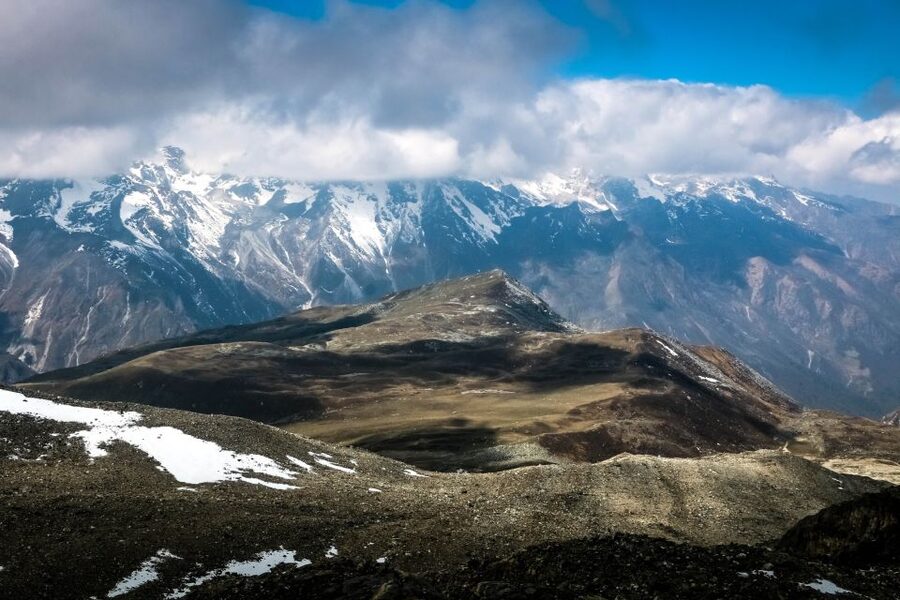
Day five is mainly a descent to Syabrubesi at about 1,550 meters. You retrace the trail beside the Langtang River and pass again through the mountain scenery that looked different on the way up.
Descending is easier on the lungs, but not always on the knees. Steep paths can be tiring, especially after the Kyanjin Ri climb. Good hiking shoes, trekking poles if you use them, and controlled steps will help.
You also have time to appreciate details that may have passed quickly on the ascent: waterfalls, forest, village homes, and changing views of the Langtang range. This is a useful reminder that the return route is not just dead mileage.
The night in Syabrubesi gives you a lower-altitude pause before the drive back. It also creates a little breathing room in a schedule that otherwise packs a lot into six days.
Day 6: The shared bus back to Kathmandu
The final day is a return drive from Syabrubesi to Kathmandu by shared bus. The ride can take much of the day, so keep your expectations realistic. This is transportation, not a final sightseeing tour.
Your guide and company arrange transport according to the number of people in the group. The experience is listed as a private group, but the road transport is described as shared. Ask how this works for your booking if having a completely private vehicle matters to you.
By the end, you have experienced forest, river valleys, Tamang communities, monasteries, high mountain lodges, and an optional summit above 4,700 meters. That is a strong amount of Himalayan scenery for six days, though the compressed schedule leaves little room for delays or extra rest.
Guides, porters, and the value of support
The guide is one of the strongest reasons to consider this trip. Mahesh Aryal was praised for regular check-ins and clear explanations. Niraj was credited with helping one hiker reach roughly 4,700 meters and supporting an extension to eight days. Bipin was noted for arranging food, explaining lodge routines, and answering questions about subjects ranging from yak keeping to Nepali sports.
Dipesh was especially appreciated for patience with first-time hikers. Ghanshyam gave a solo female hiker a strong sense of safety and care. These details point to a consistent pattern: the guide is not only there to lead the trail. The guide also manages timing, meals, lodge communication, questions, and morale.
A porter is not included in the base price. Porter service received positive mention from one hiker, and it can make a real difference on steep sections. If you are not used to carrying a large pack for six to eight hours, budget for one rather than waiting until your shoulders and knees complain.
What the $181 price includes
At $181 per person, the trip offers good value if you want a guided, organized trek without arranging each piece yourself. The price includes hotel pickup and drop-off, trekking permits, required paperwork, the Trekkers’ Information Management System fee, government tax, five nights of private accommodation, transport, and guide and staff costs.
For the full package, breakfast, lunch, and dinner are included during the trek. Confirm that your selected package is the full version, since the wording connects meals specifically to the Full Package option.
You still need to pay for drinks, bottled or boiled water, showers, laundry, battery charging, phone calls, bar bills, extra porters, travel insurance, rescue insurance, international flights, and the Nepalese visa fee. You also pay for any extra night in Kathmandu or Pokhara caused by an early arrival, late departure, or an early return outside the scheduled plan.
The price is especially useful for first-time trekkers who value simplicity. It is less attractive if you already have permits, transport, and a trusted guide arranged independently. The private-group format adds comfort, but the shared bus keeps the transport practical rather than luxurious.
Who should book this trek?
I would recommend it to an active first-time trekker, a couple wanting a cultural mountain trip, or a solo hiker who prefers guide support. The route offers a real Himalayan setting without requiring a long expedition.
You should be ready for steep trails, long walking days, cold nights, and a rapid gain in altitude. January can be especially cold, although comfortable lodging and dining-room fires may help. Warm clothing is not optional.
Bring your passport or ID, hiking shoes, jacket, gloves, hat, sunglasses, sunscreen, towel, flashlight, sleeping bag, and trekking gear. Travel insurance with rescue cover is not included, so arrange it yourself before leaving.
Pregnant women should not book this activity. Anyone with concerns about altitude, stamina, or a medical condition should get professional advice before committing.
The activity offers free cancellation up to 24 hours before departure and a reserve-now, pay-later option. Starting times depend on availability, and guiding is available in English, Hindi, and Nepali.
Should you book the six-day Langtang trek?
Book it if you want a compact and well-supported Himalayan trek with strong mountain scenery, Tamang culture, and the option to climb Kyanjin Ri. The guides appear to be the real strength, especially for first-time hikers and solo visitors who want regular support.
Think twice if you dislike long bus rides, steep walking, cold nights, or tightly packed schedules. I would also ask the company to clarify the Day 1 and Day 4 route wording before paying.
For fit hikers with limited time, the value is hard to ignore. You get a serious mountain experience, not just a short scenic walk, while keeping the price and planning workload fairly low.
FAQ
How long is the Langtang trek?
The experience lasts six days, including transport from Kathmandu to Syabrubesi and the return drive to Kathmandu.
How much does the trek cost?
The listed price is $181 per person.
Is food included?
Breakfast, lunch, and dinner are included during the trek with the Full Package option. Drinks and bottled or boiled water are not included.
Is a guide included?
Yes. An authorized English-speaking guide is included. Guides are also available in Hindi and Nepali.
Is a porter included?
No. Porter service costs extra.
What is the highest point on the trek?
The optional Kyanjin Ri climb reaches about 4,770 meters, or 15,649 feet.
Is this trek suitable for beginners?
It can suit first-time trekkers, but you should be prepared for steep trails and walking days that may last six to eight hours.
What happens if I do not want to climb Kyanjin Ri?
The Kyanjin Ri ascent is optional. You can skip the climb and continue with the planned trek, depending on the guide’s confirmed route and overnight arrangement.
Just added around Kathmandu
- Annapurna Base Camp Trek – 11 Days★ 5.0 · 30 reviews
- Annapurna Base Camp Trek 12 Days★ 5.0 · 18 reviews
- Annapurna Base Camp Trek 10 Days★ 5.0 · 35 reviews
- Annapurna Base Camp Trekking★ 5.0 · 38 reviews
- Adventurous Annapurna Base Camp Trekking★ 5.0 · 7 reviews
- Annapurna Base Camp Trek★ 5.0 · 80 reviews
- Annapurna Base Camp Private Short Trek★ 5.0 · 8 reviews
- Annapurna Base Camp Short trek★ 5.0 · 13 reviews
Kathmandu Hiking Tours, compared.
Nagarkot Sunrise View and Day Hiking from Kathmandu
Read our review →
Browse the lists this tour appears in