
REVIEW · JAPAN HIKING TOURS
Kamakura: Daibutsu Hiking Trail Tour with Local Guide
Kamakura rewards curious walkers. This private six-hour tour links the Great Buddha, forest paths, Zen temples, and the unusual Zeniarai Benten shrine, with a licensed local guide shaping the day around your interests. I like the private format, which lets you slow down, change plans, or adjust the hike for your group. I also like the chance to see Kamakura on foot rather than simply ticking off temples by train.
The main consideration is cost. At $154 per person, you are paying for a personal guide, not a bargain group outing, and entrance fees plus transportation are extra. The trail also calls for comfortable shoes and clothes, so this is not the right pick if you want a gentle, mostly vehicle-based sightseeing day.
Key points to know before booking
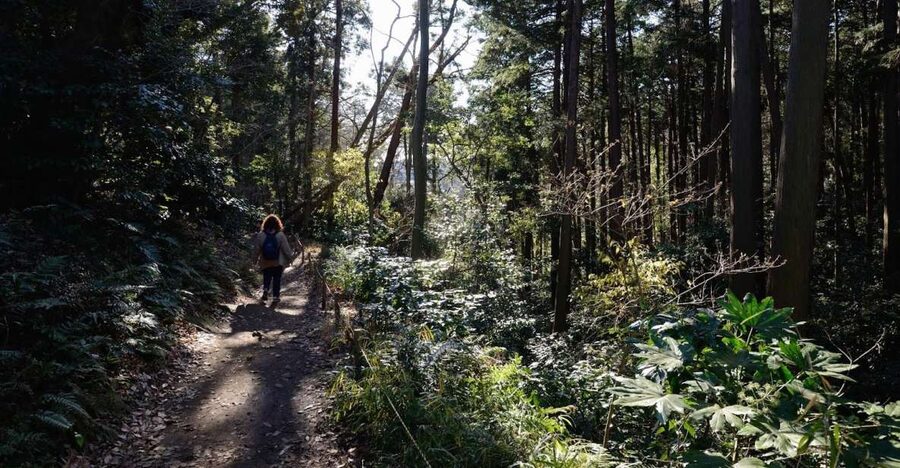
- The Daibutsu Trail covers about 3.7 miles, or 6 kilometers, between the Great Buddha and Jochi-ji Zen Temple.
- Your guide can shape the six-hour day around temples, Kamakura’s samurai past, local culture, and your preferred walking pace.
- The route can include Zeniarai Benten, where visitors wash money as part of a well-known shrine custom.
- Jufuku-ji, Engaku-ji, and Kencho-ji can be added, giving you a fuller look at Kamakura’s major Zen sites.
- The tour is private, with English or Japanese guiding and pickup on foot from a nearby accommodation or requested station.
- The guide quality matters greatly, and past bookings with Shinji, Seizo, and Andy received especially warm praise for communication, care, and flexibility.
Why this Kamakura walk feels different
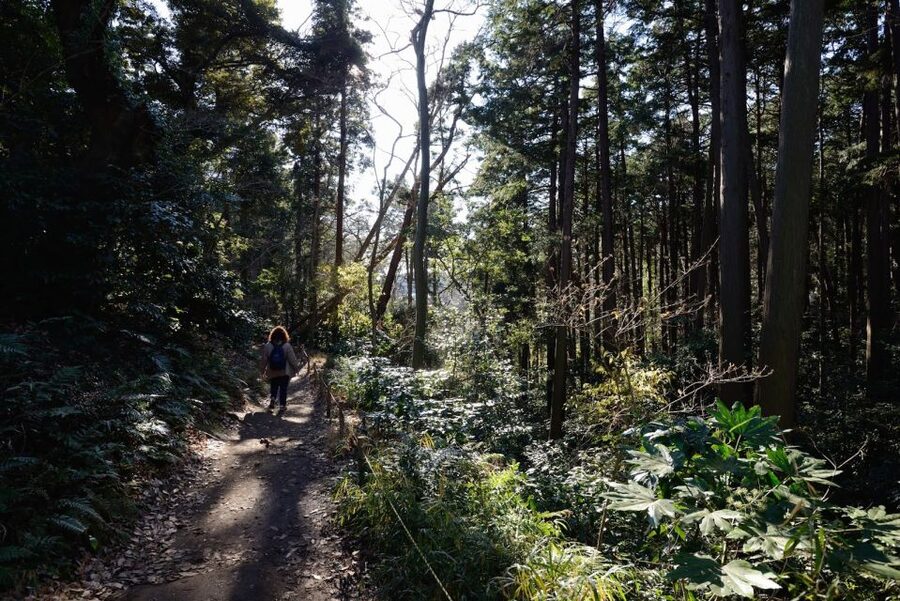
Kamakura is only about an hour from Tokyo, yet its pace feels far removed from the capital. This former samurai center has major temples and shrines, but the best way to connect them is often by foot, along wooded paths and quiet lanes rather than busy roads.
The Daibutsu Trail gives the day a clear backbone. It runs between the Great Buddha in the south and Jochi-ji in the north, passing through the hills that frame Kamakura. You are not signing up for a simple point-to-point walk with a fixed script. Your guide can add temple visits, alter the order, and decide how much time to spend at each stop.
That flexibility is valuable because six hours can feel short once entrance queues, photos, temple grounds, and transport are factored in. A good guide helps you avoid wasting time while still leaving room for the places that catch your attention.
The experience also suits mixed groups. A family, a couple, or a small group with different interests can request a plan that balances walking with cultural sights. One guide, Andy, handled a difficult day with care when a child in the group became unwell. The party had to finish early, but his patient attitude still made the outing memorable. That is the sort of personal attention a private tour can provide.
More Guided Tours around Japan:
- Hiroshima Local guided Hiking Tour&Open-air Tea Ceremony
★ 5.0 · 213 reviews - Hike Japan Heritage Hakone Hachiri with certified mountain guide
★ 5.0 · 46 reviews - Magome & Tsumago Nakasendo Trail Day Hike with Government-Licensed Guide
★ 5.0 · 38 reviews
Starting at your hotel or station
The day begins at your hotel, accommodation, or a train station you request. Pickup is on foot when your accommodation is within a reasonable distance. Your guide waits in the lobby or at the station ten minutes before the scheduled meeting time, then you set off together.
This arrangement keeps the beginning simple, but pay attention to the wording. The tour does not include a private vehicle, and you may need to use public transportation or taxis during the day. Those fares are not included in the $154 price.
Before the tour, the local partner’s team contacts you by email to confirm the details. The guide is not fully confirmed until that contact takes place. Most guides make contact within seven days, though the process can continue until 24 hours before the tour if availability is difficult.
That delay is worth knowing before you book flights or build a tight Kamakura schedule. The booking can be canceled without a fee if a guide cannot be secured, but you should not treat the reservation as final until the guide contacts you.
Tackling the 6-kilometer Daibutsu Trail
The main walk is about 6 kilometers, or 3.7 miles. It is a hill trail, not a flat stroll between stations, so shoes with a firm sole are a sensible choice. Comfortable clothing matters too, particularly if you visit during hot weather.
The trail connects two important points: the Great Buddha at the southern end and Jochi-ji Zen Temple toward the north. The route gives you a chance to move through Kamakura’s wooded hills while learning how the city developed around samurai power, Zen Buddhism, and religious pilgrimage.
Your guide can explain what you are seeing as you go. That makes a difference on a trail where the scenery alone may not tell you why a temple or shrine matters. You can ask questions as they arise rather than trying to absorb a long speech at the start of the morning.
Hot weather deserves special planning. Seizo adjusted the day carefully for a group walking in intense heat, making sure they could see what they wanted without becoming overheated. Ask your guide to set a sensible pace and allow enough time for water and rest. Food and drinks are not included, so plan to buy them separately.
The Great Buddha and Kamakura’s southern side
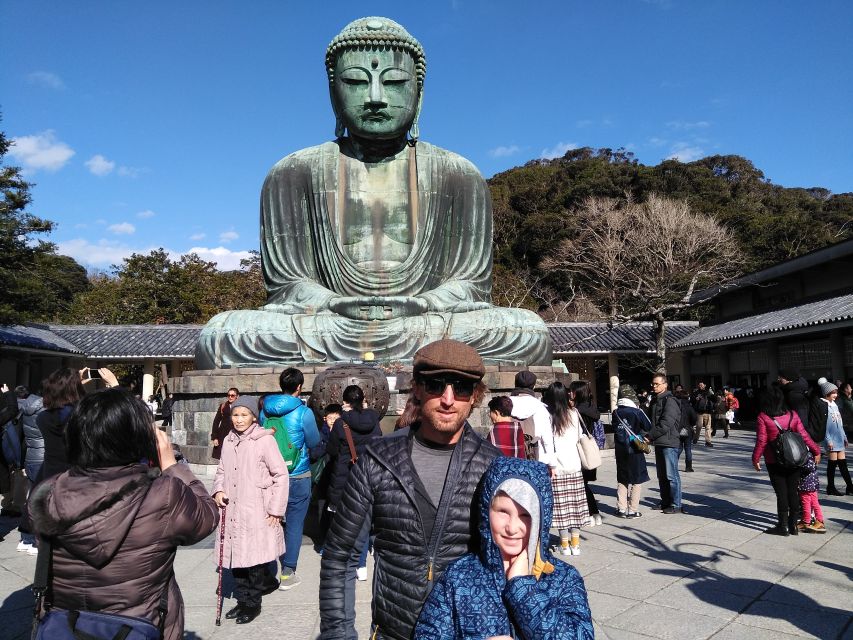
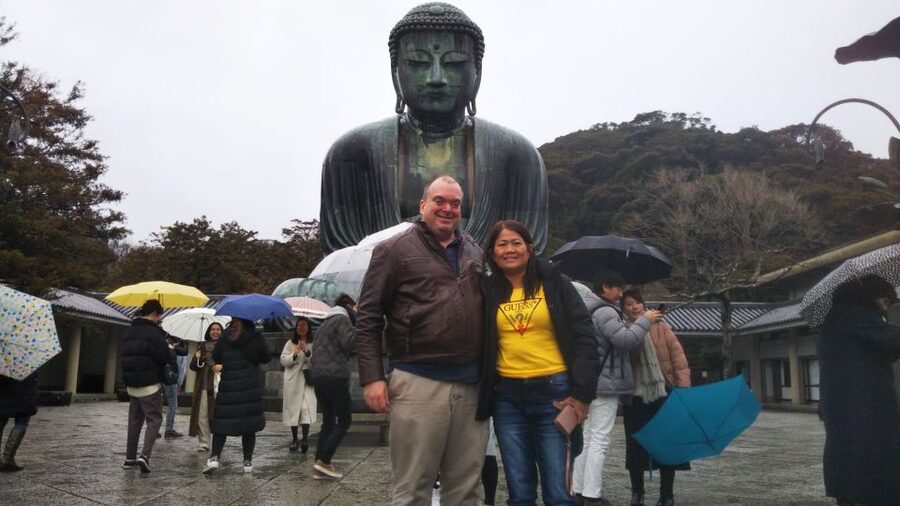
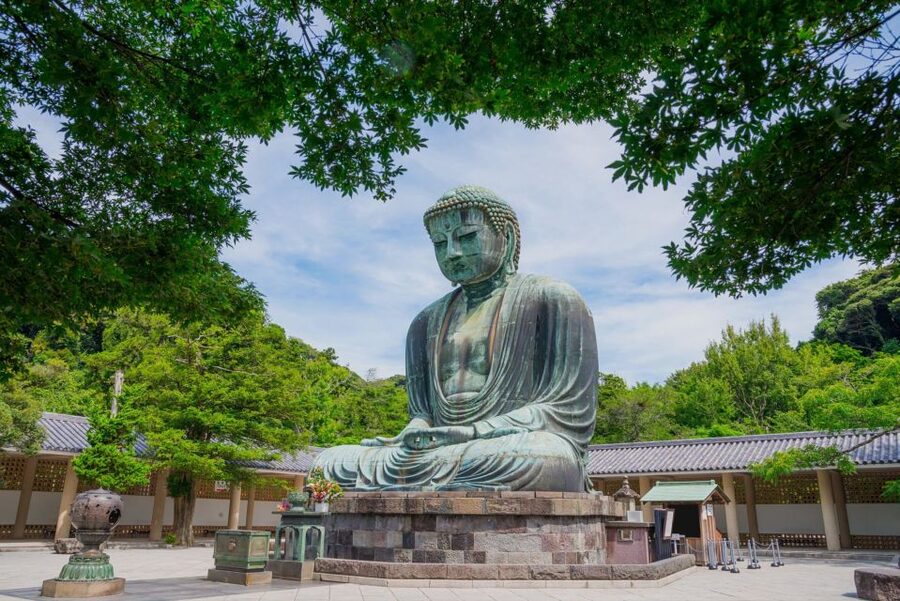
The Great Buddha, or Daibutsu, gives the route its name and serves as one of Kamakura’s defining sights. The tour can begin or end here, depending on the plan you make with your guide.
The value of visiting with a local guide is not simply getting to the statue. You can ask about its role in Kamakura’s religious setting, how it fits into the city’s story, and what else deserves your time nearby. The guide can also help you decide how long to spend here before taking to the trail.
Entrance fees are not included, so you pay separately at any sites that charge admission. The supplied details do not set out the individual fees, so budget extra for temple and attraction entries rather than assuming the tour price covers them.
The Great Buddha area can also be the point where you shift from sightseeing to walking. From here, the route moves toward the hills and the quieter sections of the Daibutsu Trail.
A few more hikes around Japan worth a look
- Fushimi Inari Hidden Hiking Tour (Private Option Available)
★ 5.0 · 1,750 reviews - Kyoto: 3-Hour Fushimi Inari Shrine Hidden Hiking Tour
★ 4.9 · 270 reviews - Hiking the Historic Nakasendo Trail [1 Day Tour from Nagoya]
★ 5.0 · 104 reviews - Hiroshima: Morning Hiking Tour with Open-air Tea Ceremony
★ 4.8 · 58 reviews
Zeniarai Benten and the money-washing custom
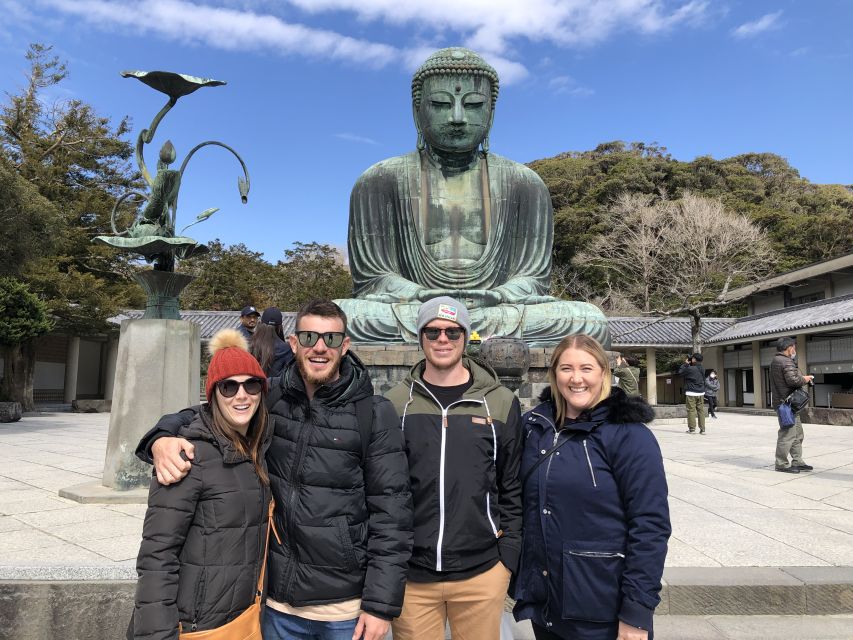
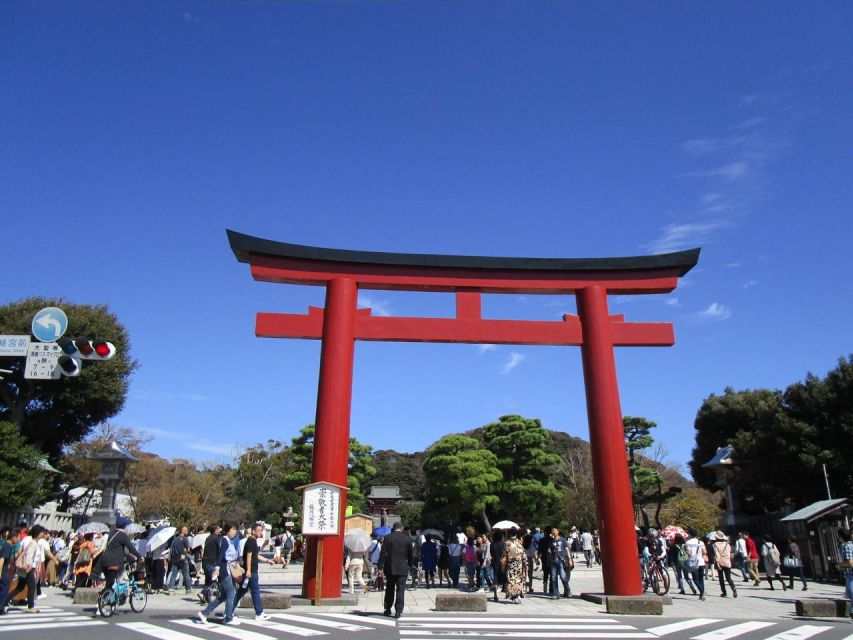
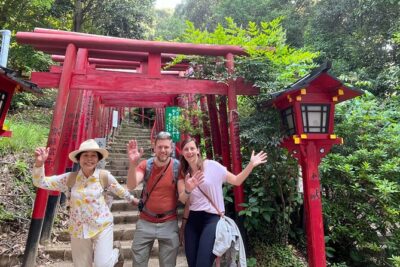
One of the most distinctive stops available along the route is Zeniarai Benten. This shrine is known for its money-washing custom, an unusual practice that gives the day a memorable cultural detail beyond the city’s major monuments.
You can branch off the Daibutsu Trail to visit the shrine. That option shows why the private format is useful: you do not have to choose between following the trail strictly and seeing one of Kamakura’s special religious sites.
Ask your guide to explain the custom and the shrine’s place in local culture. A short stop here can add texture to the walk, especially if you are interested in how everyday belief and ritual fit alongside grand temples.
After Zeniarai Benten, the route can continue toward Jufuku-ji. The detour does add time, so your guide may suggest trimming another stop if you want to keep the day relaxed.
Jufuku-ji, the first of Kamakura’s five important Zen temples
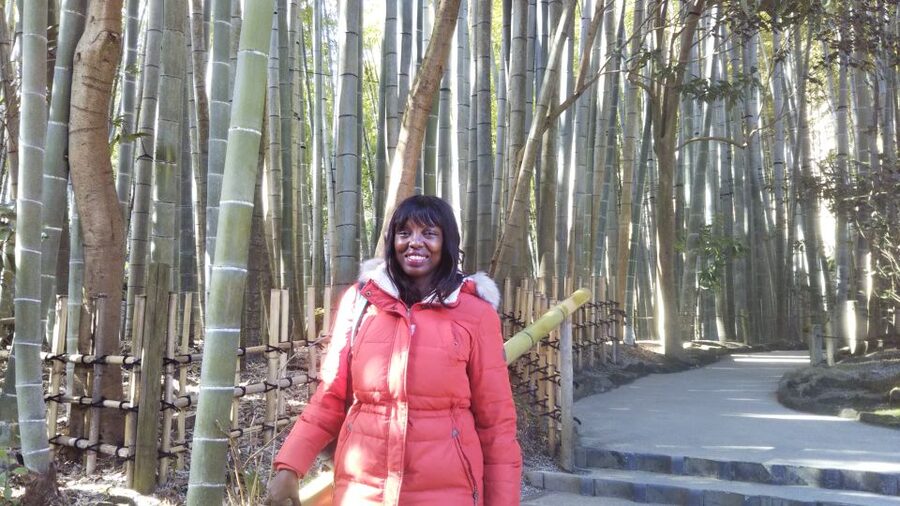
Jufuku-ji is described as the first of Kamakura’s five important Zen temples. That makes it a meaningful stop for anyone trying to understand the city’s religious importance, not just collect attractive buildings.
The five-temple tradition gives your guide a useful framework for explaining Kamakura. Instead of seeing each temple as an isolated attraction, you can learn how the sites relate to the city’s Zen heritage and political past.
The tour can also include Engaku-ji and Kencho-ji nearby. You may not have time to linger at every site for the same length of time, especially if you want to complete the trail comfortably. The guide’s role is to help you make those choices based on your interests.
If you care most about temples, tell the guide before the day begins. If you care more about walking and local customs, ask for a route that gives the trail and Zeniarai Benten more attention.
Engaku-ji and Kencho-ji: choosing how much temple time you want
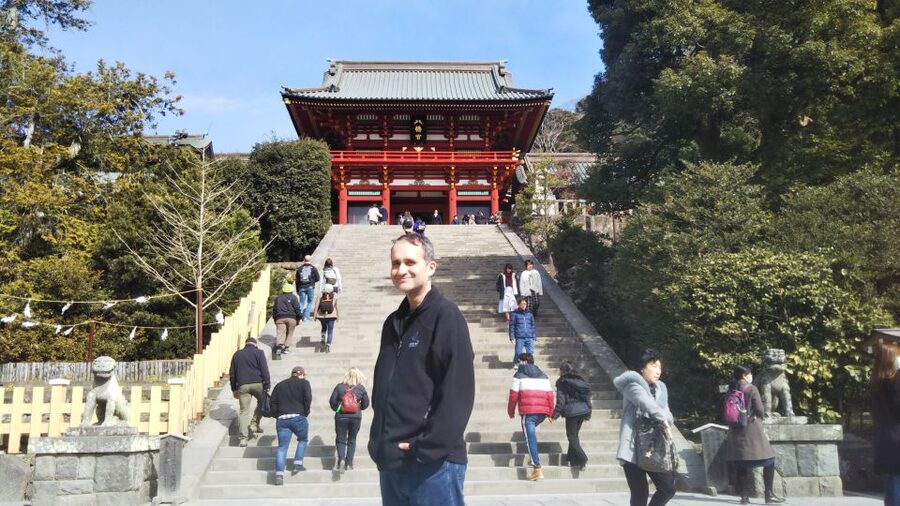
Engaku-ji and Kencho-ji are additional temple options near the Daibutsu Trail. Including both creates a fuller temple-focused day, but it may leave less time for a leisurely walk or other parts of Kamakura.
This is where the six-hour limit matters. The tour is long enough for a substantial outing, but it is not an unlimited day. Entrance visits, walking time, station transfers, and meal stops all take a portion of your schedule.
I would tell the guide your top two priorities at the start. That might be the Great Buddha and the trail, or it could be the five important Zen temples. A private guide can then build the day around those priorities instead of forcing you through every available stop.
Kencho-ji can also serve as a starting point for a longer walk on the Tennen Trail. That extension ends near the fifth and last of the five temples, but it should be treated as an optional addition. If you want to attempt it, make sure your group is comfortable with extra walking and ask how it will affect the rest of the schedule.
What the guide adds to the experience
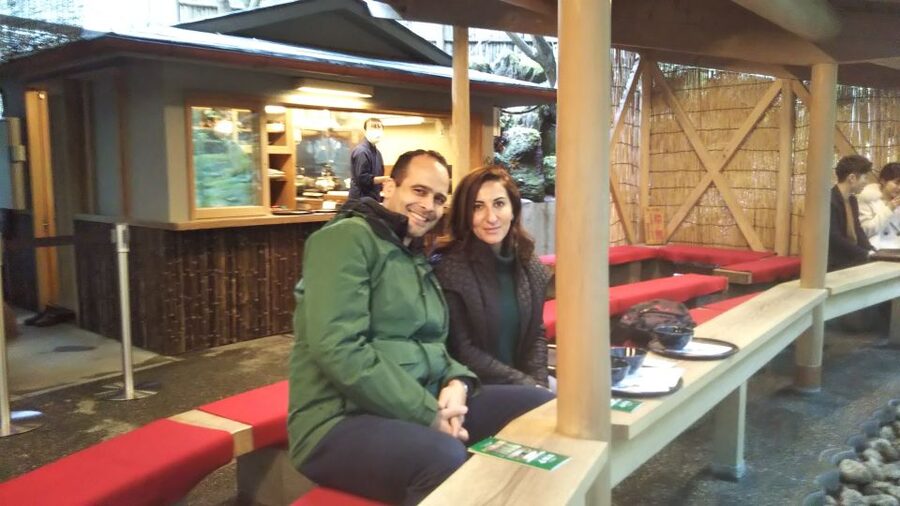
The guide is the heart of this tour. The activity includes a nationally licensed local guide in English or Japanese, and the strongest praise has focused on communication, professionalism, care, and the ability to adjust plans.
Shinji received high marks for clear communication and professional help. That matters before the tour even begins, since meeting points and route choices need to be settled in advance.
Seizo adapted the day during very hot weather. If you visit in summer or simply dislike rushing, make your pace clear early. A private guide can change the order or reduce the walking pressure in a way a fixed group tour usually cannot.
Andy made a strong impression through his communication before the meeting and his patient handling of a child’s illness during the day. The outing ended early, but he still helped the family have a worthwhile experience. That is a useful reminder that personal service becomes most valuable when plans go wrong.
No guide can control the weather, your energy, or unexpected illness. What you are paying for is the ability to respond sensibly when those problems arise.
Is $154 per person a fair price?
At $154 per person, this is a premium half-day experience. You are not paying for transport, food, drinks, or entrance fees, so the final cost will be higher than the advertised amount.
Still, the price can make sense if you value a private guide and want a day built around your own interests. A couple or small family may prefer this to a large group tour with fixed stops and a fixed pace. You also gain a local point of view and help with Kamakura’s many route choices.
The value is weaker if you mainly want to see the Great Buddha and take a short walk. In that case, you could need less guidance and may prefer to explore independently.
I see the strongest value for first-time visitors who want context, travelers with limited time in Kamakura, and families that need flexibility. The tour is also useful if you want to combine the Daibutsu Trail with temples that are not as easy to organize on your own.
Who should book this tour?
You should consider it if you enjoy walking, want a private experience, and prefer conversation over a recorded commentary. It is especially suitable for people interested in samurai-era Kamakura, Zen temples, local customs, and the practical details of moving between sights.
You should think twice if your group has limited mobility, dislikes hills, or expects all costs to be included. The information provided does not describe accessibility arrangements, so ask the local partner before booking if that is important for your group.
Bring comfortable shoes and clothes. You may also want to carry water, since drinks are not included and hot conditions can affect the pace.
The tour is offered as a private group experience, with English or Japanese guiding. Free cancellation is available up to 24 hours before the start, and you can reserve now and pay later, which helps if your Tokyo plans are still changing.
FAQ
How long does the Kamakura Daibutsu hiking tour last?
The tour lasts six hours. Starting times vary, so you need to check availability when booking.
How long is the Daibutsu Trail?
The Daibutsu Trail is about 3.7 miles, or 6 kilometers, between the Great Buddha and Jochi-ji Zen Temple.
Is the tour private?
Yes. This is a private group tour with a licensed local guide.
Can the itinerary be customized?
Yes. You can request specific sights, interests, a preferred start time, and a meeting location. The guide customizes the six-hour plan.
Which languages are available?
The tour is available with a live guide speaking English or Japanese.
Are transportation, food, and entrance fees included?
No. Food, drinks, entrance fees, and public or private transportation used during the tour are paid separately.
Where does pickup take place?
The guide can meet you at your accommodation on foot if it is within a reasonable distance, or at a train station you request. The guide waits in the hotel lobby or at the station ten minutes before pickup.
Should you book the Daibutsu Trail tour?
Book it if you want Kamakura explained as you walk, not simply photographed between train stops. The combination of the 6-kilometer trail, the Great Buddha, Zeniarai Benten, and major Zen temples gives you a strong overview, while the private format lets you protect your group’s energy and interests.
I would book this for a first visit, a family group, or anyone who values a flexible guide more than a low price. I would skip it if you want a cheap independent outing or if a hilly walk sounds tiring. The cost is not small, but for the right group, the personal planning and human attention can make Kamakura much easier to understand and enjoy.
Just added around Japan
- Mt. Inunaki Trekking and Goma Prayer Experience in Osaka★ 5.0 · 8 reviews
- 3.5hours Primeval Forest Snowshoe hike and Wildlife Watching Tour★ 5.0 · 14 reviews
- 3hours Primeval Forest and Stunning Views of Cliff Trekking Tour★ 5.0 · 20 reviews
- 3 hours Snowshoe hike to “Furepe fall” and Wildlife Watching★ 5.0 · 9 reviews
- Traverse Outer Rim of Hakone Caldera and Enjoy Onsen Hiking Tour★ 5.0 · 30 reviews
- Hike Japan Heritage Hakone Hachiri (Half Day)★ 5.0 · 18 reviews
- Hike Hakone Hachiri★ 5.0 · 48 reviews
- Magome & Tsumago Nakasendo Trail Day Hike with Government-Licensed Guide★ 5.0 · 38 reviews
Japan Hiking Tours, compared.
Fushimi Inari Hidden Hiking Tour (Private Option Available)
Read our review →
Hiroshima Local guided Hiking Tour&Open-air Tea Ceremony
Read our review →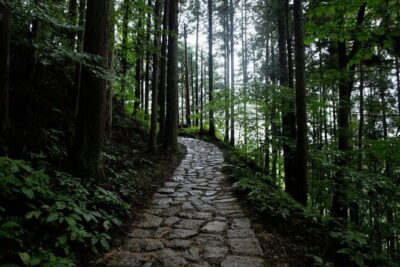
Hiking the Historic Nakasendo Trail [1 Day Tour from Nagoya]
Read our review →
Hiroshima: Morning Hiking Tour with Open-air Tea Ceremony
Read our review →
Full Day Hiking Tour at Mt.Takao including Hot Spring
Read our review →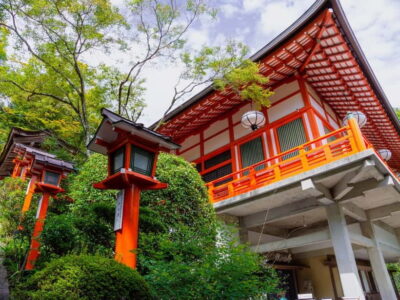
Browse the lists this tour appears in