
REVIEW · MOUNTAIN & SUMMIT HIKES
5-Day Northern Ethiopia Tour : 3D Simien Mountains Trek & Axum.
Ancient stones meet high mountain trails. This five-day private tour pairs Axum’s major archaeological and religious sites with a three-day trek through the Simien Mountains, creating a strong introduction to northern Ethiopia. I like the small-group format and the flexibility to adjust parts of the walk to your interests. I also like that park fees, hiking expenses, meals during the trek, and transport between the mountain towns are included.
The main caution is that this is not a soft holiday. You need moderate fitness, several long walking days, and patience with a demanding travel schedule. The first two days do not include meals or accommodation, and the overnight mountain arrangements may feel basic. One useful warning from past experience is that the nights can be cold, and the supplied sleeping bag may not always be warm enough.
What makes this tour worth considering
- Axum’s major sights in one focused day: See the stelae, royal tombs, the Church of Our Lady Mary of Zion, King Ezana’s inscription, and the Queen of Sheba sites.
- A genuine three-day mountain trek: Walk from Sankaber to Geech, then Geech to Chenek, with time at viewpoints such as Imet Gogo.
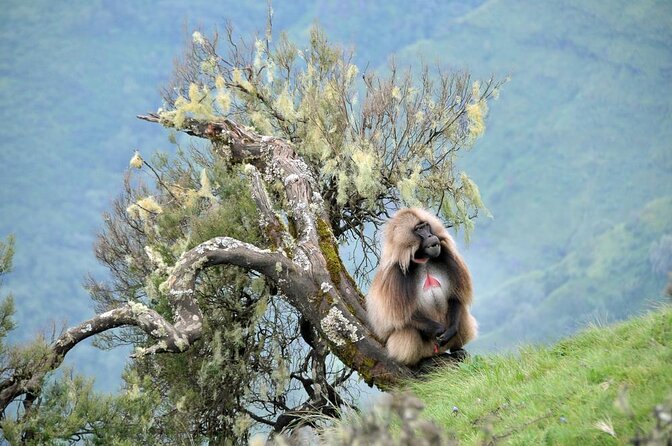
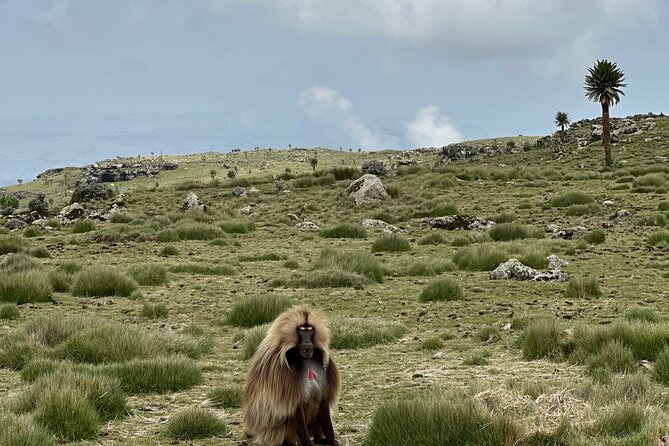
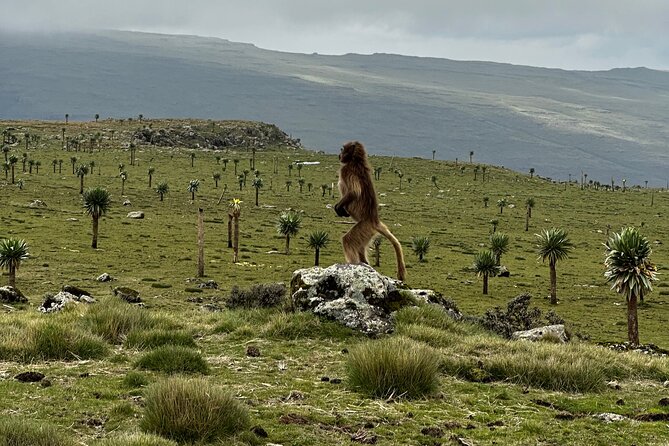
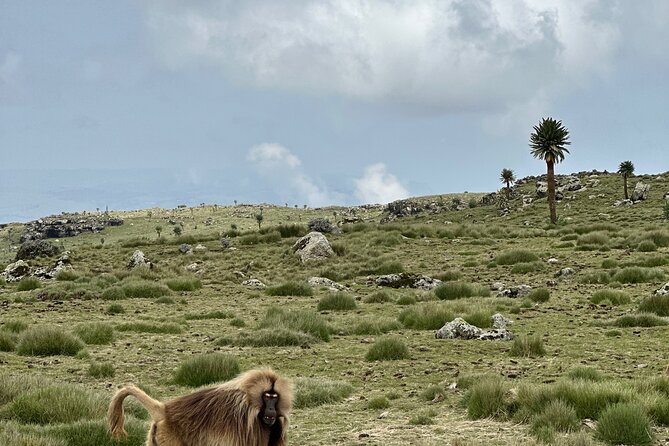
- Gelada baboon sightings are possible: The route near Sankaber offers a chance to see this Ethiopian endemic close to the escarpment.
- Private travel with a small team: Only your group participates, and the operator says it can adapt the experience to your interests.
- Meals and trekking costs are covered: Three breakfasts, three lunches, two dinners, and the hiking expenses are included.
- A strong guiding reputation: Arre and Solomon are praised for organization, care, safety, and their understanding of northern Ethiopia.
Axum in one day, from royal tombs to sacred ground
Your first day is packed, but it gives you a useful sweep of Axum’s ancient and religious identity. The stops are close enough in spirit, if not always in walking distance, to create a clear story: royal power, early Christianity, inscriptions, and enduring local tradition.
More Mountain and Summit Hikes in the world:
- Berber villages : Atlas Mountains Day Hike from Marrakech
★ 5.0 · 14,007 reviews - Bali: Sunrise Mount Batur Guided Hike with Breakfast
★ 4.8 · 9,660 reviews - Bali: Mount Batur Sunrise Guided Hike and Natural Hot Spring
★ 4.8 · 9,284 reviews
Northern Stelae Park
Begin at Northern Stelae Park, where the famous obelisks rise from the ground like enormous stone pages. You will also see tombs with false doors, a mausoleum, and the archaeological museum. Allow about an hour and a half, with admission included.
This is the place where Axum’s scale becomes easy to grasp. The stelae were not simply decorative monuments. They marked an important royal and cultural center, and their size gives you a sense of the engineering skill involved. The museum helps put the stones into context, especially if you have not read much about Axum before arriving.
I would give this stop your full attention rather than treating it as a quick photo break. Look at the carved details on the stones and take time inside the museum. The visit is not a long lecture, but a guide can help you connect the monuments with the other royal sites later in the day.
Queen of Sheba Palace
The remains identified as the Queen of Sheba’s palace receive about 40 minutes. What you see is a ruined palace site, not a restored royal residence, so keep your expectations in check.
Its value comes from the setting and the long-standing tradition connected with the Queen of Sheba. You will need to use your imagination here. The remains are more evocative than visually grand, and the short visit keeps the pace moving.
Church of Our Lady Mary of Zion
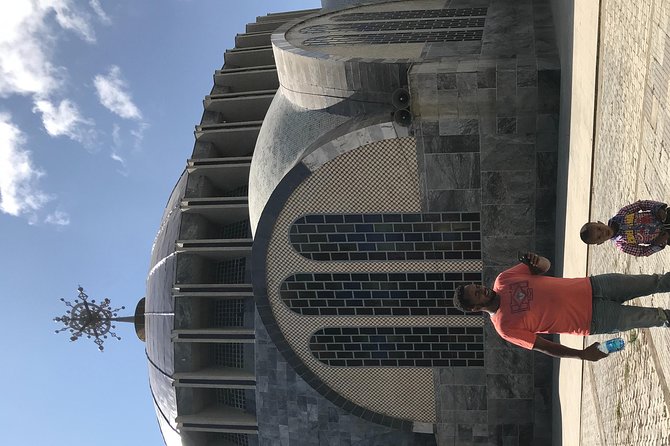
The old Orthodox church receives about an hour and is one of the day’s most important cultural stops. It is associated with the Ark of the Covenant, making it a deeply significant place for Ethiopian Orthodox Christians.
Approach this visit with respect. This is an active religious setting, not merely an archaeological attraction. The distinction matters because the meaning of the church extends beyond its age or architecture. Your guide can help explain its place in Ethiopian religious life, while the visit itself gives you a chance to see how faith and national identity meet in Axum.
More Five-Day Trips around the world:
- Annapurna base camp trek 5 Days
★ 5.0 · 252 reviews - Machu Picchu: 5-Day Salkantay Trek with Panoramic Train
★ 5.0 · 79 reviews - Ausangate Trek 5 Days
★ 5.0 · 74 reviews - Kathmandu/Pokhara: 5-Day Annapurna Base Camp (ABC) Trek
★ 4.9 · 72 reviews
King Ezana’s Inscription
King Ezana’s inscription is a brief 20-minute stop, but it has an unusual appeal. The message records a military victory and appears in three languages: Ge’ez, Sabaean, and Greek.
That combination gives the stone unusual importance. You are looking at evidence of communication across cultures and at an early record of political power. Even if you cannot read the scripts, the guide can point out how the same message was presented to different language communities.
Tombs of Kings Kaleb and Gebre Meskal
The tombs of King Kaleb and his son Gebre Meskal date from the fourth century and receive about 40 minutes. These royal burial sites add a more personal dimension to the monuments seen earlier.
The tombs are stark and underground, with a very different feel from the open stelae park. Wear practical shoes, since uneven stone surfaces can make short visits less comfortable. This is another stop where a guide adds real value by explaining who the two kings were and why their burial places matter.
Queen of Sheba’s Bath
The final Axum stop is the pool associated with the Queen of Sheba. You will spend about 20 minutes here.
It is a simple site, and the connection is based on local tradition, so this is best viewed as part of Axum’s living historical story rather than a perfectly proven royal relic. I like that the day includes places with different levels of archaeological certainty. That gives you a more honest picture of how history, memory, and belief work together.
Day two is mainly a transfer through Shire
The second day is described as passing through Shire, one of Ethiopia’s fastest-growing cities. There is no detailed sightseeing program listed for this day, so you should think of it mainly as a travel day between Axum and the Simien Mountains.
This is important when deciding if five days is enough. You get a good introduction to both areas, but not five full days of sightseeing and trekking. Long road transfers can be tiring, and the first two days do not include meals or accommodation. Confirm exactly where you will sleep and how meals will work before departure.
The flexible private format may help here. The operator says it works with small groups and can respond to your interests. If you want more time at a particular Axum site, or need a slower rhythm before the trek, raise that before the tour begins rather than assuming the schedule will change on the road.
Sankaber opens the three-day Simien trek
On day three, you travel from Debark toward Sankaber, stopping to handle park fees and related arrangements. The listed activity lasts about five hours. If you prefer more walking, you may be dropped near Buyit Ras for a three to four-hour hike toward Sankaber.
That optional walking section passes near the escarpment edge. As you approach Sankaber, you can expect broad views on both sides of the ridge, and you may see gelada baboons. These monkeys are one of the area’s special features, so keep your eyes open and listen to your guide’s advice about viewing them respectfully.
At Sankaber, you meet the team and supplies for the trek. The arrangement gives you a clear start point, but the day can feel long because it combines driving, park formalities, and hiking. A moderate fitness level is required, and you should be ready for uneven ground and changing weather.
The mountain scenery is the main reward. The escarpment creates dramatic drops and wide views, but it also means that weather and exposure matter. Bring warm layers even if Axum feels hot. The cold is not just a theoretical concern: one account described a good trek that became less comfortable because the sleeping bag was not warm enough.
Sankaber to Geech brings waterfalls and open ridges
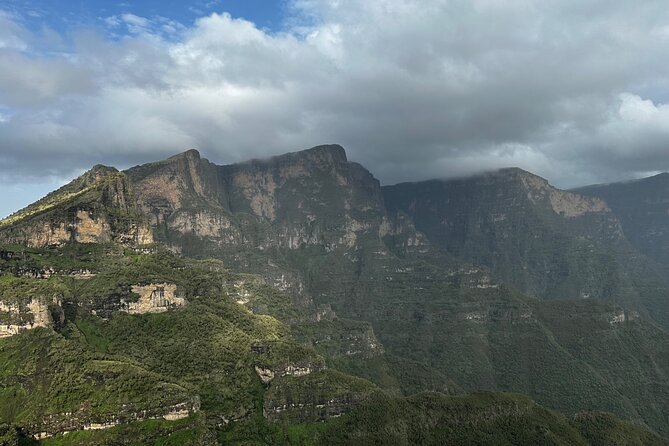
Day four follows the trail from Sankaber to Geech and takes about five hours. The route descends into a valley crossed by the Wazla, also called the Koba River. The river is often dry, which gives you a reminder that this is a high, rugged environment rather than a landscaped park.
The route continues toward the Jinbar River waterfalls, which drop into the Geech Abyss. This is one of the most memorable sections because the trail combines a river crossing, high escarpment views, and a large waterfall setting.
You then cross the Jinbar River and climb toward the village of Geech. The walking is not described as technical, but the distance and elevation changes make good footwear and steady pacing important. The private format helps because your group does not need to match the speed of strangers. If you need a pause, discuss it with your guide.
This day also shows why the tour is best for people who want scenery rather than a polished resort experience. The route takes you through villages, valleys, and open mountain country. The reward is direct contact with the terrain, but comfort is limited compared with a hotel-based holiday.
Geech to Chenek reaches Imet Gogo at 3,926 meters
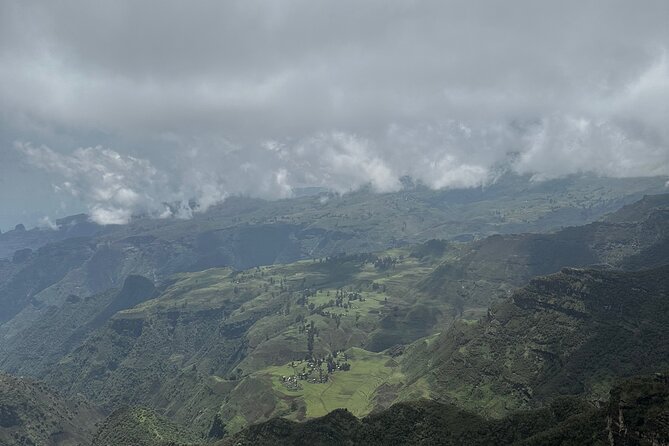
The final trekking day is the biggest. After an early breakfast, you walk from Geech toward Chenek, reaching Imet Gogo at 3,926 meters. The total day is listed at about eight hours, including the drive back to Gondar later in the afternoon.
Imet Gogo is one of the tour’s high points in every sense. From the summit, you get broad views over the lowlands and the escarpment. The mountain scenery here is not a quick roadside glimpse. You earn it with a long morning on foot, and that makes the viewpoint feel more satisfying.
Continuing toward Chenek, you pass Korbete Metia, a solid rock wall that opens to more views over the lowlands and escarpment. The route gives you a final chance to see the mountains from a different angle before leaving for Gondar.
The eight-hour timing deserves serious attention. You need to feel comfortable with a full day that combines an early start, high-altitude walking, and a later road transfer. The tour is a poor fit if you want leisurely mornings or short scenic walks. It is a good fit if you value a concentrated mountain experience and accept a demanding final day.
What the price includes, and what it leaves out
At $471.80 per person, the price is appealing for a private five-day combination of Axum sightseeing and a three-day trek. The value is strongest if you want one company to coordinate the guide team, mountain supplies, park costs, meals during the trek, and the transfer to Gondar.
Included meals are three breakfasts, three lunches, and two dinners. The hiking expenses needed for the mountain section are also included, as are admission costs listed for the sightseeing and park visits.
The gaps matter. Meals and accommodation for the first two days are not included. That can change the real cost considerably, especially if you need two hotel nights and several restaurant meals in Axum or along the transfer route.
I would ask for a written breakdown before booking. Confirm the first two nights, the exact meal plan, the sleeping arrangements in the mountains, and what transport is included on day two. The tour’s flexibility is useful, but clear questions prevent expensive surprises.
Guides, group size, and the human side of the trip
The experience is private, and only your group participates. That is a real advantage on a trek. You can discuss walking speed, interests, and stops without being tied to a large bus group.
Arre is repeatedly praised for organizing northern Ethiopia trips, selecting suitable accommodation, and staying in contact during the journey. Solomon is also praised for guiding across Ethiopia and explaining history, culture, and the current situation in a clear way. The strongest theme is not entertainment. It is care, planning, and a feeling of safety on the trail.
The company also receives praise for attentive staff and safety officers during the walk. At the same time, you should remember that service quality can depend on the specific guide and mountain crew assigned to your departure. Ask who will lead your group and what equipment is provided, especially for cold nights.
Who should book this five-day route?
I would choose this tour if you want to combine Axum’s major historic sites with a serious mountain walk and do not want to arrange separate guides, park access, supplies, and transfers yourself.
It suits people with moderate fitness who are comfortable with five-hour trekking days and an eight-hour final day. It also works well for couples, families with suitably fit older children, or friends who value a private schedule.
I would hesitate if you need guaranteed hotel comfort every night, dislike long road transfers, or want detailed sightseeing on day two. I would also think twice if cold mountain camping or basic sleeping arrangements will spoil the trip for you.
Pack warm clothing, solid walking shoes, and a plan for the uncovered first two days. Ask about the sleeping bag before you go. The cancellation terms are strict close to departure: you need to cancel at least three full days before the start time for a full refund.
Should you book it?
Book this tour if the combination is your priority: Axum’s stelae and churches, then three days of high mountain walking with a private team. The route gives you major highlights without requiring you to build the trip yourself.
Do not book it on price alone. Add the first two days of accommodation and meals, confirm the mountain sleeping setup, and make sure the long final day fits your fitness level. With those details settled, the tour offers strong value and a memorable introduction to northern Ethiopia.
FAQ
How long does the tour last?
The experience lasts approximately five days.
Where does the tour take place?
It begins in Axum and includes sightseeing in Axum, travel through Shire, trekking in Simien Mountains National Park, and a final drive to Gondar.
Is the tour private?
Yes. Only your group participates in the activity.
What fitness level is required?
A moderate physical fitness level is recommended.
How many days are spent trekking in the Simien Mountains?
The mountain portion is a three-day trek, covering Sankaber to Geech and Geech to Chenek.
Are meals included?
Three breakfasts, three lunches, and two dinners are included. Meals during the first two days are not included.
Is accommodation included?
Accommodation and meals for the first two days are not included. The supplied information does not specify all accommodation arrangements for the mountain section, so confirm those details before booking.
What animals might I see?
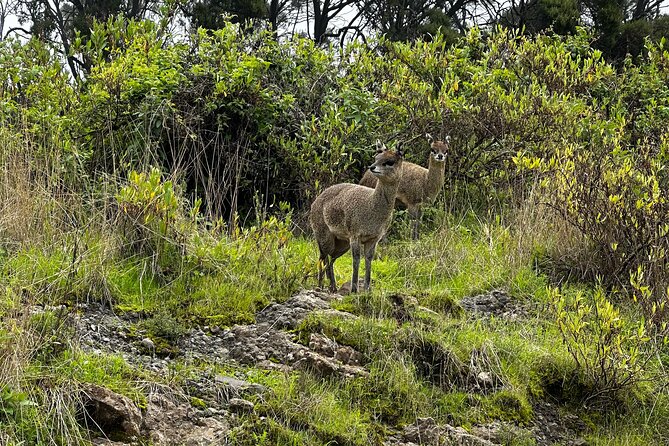
Gelada baboons may be seen near Sankaber.
Is pickup available?
Yes, pickup is offered.
What is the cancellation policy?
You can receive a full refund if you cancel at least three full days before the experience start time. Cancellations or changes made less than three full days before the start are not accepted for a refund.
Just added around the world
- Annapurna Base Camp Trek – 11 Days★ 5.0 · 30 reviews
- Annapurna Base Camp Trek 12 Days★ 5.0 · 18 reviews
- Annapurna Base Camp Trek 10 Days★ 5.0 · 35 reviews
- Annapurna Base Camp Trekking★ 5.0 · 38 reviews
- Adventurous Annapurna Base Camp Trekking★ 5.0 · 7 reviews
- Annapurna Base Camp Trek★ 5.0 · 80 reviews
- Annapurna Base Camp Private Short Trek★ 5.0 · 8 reviews
- Annapurna Base Camp Short trek★ 5.0 · 13 reviews
Mountain & Summit Hikes, compared.
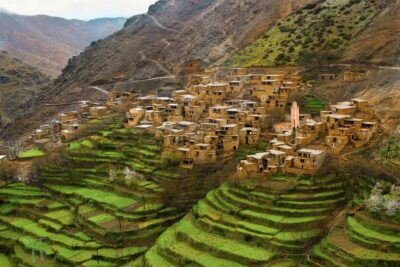
Berber villages : Atlas Mountains Day Hike from Marrakech
Read our review →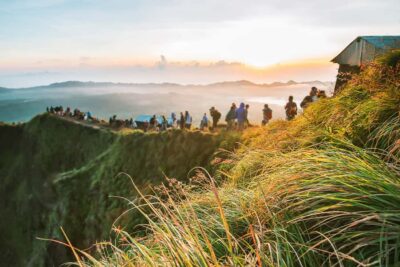
Sunrise Mount Batur Guided Hike with Breakfast
Read our review →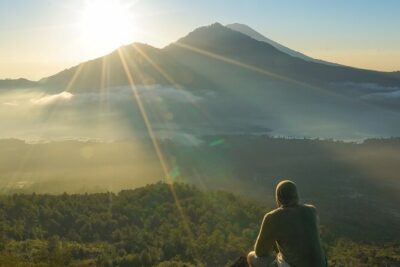
Mount Batur Sunrise Guided Hike and Natural Hot Spring
Read our review →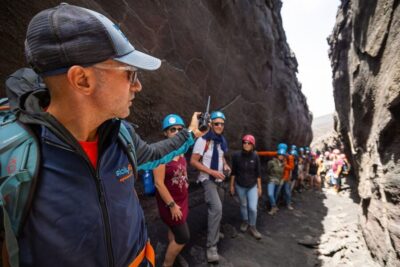
Bovilla Lake & Gamti Mountain Hiking Day Trip
Read our review →

Mount Batur Sunrise Trek With Guide and Breakfast
Read our review →Browse the lists this tour appears in