

REVIEW · VIETNAM HIKING TOURS
From Hanoi: 2-Day Trekking To Villages In Sapa with Homestay
Sapa is best seen on foot. This two-day trip takes you from Hanoi into the Muong Hoa Valley, with terraced fields, village paths, and an overnight stay in Ta Van. I especially like the combination of a 12-kilometer valley trek and a homestay with a local family, since you get more than a quick stop for photos. You also meet Black Hmong, Dzay, and Red Dzao communities in one compact trip.
The price is another strong point. At $84 per person, the package includes bus transport from Hanoi, a guide, one night’s homestay, three meals, admission fees, and mineral water. The main caution is physical effort: this is a proper hike on small trails, not a gentle village stroll. You also need to arrange your own hotel pickup in Hanoi and pay a $30 single supplement if you travel alone.
Key Points At a Glance
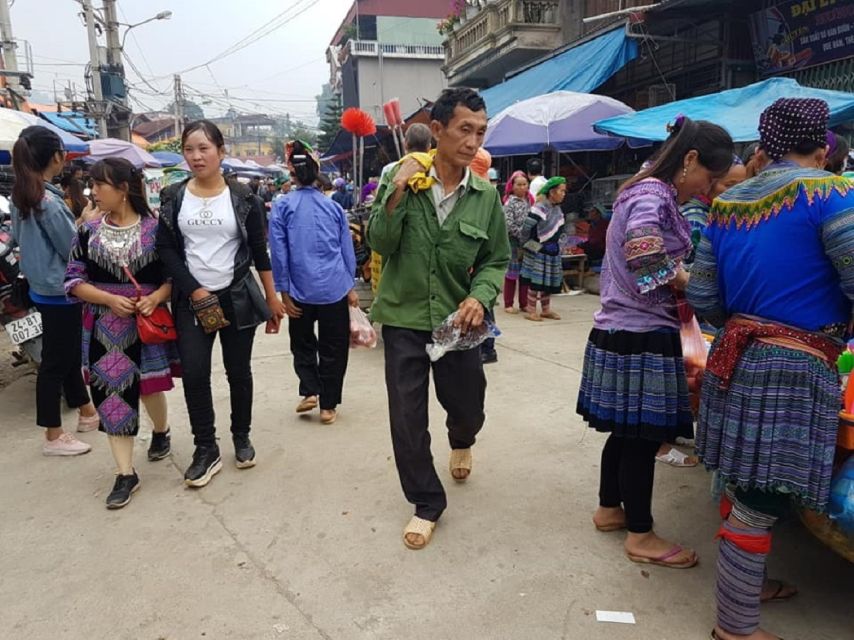
- A 12-kilometer first-day hike: Walk from Sapa through the Muong Hoa Valley to Lao Chai and Ta Van.
- Three minority communities: See the way of life of the Black Hmong, Dzay, and Red Dzao people.
- A night in Ta Van: Sleep in a local family’s cottage rather than returning to a standard hotel.
- A waterfall finish: The second-day route to Dzang Ta Chai includes a scenic waterfall and picnic lunch.
- Useful Hanoi transport: Return bus service and meals are included, though Hanoi hotel pickup is not.
- Small-group format: The group is limited to 16 people, with an English-speaking guide.
Why This Sapa Trip Works Well in Two Days

Sapa sits in northern Vietnam, where steep valleys and rice terraces make walking the natural way to see the area. A short visit from Hanoi can easily become a long sequence of bus rides and roadside stops. This trip gives you enough time to leave the town behind and spend a night in the countryside.
I like the simple shape of the itinerary. Day one carries you from Hanoi to Sapa, then down into the valley. Day two takes you to Dzang Ta Chai before returning you to Hanoi. You do not need to plan separate transport, meals, village entrances, or a second night in Sapa.
The group size also helps. With up to 16 people, the guide can generally keep the group together on narrow paths better than on a large coach excursion. Still, 16 is not a private walk. If you want a quiet, flexible trek with long photo stops, this may feel organized rather than independent.
The experience has a rating of 4.1 out of 5 based on seven reviews. The clearest praise is for the organization and the beauty of the setting. That matches the main appeal here: the trip packs a lot into two days without asking you to arrange the difficult pieces yourself.
More Homestay and Village Treks in Vietnam:
- Hanoi – Sapa 2 Days 1 Night Overnight At Homestay
★ 5.0 · 899 reviews - From Hanoi: 2-Day Sapa Trekking Trip with Homestay & Meals
★ 4.8 · 704 reviews - Number one top rated ethical cultural trekking and homestay by ETHOS
★ 5.0 · 456 reviews
From Hanoi to Sapa by Morning Bus
The trip begins with a morning bus from Hanoi. You arrive in Sapa around lunchtime, then have time to freshen up in your room before eating lunch at the hotel. This pause matters. After a long ride, you can put on hiking shoes, organize your day pack, and avoid starting the walk tired and disorganized.
Hanoi hotel pickup is not included, so you need to get to the designated departure point or arrange your own way to the bus. The package does include the transfer to Sapa and the return journey to Hanoi, which removes much of the transport planning.
You should carry only what you need for the trek. Oversize luggage and large bags are not allowed on the activity. Pack light clothing, a rain-ready layer if needed, personal medicine, sunscreen, insect repellent, water, and a phone with a full charge. Cash is also listed as important, so do not assume every small purchase will take a card.
Walking Through Lao Chai and the Muong Hoa Valley
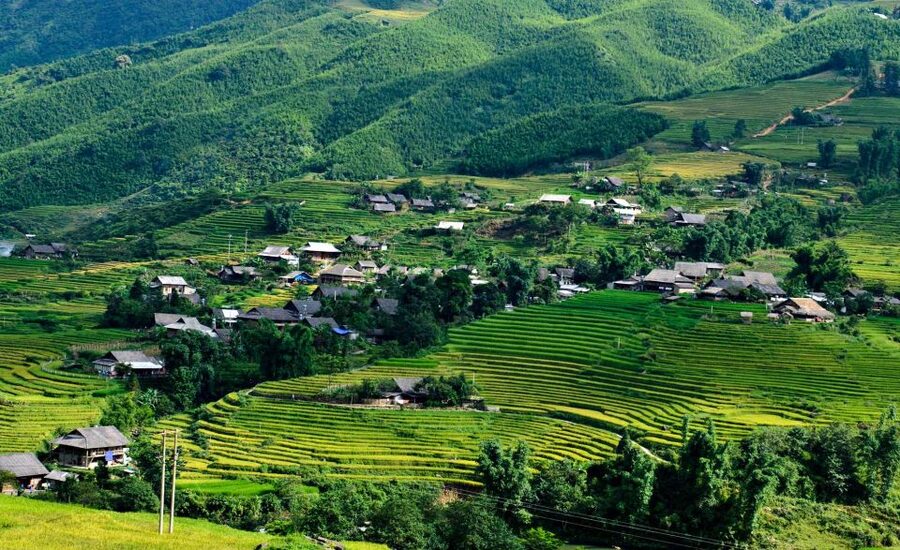
After lunch, the walking portion begins on small trails through the Muong Hoa Valley. The route heads toward Lao Chai, a village associated with the Black Hmong community. The main visual reward is the series of rice terraces cut into the hillsides.
The first day covers about 12 kilometers, continuing along the valley floor toward Ta Van. That distance is manageable for a fit walker, but the trail conditions and hills make it more demanding than a flat city walk. Comfortable shoes are essential. Trekking gear is recommended, and you should expect uneven paths rather than paved sidewalks.
This is where the trip earns its price. You are not simply driven to a viewpoint, given ten minutes, and loaded back onto a bus. You spend hours moving through the valley, with time to notice the fields, homes, village paths, and changing views. The route also gives you a better sense of how communities are connected across the valley.
The drawback is that weather can affect the walking experience. The activity requires a good level of physical fitness, and the itinerary does not promise an easy alternative route. If you have limited mobility, are pregnant, or use a wheelchair, this trip is not suitable. Children under six are also not accepted.
Ta Van Homestay and the Dzay Community
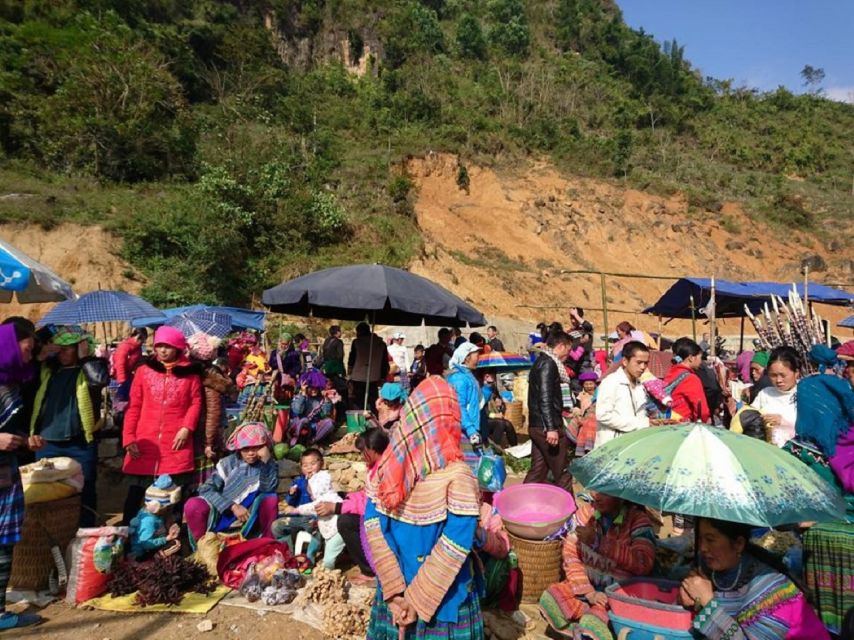
You reach Ta Van in the late afternoon, where you stay in a local family’s cottage. This is the heart of the trip. A homestay gives you a night in the village instead of sending you back to a hotel in Sapa after the day’s walk.
The accommodation is simple by design. You should expect a local cottage and shared village surroundings, not a polished resort. The value comes from location and contact with daily life. You get to see how the Dzay community lives, eat local food, and wake up in the countryside.
Dinner is included at a local restaurant, along with the night’s homestay. Breakfast the next morning and two lunches are also provided. Drinks beyond the included mineral water are not covered, so bring cash for anything extra.
You should also remember the indoor rule: shoes are not allowed inside. Pack socks that are comfortable and clean enough for indoor use. A scarf can be useful for sun, dust, or changing weather, and the recommended hat and sunglasses will help during exposed parts of the walk.
More Two-Day Trips around Vietnam:
- 2-Day Sa Pa Ethnic Homestay Tour & Trek with Limousine Bus
★ 4.8 · 440 reviews - From Hanoi: 2-Day Sapa Trek Tour – Luxury Limousine Transfer
★ 4.1 · 249 reviews - Hanoi – Sapa 2 Days 1 Night Overnight At Local Homestay
★ 5.0 · 233 reviews - EXPLORE SAPA: 2D1N TREKKING & HMONG CULTURE WITH DINH
★ 4.9 · 191 reviews
Early Morning Village Time in Ta Van
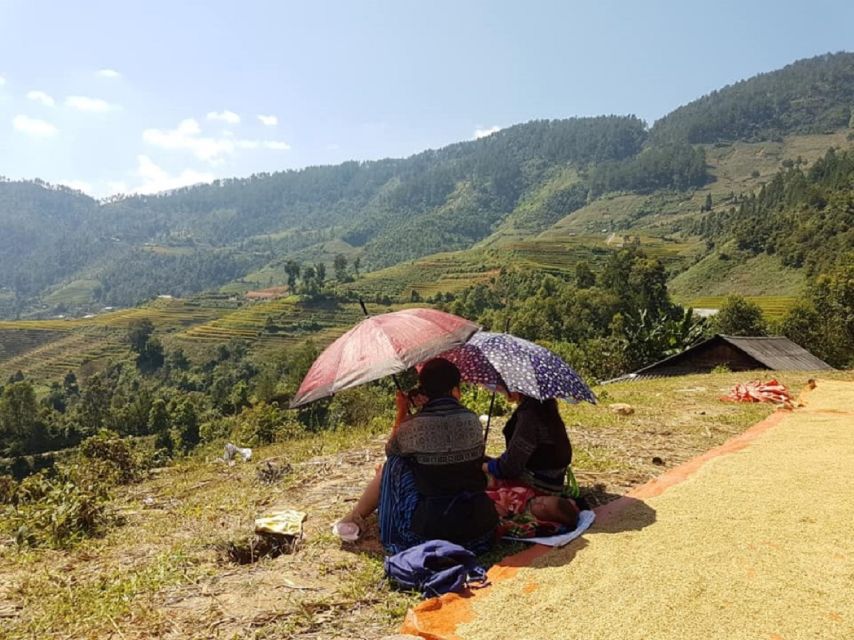
Day two starts with a 6:30 AM wake-up call. That is early, but it gives you time to enjoy the village before breakfast and the next hike. The schedule has a practical rhythm: wake up, look around, eat, prepare your gear, and set off.
The morning village time is one of the quieter parts of the experience. The day before is built around a long walk and arrival at the homestay. The second morning lets you notice the place before the group moves on.
You should keep your expectations realistic. The itinerary promises time to experience village life, but it does not specify a formal craft lesson, household activity, or cultural performance. The strength of the stop is simply staying there and sharing the setting with a local host.
That makes respectful behavior important. Dress sensibly, ask before taking close-up photographs, and follow the guide’s advice around the cottage. Your camera is worth bringing, but it should not become the main reason you enter someone’s home.
Dzang Ta Chai and the Red Dzao Way of Life
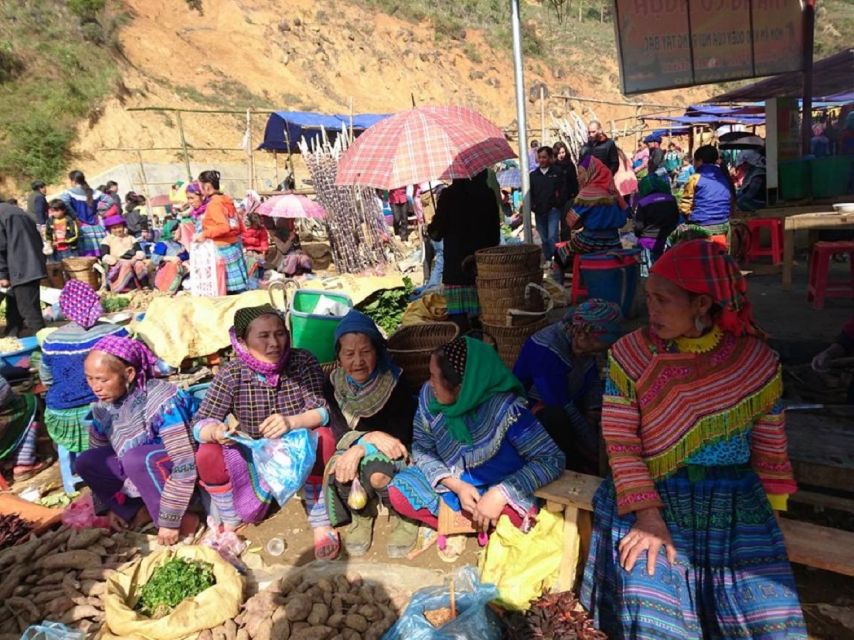
After breakfast, the trek heads to Dzang Ta Chai, home of the Red Dzao community. This offers a useful contrast with the previous day’s visits to Black Hmong and Dzay villages. You see different local traditions and ways of life within the same Sapa region.
The route continues through the countryside to a picturesque waterfall. This is the planned rest point, with a picnic lunch after the walk. The waterfall gives the second day a clear goal and a natural place to pause before the return transfer.
The Red Dzao section is valuable because it adds cultural variety rather than repeating the same village visit. You are not spending both days on one identical trail. At the same time, the details of the community visit depend on the guide, the route, and local conditions. The supplied information does not promise a specific ceremony, workshop, or individual host.
The second day is still a trek. You should not treat the waterfall as a short roadside stop. Bring shoes with a secure grip, keep your personal medication close, and use the mineral water provided. Sun protection and insect repellent are sensible additions.
Returning to Sapa and Hanoi
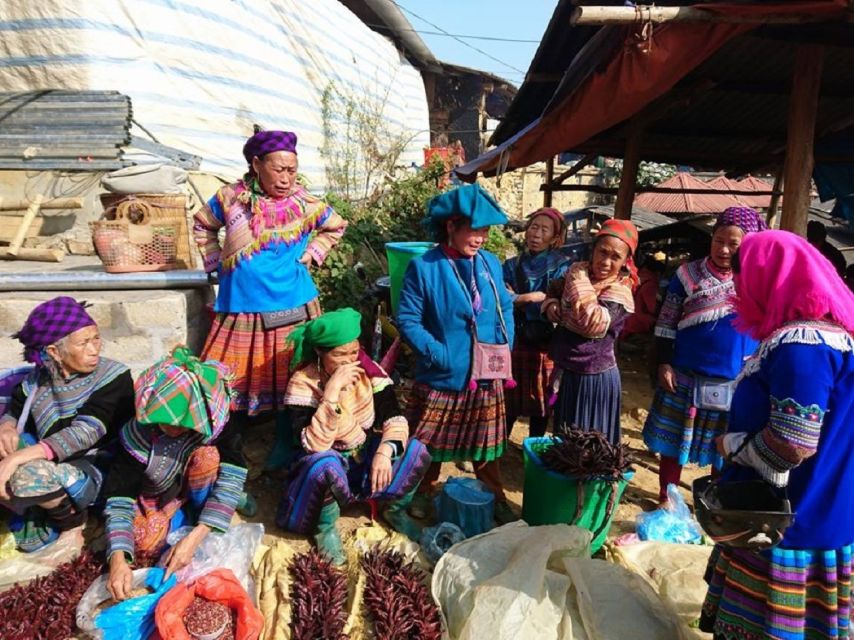
After lunch, you return by bus to Sapa. The schedule includes free time in your hotel room to freshen up before the transfer back to Hanoi. This is another thoughtful feature. You can change out of hiking clothes, repack, and clean up before sitting on the long bus ride.
The return to Hanoi is included, but the exact arrival time is not provided. You should avoid booking a tight evening commitment or an onward connection that depends on perfect timing. A two-day road trip through northern Vietnam can be tiring, and the bus schedule may not suit a rigid plan.
The transport is most valuable for visitors who want to see Sapa without arranging several separate tickets. You pay once for the main transport, guide, accommodation, meals, and entrance fees. That makes budgeting easier, especially compared with building the same trip from separate Hanoi to Sapa transport and local arrangements.
Is $84 Good Value?
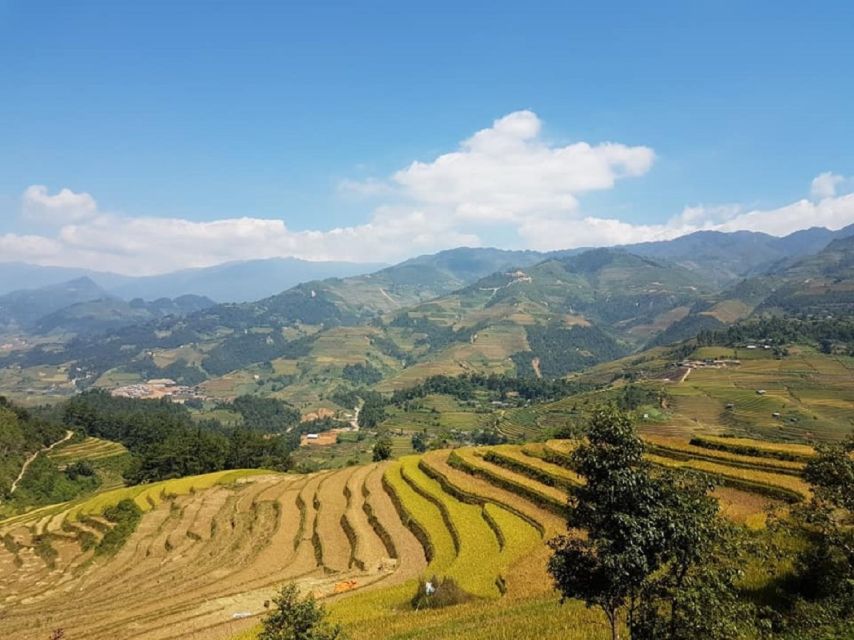
At $84 per person, the trip offers solid value for a two-day outing. You receive:
- Bus transport from Hanoi to Sapa and back
- A local guide who speaks English
- One night in a village homestay
- One breakfast
- Two lunches
- One dinner at a local restaurant
- Admission fees
- Mineral water
The price is especially reasonable if you are comfortable with group travel and do not want to organize a homestay yourself. The included meals also reduce the need to search for food during the trek.
There are extra costs to remember. Drinks and meals not listed are excluded. Hanoi hotel pickup and drop-off are also not included. Solo travelers pay a $30 single supplement, which makes the total noticeably higher for one person.
The real question is not simply the price. It is how much planning you want to do. If you already know how to reach Sapa, book a homestay, find a guide, and arrange village transfers, you may prefer a more independent plan. If you want one organized package with a compact schedule, $84 is a fair deal.
What to Pack for the Trek

Wear comfortable shoes with good grip. The route covers small trails and a total of about 12 kilometers on the first day, followed by another hike on the second day.
Bring the following:
- Passport or ID card
- Comfortable shoes and trekking gear
- Sunglasses and a sun hat
- Insect repellent
- Scarf
- Personal medication
- Camera and charged smartphone
- Cash
- Light personal luggage
Do not bring an oversize suitcase or large bag. You should also avoid packing for a full hotel stay, since the activity is built around a village cottage and bus travel.
A light day pack is the sensible choice. Keep valuables, medicine, identification, phone, and cash with you rather than in larger luggage. The provided mineral water helps, but you should still be prepared for a full day outside.
Who Should Book This Experience?
I would recommend this trip to fit walkers who want a first taste of Sapa’s villages without spending a week in the region. It suits you if you value scenery, local food, village accommodation, and a guide who handles the route.
It is also a good match for visitors based in Hanoi who have only two days. The bus connection saves you from arranging separate transport, and the itinerary brings together three communities, two hiking areas, a homestay, and a waterfall.
You should think twice if you dislike early starts, basic accommodation, group schedules, or long bus rides. The physical requirement is not a minor footnote. This trip is not suitable for children under six, pregnant women, wheelchair users, or anyone who cannot comfortably manage a demanding rural walk.
Should You Book the Sapa Village Trek?
Book it if you want a practical, good-value introduction to Sapa with real walking and one night in a local cottage. The strongest features are the 12-kilometer route through Muong Hoa Valley, the chance to see Black Hmong, Dzay, and Red Dzao communities, and the fact that transport and meals are already arranged.
Skip it if you want a private tour, a luxury hotel, or a relaxed schedule with little physical effort. Before booking, confirm the meeting point for the Hanoi bus, pack light, and leave room in your schedule for an unhurried return. For an organized two-day trip, the positive impression is easy to understand: the setting is beautiful, the plan is well arranged, and the experience reaches beyond Sapa town.
FAQ
How long is the Sapa trekking experience?
The experience lasts two days. The first day includes about 12 kilometers of hiking from the Muong Hoa Valley toward Lao Chai and Ta Van, followed by a second-day trek to Dzang Ta Chai.
Is transportation from Hanoi included?
Return bus transportation between Hanoi and Sapa is included. Hotel pickup and drop-off from Hanoi are not included, so you need to arrange your own way to the departure point.
Where do I sleep overnight?
You spend one night in a local family’s cottage in Ta Van. The accommodation is a homestay rather than a standard hotel.
Which communities do I visit?
The route includes the Black Hmong village of Lao Chai, the Dzay village of Ta Van, and Dzang Ta Chai, home of the Red Dzao community.
What meals are included?
The package includes one breakfast, two lunches, and one dinner at a local restaurant. Drinks and meals not specifically listed are not included.
Is the trek suitable for everyone?
No. The activity requires a good level of physical fitness and is not suitable for children under six, pregnant women, or wheelchair users. Comfortable shoes and trekking gear are recommended.
Just added around Vietnam
- From Hanoi: Hoa Lu, Hang Mua Hike, Tam Coc Boat, and Lunch★ 4.4 · 28 reviews
- From Hanoi: Trek and Stay: 3-Day Sapa Highlands Adventure★ 4.6 · 152 reviews
- Hanoi: Sapa Trekking 2 Days 1 Night – Sleeper Bus from Hanoi★ 4.6 · 18 reviews
- From Hanoi: Ninh Binh Boat Ride, Mua Cave Hike, Temple Visit★ 4.7 · 146 reviews
- From Hanoi: 2-Days Sapa Trekking Tour Lao Chai and Cat Cat★ 4.3 · 7 reviews
- From Hanoi: 3-Day Sapa Trekking with Limousine Transfer★ 4.3 · 30 reviews
- From Hanoi: 2-Day Luxury Sapa Trekking Tour with Homestay★ 4.4 · 49 reviews
- From Hanoi: 1-day Sapa Trekking Tour With Overnight Bus★ 4.2 · 32 reviews
Vietnam Hiking Tours, compared.


Halong Bay Full Day with Kayaking, Hiking viewpoint, Cave – Deluxe To Luxury
Read our review →
Sa Pa: Muong Hoa Valley Trek and Local Ethnic Villages
Read our review →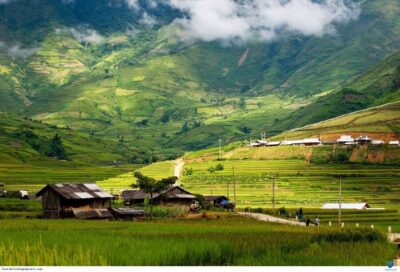

Sapa 3 Days 2 Nights Trekking Tour (1 Night In Ta Van Village, 1 Night In Hotel)
Read our review →
Eco Adventure Terrace Fields and Local Villages Trek
Read our review →
3-Day Trekking Adventure of Sapa from Hanoi – Stay Ta Van Village
Read our review →
From Ho Chi Minh City: Can Gio Mangrove & Monkey Island Trek
Read our review →Browse the lists this tour appears in