
REVIEW · HANOI HIKING TOURS
Hanoi – Sapa 2 Days 1 Night Overnight At Local Homestay
The mountains begin before the trek. This Hanoi to Sapa tour packs a long bus ride, two days of walking, village visits, meals, and a night in a traditional H’Mong stilt house into a busy but rewarding trip. I especially like the route through Y Linh Ho and Lao Chai, where terraced fields fill the Muong Hoa valley, and the small maximum group size of 10 people. I also like that the price includes transportation, meals, entrance fees, a local English-speaking guide, and a private homestay room.
The main drawback is the tight schedule. You leave Hanoi around 6:15 or 6:30 in the morning, reach Sapa after lunch, and then begin trekking soon after. The return journey is also long, with the sleeper bus reaching Hanoi around 10:00 or 10:30 p.m. Communication about bus pickup and room arrangements can require patience, so read the meeting instructions carefully.
Four things to know before you book
- You sleep in Ta Van Village: The overnight stay is in a private room at a traditional H’Mong stilt-house homestay, with modern comforts.
- The trek follows the Muong Hoa valley: Y Linh Ho, Lao Chai, Ta Van, Giang Ta Chai, and Su Pan all bring different village settings and views.
- The group is capped at 10 people: This is a useful size for walking on narrow trails and asking your local guide questions.
- The VIP cabin bus does not collect directly from hotels: A small transfer car takes you from your Hanoi Old Quarter hotel to the larger bus.
- The walking pace is relaxed: The route is active, but the planned pace is not designed as a hard mountain hike.
- Drinks cost extra: Breakfast, dinner, and two lunches are included, but beverages with meals are not.
What the $95 price really covers
At $95 per person, this is a strong value if you want Sapa arranged for you rather than pieced together on your own. The fee covers the round-trip VIP cabin bus, local transfers in Sapa, a local English-speaking guide, entrance fees, breakfast, dinner, two lunches, a private homestay room, and a cooking class.
That list matters because Sapa trips can collect costs quickly. You would otherwise need to arrange transport from Hanoi, a Sapa hotel or homestay, village access, meals, and a guide. Here, the main extra is drinks during meals. The tour is described as fully inclusive, but you should still budget for beverages.
The price also buys convenience, not spare time. Two days is enough for a taste of the Muong Hoa valley, but not enough for a slow stay in the mountains. You spend much of the first and last day on the road. I would view this as an efficient introduction to Sapa, not a restful mountain holiday.
The 4.9 rating from 233 reviews and 99 percent recommendation figure suggest that the basic package works well for most people. The strongest praise focuses on the scenery, organization, and guide-led walking. Still, the lower-rated experience points to a real issue: bus communication and expectations about hotel drop-off need to be clear.
More Homestay and Village Treks in Hanoi:
- Hanoi – Sapa 2 Days 1 Night Overnight At Homestay
★ 5.0 · 899 reviews - From Hanoi: 2-Day Sapa Trekking Trip with Homestay & Meals
★ 4.8 · 704 reviews - 2-Day Sa Pa Ethnic Homestay Tour & Trek with Limousine Bus
★ 4.8 · 440 reviews
Leaving Hanoi on the VIP cabin bus
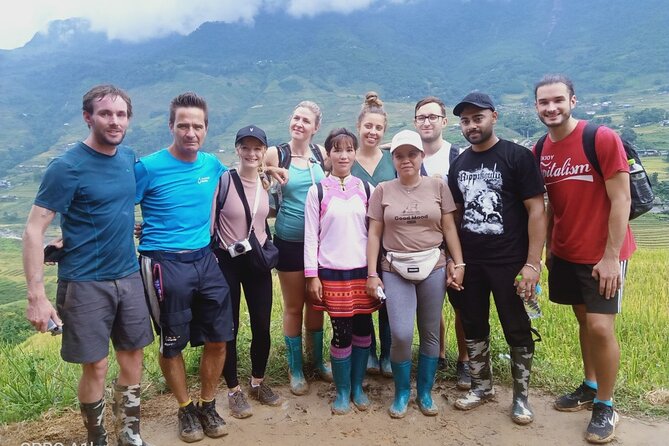
Your day starts early at the G8 Open Tour office on Ly Thai To Street in Hanoi’s Old Quarter. The pickup window is around 6:15 to 6:30 a.m. If you are staying at a hotel in the Old Quarter, a small transfer car collects you first and takes you to the larger VIP cabin bus.
This arrangement is practical, but it is easy to misunderstand. The large cabin bus cannot reach every hotel street in the Old Quarter, so do not assume the big bus will pull up at your hotel. Have your luggage ready early and confirm the transfer instructions before departure.
The road journey to Sapa takes about six hours, including a 20-minute rest stop. That is a large part of a two-day trip, so bring water, snacks if you prefer your own food, and something to occupy you. The cabin-style bus should make the ride more comfortable than a standard coach, but no bus can turn six hours into a short hop.
The benefit is that you arrive in Sapa without changing trains or arranging a separate transfer from Lao Cai. The tradeoff is a long first morning. If you want a gentle start, this schedule may feel rushed. If you want to see Sapa with limited time, the direct bus keeps the plan simple.
Sapa town and the start of the trek
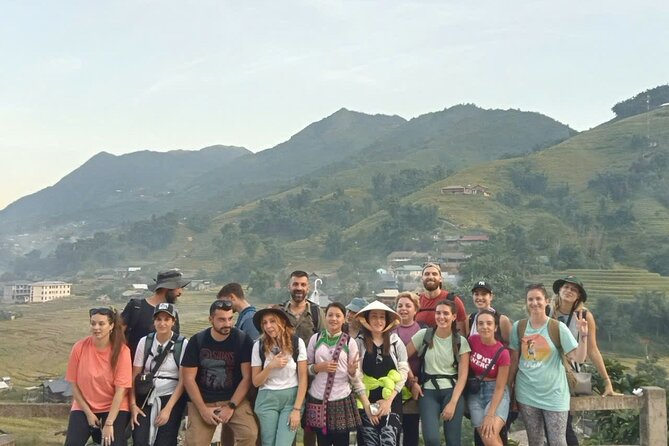
You reach Sapa around 1:00 or 1:30 p.m. A transfer car takes you from the bus station to Sapa Retreat Condotel, where lunch is served. You can leave your large luggage in the hotel lounge before walking into the valley.
This stop is more than a meal break. Leaving your main bags behind makes the trek much easier, especially on narrow paths and uneven village trails. Keep your valuables, a water bottle, rain protection, and anything you need overnight in a small day bag.
After lunch, the guide meets you for the first walk. The schedule gives you only a short pause before setting out at about 2:15 or 2:30 p.m. That is useful to know if you need time to change clothes or recover from the bus ride. You do not have a long free afternoon in Sapa.
The local guide is one of the most important parts of the trip. The guide comes from the area and explains local culture and customs as you move through the villages. The supplied information does not give the guide’s name, but the guide-led format is central to the experience. A small group of no more than 10 people should make it easier to hear explanations and stay together.
Y Linh Ho: the first view of Muong Hoa
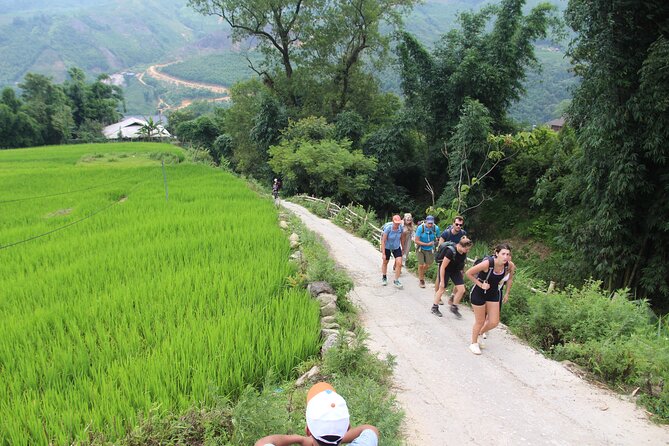
The walk to Y Linh Ho begins in the afternoon. The village lies along the Muong Hoa valley, protected by the Hoang Lien Son mountain range. This is where the trip shifts from transport to scenery and walking.
Y Linh Ho is a good first section because you begin seeing the valley on foot rather than from a vehicle window. The route passes through bamboo groves, small waterfalls, and less-used trails. These details give the walk a more rural feel than simply visiting a viewpoint by road.
The route is described as adventurous but not overly challenging when taken at a relaxed pace. Still, trekking is trekking. You should expect uneven ground and changing trail conditions, even though the supplied details do not specify a difficulty grade. Comfortable walking shoes are sensible, and you should be ready for the possibility of wet paths.
The guide’s local knowledge adds value here. A path through a village is not only a route between two points. It passes working homes, fields, and community spaces, so guidance about customs helps you behave respectfully.
More Evening Trips around Hanoi:
- Sapa 3 Days 2 Nights Trekking Tour (1 Night In Ta Van Village, 1 Night In Hotel)
★ 5.0 · 699 reviews - Hanoi – Sapa 3 Day 2 Night Trekking With Hotel & Homestay
★ 5.0 · 389 reviews - Stromboli: Sunset Trekking at Sciara del Fuoco
★ 4.6 · 1,372 reviews - Etna Sunset Tour: Volcano trek, Cave & tasting from Catania
★ 4.8 · 1,290 reviews
Lao Chai and the Black H’Mong villages
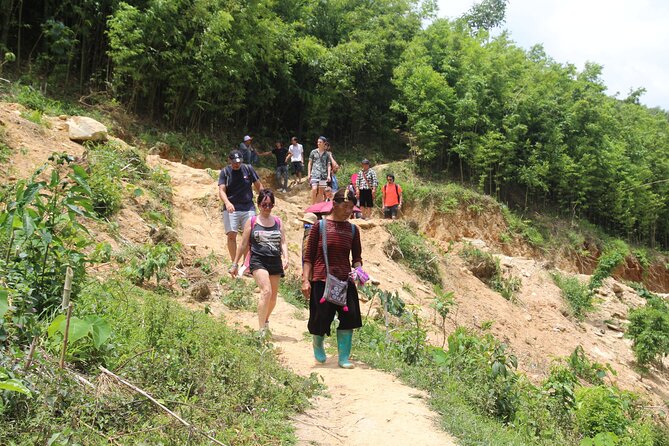
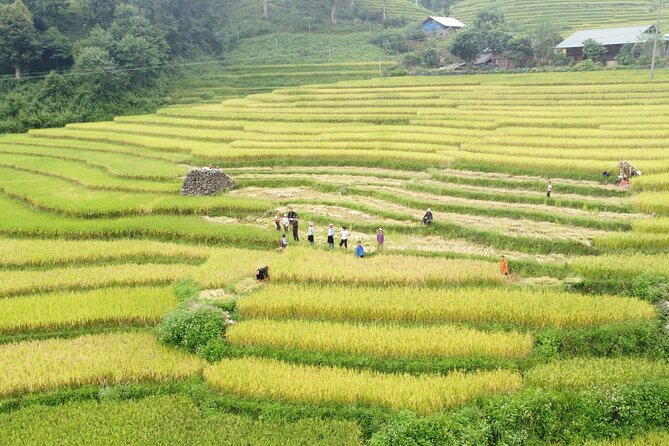
By about 4:30 p.m., you reach Lao Chai Village. The village is associated with the Black H’Mong community and is surrounded by terraced fields. The Hoang Lien Son range provides the larger mountain setting, while the terraces give the valley its distinctive pattern.
This is one of the strongest parts of the trip for photography, but the view is not the whole point. Walking into Lao Chai lets you see how the villages connect with the fields and waterways around them. The guide can also provide context about the ethnic communities and local customs, something you would miss on a quick roadside stop.
The timing works well for the changing afternoon light, though it also leaves little room for delays. You arrive after a long morning on the bus and several hours of walking, so the final stretch may feel tiring. The relaxed pace helps, but you should not book this expecting a light sightseeing stroll.
Ta Van and the private homestay night
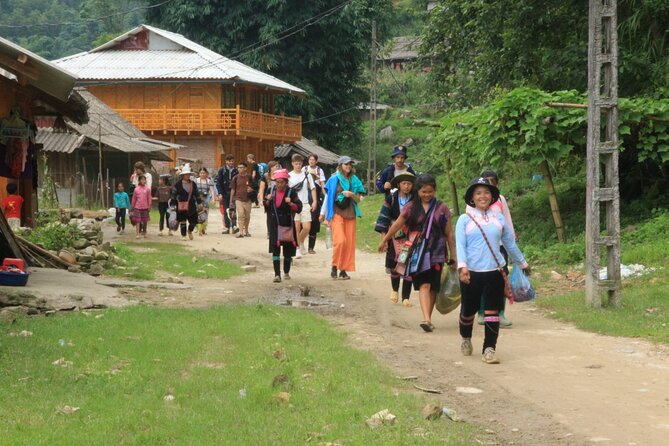
Around 5:30 p.m., you reach Ta Van Village. The village is home to Mong, Red Dao, and Giay people. Its position between the Hoang Lien Son range and the winding Muong Hoa stream gives the evening a distinctly rural setting.
The tour’s most appealing feature is the overnight stay here. Instead of returning to Sapa town, you sleep in a traditional H’Mong stilt house with modern comforts. The room is private, which is a useful touch for couples, families, or anyone who wants some quiet after walking.
You can watch the sun set over the terraced fields from the homestay area. Then dinner is prepared by your hosts, giving the night a more personal feel than a standard hotel stay. A cooking class is also included, so you get a chance to take part rather than simply sit down for a meal.
The accommodation deserves one practical note. One booking problem involved expectations about room setup, including a request for one room with two beds for a family. The guide checked the arrangement, but the experience shows why you should state your room needs clearly when booking and confirm them before departure.
The homestay is a central part of the tour’s character, but it may not suit someone who wants a polished hotel with a full range of facilities. You are choosing a local stay for the setting and cultural contact. Modern comforts are provided, but this is still a stilt-house homestay in a village.
Morning trails to Giang Ta Chai and Su Pan
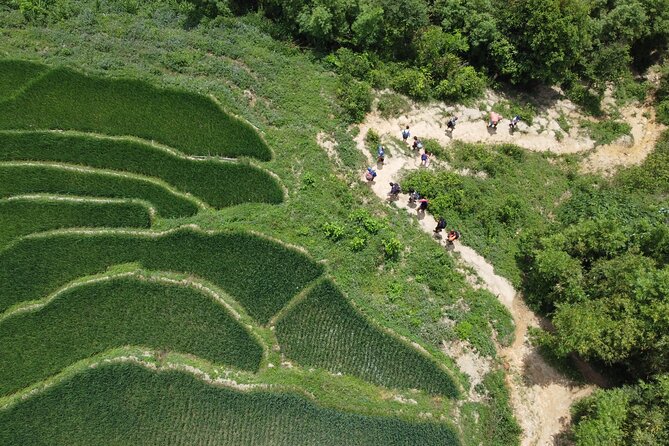
Breakfast is served at the homestay from 8:00 to 9:00 a.m., followed by checkout. The second day starts with another walk, this time toward Giang Ta Chai Village and Su Pan Village.
This morning is useful because it shows you more than one settlement. Rather than repeating the previous afternoon, the route adds new village areas and more walking through the mountain valley. The path continues through rural scenery, with the guide connecting the places you pass to local life and customs.
The schedule allows about two hours for this section before reaching Su Pan around noon. Lunch is served at a local restaurant. The inclusion of a second lunch is helpful because you do not need to search for food while managing your luggage and the return transfer.
After lunch, a bus takes you back to Sapa at about 1:30 p.m. This marks the end of the walking portion. The tour gives you a full experience of the valley without asking you to carry your large bags from village to village.
A short afternoon in Sapa town
You return to Sapa around 2:00 p.m. Before the bus back to Hanoi, you have about an hour and a half to visit Sapa town. The suggested stops include the stone church and Sapa Market.
This short free period is useful for a quick look at the town, but keep an eye on the clock. You have already walked in the valley, and the town visit is more of a final pause than a full sightseeing session. If you want to buy anything, do it early enough to return to the hotel for your luggage and departure instructions.
The schedule says you prepare your luggage at the Sapa hotel around 3:30 p.m. and board the sleeper bus at 4:00 p.m. The return ride reaches Hanoi around 10:00 or 10:30 p.m.
The final drop-off detail is important. The bus may leave you at a bus station or bus stop rather than directly at your hotel. If you are carrying heavy luggage or arriving late, plan your onward transfer in advance. This was the clearest service concern in the available feedback, and it is easy to avoid frustration by knowing it before you go.
How strenuous is the trek?
The walking is described as relaxed and not overly challenging, but the route still takes up much of two days. The first afternoon runs from Sapa through Y Linh Ho and Lao Chai to Ta Van. The second morning continues through Giang Ta Chai and Su Pan.
I would rate this as a good fit for most people who can manage ordinary walking on uneven trails. The tour states that most people can participate. It does not provide a formal difficulty rating, exact mileage, or elevation figures, so you should not treat the phrase relaxed pace as a promise of flat paths.
Wear practical shoes and carry only what you need during the trek. Your larger bags stay at the Sapa hotel lounge, which is a major convenience. The small group limit also helps the guide keep the pace together and respond to individual needs.
Who will like this Sapa tour?
I would recommend it to first-time Sapa visitors who want the main valley sights without arranging every detail themselves. It suits you if you value village walking, a local guide, a homestay night, and a fixed schedule.
It is also a good choice for couples and families who want a private room rather than a shared dormitory. The cooking class and host-prepared dinner add more local contact than a simple hotel package.
I would hesitate if you dislike early starts, long bus journeys, or tightly planned days. The trip gives you a useful amount of Sapa in two days, but you pay for that efficiency with limited free time. I would also look elsewhere if direct hotel-to-hotel transport is essential.
Should you book it?
Book this tour if you want terraced valley scenery, village trails, and a genuine homestay night for a clear $95 price. The strongest reasons are the well-planned route, included meals and transport, local guide, small group size, and the chance to sleep in Ta Van instead of rushing back to Sapa.
Before booking, confirm your hotel pickup, room arrangement, and final Hanoi drop-off. Pack for walking, keep your luggage light during the trek, and remember that drinks are extra. If those details suit you, this is a practical and good-value way to experience Sapa in only two days.
FAQ
Where does the tour start?
The tour starts at the Hà Nội Văn phòng Xe G8 Open Tour office on Ly Thai To Street in Hanoi’s Old Quarter.
Is hotel pickup available in Hanoi?
Pickup is offered. A small transfer car collects you from a hotel in Hanoi’s Old Quarter and takes you to the larger VIP cabin bus.
How long is the bus ride from Hanoi to Sapa?
The journey takes about six hours, including a 20-minute rest stop.
Where do you stay overnight?
You stay in a private room at a homestay in Ta Van Village, in a traditional H’Mong stilt house with modern comforts.
Which villages are visited?
The route includes Y Linh Ho, Lao Chai, Ta Van, Giang Ta Chai, and Su Pan.
Are meals included?
Breakfast, dinner, and two lunches are included. Drinks with meals are not included.
Is a guide included?
Yes. A local English-speaking guide in Sapa leads the trekking and explains local culture and customs.
How many people can join the tour?
The tour has a maximum of 10 participants.
More Two-Day Trips around Hanoi
- From Hanoi: 2-Day Sapa Trek Tour – Luxury Limousine Transfer
★ 4.1 · 249 reviews - From Hanoi: 2-Day Sapa-Fansipan Peak & Trek & Ha Giang Bus
★ 4.8 · 52 reviews - From Hanoi: 2-Day Luxury Sapa Trekking Tour with Homestay
★ 4.4 · 49 reviews - 2 Days Pu Luong Offbeat Trekking Best for Mountain Lovers
★ 5.0 · 47 reviews
Just added around Hanoi
- From Hanoi: Hoa Lu, Hang Mua Hike, Tam Coc Boat, and Lunch★ 4.4 · 28 reviews
- From Hanoi: Trek and Stay: 3-Day Sapa Highlands Adventure★ 4.6 · 152 reviews
- From Hanoi: Ninh Binh Boat Ride, Mua Cave Hike, Temple Visit★ 4.7 · 146 reviews
- From Hanoi: 3-Day Sapa Trekking with Limousine Transfer★ 4.3 · 30 reviews
- From Hanoi: 2-Day Luxury Sapa Trekking Tour with Homestay★ 4.4 · 49 reviews
- From Hanoi: 1-day Sapa Trekking Tour With Overnight Bus★ 4.2 · 32 reviews
- Hanoi: 2-Day Sa Pa Guided Village & Homestay Trekking Tour★ 4.1 · 13 reviews
- From Hanoi: 3 Days Luxury Sapa Trek & Fansipan Peak with Dcar★ 5.0 · 43 reviews
Hanoi Hiking Tours, compared.

Halong Bay Full Day with Kayaking, Hiking viewpoint, Cave – Deluxe To Luxury
Read our review →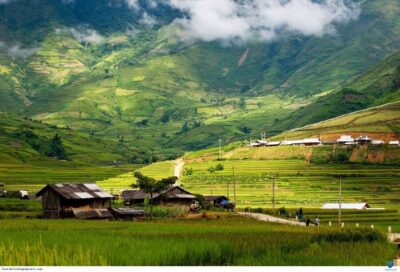

Sapa 3 Days 2 Nights Trekking Tour (1 Night In Ta Van Village, 1 Night In Hotel)
Read our review →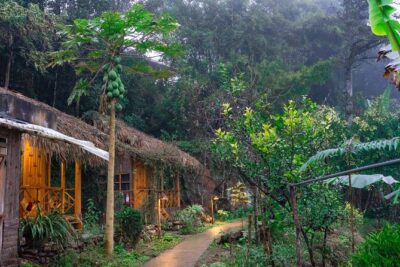
3-Day Trekking Adventure of Sapa from Hanoi – Stay Ta Van Village
Read our review →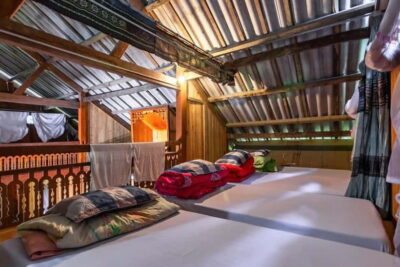
2-Day Sa Pa Ethnic Homestay Tour & Trek with Limousine Bus
Read our review →
Sapa 3 Day 2 Night Trekking With Hotel & Homestay
Read our review →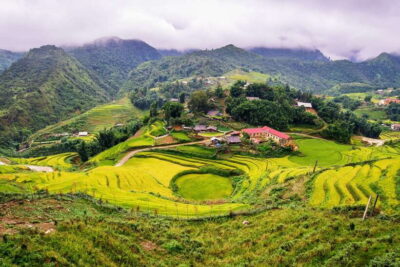
2-Day Sapa Trek Tour – Luxury Limousine Transfer
Read our review →Browse the lists this tour appears in