
REVIEW · HANOI HIKING TOURS
From Hanoi: 2-Day Sapa Trekking Trip with Homestay & Meals
Mud is part of the Sapa story. This two-day trip combines terraced rice fields with a night in Ta Van village, where you eat with a local family, meet H’Mong people, and walk through rural communities rather than simply viewing them from a bus. I especially like the farm-to-table idea and the warm hospitality of hosts such as Mama Zuzu. The main catch is the 12-kilometer first-day hike, which can be slippery and steep when rain arrives.
The price is $71 per person, including transport from Hanoi’s Old Quarter, two lunches, dinner, breakfast, a guide, two hikes, and the homestay. That is a strong deal for a packed two-day outing, but you should be comfortable with basic shared facilities, a long bus ride, and a group experience rather than a private escape.
Key points at a glance
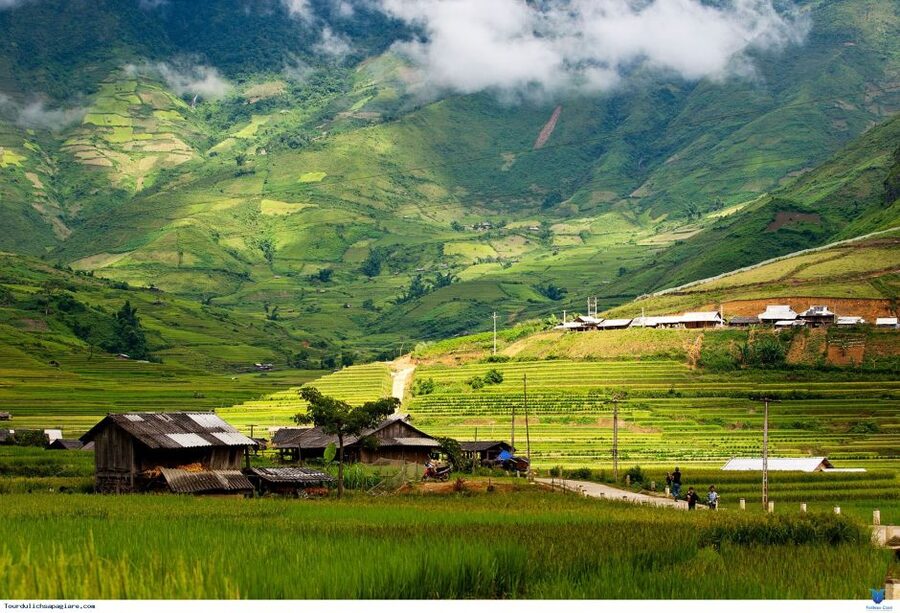
- A 12-kilometer first-day trek: Walk from the Sapa area through Y Linh Ho, Lao Chai, and Ta Van, with rice, corn, and potato fields along the way.
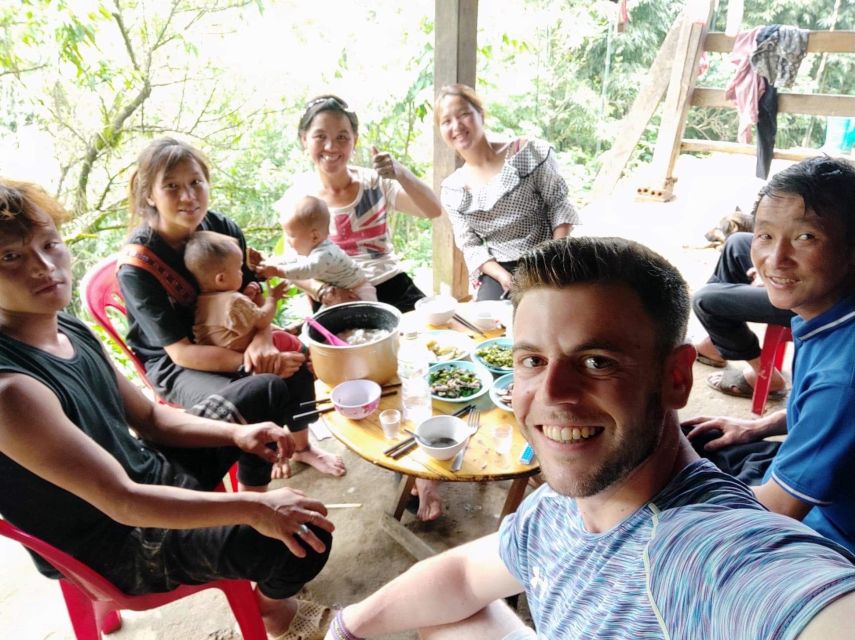
- A genuinely social homestay: Hosts including Mama Zuzu and Mama Zhuzhu are praised for their warm welcome, generous meals, and lively evening gatherings.
- A choice on day two: Spend time helping with farm work or continue toward a bamboo forest and nearby villages.
- Good value at $71: The price covers Hanoi transfers, meals, lodging, entrance fees, a local guide, and two guided walks.
- Shoes matter: Clay paths can become slick. Sports shoes may work in dry weather, but proper trekking shoes are the wiser choice.
- Expect simple local living: Rooms can be comfortable and clean, but bathrooms are shared, and the bed may feel firmer than you are used to.
Why this Sapa trip feels different
Many Sapa day trips give you a quick look at rice terraces, a few photographs, and a ride back to town. This one gives you time to walk between villages and sleep in the countryside. That extra night changes the pace.
The point is not luxury. It is the chance to share dinner in a local home, watch daily life unfold around the village, and wake up close to the hills. You may help prepare food, although the exact level of participation can vary. Some groups make spring rolls or help with vegetables, while others receive dinner already prepared because everyone arrives tired.
That variation is worth knowing. The cooking element is part of the plan, but it should not be treated as a formal cooking class. Think of it as helping your host in the kitchen, learning about local dishes, and joining the family table.
The accommodation is basic but better than some people expect. Rooms may be arranged for two people, and some groups have had private rooms. Beds, blankets, towels, hot showers, fans, shampoo, and shower gel have all been available in the homestay described by past participants. Facilities remain local and simple, with shared bathroom arrangements. You are staying in someone’s home, not a resort.
More Homestay and Village Treks in Hanoi:
- Hanoi – Sapa 2 Days 1 Night Overnight At Homestay
★ 5.0 · 899 reviews - 2-Day Sa Pa Ethnic Homestay Tour & Trek with Limousine Bus
★ 4.8 · 440 reviews - Hanoi – Sapa 3 Day 2 Night Trekking With Hotel & Homestay
★ 5.0 · 389 reviews
The early start from Hanoi
Pickup takes place at your accommodation in Hanoi’s Old Quarter between 6:00 and 6:45 in the morning. The exact time depends on your hotel, and it is confirmed after booking by email or WhatsApp.
You first board a shuttle bus and transfer to an air-conditioned sleeper bus. The ride to Sapa takes much of the morning, with a stop to stretch your legs and view the countryside. Some bookings have included an option to upgrade the bus after booking. The sleeper bus has been described as comfortable, with features such as Wi-Fi, blankets, and charging ports on some services, but confirm the exact bus arrangement before you go.
This is not a quick hop. You will spend several hours on the road, so bring water, a charged phone, and something suitable for the changing temperature. The transport is useful because it removes the need to arrange separate buses between Hanoi and Sapa, but the first day is long from start to finish.
You arrive at a bus office in Sapa around 12:30 to 1:00 p.m. Your local English-speaking guide then takes you to a restaurant for lunch before the trek begins.
Walking through Y Linh Ho, Lao Chai, and Ta Van
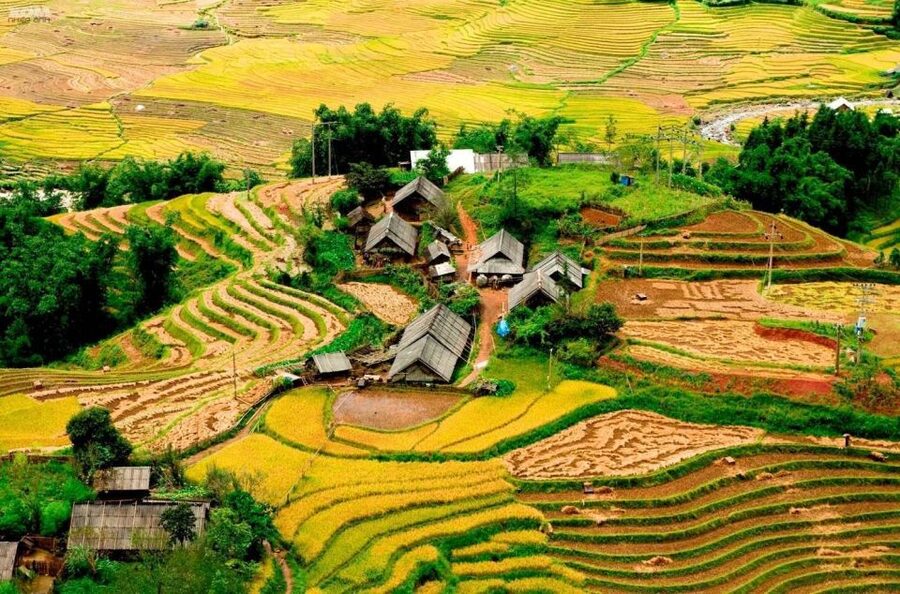
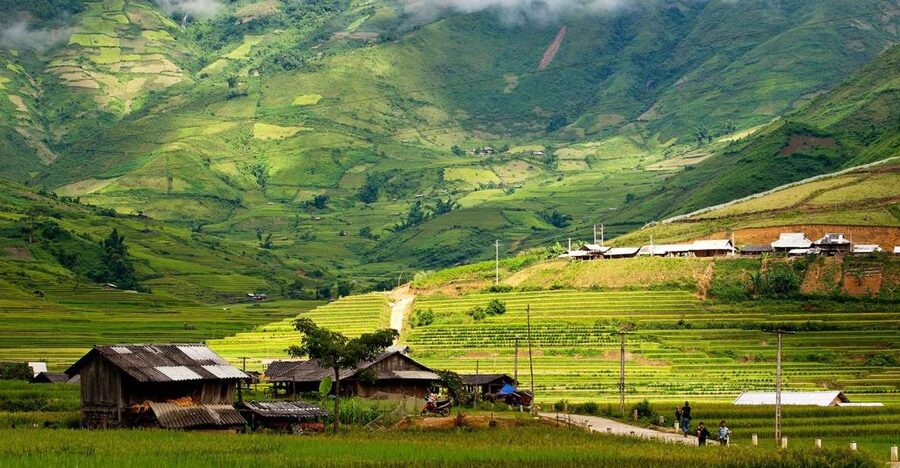
The first hike is the heart of the trip. Over roughly 12 kilometers, you walk through terraced rice fields, corn fields, and potato fields, passing the villages of Y Linh Ho, Lao Chai, and Ta Van.
The scenery is the reason to come. Rice terraces fold across the hills, and the route gives you a closer view of farms, footpaths, homes, and everyday village work. You are not confined to a viewpoint. You move through the countryside at walking speed, with time to notice how the fields are shaped and maintained.
The route is usually described as easy to medium, but that label can mislead you. It is not a technical mountaineering trip, yet it is a serious walk. There are uphill sections, steep descents, muddy patches, and slippery clay, especially after rain. Good shoes are essential. Several people who wore casual trainers or Vans found themselves slipping, so I would bring proper trekking shoes with a firm sole.
Wear clothes that can get dirty. A jacket is useful because Sapa can feel cool, while breathable clothing helps during the uphill sections. A change of clothes is one of the smartest items on the packing list, particularly if the forecast includes rain.
Along the route, you meet H’Mong people and learn about local customs and daily life through your guide. Other local women may join parts of the walk and offer help on steep or muddy sections. They may later offer scarves, bracelets, or other handmade goods. You are not required to buy anything, but you may need to decline more than once. Knowing this ahead of time makes the interaction easier and less awkward.
The route includes a break near a waterfall. It is a welcome pause after the more demanding sections, and it adds a change of scenery to a walk otherwise centered on fields and villages. In wet weather, take care around rocks and muddy ground.
Arriving at the Ta Van homestay
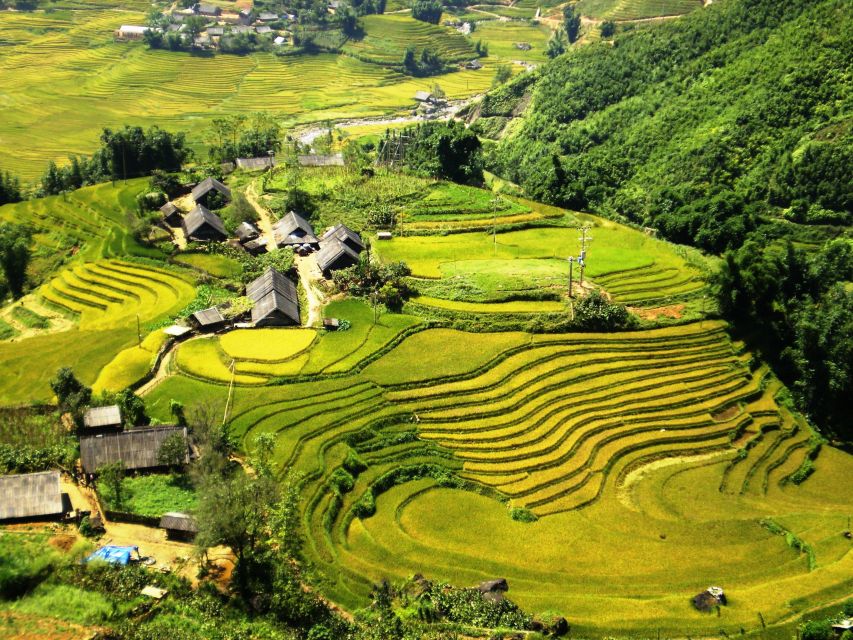
By the end of the hike, you reach the local home in Ta Van village. The welcome is one of the strongest parts of this experience. Hosts known as Mama Zuzu, Mama Zhuzhu, Mama Zazu, and Mama Leto appear in the trip’s hosting arrangements, so the specific host may vary by departure.
The evening is informal. You may help gather vegetables or prepare part of dinner, then sit down to a generous home-cooked meal. Food has included plenty of dishes, with vegetarian and vegan needs accommodated in some cases. If you have dietary requirements, tell the provider in advance rather than assuming the kitchen will know.
The meal is more than fuel. It gives you time to talk with the host, meet other people in your group, and understand a little more about village life. Some evenings include happy water, the local term used for rice liquor, and karaoke. This can become a cheerful group gathering, though you should only drink what feels comfortable for you.
The homestay can be surprisingly comfortable for one night. Rooms may have beds, blankets, fans, and charging access. Some people have had their own room, while arrangements can depend on group size. The bed may be firm, and the bathroom is shared. Hot water has been available, but you should still think of the setup as a family home with visitor rooms, not a hotel.
More Two-Day Trips around Hanoi:
- From Hanoi: 2-Day Sapa Trek Tour – Luxury Limousine Transfer
★ 4.1 · 249 reviews - Hanoi – Sapa 2 Days 1 Night Overnight At Local Homestay
★ 5.0 · 233 reviews - From Hanoi: 2-Day Sapa-Fansipan Peak & Trek & Ha Giang Bus
★ 4.8 · 52 reviews - From Hanoi: 2-Day Luxury Sapa Trekking Tour with Homestay
★ 4.4 · 49 reviews
Choosing your second-day walk
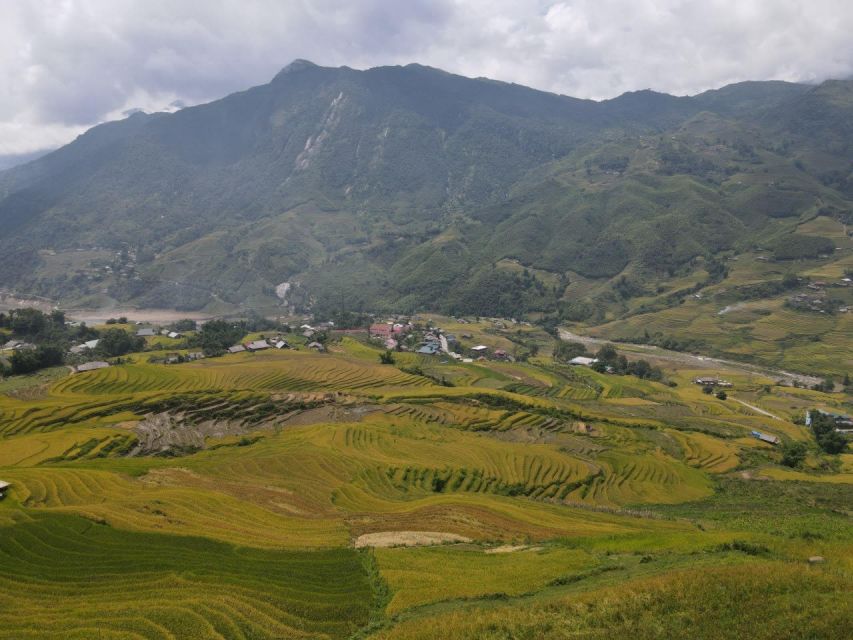
The second morning starts with breakfast, with the option to help your host prepare it. Breakfast has included pancakes, bananas, chocolate sauce, and honey, along with other simple local food.
You then choose between two types of activity. One option is a further hike toward villages and a bamboo forest. The other gives you a chance to work with local people in the fields, where you may try planting, harvesting, or caring for crops.
This choice is useful because it lets you match the morning to your energy. If your legs are tired after day one, farming may feel more manageable, although field work is not necessarily effortless. If you want more scenery and walking, the bamboo forest route offers a different setting from the open rice terraces.
The second hike is generally described as easy to medium, but weather still matters. Fog, rain, and mud can change the feel of the route quickly. The guide’s support is important here, and guides such as Mama Ling and Mama Zuzu have been praised for staying attentive to the group and helping people through difficult sections.
After the morning activity, you eat lunch at a local restaurant and take a shuttle back to Sapa town.
Free time in Sapa before the return bus
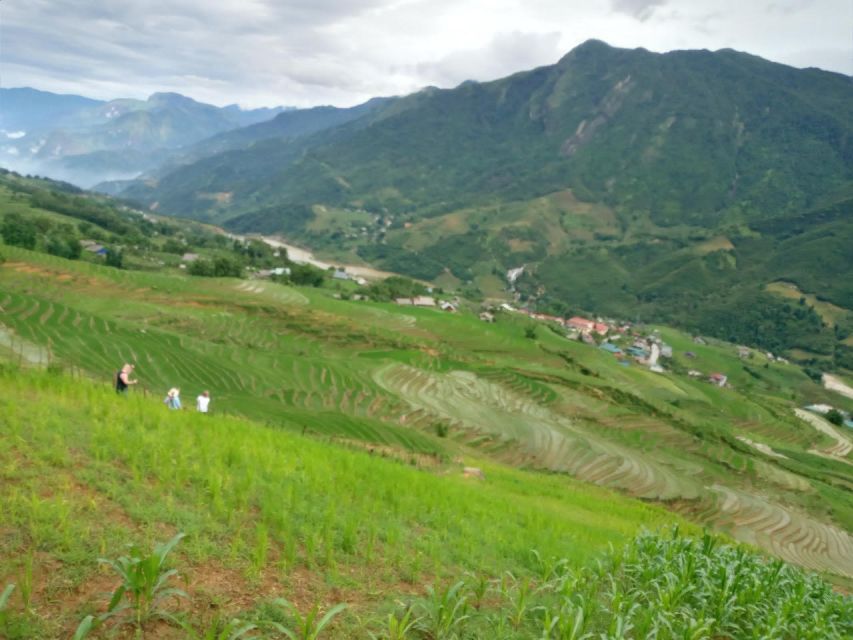
You have some free time in Sapa before the afternoon departure. The schedule places the sleeper bus back to Hanoi at about 3:00 p.m., so this is not a long town visit.
Use the time for a short walk around Sapa or a visit to the local market. It is enough for browsing, buying small items, or getting your bearings, but not enough for a relaxed second tour of town. Keep an eye on the departure time. The return journey reaches Hanoi’s Old Quarter around 9:30 to 10:00 p.m., ending at 166 Tran Quang Khai.
That late arrival is manageable if you have another night in Hanoi. It is less convenient if you have an early flight the next morning. I would not schedule a tight airport connection after this trip.
What the $71 price really gives you
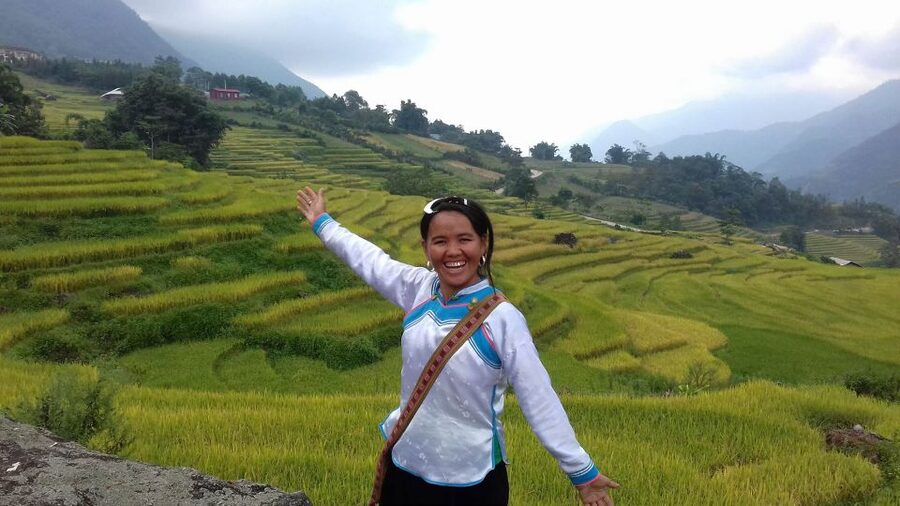
At $71, this is a good-value package if you want transport and activities handled in one booking. Included are Old Quarter pickup, air-conditioned sleeper-bus transport, an English-speaking local guide, entrance fees, two guided hikes, one night at a homestay, cooking with the host, two lunches, one dinner, breakfast, and drop-off in Hanoi.
The value comes from combining several costly pieces: the long-distance bus, local guiding, meals, accommodation, and village access. You also avoid working out separate transport between Hanoi, Sapa, and the trekking area.
There are extra costs to plan for. Drinks, personal spending, travel insurance, and food not listed in the schedule are excluded. Bring cash, since you may want drinks or small purchases in villages and at the market.
The price does not buy privacy or complete flexibility. You follow a set schedule, travel with a group, and share some facilities. Groups have ranged from around 11 to 14 people, though the exact size is not fixed in the information provided. For a private guide or a quieter homestay, you would need a different type of arrangement.
How demanding is the trek?
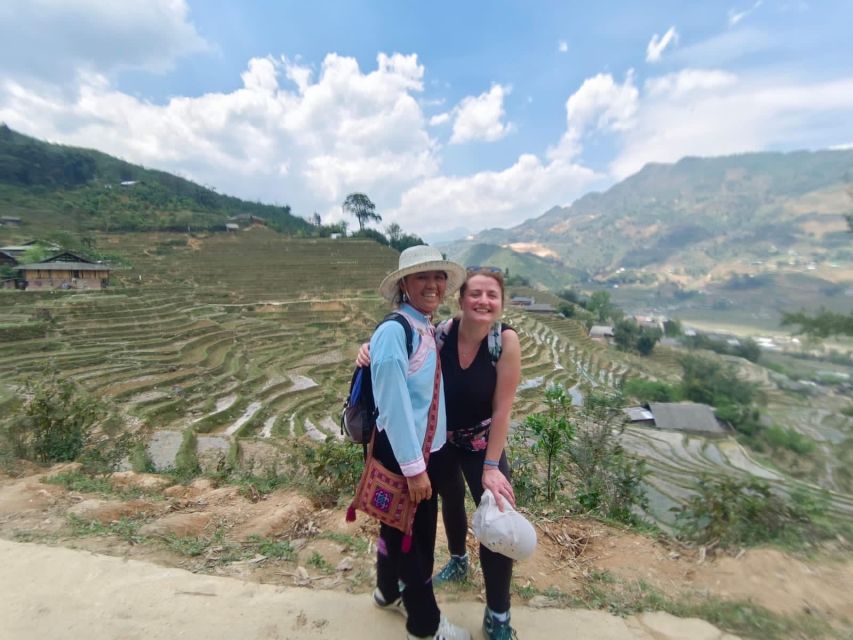
You need a reasonable level of mobility for this trip. The route is not presented as extreme, but day one covers 12 kilometers with inclines and slippery sections. Rain can turn a straightforward path into a careful walk.
This experience is not suitable for children under eight, pregnant women, wheelchair users, people with back or heart problems, people over 70, or anyone over 100 kilograms. Those limits are practical rather than decorative. The route and transport involve conditions that may be uncomfortable or unsafe for people in those categories.
I would pack:
- Proper trekking shoes or sports shoes with strong grip
- A spare set of clothes
- A light jacket
- Breathable clothing
- Water and other drinks
- Cash
- A charged smartphone
- Clothing you do not mind getting muddy
Do not bring a large suitcase on the hike. The supplied information and participant experience indicate that bags may sometimes be taken ahead to the homestay. Confirm this arrangement before departure, and keep your essentials in a small day bag.
The people who will enjoy this most
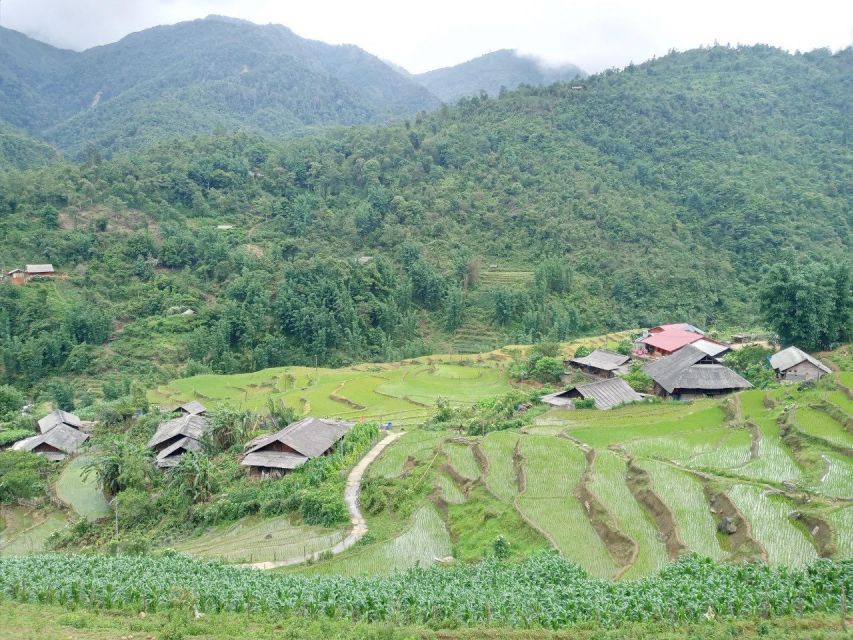
I would choose this trip if you want your Sapa visit to include people and village life, not just photographs of rice terraces. It suits you if you enjoy walking, communal meals, simple accommodation, and a little unpredictability.
It is especially good for solo people who want an easy way to meet others. The shared bus, hikes, dinner, and evening gathering naturally create conversation. It also works well for couples and friends who want a low-cost introduction to rural northern Vietnam.
You should think twice if you dislike muddy paths, shared bathrooms, long bus journeys, or organized group schedules. The scenery can be hidden by fog, and rain may make the walk harder. Still, poor weather does not automatically ruin the trip. It changes the experience from crisp mountain views to mist, wet paths, and a more rugged day outdoors.
Should you book this Sapa homestay trek?
Yes, if you want strong value and a hands-on rural experience in a short amount of time. The best parts are the walk through Y Linh Ho, Lao Chai, and Ta Van, the generous home cooking, and the welcome from hosts such as Mama Zuzu. The evening meal, local drinks, and karaoke can become the most memorable part of the trip.
Book with realistic expectations. This is a physically active outing with a long transfer, basic home-style facilities, possible mud, and occasional pressure to buy handmade goods from people who join the walk. Bring proper shoes, a change of clothes, and patience.
For $71, I think it is a sensible choice for an active first visit to Sapa. Just confirm the pickup time, bus arrangement, luggage handling, and food needs before you set off.
FAQ
How long is the Sapa trip?
The experience lasts two days, including transport from Hanoi, the trek, one night at a homestay, and the return journey.
Where does pickup take place?
Pickup is provided at accommodation in Hanoi’s Old Quarter between 6:00 and 6:45 a.m. The exact time depends on your location.
What villages are included on the first hike?
The route passes through Y Linh Ho, Lao Chai, and Ta Van, with views of rice, corn, and potato fields.
How far is the first-day trek?
The first guided hike is approximately 12 kilometers.
Is accommodation included?
Yes. One night at a local homestay in Ta Van village is included.
What meals are included?
The package includes one dinner, two lunches, and one breakfast. Drinks and food not listed are not included.
Do I need hiking shoes?
Proper trekking shoes are recommended because some sections can be steep, slippery, and muddy, especially after rain.
Can I choose what to do on the second morning?
Yes. You can choose between farming with local people or a further walk toward villages and a bamboo forest.
Is the bathroom private?
No. Bathroom facilities are shared, in keeping with the local homestay setup.
Can I cancel the booking?
You can cancel up to 24 hours in advance for a full refund. The activity also offers reserve now and pay later booking.
Just added around Hanoi
- From Hanoi: Hoa Lu, Hang Mua Hike, Tam Coc Boat, and Lunch★ 4.4 · 28 reviews
- From Hanoi: Trek and Stay: 3-Day Sapa Highlands Adventure★ 4.6 · 152 reviews
- From Hanoi: Ninh Binh Boat Ride, Mua Cave Hike, Temple Visit★ 4.7 · 146 reviews
- From Hanoi: 3-Day Sapa Trekking with Limousine Transfer★ 4.3 · 30 reviews
- From Hanoi: 2-Day Luxury Sapa Trekking Tour with Homestay★ 4.4 · 49 reviews
- From Hanoi: 1-day Sapa Trekking Tour With Overnight Bus★ 4.2 · 32 reviews
- Hanoi: 2-Day Sa Pa Guided Village & Homestay Trekking Tour★ 4.1 · 13 reviews
- Ninh Binh 1 day Hoa Lu Trang An with Dragon Mountain Hiking★ 5.0 · 245 reviews
Hanoi Hiking Tours, compared.
Halong Bay Full Day with Kayaking, Hiking viewpoint, Cave – Deluxe To Luxury
Read our review →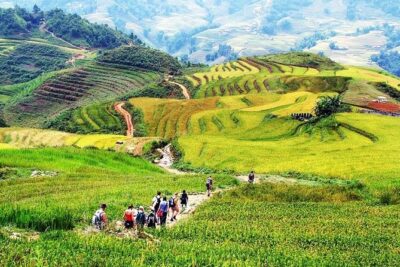
Sapa 3 Days 2 Nights Trekking Tour (1 Night In Ta Van Village, 1 Night In Hotel)
Read our review →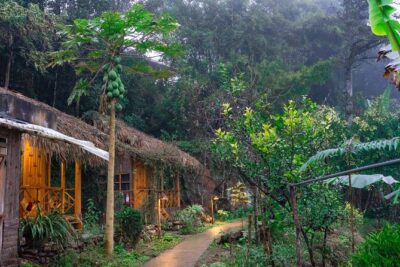
3-Day Trekking Adventure of Sapa from Hanoi – Stay Ta Van Village
Read our review →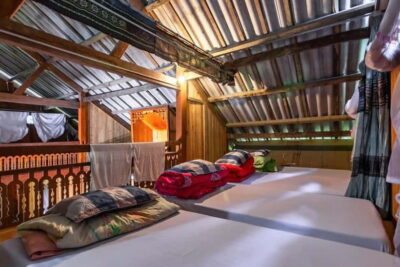
2-Day Sa Pa Ethnic Homestay Tour & Trek with Limousine Bus
Read our review →
Sapa 3 Day 2 Night Trekking With Hotel & Homestay
Read our review →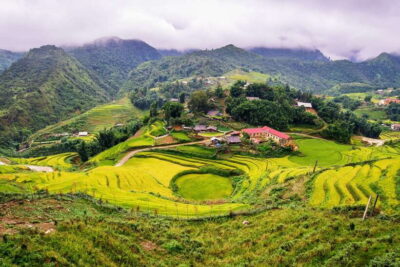
2-Day Sapa Trek Tour – Luxury Limousine Transfer
Read our review →Ninh Binh 1 day Hoa Lu Trang An with Dragon Mountain Hiking
Read our review →Browse the lists this tour appears in