
REVIEW · CUSCO HIKING TOURS
Cusco: 4-Day Lares Trek to Machu Picchu with Panoramic Train
High passes, hot springs, and Machu Picchu await. This four-day trip links the quieter Lares Trek with several of the Sacred Valley’s best stops. I especially like the visit to a women-run weaving cooperative, where Andean textile skills remain part of daily life, and the chance to soak in Lares Hot Springs before the hiking begins. The main drawback is the altitude: you reach 4,750 meters at Condor Pass, and the cold nights at camp can test even fit hikers.
The $690 price is strong for a trip that includes camping staff, meals, entrance fees, a hotel night, the Machu Picchu bus, and a return Vistadome train. You should still arrive prepared for long days, thin air, and simple camping. A guide who adjusts the walking pace makes a real difference, and Manolo and Filio received especially high praise for their guiding.
Key points to know before booking
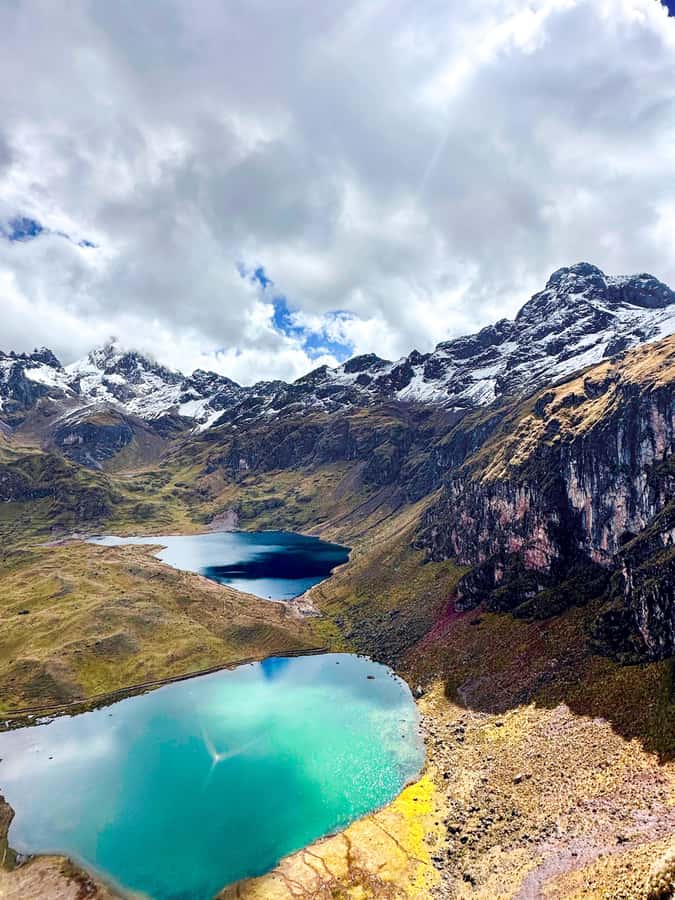
- Condor Pass reaches 4,750 meters: This is the physical high point of the trek, with steep climbing and cold conditions.
- Lares Hot Springs comes before the hiking: You can relax with mountain views and breakfast before beginning the route.
- The trek supports local communities: Weaving families, Canchacancha residents, and muleteers are part of the experience.
- Two nights are spent camping at altitude: Bring warm clothing, a sleeping bag, and a good attitude toward basic conditions.
- The final day combines Machu Picchu with the Vistadome: You get a guided citadel visit and a scenic train ride back toward Cusco.
- The package is unusually full: Meals, chefs, horses, muleteers, a 7-kilogram duffle allowance, transport, and entrance fees are included.
What the four-day route actually offers
This is not only a trek to Machu Picchu. It is a mixed Andean journey with markets, archaeological sites, hot springs, community visits, high mountain passes, salt pans, an Inca town, and a major archaeological site at the end.
That variety is the biggest strength. You move from high potato fields to warmer Sacred Valley crops, then finish among the stone terraces and temples of Machu Picchu. The trip also avoids making the entire experience about one famous site.
The route is best for someone who wants a supported trek rather than a fully independent hike. Horses and muleteers carry food and equipment, and each person receives a duffle bag for up to 7 kilograms of camping gear. You still carry a daypack, but the heaviest supplies do not ride on your shoulders.
The overall rating is 4.9 from 20 reviews, and the praise is consistent in the areas that matter most on a trek: guiding, food, scenery, and group support. One family group found the difficulty manageable, but also warned that thin air and cold nights reduce your strength. That is the right way to view the route. It is accessible to a fit person, but it is not a casual walk.
More Machu Picchu and Inca Trail Treks in Cusco:
- Salkantay Trek Challenge – 3 Days / 2 Nights
★ 5.0 · 101 reviews - Choquequirao Trek 4 days and 3 nights
★ 5.0 · 81 reviews - Machu Picchu: 5-Day Salkantay Trek with Panoramic Train
★ 5.0 · 79 reviews
Day 1: Markets, hot springs, and the walk to Blue Lagoon
The first morning begins with pickup in Cusco or the Sacred Valley. The early start helps fit a great deal into the day, though you should be ready for a long first day of transport and activity.
The first stop is the market in Calca. This gives you a look at ordinary food shopping and local trade before the mountain route begins. It is a useful contrast to the polished sightseeing areas around Cusco.
At Ancashmarca, you see an ancient Inca site before continuing to a high plateau where the rare Puyas de Raimondi grow. These giant bromeliads are among the more unusual sights on the route. The stop adds botanical interest to a day that could otherwise focus only on ruins and scenery.
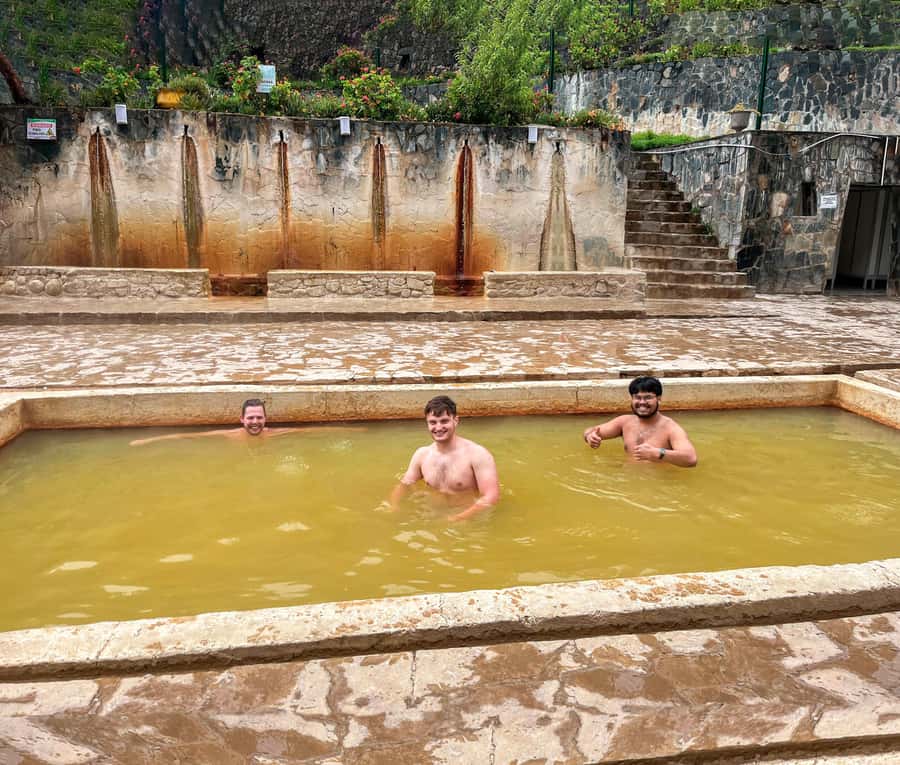
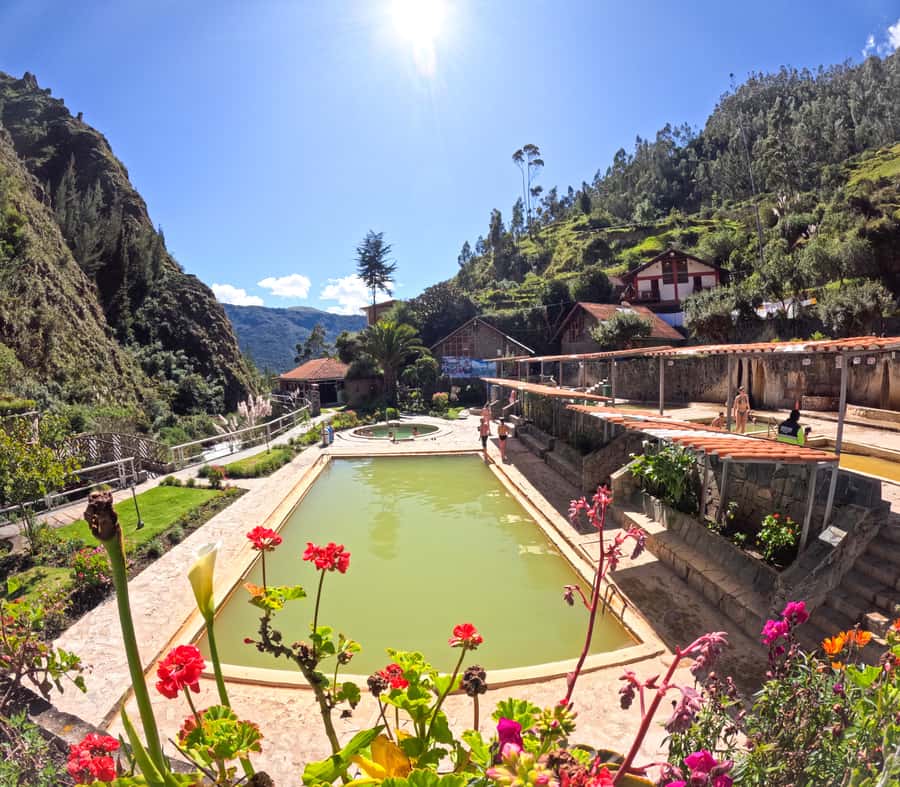
Next comes Lares Hot Springs. You can soak in the natural pools with mountain views, and breakfast is served here. I like this placement in the schedule because the hot springs give your body a gentle start before the harder walking begins. It also makes the route feel different from the more familiar Inca Trail pattern.
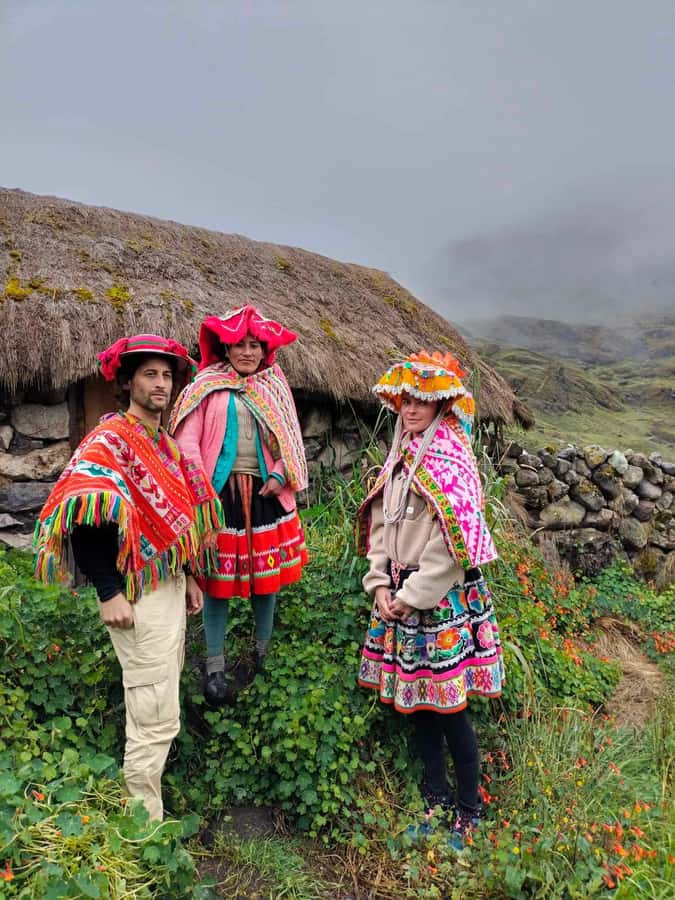
The weaving cooperative visit is one of the most meaningful parts of the trip. You learn about Andean textile traditions and meet people keeping those skills in use. The tour specifically emphasizes women-run cooperatives, so your visit supports a local income stream rather than treating weaving as a quick photo stop.
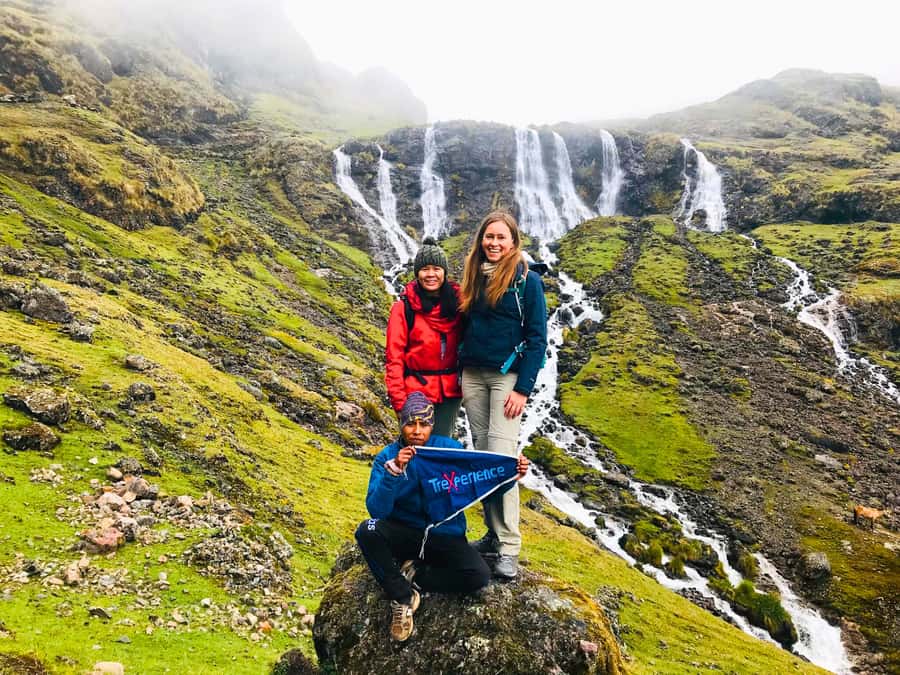
After driving to Pampacorral, you begin walking through valleys dotted with alpacas and planted with potatoes. Lunch is served in Kiswarani, and the route then follows a waterfall toward Blue Lagoon.
The campsite sits at about 3,900 meters. Dinner, coca tea, and stargazing are included, but the night can be cold. A sleeping bag is not included, so rent one if you do not bring your own. One family specifically advised packing warm clothing for the camps. I would also keep a dry layer for sleeping, since damp hiking clothes will not make the evening more pleasant.
Day 2: The hard climb to Condor Pass
Day two is the physical test. You receive coca tea or coffee at your tent, then breakfast before starting the steady climb through valleys with lakes and Andean wildlife.
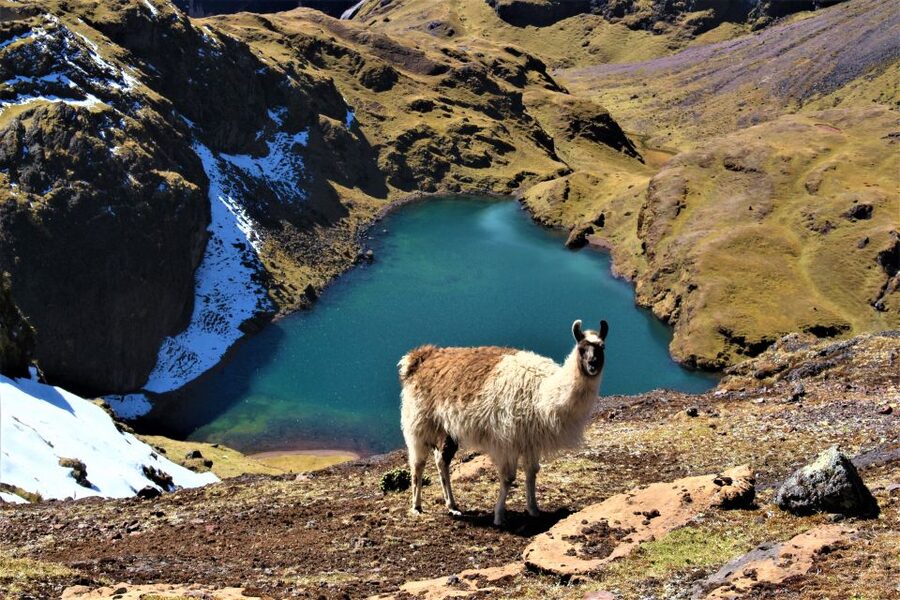
The route reaches Condor Pass at 4,750 meters. At that height, the air is thin, and the climb can feel much harder than the distance suggests. Your reward is a wide view of snowy peaks and turquoise lagoons. The color and scale of the high country make this the defining walking day.
A traditional offering ceremony takes place near the pass before the descent. This gives the day a cultural center, not just a physical one. It also creates a quiet pause before the long downhill section.
A hot lunch in Acopata is welcome after the pass. The route then continues through valleys where you may see llamas and alpacas before reaching Canchacancha village at about 3,750 meters.
In Canchacancha, you meet local families and learn a few Quechua phrases. The village visit is a key part of the trip because it brings you into contact with communities along the route, rather than keeping you on a sealed sightseeing circuit.
You should judge this day by effort, not just mileage. The guide can set a pace with regular pauses, which one family found especially helpful. If you are reasonably fit and willing to walk slowly, the route may feel manageable. If you have heart, back, or mobility problems, this is not an appropriate trip. Pregnant people and wheelchair users should also avoid it.
Day 3: From Canchacancha to salt pans and an Inca town
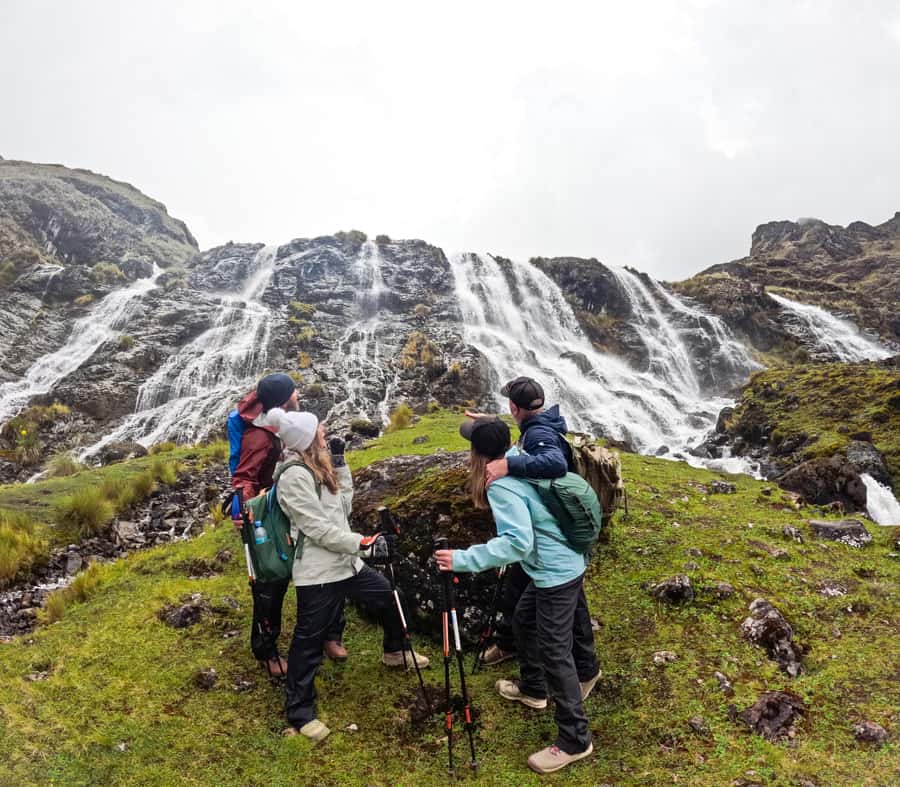
The morning begins with more time in Canchacancha. You visit homes and the school, and you have the chance to donate supplies. If you want to bring something, confirm suitable donations with the operator before packing. The important point is to make any gift useful and respectful, rather than handing out random items.
The downhill walk to the Sacred Valley takes about four hours. The change in vegetation and farming is clear: you move from potato fields into areas growing corn and avocados. This descent shows how altitude shapes agriculture in the Cusco Region.
The hike ends in Huaran at 2,700 meters, where you eat a picnic lunch and say goodbye to the muleteers and chef. That farewell matters. The support team has carried the food and equipment, cooked three dinners and three lunches across the trek, and helped make the camping portion possible.
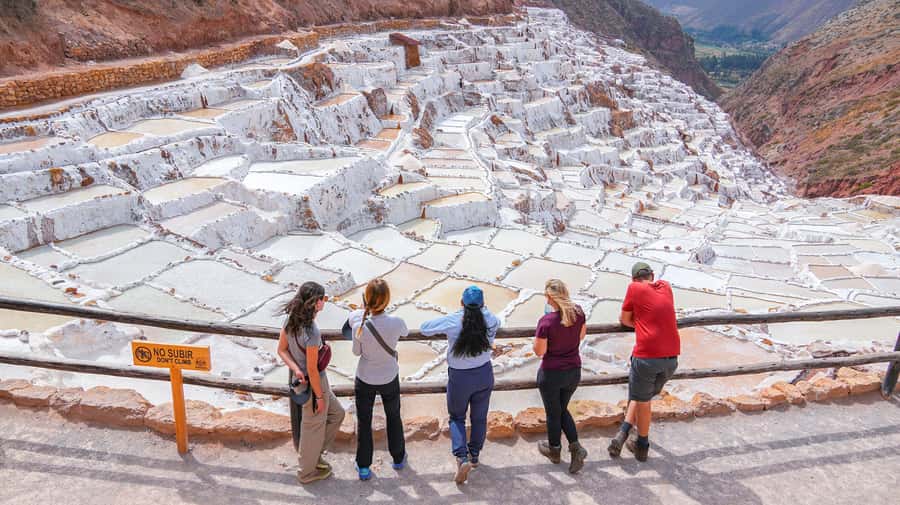
From Huaran, a private van takes you to the Salineras of Maras. The salt pans are built into the mountainside and supplied by a natural saltwater stream. You learn how salt is traditionally harvested in small pools. The stop is visually striking, but it also shows a working local industry rather than a monument frozen in time.
Ollantaytambo follows. This is often called the last living Inca town because its old street plan and stone architecture remain part of an active settlement. The visit gives you a chance to see Inca construction in an everyday town setting, not only inside an archaeological park.
After dinner, you board the train to Aguas Calientes, also called Machu Picchu Pueblo. You spend the night in a comfortable three-star hotel. That hotel night is well placed: after two high camps and a long downhill walk, a bed and shower make the next morning much easier.
More Train Rides around Cusco:
- Cusco: 4-Day Salkantay Trek to Machu Picchu, Panoramic Train
★ 4.3 · 17 reviews - Saint Kitts Train Trek
★ 4.0 · 60 reviews
Day 4: Machu Picchu at sunrise, then the Vistadome home
The final morning starts early with breakfast, followed by the bus up to Machu Picchu. The planned arrival is around sunrise, when light begins to reach the citadel and the main viewpoints are at their most dramatic.
Your guide leads a two to three-hour walking tour through important parts of the site. You learn about Inca engineering, daily life, and the way the city was built into its mountain setting. The guided visit is valuable here because Machu Picchu can otherwise become a series of impressive stones with little explanation.
The bus returns you to Aguas Calientes, where you have lunch and free time. Lunch is not included, so keep cash available. You then board the Vistadome train toward Ollantaytambo.
The Vistadome is a fitting end to the route. Large windows and panoramic sections let you watch the valley pass by, and the ride gives your legs a break after the citadel visit. From Ollantaytambo, a private transfer takes you back to Cusco by evening.
This final day is long, but it is arranged efficiently. You see Machu Picchu without giving up the mountain scenery on the return journey. Optional tickets for Huayna Picchu or Machu Picchu Mountain are not included, so those require separate planning and payment.
Food, camping, and the support team
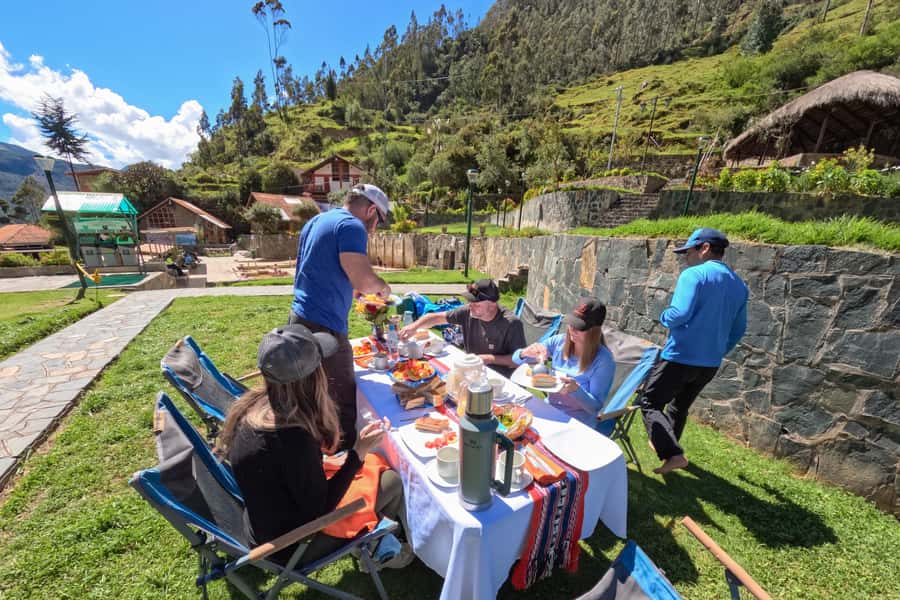
Food is one of the strongest parts of this trip. Trekking chefs prepare four breakfasts, three lunches, and three dinners. A vegan hiker specifically received meals suited to that diet, so tell the operator about dietary needs when booking rather than waiting until departure.
Meals matter more than usual at altitude. A warm breakfast helps you start early, lunch breaks up the hardest walking, and dinner gives the group a shared end to a demanding day. The hot lunch after Condor Pass should be especially welcome.
Camping is comfortable in the sense that the staff carries the supplies and prepares the food, but it remains camping at nearly 4,000 meters. Two nights in scenic camps mean cold temperatures and basic facilities. Sleeping bags, air mattresses, and trekking poles are available to rent, but they are not included in the $690 price.
The personal duffle allowance is up to 7 kilograms, or 11 pounds, carried by muleteers. Pack this carefully with warm layers, sleepwear, toiletries, and any extra clothing you need for camp. Keep documents, medication, water, camera equipment, and rain gear in your own daypack.
The guiding team shapes the trip. Manolo was praised for being an excellent guide, while Filio led one especially small departure. A smaller group can make the pace and social rhythm easier, though the exact group size is not guaranteed.
Is $690 a fair price?
I consider $690 per person a good value for this itinerary. The price includes a certified guide, transport from Cusco, entrance fees to Machu Picchu, Maras, and the Lares Hot Springs, two nights of camping, one hotel night, meals prepared by trekking chefs, horses and muleteers, the Machu Picchu bus, and the Vistadome return train.
Those pieces add up quickly if arranged separately. The Vistadome is not the cheapest train category, and the support crew removes the need to organize food transport or camping logistics yourself.
The value is strongest if you want a guided route with cultural stops and reliable transport. It is less compelling for someone who already owns all trekking equipment, prefers independent hiking, or wants to spend more time at Machu Picchu itself.
Travel insurance is not included and is recommended. The activity is non-refundable, so I would confirm your health, travel dates, passport details, and ability to handle high altitude before paying.
What to pack for this high-altitude route
Bring your passport, hiking shoes, comfortable shoes, hiking trousers, sun protection, rain gear, insect repellent, toiletries, hand sanitizer or tissues, a camera, and cash.
I would give extra attention to the following:
- Warm layers for the camps
- A sleeping bag or rental arrangement
- An air mattress if you need more padding
- Trekking poles for the steep climb and long descent
- Sunscreen, sunglasses, and a sun hat
- Weather-appropriate clothing that can handle changing conditions
- Any special food items required for your diet
The tour does not allow weapons or sharp objects, smoking, alcohol, drugs, or littering. Children must be accompanied by an adult, and unaccompanied minors are not accepted.
Pickup is included from accommodation in Cusco. Wait in the lobby ten minutes before pickup, and look for a driver holding a sign with your last name. If your hotel is outside the Cusco district, you need to reach a meeting point near the main square.
Who should book this trek?
I would choose this trip if you want Machu Picchu as part of a broader Andean journey. It suits people who enjoy walking, community visits, mountain scenery, and a busy schedule with several different types of stops.
Families and friends in good physical condition can manage it, but nobody should mistake manageable for easy. The high pass, cold camps, and early starts require preparation. The guide can allow pauses, but no guide can remove the altitude.
I would skip it if you need a wheelchair, have serious heart or back problems, have limited mobility, or are pregnant. You should also think twice if you dislike camping or strongly prefer warm, low-altitude accommodation each night.
Final verdict: book it for variety and value
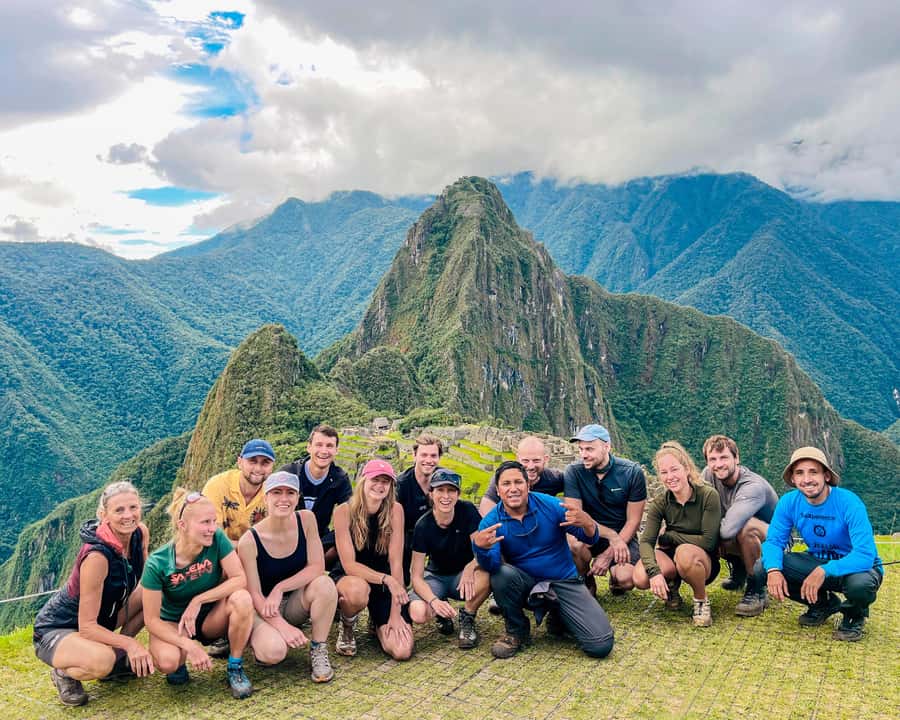
I recommend the Lares Trek to Machu Picchu for fit hikers who want more than a direct visit to the citadel. The weaving cooperative, Lares Hot Springs, Condor Pass, Canchacancha, Maras, and Ollantaytambo give the journey real range.
The strongest features are the excellent food support, the cultural contact, and the well-chosen finish with Machu Picchu and the Vistadome train. The tradeoff is clear: high altitude, cold camping, and a packed four-day schedule.
Book it if you can prepare for the mountains and want a guided route with substantial inclusions. Choose another plan if you need a slower pace, warmer accommodation, or more free time around Machu Picchu.
FAQ
How long is the Lares Trek to Machu Picchu experience?
The experience lasts four days. It includes two nights of camping, one night in a three-star hotel in Aguas Calientes, the Lares Trek, Machu Picchu, and the return journey to Cusco.
What is the highest point on the trek?
The route reaches Condor Pass at 4,750 meters. The high altitude makes the climb physically demanding, even for people who are generally fit.
Are meals included?
Yes. The package includes four breakfasts, three lunches, and three dinners prepared by trekking chefs. Special dietary needs should be provided when booking.
Is camping equipment included?
Sleeping bags, air mattresses, and trekking poles are not included, but they can be rented upon request. Horses and muleteers carry food and equipment, and a personal duffle bag of up to 7 kilograms is provided for camping gear.
Does the tour include the Vistadome train?
Yes. The return trip from Aguas Calientes to Ollantaytambo uses the panoramic Vistadome train. A private transfer then takes you from Ollantaytambo to Cusco.
Are Huayna Picchu or Machu Picchu Mountain tickets included?
No. Entrance tickets for Huayna Picchu and Machu Picchu Mountain are optional add-ons and are not part of the standard package.
Who should not take this trek?
The route is not suitable for pregnant women, people with back or heart problems, people with mobility impairments, or wheelchair users. Children must be accompanied by an adult.
More Four-Day Trips around Cusco
- 4-Day Inca Jungle Adventure, Mountain Biking, Rafting and Zipline
★ 5.0 · 60 reviews - Pokhara: 4-Day Ghorepani, Poonhill & Ghandruk Mountain Trek
★ 5.0 · 132 reviews - 4 Day Wild Tasmania Tour / Wildlife, Nature, Hiking / Inc. Accom
★ 5.0 · 126 reviews - 4 Days Poon Hill Trek
★ 5.0 · 94 reviews
Just added around Cusco
- Cusco: 4-Day Salkantay Trek to Machu Picchu, Panoramic Train★ 4.3 · 17 reviews
- From Cusco: Rainbow Mountain Trek★ 4.5 · 98 reviews
- Choquequirao Trek 4 days and 3 nights★ 5.0 · 81 reviews
- 4-Day Inca Jungle Adventure, Mountain Biking, Rafting and Zipline★ 5.0 · 60 reviews
- Machu Picchu: 5-Day Salkantay Trek with Panoramic Train★ 5.0 · 79 reviews
- Humantay Lake Full Day Hike★ 5.0 · 75 reviews
- Full-Day Trek to Humantay Lake from Cusco with Guide★ 4.5 · 66 reviews
- 5-Day: Salkantay Trek to Machupicchu and Humantay Lake★ 5.0 · 42 reviews
Cusco Hiking Tours, compared.
7 Lakes Ausangate Trek with Breakfast and Lunch
Read our review →
Rainbow Mountain Tour and Red Valley Hike (Optional)
Read our review →
Full-Day Rainbow Mountain & Red Valley Trekking Tour
Read our review →
Machu Picchu: 5-Day Salkantay Trek with Panoramic Train
Read our review →
Browse the lists this tour appears in