
REVIEW · CUSCO HIKING TOURS
Choquequirao Trek 4 days and 3 nights
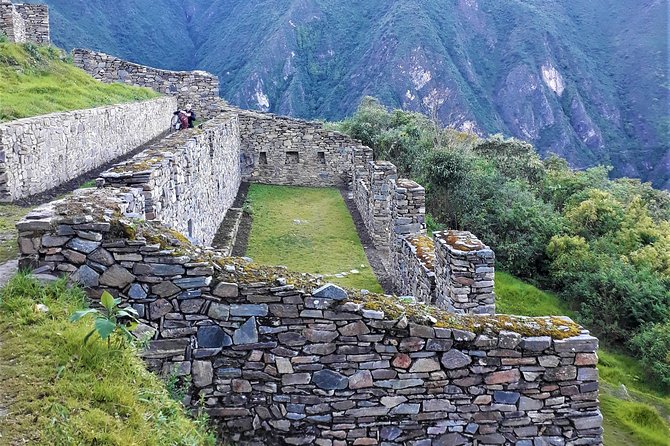
The best ruins are often the hardest to reach. The four-day Choquequirao Trek takes you from Cusco into the Apurimac Canyon and up to an Inca citadel that sees far fewer visitors than Machu Picchu. I like the small-group format and the fact that a guide, chef, and porter team handle the practical work. The chance to explore Choquequirao in peace is another major strength.
This is not a gentle sightseeing tour. You face long climbs, steep descents, early starts, and camps at lower elevations in the canyon. The route details also contain a few inconsistencies, including a repeated day-one description and conflicting maximum group sizes, so I would confirm the final schedule before paying.
Key Points Before You Book
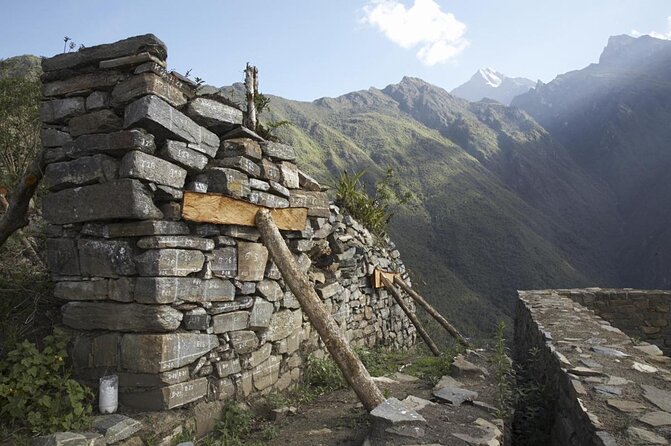
- Choquequirao without the crowds: The remote citadel is the main prize, with a quieter feel than Peru’s better-known Inca sites.
- A serious four-day hike: Expect roughly six to eight hours of walking each day, including steep uphill and downhill sections.
- Strong camp support: A chef prepares breakfast, lunch, and dinner, while a personal porter carries up to 7 kilograms of your belongings.
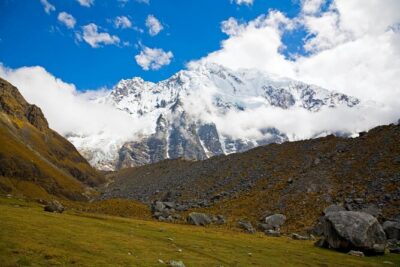
- Excellent canyon scenery: The route moves from high Andean country into warmer, greener terrain around the Apurimac Canyon.
- Saywite adds a final archaeological stop: Your return includes time at this unusual carved stone site before reaching Cusco.
- Check the route details: The supplied schedule has errors and conflicting group-size information, so ask for clarification during the pre-departure briefing.
Why Choquequirao Is Worth Four Hard Days
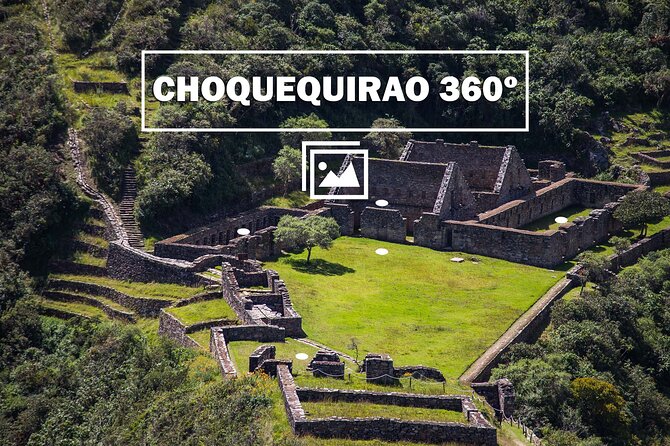
Choquequirao is often described as a lost city of the Incas, but the real appeal is its setting and sense of distance. You are not simply stepping off a bus at a famous ruin. You reach the site after crossing the Apurimac Canyon, walking through changing climates, and spending nights in basic camps.
That effort changes the experience. The citadel feels like a destination earned by foot. You get time to look around without the constant flow of people found at Peru’s most famous archaeological sites.
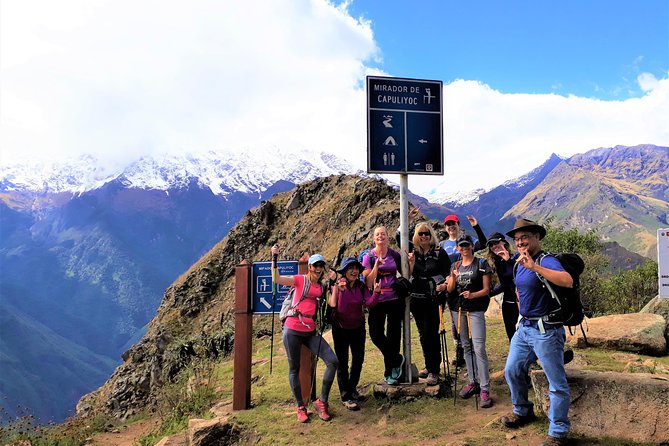
The route begins high, at Capuliyoc, then drops into the canyon before climbing again toward the ruins. This creates a demanding profile. Downhill walking may sound easier, but long descents can be hard on your knees, especially on the first day. The later climbs require steady pacing and patience.
The tour costs $698 per person. That is a serious amount, but it includes private transportation, a professional English-speaking guide, camp cooking, meals, a personal porter for up to 7 kilograms, and hotel pickup and return transportation. If you attempted to arrange the same support separately, the cost and planning would add up quickly.
The value depends on what you want. If your priority is comfort, hotels, and short walks, this is the wrong choice. If you want a remote archaeological site and prefer having the food, luggage support, and transport organized for you, the price is reasonable for a four-day expedition.
More Machu Picchu and Inca Trail Treks in Cusco:
- Salkantay Trek Challenge – 3 Days / 2 Nights
★ 5.0 · 101 reviews - Machu Picchu: 5-Day Salkantay Trek with Panoramic Train
★ 5.0 · 79 reviews - 5-Day: Salkantay Trek to Machupicchu and Humantay Lake
★ 5.0 · 42 reviews
Day One: Capuliyoc, the Apurimac Canyon, and Santa Rosa
The day begins very early, with pickup from your Cusco hotel or the airport between 4:30 and 5:00 a.m. That timing matters. You spend the morning driving across the Andes toward Capuliyoc, arriving at about 8:30 a.m. Breakfast is served before the hike starts.
Capuliyoc sits at about 2,911 meters, or 9,550 feet. From there, the trail drops for around four hours to Chiquiska, where lunch is planned. The descent gives you your first broad views into the Apurimac Canyon, one of the deepest in Peru.
This first section is visually rewarding, but it is not a warm-up stroll. You lose a great deal of elevation in one day, moving from high Andean scenery toward warmer vegetation. The route passes through changing plant life, with views extending from the uplands toward cloud-forest conditions.
After lunch, you continue downhill for about two more hours to Santa Rosa, at roughly 1,478 meters. This is your first overnight camp. The full distance is listed as 10.8 kilometers, with about six hours of hiking.
For you, the main challenge is not altitude alone. It is the combination of an early departure, a long drive, and a sustained descent. Trekking poles are optional, but I would strongly consider renting or bringing them. They are especially useful when a downhill day puts pressure on your knees.
Day Two: The Big Climb Toward Marampata and the Citadel
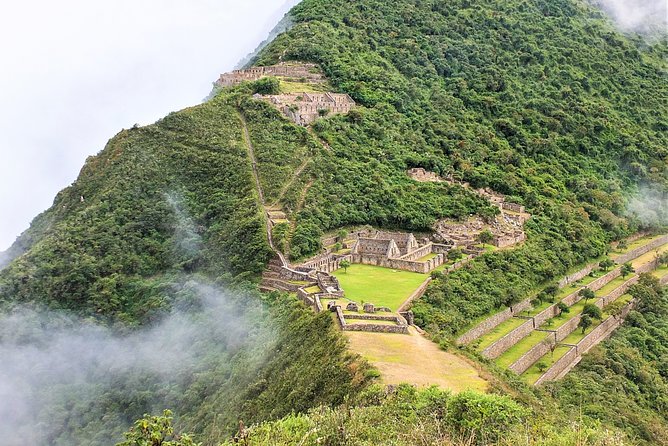
The intended focus of day two is the route from Marampata toward Choquequirao. This should be the major climbing day, and it is the part of the trek that demands the most discipline from many hikers.
The schedule supplied for this day repeats the day-one description, including the drive from Cusco, breakfast at Capuliyoc, the descent to Chiquiska, and the night at Santa Rosa. That is clearly inconsistent with the four-day route. You should ask the operator to provide the corrected day-two plan before departure.
Based on the stated day-two heading, you should expect the route to continue from the canyon toward Marampata and then on to the archaeological site. The climb from the lower canyon area is the reason you need moderate physical fitness. Go slowly, drink regularly, and do not feel pressured to match somebody else’s pace.
The attraction of a small group is useful here. The tour is described as limited to 12 people in its highlights, while the additional information gives a maximum of 16. That difference is worth clarifying. Either group size is manageable, but 12 people would give the guide more room to adjust the pace and offer individual help.
The support team is a major asset on a day like this. The guide manages the route and pacing, the porter carries your personal bag within the 7-kilogram limit, and the cook prepares meals at camp. You carry only what you need during the day, rather than hauling all your equipment uphill.
Choquequirao Citadel: Time for the Main Event
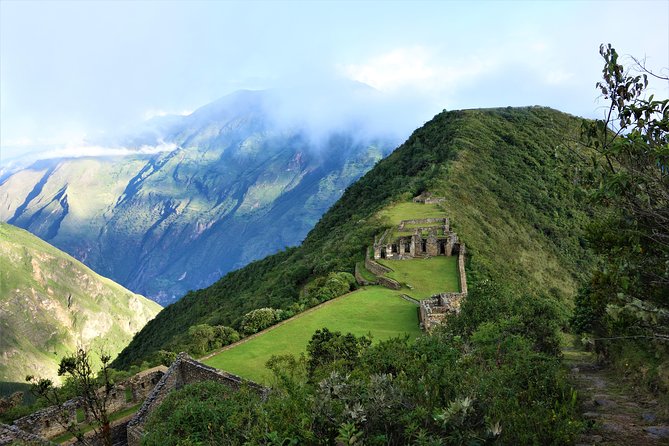
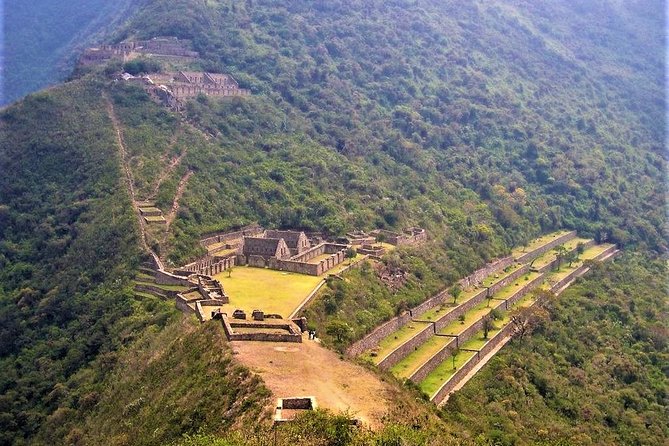
The citadel is the heart of the trip. The experience is not just about reaching an Inca site, but about seeing it in a remote mountain setting after a long approach.
The schedule places time at Choquequirao around day two and describes an early start with sunrise views. That is one of the most appealing details in the program. Morning light can make the terraces, stonework, and surrounding mountains feel especially dramatic, while the quiet setting gives you room to look carefully.
Allow yourself time to listen to the guide. The value of a professional guide is not limited to pointing out stones. A good guide can connect the ruins to Inca planning, agriculture, religion, and the terrain around them. Guides named in past trip accounts include Elias, Sebastian, Renato, Pepe, and others, but your assigned guide will depend on the departure.
You should also expect some uncertainty in the exact visiting sequence. The day-two and day-three descriptions do not line up cleanly. Rather than treating the printed timing as exact, use the pre-departure briefing at 6:00 p.m. the night before to confirm when you visit the citadel, where you camp, and how long you have on site.
That briefing is not a formality. Ask about the day’s elevation gain, water access, meal times, luggage arrangements, and the route back. A few clear questions can make a demanding trek feel much more manageable.
More Four-Day Trips around Cusco:
- 4-Day Inca Jungle Adventure, Mountain Biking, Rafting and Zipline
★ 5.0 · 60 reviews - Cusco: 4-Day Lares Trek to Machu Picchu with Panoramic Train
★ 4.9 · 20 reviews - Cusco: 4-Day Salkantay Trek to Machu Picchu, Panoramic Train
★ 4.3 · 17 reviews - Pokhara: 4-Day Ghorepani, Poonhill & Ghandruk Mountain Trek
★ 5.0 · 132 reviews
Day Three: Flowers, Waterfalls, and Another Long Walking Day
The supplied day-three plan lists about eight hours of hiking and describes a route involving Santa Rosa and Chiquiska. It also gives conflicting distance figures, listing both 8 kilometers and 11.32 miles. Those numbers are not equivalent, so you should ask the guide for the corrected distance.
The stated route includes three hours downhill to Santa Rosa, lunch, another two hours downhill, and two hours uphill to camp near Chiquiska. That means you face repeated changes in direction and effort. Downhill sections can tire your legs, while the final climb may feel harder after lunch.
The scenery is described as one of the day’s rewards, with flowers, birds, and distant waterfalls. This is where a slower pace pays off. Keep your eyes open instead of treating the day as a race to camp.
A good trekking meal also matters here. The cooks have been praised for serving varied food, sometimes with no repeated dish across the trip, despite working in mountain camps. The included meal plan covers four breakfasts, four lunches, and three dinners. Vegetarian meals are available if you request them when booking, and you should also report other dietary needs in advance.
The camp elevation figures also vary in the supplied details, with one place showing 1,450 meters and another giving 1,800 meters for Chiquiska. That is another reason to confirm the nightly plan at the briefing.
Day Four: The Final Climb and Saywite
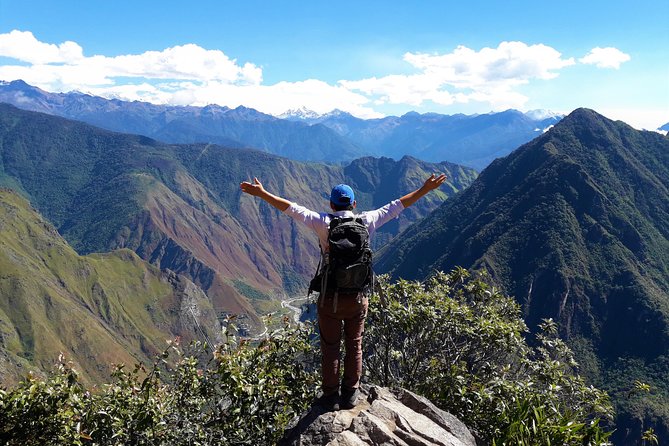
The final day begins with breakfast and a four-hour uphill walk to Capuliyoc. This is a fitting end to the route, but it is not an easy exit. After several days of hiking, a sustained climb can test your legs.
Lunch is planned at Capuliyoc, followed by farewells to the trekking team. From there, private transportation takes you to Saywite, an archaeological site known for a mysterious carved stone.
Saywite gives the final day a different rhythm. Instead of ending with transport straight back to Cusco, you get time to explore another Peruvian archaeological site. It is a useful extra, especially if you enjoy unusual stonework and places that feel less familiar than the country’s headline attractions.
The stated return to your hotel is around 5:00 p.m. That makes this a full day, not a short transfer after breakfast. Keep a little energy in reserve for Saywite, and do not plan an important evening reservation in Cusco until you know the final return time.
The Food and Camp Support Are Part of the Value
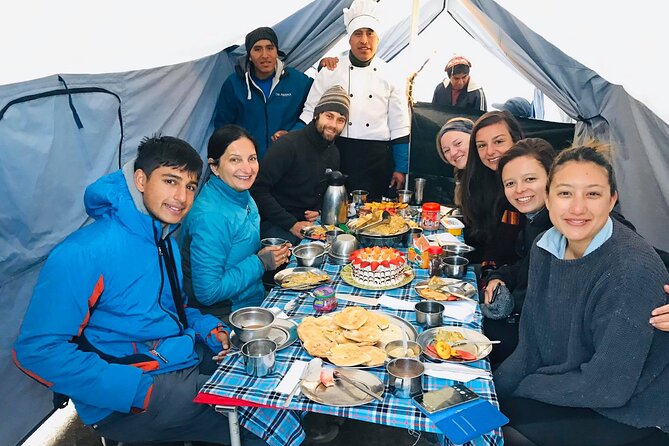
The included support is more substantial than on a basic guided walk. A chef prepares the meals, and a personal porter carries up to 7 kilograms of your personal belongings. That allows you to hike with a lighter daypack.
The food receives especially strong praise in the trip accounts. Cooks named Leandro, Balbino, Oscar, Julio Cesar, Lucio, and Juvenal are credited with preparing varied meals in difficult conditions. Those names will not necessarily apply to your departure, but they show the level of kitchen service the company aims to provide.
You should still pack sensibly. The optional mattress, sleeping bag, and trekking poles are not included. The operator can offer advice, but you need to confirm exactly what you must bring or rent. The information supplied does not state the sleeping arrangements or tent details, so ask about those before setting out.
The porter service also has a limit. Seven kilograms is helpful, but it does not mean you can hand over all your luggage. Pack a small bag for the trek and leave anything unnecessary in Cusco if that option is available through your hotel or the operator.
Guide Quality and Personal Attention
The guide can make or break a trek of this length. You spend several days together, and the route includes steep hills, remote camps, and long hours on foot.
The company’s guides are often praised for patience, humor, cultural explanation, and encouragement. Elias is described as kind and upbeat, while Sebastian is praised for keeping spirits high on a hard route. Other named guides, including Renato, Pepe, Eddie, Abelardo, and Alexis, are associated with supportive and engaging departures.
Your guide will vary, so treat those names as examples rather than a promise. The more important point is the guide-to-group relationship. A group of 12 would allow more personal attention than a large departure, but the stated maximum of 16 means you should confirm the actual size.
The tour requires a moderate fitness level. That phrase should not be underestimated. You need to be comfortable walking for six to eight hours, handling steep gradients, and recovering well enough to do it again the next day.
Practical Details, Timing, and Cancellation
Pickup begins between 4:30 and 5:00 a.m., and the meeting point is arranged through your hotel or airport pickup. A valid passport is required on the day, and passport name, number, expiry date, and country must be supplied for each person at booking.
Children must be accompanied by an adult. The operator requires good weather for the trek. If poor weather forces cancellation, you are offered another date or a full refund. If the minimum group size is not reached, the same choice applies.
You can cancel for a full refund up to 24 hours before the start time. Cancellations or changes made within 24 hours are not refunded or accepted, so pay attention to local time in Cusco.
The experience has received a five-star rating from 81 published ratings, with 100 percent recommending it. That is a strong signal, especially because the most praised features are the ones that matter on a remote trek: guide support, cooking, porter care, and smooth organization.
Still, no rating removes the need to prepare. The route information has errors, and the physical demands are real. Confirm the corrected itinerary and group size, then decide based on your fitness and interest in remote ruins.
Should You Book the Choquequirao Trek?
I would book this trek if you want a demanding, quieter alternative to Peru’s busiest Inca routes. The best reasons are the Apurimac Canyon, the remote setting, the small-group approach, and the strong food and support team.
I would not choose it if you want a relaxed holiday or dislike early starts and basic camping. The four-day schedule is packed, and the downhill and uphill sections require genuine stamina.
Before booking, ask three direct questions: What is the corrected day-two and day-three schedule? Will the group contain 12 or up to 16 people? Which camping equipment is included or available to rent?
If those answers suit you, the $698 price offers solid value for a guided expedition with transport, meals, porter service, and archaeological sites built into the route. Choquequirao rewards effort, and this tour gives you a practical way to reach it without organizing every meal, camp, and transfer yourself.
FAQ
How long is the Choquequirao Trek?
The trek lasts four days and three nights, with approximately six to eight hours of hiking on the main walking days.
Where does the trek start?
The tour begins with pickup in Cusco between 4:30 and 5:00 a.m. Pickup can be arranged from your Cusco hotel or the airport.
How much does the trek cost?
The listed price is $698 per person.
What meals are included?
The package includes four breakfasts, four lunches, and three dinners. A chef prepares the meals during the trek.
Is a vegetarian meal available?
Yes. Vegetarian food is available, but you must request it when booking. You should also provide details about any other dietary requirements.
How much luggage can the personal porter carry?
The personal porter can carry up to 7 kilograms of your personal belongings.
Are sleeping bags and trekking poles included?
No. A mattress, sleeping bag, and trekking poles are optional extras. The operator can provide guidance about them.
What level of fitness is required?
The tour requires moderate physical fitness. You should be prepared for steep uphill and downhill walking and hiking days lasting roughly six to eight hours.
What is the maximum group size?
The information gives two different figures. The highlights describe a limit of 12 people, while the additional details state a maximum of 16. Confirm the group size before booking.
What is the cancellation policy?
You can cancel at least 24 hours before the start time for a full refund. Cancellations or changes made less than 24 hours before the start are not refunded or accepted.
Just added around Cusco
- Cusco: 4-Day Salkantay Trek to Machu Picchu, Panoramic Train★ 4.3 · 17 reviews
- Cusco: 4-Day Lares Trek to Machu Picchu with Panoramic Train★ 4.9 · 20 reviews
- From Cusco: Rainbow Mountain Trek★ 4.5 · 98 reviews
- 4-Day Inca Jungle Adventure, Mountain Biking, Rafting and Zipline★ 5.0 · 60 reviews
- Machu Picchu: 5-Day Salkantay Trek with Panoramic Train★ 5.0 · 79 reviews
- Humantay Lake Full Day Hike★ 5.0 · 75 reviews
- Full-Day Trek to Humantay Lake from Cusco with Guide★ 4.5 · 66 reviews
- 5-Day: Salkantay Trek to Machupicchu and Humantay Lake★ 5.0 · 42 reviews
Cusco Hiking Tours, compared.
7 Lakes Ausangate Trek with Breakfast and Lunch
Read our review →
Rainbow Mountain Tour and Red Valley Hike (Optional)
Read our review →
Full-Day Rainbow Mountain & Red Valley Trekking Tour
Read our review →
Machu Picchu: 5-Day Salkantay Trek with Panoramic Train
Read our review →
Full-Day Trek to Humantay Lake from Cusco with Guide
Read our review →Browse the lists this tour appears in