
REVIEW · SAPA HIKING TOURS
Sapa: 2-Day Local Guided Valley Trek with Night Homestay
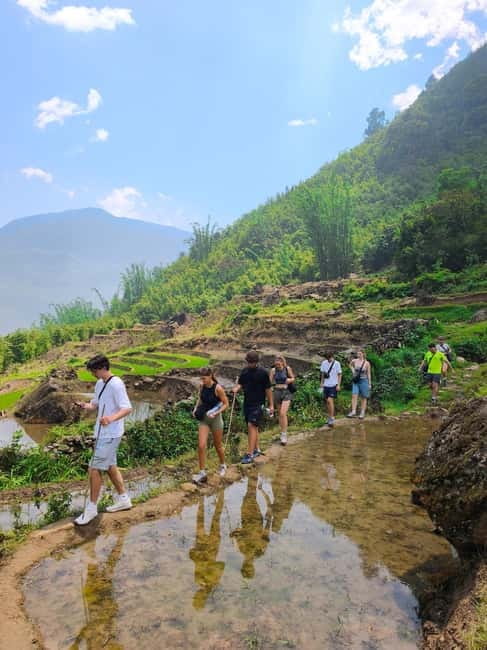
Trade city noise for mountain paths. This two-day Sa Pa trek takes you from Ham Rong Mountain through Black H’mong and Red Dao villages, bamboo forest, rice terraces, and a traditional homestay. I like the close contact with village life, and I like that guide Zo adjusts the pace to suit the group. The main catch is the effort: 19 kilometers over steep, uneven ground is no casual stroll.
You begin with a tough climb and finish with tired legs, so sensible shoes and a reasonable fitness level matter. The $43 price is very attractive for a local guide, village meals, overnight lodging, and return transport, though you should confirm exactly which meals and homestay facilities are included before setting out.
What makes this Sa Pa trek worth your time
- A real local guide: Zo is a Black H’mong guide who explains local life, plants, farming, and customs in English.
- A strong first-day climb: The route rises toward Ham Rong Mountain at about 2,000 meters before dropping toward village trails.
- Two ethnic communities: You visit Black H’mong villages and a Red Dao village, with time to see homes, farms, and daily routines.
- A simple village night: The homestay in Giang Ta Chai Mong offers a warm welcome, local food, and basic facilities rather than hotel comfort.
- 19 kilometers of varied walking: Expect mountain paths, stone steps, rice terraces, bamboo forest, and village roads.
- Low-cost, personal travel: At $43 per person, the tour offers strong value if you want walking and cultural contact more than polished comforts.
The real appeal of walking with Zo
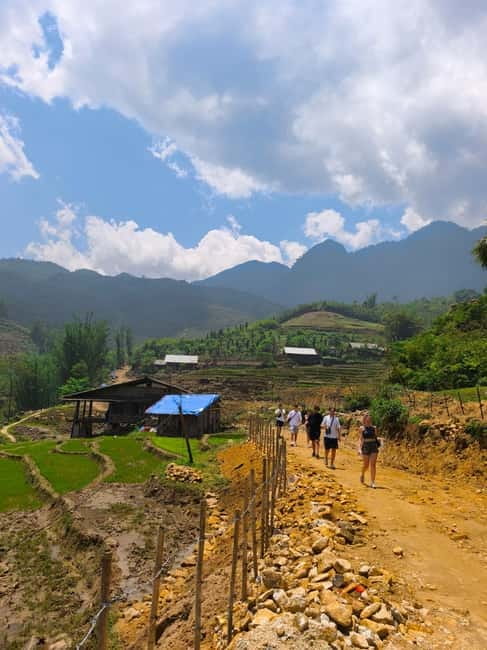
Sa Pa is easy to admire from a viewpoint, but walking gives you a better sense of how the area works. You pass homes, animals, fields, and narrow paths that connect villages. The scenery changes slowly, which is exactly the point.
Zo adds value because she is not simply leading from the front. She talks about Black H’mong life, points out plants in the forest, and explains what you are seeing as you walk. Her background gives the trip a personal connection that a standard sightseeing bus cannot offer.
The strongest praise for the tour centers on Zo’s care with pace and safety. She adjusts the route to the group’s ability, which matters on a walk that can feel very different in wet weather or after the first uphill section. That flexibility is useful, but it does not turn the trek into an easy outing.
You also get small moments that are easy to miss on a rushed day trip: a hot cup of tea after walking, a local smile, footsteps on dry leaves, or conversation around the evening meal. These details give the trip its character.
More Homestay and Village Treks in Sa Pa:
- Number one top rated ethical cultural trekking and homestay by ETHOS
★ 5.0 · 456 reviews - Sa Pa: 2-Day Trekking Trip with Ethnic Minority Homestay
★ 4.7 · 145 reviews - Private Hoang Lien National Park & Tribal Village Trek
★ 4.7 · 30 reviews
Day one: Ham Rong Mountain to Giang Ta Chai Mong
The tour begins at 9:00 in Sa Pa, with pickup at your hotel or near Sa Pa Stone Church. After a short introduction, you start with roughly two kilometers uphill toward Ham Rong Mountain.
This opening climb is the day’s early test. The trail rises toward about 2,000 meters, so you will feel the work in your legs. Take it slowly, drink water, and do not waste energy trying to keep a fast pace. The reward is a broad view toward Fansipan, the 3,143-meter peak known as the Roof of Indochina.
From the mountain, you can look across Muong Hoa Valley and its famous rice terraces. The view is one of the tour’s main photographic moments, but the weather will affect what you see. Clouds can soften the mountains or hide some of the distant peaks. That is normal for Sa Pa, not a sign that the trek has failed.
The trail then heads downhill toward Hang Da Village, a Black H’mong community. Along the route, you might see buffaloes, horses, pigs, and other animals moving freely near the homes and fields. This part feels more connected to everyday village life than a formal attraction, so expect a working community rather than a staged cultural display.
At about 12:30, you stop for lunch at a small restaurant near a local family in Hang Da. The setting is modest, and that is part of the appeal. You are eating in the village instead of returning to town for a familiar tourist menu.
After lunch, the route continues at around 14:00 along a smaller trail toward Hau Thao Village. This is another Black H’mong community, and the walk gives you a chance to see farming activity. Depending on the season, you might see rice planting or harvesting.
That seasonal change matters. Rice terraces look different across the year, and the work in the fields changes too. If you visit during a quiet farming period, the views still reward you, but you may see less agricultural activity than someone visiting during planting or harvest.
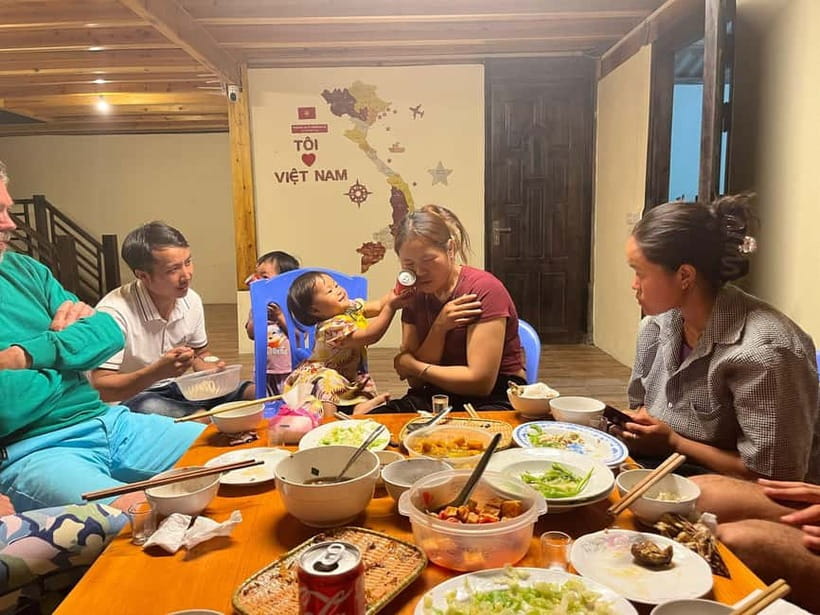
By about 17:00, you reach the homestay in Giang Ta Chai Mong. The hosts are Black H’mong, and the evening is meant to be unhurried. You can talk with the family, learn about local life, or simply rest after the day’s 13 to 15 kilometers.
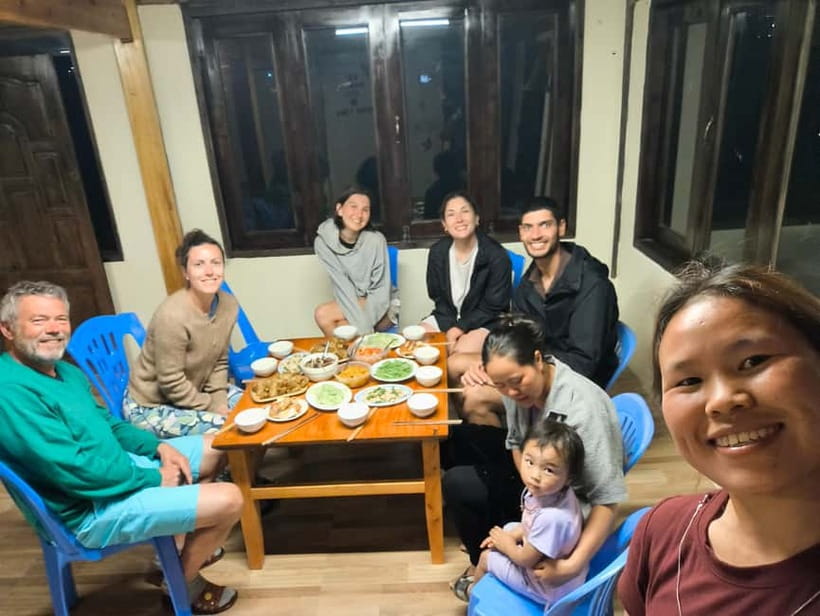
Dinner is served around 19:00. The food is one of the evening’s highlights, especially after a long walk. Some people describe the dinner as a welcome reward, with time to sit near the fire and enjoy the calm of the village.
Do not expect a polished hotel room. The homestay is simple, cozy, and fitted with basic facilities. A private room may be available, but you should confirm the sleeping arrangement when booking if privacy matters to you. The point is contact with a local household, not room service.
Day two: Red Dao villages, bamboo forest, and rice terraces
The second morning begins at about 8:00. You can open the window and watch clouds move through the valley as the sun rises over the mountains. It is a peaceful start, but remember that another day of walking is ahead.
Breakfast comes at 9:00, with tea or coffee. A hot drink is a small thing, yet it can be just what you want in the cool morning air. After breakfast, you leave the homestay at about 9:30 and walk toward Giang Ta Chai Dao Village.
This village is associated with the Red Dao people and sits near the mountain foothills. The cultural shift is useful because it lets you see another ethnic community in the same region rather than treating Sa Pa as one single local culture.
You can photograph the rice terraces and see simple wooden homes. The route also includes a tranquil lake associated with the Red Dao community. The emphasis here is observation. You are not moving from one large attraction to another, but getting a closer look at homes, fields, and the way villages sit among the mountains.
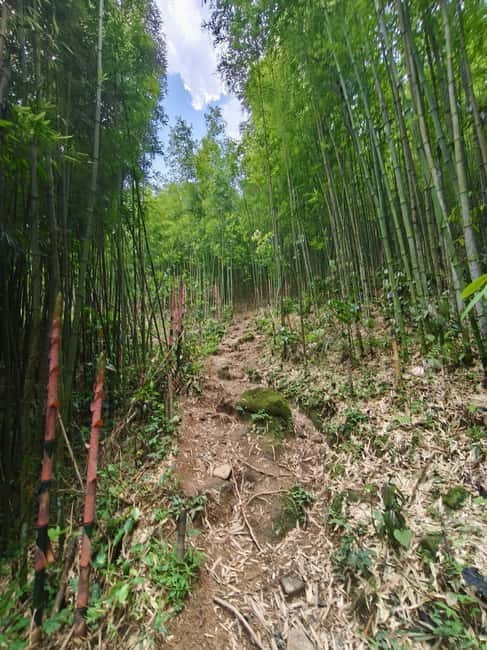
At around 11:00, the route passes through a bamboo forest on the way to Ta Van Village. Bamboo changes the feel of the walk. Instead of open terrace views, you get a narrower trail and the sound of leaves underfoot. It is one of the quieter portions of the journey and a good place to slow down for photographs.
Ta Van is a natural pause point. You can rest, take pictures, and enjoy the surrounding scenery before continuing. The trail still requires attention, especially if conditions are wet. Uneven ground is part of the route, and comfortable walking shoes are not optional decoration.
At noon, you continue from Ta Van toward Lao Chai, one of the best known rice terrace villages in the Sa Pa area. Lunch is served locally in Lao Chai. This is a welcome point in the schedule because you will have already walked through the morning’s villages and forest.
At about 14:00, a car collects you in Lao Chai. The return transfer reaches Sa Pa around 15:30 to 16:00. A vehicle pickup at this point is important. You get a full day of walking without having to complete another long road section back to town.
The transport details say car or motorbike pickup may be used, and the tour includes transfer to and from Sa Pa Town. If you have large luggage or specific transport needs, confirm the arrangement before departure.
How difficult is 19 kilometers in two days?
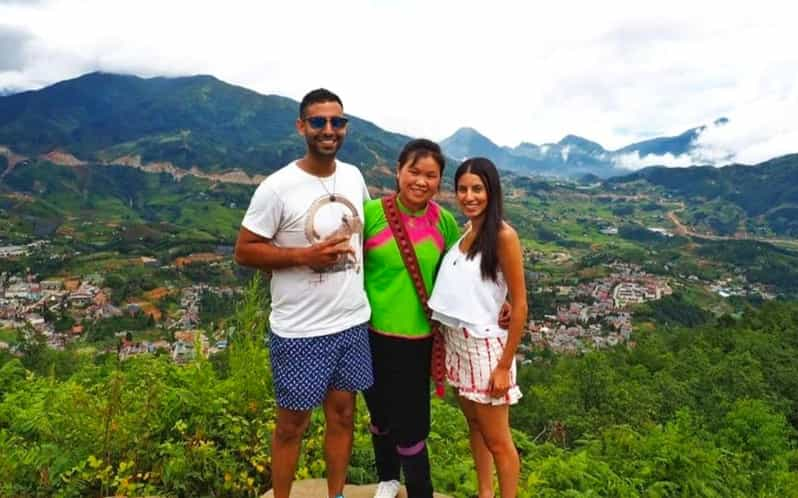
The tour describes the fitness level as moderate, which is fair but should not be read as easy. The total distance is about 19 kilometers, although the first day is listed at 13 to 15 kilometers and the second at 10 kilometers. The exact distance may vary with the route and group pace.
The hardest feature is not only the distance. You also deal with uphill and downhill sections, stone steps, uneven trails, and changing surfaces. The opening climb to Ham Rong Mountain can be demanding, while the descent and village paths require steady footing.
You should be comfortable walking for several hours at a time. If you have knee problems, poor balance, or limited walking experience, ask for more detail before booking. The tour is not suitable for people over 70 according to the supplied information, although another note also mentions an age limit of 95. That conflict should be clarified directly with the provider.
The best approach is to pack light, move at the group’s pace, and use the breaks well. Zo’s willingness to adjust the speed is a plus, but you still need to arrive ready for a proper hike.
More Evening Trips around Sa Pa:
- SAPA: 2-DAY 1-NIGHT TREKKING & CULTURE WITH HMONG GUIDE LINH
★ 4.9 · 126 reviews - Hanoi: Sapa Trekking 2 Days 1 Night – Sleeper Bus from Hanoi
★ 4.6 · 18 reviews - 2 Night Lao Chai-Ta Van Homestay- Trekking & Fansipan Visit
★ 4.0 · 8 reviews - Stromboli: Sunset Trekking at Sciara del Fuoco
★ 4.6 · 1,372 reviews
What the $43 price really gives you
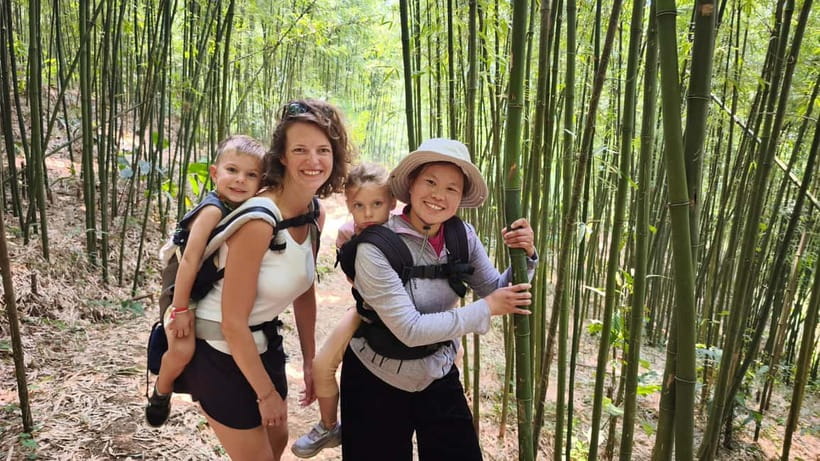
At $43 per person, this is inexpensive for a two-day guided trip with an overnight homestay. You receive an English-speaking local guide, a small bottle of water per person, village lunch, and transport back to Sa Pa. The cultural access and route planning add real value.
The price is especially good if you want to walk through several villages without arranging separate transfers or finding a homestay yourself. You are paying for a local connection as much as for the transport.
Still, check the meal details before you go. The schedule includes lunch on both days, breakfast, and dinner, while the short inclusion list specifically mentions lunch and water. The dinner and breakfast are clearly part of the homestay plan, but it is sensible to confirm what is covered and what might cost extra.
The group is described as a group tour, so you will not necessarily have a private guide for just yourself. That can make the pace less predictable, but it also makes the price lower and gives the walk a social side.
What to pack for the village night
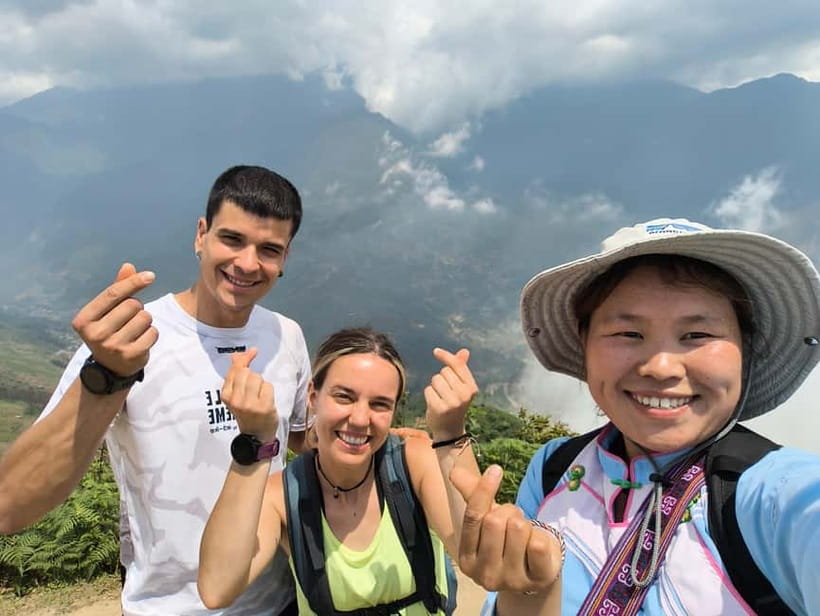
Good preparation will make this trip far more enjoyable. Bring hiking shoes or sturdy trekking shoes with a reliable grip. Comfortable clothes are essential, and a change of clothes is useful after a damp or sweaty day.
Pack a light raincoat or jacket, sunscreen, a sun hat, sunglasses, mosquito repellent, and a waterproof bag. A waterproof camera or phone protection is wise because Sa Pa weather can change, and the trail includes outdoor sections with little shelter.
Carry some cash. The tour information specifically recommends it, and a village trek is not the place to assume every small purchase can be paid by card.
Water is also important. One small bottle is included, but you should bring or arrange enough for your own needs. Keep your day bag compact, since you will be walking for long stretches.
The homestay: comfort with a local connection
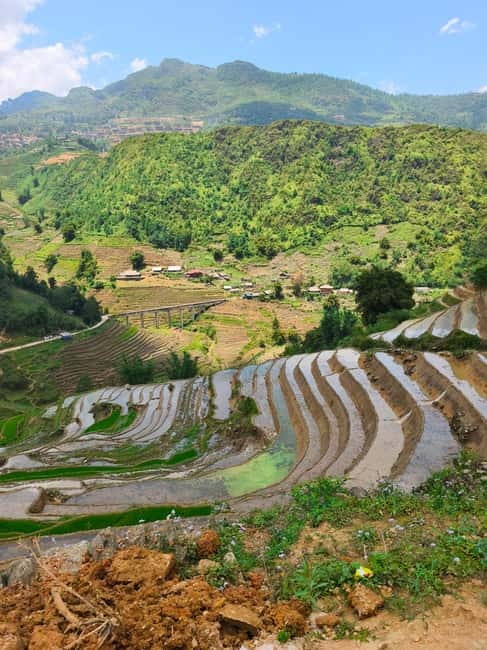
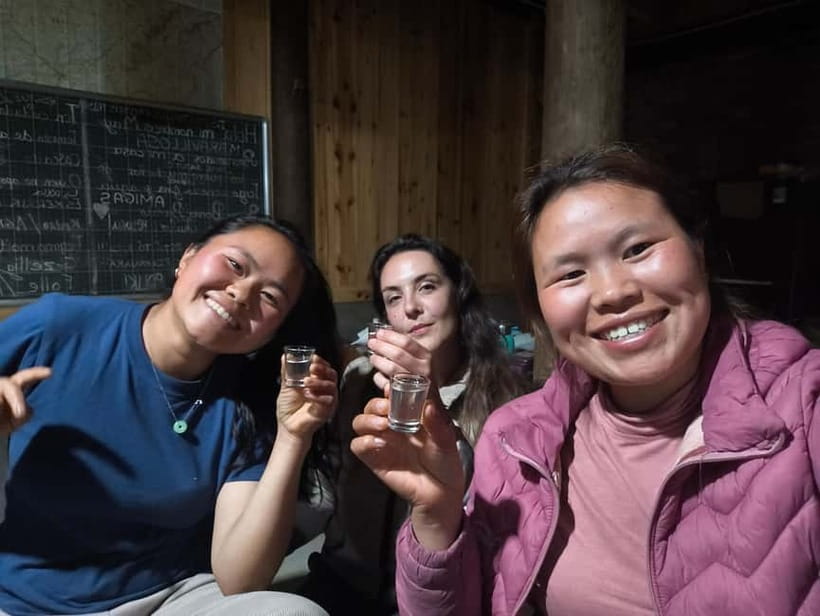
The overnight stay is central to the experience, not just a place to sleep. You stay with Black H’mong hosts in Giang Ta Chai Mong and have time to talk, eat, and watch village life after the walking day ends.
The accommodation is basic, authentic, and cozy. That means you should expect simple facilities rather than the privacy and conveniences of a Sa Pa hotel. The appeal is the welcome and setting, especially if you enjoy shared meals and quiet evenings more than polished rooms.
Some accounts of the stay describe private rooms and food prepared by Zo and her husband, but arrangements can vary. Ask about room setup if you need a private bed or have specific comfort requirements.
The homestay also gives the trip a better rhythm. Instead of returning to Sa Pa after a viewpoint stop, you sleep near the rice fields and begin the next morning in the countryside. That extra night is what turns a day hike into a fuller local experience.
Who should book this trek?
I would recommend it to active visitors who want Sa Pa beyond the town center. It suits you if you like walking, village contact, local food, changing scenery, and a simple overnight stay.
It is also a good match if you want a guide who can explain Black H’mong and Red Dao life in English. Zo’s personal stories, plant knowledge, and attention to pace add more than a route map can provide.
You should think twice if you want a relaxed sightseeing tour, a predictable paved path, or hotel-level comfort. The tour has a rewarding payoff, but your legs will know you have been hiking.
Families with very young children should ask before booking. Children under four are free, but the route is still moderate and uneven. The supplied information says to inform the provider in advance.
Cancellation is available up to 24 hours before the tour for a full refund, and you can reserve now and pay later. Book at least 10 hours ahead, and cancel or reschedule at least 24 hours before departure if plans change.
Should you book this Sa Pa homestay trek?
Book it if your ideal Sa Pa day includes mountain views, rice terraces, village paths, a local guide, and a simple night with a host family. The strongest reasons are Zo’s personal guidance, the variety of Black H’mong and Red Dao communities, and the amount of walking included for $43.
Do not book it just because the price is low. You need suitable shoes, moderate fitness, tolerance for basic facilities, and a willingness to walk in changing weather. If that sounds right, this is a practical and rewarding way to see a quieter side of Sa Pa, with enough challenge to make the evening meal taste even better.
FAQ
How long is the Sa Pa trekking tour?
The tour lasts two days and one night. The total walking distance is about 19 kilometers, with approximately 13 to 15 kilometers on day one and 10 kilometers on day two.
Where does the tour begin?
Pickup is available from your hotel in Sa Pa or from the area in front of Sa Pa Stone Church at about 9:00 on the first day.
Which ethnic communities will I visit?
The route includes Black H’mong villages such as Hang Da, Hau Thao, and Giang Ta Chai Mong. On the second day, you visit Giang Ta Chai Dao, a Red Dao community, before continuing to Ta Van and Lao Chai.
Is the trek difficult?
The tour is rated moderate. You should prepare for steep sections, stone steps, and uneven terrain. Comfortable trekking shoes and a reasonable level of fitness are important.
What is included in the price?
The price includes an English-speaking local guide, a small bottle of water per person, village lunch, and car or motorbike pickup back to Sa Pa. The tour also includes an overnight homestay, though you should confirm meal and room details before departure.
What should I bring?
Bring comfortable trekking shoes, suitable clothes, a hat, sunscreen, water, a raincoat or jacket, sunglasses, mosquito repellent, a change of clothes, cash, and a waterproof bag. A waterproof camera is also recommended.
Can I cancel the booking?
You can cancel up to 24 hours in advance for a full refund. The tour asks you to book at least 10 hours ahead and to cancel or reschedule at least 24 hours before departure.
More Two-Day Trips around Sa Pa
- EXPLORE SAPA: 2D1N TREKKING & HMONG CULTURE WITH DINH
★ 4.9 · 191 reviews - Mountain views & Rice Terraced Fields Hiking – 2D 1N
★ 5.0 · 99 reviews - 2-Day Fansipan Mountain Trek – Indochina’s Highest Peak
★ 4.3 · 42 reviews - AUTHENIC 2D1N Trek & Bungalow Retreat with Dinh Hmong Family
★ 5.0 · 19 reviews
Just added around Sa Pa
- Sapa: Y Linh Ho – Lao Chai, and Ta Van Trekking Day Tour★ 5.0 · 25 reviews
- Sapa: Trekking Sapa One Day With Group Tour★ 4.7 · 55 reviews
- From Sapa: Guided Full-Day Trekking with Lunch and Drop-Off★ 4.2 · 86 reviews
- Sapa Trekking Bargains With Local Guide★ 4.9 · 91 reviews
- Sapa: Ta Phin Village Trek with Lunch and Bathing Experience★ 4.7 · 13 reviews
- Sapa: Muong Hoa Valley View & Villages Trek with Local Guide★ 5.0 · 25 reviews
- Sapa: Muong Hoa Mountain Views and Villages Trek with Lunch★ 4.3 · 28 reviews
- Sapa: Ta Phin Village Trek & Red Dao Herbal Bath★ 5.0 · 22 reviews
Sapa Hiking Tours, compared.
Sa Pa: Muong Hoa Valley Trek and Local Ethnic Villages
Read our review →
Eco Adventure Terrace Fields and Local Villages Trek
Read our review →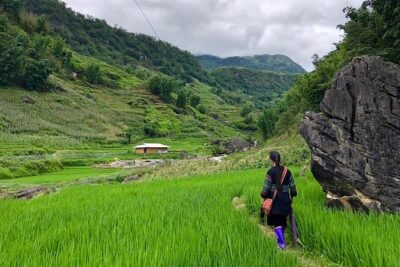
Number one top rated ethical cultural trekking and homestay by ETHOS
Read our review →
1-Day Guided Trek to Lao Chai & Ta Van with Lunch
Read our review →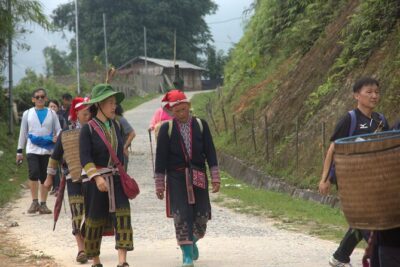
Sapa 1 Day Long Trek: Trek to Hau Thao and Sa Seng Villages
Read our review →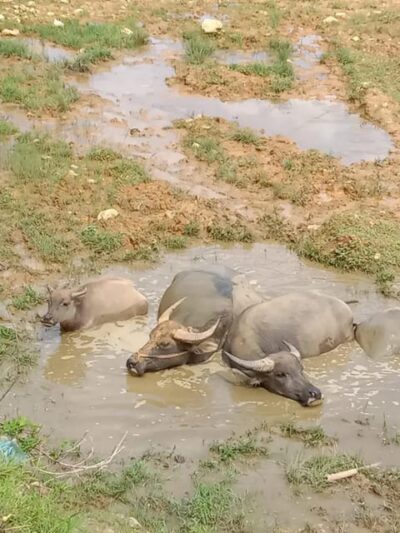
EXPLORE SAPA: 2D1N TREKKING & HMONG CULTURE WITH DINH
Read our review →
Browse the lists this tour appears in