
REVIEW · SAPA HIKING TOURS
AUTHENIC 2D1N Trek & Bungalow Retreat with Dinh Hmong Family
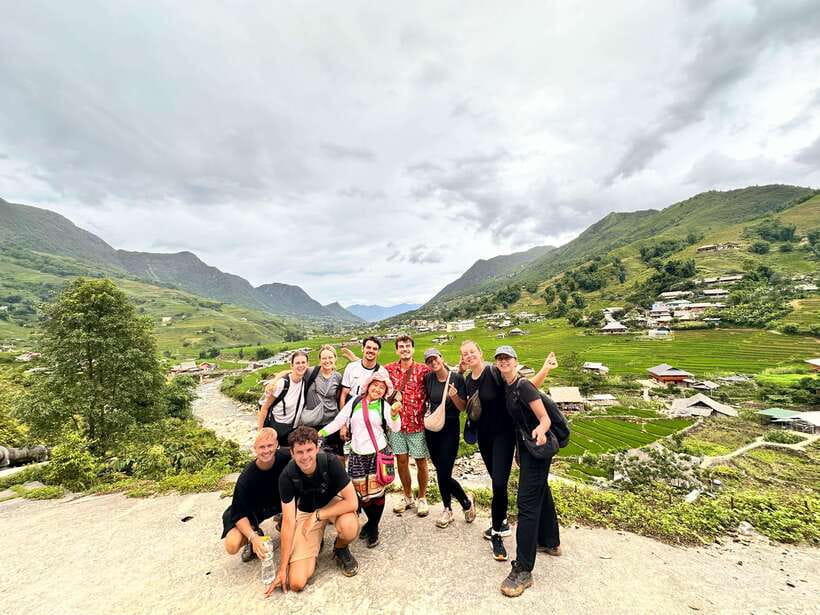
Sapa feels different on foot. This two-day trek takes you from town into Muong Hoa Valley, across rice terraces and through Hmong and Giay villages, with Dinh and her sister explaining the area as you go. I like the direct connection with a local Hmong family, and I like that the price includes guiding, meals, village fees, the homestay, water, and the ride back to Sapa. The main drawback is the terrain: 18 kilometers over two days means steep, uneven paths that are not suitable for anyone with mobility problems, vertigo, or a fear of heights.
The overnight stay adds more than a bed. You help prepare dinner, hear about Hmong marriage traditions and local life, and may meet children supported through Dinh’s education work. The accommodation is simple rather than polished, so I would choose this for family hospitality and mountain scenery, not for hotel-style comfort.
Key points at a glance
- Two days through Muong Hoa Valley: Walk from Sapa to Y Linh Ho, Lao Chai, Ta Van, and Giang Ta Chai.
- A local Hmong guide: Dinh and her sister lead the trek and explain farming, traditions, and differences between local ethnic groups.
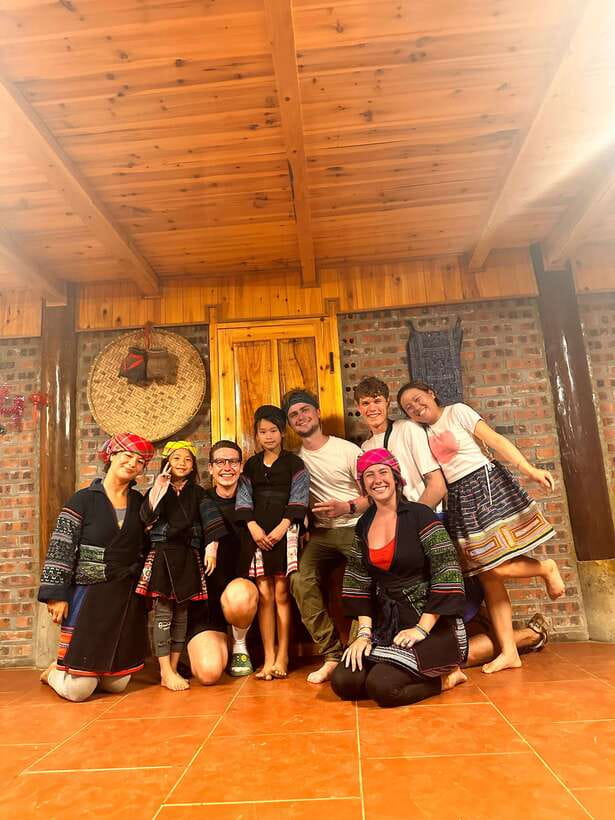
- A family-run overnight stay: Sleep at the family homestay in Ta Van, described as clean, cozy, and surrounded by rice fields.
- Hands-on evening: Help prepare a traditional meal, share dinner with the family, and enjoy a Hmong welcome dance.
- Waterfall and bamboo forest on day two: The route includes Giang Ta Chai waterfall, with time to swim if conditions suit.
- Strong value at $48: The fee covers two days of guiding, four village entry fees, three main meals plus breakfast, lodging, water, and transport back to Sapa.
Why this Sapa trek feels personal
Many Sapa outings give you fine views and a quick walk through a village. This one aims for something more personal. Dinh is a local woman from the Hmong community, and she guides you with her sister. That matters because the cultural details come through everyday family life, not only through a prepared speech.
You learn about Hmong traditions, farming, village routines, and marriage customs while walking between communities. Dinh also shares her work supporting the education of 10 local children. That gives the overnight visit a clear human purpose, although you should still think of it as a small family operation rather than a large professional resort.
The tour has a five-star rating based on 19 ratings, with repeated praise for the guide’s friendly manner, the meals, the clean accommodation, and the quiet setting. The strongest pattern is simple: people enjoyed the balance of walking, local culture, and a comfortable family welcome.
More Two-Day Trips around Sa Pa:
- EXPLORE SAPA: 2D1N TREKKING & HMONG CULTURE WITH DINH
★ 4.9 · 191 reviews - Mountain views & Rice Terraced Fields Hiking – 2D 1N
★ 5.0 · 99 reviews - 2-Day Fansipan Mountain Trek – Indochina’s Highest Peak
★ 4.3 · 42 reviews
Day one: Sapa to Y Linh Ho and the Muong Hoa Valley
The tour begins at 9:00 AM. Dinh meets you at your hotel in Sapa Town or in front of the local main church, then gives a short introduction before you leave town.
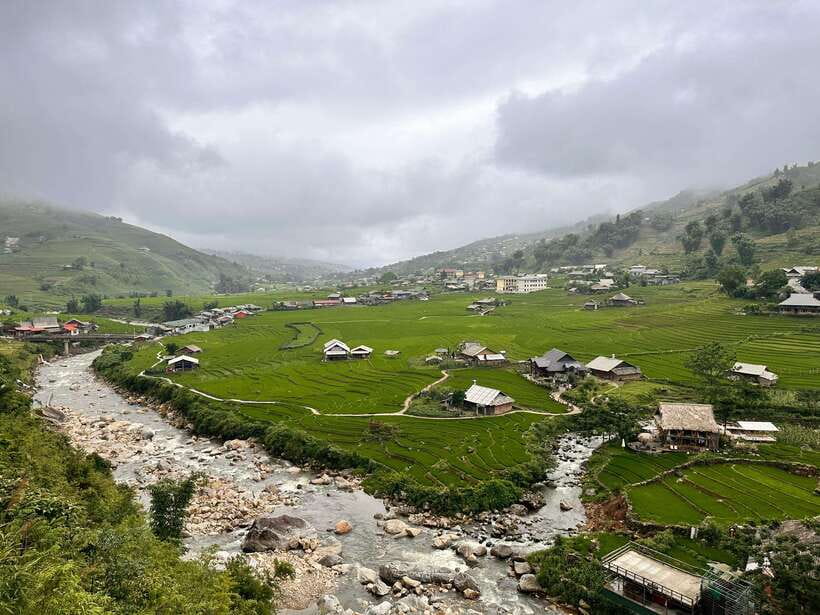
The route heads down toward Y Linh Ho village. This first section gives you broad views across Muong Hoa Valley and its famous rice terraces. The scenery changes with the agricultural season. At one time of year, you may see fields being planted. At another, the terraces may be full of mature rice or busy with harvest work.
You should expect around 9 to 12 kilometers and about five and a half hours of walking on the first day. That distance is manageable for anyone with a moderate fitness level, but the number alone does not tell the whole story. The trail includes steep and uneven ground, and downhill paths can be tiring on knees and ankles.
Wear shoes with a solid grip. Sandals may look tempting in warm weather, but they will not be the best choice on rough village paths or damp ground. Bring sunscreen, a hat, snacks, and a camera. You receive one large bottle of drinking water per day, but extra water can be useful if you drink often or the weather is hot.
Lunch at a local family restaurant
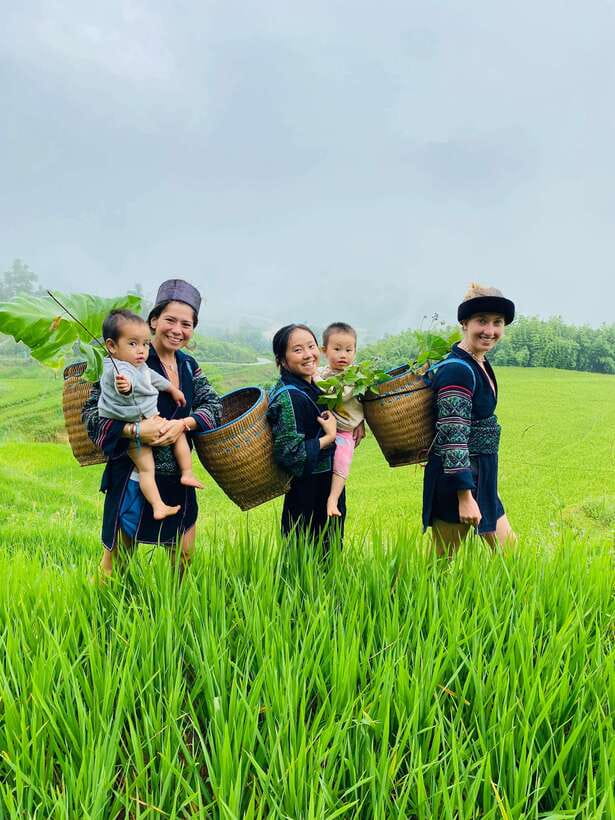
A small restaurant run by a local Hmong family provides lunch after the first part of the walk. This is one of the practical pleasures of the trip. You are not simply stopping at a generic roadside café. You are eating at a family-run place connected to the communities you are passing through.
The tour includes two lunches in total, one on each day. The exact dishes are not specified, but the food served during the homestay is described as homemade and made with fresh ingredients. If you have dietary needs, ask about them when booking rather than assuming the menu can be changed.
Lunch also gives you a proper rest before the afternoon route. This is important because the first day has several stops and ends at the family homestay, not at the start of the walk.
Lao Chai and Ta Van: two villages, different traditions
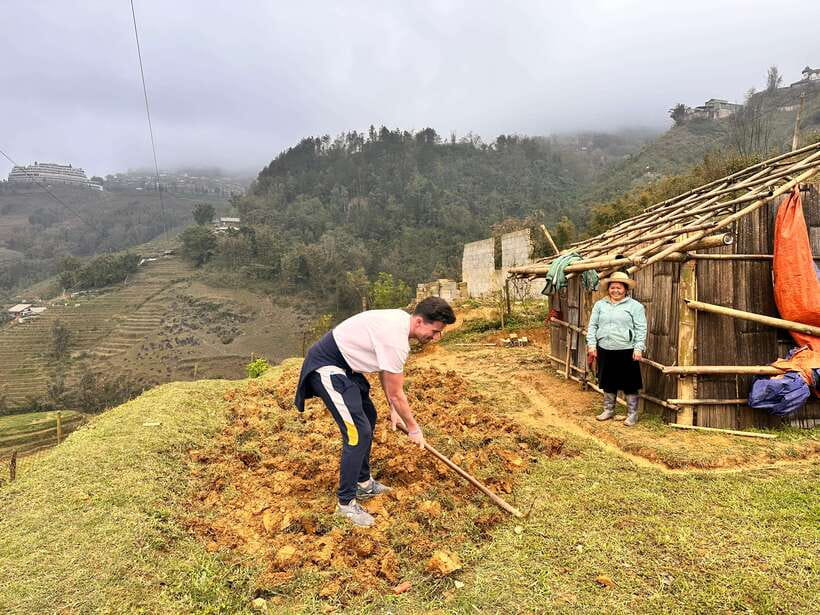
After lunch, the trek continues to Lao Chai, one of the oldest and largest Hmong villages in the area. The route then carries on toward Ta Van, where Hmong and Giay communities live.
Dinh explains differences between the ethnic groups as you walk. This is a useful part of the experience because it puts the views into context. Rice terraces are not just pretty slopes for photographs. They are working fields shaped by local farming and seasonal labor.
Depending on the season, you may see people planting or harvesting rice. The tour does not promise a staged demonstration, so the timing of agricultural work depends on nature and local schedules. That uncertainty is part of the appeal. You are seeing ordinary village life rather than a fixed performance.
The walk is described as taking you away from the busiest routes, although this remains a group tour. You will trek with other visitors, so do not expect a private guide and complete silence. Still, the family guide and the village route give the trip a more direct feel than a quick Sapa viewpoint visit.
A few more hikes around Sa Pa worth a look
- Sa Pa: Muong Hoa Valley Trek and Local Ethnic Villages
★ 4.6 · 864 reviews - Sapa: Eco Adventure Terrace Fields and Local Villages Trek
★ 4.9 · 636 reviews - Number one top rated ethical cultural trekking and homestay by ETHOS
★ 5.0 · 456 reviews - From Sapa: 1-Day Guided Trek to Lao Chai & Ta Van with Lunch
★ 4.9 · 416 reviews
The family homestay in Ta Van
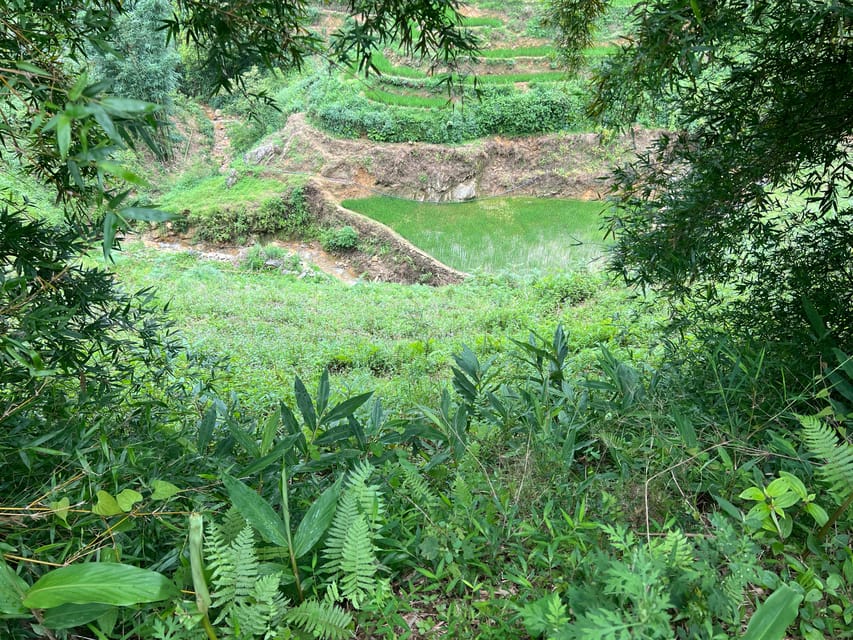
You arrive at Dinh’s family homestay with time to rest, take a hot shower, and enjoy the setting. The accommodation is simple, authentic, and cozy, with basic amenities. Several descriptions emphasize that the bungalow-style rooms are clean and comfortable, with views over rice fields and surrounding mountains.
That is a good fit if you like a quiet night in the countryside. It is not the right choice if you need a full hotel setup, private luxury facilities, or a carefully controlled room environment. You should ask about your accommodation preference when booking, especially if sleeping arrangements matter to you.
The peaceful setting is one of the biggest rewards. You may wake to misty mountains, natural sounds, and a warm breakfast rather than traffic and city noise. The reviews repeatedly praise the sense of calm, but keep your expectations grounded: this is a family homestay with basic amenities, not a boutique hotel.
Cooking, dinner, and Hmong family life
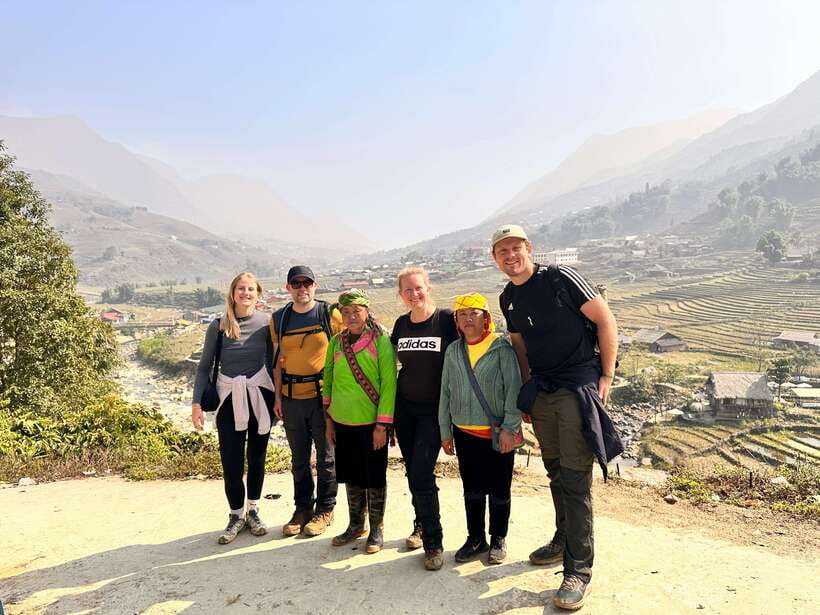
The evening gives the trek its strongest cultural element. You can join an informal cooking class with Dinh’s family and help prepare a traditional dinner. The activity is not presented as a formal cooking school. That is exactly why it can feel more natural. You are taking part in an ordinary household routine.
After dinner, Dinh shares her story about helping 10 local children with their education. Her students may perform a traditional dance to welcome you, and you can spend time playing with the children. The evening may also include local rice wine, known as Happy Water, and informal drinking games.
You should take the rice wine part at your own pace. Joining in is optional, and you can enjoy the meal and conversation without trying to match anyone else’s glass. The family setting is warm and lively, but it may not suit you if you prefer a quiet, private evening after a long hike.
This is also where the tour’s focus on women in the family becomes clear. The experience is led by Dinh and her sister, and your booking supports their family work. The cultural exchange is still a short visit, of course, but sharing food and a home gives you more contact with local life than a standard day walk.
Day two: bamboo forest, Giang Ta Chai waterfall, and Red Dao villages
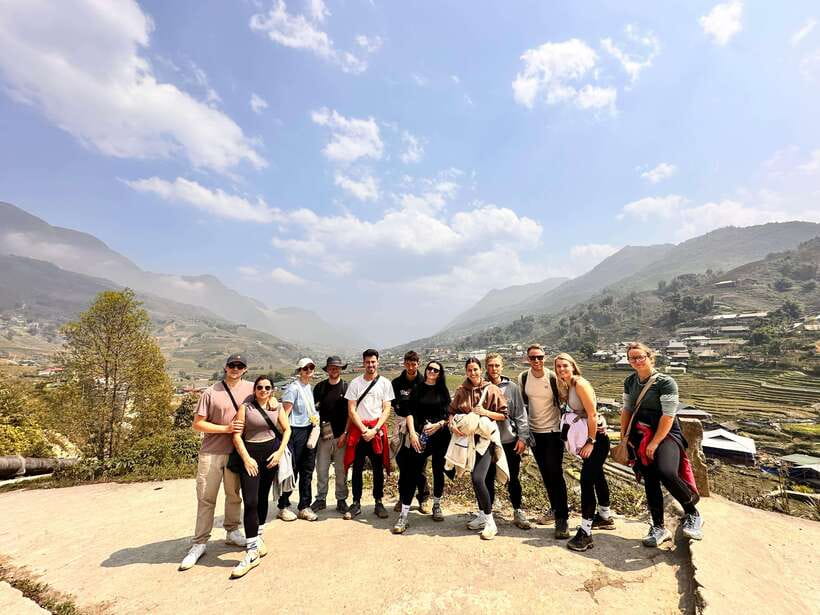
Start the second day with coffee or tea at the homestay, followed by breakfast. The morning route leads through bamboo forest and rice terraces toward Giang Ta Chai waterfall.
The second day covers around 7 to 8 kilometers and takes roughly four to five hours. It is shorter than day one, but it still includes uneven paths and changes in elevation. If recent rain has affected the trail, footing may be more difficult. The tour does not promise a fixed swimming experience, but you can swim at the waterfall if you want and if conditions allow.
The waterfall provides a refreshing break after the walk through the forest. Bring clothing suitable for getting wet if you plan to swim, though the supplied information does not specify changing facilities. If you would rather stay dry, you can simply enjoy the water and surrounding forest before continuing.
The route then enters an area associated with the Red Dao people. This gives the second day a different cultural focus from the Hmong villages on the first day. The tour introduces you to more than one ethnic community in the valley, while Dinh helps explain the distinctions.
The walk finishes near the main road, where you have lunch with a local family. After lunch, a taxi takes you back to Sapa. The tour ends between 2:00 and 3:30 PM, giving you part of the afternoon for onward plans, although you should leave some flexibility because mountain roads and walking times can vary.
What the $48 price really covers
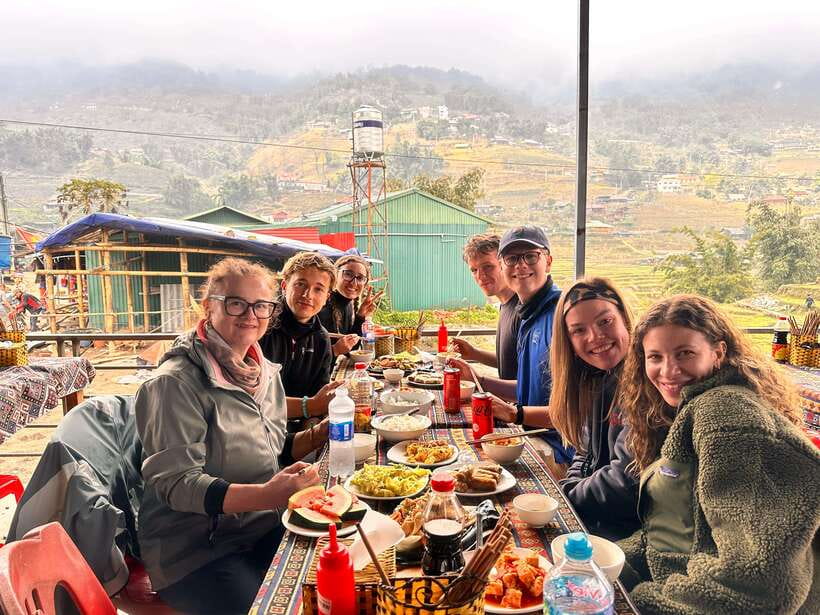
At $48 per person, this is strong value for a two-day experience in Sapa. The price includes:
- An English-speaking local guide for two days
- Entry fees for four villages
- Two lunches
- One dinner
- One breakfast
- One night at the family homestay
- One large bottle of water per person per day
- Transportation back to Sapa after the tour
The real value is not just the room and meals. You are paying for local guiding, village access, an overnight stay, and a chance to spend time with a Hmong family. Comparable day walks may give you scenery, but they do not usually include the evening cooking activity, family dinner, or second-day waterfall route.
Personal expenses are extra. Plan to pay for snacks, drinks beyond the supplied water, and souvenirs. Bring some cash if you want flexibility, but the tour data does not specify exact spending needs or accepted payment methods in the villages.
Booking before 1:00 PM on the first day is important if you want the complete itinerary. The experience is also available with reserve now and pay later terms, and cancellation is allowed up to 24 hours in advance for a full refund.
Who should book this experience
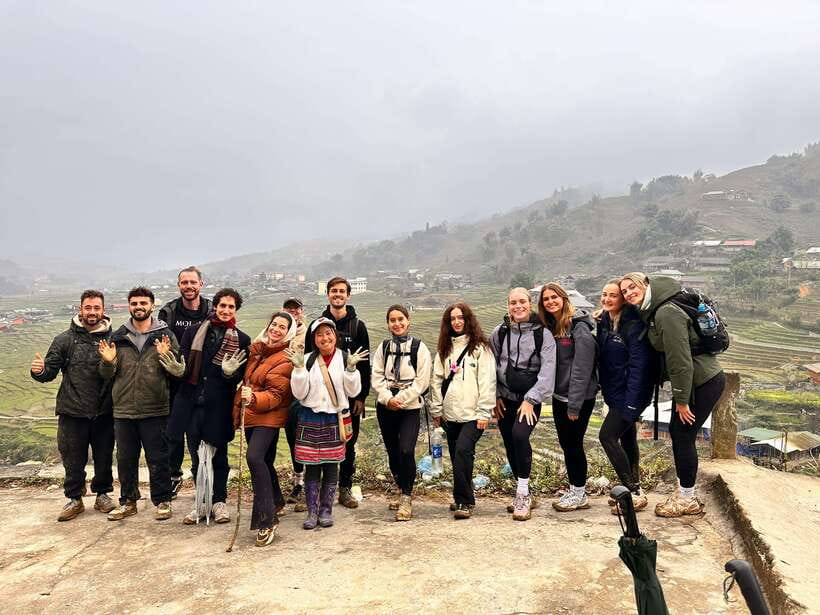
I would recommend this trek to you if you want a mix of scenery and local contact. It suits people who enjoy walking at a moderate level, sharing meals, staying in simple accommodation, and asking questions about daily life.
It is especially good for:
- Couples or friends wanting one night outside Sapa Town
- Solo visitors comfortable joining a group
- People interested in Hmong and Red Dao culture
- Anyone who values family-run experiences over polished hotels
- Hikers who want rice terraces, forest, villages, and a waterfall in one trip
The group format keeps the price low, but it also means you will not control every pause or walking speed. If you want a private route, a shorter hike, or complete flexibility, this may not be your best fit.
The trek is not suitable for pregnant women, people with back problems, mobility impairments, vertigo, or a fear of heights. It is also not recommended for people over 70, according to the tour information. Children under three can join free, but you must inform the provider in advance.
Practical tips for a better two days
Wear comfortable shoes with good grip, and pack light. You will be walking through villages and uneven countryside, so a small daypack is easier than a large suitcase.
Bring a hat, sunscreen, snacks, and a camera. You receive water, but the suggested packing list still includes water, so carry enough for your own needs. A light change of clothing is sensible if you plan to swim at Giang Ta Chai waterfall.
Ask about your homestay preference at the time of booking. The accommodation is basic, and the experience depends partly on being comfortable with shared family-style hospitality.
Keep your schedule open after the tour. The planned return is between 2:00 and 3:30 PM, but walking and road conditions can affect timing. The free T-shirt at the end is a pleasant extra, but the real souvenir is the time spent around the family table.
Should you book Dinh’s 2-day Sapa trek?
Book it if you want Sapa beyond viewpoints and quick village stops. The route brings together Muong Hoa Valley, Y Linh Ho, Lao Chai, Ta Van, bamboo forest, Giang Ta Chai waterfall, and a Red Dao area. The family dinner, cooking activity, and conversation with Dinh add meaning to the scenery.
Skip it if you need luxury, dislike group tours, or find 18 kilometers of steep and uneven walking too demanding. At $48, the package offers a lot: guiding, food, lodging, village fees, water, and the return ride. The best reason to choose it, though, is the chance to see the mountains through the eyes of a local Hmong guide and spend a night with her family.
FAQ
Where does the trek start?
The tour begins at 9:00 AM with pickup at your hotel in Sapa Town or at the local main church.
How far do you walk?
The trek covers about 18 kilometers over two days. Day one is around 9 to 12 kilometers, and day two is around 7 to 8 kilometers.
How long does each day take?
The first day takes about five and a half hours of trekking. The second day takes about four to five hours.
Where do you stay overnight?
You stay one night at Dinh’s family homestay in Ta Van. The accommodation is simple, cozy, and equipped with basic amenities.
What meals are included?
The price includes two lunches, one dinner, and one breakfast. Drinking water is also included, with one large bottle per person per day.
Is this a private tour?
No. It is a group tour, so you trek with other visitors.
Can you swim at the waterfall?
You can swim at Giang Ta Chai waterfall if you wish. Bring suitable clothing if you plan to get in the water.
Is the tour suitable for children?
Children under three can join for free, but you must inform the provider in advance. The tour is not suitable for people with mobility impairments and is not recommended for people over 70.
What should you bring?
Bring comfortable shoes, a hat, a camera, snacks, sunscreen, and water. A change of clothing may also be useful if you plan to swim.
Just added around Sa Pa
- Hanoi: Sapa Trekking 2 Days 1 Night – Sleeper Bus from Hanoi★ 4.6 · 18 reviews
- From Hanoi: 2-Days Sapa Trekking Tour Lao Chai and Cat Cat★ 4.3 · 7 reviews
- Easy Trek in Sapa mountain : Y Linh Ho – Lao Chai – Ta Van★ 4.8 · 16 reviews
- Discover Sapa: 2D1N Trekking Adventure & Cozy LaLa Homestay★ 4.9 · 17 reviews
- SaPa: 2-Day Villages,Rice Fields, Love Waterfall Hiking Tour★ 5.0 · 9 reviews
- From Hanoi: Sapa 3-Day Medium Trek and Limousine Trip★ 4.5 · 59 reviews
- 2 Night Lao Chai-Ta Van Homestay- Trekking & Fansipan Visit★ 4.0 · 8 reviews
- 2-Day Fansipan Mountain Trek – Indochina’s Highest Peak★ 4.3 · 42 reviews
Sapa Hiking Tours, compared.
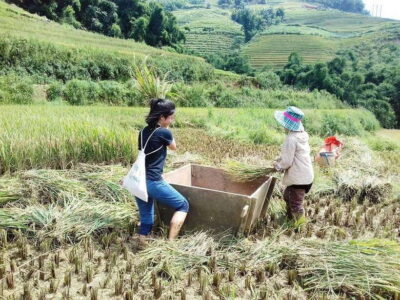
Sa Pa: Muong Hoa Valley Trek and Local Ethnic Villages
Read our review →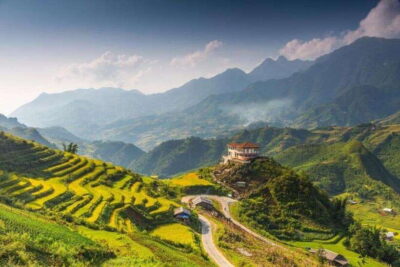
Eco Adventure Terrace Fields and Local Villages Trek
Read our review →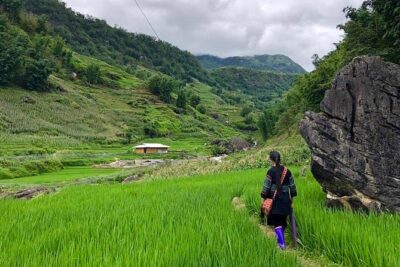
Number one top rated ethical cultural trekking and homestay by ETHOS
Read our review →
1-Day Guided Trek to Lao Chai & Ta Van with Lunch
Read our review →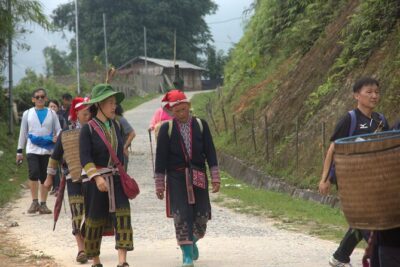
Sapa 1 Day Long Trek: Trek to Hau Thao and Sa Seng Villages
Read our review →
EXPLORE SAPA: 2D1N TREKKING & HMONG CULTURE WITH DINH
Read our review →
Browse the lists this tour appears in