
REVIEW · VIETNAM HIKING TOURS
Ha Noi – Mai Chau – Pu Luong 2 Days 1 Night Trekking Tour
Rice fields, mountain roads, and a real homestay. This two-day trip links peaceful Mai Chau with the more rugged Pu Luong Nature Reserve, giving you cycling, trekking, village visits, and local meals without a long independent planning job. I especially like the Thai stilt-house stay and the chance to pedal through working rice paddies rather than simply view them from a bus.
I also like the stop at Thung Khe Pass, where the valley opens below you and local vendors sell regional treats such as Com Lam, sticky rice cooked in bamboo. The main drawback is the overnight setup: the standard arrangement is dormitory-style, so you should pay extra for a private room or bungalow if you value privacy and quiet.
Key points at a glance
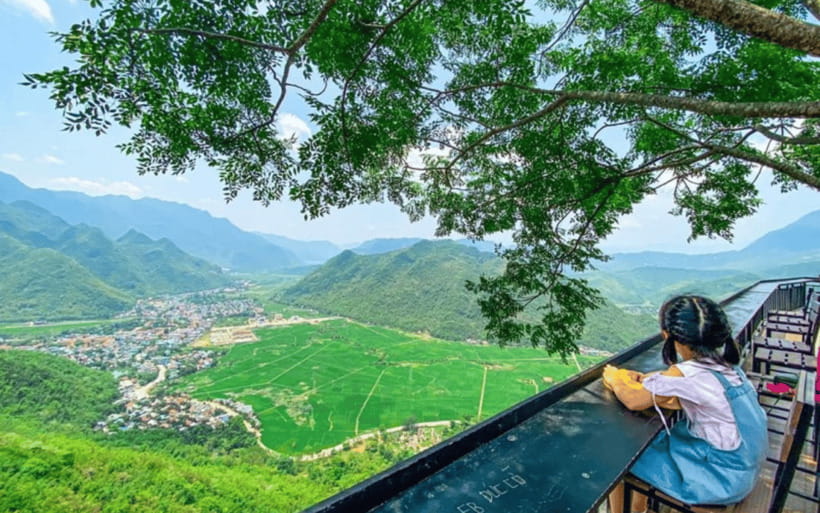
- Thung Khe Pass adds a memorable mountain viewpoint and a chance to try Com Lam from local food stands.
- Mai Chau is explored by bicycle, with rice paddies, White Thai villages, and brocade workshops along the route.
- Pu Luong provides the stronger walking day, with terraced fields, remote villages, and fewer signs of heavy tourism.
- The homestay brings the trip to life, with Thai food, traditional dancing, bamboo pole jumping, and ruou can tasting.
- The $102 price covers the main practical costs, including transport, meals, accommodation, guides, entrance tickets, and listed activities.
- Your return to Hanoi is late, with arrival expected around 7:00 PM on the second day.
Why this Mai Chau and Pu Luong trip works
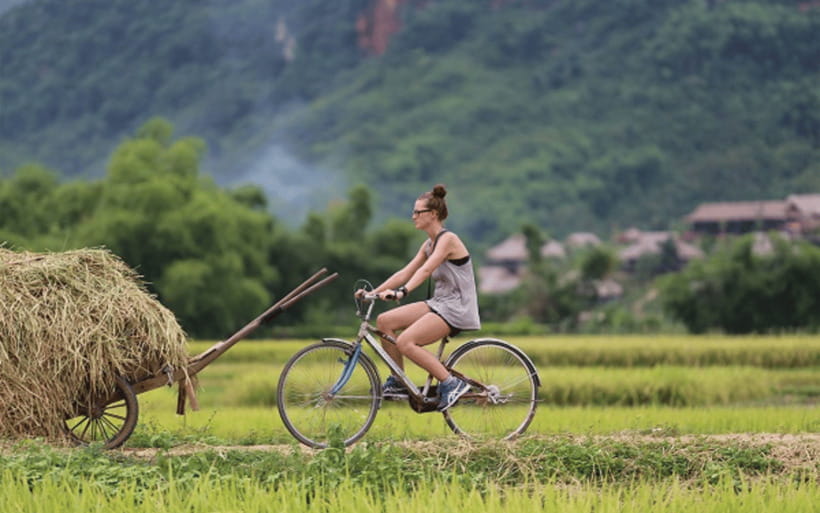
Mai Chau and Pu Luong are close enough to Hanoi for a short break, but they feel far removed from city traffic and high-rise hotels. The two places also complement each other nicely. Mai Chau is gentler and easier to explore by bicycle, while Pu Luong brings steeper paths, terraced fields, and a more remote feel.
I like the balance here. You are not walking for two straight days, and you are not spending the entire trip looking through a coach window. One afternoon is set aside for cycling and village life. The next morning is given to a trek through Pu Luong. That variety makes the schedule feel full without turning every hour into a race.
The setting also gives you a useful look at White Thai culture. Traditional houses, rice farming, brocade work, local food, and community performances are not treated as separate museum displays. They form the background of daily life in the valley.
The trip is rated 4.3 out of 5 from eight ratings. The strongest praise centers on the organization, the scenery, and the local guides. Tom receives particular credit for explaining rice cultivation and village life, while Cha is praised for being kind, helpful, and willing to accommodate requests.
More Evening Trips around Vietnam:
- Hanoi – Sapa 2 Days 1 Night Overnight At Homestay
★ 5.0 · 899 reviews - Sapa 3 Days 2 Nights Trekking Tour (1 Night In Ta Van Village, 1 Night In Hotel)
★ 5.0 · 699 reviews - Hanoi – Sapa 3 Day 2 Night Trekking With Hotel & Homestay
★ 5.0 · 389 reviews
Day one begins at Hanoi Opera House
Pickup is included from hotels in Hanoi Old Quarter areas, with the group meeting at the Opera House before heading west toward Mai Chau. You should expect a substantial road journey, but the route is part of the experience. Mountains gradually replace the city, and the views become more open as you approach the valley.
The first useful stop is Thung Khe Pass. From the roadside viewpoint, you can look across Mai Chau and see the valley framed by green mountains. It is a good place to stretch your legs, take photographs, and get your first sense of the terrain you will explore later.
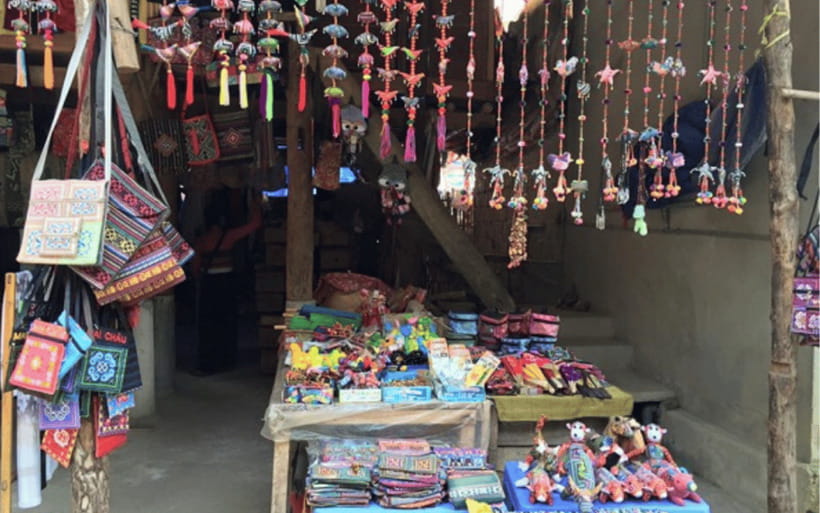
Local stands sell regional goods and snacks here. Com Lam is the item to try: sticky rice cooked inside a bamboo tube. It is simple, filling, and closely tied to mountain cooking. Do not expect a formal tasting session. This is a brief roadside stop, so use it to buy a snack and enjoy the view rather than linger over lunch.
After arriving in Mai Chau, you check into a traditional Thai stilt-house homestay and have lunch. The meal features specialties from the Northwest mountains, though the exact menu can vary. This is one of the useful parts of having meals included, since you can sample local dishes without needing to choose a restaurant after a long transfer.
Cycling through Mai Chau rice paddies
After lunch and a short rest, the pace changes. You take a bicycle through the Mai Chau Valley, passing rice paddies and small villages. The cycling is not just a recreational loop. It gives you a closer view of farm work, village lanes, and the way the White Thai community uses the valley floor.
The route is particularly good for seeing the contrast between the houses and the fields. From a bus, you notice the broad scenery. On a bicycle, you notice the smaller details: people working around the paddies, narrow lanes between homes, and the quiet rhythm of village life.
The ride is described as lasting about two hours in one account, followed by free time. That makes it manageable for most people who are comfortable on a bicycle, though the tour is still a poor fit if you dislike outdoor activity or have difficulty walking and cycling.
You also visit brocade production workshops. These visits give you a chance to see local handicraft work and buy a practical souvenir. Approach the shopping as an optional cultural stop, not as a compulsory purchase. The value is in seeing the craft tradition and speaking with local makers, while any purchase is up to you.
One of the best tips is to use the free time after cycling. You can walk through the nearby villages, rest at the homestay, or spend time by the pool if your accommodation has one. The schedule does not force you into another major activity, which is welcome after the road trip and bike ride.
Thai homestay food and an evening of local customs
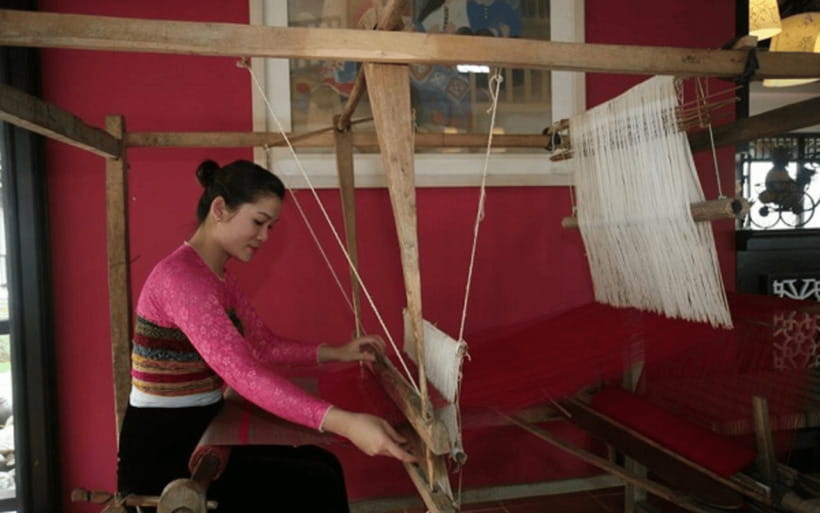
The overnight stay is central to the character of this tour. You sleep in a traditional Thai stilt house rather than a standard city hotel. The arrangement is communal by default, with a dormitory-style room assigned unless you pay for an upgrade.
A private room costs an additional $30 per room for two people. A private bungalow costs an additional $40 per room for two people. If you are a couple or simply want a better night’s rest, I consider one of these upgrades worth thinking about. The basic arrangement may suit solo visitors and people who see the room mainly as a place to sleep, but privacy is limited.
One useful detail comes from the accommodation experience described by a participant who upgraded to a private room. The room had large windows looking toward the rice fields, with farmers visible at work in the morning. That kind of view can make the extra cost feel worthwhile, especially if you want a quiet start to day two.
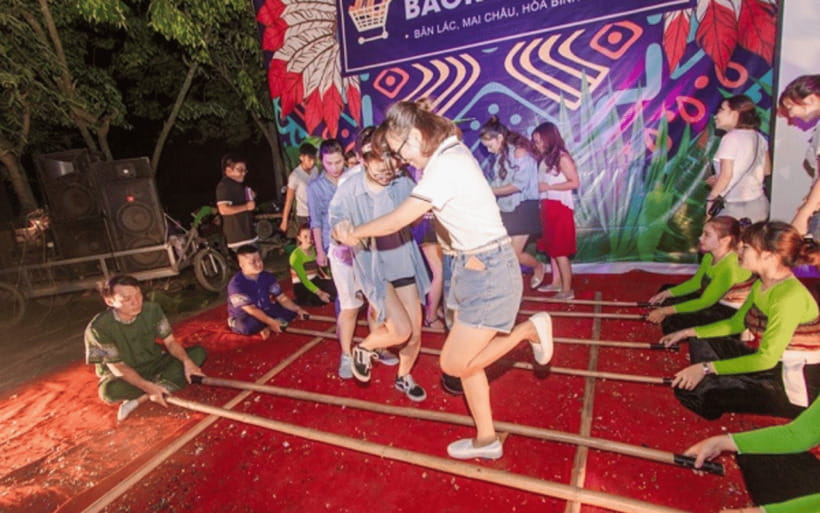
Dinner is included, and the evening may include traditional Thai dances, bamboo pole jumping, and a chance to sip ruou can, fermented rice wine. The program offers a social side that a simple hotel stay would miss. You can watch or join in, depending on the group and the evening’s arrangement.
The alcohol policy needs a little care. Extra alcoholic drinks are not included, and alcohol and drugs are not allowed as general tour activities. The included ruou can tasting is a specific cultural part of the program, not an invitation to turn the evening into a drinking session.
More Two-Day Trips around Vietnam:
- From Hanoi: 2-Day Sapa Trekking Trip with Homestay & Meals
★ 4.8 · 704 reviews - 2-Day Sa Pa Ethnic Homestay Tour & Trek with Limousine Bus
★ 4.8 · 440 reviews - From Hanoi: 2-Day Sapa Trek Tour – Luxury Limousine Transfer
★ 4.1 · 249 reviews - Hanoi – Sapa 2 Days 1 Night Overnight At Local Homestay
★ 5.0 · 233 reviews
Day two reaches Pu Luong’s terraced hills
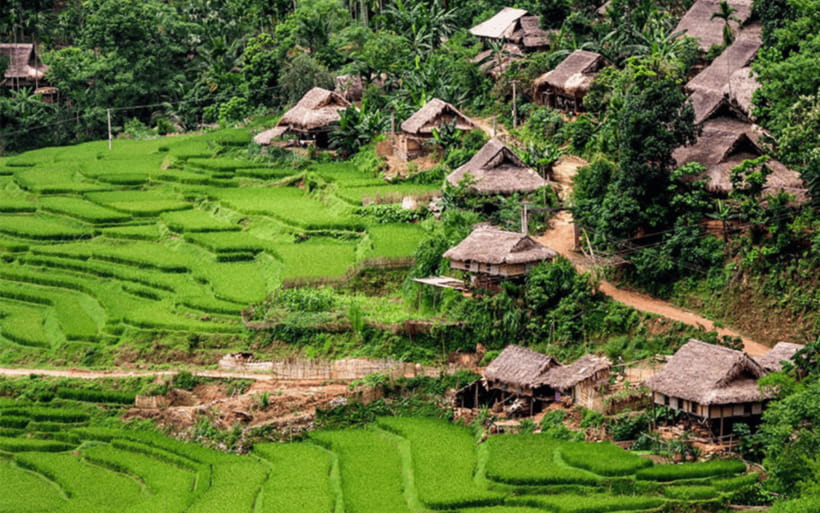
Breakfast comes early, followed by a short drive toward Pu Luong Nature Reserve. The change from Mai Chau is noticeable. Pu Luong is more rugged, with limestone peaks, misty air, and large terraces cut into the slopes.
The road climbs toward a higher point, where you can look over the rice terraces and green hills. The views are one of the trip’s strongest rewards, but the real value begins when you leave the vehicle and walk.
The trek heads toward a secluded village area described as remote and peaceful. Along the route, you pass terraced fields and see how farming fits into the hillsides. The walk is not just a viewpoint visit. It gives you time to understand the relationship between the Thai communities and the land around them.
I would pay attention to the walking conditions before booking. The program is called a trekking tour, and the second day includes an ascent and a route through terraced areas. Exact distance and difficulty are not provided, so you should be comfortable with uneven outdoor paths and a fairly active morning.
Pu Luong is also where the itinerary feels least crowded. One account describes meeting very few other groups during the trek, with a small party of six people. Group size can vary, so that should not be treated as a guarantee, but the route is designed to reach quieter parts of the reserve rather than remain beside the main road.
You also learn about the Thai people who live in the area. That cultural context matters. The terraces are not simply scenic decoration for photographs. They are part of a working rural economy and a long-established way of life.
Lunch, the ride back, and the timing tradeoff
After the trek, you return to a homestay for lunch. This is a practical finish to the walking portion. You can eat, rest, and take in the surroundings before boarding the vehicle back to Hanoi.
The expected arrival time in Hanoi is around 7:00 PM. That timing makes the tour useful for a short visit, but it leaves little room for evening plans after returning to the city. If you have a flight, train, or fixed dinner reservation that night, allow plenty of extra time or choose a different return arrangement.
All listed transport is included, as are the meals, guide, entrance tickets, accommodation, and named activities. You receive one bottle of water per day. Drinks beyond that, personal expenses, travel insurance, and activities not listed are extra.
The transport package is important when judging the $102 price. You are paying for a two-day route that connects several rural areas, not just a single village excursion. The price also covers food and a night’s accommodation, so it offers solid value for someone who wants a guided introduction to both regions.
The private room and bungalow supplements are the main add-ons to budget. You should also plan for drinks, souvenirs from the brocade workshops, and snacks at places such as Thung Khe Pass.
When to go for the best scenery
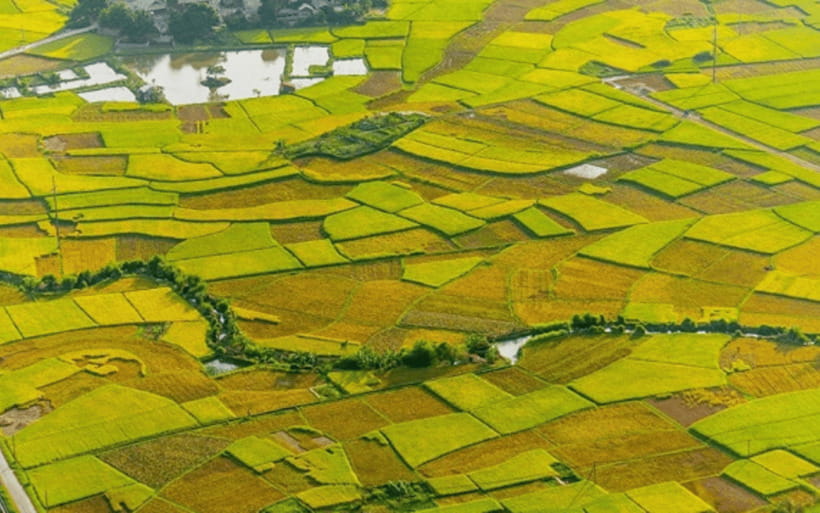
Spring and autumn are the preferred seasons for green countryside and comfortable-looking conditions, according to the tour information. Rice harvest season changes the color of the valley, bringing golden fields that can make the views especially striking.
Winter to spring offers a different look, with canola flowers and buckwheat blossoms. These seasonal details matter because Mai Chau and Pu Luong are strongly shaped by farming and flowering cycles. The same route can feel quite different depending on when you visit.
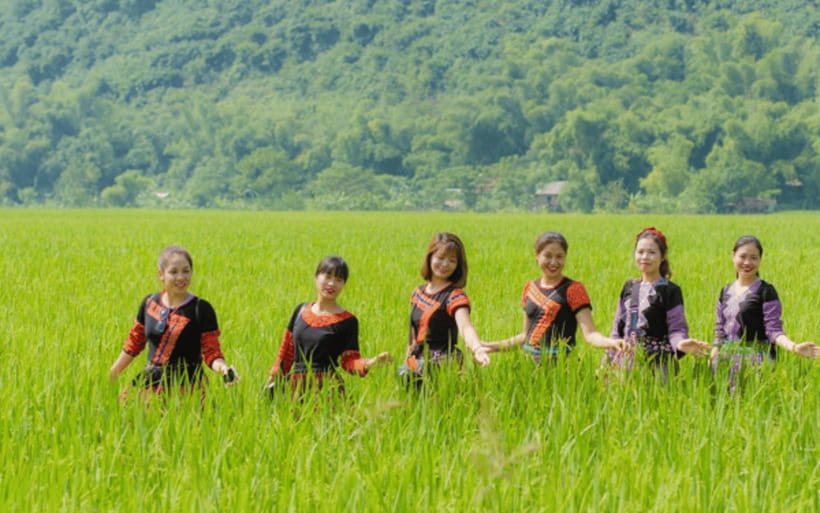
You can also rent traditional ethnic costumes for photographs. This is optional, but it may appeal to you if you want a portrait connected to the local culture. Use the opportunity respectfully and remember that the communities here are living places, not photo sets.
Who should book this two-day tour?
I would recommend it to you if you want rural Vietnam without arranging several buses, homestays, meals, and guides yourself. It suits people who enjoy a mix of light cycling, village walking, scenic drives, local food, and one more active trekking morning.
It is especially useful for a first visit to northern Vietnam beyond Hanoi. You get a quick introduction to two well-known mountain areas and a chance to sleep in a Thai home rather than return to the city each night.
I would hesitate if you need a luxury hotel, dislike shared sleeping arrangements, or want a slow schedule with no early starts. The tour covers a lot in two days, and the return to Hanoi is long. Children under five are not permitted, and the walking and cycling portions may not suit anyone seeking a purely sightseeing-based trip.
Final verdict: good value with one important choice
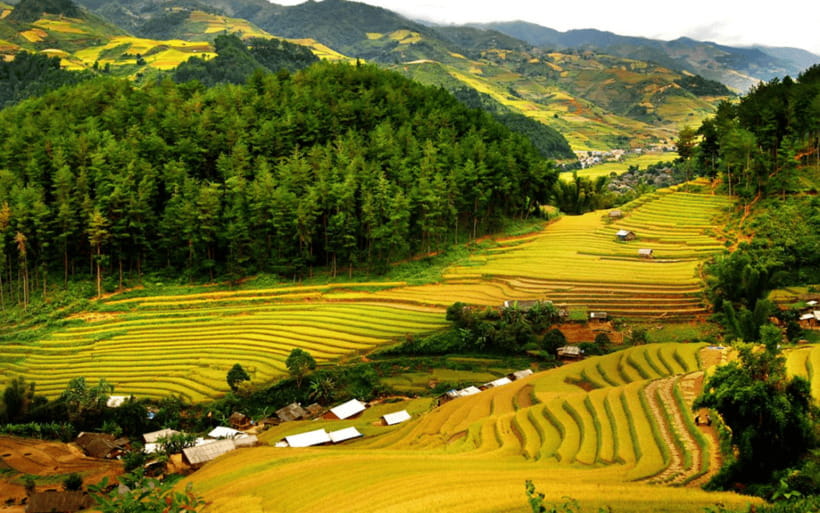
At $102 per person, this is a strong value for a short Mai Chau and Pu Luong experience. The best parts are the bicycle ride through Mai Chau, the quieter Pu Luong trek, the Thai food, and the chance to see village life at close range. Guides such as Tom and Cha add useful local explanation and personal attention.
My biggest advice is simple: decide early if you want shared accommodation. The standard dormitory may be perfectly acceptable for a budget-minded visitor, but the private room or bungalow upgrade can make the overnight stop far more comfortable. Book this tour if you want active scenery and local contact in a compact package. Skip it if privacy, luxury, or a late return to Hanoi would cause problems.
FAQ
What is included in the $102 price?
The price includes listed transport, meals, accommodation, an English-speaking local guide, entrance tickets, planned activities, one bottle of water per day, traditional Thai dances, bamboo pole jumping, and ruou can tasting.
Where does pickup take place in Hanoi?
Pickup is included from hotels in Hanoi Old Quarter areas. The group meets at the Hanoi Opera House before leaving for Mai Chau.
Is the accommodation private?
The standard accommodation is in a traditional Thai stilt-house homestay, with a dormitory arrangement by default. A private room costs an additional $30 per room for two people, and a private bungalow costs an additional $40 per room for two people.
How active is the tour?
The first day includes about two hours of cycling through Mai Chau, followed by a trekking morning in Pu Luong on day two. You should be comfortable with cycling and walking on outdoor paths.
Is the tour suitable for young children?
Children under five are not permitted on this activity.
When is the best time to visit Mai Chau and Pu Luong?
Autumn and spring are recommended for lush scenery. Rice harvest season offers golden fields, while winter to spring can bring canola flowers and buckwheat blossoms.
What time does the tour return to Hanoi?
The estimated arrival time in Hanoi is around 7:00 PM on the second day.
Can I cancel the booking?
You can cancel up to 24 hours in advance for a full refund. The tour also offers a reserve now and pay later option.
Just added around Vietnam
- Bach Ma National Park Trekking and Camping 2 days Tour★ 5.0 · 9 reviews
- Bach Ma National Park Trekking Tour 1 Day From Hue city, Vietnam★ 5.0 · 54 reviews
- Bach Ma National Park trekking deluxe daily tour from Hue★ 5.0 · 86 reviews
- Explore Bach Ma National Park – Trekking with Small Group Tour★ 5.0 · 12 reviews
- Small Group – Bach Ma National Park Trekking Tour From Hue★ 4.5 · 18 reviews
- My Son sanctuary and mountain trekking★ 5.0 · 9 reviews
- 2-Day Trekking & Biking Nam Cat Tien National Park from HCM City★ 5.0 · 12 reviews
- UNESCO Listed Can Gio Mangrove and Monkey Island trek★ 5.0 · 11 reviews
Vietnam Hiking Tours, compared.
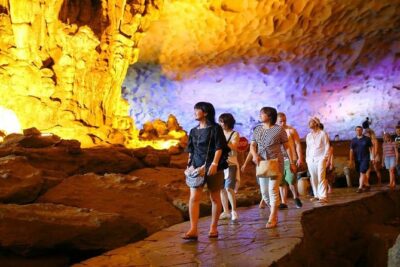
Halong Bay Full Day with Kayaking, Hiking viewpoint, Cave – Deluxe To Luxury
Read our review →
Sa Pa: Muong Hoa Valley Trek and Local Ethnic Villages
Read our review →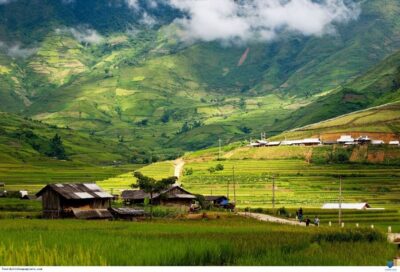
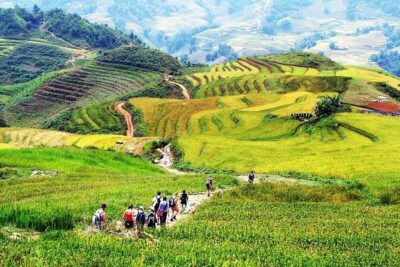
Sapa 3 Days 2 Nights Trekking Tour (1 Night In Ta Van Village, 1 Night In Hotel)
Read our review →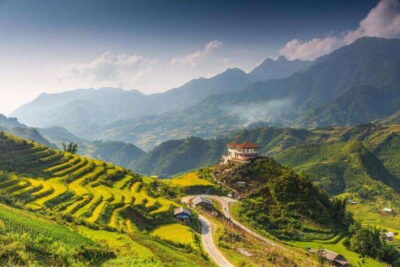
Eco Adventure Terrace Fields and Local Villages Trek
Read our review →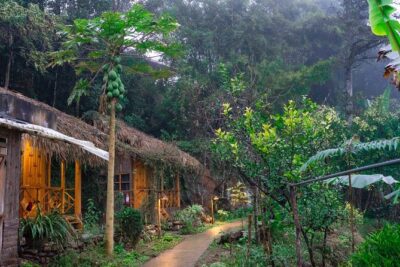
3-Day Trekking Adventure of Sapa from Hanoi – Stay Ta Van Village
Read our review →
From Ho Chi Minh City: Can Gio Mangrove & Monkey Island Trek
Read our review →Browse the lists this tour appears in