
REVIEW · SAPA HIKING TOURS
Trekking Through Rice Terraced Fields – 1Day
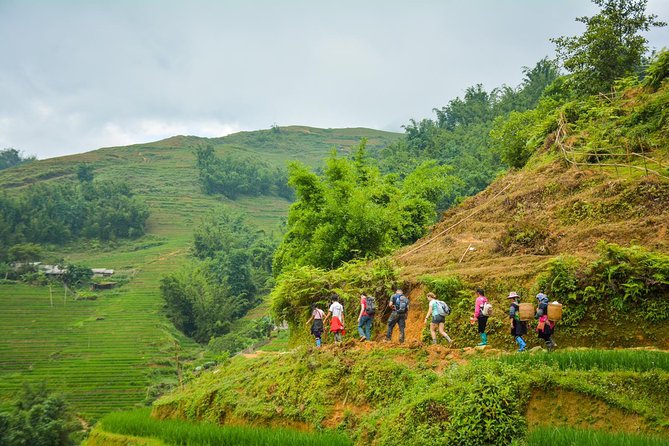
The best way to meet Sapa is on foot. This half-day trek leads you through rice terraces, mountain valleys, and three ethnic minority villages, with a local guide explaining daily life along the way. I like the small-group size of up to 15 people and the chance to learn directly about Hmong, Giay, and Red Dao traditions. The included lunch, village fees, bottled water, and ride back to Sapa also make the $45 price reasonable.
I especially like the human side of the walk. Guides such as Chu, Sang, Vang, Mai, and Mau have been praised for their warmth, patience, and local insight. The main caution is the route itself: this is a real hill trek, not a gentle stroll. Mud, steep rice-paddy paths, and a total distance that can reach about 12 kilometers may be tough if you have mobility problems or poor footwear.
Key points to know before booking
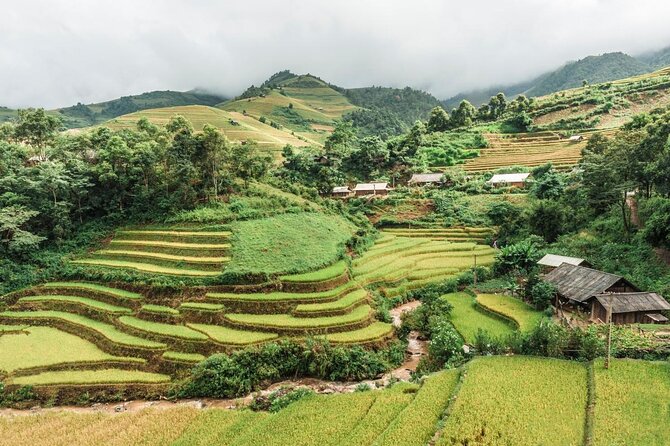
- Rice terraces and village paths: You walk through Y Linh Ho, Lao Chai, and Ta Van, with mountain scenery throughout.
- Local guides from Sapa’s communities: Guides explain Hmong life, rice farming, house building, marriage customs, and local traditions.
- About five to six hours on foot: The route is moderate but includes hills, uneven ground, and possible mud.
- Lunch and return transport included: Local food, vegetables, meat, and a vegetarian option are covered, as is the ride back to Sapa.
- Good value at $45: You receive guiding, village entry fees, lunch, water, and transport without paying extra for the basic tour.
- Free cancellation until 24 hours before departure: Changes or cancellations within 24 hours are not refundable.
Starting near Sapa’s main church
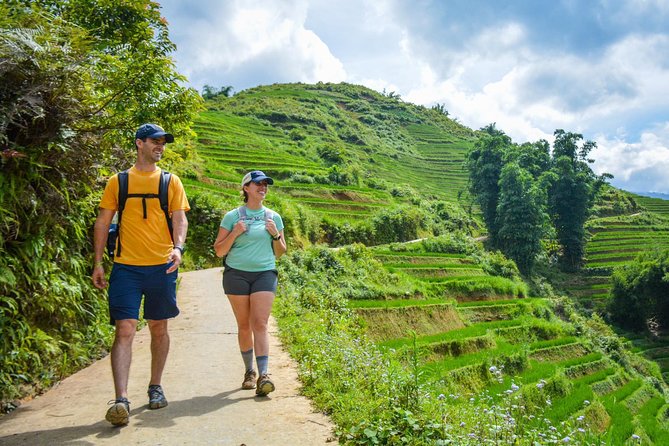
The tour begins in Sapa Town, with pickup offered from your hotel or a meeting point near the main church. The information gives both a 9:00 am tour start and a 9:30 am meeting time, so confirm the exact pickup time when you book.
After a short introduction, the group is taken about 2 kilometers down the road toward Cat Cat. That transfer gets you away from Sapa’s central streets and closer to the walking route. From there, your guide leads you into the hills.
A maximum of 15 people keeps the group from becoming unwieldy, though the actual number may be much smaller. Some past outings had only two people, while others had groups of five. A smaller group gives you more time to ask questions and makes it easier for the guide to adjust the pace.
You should arrive ready to walk. Wear shoes with a firm grip, not smooth-soled trainers. Several sections can become muddy and slippery, and one person described the route as a 12-kilometer trek. The advertised duration is five to six hours, but the distance and conditions matter more than the clock.
A few more hikes around Sapa worth a look
- Sa Pa: Muong Hoa Valley Trek and Local Ethnic Villages
★ 4.6 · 864 reviews - Sapa: Eco Adventure Terrace Fields and Local Villages Trek
★ 4.9 · 636 reviews - Number one top rated ethical cultural trekking and homestay by ETHOS
★ 5.0 · 456 reviews
Y Linh Ho: the first long stretch through the hills
The first section around Y Linh Ho takes about two hours. This is where the tour begins to feel like a proper mountain walk rather than a viewpoint visit.
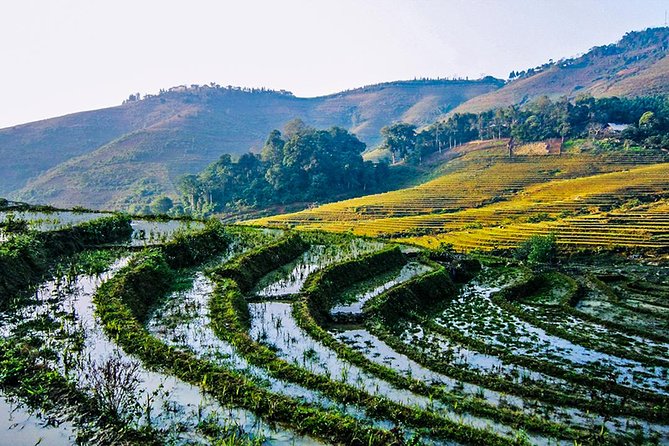
You move along paths above and between rice terraces, with broad views of the valley and surrounding mountains. The terraces are the main attraction, but the walk also gives you a look at the working countryside. Depending on the season, you may see fields at different stages of cultivation.
Your guide is meant to add meaning to what you are seeing. The tour focuses on rice farming, village life, house construction, and Hmong marriage customs. This is useful because a rice terrace can look like a beautiful pattern from a distance, while the guide can explain the work behind it.
The ground is uneven. You may climb along narrow edges of fields or walk on rough village paths. One especially positive account described guide Chu helping a family with a three-year-old child, while another family completed the walk with children aged 6 to 12. That suggests the route can work for families with an active pace, but it should not be mistaken for an easy family walk.
The scenery is strongest on a clear day. Clouds and mountain weather are part of Sapa, so you should not book this solely for perfect photographs. Even in less-than-perfect weather, the village paths and local explanations remain central to the experience.
Lao Chai: Black Hmong culture and a needed pause
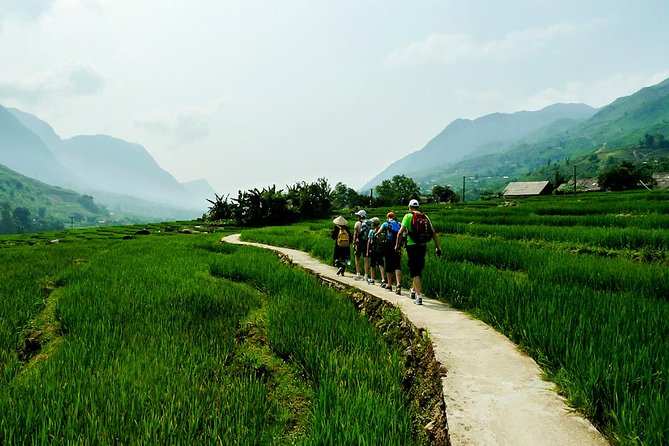
After the first stretch, the walk continues to Lao Chai, a village associated with the Black Hmong. This section lasts about two hours, making it the longest part of the listed itinerary.
Lao Chai is where the cultural side of the tour becomes more important. Your guide explains differences between ethnic groups and discusses the way local people work and live. The tour description specifically highlights Hmong rice fields, work, marriage traditions, and house building techniques.
That local connection can make a big difference. Several guides named in past outings, including Chu and Sang, were praised for explaining village life clearly and answering questions. Sang was also noted for her good English and generous explanations. Guide Mai received similar praise for being personable and easy to understand.
You may also see ordinary rural details along the way, including farm animals. One outing included oxen, ducks, and chickens, which gives the walk a pleasant, everyday quality. This is not a staged cultural show. It is a route through living villages, and you should behave accordingly by asking before photographing people or private homes.
The break during this part of the route is welcome. You will want time to rest, drink water, and take in the views before continuing. Only one small bottle of water is included, so bring extra water or budget for additional drinks. Bottled water and beer at the restaurant are not included.
Ta Van Village and the Giay community
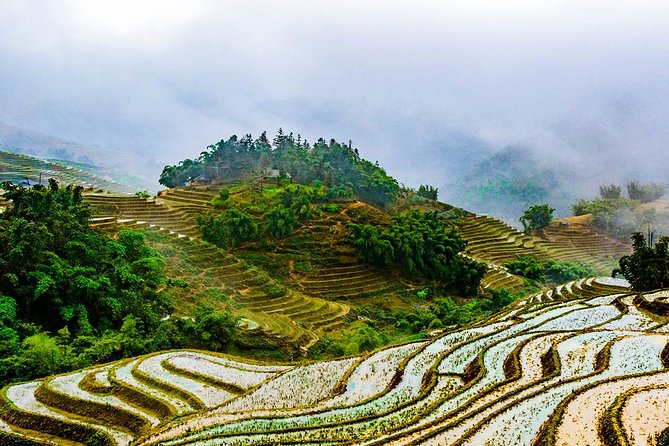
The final listed stop is Ta Van Village, reached after about one hour of continued trekking. Here you meet the Giay minority and learn more about how local groups differ from one another.
The tour also refers to the Red Dao, although the stop-by-stop plan names Y Linh Ho, Lao Chai, and Ta Van. Ask your guide at the start which communities you are likely to encounter on your particular route. The exact experience may depend on the day’s walking conditions and group arrangements.
Ta Van marks the end of the main walking route. From here, transport brings you back to Sapa. That ride is included, which is important after several hours of walking downhill, uphill, or along muddy paths.
Some people have chosen not to take the vehicle and continued walking to a homestay. One outing became an 11-kilometer round trip after the guide agreed to extend the walk. That kind of flexibility may be possible, but you should not assume an extra route is included. If you want to keep walking or change the endpoint, discuss it with the guide first.
Same trailhead, a different kind of day:
- From Sapa: 1-Day Guided Trek to Lao Chai & Ta Van with Lunch
★ 4.9 · 416 reviews - Sa Pa Full Day Trekking Tour
★ 5.0 · 414 reviews - Sapa 1 Day Long Trek: Trek to Hau Thao and Sa Seng Villages
★ 4.6 · 344 reviews - EXPLORE SAPA: 2D1N TREKKING & HMONG CULTURE WITH DINH
★ 4.9 · 191 reviews
What lunch adds to the day
Lunch is included and consists of local food with vegetables and meat, with a vegetarian option available. The quality can vary. Several people enjoyed the meal, while one person found it mediocre, so I would treat lunch as a useful part of the package rather than a reason to book the tour by itself.
A shared local meal also gives the day a natural pause. After two long walking sections, sitting down in the village is more valuable than rushing from one photo stop to the next. You can rest your legs, ask your guide about the food, and continue learning about daily life.
Extra drinks cost more. Since one small bottle of water is included, bring additional water if you usually drink a lot while hiking. Sapa’s hills can make even a moderate day feel demanding.
How hard is the 5 to 6 hour trek?
The operator describes the required fitness level as moderate. That is fair, but the word needs context. This is not a technical climb, yet it involves hills, uneven paths, slippery sections, and a possible distance of roughly 12 kilometers.
A person of average fitness completed the six-hour route but had sore legs the next day. Another person called the route long and difficult, particularly because of the mountain climbing. Both impressions can be true. Your experience will depend on weather, pace, fitness, and how much time you spend stopping for views and explanations.
The route may suit you if you regularly walk, can manage hills, and are comfortable with rural paths. It is less suitable if you have mobility issues, want a flat walk, or dislike mud and uneven ground.
Good preparation is simple:
- Wear grippy walking shoes or trekking boots.
- Carry extra water beyond the included bottle.
- Leave room for a long lunch and rest stops.
- Expect your shoes and trousers to get dirty in wet conditions.
- Tell the guide early if you need a slower pace.
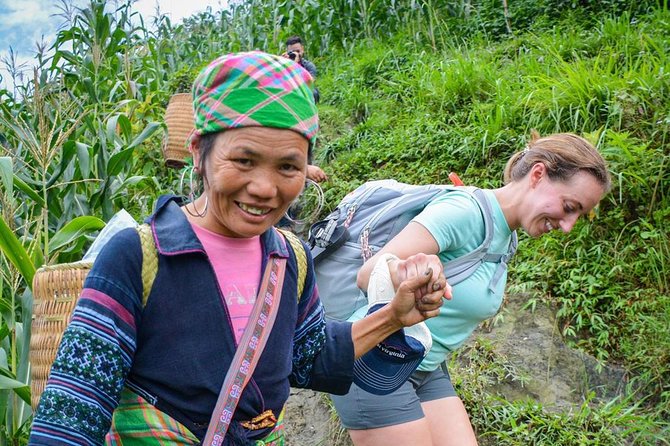
The guides appear to be a major strength. Chu was praised for helping a young child, Mau for being patient with a group of four children, and Vang for answering questions throughout the day. Still, guiding styles differ. One person felt the guide offered little information unless asked, so speak up if you want more detail.
The cultural value, and the limits
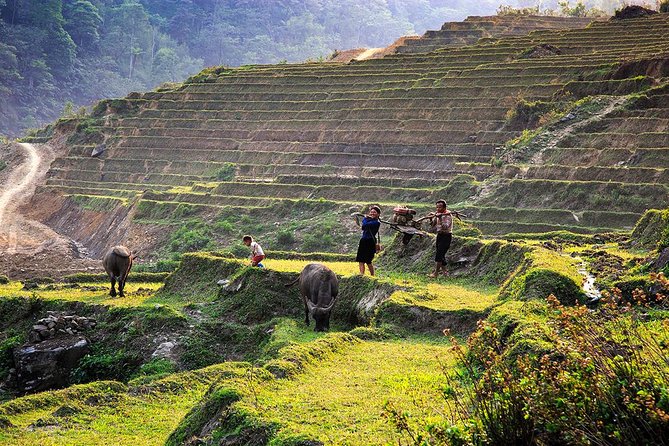
The best reason to book this walk is the chance to connect scenery with local life. You are not simply looking at rice terraces from a road. You are walking through the areas where people farm, build homes, raise animals, and maintain community traditions.
A local guide can also explain details that you might miss on your own. The tour promises information about Hmong marriage customs, rice cultivation, house building, work, and differences among ethnic groups. Guides who live in or come from these communities can give the conversation a personal connection.
There are limits. This is a general group tour, not a private cultural lesson. The maximum group size is 15, and the amount of explanation may depend on your guide and how many questions you ask. If cultural interpretation is your top priority, take an active role. Ask about farming seasons, family life, clothing, building methods, and how customs are changing.
You should also remember that these are working villages, not outdoor museums. The most respectful approach is to observe quietly, ask permission for close-up photos, and avoid treating local people as part of the scenery.
Is $45 a fair price?
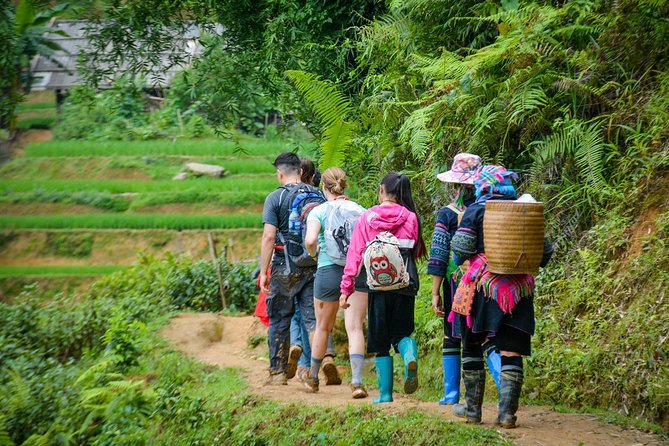
At $45 per person, the package offers solid value. You receive a local guide, village entry fees, lunch, one small bottle of water, and transport back to Sapa. For a five to six-hour outing, that covers the main costs you would otherwise need to arrange separately.
The value is strongest if you want a guided introduction to the Sapa valley but do not need a private vehicle all day. The return transport is especially useful because the route ends away from central Sapa.
The price is less compelling if you only want photographs and are happy navigating alone. One person felt the guide added little beyond showing the route. I would book this tour for the cultural explanation and practical support, not simply for access to rice terraces.
The 99 percent recommendation rate and 4.9 rating from 173 reviews suggest strong satisfaction, but those numbers should not hide the physical demands. A great guide cannot turn a steep, muddy path into a flat one.
Who should book this Sapa walk?
I would recommend it to you if you want:
- A close look at Sapa’s rice terraces and mountain valleys
- A local guide who can explain Hmong and Giay life
- A half-day route instead of a multi-day trek
- A tour with lunch and return transport included
- A small or moderate-sized group experience
- A practical introduction to Sapa before attempting a longer trek
Families can consider it if everyone is comfortable walking for several hours. The accounts involving children are encouraging, but you should judge your own group honestly. A young child may manage with a patient guide, while an older child may still tire on the hills.
I would look elsewhere if you need step-free access, have serious mobility limits, or want a relaxed sightseeing trip. The tour is also not ideal if you expect a polished restaurant meal or a highly structured lecture about culture.
Cancellation and booking details
You receive confirmation when booking, and the activity ends back at the meeting point after the included transport. Free cancellation applies if you cancel at least 24 hours before the start time. Within 24 hours, you receive no refund, and changes are not accepted.
Because the meeting information lists both 9:00 am and 9:30 am, confirm the exact departure time with the operator. This matters if you are relying on hotel pickup or public transport.
Should you book it?
Book this trek if you want Sapa at walking speed: rice terraces under your feet, village paths instead of a tour bus window, and a guide who can connect the scenery with Hmong and Giay life. The route is active but manageable for many people with moderate fitness, and the price covers the essentials.
I would skip it only if hills, mud, or six hours of walking sound unpleasant. For most fit visitors with one free day in Sapa, this is a strong way to see the countryside, especially if you ask questions and arrive in shoes that can handle a wet path.
FAQ
Where does the trek start?
It starts in Sapa Town, with pickup offered from your hotel or from a meeting point near the main church. The listed meeting point is Trekking Tour Sapa09 Thác Bạc, TT. Sa Pa, Sa Pa, Lào Cai 330000, Vietnam.
What time does the tour begin?
The information lists a 9:00 am start and a 9:30 am meeting time. Confirm the exact pickup or meeting time when booking.
How long does the trek last?
The experience lasts approximately five to six hours. The listed stops take about two hours at Y Linh Ho, two hours at Lao Chai, and one hour at Ta Van.
What villages does the route visit?
The route includes Y Linh Ho, Lao Chai, and Ta Van Village. It introduces you to Hmong and Giay communities, and the overall tour description also refers to the Red Dao.
Is lunch included?
Yes. Lunch includes local food with vegetables and meat, and a vegetarian option is available. Extra drinks are not included.
Can I cancel for a full refund?
Yes, if you cancel at least 24 hours before the experience begins. Cancellations or changes made within 24 hours are not accepted for a refund.
Just added around Sapa
- Hanoi: Sapa Trekking 2 Days 1 Night – Sleeper Bus from Hanoi★ 4.6 · 18 reviews
- From Hanoi: 2-Days Sapa Trekking Tour Lao Chai and Cat Cat★ 4.3 · 7 reviews
- Easy Trek in Sapa mountain : Y Linh Ho – Lao Chai – Ta Van★ 4.8 · 16 reviews
- Discover Sapa: 2D1N Trekking Adventure & Cozy LaLa Homestay★ 4.9 · 17 reviews
- SaPa: 2-Day Villages,Rice Fields, Love Waterfall Hiking Tour★ 5.0 · 9 reviews
- AUTHENIC 2D1N Trek & Bungalow Retreat with Dinh Hmong Family★ 5.0 · 19 reviews
- From Hanoi: Sapa 3-Day Medium Trek and Limousine Trip★ 4.5 · 59 reviews
- 2 Night Lao Chai-Ta Van Homestay- Trekking & Fansipan Visit★ 4.0 · 8 reviews
Sapa Hiking Tours, compared.
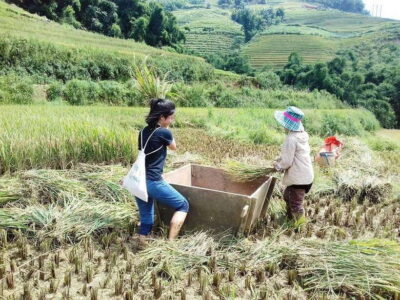
Sa Pa: Muong Hoa Valley Trek and Local Ethnic Villages
Read our review →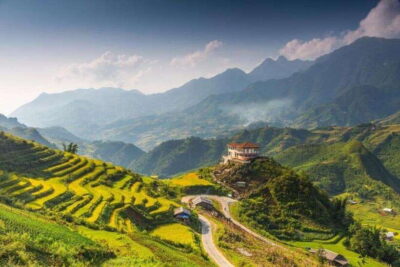
Eco Adventure Terrace Fields and Local Villages Trek
Read our review →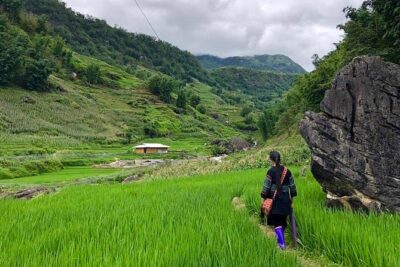
Number one top rated ethical cultural trekking and homestay by ETHOS
Read our review →
1-Day Guided Trek to Lao Chai & Ta Van with Lunch
Read our review →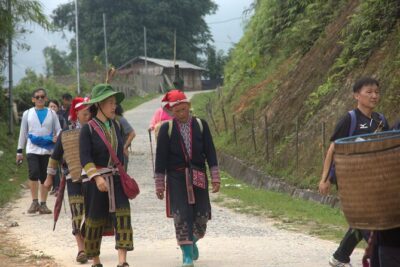
Sapa 1 Day Long Trek: Trek to Hau Thao and Sa Seng Villages
Read our review →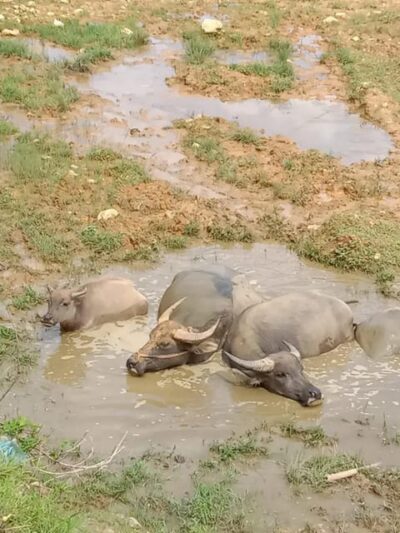
EXPLORE SAPA: 2D1N TREKKING & HMONG CULTURE WITH DINH
Read our review →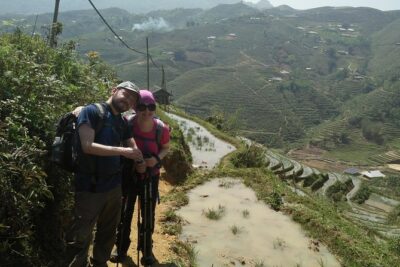
Browse the lists this tour appears in