
REVIEW · VOLCANO HIKES
Sucre: 2 days trek in Inca Trails and the Crater de Maragua
Red-rock country rewards strong legs. This two-day trek from Sucre combines an old Inca route, the striking Maragua Crater, dinosaur footprints, and Jalqa textile traditions in one compact trip. I like the variety: you are rarely walking through the same kind of terrain for long. I also like the small-group format, with no more than 10 people and guides who know the local communities.
The main trade-off is comfort. The walk covers about 16 kilometers on the first day and 12 on the second, with a steep climb before reaching the crater. The overnight stay and meals are simple, and your guide may set a brisk pace, so pack light and speak up when you need a photo or rest.
The essentials at a glance
- A 12th-century Inca route: The first morning begins on stone paths descending from Chataquila, with later sections following a river and mountain slopes.
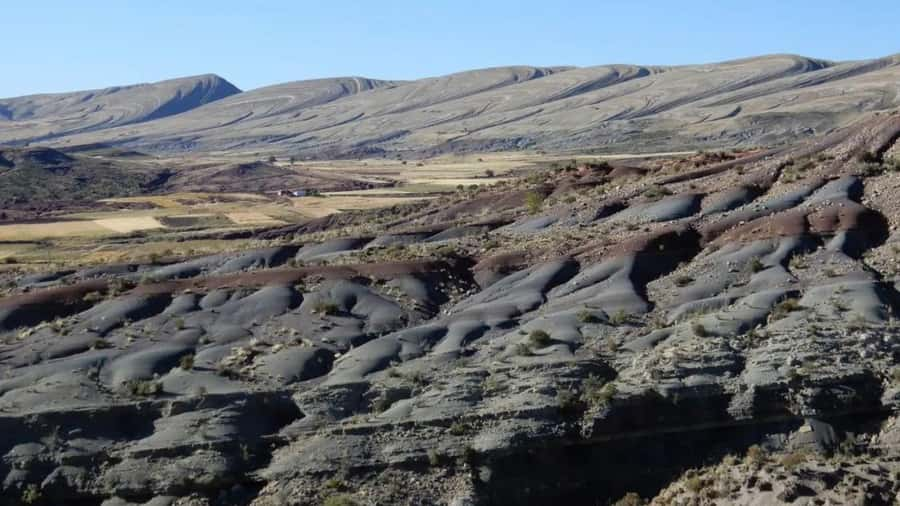
- Maragua Crater at sunset and sunrise: The crater is not a volcanic bowl in the usual sense, but a striking formation of folded, colorful mountains with viewpoints such as Devil’s Throat.
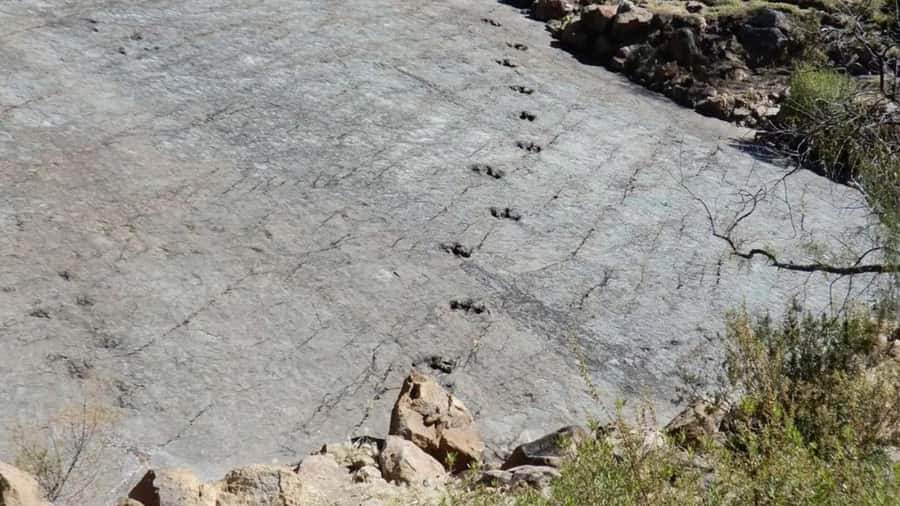
- Dinosaur footprints near Niño Mayo: The second morning adds a memorable fossil stop to the walking route.
- Jalqa culture in local villages: A community weaver explains traditional textile work, giving you a direct link to the people who live in this remote area.
- A small-group, guide-led trip: English and Spanish are available, with French possible depending on the guide. The maximum group size is 10.
- A sensible $124 package: Entry fees, public transport out of Sucre, private transport back, one night, three meals, fruit, and guiding are included.
Why this trek is different from a standard Sucre excursion
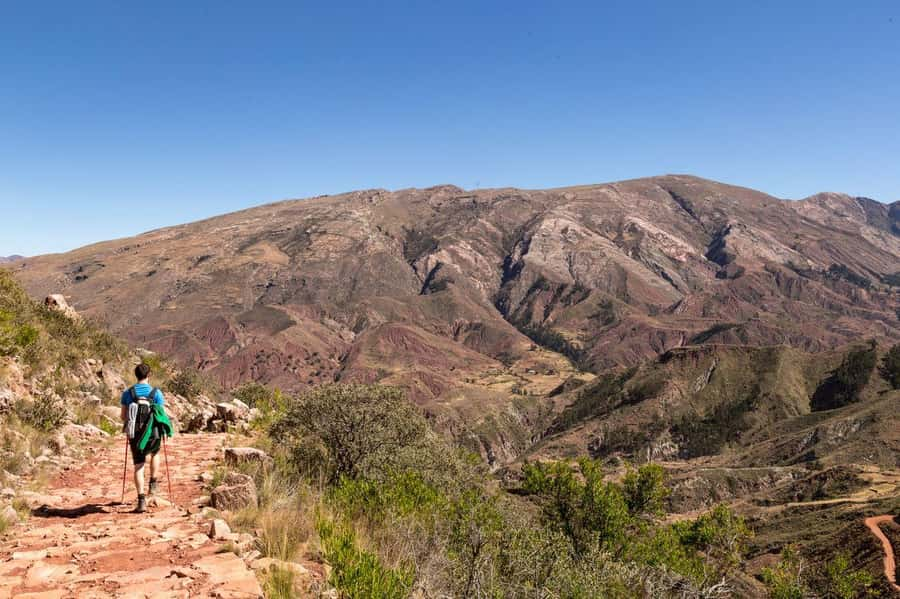
Sucre is known for its white colonial center, but the countryside around the city offers a completely different Bolivia. Within a few hours, you trade paved streets for stone trails, dry valleys, folded mountains, village footpaths, and wide views across the Frailes range.
I like this trip because it is not just a scenic walk. The route connects several parts of local life. You see an old transport route, pass through small communities, learn about Jalqa weaving, and visit a site with dinosaur footprints. Each stop gives the scenery a little more meaning.
The trip is run by former CondorTrekkers guides who have started their own company, Jalq’a Tours. That background matters. A good guide is especially useful here because some of the value lies between the headline sights: plant life, rock formations, local customs, and the small paths leading to communities.
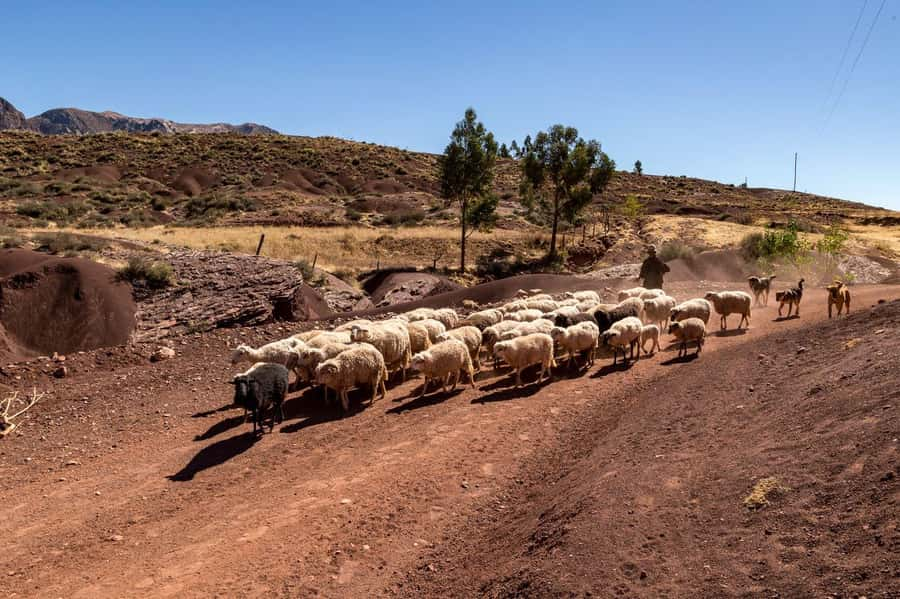
This is not a private luxury outing. You travel by public bus from Sucre, sleep in a shared room, and eat basic food along the way. But the modest setup helps keep the price at $124 per person and puts you closer to the area’s everyday life.
More Volcano Hikes in the world:
- Bali: Sunrise Mount Batur Guided Hike with Breakfast
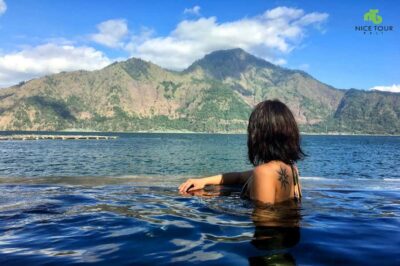
★ 4.8 · 9,660 reviews - Bali: Mount Batur Sunrise Guided Hike and Natural Hot Spring
★ 4.8 · 9,284 reviews - Mount Etna: Summit Guided Hiking Tour up to 3,400 m
★ 4.8 · 4,792 reviews
Meeting at Estadio Patria and riding to Chataquila
Your morning begins at 8:00 at the main entrance of Estadio Patria on German Mendoza Street. At about 8:15, you take a public bus toward Chataquila. The ride can take longer than the stated schedule because the wait depends on how many people are joining the trip.
That detail is worth taking seriously. This is not a tightly timed private departure. You should arrive ready to go, but also expect some flexibility at the start. The public bus keeps costs down and gives the outing a more local feel, though it offers less control than a dedicated vehicle.
Chataquila is where the walking begins. You start on an old Inca stone path, with the first section descending. That downhill opening sounds easy, but uneven stone can be hard on knees and ankles. Hiking shoes with a firm sole are a much better choice than casual trainers.
The trail is associated with a 12th-century Inca route, and the stonework gives the first part a clear sense of age. You are not simply walking beside a road to reach a viewpoint. You are following a route built for movement across difficult mountain country.
Three walking sections on day one
The first day covers about 16 kilometers and has three distinct parts. Knowing this helps you judge the effort more accurately than a single distance figure.
The first section is a descent along the Inca stone paths. This is the most historic-feeling part of the morning, but it also demands care. Loose footing and uneven steps can slow you down, especially if rain has made the stones slick.
The second section follows a river. Much of it is fairly level, with short, gentle climbs and descents. After the opening downhill, this gives your legs a chance to settle into a walking rhythm. The river route also breaks up the dry mountain scenery with a different type of setting.
The final section climbs toward Maragua Crater. It begins with a steep ascent, then continues along the mountain slopes. This is the section that separates a pleasant day walk from a proper trek. You do not need technical climbing ability, but you do need steady fitness and a willingness to walk uphill with a pack.
The scenery changes as you move through the Chaunaca and Socapampa areas. Your guide may explain local plants, rock formations, and the route’s connection with the surrounding communities. Guides Gary, Gari, Li, Johnny, and Lizandro have all led recent departures, and the strongest reports specifically praise their English, good humor, cooking, patience, and ability to explain the region.
One practical tip: tell the guide early if you need a slower pace. Li was praised for his explanations, but one hiker found that he walked quickly and left limited time for photographs. That is a small issue, but it can matter on a route where nearly every bend offers a reason to stop.
Reaching Maragua Crater and Devil’s Throat
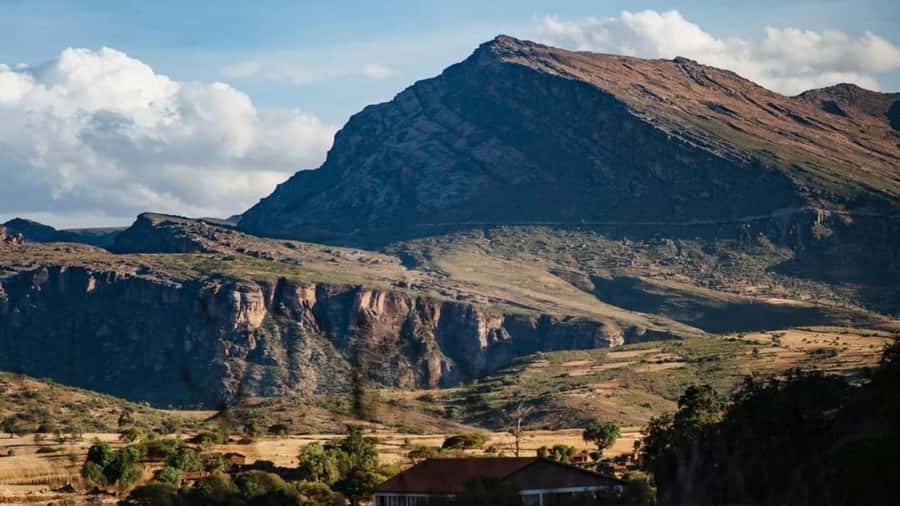
The reward for the final climb is Maragua Crater. Its folded, colorful mountains give the area a bold appearance, with bands and ridges spreading across the surrounding terrain. The crater is the main visual prize of the trek, but it is better appreciated after the effort needed to reach it.
You spend the first night inside the crater. There are several possible activities in the area, including a visit to Devil’s Throat, a viewpoint where you may see local wildlife and many kinds of birds. The information provided does not promise a particular animal sighting, so think of this as a good chance for observation rather than a wildlife guarantee.
The crater also gives you a chance to slow down after the long first day. Bring a flashlight for the evening and keep your waterproof bag handy. The accommodation is shared and simple, though one recent visitor was pleasantly surprised by the small hostel. Another described the food and lodging as very basic. Both points can be true: you should not expect hotel comfort, but you may find the overnight stop warmer and more appealing than the price suggests.
Dinner is included on the first night. You also receive fruit during the trip, which is useful after several hours of walking. Water and snacks are not included, so carry enough for the day and buy or arrange supplies before leaving Sucre.
More Two-Day Trips around the world:
- From Antigua: Adventure, 2-Day Hiking to Acatenango Volcano
★ 4.4 · 1,189 reviews - Mt Toubkal Ascent Express Trek 2 Days 1 Nights
★ 4.7 · 962 reviews - Chiang Mai: 2-Day Jungle Trek with Elephant Farm & Raft Ride
★ 4.7 · 881 reviews - Marrakesh: 2-Day Mt. Toubkal Trek with 1-Night Stay & Meals
★ 4.7 · 795 reviews
Dinosaur footprints and a Jalqa weaving visit
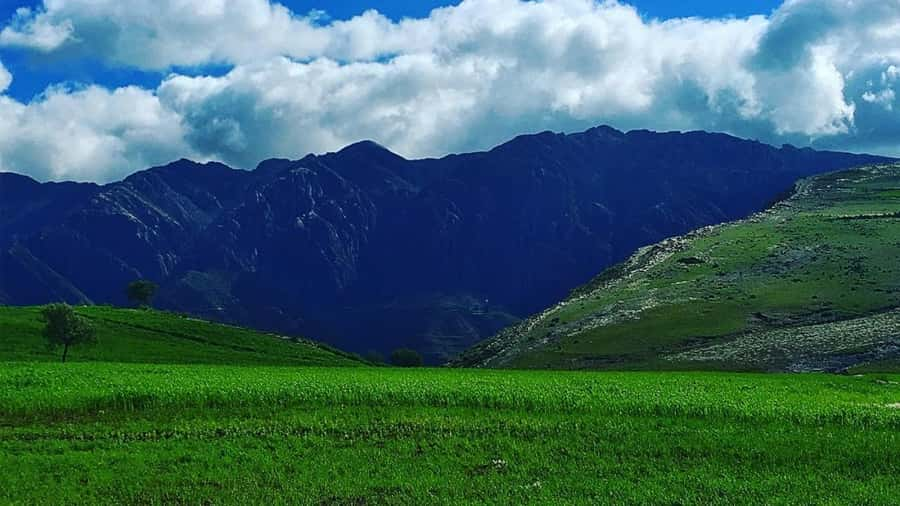
The second day starts early. You leave the lodging and walk through the crater before climbing out toward a viewpoint above the formation. From there, you can look back across the crater and see how its ridges fit together.
This uphill exit is not as long as the first day’s mountain approach, but it arrives after a night in a shared room and a full day on your feet. Once you reach the viewpoint, the trail becomes easier, with shorter rises and falls.
The route then continues toward Niño Mayo and its dinosaur footprints. The site adds a bit of wonder to the trek without requiring a separate excursion. You are walking through an area where ancient animals left tracks, then following paths that local people still use today. Your guide can add geological context, which is one reason I would choose a guided outing rather than attempting the route alone.
The next cultural stop is a local weaver. You can see how textile traditions are practiced in the community and hear about the methods behind the work. This is a more worthwhile encounter than a quick souvenir stop because it connects the scenery with Jalqa identity and daily life.
If you want to buy a textile, ask about the piece, its design, and the time involved in making it. The tour information does not promise that purchases are available, so treat the visit first as a cultural exchange, not a shopping appointment.
The colorful route to Majada
From the footprints, you continue toward the small village of Majada. The route from the crater through the colorful mountains to the Majada community is about 5 kilometers and takes roughly two hours.
This is the easier, scenic section of the second day. The short climbs and descents let you focus more on the Frailes Mountains and the shapes of the surrounding ridges. Compared with the steep sections near the crater, the walk should feel less demanding, though you still need to finish 12 kilometers in total for the day.
Majada is important because it turns the walk into a visit to a lived-in rural area rather than a sightseeing circuit. You see local villages and the setting in which Jalqa communities work, travel, and maintain their textile customs.
At the end of the walk, a private vehicle takes you back to Sucre. This is a welcome change after two days on foot. The return drive is one of the memorable parts of the experience, with dramatic views from the road. One recent hiker felt the drive alone was worth the trip, though the exact timing of your arrival will depend on the walk and road conditions.
What the $124 price includes
At $124 per person, the trip offers solid value if you want a guided, two-day outing without arranging each piece yourself. The price includes:
- Entry tickets
- Public transport from Sucre to Chataquila
- Private transport back to Sucre
- One night in shared accommodation
- A professional hiking guide
- Breakfast on day two
- Lunch on both days
- Dinner on day one
- Fruit
The package does not include water, snacks, meals outside the listed schedule, or personal hygiene items. Bring toilet paper, wet wipes, soap, toothpaste, and a toothbrush. This is the kind of small preparation that makes a basic overnight stay much easier.
The included private return vehicle adds real value. Hiring transport back from a remote mountain area can be awkward and expensive if you try to arrange it yourself. The public bus at the start keeps the cost reasonable, while the private ride home gives you a more comfortable finish.
The food has received praise for being tasty, but it remains simple. Pack light, as one person who completed the three-day version advised. A small waterproof bag for documents, medication, and spare clothes is more useful than a large suitcase.
Fitness, equipment, and who should book
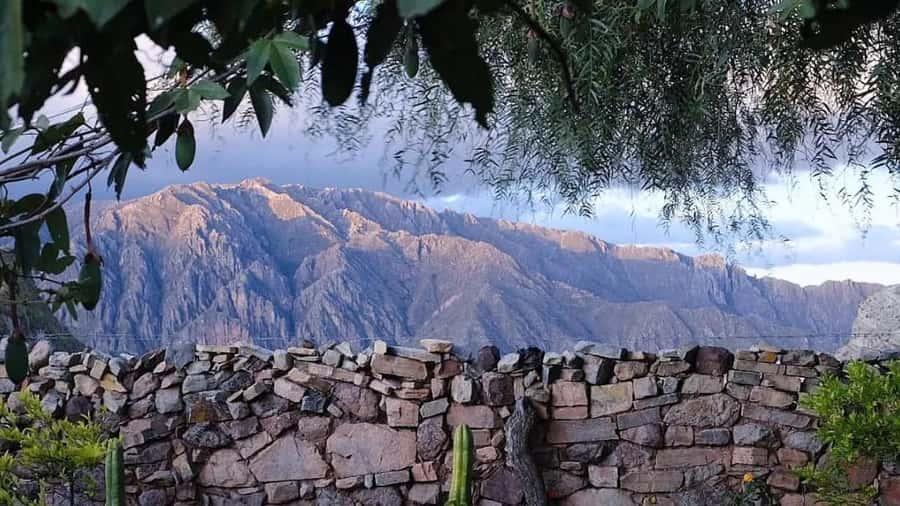
You should be comfortable walking for several hours on uneven ground and climbing steep mountain sections. The tour is not suitable for children under 10, pregnant women, people with mobility impairments, people afraid of heights, or people over 95.
The height issue deserves attention even if you are fit. Parts of the route pass along mountain slopes and viewpoints, and the company specifically excludes people who are afraid of heights. If exposed edges make you uneasy, ask the provider for more details before booking.
Bring hiking shoes, sun protection, sunglasses, a hat, sunscreen, water, rain gear, a change of clothes, and personal medication. A flashlight is required for the overnight stop. Swimwear is also listed among the suggested items, though the tour information does not explain when you will use it.
Carry identification or a copy of your passport or ID card. Keep it in a waterproof bag. Do not bring alcohol for the vehicle, and do not feed animals or leave rubbish along the route.
Small groups make a real difference here. With up to 10 people, the guide can usually keep track of the group and explain local details without turning the walk into a large procession. English and Spanish guiding are available, with French possible depending on guide availability.
Two days or three?
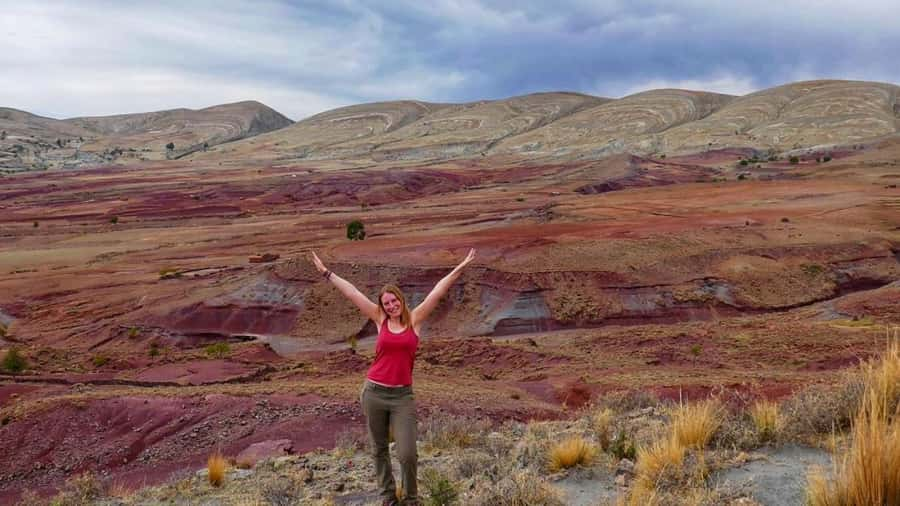
The standard trip gives you the main route in two days: Inca trail, crater, Devil’s Throat area, dinosaur footprints, weaving visit, Majada, and the private return to Sucre.
You can also request a three-day, two-night version that adds Tumpeca. That extension includes rock paintings, unusual geological formations, ancient trails, forests, and more contact with surrounding communities. Choose the longer option if you prefer a slower pace and want more time for cultural and geological stops.
The two-day version suits you if you have limited time in Sucre and want the strongest highlights. The three-day option makes more sense if you dislike rushing, want extra walking, or care more about remote villages and rock art than completing the route quickly.
Should you book this Sucre trek?
I would book this trip if you want an active, affordable route that brings together scenery, archaeology, geology, and Jalqa culture. The strongest reasons are the changing terrain, the Maragua Crater, the dinosaur footprints, and the chance to meet a local weaver rather than simply pass through a viewpoint.
I would pause if you want private transport throughout, polished accommodation, restaurant-style meals, or a relaxed walking schedule. The public bus, shared room, basic food, and long first day are part of the deal.
For the best experience, arrive early at Estadio Patria, pack light, carry water and personal supplies, and tell your guide when you need a break for photographs. At $124, Jalq’a Tours gives you a lot of ground, guidance, meals, and transport for the money. It is a strong choice for fit hikers who want to see the countryside around Sucre on foot and do not mind a little grit along the way.
FAQ
Where does the trek meet in Sucre?
The meeting point is at the main entrance of Estadio Patria on German Mendoza Street.
What time does the first day begin?
The group meets at 8:00 in the morning. The public bus toward Chataquila is scheduled to leave around 8:15, though waiting time can vary depending on the number of passengers.
How far do you walk each day?
The first day covers about 16 kilometers. The second day covers about 12 kilometers, including the walk through the Maragua Crater, the dinosaur footprints area, and the route to Majada.
Is transport included?
Yes. Public transport from Sucre to Chataquila is included, as is private transport from Majada back to Sucre.
What meals are included?
The tour includes lunch and dinner on the first day, plus breakfast and lunch on the second day. Fruit is also included. Water, snacks, and meals not listed are extra.
What languages are available for the guide?
Guiding is available in English and Spanish. French may be available depending on the guide assigned to the trip.
Can the trek be extended to three days?
Yes. A three-day, two-night option can include the Tumpeca area, with rock paintings, geological formations, ancient trails, forests, and visits connected with local culture.
Just added around the world
- Annapurna Base Camp Trek – 11 Days★ 5.0 · 30 reviews
- Annapurna Base Camp Trek 12 Days★ 5.0 · 18 reviews
- Annapurna Base Camp Trek 10 Days★ 5.0 · 35 reviews
- Annapurna Base Camp Trekking★ 5.0 · 38 reviews
- Adventurous Annapurna Base Camp Trekking★ 5.0 · 7 reviews
- Annapurna Base Camp Trek★ 5.0 · 80 reviews
- Annapurna Base Camp Private Short Trek★ 5.0 · 8 reviews
- Annapurna Base Camp Short trek★ 5.0 · 13 reviews
Volcano Hikes, compared.
Sunrise Mount Batur Guided Hike with Breakfast
Read our review →
Mount Batur Sunrise Guided Hike and Natural Hot Spring
Read our review →
Mount Batur Sunrise Trek With Guide and Breakfast
Read our review →
Mount Batur Sunrise Hike and Natural Hot Spring Option
Read our review →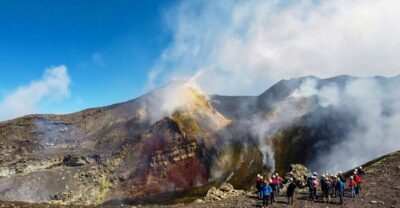
Browse the lists this tour appears in