

REVIEW · HANOI HIKING TOURS
Sapa Trekking 2 Days 1 Night From Hanoi With Local Guide
Sapa rewards sturdy shoes. This two-day trip combines an overnight bus-based journey from Hanoi with walks through Cat Cat, Y Linh Ho, Lao Chai, and Ta Van, giving you terraced rice fields and village life without arranging transport yourself. I especially like the local ethnic guides and the small group size, capped at 15 people. The $85 price also covers transport, meals listed in the schedule, lodging, guide service, and entry fees.
The main drawback is the pace. Day two includes about 12 kilometers of trekking, with a long downhill section and uneven village trails. If you want a gentle scenic outing, this may feel demanding. The Hanoi to Sapa ride also takes several hours each way, so you need to accept a lot of road time for a short visit.
Five things to know before you book
- Local guides lead the walks: Guides such as Cat, Ku, and Vu have been praised for their English, kindness, local knowledge, and care on the trail.
- Cat Cat comes first: The opening afternoon covers about 2.5 kilometers, including a waterfall, a French-built power plant, and a village performance.
- Day two is the real trek: The route through Y Linh Ho, Lao Chai, and Ta Van covers roughly 12 kilometers, much of it downhill.
- The trip runs from Hanoi by bus: Pickup begins at 6:30 a.m. in Hanoi’s Old Quarter, with arrival back in Hanoi around 9:30 p.m. the next day.
- The price includes the basics: You receive an air-conditioned vehicle, an English-speaking guide, taxes, meals listed in the schedule, and one night in a hotel or homestay.
- Weather and fitness matter: The experience requires good weather and moderate physical fitness, and poor conditions can lead to a new date or full refund.
Why this short Sapa trip works
Sapa is known for its steep rice terraces, mountain valleys, and ethnic communities. This tour gives you a quick route into that setting without requiring you to coordinate buses, village walks, meals, and overnight arrangements on your own.
I like the way the trip divides its time. The first afternoon is shorter and more structured, with a visit to Cat Cat Village near Fansipan. The second day takes you farther into the Muong Hoa Valley, where the walking becomes longer and the rural setting becomes the main event.
The small group limit helps. A maximum of 15 people is not the same as a private tour, but it is more manageable than a large coach group when you are walking narrow paths. It should also make it easier to hear the guide and keep the group together.
The strongest part of the experience is the guide service. Cat has been praised for clear English and useful explanations. Ku has been described as an excellent guide for both the cultural side and the physical demands of the route. Vu has been praised for kindness, trail knowledge, and knowing where to eat. Guide assignments can change, but the local connection is an important reason to choose this trip.
More Evening Trips around Hanoi:
- Hanoi – Sapa 2 Days 1 Night Overnight At Homestay
★ 5.0 · 899 reviews - Sapa 3 Days 2 Nights Trekking Tour (1 Night In Ta Van Village, 1 Night In Hotel)
★ 5.0 · 699 reviews - Hanoi – Sapa 3 Day 2 Night Trekking With Hotel & Homestay
★ 5.0 · 389 reviews
The 6:30 a.m. departure from Hanoi
Pickup begins at 6:30 a.m. from a hotel in Hanoi’s Old Quarter. You travel north by sleeper bus in an air-conditioned vehicle, arriving in Sapa at about 1 p.m.
The bus is a practical choice for this itinerary. It avoids the need to arrange a separate train and road transfer, and the sleeper-style setup is intended to make the long journey more comfortable. Still, this is not a quick transfer. Your first day includes roughly six and a half hours between Hanoi departure and the start of the afternoon visit.
On arrival, you meet the local guide at the bus station and go to the hotel. Lunch follows at a local restaurant at about 1:30 p.m. The schedule is fairly tight, so keep your important walking items easy to reach. You will want water, sun protection, a light rain layer, and shoes you can trust on uneven ground.
The exact accommodation is described as a hotel or homestay. That gives the trip some flexibility, but it also means you should not book it expecting a named property or a specific room standard. Accommodation is included for the first night, while the second day ends with your return trip to Hanoi.
Cat Cat Village and the first afternoon walk
After lunch, a short drive takes you to the entrance of Cat Cat Village. The village is associated with the Black Hmong community and sits near the base of Fansipan Peak, Vietnam’s highest mountain.
The walk covers about 2.5 kilometers and takes around two hours. The route heads down into the village, so the first part can feel easier than the return sections. You should still expect steps, slopes, and uneven surfaces rather than a flat town stroll.
One highlight is the waterfall. You also see a power plant built by the French in 1925, a reminder of the area’s colonial-era infrastructure. It is a small detail, but it gives the walk more substance than a simple photo stop.
The schedule allows about 40 minutes for a performance by boys and girls from the village. This adds a formal cultural presentation to the visit. Some people appreciate having music and dance included in a short introduction to local traditions. Others prefer unplanned village time, so it is worth knowing that this portion is part of the day.
You return to Sapa Town around 5 p.m. Dinner at the hotel is scheduled for 7 p.m., followed by free time to visit Sapa. That evening gives you a chance to rest or take a short walk, but do not treat it as a full free day. You will need energy for the longer route the next morning.
The 12-kilometer route through Muong Hoa Valley
Day two begins with breakfast, checkout, and preparation of a light pack. Your luggage is handled separately for the return journey, so bring only what you need for the trek.
The route is described as about 12 kilometers through three villages and communities. The main section begins at 9 a.m., with a descent of roughly 9 kilometers into Muong Hoa Valley. The schedule then continues through Y Linh Ho and Lao Chai before reaching Ta Van.
This is the part I would take seriously when judging the tour. The walk lasts for several hours and includes downhill mountain trails. Downhill does not mean easy. It can place strain on knees and ankles, especially when the path is uneven or wet. The operator asks for moderate physical fitness, and that description is fair.
Muong Hoa Valley is the visual center of the trip. Rice terraces line the hillsides, and local communities work the fields. The scenery changes with the growing season, but the appeal comes from the shape of the terraces, the steep valley, and the chance to see rural life at close range.
Y Linh Ho and Lao Chai provide the strongest sense of walking between communities rather than simply arriving at a viewpoint. The route passes along the valley floor and mountain slopes, with the guide explaining the villages and the people who live and work there.
Because the walk is long, your comfort depends heavily on footwear and weather. The tour requires good conditions, and poor weather can lead to a changed date or a full refund. That policy is helpful, since rain can make mountain paths harder and less pleasant.
More Two-Day Trips around Hanoi:
- From Hanoi: 2-Day Sapa Trekking Trip with Homestay & Meals
★ 4.8 · 704 reviews - 2-Day Sa Pa Ethnic Homestay Tour & Trek with Limousine Bus
★ 4.8 · 440 reviews - From Hanoi: 2-Day Sapa Trek Tour – Luxury Limousine Transfer
★ 4.1 · 249 reviews - Hanoi – Sapa 2 Days 1 Night Overnight At Local Homestay
★ 5.0 · 233 reviews
Lunch, Ta Van, and the final transfer
Lunch is scheduled at a local restaurant around 12:30 p.m. After eating, you continue along the valley floor toward Ta Van Village, home to the Dzay people.
Ta Van is not treated simply as a final photo stop. The schedule describes time to experience local life while staying in a local family’s cottage. That detail gives the afternoon a more personal feel than a standard sightseeing loop, although the short timetable means you should not expect an extended homestay.
A bus collects the group at about 2:30 p.m. and takes you back to the hotel to prepare your luggage. At 3:30 p.m., the guide transfers you to the bus station for the return journey. You reach Hanoi around 9:30 p.m.
This return timing matters. You should avoid scheduling an early morning flight or an important appointment immediately afterward. The trip is designed as a complete Hanoi to Sapa and back package, not as a relaxed stay in Sapa.
What the $85 price really covers
At $85 per person, this is a strong value if you want a short Sapa visit with the major arrangements handled. The package includes the air-conditioned vehicle, taxes and fees, an English-speaking guide, accommodation for one night, and meals listed in the schedule.
The price also saves you from arranging the Hanoi to Sapa transport, local transfers, village visits, and return bus separately. For a first visit, that convenience may be worth as much as the sights themselves.
Do not read the price as an all-inclusive holiday. Alcoholic drinks are not included, and private transportation is listed among the exclusions. The accommodation is described generally as a hotel or homestay, so you should choose this for its route and guide support rather than for luxury.
The food plan is simple. Lunch on the first day, dinner that evening, breakfast on the second morning, and lunch during the trek are built into the schedule. The supplied details do not specify menus, so bring money for drinks and any additional food you want.
Who will enjoy this trip most
I would recommend this experience to you if you have limited time in Vietnam but want more than a quick Sapa viewpoint. It works well for people who value local guiding, village walks, and mountain scenery over polished facilities.
Families can enjoy it, and one family described the guide as kind and helpful. However, children and older relatives should be comfortable with a long downhill walk. The moderate fitness requirement should guide your decision more than the attractive price.
This trip also suits solo visitors and couples who want the security of organized transport and a small group. The local guide is especially useful on a route where the scenery is easy to admire but the cultural details are harder to understand on your own.
I would hesitate to recommend it if you dislike long bus rides, need a soft adventure, or want a quiet luxury stay. The itinerary is packed, and the second day is a proper trek, not a gentle stroll between restaurants.
Practical advice for a better experience
Wear shoes with good grip. The route includes village paths, slopes, and a long downhill section, so ordinary city sneakers may not be enough in wet conditions.
Pack a light bag for the walking day. You need room for water and personal items, but carrying a large suitcase would make the route awkward. The schedule specifically asks you to prepare a light pack after checking out.
Keep your schedule open after the return to Hanoi. The bus is due around 9:30 p.m., and traffic or road conditions could affect the exact arrival time.
Ask about your assigned guide when you meet the group. Cat, Ku, and Vu have each been praised for different strengths, including English, local knowledge, kindness, and trail support. The guide is central to the experience, so take advantage of the chance to ask questions about the villages, terraces, and daily life.
Book with the weather in mind. Free cancellation is available up to 24 hours before the start time. Cancellations or changes within 24 hours are not refunded, but if poor weather causes the operator to cancel, you can receive a different date or a full refund.
Should you book this Sapa trek?
Book it if you want a compact and reasonably priced introduction to Sapa, especially if local guiding and village walking matter more to you than extra free time. The best parts are the guide-led route, the Muong Hoa Valley terraces, and the chance to visit several communities in two days.
Skip it if you want to avoid long bus journeys or challenging downhill walking. Before paying, be honest about your fitness and confirm that a hotel or homestay, rather than a more polished resort, suits you.
For the right person, $85 buys a well-organized first look at Sapa with genuine local contact and enough walking to make the views feel earned.
FAQ
Where does the tour begin?
Pickup begins at 6:30 a.m. from a hotel in Hanoi’s Old Quarter.
How do I travel from Hanoi to Sapa?
You travel by sleeper bus in an air-conditioned vehicle.
How many people can join the tour?
The group has a maximum of 15 people.
How much trekking is included?
The first day includes about 2.5 kilometers around Cat Cat Village. The second day includes roughly 12 kilometers through Y Linh Ho, Lao Chai, and Ta Van.
Which villages are visited?
The route includes Cat Cat Village, Y Linh Ho, Lao Chai, and Ta Van Village.
Where do I stay overnight?
The first night is spent in a hotel or homestay.
Are meals included?
Meals listed in the schedule are included: lunch on day one, dinner on day one, breakfast on day two, and lunch on day two.
Is an English-speaking guide included?
Yes. An English-speaking guide is included, and the guides are local ethnic people.
What happens if the weather is poor?
If the tour is canceled because of poor weather, you can choose a different date or receive a full refund. You can also cancel up to 24 hours before the start time for a full refund.
Just added around Hanoi
- From Hanoi : Sapa Moutain Trek – Halong bay Heritage★ 4.5 · 25 reviews
- Sapa Trekking Tour 2 Days 1 Night By Bus★ 5.0 · 86 reviews
- 8-Days Hanoi, Sapa Trekking And Halong Bay Cruise★ 5.0 · 8 reviews
- Trekking Sapa – Bac Ha Market: Sleep on Train & Homestay★ 4.5 · 7 reviews
- Sapa Trekking 3 Days 2 Nights (Homestay) – Departure From Hanoi★ 4.5 · 9 reviews
- Sapa trekking 2days by bus from Hanoi ( over night in homestay)★ 5.0 · 21 reviews
- Mai Chau – Pu Luong trekking 3 days 2 nights★ 4.5 · 7 reviews
- Sapa 3 Days 2 Nights Trekking Tour From Hanoi (2 Nights in Hotel)★ 5.0 · 112 reviews
Hanoi Hiking Tours, compared.


Halong Bay Full Day with Kayaking, Hiking viewpoint, Cave – Deluxe To Luxury
Read our review →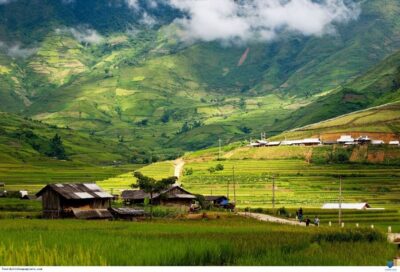

Sapa 3 Days 2 Nights Trekking Tour (1 Night In Ta Van Village, 1 Night In Hotel)
Read our review →
3-Day Trekking Adventure of Sapa from Hanoi – Stay Ta Van Village
Read our review →
2-Day Sa Pa Ethnic Homestay Tour & Trek with Limousine Bus
Read our review →
Sapa 3 Day 2 Night Trekking With Hotel & Homestay
Read our review →
2-Day Sapa Trek Tour – Luxury Limousine Transfer
Read our review →Browse the lists this tour appears in