
REVIEW · NEW ZEALAND HIKING TOURS
Rotorua Hiking: Mt Tarawera Guided Volcanic Crater Experience
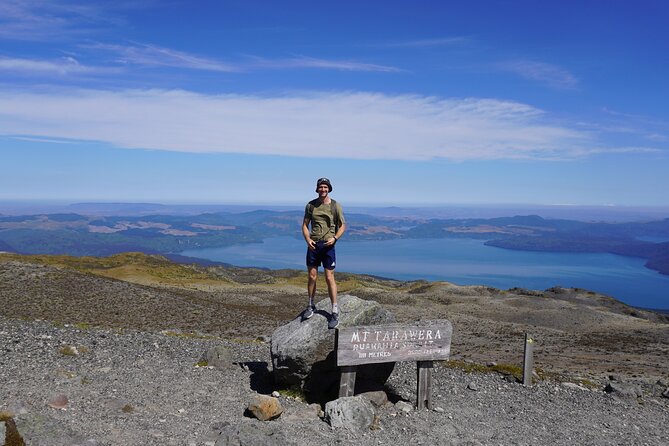
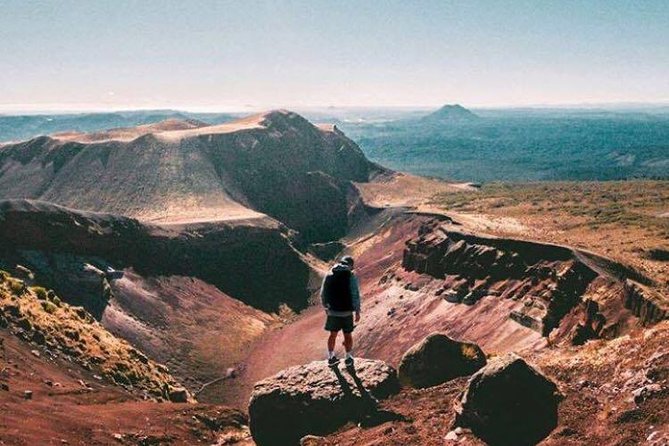
Mt Tarawera is Rotorua’s wild side. This four-and-a-half-hour guided hike takes you by 4WD into the central North Island wilderness, then up winding trails to the rim of a volcano shaped by the catastrophic eruption of June 10, 1886. I like the 360-degree summit views and the chance to learn about Māori connections, local geology, and the eruption from guides such as Jesse, Hauri, Chucky, Deborah, Jack, Dan, and Daniel.
I also like the optional scree run into the crater. It turns a serious walk into something playful, though the hike is not a gentle stroll. Loose volcanic rock, steep sections, wind, height, and a bumpy ride all come with the deal. At $121.01 per person, the price is reasonable if you want transport, guiding, cultural context, and a small-group wilderness outing in one package.
Key points to know before you book
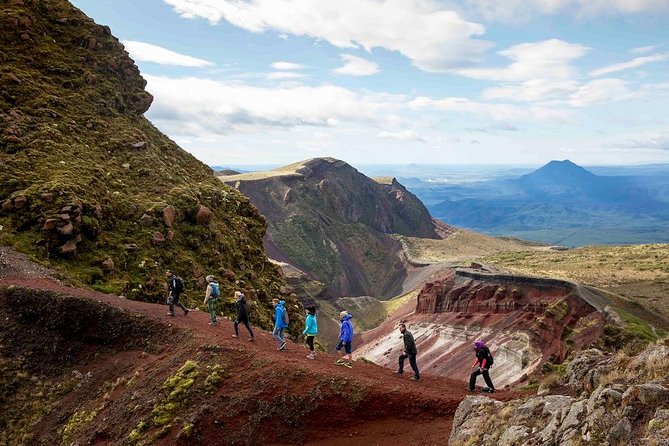
- The crater is the star: Reach the rim of Mt Tarawera and, if conditions and confidence allow, slide or run down the loose scree toward the crater floor.
- Expect a real hike: You need moderate fitness, coordination, and proper footwear. The descent can feel steep and uneven.
- The views are wide open: From high points on the mountain, you can see across the volcanic country toward Waimangu Volcanic Valley.
- Guides add much more than directions: Cultural stories, Māori history, geology, and safety advice are central to the experience.
- The ride is part of the adventure: The off-road approach can be bumpy, and one review noted a vehicle problem after the hike.
- Weather matters: Poor weather can cancel the trip, with a new date or full refund offered.
Why Mt Tarawera feels different from Rotorua’s usual stops
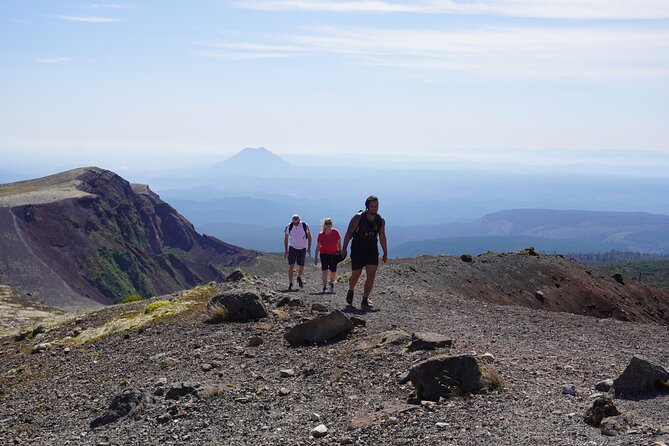
Rotorua is famous for steaming pools, bubbling mud, and the smell of sulphur. Mt Tarawera gives you a much bigger sense of the forces beneath the region. You are not simply looking at geothermal activity from a boardwalk. You are walking across a mountain torn open by an eruption that changed the area forever.
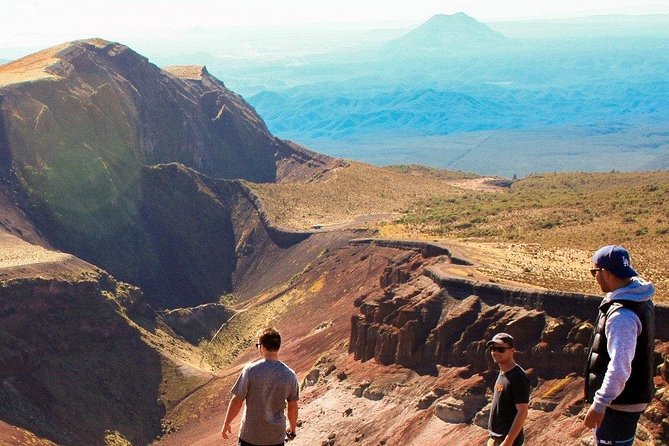
The 1886 eruption destroyed the famous Pink and White Terraces and helped create Waimangu Volcanic Valley, described as the world’s youngest geothermal valley. That history gives the hike weight. The red and rust-colored volcanic rock, pale scree, sharp ridges, and broad views are not just pretty scenery. They are clues to what happened here.
I especially like that the experience connects natural history with Māori stories and the meaning of the maunga, or mountain. Guides including Chucky, Daniel, Jack, and Dan have been praised for sharing cultural knowledge in a warm, personal way. That makes the outing feel more grounded than a standard lookout visit.
More Mountain and Summit Hikes in New Zealand
- Mount Cook: 3-Hour Tasman Glacier Helicopter Ride and Hike
★ 4.9 · 235 reviews - Mount Cook: 3 Hour Heli Hike to the Tasman Glacier
★ 4.7 · 218 reviews - Queenstown: Walter Peak Horse Trek & Queenstown Lake Cruise
★ 4.7 · 151 reviews
The drive from Rotorua to the mountain
The experience begins with pickup from your Rotorua hotel or motel, although pickup arrangements can vary. One group was collected from a nearby coffee shop, so it is wise to confirm your exact pickup time and location before the day.
The road into Mt Tarawera country is part of the experience. You leave the built-up Rotorua area and travel along rougher roads toward the trailhead. The ride has been described as bumpy, with off-road 4WD travel through bush and dirt tracks. If you expect a polished sightseeing coach, reset your expectations now.
That rough ride is also what gets you close to the walking route without spending hours on approach roads. The vehicle issue reported by one participant, including a jump start after the hike, appears to have been an isolated problem, and the operator stated that upgraded 4WD vehicles were being used. Still, transport is a fair consideration when judging the price.
There is a portable toilet stop before the walk begins. It is a small detail, but useful, since facilities are limited once you set off.
Kaitiaki Adventures and the start of the walk
Kaitiaki Adventures operates the experience and supplies a professional Kiwi guide. The group can include up to 20 people, though some outings have been much smaller. A smaller group makes it easier to hear the stories, ask questions, and move at a comfortable pace.
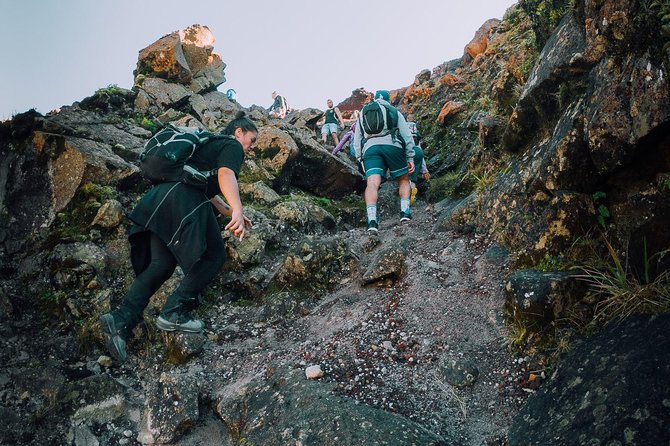
The walking route is broken into shorter sections rather than one relentless climb. That helps, especially because the trail changes underfoot. You may move from firmer ground to uneven volcanic rock, then across loose scree where every step needs care.
Guides set the pace and stop for rests and photographs. This is important if your group includes people with different fitness levels. Several accounts describe guides waiting patiently, offering encouragement, and helping people through awkward sections rather than pushing them along.
The quality of the guiding is one of the strongest reasons to book this particular outing. Jesse and Hauri have been praised for their energy and care. Jack has been singled out for making a difficult walk feel fun. Dan, Daniel, Frank, Chucky, Deborah, Napier, AJ, and Jacky have also received warm praise for their patience, humor, safety awareness, and cultural knowledge.
Climbing toward the crater rim
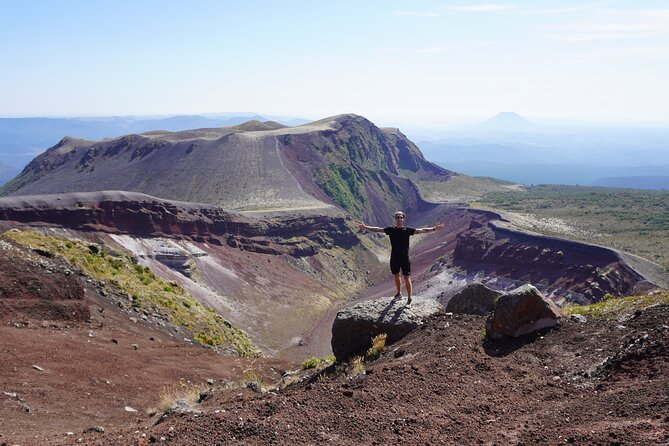
The walk is described as manageable for a reasonably fit person, but you should not confuse manageable with easy. There are uphill sections, uneven ground, and exposed areas that may unsettle anyone uncomfortable with heights.
The reward comes steadily. As you climb, the views open out across the volcanic country. On a clear day, you can see toward Waimangu Volcanic Valley and take in the broad shape of the region. At the summit or high points, the 360-degree view is the kind of scene that makes you stop talking for a moment.
Weather can change the feel of the hike. Cloud or poor visibility may reduce the views, while wind can make the summit cold even when Rotorua feels mild. Early autumn conditions have been described as windy and chilly, so a warm layer belongs in your day pack.
The route is not an ordinary hill walk. The height and open edges add a sense of drama. If you are afraid of heights, the return route may be the hardest part. Uneven ground and steep sections require attention, particularly on the way down.
More Volcano Hikes in New Zealand:
- Bali: Sunrise Mount Batur Guided Hike with Breakfast
★ 4.8 · 9,660 reviews - Bali: Mount Batur Sunrise Guided Hike and Natural Hot Spring
★ 4.8 · 9,284 reviews - Mount Etna: Summit Guided Hiking Tour up to 3,400 m
★ 4.8 · 4,792 reviews - Mount Etna: Trek to 3000m with cable car and 4×4
★ 4.6 · 3,823 reviews
The optional scree run into the crater
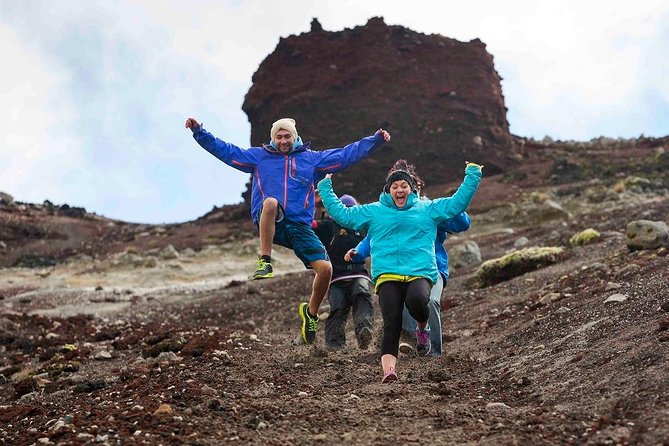
The most unusual part of the experience is the optional run or slide down the volcanic scree toward the heart of the crater. Loose pebbles shift beneath your feet, allowing you to move downhill in a controlled slide. It is great fun, but it is also where footwear and balance matter most.
You do not have to take part. That choice is useful because the hike can suit people with different comfort levels, provided everyone understands the physical demands. If you do try it, listen closely to your guide and move at a pace that feels safe.
Scree can find its way into your boots and scrape exposed skin around your ankles. One practical tip is to wear higher socks. This is more useful than it may sound. Lower socks can leave a gap where sharp volcanic fragments rub against you.
Good hiking shoes are strongly recommended. Some people have completed the route in trainers, but one participant had been advised that trainers were sufficient, slipped on the scree, and eventually stopped the hike. The operator offers boot hire during the booking process, so take that option seriously if your footwear is basic.
What the eruption adds to the experience
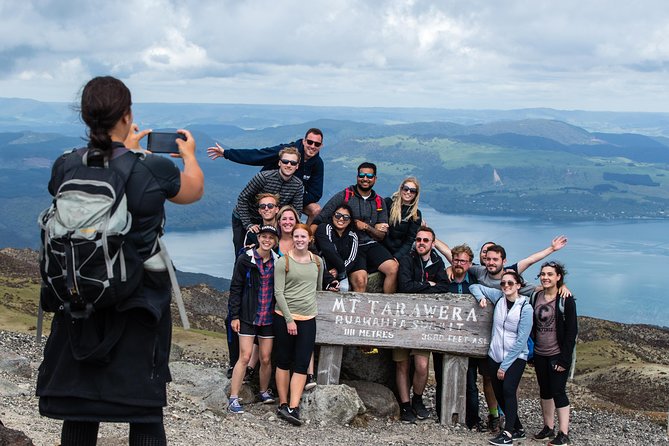
Mt Tarawera is not simply a scenic summit. Its shape and surface tell the story of the eruption that split the mountain and transformed the area. A guide can point out how different rock types fit into the region’s geological story, giving you more to notice than color and distance.
The destruction of the Pink and White Terraces is a key part of the history. These terraces were once among New Zealand’s best-known natural wonders. Their loss helps you understand the force of the eruption and why Mt Tarawera remains such an important place.
The connection to Waimangu Volcanic Valley adds another layer. The valley was created by the same eruption, so the view toward it links the mountain beneath your boots with the geothermal sites around Rotorua. You get a broader picture of the region rather than treating each attraction as a separate stop.
The cultural side matters just as much. Guides share Māori history and the connection between people and the maunga. The experience is stronger when you take time to listen, not just race toward the crater.
Timing, group size, and the half-day format
The tour lasts about 4 hours and 30 minutes and offers morning or afternoon departures. That makes it easy to fit around another Rotorua activity, though you should avoid booking something demanding immediately afterward. The drive, changing conditions, and group pace can affect the exact flow of the day.
A half-day is enough to reach the crater area, hear the main stories, enjoy the views, and take part in the optional scree run. Still, a few people have wished for a longer walking option or said they would have chosen the full-day experience if they had known about it.
The maximum group size is 20. That is not tiny, but the route is guided and structured, and some departures may be much smaller. If you want a private or silent mountain experience, this is not that. If you want company, safety support, and a guide who can explain what you are seeing, the group format works well.
Is $121.01 good value?
At $121.01 per person, you are paying for more than access to a trail. The price includes hotel or motel pickup, return transport, a professional guide, and the 4.5-hour Mt Tarawera crater experience. Lunch is not included.
I see the value in the combination. Reaching the mountain independently would not give you the same safety support, local stories, or help on the scree sections. The guide also takes away the worry of finding the route in rough country.
The value drops if you arrive expecting an easy sightseeing trip or a luxury vehicle. The ride can be rough, and the walking is more strenuous than some promotional descriptions suggest. You also need to supply suitable clothing, footwear, water, and lunch if you need food during the outing.
The 98 percent recommendation rate and 4.9 rating from 284 reviews point to very strong satisfaction, but the less positive experience is worth taking seriously. The main concerns are clear: inadequate shoes, underestimating the fitness level, fear of heights, bumpy transport, and a mismatch between expectations and reality.
Who should book this hike?
I would recommend it to you if you enjoy active sightseeing, volcanic geology, open views, and guided cultural experiences. It suits a person with moderate fitness who can handle uphill walking, loose rock, and a steep-feeling descent.
It is also a good choice if you want something more memorable than another geothermal viewing platform. The combination of the crater, the eruption story, Māori history, and the optional scree run gives the outing a strong sense of place.
I would think twice if you dislike rough roads, feel nervous on exposed slopes, or have only casual shoes. The hike may still be possible, but you would need to prepare carefully and be comfortable opting out of the scree run.
The experience is advertised as suitable for all ages, but that should not be read as effortless. Moderate physical fitness is required, and the group needs to move over uneven volcanic ground. Parents and older participants should judge the route based on their own balance, stamina, and comfort with height.
What to wear and bring
Use hiking shoes or sturdy boots with good grip. Higher socks can help keep sharp scoria away from your ankles. Trainers may work for some people, but they are a poor choice if the soles are smooth or the fit is loose.
Bring layers because the summit can be windy and cold, especially in early autumn. You should also carry water, and remember that lunch is not included. A small day pack is useful for your clothing, water, and personal items.
The most important item is not equipment. It is an honest view of your own fitness and comfort with heights. If you know you will struggle on loose downhill ground, tell the guide early and skip the optional run.
Cancellation and weather notes
You can cancel for a full refund up to 24 hours before the scheduled start time. Cancellations or changes made less than 24 hours ahead are not refunded or accepted.
The outing depends on good weather. If poor conditions force a cancellation, you will be offered another date or a full refund. That policy matters here because cloud, wind, and rain can affect both safety and the quality of the views.
Should you book Mt Tarawera?
Book it if you want a genuine volcanic adventure, not a gentle walk. The best parts are the wide views, the crater, the optional scree run, and guides who bring personal knowledge of the mountain and its people.
Before paying, make sure you understand the trade-offs. The ride can be bumpy, the trail is steep and loose in places, and the weather may turn a scenic summit into a cold, cloudy one. Wear proper shoes, ask about boot hire if needed, confirm your pickup details, and leave room in your schedule for a four-and-a-half-hour outing.
For an active person visiting Rotorua, I think this is one of the stronger choices in the area. It gives you scenery, geology, Māori culture, and a story you cannot get from a quick stop at a geothermal park.
FAQ
How long does the Mt Tarawera experience last?
The guided experience lasts approximately 4 hours and 30 minutes.
Is hotel pickup included?
Yes. Free pickup from Rotorua hotels and motels is included, along with return transport. Pickup details should be confirmed before the tour because some pickups may use a nearby meeting point.
How difficult is the hike?
You should have a moderate level of physical fitness. The route includes uphill walking, uneven volcanic ground, loose scree, and sections that may feel steep.
Is the scree run into the crater required?
No. The scree run is optional. You can choose whether to take part based on your confidence, balance, and comfort with loose ground.
What footwear should I wear?
Good hiking shoes or boots are recommended. Higher socks can help protect your ankles from volcanic scoria that may enter your footwear.
Is lunch included?
No. Lunch is not included in the tour price.
What happens if bad weather cancels the tour?
If poor weather causes the experience to be canceled, you will be offered a different date or a full refund. You can also cancel up to 24 hours before the start time for a full refund.
Just added around New Zealand
- Cardrona Valley: Horse Trekking Experience★ 5.0 · 12 reviews
- Abel Tasman National Park: Cruise, Kayak, & Hike Tour★ 5.0 · 9 reviews
- Queenstown: Walter Peak Horse Trek & Queenstown Lake Cruise★ 4.7 · 151 reviews
- Tongariro Alpine Crossing: Premium Guided Hike★ 4.6 · 189 reviews
- Bay of Islands Cruise & Island Tour – Snorkel, Hike,Swim,Wildlife★ 5.0 · 177 reviews
- Rubicon Valley Horse Treks – 2 Hour River Trail Horse Trek★ 5.0 · 196 reviews
- Mount Cook: 3 Hour Heli Hike to the Tasman Glacier★ 4.7 · 218 reviews
- Mount Cook: 3-Hour Tasman Glacier Helicopter Ride and Hike★ 4.9 · 235 reviews
New Zealand Hiking Tours, compared.
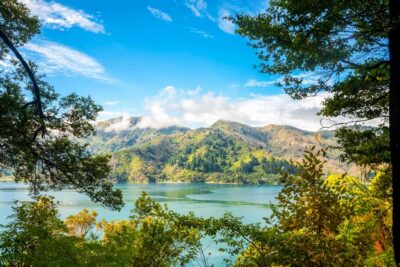
Queen Charlotte Track: Cruise & Self-Guided Hike from Picton
Read our review →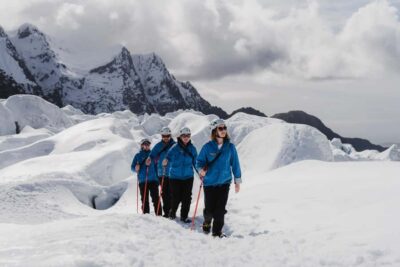
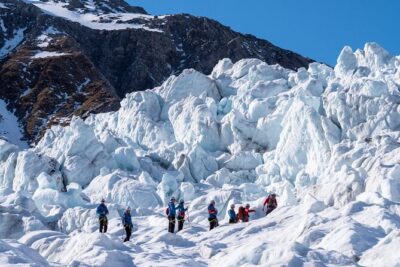
Franz Josef: 2.5 Hour Glacier Hike with Helicopter Transfer
Read our review →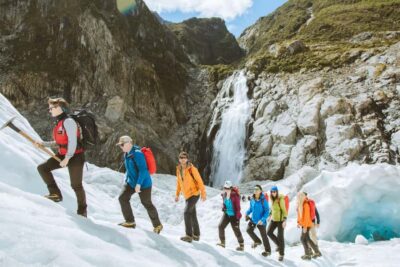
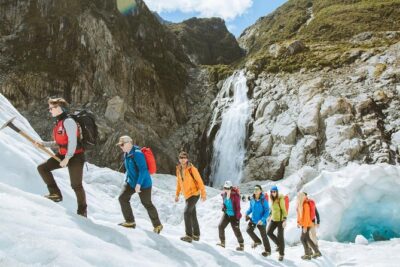
Fox Glacier: Up to 3 Hours Hike with Helicopter Transfer
Read our review →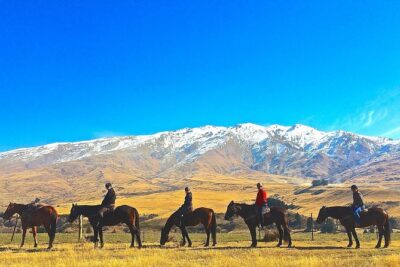
Cardrona High Country Pub Trail Horse Trek (Intermediate level+)
Read our review →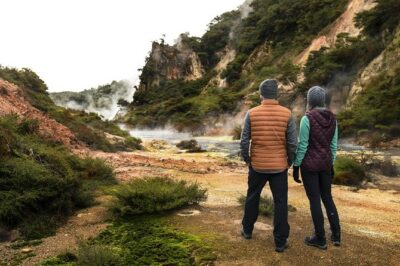
Volcanic Valley Self Guided Walking and Hiking at Waimangu
Read our review →
Mount Cook: 3-Hour Tasman Glacier Helicopter Ride and Hike
Read our review →Browse the lists this tour appears in